
10 Tiny Arizona Towns Most Travellers Don’t Even Know Exist
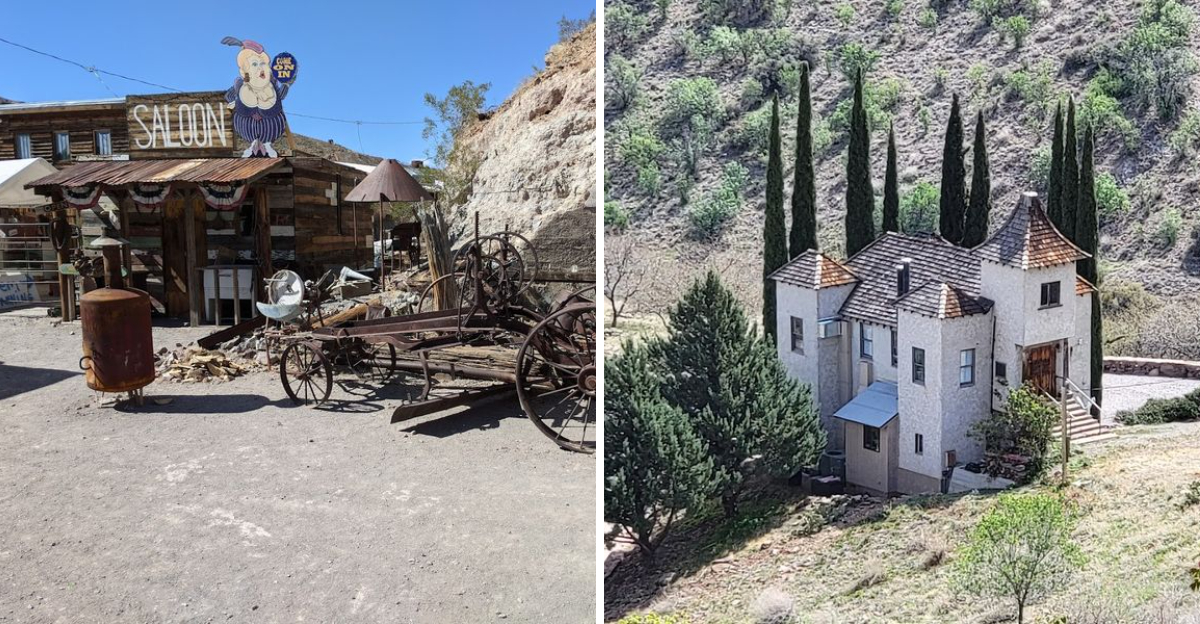
Arizona is famous for the Grand Canyon, Sedona’s red rocks, and the saguaro-studded Sonoran Desert, but the state hides something far more surprising between those postcard-perfect landmarks. Scattered across mountains, river valleys, and dusty backroads are tiny towns so small they barely show up on a map, yet each one holds a story worth chasing.
I stumbled into several of these places completely by accident, and every single one stopped me in my tracks. Pack your curiosity, fuel up the car, and get ready to discover the Arizona most travellers never even knew to look for.
1. Winkelman
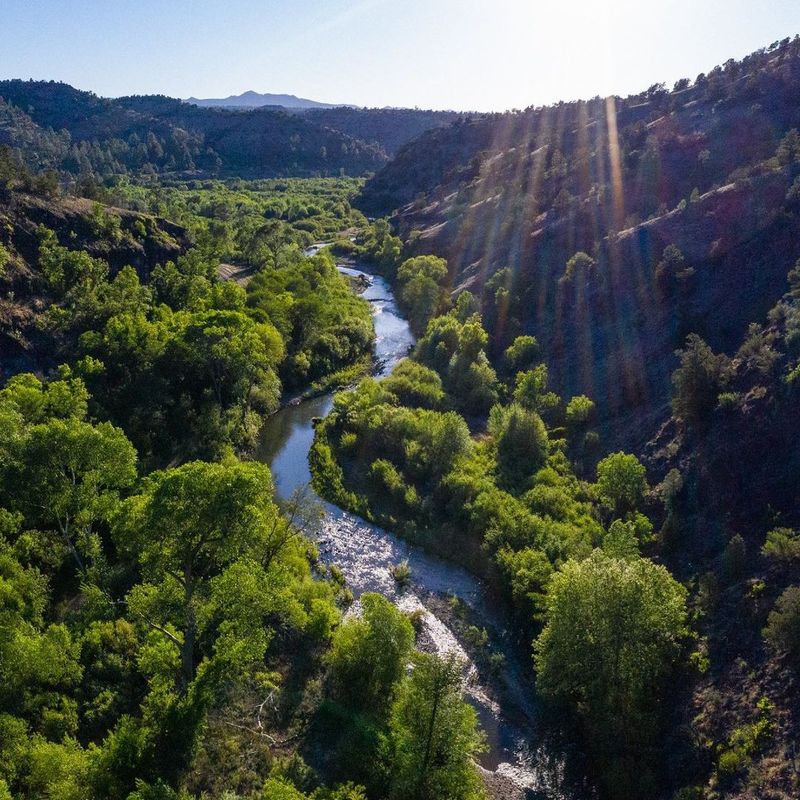
Sitting right where the San Pedro River meets the Gila River, Winkelman is one of those places that surprises you with how quietly beautiful it actually is. Most people blast past it on Highway 77 without a second glance, and honestly, that is their loss.
The town sits at the bottom of a rugged canyon, and the river views alone are worth pulling over for.
Winkelman has a population of only around 350 people, making it one of the smallest incorporated towns in Arizona. It shares a border with the equally tiny town of Hayden, and together they feel like a time capsule from mid-century Arizona.
Old buildings, friendly faces, and zero tourist crowds create a vibe that feels genuinely real.
The Gila River corridor near here is excellent for birdwatching, especially during migration season when the cottonwood trees come alive with activity. Nearby Aravaipa Canyon Wilderness is one of the most pristine desert riparian areas in the entire Southwest.
You need a permit to hike it, so plan ahead, but the reward is a lush canyon that feels almost impossible for Arizona to contain.
2. Patagonia
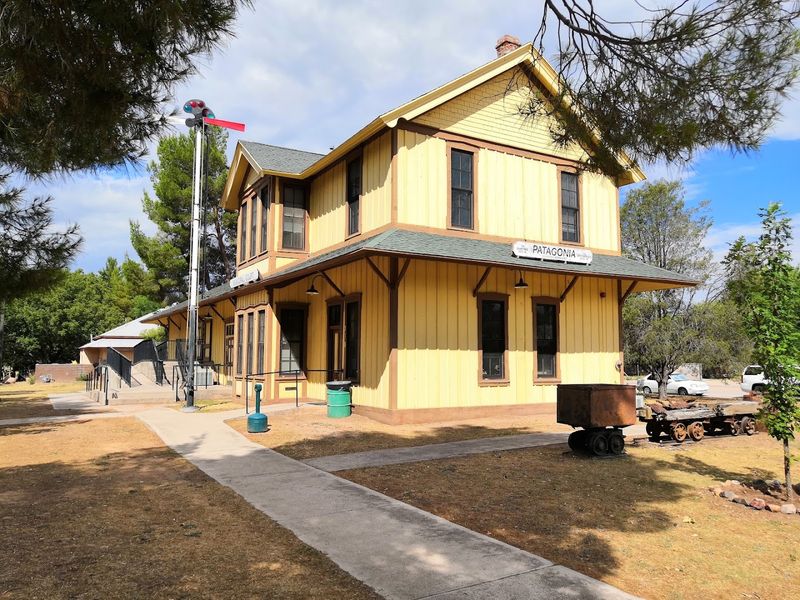
Say the word Patagonia and most people picture Argentinian glaciers or an outdoor clothing brand, but Arizona has its own version, and it is absolutely worth the detour. Tucked into the rolling grasslands of Santa Cruz County near the Mexican border, this little town has a population of fewer than 1,000 people and a creative energy that punches way above its weight.
Artists, birders, and nature lovers have quietly claimed Patagonia as their own over the decades. The town has a handful of galleries, a beloved local market, and a community vibe that feels genuinely warm without being performatively quirky.
The main street is short enough to walk in five minutes, but you will want to linger much longer.
Patagonia Lake State Park sits just a few miles away and offers boating, swimming, and camping in a setting that looks more like the Texas Hill Country than the Arizona most people imagine. The Sonoita Creek State Natural Area right near town is one of the best birding spots in North America, attracting rare species that draw enthusiasts from across the country.
Plan a full weekend here because one day simply will not cut it.
3. Greer
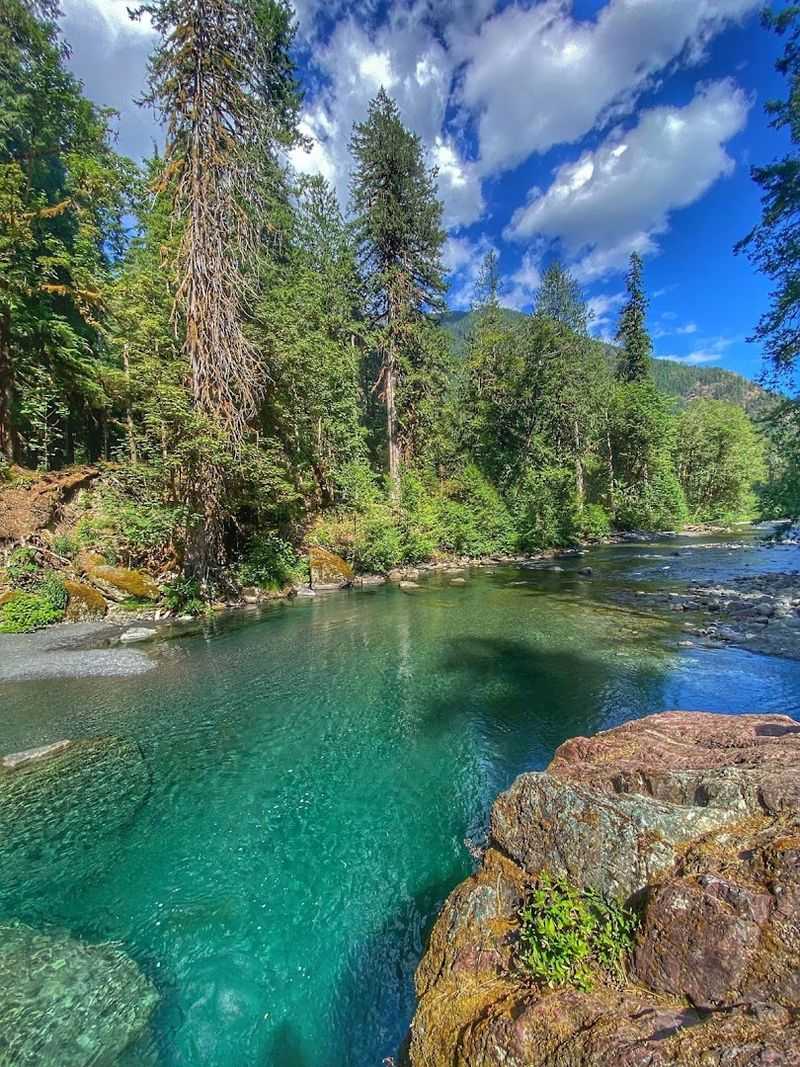
Arizona has mountains, and then it has the White Mountains, a world apart from the desert floor that most visitors associate with the state. Greer sits at around 8,500 feet elevation inside this forested highland, and the moment you arrive, the air feels different, cooler, cleaner, and smelling powerfully of pine.
It is the kind of place that makes you want to slow everything down immediately.
The Little Colorado River actually begins as a modest, crystal-clear stream running right through the meadows near Greer, and fly fishing here is a serious local tradition. The town itself is barely a village, with a population that hovers somewhere around 150 permanent residents.
What it lacks in size it makes up for in sheer natural beauty that changes dramatically with every season.
Summer brings wildflower meadows and cool temperatures that feel like a miracle compared to Phoenix’s brutal heat. Fall turns the aspen groves into shimmering gold, and winter transforms Greer into a snowy retreat popular with cross-country skiers and snowshoers.
The nearby Sunrise Park Resort offers downhill skiing, which surprises most people who forget that Arizona even gets significant snowfall. Greer is proof that this state contains multitudes.
4. Portal
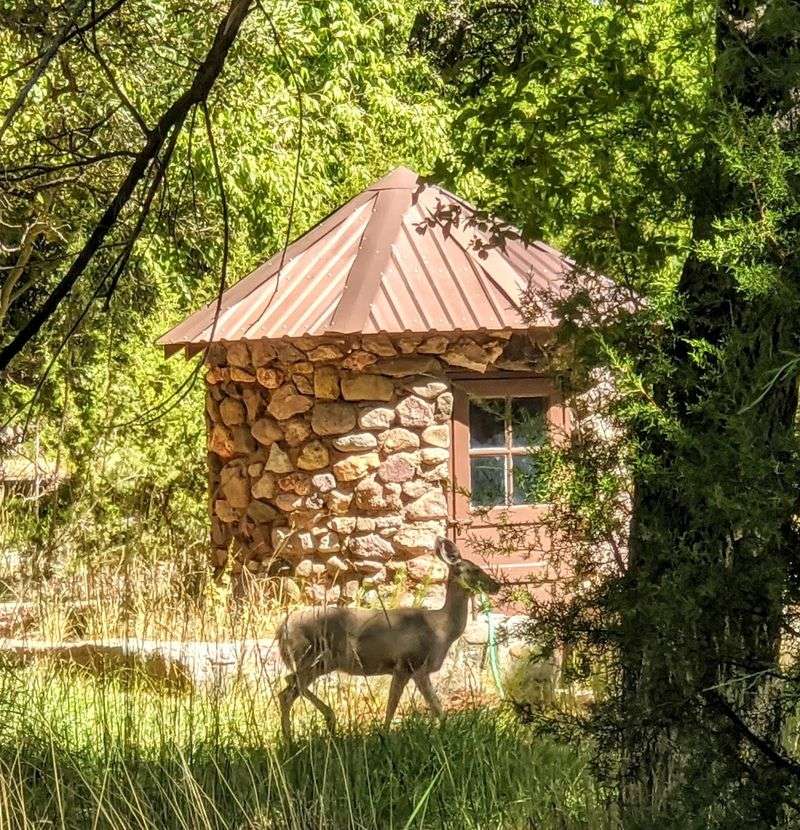
Portal is the kind of place that serious naturalists speak about in hushed, reverent tones. Located at the eastern entrance to Cave Creek Canyon in the Chiricahua Mountains of southeastern Arizona, this tiny community of fewer than 100 residents sits in one of the most biologically diverse corners of the entire United States.
The Chiricahuas are a sky island range, meaning they rise dramatically from surrounding desert and create their own unique ecosystems.
Birders travel from all over the world specifically to reach Portal, because the canyon hosts an extraordinary mix of Mexican and North American bird species that overlap here and almost nowhere else. Elegant trogons, sulphur-bellied flycatchers, and thick-billed parrots have all been spotted in this area.
The bird life alone could keep you busy for days on end.
Beyond birds, the canyon itself is stunningly dramatic, with towering rhyolite rock formations, cool running water, and ancient sycamore trees lining the creek. The American Museum of Natural History operates a research station here, which tells you everything about how scientifically significant this location truly is.
Getting to Portal requires commitment since the roads are long and remote, but arriving feels like discovering a secret the rest of the world forgot to share.
5. Oatman
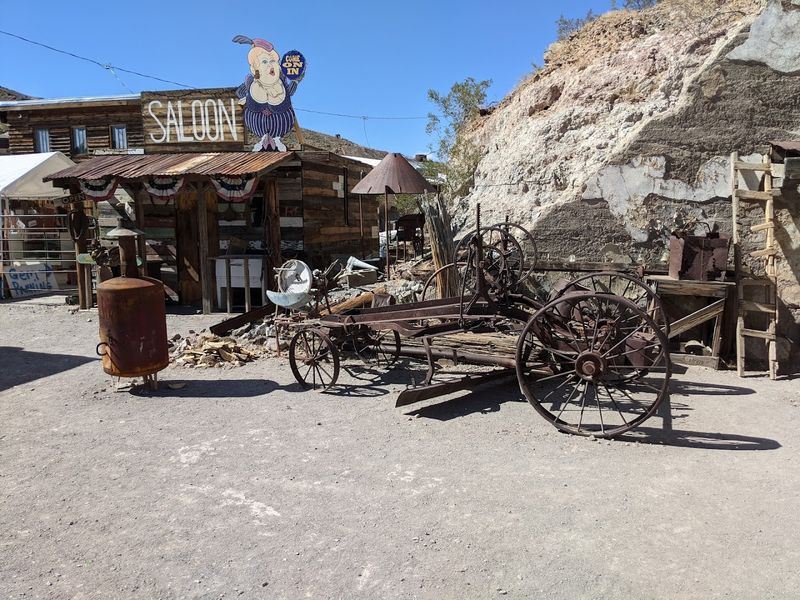
Wild burros strolling down the main street, gunfight reenactments on the sidewalk, and a saloon that looks like it survived directly from 1915 because it basically did. Oatman is one of Arizona’s most genuinely eccentric small towns, and it earns every bit of that reputation without even trying.
Perched in the Black Mountains along the historic Route 66 corridor, this former gold mining camp turned tourist curiosity sits at an elevation that keeps temperatures slightly more bearable than the surrounding Mojave Desert.
Gold was discovered here in 1915, and at its peak Oatman had a population of around 3,500 people and produced over 1.8 million ounces of gold. When the mines closed in 1942, most residents simply left, and the town nearly became a ghost.
The burros you see today are descendants of animals miners released when operations shut down, and they have been wandering freely ever since.
Clark Gable and Carole Lombard famously spent their wedding night at the Oatman Hotel in 1939, and the hotel still stands today as a quirky museum of sorts. The drive along the original Route 66 through Sitgreaves Pass to reach Oatman is genuinely thrilling, with hairpin curves and sweeping desert panoramas that make the journey as memorable as the destination.
6. Arcosanti
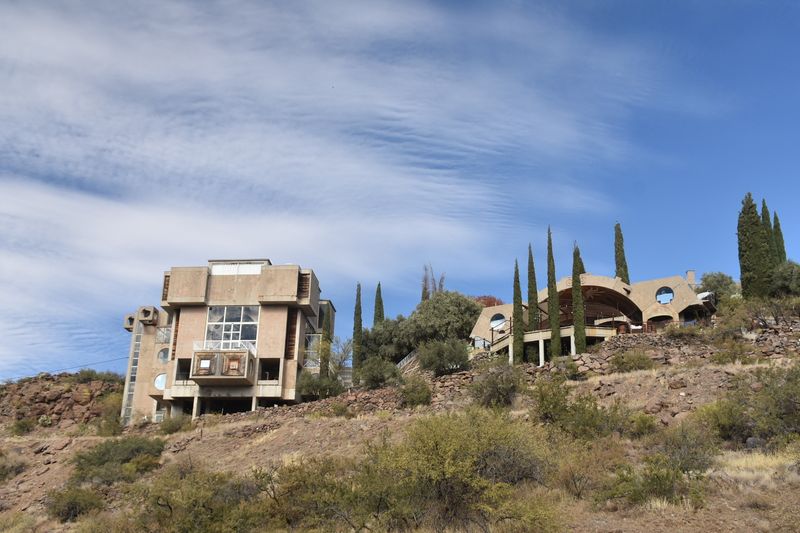
Arcosanti looks like something a science fiction novelist dreamed up and then accidentally built in the Arizona desert, and that description is not far from the truth. Founded by Italian architect Paolo Soleri in 1970, this experimental town about 70 miles north of Phoenix was designed as a living laboratory for a concept Soleri called arcology, the fusion of architecture and ecology into a compact, sustainable community.
Decades later, it still feels like nothing else on Earth.
The population here hovers around 50 to 100 residents at any given time, a mix of permanent staff, visiting students, and workshop participants from around the world. The buildings themselves are remarkable, featuring sweeping concrete apses, passive solar design, and communal spaces that blur the line between indoor and outdoor living.
Guided tours run daily and offer fascinating insight into both the architecture and the philosophy behind it.
Arcosanti is also famous for its handcrafted bronze and ceramic wind bells, which have been made and sold here since the early days to fund construction. Buying one feels like taking home a small piece of a genuinely bold idea.
The surrounding high desert landscape, with its mesas and scrubby vegetation, adds a layer of drama that makes the whole place feel even more otherworldly and unforgettable.
7. Supai
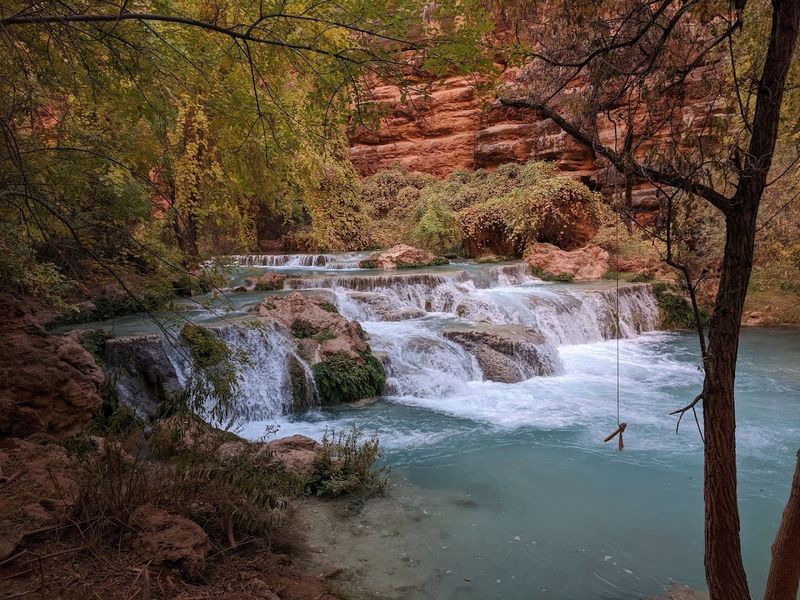
Reaching Supai requires either an eight-mile hike down a rugged canyon trail, a mule ride, or a helicopter, and yet people make that journey from every corner of the globe just to stand beside its waterfalls. The village is the capital of the Havasupai Tribe and sits 2,000 feet below the canyon rim inside a side canyon of the Grand Canyon.
It holds the distinction of being the most remote community in the contiguous United States.
The post office here still uses mule trains to deliver mail, making it the last place in the country where mules serve as the primary mail carrier. Around 400 tribal members call Supai home year-round, and their connection to this land stretches back centuries before any outside contact.
The community manages its own tribal campground and lodge for visitors.
Havasu Falls, Mooney Falls, and Beaver Falls are the three main waterfalls near the village, and each one glows with an almost unreal turquoise-blue color caused by high calcium carbonate content in the water. Permits to visit are required and sell out extremely fast, often within minutes of becoming available.
If you manage to secure a spot, clear your schedule without hesitation because Supai is one of the most breathtaking places on the entire planet.
8. Chloride
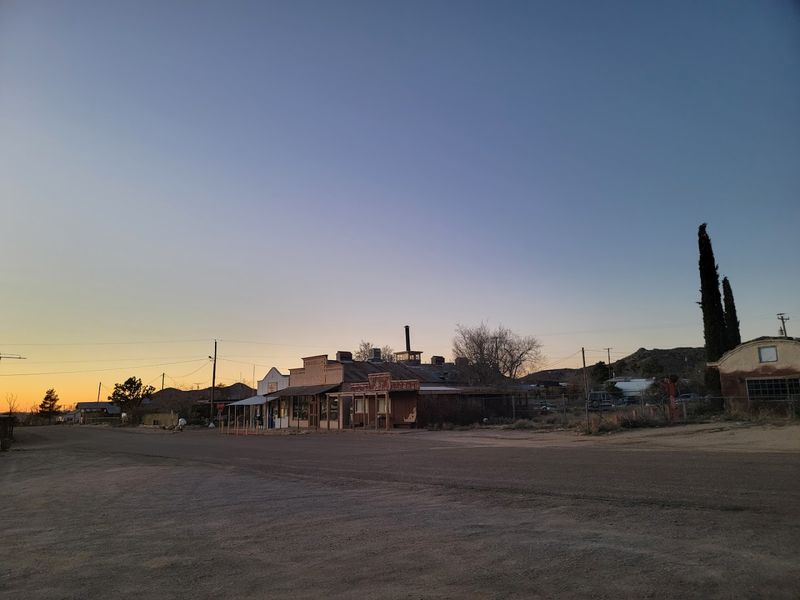
Arizona’s oldest continuously inhabited mining town, Chloride has been around since silver was discovered in the area back in 1863. The population today sits somewhere around 250 people, give or take a few seasonal residents, but what this place lacks in numbers it absolutely makes up for in personality.
The name comes from silver chloride ore, and the mining heritage is still visible in the landscape and the buildings if you know where to look.
The most talked-about attraction near Chloride is a collection of large outdoor murals painted directly onto the rocky hillside just outside of town by artist Roy Purcell back in 1966. The murals are massive, psychedelic, and completely unexpected in the middle of the Mojave Desert.
They have been restored several times and remain a genuine jaw-dropper for first-time visitors who stumble across them.
The town itself has a casual, lived-in charm that feels nothing like a manufactured tourist destination. A general store, a few antique shops, and the legendary Saturday morning mock gunfights give Chloride a playful spirit that locals clearly enjoy keeping alive.
The surrounding Cerbat Mountains offer hiking and off-road exploration for those who want to push beyond the main street and into the raw desert terrain that surrounds this little gem.
9. Duncan
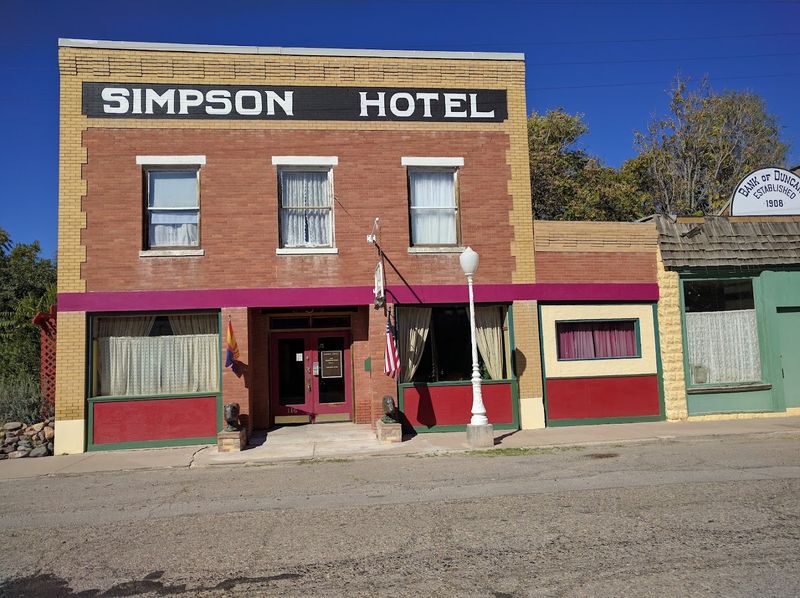
Duncan sits in the far eastern corner of Arizona along the Gila River, close enough to the New Mexico border that you might accidentally cross it if you are not paying attention. With a population of around 700 people, this agricultural community has a quiet, unhurried pace that feels genuinely restorative after too much time spent in cities.
Pecan orchards, chile fields, and cattle ranches define the landscape around town, giving it a working-rural character that is increasingly rare to find.
The town was established in the 1880s and named after a Scottish merchant named Duncan who ran a store in the area during the territorial days. It later became an important stop on the Arizona and New Mexico Railway, and some of that old infrastructure is still visible if you poke around the edges of town.
History here is not packaged or polished; it simply exists in the fabric of the place.
The Gila River near Duncan is one of the few stretches of the river that still flows relatively freely, and the riparian habitat along its banks supports a remarkable variety of wildlife including great blue herons, river otters, and dozens of songbird species. Fall is a particularly beautiful time to visit when the cottonwoods turn bright yellow and the harvest season brings the valley to life with activity and color.
10. Jerome
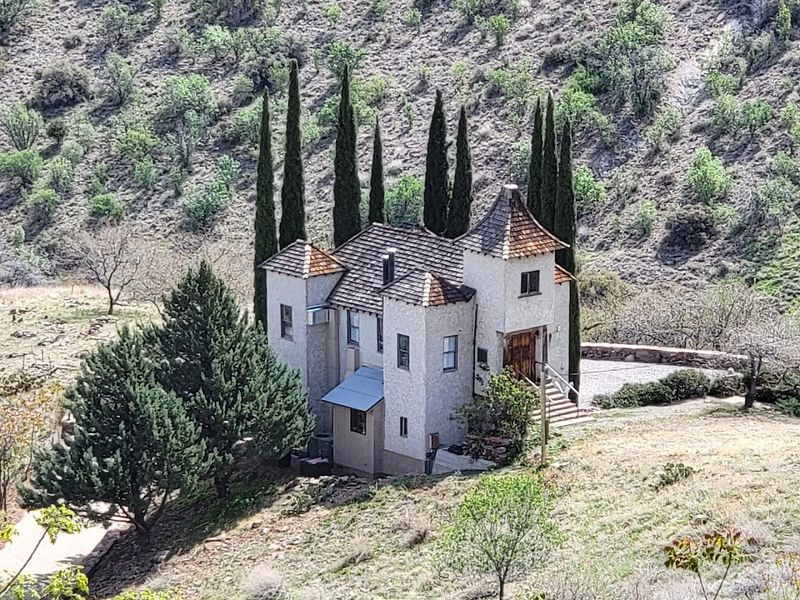
Few towns in America have the audacity to cling to the side of a mountain the way Jerome does. Built on the steep slopes of Cleopatra Hill above the Verde Valley, this former copper mining boomtown once had a population of 15,000 people and was known as the wickedest town in the West.
Today roughly 450 people call it home, and Jerome has reinvented itself as one of Arizona’s most vibrant arts communities without losing a single ounce of its edge.
The copper deposits here were mined by Indigenous peoples long before European contact, and large-scale commercial mining began in the 1880s. At its peak, the United Verde Mine was one of the richest copper mines in the world.
When the mines finally closed in 1953, the town’s population collapsed to fewer than 100 people, and Jerome was officially declared a ghost town.
Artists, rebels, and free spirits began moving in during the 1960s and 1970s, slowly breathing new life into the crumbling Victorian buildings. Today the main street is packed with galleries, boutiques, wine bars, and restaurants that take full advantage of the staggering views across the valley below.
The Jerome State Historic Park and its mine museum offer context for the town’s extraordinary past, while the tilted jail, which literally slid downhill during mining blasts, remains one of the most memorable sights in all of Arizona.