
This New York Mountain Trail Isn’t For Anyone Who Gets Nervous Around Heights
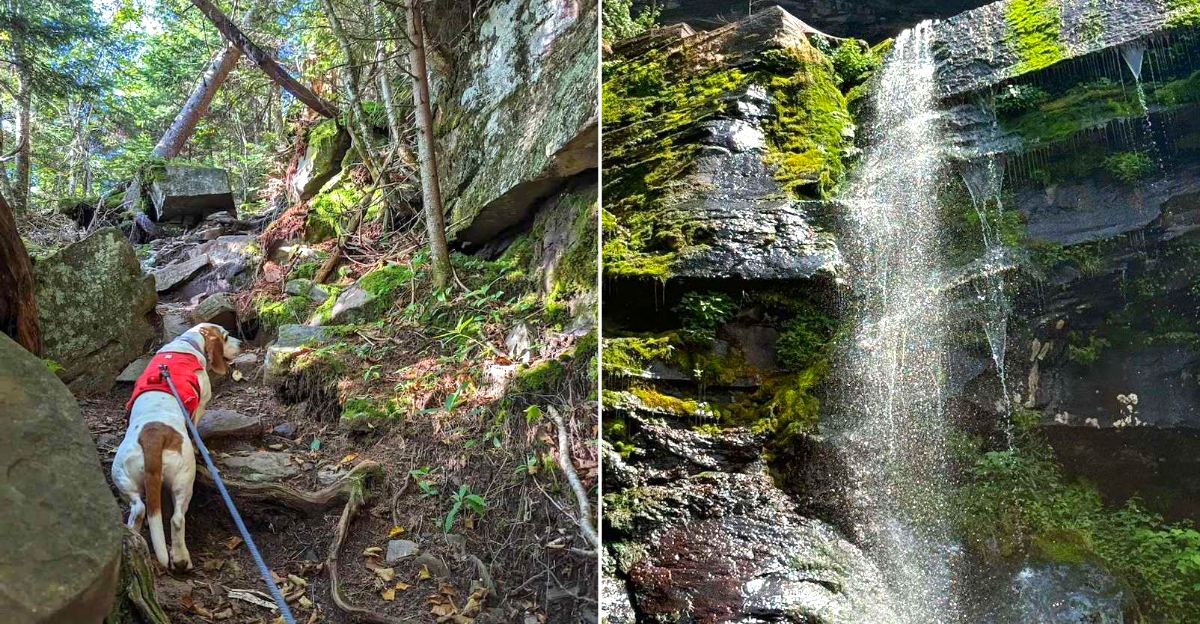
This New York mountain trail is incredible… but wow it is not for the faint of heart. Some hikes are relaxing.
This one makes your heart beat a little faster. The trail climbs high into the mountains, the views open up in every direction, and suddenly the path feels a lot narrower than it did at the start.
The scenery is incredible, but yes… the height is very real.
The views from the top are absolutely worth it, stretching across forests, cliffs, and miles of open landscape. Just be ready for a few moments where you pause, take a deep breath, and remind yourself that the photos at the summit are going to be amazing.
The Trail That Actually Lives Up To Its Name
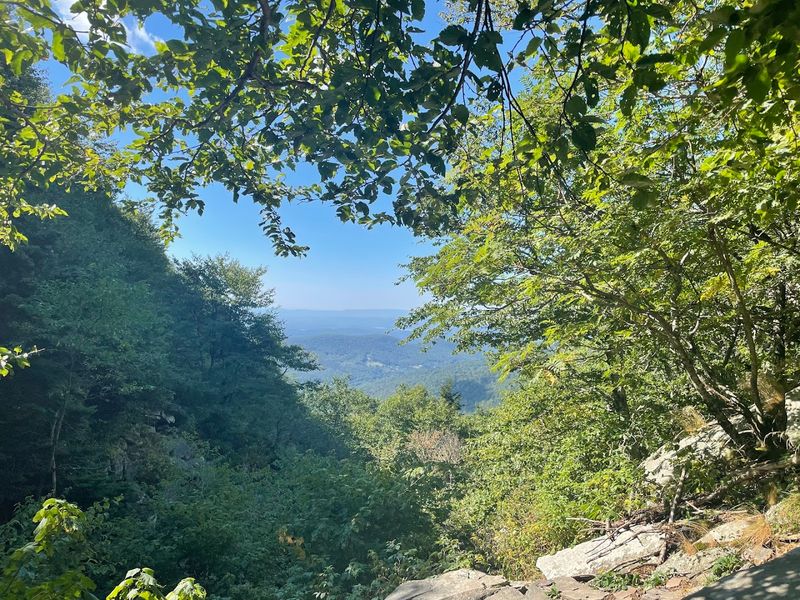
Most trails with dramatic names turn out to be a gentle walk through the woods with a mildly steep bit near the end. The Devil’s Path is not one of those trails, and it will make sure you know that within the first mile.
Located along Prediger Trail Head Road in Elka Park, NY 12427, this trail climbs five peaks across roughly 24 miles of terrain that alternates between rooted forest floor, exposed rock faces, and sudden vertical scrambles that make your hands very glad they came along for the trip.
The trail holds a 4.8-star rating from hikers who have completed it, and nearly every review uses words like brutal, stunning, and rewarding in the same sentence. That combination is not a contradiction here.
It is simply the honest character of a trail that refuses to be polite about what it asks of you.
Experienced hikers consistently describe the terrain as physically and mentally demanding, with steep ascents and descents that punish tired legs. What keeps people coming back is the payoff: views across the Catskills that feel genuinely earned, not just stumbled upon.
This trail does not hand anything to you for free.
Five Peaks And Zero Mercy For Your Knees
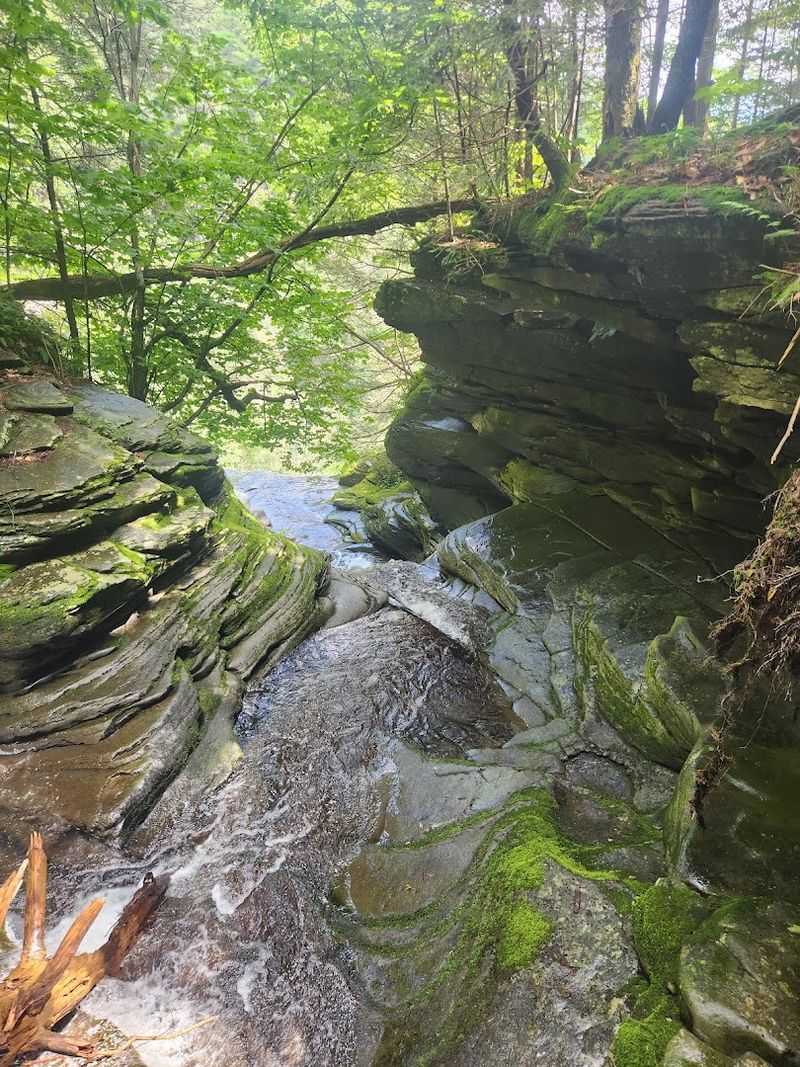
Crossing all five peaks of the Devil’s Path in a single push is the kind of ambition that separates casual hikers from people who genuinely enjoy suffering in the most scenic way possible. The peaks include Indian Head, Twin, Sugarloaf, Plateau, and Hunter, each with its own personality and each connected by trail sections that rarely offer a flat moment to collect yourself.
Hikers going east to west cover approximately 13 miles of this, with the full path stretching considerably further depending on access points.
Some visitors noted completing the east-to-west stretch in just under ten hours, describing ankle-deep water, slippery rocks, and relentless scrambling throughout.
Another mentioned that the descent from Plateau Mountain alone was enough to bring several hikers to their knees, literally, with multiple people abandoning the full traverse at that point.
The trail does not punish the unprepared out of cruelty. It simply has no mechanism for making things easier.
Trekking poles receive strong recommendations from experienced hikers who have navigated the boulder slabs and rooted descents. Your knees will send a formal thank-you note if you bring them.
Plan your mileage honestly, start early, and accept that this trail sets the schedule, not you.
What Rock Scrambling Actually Feels Like Out Here
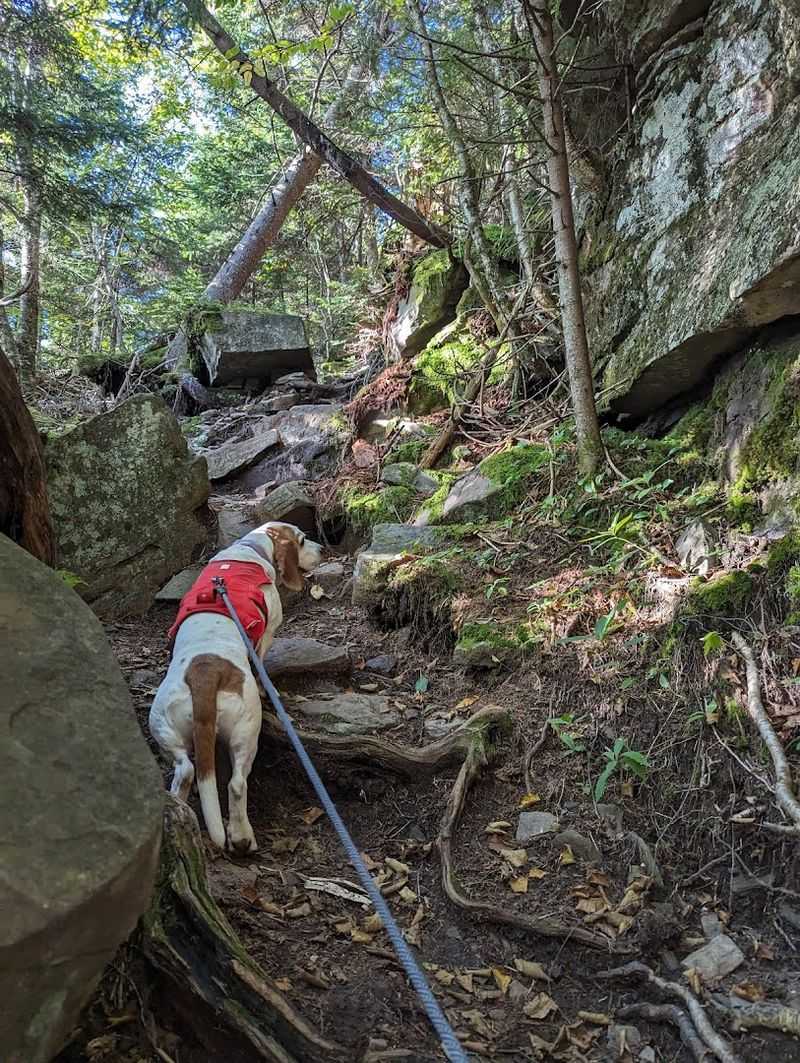
There is a particular moment on the Devil’s Path when the trail stops pretending to be a footpath and simply becomes a rock face you are expected to climb. These sections are known locally as chimneys, and they are among the most technically demanding features of the hike.
Using both hands and feet, hikers navigate tight vertical passages between boulders, some of which require wedging yourself through gaps that make you briefly reconsider your relationship with enclosed spaces and open air simultaneously.
Some described a stretch on the eastern loop as quite vertical, saved only by tree roots and well-placed footholds that offered just enough grip to keep moving upward. The reward waiting at the top of that particular scramble was described as the best view on the entire hike, which is saying something given the competition.
The trail does not place these sections randomly. They tend to arrive at moments when the scenery is about to become extraordinary.
If you have never done technical scrambling before, this trail will introduce you to it with full commitment and no warm-up lap. Gloves help.
Solid ankle support helps more. Confidence in your footing, built through practice and honest self-assessment, helps most of all.
The Views That Make Every Brutal Climb Worth It
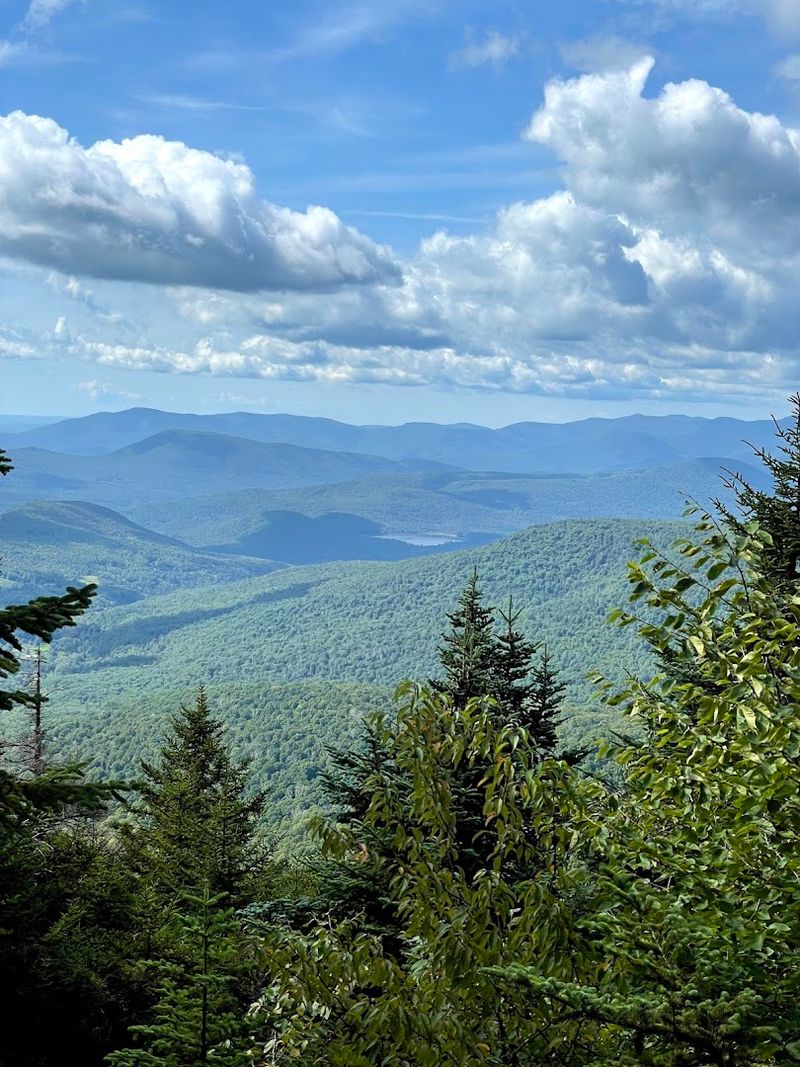
Ask anyone who has completed the Devil’s Path what they remember most, and the views from Twin Mountain tend to come up immediately. Both overlooks on Twin offer what several hikers have called spectacular, a word that gets used loosely on most trails but earns its place here.
The Catskill landscape stretches outward in layered ridgelines, valleys, and sky in proportions that genuinely stop conversation for a moment.
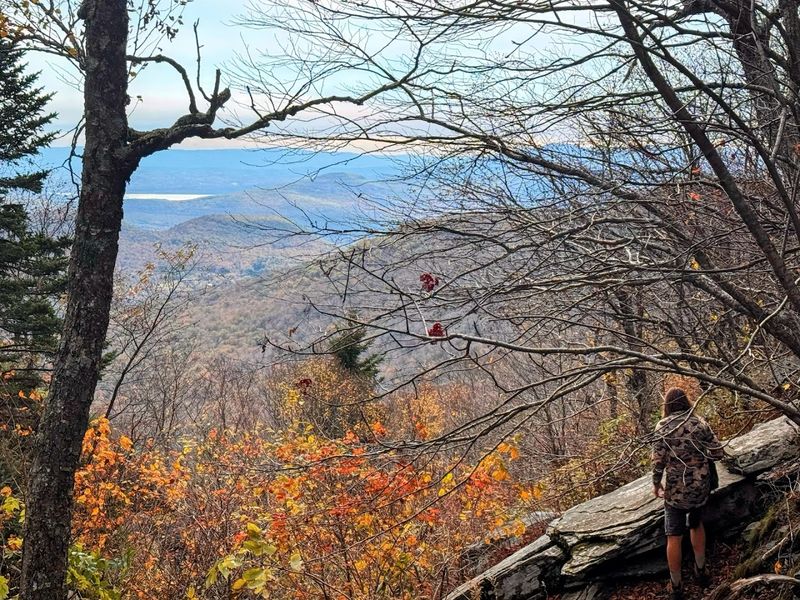
The fall season draws particular praise, with one hiker describing an incredible autumn hike featuring moderate elevation, beautiful surroundings, and the kind of solitude that only arrives once you leave the trailhead parking area behind. The trail thins out quickly beyond the first stretch, meaning the views are rarely shared with crowds.
That quality of earned privacy adds something to the experience that no amount of trail maintenance can manufacture.
Sugarloaf Mountain and Indian Head also deliver strong perspectives across the Catskills, each from a slightly different angle and elevation. Hikers who have done the trail multiple times often note that no two visits produce the same light or atmosphere.
Weather, season, and time of day all shift the character of these summits in ways that make returning feel worthwhile rather than repetitive. Bring a camera with a fully charged battery.
Waterfalls, Wildlife, And The Occasional Bear Reminder
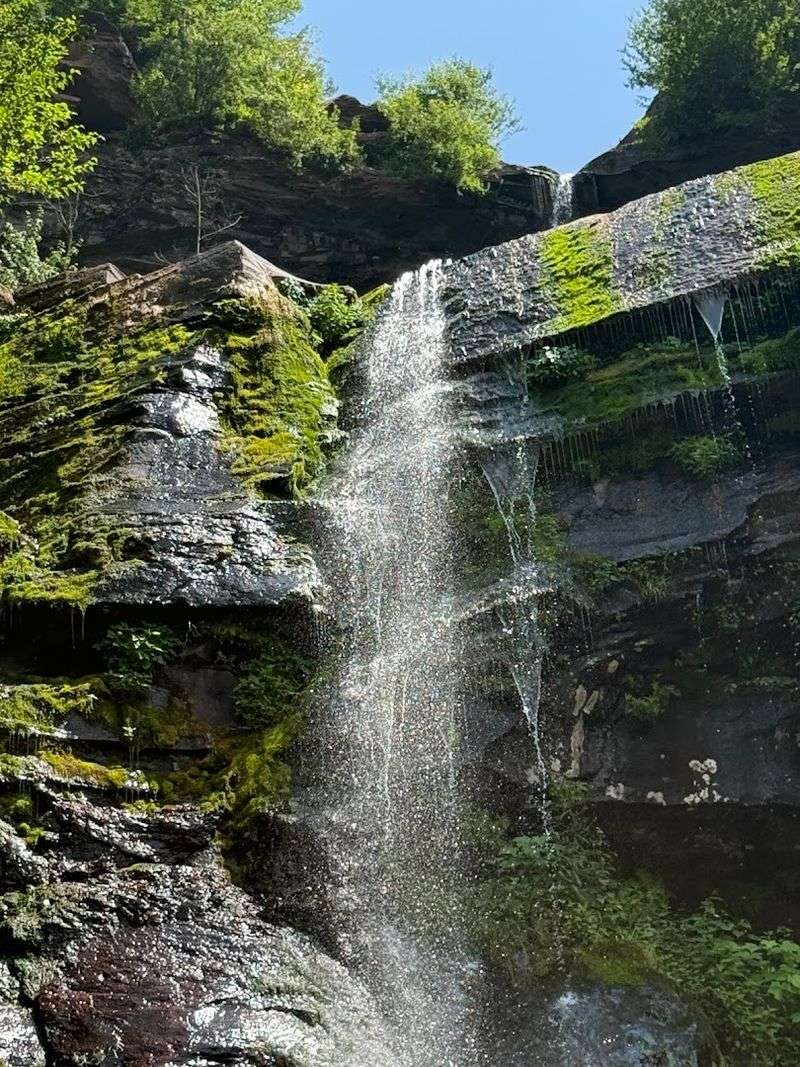
The Devil’s Path is not purely about elevation and suffering, though it does offer both in generous portions. The trail and its surrounding access points also connect hikers to features like Plattekill Waterfall, accessible from the Prediger Road trailhead area, where the sound of moving water offers a brief, welcome contrast to the silence of exposed ridgelines.
Echo Lake is another feature reachable from the eastern trailhead, adding variety to what the trail system offers beyond the main path.
Wildlife is a genuine presence in this part of the Catskills, and at least one reviewer offered the practical advice of making noise while hiking and periodically looking behind you for bears. That is not dramatic trail folklore.
Black bears are active in this region, and the dense forest sections of the Devil’s Path provide exactly the kind of habitat they prefer. Awareness is the correct response, not alarm.
Bugs during summer months with direct sunlight are described by one experienced hiker as atrocious, a word that deserves to be taken seriously when planning your visit. Early morning starts reduce both the bug exposure and the heat load on exposed sections.
The trail is open daily from 6 AM, which rewards those willing to set an alarm before the sun gets comfortable.
What To Pack Before You Dare This Trail
Preparation for the Devil’s Path is not optional, and the trail’s reputation makes that clear before you even lace up. Multiple hikers who have completed the full traverse recommend starting no later than 5:30 AM, carrying headlamps for the sections where darkness catches up with slower pacing, and packing enough water and food for a full day of demanding physical output.
One group that hiked east to west took nearly ten hours, and that was moving at a committed pace.
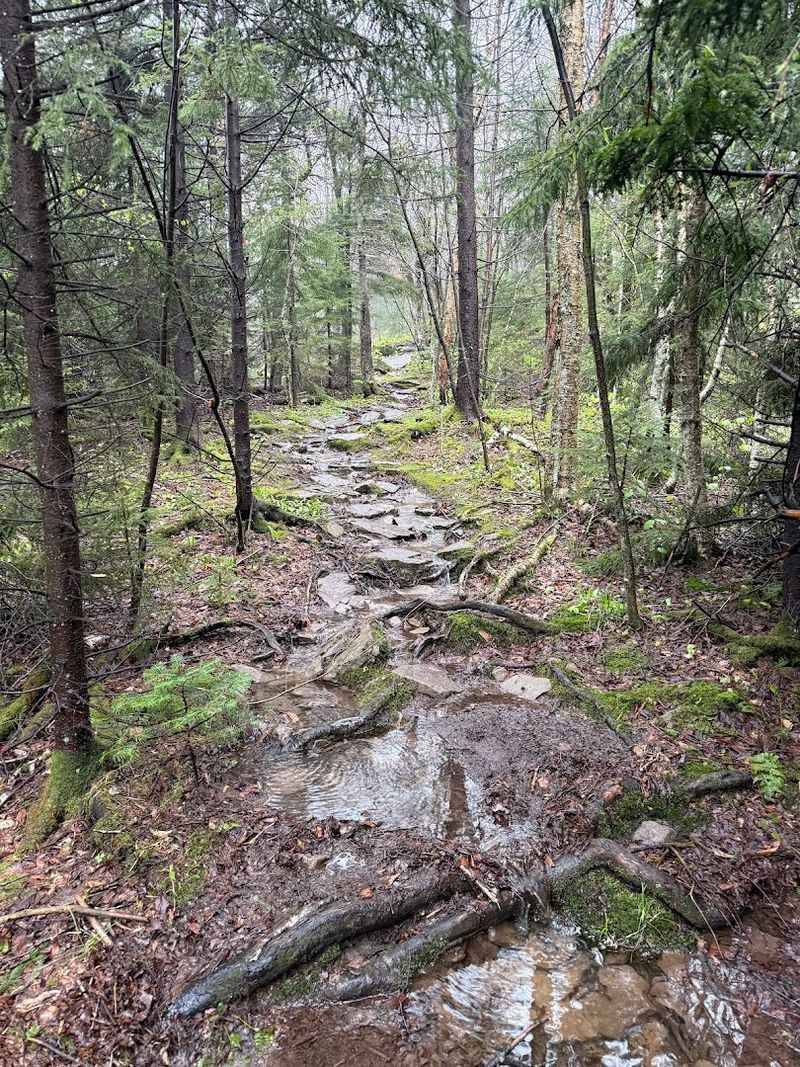
Trekking poles appear in nearly every gear recommendation for this trail, specifically for the steep descents where knee strain accumulates quickly. Proper hiking boots with ankle support are non-negotiable given the rooted, rocky, and frequently wet conditions underfoot.
One winter visitor noted that microspikes made a significant difference on icy sections, which means seasonal gear adjustments are worth planning around rather than improvising on the mountain.
A positive mental attitude also comes up repeatedly in trail reviews, which sounds like a motivational poster sentiment until you are three peaks in and your legs are asking serious questions about your decision-making.
Packing light, planning your exit time carefully, and hiking with a reliable partner are the three practical commitments that separate a good day on the Devil’s Path from a very long and uncomfortable one.
Who Should Attempt This Trail And Who Should Not
The Devil’s Path holds a 4.8-star rating across dozens of reviews, but that rating comes almost entirely from hikers who arrived prepared and left humbled.
The trail description from the trailhead itself uses words like challenging, steep, and rocky without softening them, and the reviews from actual hikers reinforce that characterization consistently.
This is not a trail that forgives overconfidence or underprepared footwear.
Beginners with limited hiking experience should build up to this trail rather than treating it as a starting point. Some hikers noted it was their first true multi-day hike and described it as an experience in the most wide-eyed sense of that word.
Another mentioned that six members of their group turned back due to feeling unsafe, which is a completely reasonable outcome and not a failure. The trail asks specific things of specific people.
The ideal candidate for the Devil’s Path is someone with prior experience on technical terrain, a realistic sense of their own physical limits, and a genuine appetite for the kind of beauty that only arrives after serious effort.
Casual walkers, people with a strong fear of heights, and anyone without proper footwear should choose a different trail for the day.
The Catskills offer plenty of those too, but none with quite this much character.