
The City In New York Where $1,500 A Month Covers Rent, Groceries, And Utilities
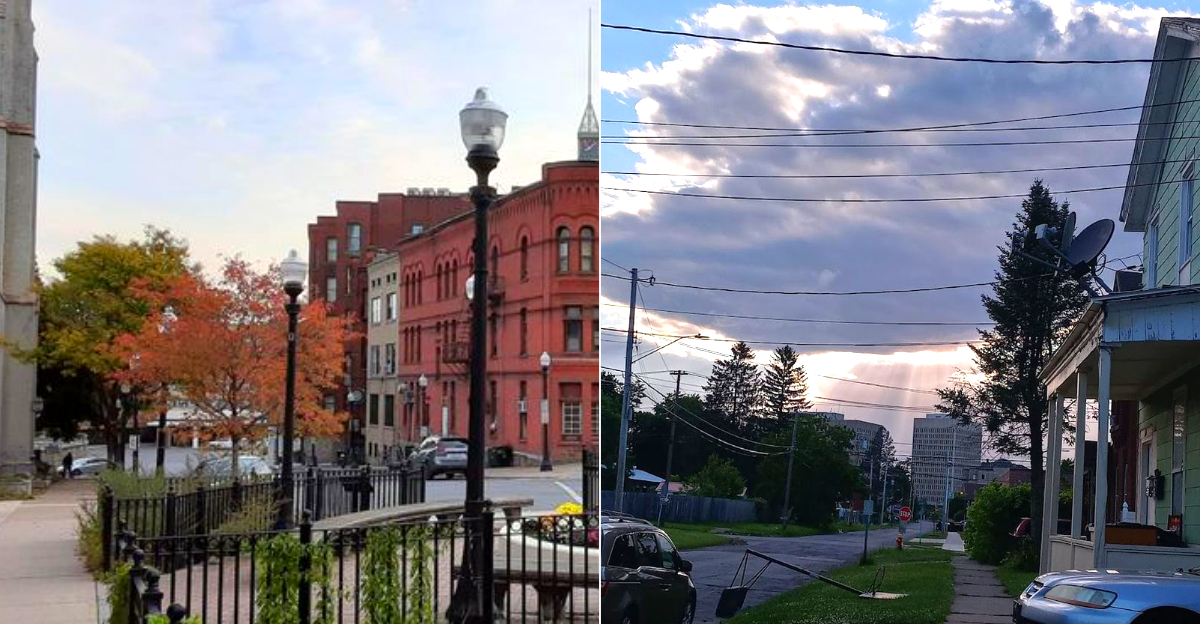
Living in New York usually comes with one big expectation: your wallet is about to work overtime. Rent, groceries, bills… it all adds up fast.
But there’s actually a city in the state where life moves a little differently. The pace is calmer, the streets feel more relaxed, and the cost of living doesn’t make your heart skip a beat.
Yes, a place in New York where about $1,500 a month can cover rent, groceries, and utilities actually exists.
People who discover it tend to have the same reaction. Wait… this is still New York?
The affordability is surprising, and the lifestyle feels a whole lot easier on the budget.
A City That Makes Your Wallet Feel Like It Just Won Something
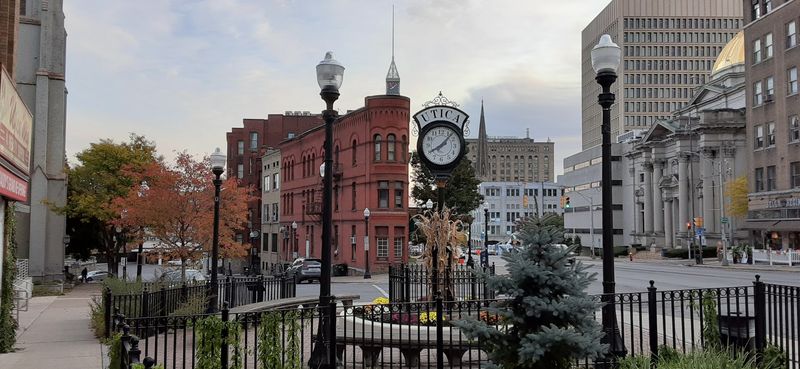
Okay, so you know that feeling when you check your bank account and it is somehow higher than you expected? Living in Utica feels like that, but every single month.
A friend once described it as “New York without the financial punishment,” and honestly, that framing has never left my head.
Utica sits in Oneida County in central New York State, roughly 90 miles east of Syracuse and about 250 miles north of New York City. The city is home to around 65,000 residents, making it the tenth most populous city in the state.
That size hits a comfortable middle ground: large enough to have real amenities and cultural depth, but small enough that you are never fighting 40 strangers for a parking spot.
Average one-bedroom apartments in Utica can be found for well under $900 per month in many neighborhoods. Utilities for a standard apartment tend to hover around $150 to $200 monthly.
Groceries for a single person typically run between $250 and $350 per month depending on diet and shopping habits. Add those figures together and a $1,500 monthly budget is not just plausible in Utica, it is genuinely workable.
The Rent Situation That Will Make You Question Every Life Choice
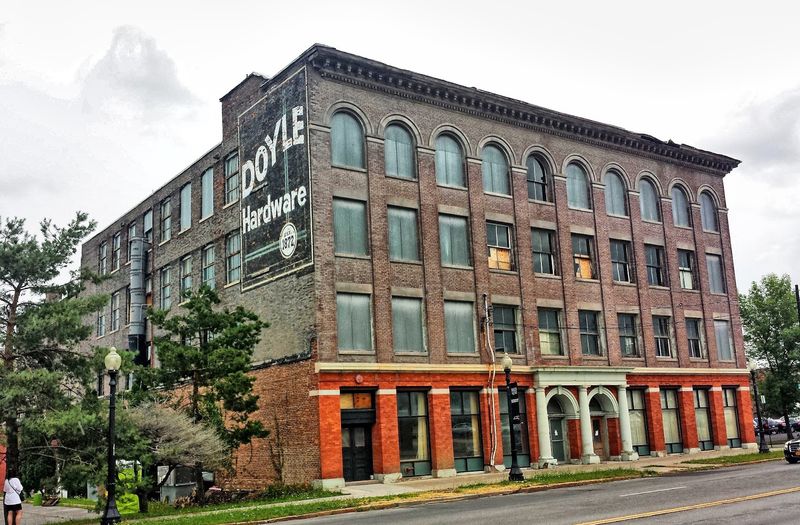
Rental prices in Utica have a way of stopping people mid-scroll when they are browsing listings for the first time. The numbers look like a typo compared to what most Americans have accepted as normal.
A clean, functional one-bedroom apartment in a decent Utica neighborhood regularly lists between $700 and $950 per month, and that figure has remained relatively stable even as costs climbed sharply in other cities.
Neighborhoods like Corn Hill and South Utica offer affordable options with genuine character. Older homes with wide porches, tree-lined streets, and neighbors who actually know each other are not uncommon sights.
The rental market here rewards patience and basic research, and tenants willing to look beyond the first listing often find surprisingly spacious units at prices that feel almost quaint.
For context, the average rent for a one-bedroom in New York City currently sits around $4,575 per month. In Utica, that same monthly budget would cover rent for nearly five months.
That gap is not a minor statistical footnote. It represents a fundamentally different relationship between income and housing, one where residents actually build savings rather than simply surviving from paycheck to paycheck.
Groceries Without The Guilt Or The Financial Regret
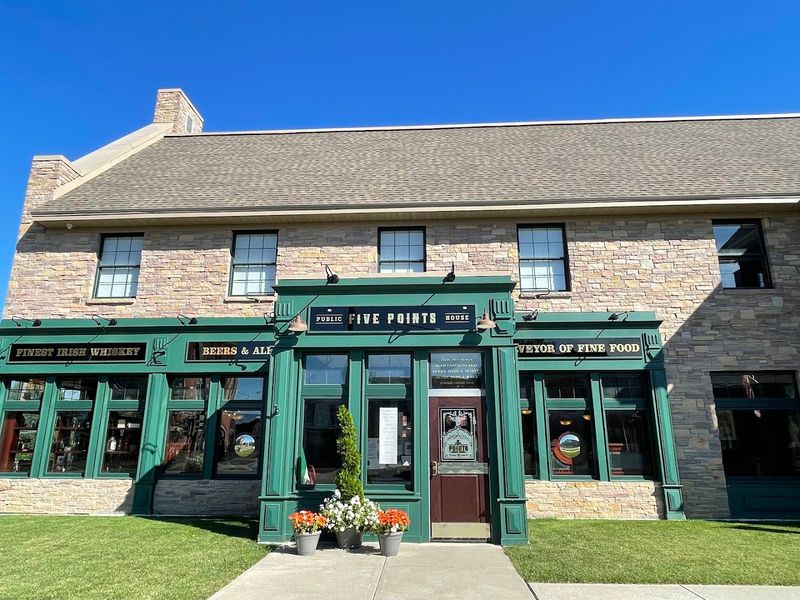
Food costs in Utica align with what most financial planners would consider a reasonable household budget, and that distinction matters more than people realize when calculating true monthly expenses.
A single adult shopping with moderate care typically spends between $250 and $350 per month on groceries in Utica, covering fresh produce, proteins, pantry staples, and the occasional indulgence without dramatic compromise.
The city benefits from a diverse culinary and cultural population that has developed over decades of immigration, particularly from Bosnian, Vietnamese, and Lebanese communities. That diversity has produced an impressive range of ethnic grocery stores and specialty markets throughout the city.
Shoppers can find quality international ingredients at prices that reflect a local economy rather than an inflated urban premium.
Major grocery chains operate alongside smaller independent markets, giving residents genuine options at different price points. Farmers markets during warmer months offer seasonal produce at competitive rates, and proximity to rural agricultural areas in central New York means fresh goods are not a luxury reserved for wealthier zip codes.
For anyone budgeting carefully, Utica’s grocery landscape is one of the more pleasant surprises the city offers to newcomers and long-term residents alike.
Utilities That Do Not Require A Separate Savings Account
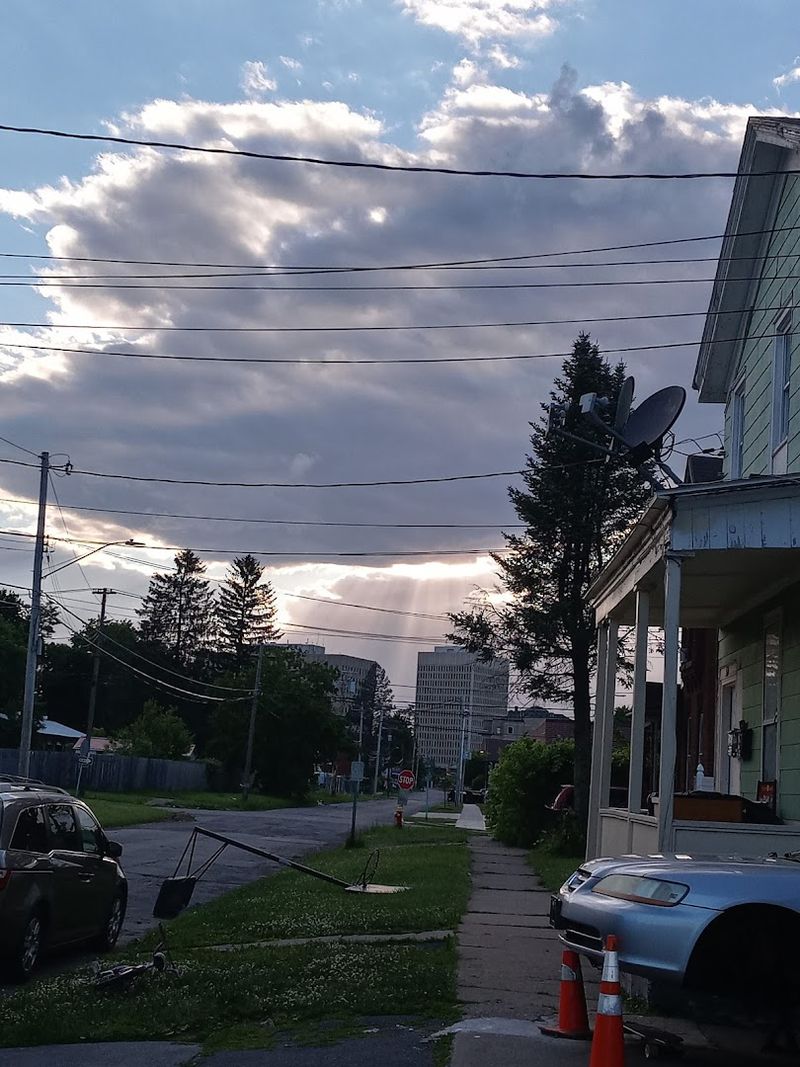
Winter in central New York is not a rumor. Utica receives an average of roughly 100 inches of snow per year, which puts it firmly in the category of cities where heating costs are a real budget consideration and not just a footnote.
Despite that, utility costs in Utica remain manageable for most households, typically ranging between $150 and $220 per month when averaging across all four seasons.
Summer cooling costs are relatively modest compared to southern cities, since Utica’s warm season is brief and rarely brutal. The bulk of annual utility spending concentrates in the colder months from November through March, when heating demands increase.
Residents who live in well-insulated buildings or who take basic weatherproofing steps often keep their winter bills on the lower end of that range.
Electric, gas, and water services in the area are provided through established regional utilities, and most landlords factor baseline utility arrangements into lease agreements for older apartment buildings.
Renters in newer units or standalone homes carry full utility responsibility but still find the monthly totals far more predictable than those reported in major metropolitan areas.
For a city with serious winters, Utica manages its utility burden with reasonable efficiency for most household budgets.
The Cultural Depth That No One Warned You About

Utica carries more cultural weight than its size or reputation might initially suggest, and that gap between expectation and reality is one of the more satisfying aspects of spending time in the city.
The Stanley Theatre, located on Genesee Street in downtown Utica, is a fully restored 1928 movie palace that now hosts Broadway touring productions, concerts, and community events throughout the year.
The building’s interior is genuinely stunning, with Spanish Baroque detailing that feels wildly out of place in the best possible way.
The Munson-Williams-Proctor Arts Institute serves as the city’s primary fine arts anchor, housing a respected art museum, a performing arts theater, and a school of art that has operated continuously since the mid-19th century. The museum’s permanent collection includes works by Picasso, Dali, and Pollock, which is not what most visitors expect to find in a mid-sized upstate city.
Admission pricing reflects the local economy, making regular visits accessible to most residents.
Beyond formal institutions, Utica’s immigrant communities have layered the city with cultural texture that expresses itself through food, festivals, and neighborhood character.
The Bosnian community, one of the largest per capita in the United States, has contributed significantly to the city’s identity since the 1990s, bringing with it a richness that continues to evolve organically.
Real Food From Real Communities Worth Every Bite

Utica has a legitimate food culture, and it did not develop through trendy restaurant openings or culinary tourism campaigns. The city’s dining scene grew organically from the communities that settled here over generations, producing a range of flavors and traditions that reward curiosity and repeat visits.
The Bosnian restaurant scene along Bleecker Street alone offers an education in grilled meats, house-baked bread, and slow-cooked stews that most American cities simply cannot replicate.
Vietnamese restaurants, Lebanese bakeries, and Italian-American establishments that have been feeding the same families for decades all coexist in Utica’s food landscape without the performative friction common in trendier food cities.
Utica greens, a local dish made with escarole, hot peppers, prosciutto, and breadcrumbs, has achieved near-mythological status among food writers who have ventured upstate.
The dish appears on menus across the city and tastes slightly different at every table, which is exactly how regional food should behave.
Dining out in Utica is affordable by almost any standard. A full dinner at a well-regarded local restaurant rarely exceeds $20 per person without drinks, and lunch options throughout the city regularly come in well under $12.
For residents managing a tight monthly budget, eating well in Utica is not a compromise.
Why People Who Move Here Tend To Stay Here

There is a particular kind of loyalty that develops in people who choose Utica over flashier alternatives, and it is not rooted in nostalgia or an inability to leave. It comes from the straightforward satisfaction of living in a place where the cost of daily life does not produce constant anxiety.
Residents here speak about the city with a matter-of-fact appreciation that carries more credibility than enthusiasm manufactured for a real estate brochure.
Utica has invested in neighborhood stabilization and community development programs over the past decade, with measurable results in certain areas of the city. Parks, recreational facilities, and public infrastructure have seen targeted improvements, and organizations focused on refugee resettlement and immigrant integration have built networks of genuine community support.
The result is a city that, while not without its challenges, demonstrates a functional social fabric that many larger cities have quietly lost.
For anyone considering a move to New York State on a limited income, Utica presents a case that is difficult to dismiss after honest examination.
The combination of low rent, manageable utility costs, affordable groceries, legitimate cultural offerings, and a food scene with actual roots makes the city one of the more compelling affordable living options in the northeastern United States.
The math works, and so does the life.