
The Low-Cost Town In Tennessee That Proves You Don’t Need Much To Live Well

A comfortable life in Tennessee does not always require a big-city salary. In one quiet mountain town on the Cumberland Plateau, people enjoy fresh air, scenic views, friendly neighbours, and a cost of living that feels refreshingly manageable.
Rent stays reasonable. Groceries and utilities rarely stretch the budget too far.
Weekends might mean fishing on nearby lakes, wandering local parks, or chatting with familiar faces around town. Life moves at a gentler pace here, and many residents say that slower rhythm is exactly what makes it special.
Affordable homes, peaceful surroundings, and a strong sense of community show that living well in Tennessee can be simpler than many people expect.
Housing Costs That Actually Make Sense

Real estate in this town operates on a different scale than what most Americans have grown used to seeing. The median home price in Cumberland County sits well below the national average, and that gap has been widening in favor of buyers for years.
For anyone relocating from a major metro area, the contrast is almost disorienting in the best possible way.
A three-bedroom home with a yard, a garage, and a quiet street is genuinely within reach for middle-income earners. Renters also benefit, with monthly costs for a decent apartment running significantly lower than comparable units in Nashville or Knoxville.
The affordability here isn’t a temporary dip in the market.
The town sits at an elevation of roughly 1,800 feet on the Cumberland Plateau, which gives it a slightly cooler climate than the rest of the state. That geographic positioning has kept major development pressure at bay, preserving the housing stock and keeping prices grounded.
For first-time buyers especially, it represents one of the last honest markets in Tennessee where patience and a modest budget still lead to real ownership.
A Retirement Community Unlike Any Other
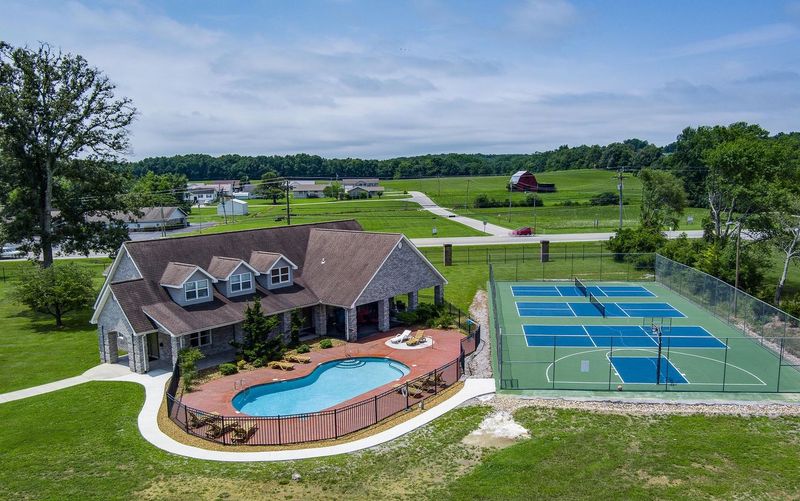
Fairfield Glade, located within Crossville, has earned a reputation as one of the most thoughtfully designed retirement communities in the entire Southeast. Developed across thousands of acres of plateau woodland, it offers golf courses, tennis courts, indoor pools, and organized social clubs that keep residents genuinely engaged.
The community doesn’t feel like a waiting room.
What makes Fairfield Glade stand out isn’t just the amenities, but the price at which those amenities become accessible. Monthly homeowner association fees cover a remarkable range of services, and real estate within the development remains affordable compared to similar communities in Florida or Arizona.
Retirees stretching fixed incomes find that their dollars go considerably further here.
The community is centered around Peavine Road, Crossville, TN 38558, and covers multiple lakes, hiking trails, and recreational facilities. Social life is active without being forced, and many residents describe a sense of genuine connection with neighbors that urban retirement options rarely produce.
For people who want their post-career years to feel full rather than simply quiet, Fairfield Glade offers a compelling and financially sensible answer that few places in the country can match.
Grocery And Daily Expenses That Stay Low
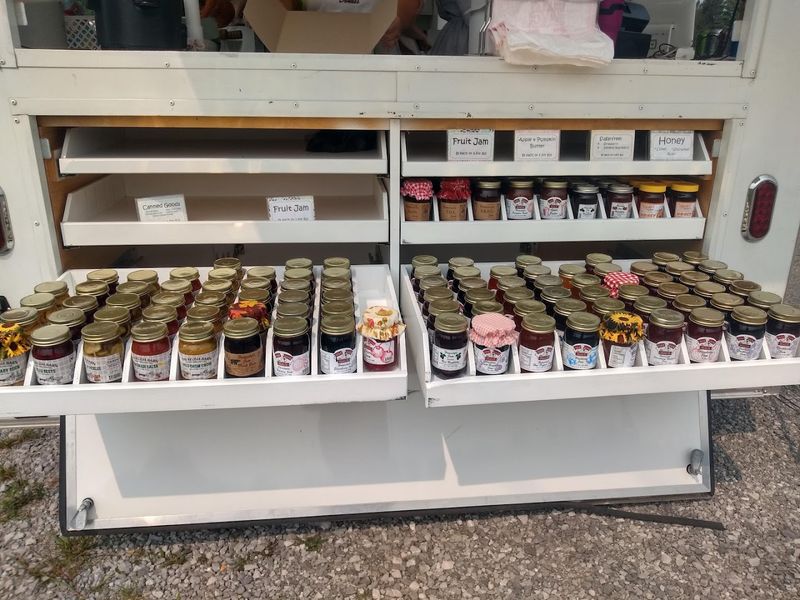
Living affordably isn’t only about the mortgage payment. The everyday cost of groceries, utilities, and basic services shapes the actual texture of financial life far more than most people calculate before relocating.
Crossville performs well across all of these categories, which is part of why residents tend to stay once they arrive.
Grocery prices in Cumberland County track below Tennessee’s already-modest state average. Local farmers markets, particularly the Cumberland County Farmers Market operating during warmer months, offer fresh produce at prices that make healthy eating genuinely accessible rather than a premium lifestyle choice.
Utility costs also benefit from the plateau’s milder summers, which reduce air conditioning demands compared to Memphis or Chattanooga.
The overall cost of living index for Crossville consistently lands around 15 to 20 percent below the national average, depending on the category measured. That figure translates directly into monthly breathing room for families, single adults, and retirees managing on fixed incomes.
Small businesses in the downtown area along South Main Street tend to price their goods and services with the local wage scale in mind, which keeps daily spending proportional and predictable for residents across different income levels.
Outdoor Recreation Without The Expensive Gear Culture
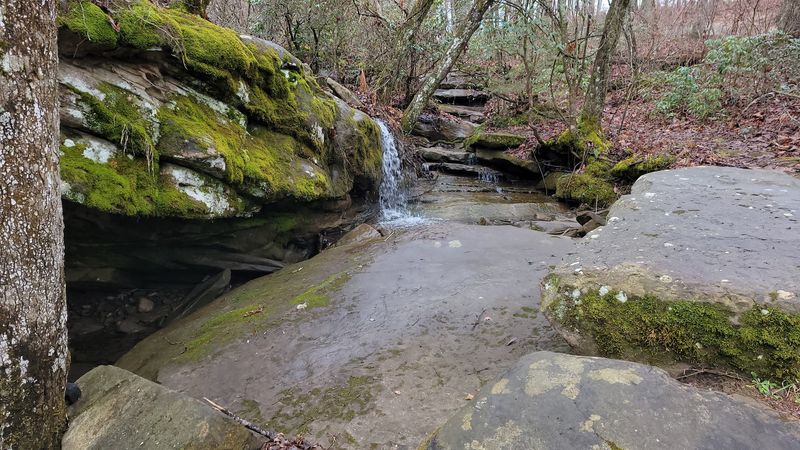
The Cumberland Plateau surrounding Crossville is one of the most geologically interesting landscapes in the eastern United States. Sandstone bluffs, hardwood forests, clear-running creeks, and seasonal waterfalls are all accessible within a short drive, and most require nothing more than a pair of decent shoes and a free afternoon to enjoy properly.
Cumberland Mountain State Park, located just a few miles south of the city on U.S. Route 127, offers hiking, fishing, swimming, and camping at state park rates that remain among the most affordable public recreation options in the region.
The park centers around Byrd Lake and provides a genuine wilderness experience without the commercial overlay that tends to inflate costs at more famous destinations.
Unlike outdoor recreation scenes in places such as Asheville or Boulder, Crossville’s trail culture hasn’t been filtered through expensive gear marketing. Locals fish the plateau’s streams with basic equipment, walk the forest trails in ordinary clothes, and picnic in areas that haven’t been curated for Instagram.
That unpretentious relationship with the natural world is part of what makes outdoor life here feel genuinely restorative rather than performative or financially burdensome for families on realistic budgets.
A Downtown Area With Real Character
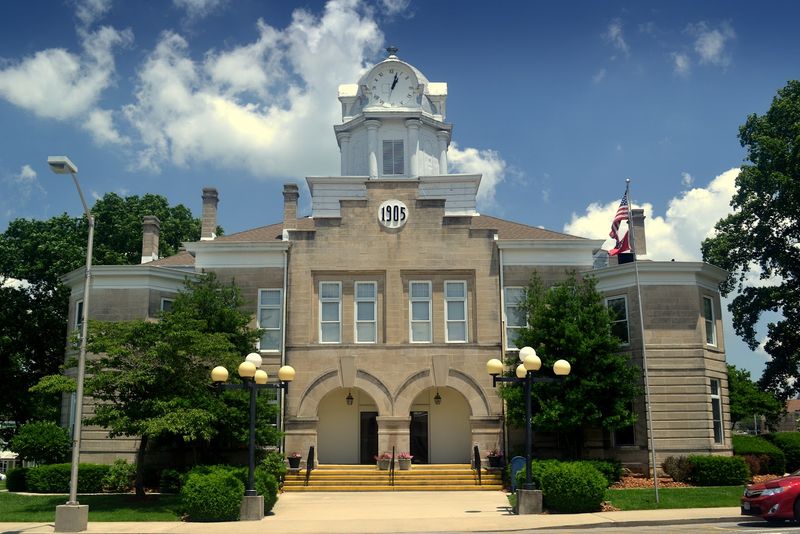
Downtown Crossville along South Main Street carries the kind of lived-in character that urban planners spend millions trying to recreate in larger cities. The historic courthouse square anchors the commercial district, and the surrounding blocks hold a mix of locally owned shops, diners, antique stores, and service businesses that have been operating for decades.
Nothing here feels staged or recently installed for tourist appeal.
The Palace Theatre, a beautifully preserved venue on South Main Street, hosts live performances, community events, and film screenings throughout the year at ticket prices that reflect local income levels rather than metropolitan entertainment markets. Spending an evening out in Crossville doesn’t require advance planning or a significant portion of a weekly budget.
Local restaurants along the downtown corridor serve Southern cooking at prices that remain honest and filling. Breakfast at a counter-service diner, lunch at a family-run barbecue spot, and coffee at an independent cafe are all daily realities here, not weekend luxuries.
The social fabric of downtown Crossville runs through these ordinary commercial interactions, and the fact that they remain financially accessible to working residents is what keeps the character of the place intact rather than gradually hollowing it out.
Healthcare Access That Doesn’t Break The Budget
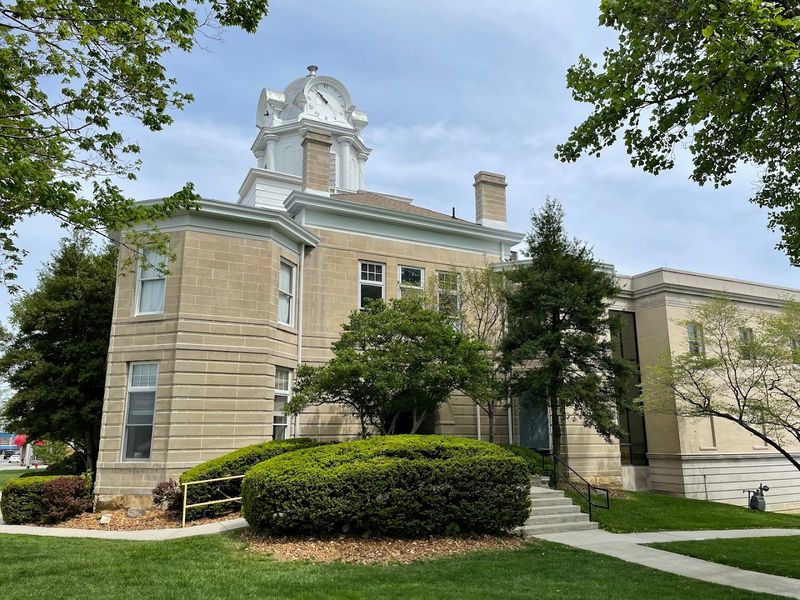
Access to quality healthcare at a reasonable personal cost is one of the most critical factors for long-term affordable living, and it’s one that gets overlooked in many cost-of-living comparisons. Crossville is served by Cumberland Medical Center, a full-service hospital located at 421 South Main Street that provides emergency care, surgical services, and specialized medicine to the region.
The presence of a capable regional hospital within city limits matters enormously for residents who want to avoid the expense and inconvenience of traveling to Knoxville or Nashville for routine and intermediate medical needs. Several specialist clinics and primary care practices operate in the surrounding area, keeping competition moderate and appointment availability reasonable by rural standards.
Tennessee’s Medicaid program, known as TennCare, also provides coverage options for lower-income residents, and Cumberland County has community health resources that help residents navigate available programs. For retirees, the combination of Medicare compatibility and local provider availability makes Crossville a medically practical choice.
Healthcare costs in the region track below national averages for out-of-pocket expenses, which contributes meaningfully to the overall financial picture for families and individuals who prioritize health security alongside housing and daily living costs.
Golf Capital Of Tennessee With Surprisingly Low Green Fees
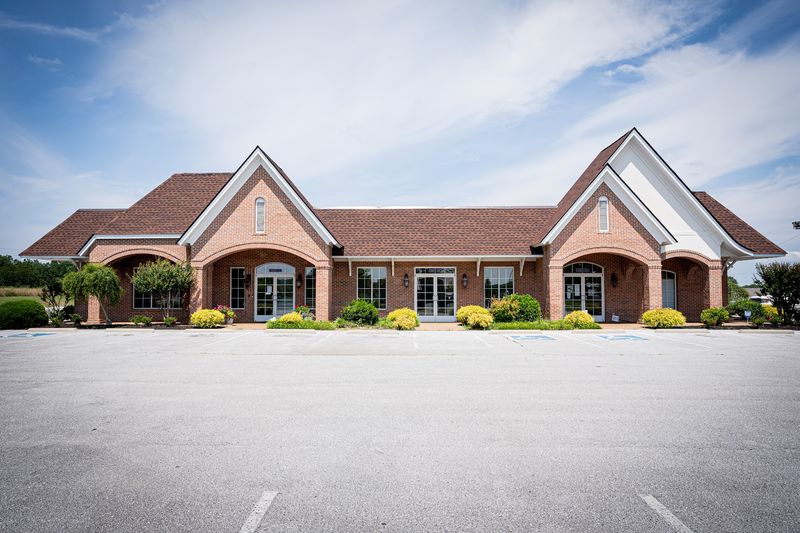
Crossville carries the informal title of Golf Capital of Tennessee, and the designation is backed by genuine substance. The city and its surrounding communities host more than twenty golf courses within a compact geographic area, a concentration that rivals regions with far larger populations and significantly higher costs of living.
That density of courses creates natural competition that keeps green fees accessible.
Plateau Country Club, Bear Trace at Cumberland Mountain, and the multiple courses within Fairfield Glade all offer rounds at rates that would seem improbably low to golfers accustomed to paying metropolitan prices. Weekday rates at many local courses fall well under fifty dollars for eighteen holes, and senior and twilight discounts push that figure lower still.
The courses themselves are maintained to a standard that reflects genuine civic pride.
For retirees who took up golf later in life or younger players developing their game, the affordability of regular play in Crossville changes the entire calculus of the hobby. Golf elsewhere in the country can become a monthly budget line that causes real friction.
Here, it functions more like a reasonable leisure expense that fits comfortably within a modest income. That accessibility has shaped the social culture of the city in measurable and interesting ways.
Community Events And Local Culture On A Shoestring
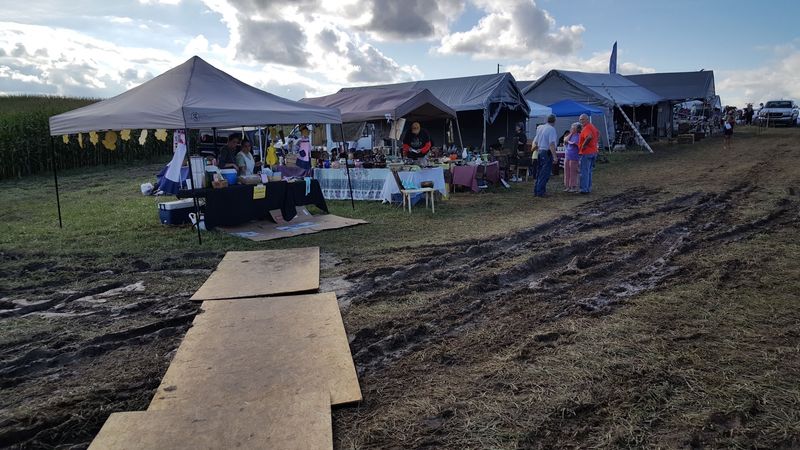
Cultural life in Crossville doesn’t require a large entertainment budget to participate in fully. The city maintains an active calendar of community events throughout the year, ranging from seasonal festivals at the courthouse square to art exhibitions at the Cumberland County Playhouse, which has been producing professional-quality theater since 1965 and ranks among the most respected regional theater companies in the South.
The Cumberland County Playhouse at 221 Tennessee Avenue draws audiences from across the plateau and offers ticket pricing that makes live theater genuinely accessible to residents across income levels. Productions range from Broadway-style musicals to original works rooted in Appalachian history and culture.
The quality of performance regularly surprises first-time visitors who arrive with modest expectations.
Seasonal events like the Crossville Christmas parade, summer farmers market weekends, and the various arts and crafts fairs that populate the community calendar provide free or low-cost social experiences that build a sense of shared life among residents. In larger cities, cultural participation often correlates directly with disposable income.
In Crossville, the relationship between community engagement and financial status is considerably more democratic, which contributes to a social atmosphere that feels inclusive and genuinely welcoming to newcomers and longtime residents alike.
Education Options That Support Families On Modest Incomes
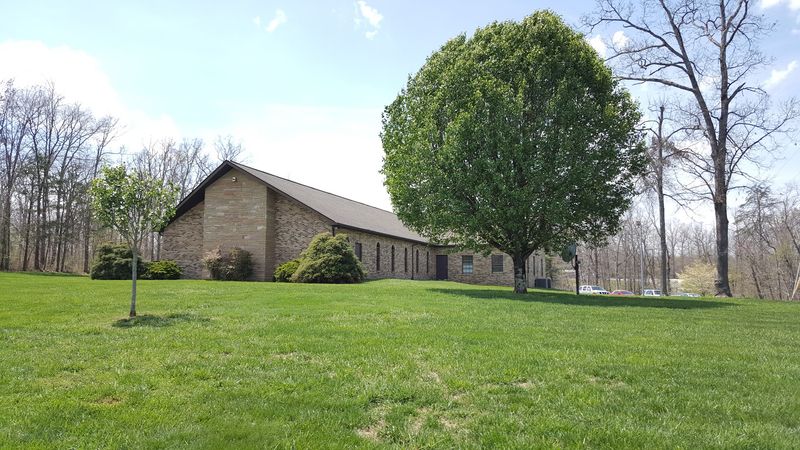
Families considering a move to Crossville often place school quality near the top of their evaluation criteria, and Cumberland County Schools provides a public education system that serves the community without the supplementary financial pressure that comes with living near high-cost private school markets. The district operates multiple elementary, middle, and high school campuses across the county.
Cumberland County High School and Stone Memorial High School both offer a range of academic programs, extracurricular activities, and career and technical education pathways that prepare students for both college and direct workforce entry. The presence of vocational training options is particularly valuable in a community where practical skills remain economically relevant and locally employable.
Tennessee Tech University in nearby Cookeville, approximately thirty miles west of Crossville via Interstate 40, provides accessible higher education for students who want to remain close to home. Roane State Community College also serves Cumberland County residents with a satellite campus that offers associate degree programs and workforce development courses at community college tuition rates.
For families managing on one or two modest incomes, the ability to access quality education from kindergarten through college without relocating or taking on excessive debt is a meaningful and often underappreciated dimension of life in this region.
The Quiet Satisfaction Of A Slower, More Grounded Pace
There is something that long-term Crossville residents describe with consistent language: the sense that time moves at a human pace here. Morning commutes are measured in minutes rather than hours.
Neighbors know each other by name. Errand runs don’t consume entire afternoons.
These details accumulate into a daily quality of life that statistics about median home prices and grocery indexes can’t fully capture.
The city’s population of approximately 12,000 people keeps the social scale manageable without tipping into isolation. There are enough restaurants, shops, and civic organizations to provide variety and engagement, but not so many that the place loses coherence or anonymity replaces community.
That balance is genuinely difficult to find and easier to lose than most growing towns realize until it’s already gone.
Crossville’s position on the Cumberland Plateau, roughly equidistant between Knoxville and Nashville along Interstate 40, means that urban amenities remain within reach for occasional visits without becoming a daily necessity. The city functions well on its own terms, and most residents find that the further they settle into plateau life, the less frequently they feel the pull toward larger places.
That self-sufficiency, both financial and psychological, is perhaps the most honest argument for living here.