
The Lovely Town In Tennessee That’s Straight Out Of A Hallmark Movie
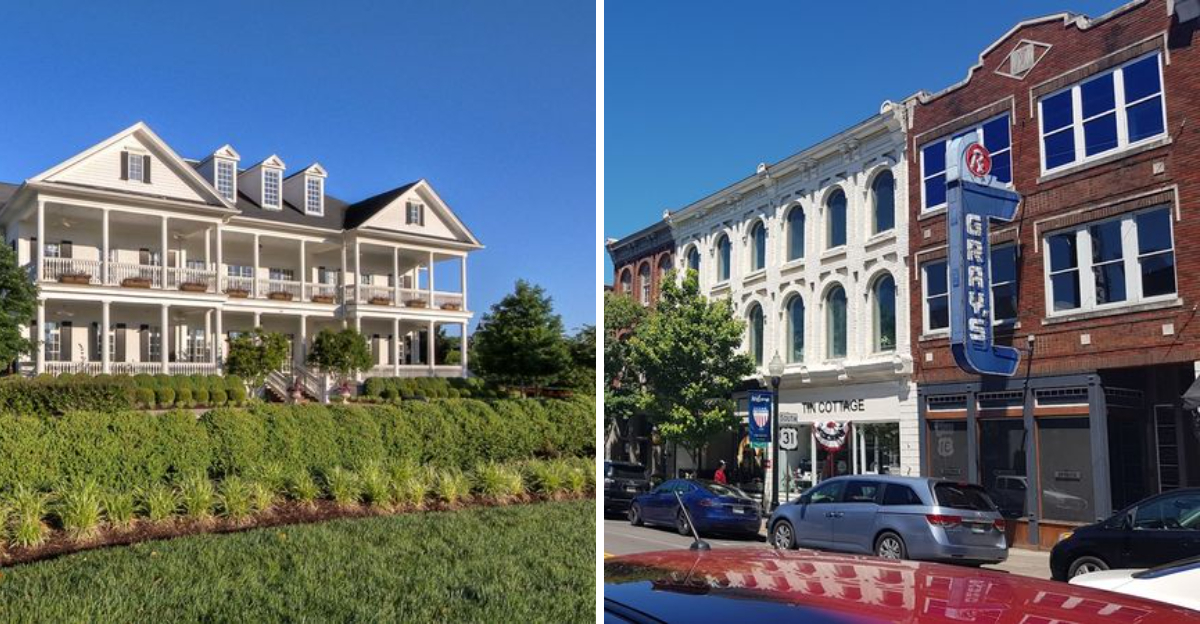
Blink and you might think you’ve stepped onto a movie set. Brick sidewalks, glowing shop windows, and old buildings that seem to hold a hundred stories give this Tennessee town a kind of charm that feels almost unreal.
The courthouse stands proudly in the centre of the square while cafés, bakeries, and little boutiques buzz with life all day long. In autumn the streets glow with colour, and during the holidays the lights and decorations turn the whole place into a postcard.
Tennessee has many beautiful towns, but this one carries a warmth and character that makes visitors slow down, wander a little longer, and fall completely in love with it.
The Historic Downtown Main Street Experience
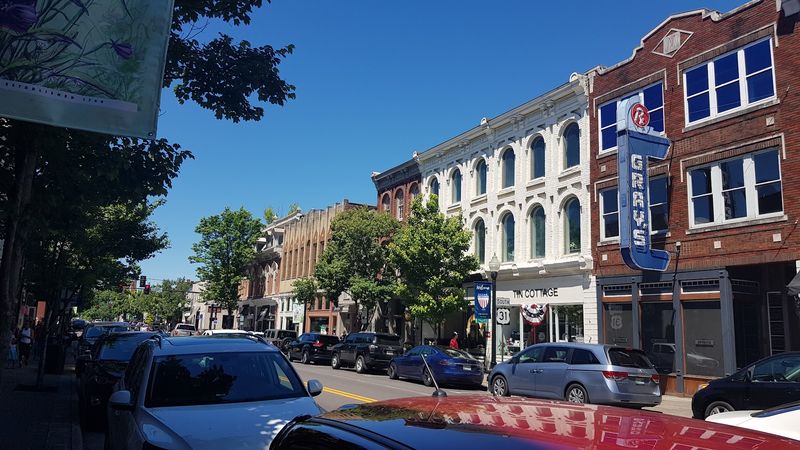
Walking down Main Street feels like stepping into a postcard that someone actually lived in. The brick facades, the hand-painted shop signs, and the unhurried pace of foot traffic all contribute to an atmosphere that is both charming and completely genuine.
This is not a reconstructed tourist village. It is a living, breathing downtown that has preserved its 19th-century character while staying relevant to modern visitors.
The street runs through the heart of the city and is lined with independent boutiques, galleries, bakeries, and restaurants that have made their homes inside restored Victorian buildings. On weekends, locals and visitors share the sidewalks without any sense of competition, which says a lot about the town’s welcoming spirit.
The Main Street has been recognized as one of the best historic downtowns in the American South. The Main Street Program, part of a national preservation initiative, has helped guide thoughtful development here for decades.
Carter House And The Civil War Legacy
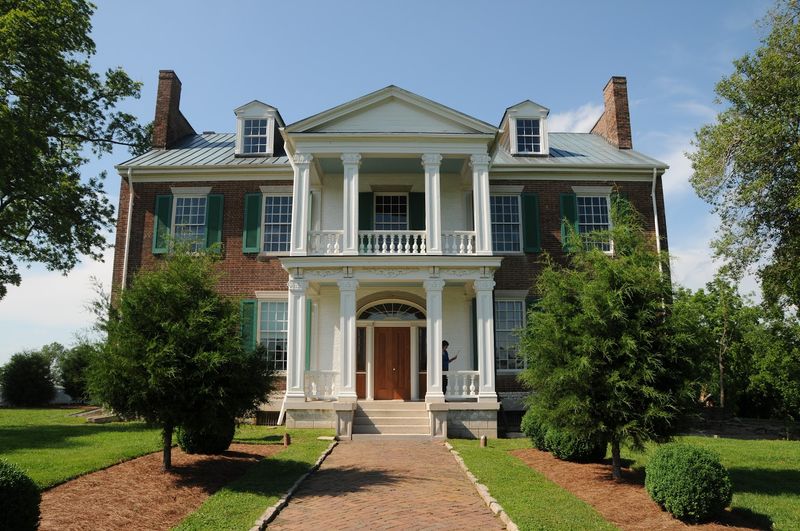
History has a physical address in Franklin, and it is 1140 Columbia Avenue. The Carter House is one of the most significant Civil War sites in the entire country, and standing on its grounds, you begin to understand why the 1864 Battle of Franklin left such a lasting mark on this community.
The house itself survived the battle, and the bullet holes still visible in its walls are among the most sobering reminders of that November day.
The Carter family sheltered in the basement while the fighting raged outside, a detail that transforms the site from a history lesson into a deeply human story. The guided tours here are thorough and thoughtful, designed to give visitors context without overwhelming them with dates and statistics.
Artifacts, period furnishings, and original outbuildings help paint a picture of daily life before and after the war. The site is managed with genuine care, and the staff are knowledgeable in ways that go beyond rehearsed scripts.
For anyone with an interest in American history, the Carter House is not optional. It is essential.
Plan at least ninety minutes for the full experience.
Carnton Plantation And McGavock Confederate Cemetery
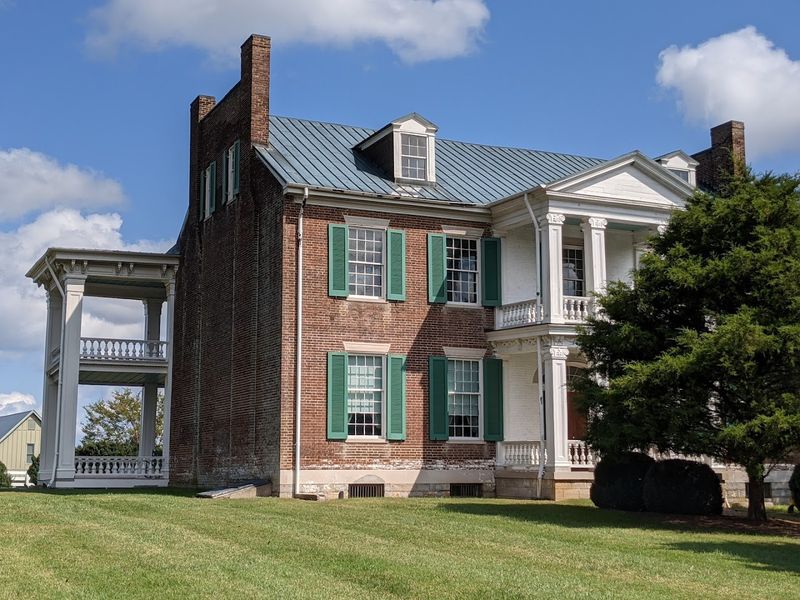
Few places in Tennessee carry the quiet gravity of Carnton Plantation. Built in 1826, this antebellum mansion at 1345 Eastern Flank Circle served as a field hospital during the Battle of Franklin, and the stories that unfolded within its walls have been preserved with remarkable honesty and care.
John and Carrie McGavock, the family who owned the property, later donated land for what became the McGavock Confederate Cemetery, the largest privately owned Confederate cemetery in the nation.
Author Robert Hicks drew on this history for his novel The Widow of the South, which brought national attention to Carnton and introduced many readers to Franklin’s deeper narrative. The house has been carefully restored and the grounds are immaculately maintained, making it one of the most visually compelling historic sites in the region.
A visit here rewards patience. The cemetery in particular invites reflection, with row after row of simple markers representing soldiers from across the South.
Seasonal events and educational programs are offered throughout the year, making the plantation a destination rather than just a stop. The combination of architectural beauty, human history, and landscape makes Carnton a genuinely memorable experience.
The Lotz House Museum And Its Remarkable Collection
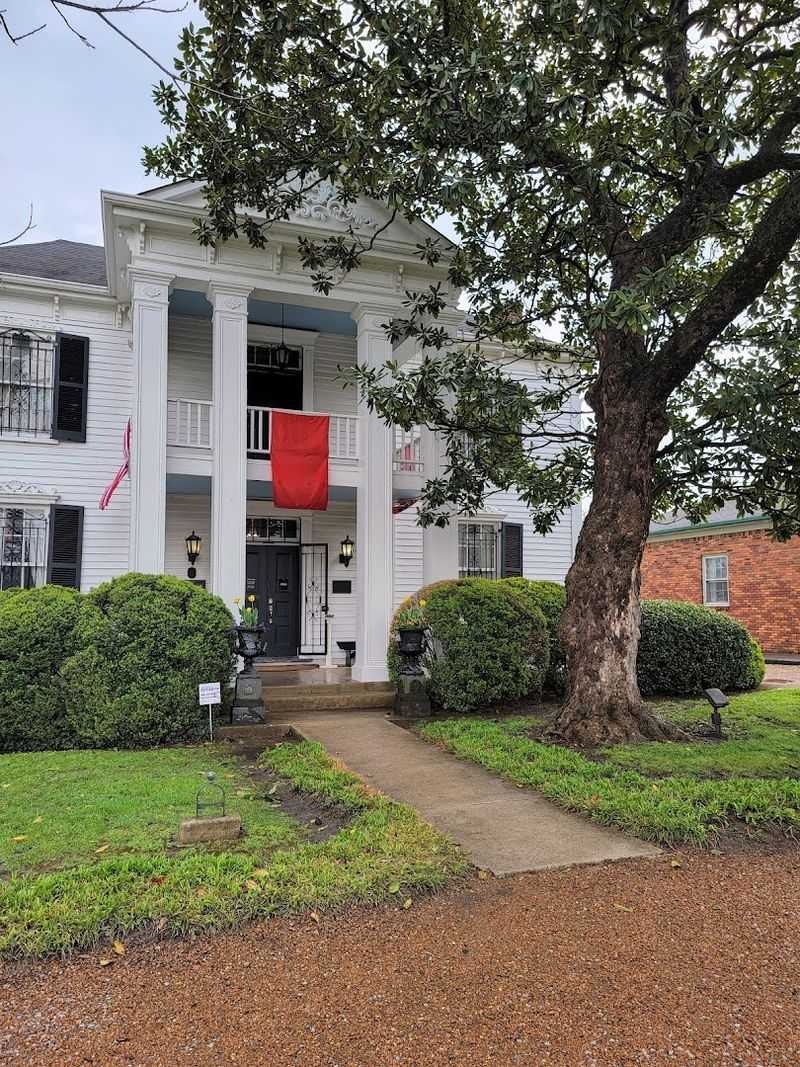
Right across from the Carter House stands the Lotz House, a beautifully preserved 1858 structure that holds one of the most impressive collections of 19th-century furniture and folk art in the state. Johann Albert Lotz was a master craftsman, and his work is displayed throughout the home alongside Civil War artifacts that were discovered on the property over the years.
The house itself is a piece of art.
What makes the Lotz House different from many historic homes is the intimacy of the experience. The rooms are arranged in ways that feel lived-in rather than staged, and the collection reflects genuine passion rather than institutional curation.
Visitors often remark that they feel a personal connection to the family whose story is told here.
The museum also features rotating exhibits that explore broader themes of life in Franklin during the mid-to-late 1800s. The staff are approachable and clearly love what they do, which elevates the visit considerably.
Located at 1111 Columbia Avenue, Franklin, TN 37064, the Lotz House is within easy walking distance of the Carter House, making it a natural pairing for anyone spending a day exploring Franklin’s Civil War history.
The Charm Of Franklin’s Victorian Neighborhoods
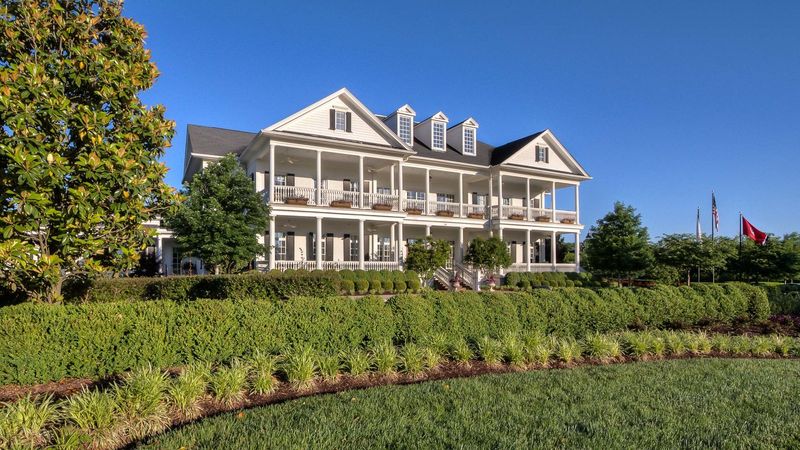
Beyond the downtown commercial strip, Franklin reveals itself through its residential streets, and the effect is immediate. The neighborhoods surrounding the historic core are filled with Victorian and Craftsman homes that have been maintained and restored with obvious pride.
Wraparound porches, painted shutters, and front gardens full of magnolias and hydrangeas give these blocks a storybook quality that does not feel performed.
The Hincheyville neighborhood, one of the older residential areas in Franklin, is particularly worth exploring on foot. The homes here date back to the late 1800s and early 1900s, and many of them carry plaques identifying their original owners and construction dates.
Walking through Hincheyville on a cool morning, with the light filtering through old oak trees, is one of those simple pleasures that stays with you.
Franklin’s commitment to historic preservation extends to its neighborhoods through active local organizations and city planning policies that discourage demolition in favor of restoration. The result is a town that feels continuous rather than interrupted, where old and new coexist without the old being sacrificed for convenience.
For architecture enthusiasts or anyone who appreciates a well-kept neighborhood, Franklin’s residential streets are worth every step.
Local Dining That Goes Beyond The Obvious
Franklin has developed a food scene that punches well above its weight for a city of its size. The dining options here range from refined Southern cuisine to casual farm-to-table spots, and the quality across the board is consistently high.
What stands out most is the number of independently owned restaurants that have built loyal followings without relying on chain recognition or heavy marketing.
Puckett’s Grocery and Restaurant on Main Street is perhaps the most well-known, offering live music alongside hearty Southern plates in a setting that manages to feel both festive and relaxed. The menu leans into Tennessee comfort food, and the portions reflect Southern hospitality in its most literal form.
For something a bit more refined, The Bunganut Pig on Mack Hatcher Memorial Parkway has been a local institution for decades, serving British-inspired pub fare in a warm, unpretentious atmosphere. Breakfast lovers will find plenty to appreciate at Gray’s on Main, a converted pharmacy that serves seasonal dishes inside a beautifully preserved 1900s-era space.
Franklin’s dining culture rewards exploration, and the best approach is simply to walk until something looks right and then trust the menu.
Outdoor Spaces And The Harpeth River Greenway
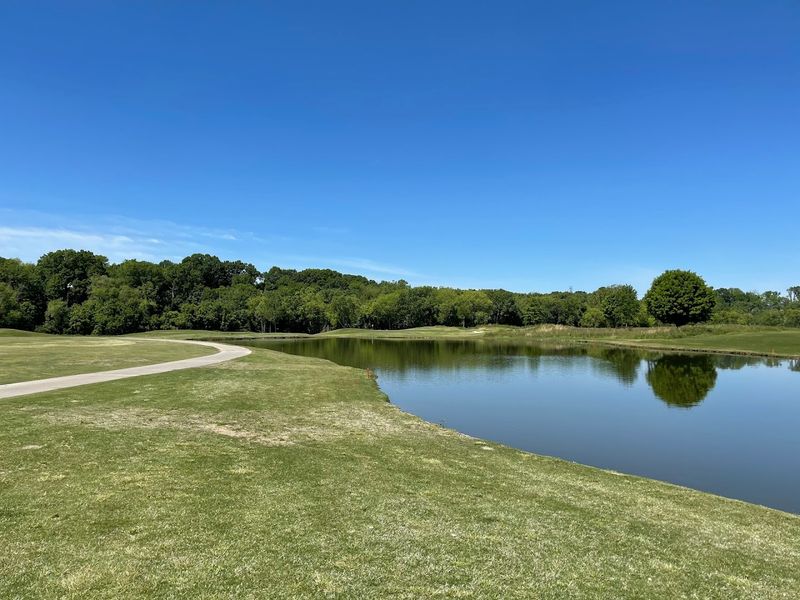
Franklin is not only a town for history buffs and shoppers. The natural environment surrounding the city offers a quieter kind of beauty that balances perfectly with the energy of the downtown.
The Harpeth River Greenway is the most accessible example of this, a multi-use trail system that follows the river through parkland and residential areas, connecting several key points across the city.
The greenway is popular with joggers, cyclists, and families with strollers, and on any given morning it serves as a kind of informal community gathering space. The Harpeth River itself is clean and calm through much of this stretch, and the tree canopy along the trail provides shade that makes even summer walks comfortable.
Wildlife sightings, including herons and deer, are common enough to feel like a bonus rather than a surprise.
Pinkerton Park, located near the southern end of the greenway at 405 Murfreesboro Road, offers additional walking paths, a replica frontier fort, and open green space ideal for picnics. The park is especially popular with families and connects to a broader network of trails that can extend a walk considerably.
Franklin’s outdoor spaces feel thoughtfully designed rather than incidental, which reflects well on the city’s planning priorities.
The Arts Scene That Quietly Impresses
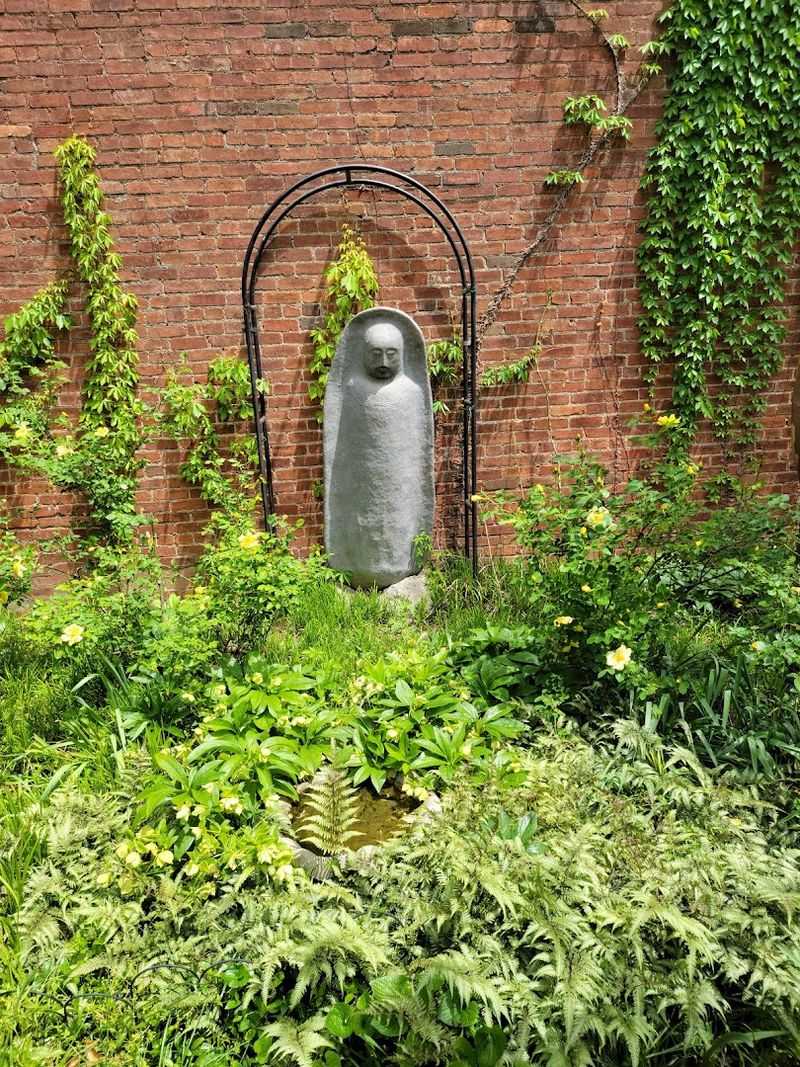
Franklin may not advertise itself as an arts destination, but the creative community here is active, talented, and well-supported. The downtown area alone contains multiple galleries representing a range of styles, from traditional landscape painting to contemporary mixed media.
The quality of work on display is consistently high, and the gallery owners are genuinely interested in connecting visitors with pieces they will appreciate.
The Franklin Theatre at 419 Main Street is the cultural anchor of the arts scene, a beautifully restored 1937 movie house that now hosts live performances, film screenings, and special events throughout the year. The theatre was saved from demolition by a dedicated community effort and reopened in 2011 after a careful restoration that preserved its Art Deco interior while updating its technical capabilities.
Community arts events, including the Main Street Festival held each spring, bring artists, musicians, and craftspeople together in the downtown area for a weekend that draws tens of thousands of visitors. The festival has been running for decades and remains one of the most beloved events on Franklin’s annual calendar.
For a town of roughly 85,000 people, Franklin supports a cultural life that would be impressive in a city twice its size.
Seasonal Beauty And The Holiday Spirit In Franklin
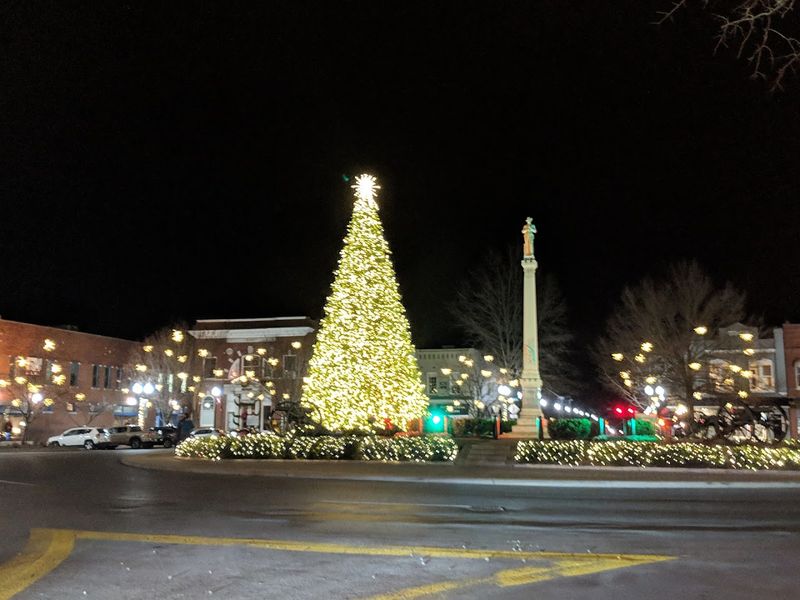
Franklin has a particular talent for seasonal transformation. In autumn, the old trees lining the downtown streets turn amber and gold in ways that look almost too beautiful to be real.
The combination of Victorian architecture, fallen leaves, and the smell of something warm baking in a nearby shop creates an atmosphere that requires very little imagination to appreciate fully.
The holiday season brings its own kind of magic to Franklin. The city decorates with restraint and taste, favoring classic white lights and natural greenery over excessive commercial displays.
The result is a downtown that glows warmly through December, drawing visitors from across the region for the annual Dickens of a Christmas festival, which fills Main Street with costumed characters, carolers, and horse-drawn carriages.
Spring brings the Main Street Festival and the return of blooming magnolias and dogwoods throughout the historic neighborhoods. Summer evenings in Franklin have their own appeal, with outdoor dining, live music, and the kind of slow, comfortable pace that only towns with genuine confidence in their character can sustain.
Franklin does not need a special occasion to feel worth visiting, but its seasonal celebrations give every return trip a fresh reason to come back.
Why Franklin Feels Like Nowhere Else In Tennessee
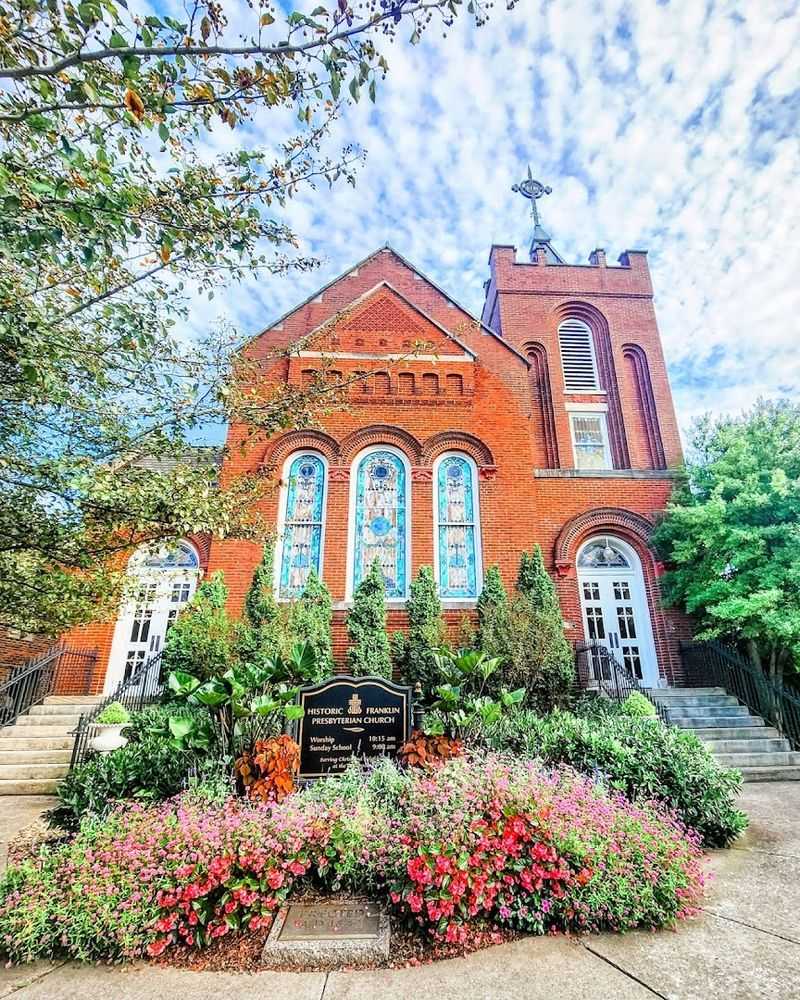
There are other charming towns in Tennessee, and each one has its own appeal. But Franklin occupies a position that is genuinely difficult to replicate.
It has the history without the museum fatigue, the charm without the self-consciousness, and the growth without the loss of identity. That balance is not accidental.
It reflects decades of intentional decisions made by residents, preservationists, and local government working in the same direction.
The town sits about twenty miles south of Nashville, close enough to benefit from the broader region’s energy and investment, but far enough to maintain its own rhythm. Visitors who arrive expecting a suburb leave surprised by how complete and self-contained Franklin feels as a destination.
The downtown alone can occupy a full day without any effort, and the surrounding area offers enough to justify a long weekend.
Franklin, Tennessee carries its appeal without announcement. The streets do not need to tell you they are beautiful.
The history does not require dramatic presentation to be affecting. And the people, by most accounts, are simply kind in the way that small towns sometimes still manage to be.
For a place that could easily lean on its good looks alone, Franklin consistently delivers something more substantial and more lasting.