
The Fascinating Animal Sanctuary In Colorado Where Visitors See Rare Wildlife
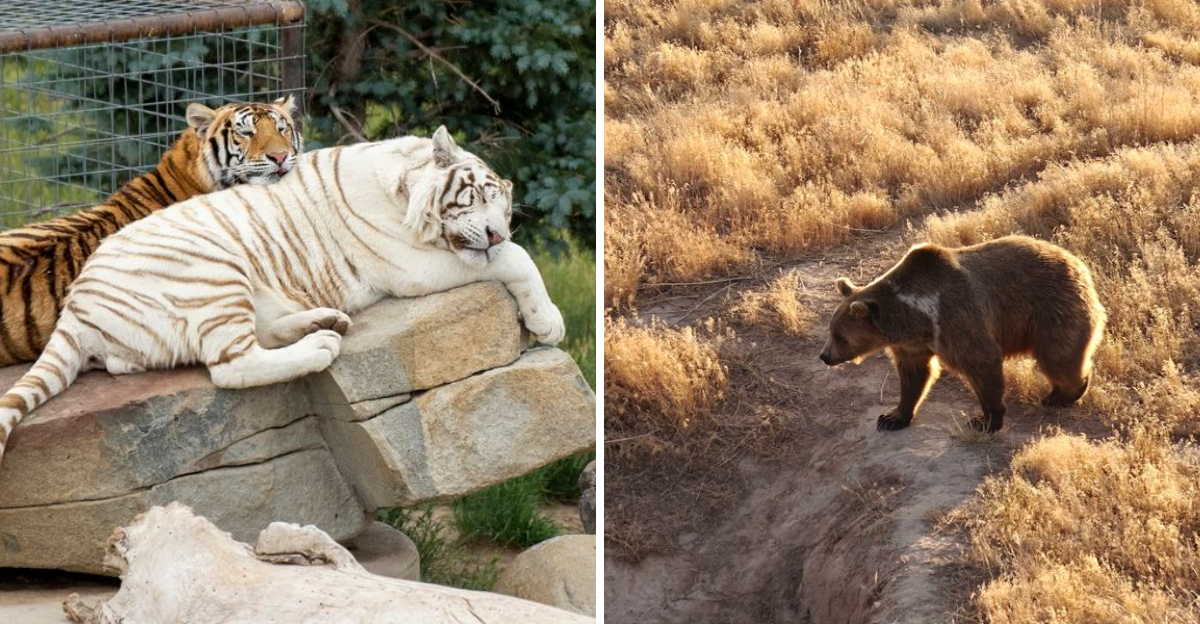
Out on the wide Colorado plains, there’s a place where lions, tigers, bears, and wolves roam across sprawling open land that looks nothing like the typical image of animal enclosures. It’s a rescue dedicated to giving large carnivores a second chance, and the scale of it is truly surprising.
Many of the animals here were once kept in difficult conditions before being brought to a sanctuary designed around their well-being. Each one has a story, and visitors quickly realize this isn’t just a place to see wildlife.
A visit to this place changes how you think about captive wildlife, conservation, and what genuine care for animals actually looks like.
A Colorado Sanctuary Spread Across Hundreds Of Acres
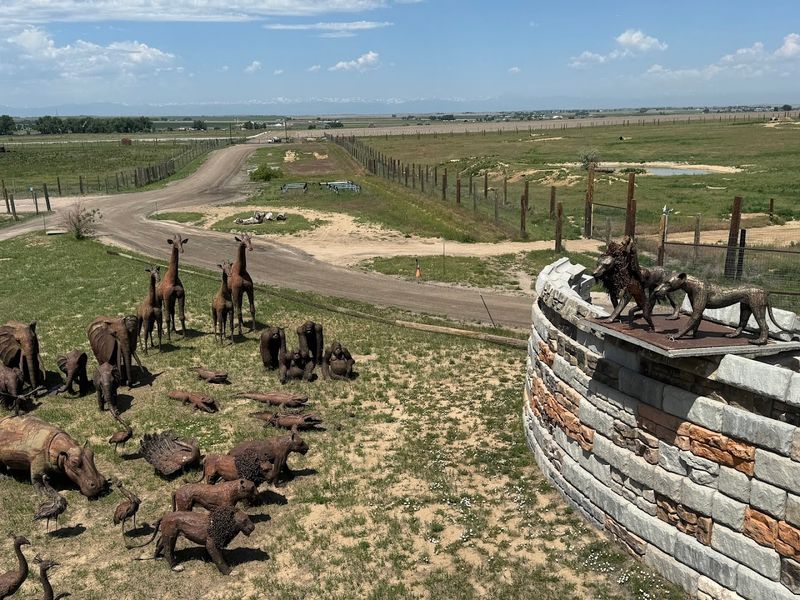
Scale is the first thing that registers at The Wild Animal Sanctuary. The main facility in Keenesburg sits on 1,450 acres of open Colorado grassland, and the sheer breadth of the land communicates something that no brochure fully prepares you for.
Animals here do not pace in tight enclosures. They move, graze, and rest across terrain that feels genuinely spacious.
Founded in 1980, the sanctuary has grown steadily over four decades into a facility caring for more than 950 animals at any given time. The organization also operates a 10,000-acre property near Springfield and a 30,000-acre wild horse refuge in northwest Colorado.
Together, these three locations represent a conservation footprint that few comparable organizations anywhere in the world can claim.
Arriving at 2999 Co Rd 53, Keenesburg, CO 80643, the landscape itself sets the tone. Flat, open, and quietly commanding, the grounds signal from the start that this place operates on a different philosophy entirely.
Home To Rescued Lions, Tigers, Bears, And Wolves
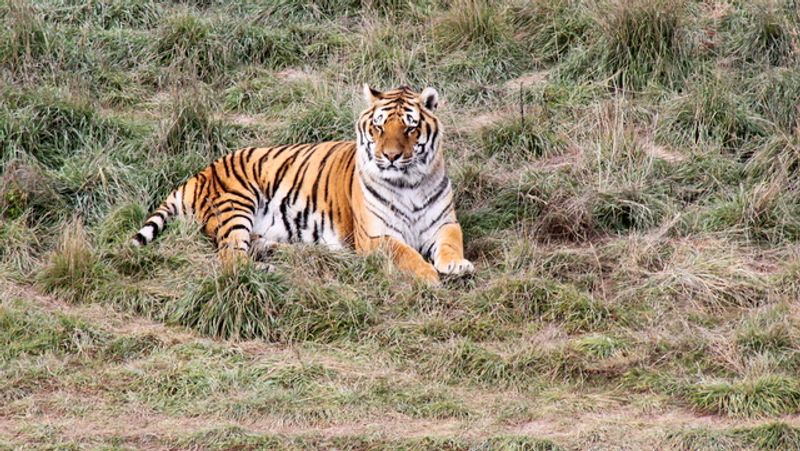
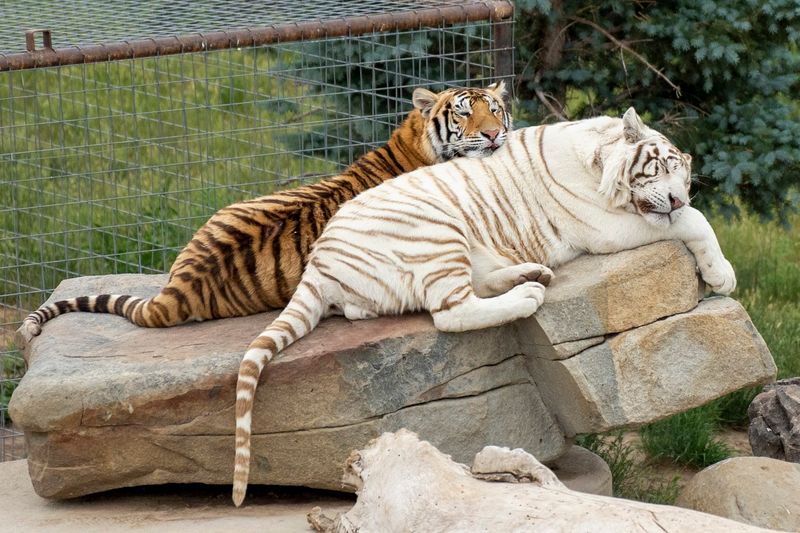
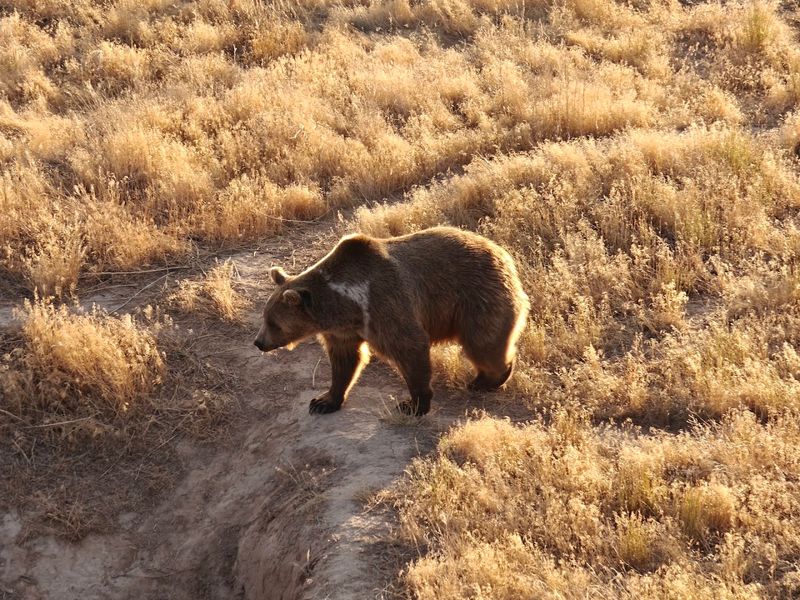
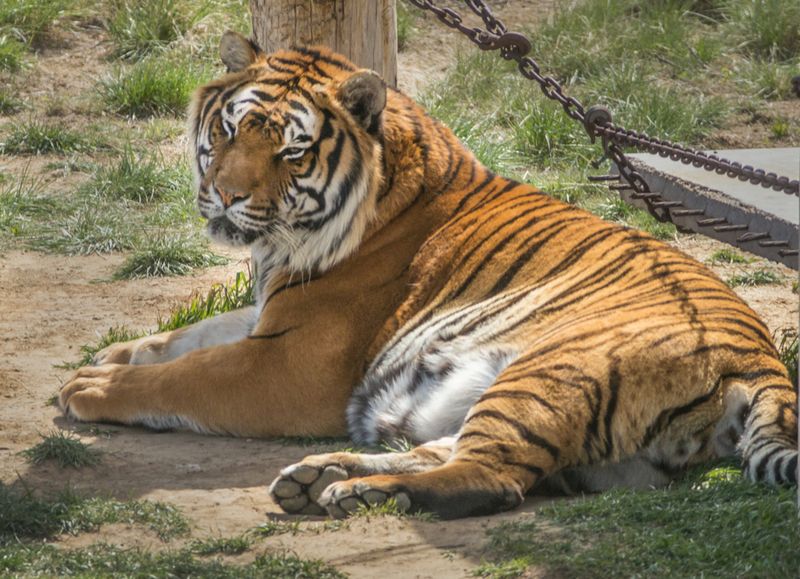
The resident population at The Wild Animal Sanctuary reads like a catalog of the world’s most formidable predators. Lions stretch out in the afternoon sun, tigers move through tall grass with unhurried confidence, bears investigate their surroundings with calm curiosity, and wolf packs demonstrate the kind of social complexity that keeps observers fixed in place for far longer than they planned.
Beyond the headline species, the sanctuary also cares for leopards, bobcats, foxes, coyotes, alpacas, camels, and wild mustangs. Each animal arrived through some form of rescue, whether from illegal private ownership, roadside zoos, exploitative entertainment operations, or situations of outright neglect.
The variety reflects how widespread the captive wildlife problem actually is across the United States.
Watching a wolf pack interact during feeding time, or observing two lions resting side by side in the open air, offers a quality of observation that very few wildlife experiences in North America can replicate with this level of authenticity.
One Of The Largest Carnivore Sanctuaries In The World
When the sanctuary describes itself as the largest nonprofit carnivore sanctuary in the world, that claim holds up under scrutiny. Caring for over 950 animals simultaneously across multiple properties requires infrastructure, staffing, and financial commitment that operates well beyond what most animal welfare organizations manage.
The numbers alone are staggering.
The facility processes approximately 100,000 pounds of food each week to keep its residents healthy and well-fed, with tigers alone accounting for around 35,000 pounds of that total. Maintaining that supply chain while also funding rescue operations, habitat construction, and educational programming represents an organizational achievement that deserves genuine acknowledgment.
The sanctuary’s scale also amplifies its educational reach. By hosting visitors from across the country and beyond, The Wild Animal Sanctuary turns each tour into an opportunity to communicate the realities of the captive wildlife crisis in the United States.
Awareness built through direct experience tends to be far more durable than anything absorbed through a screen or a printed pamphlet.
Large Open Habitats Instead Of Traditional Zoo Cages
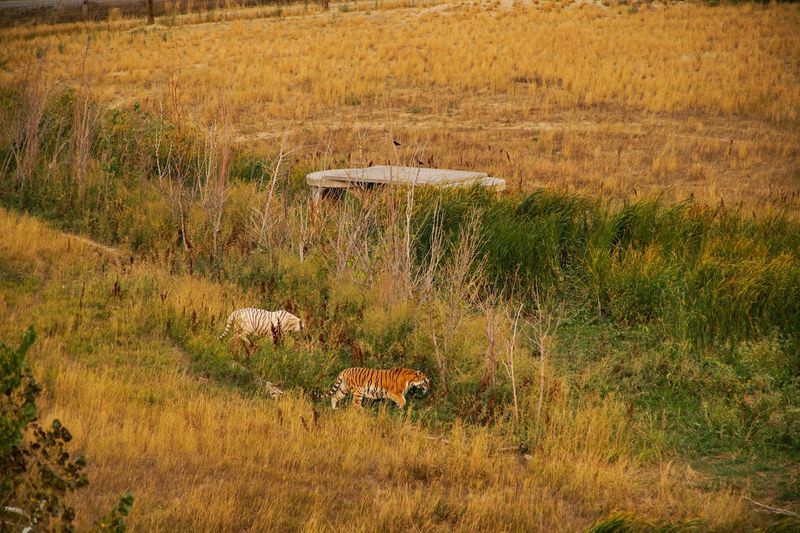
The contrast between what visitors expect and what they actually find at The Wild Animal Sanctuary is one of the more satisfying surprises the place offers. There are no cramped concrete enclosures, no barred cells, and no animals pacing repetitive paths worn into dirt floors.
The habitats here are measured in acres, not square feet.
Each habitat is designed to accommodate the natural behaviors of its residents, which means animals can run, rest, interact socially, and retreat from view whenever they choose. That last point matters more than it might initially seem.
An animal that can choose not to be observed is an animal with genuine agency, and that quality comes through clearly when you spend time watching the residents from the elevated walkway above.
The sanctuary’s approach reflects a fundamental philosophical difference from traditional zoo design. Animals are not here to perform or be displayed.
They are here to recover, stabilize, and live out their days in conditions that respect their nature rather than reduce it for visitor convenience.
A Rescue Center For Animals Saved From Captivity
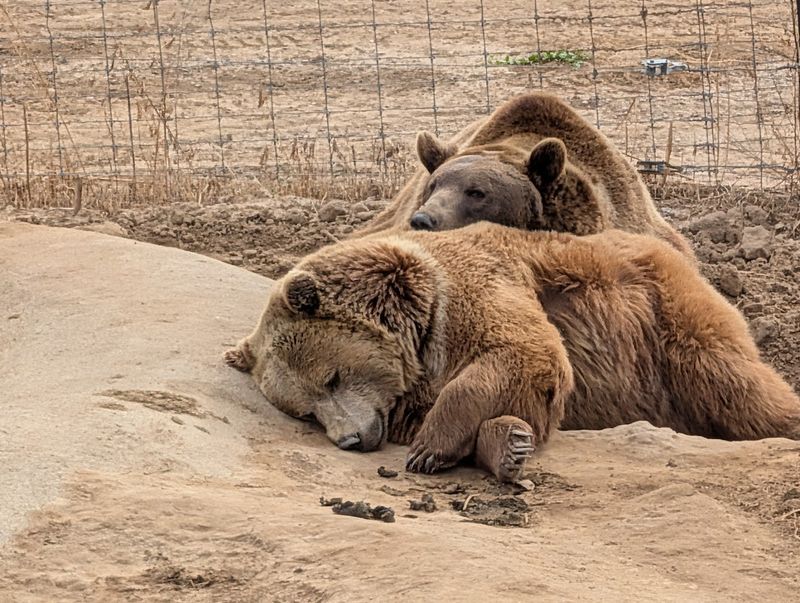
Every animal at The Wild Animal Sanctuary arrived through a rescue operation of some kind. The organization focuses specifically on large carnivores and exotic animals that have been abused, abandoned, illegally kept, or used in exploitative situations.
Many came from private owners who acquired them as exotic pets before realizing the animals were simply incompatible with domestic life.
Others were seized from roadside attractions, rescued from hoarding situations, or transferred from facilities that could no longer provide adequate care. Some arrived malnourished, injured, or deeply traumatized by years of inappropriate confinement.
The rehabilitation process at the sanctuary is gradual, patient, and guided by staff with extensive experience in large carnivore behavior and welfare.
The sanctuary shares individual animal stories throughout the facility, giving each resident an identity beyond their species classification. Knowing the name and background of a specific lion or bear transforms the viewing experience from passive observation into something closer to genuine connection, which is the kind of engagement that inspires lasting commitment to wildlife protection.
The Famous Mile Into The Wild Elevated Walkway
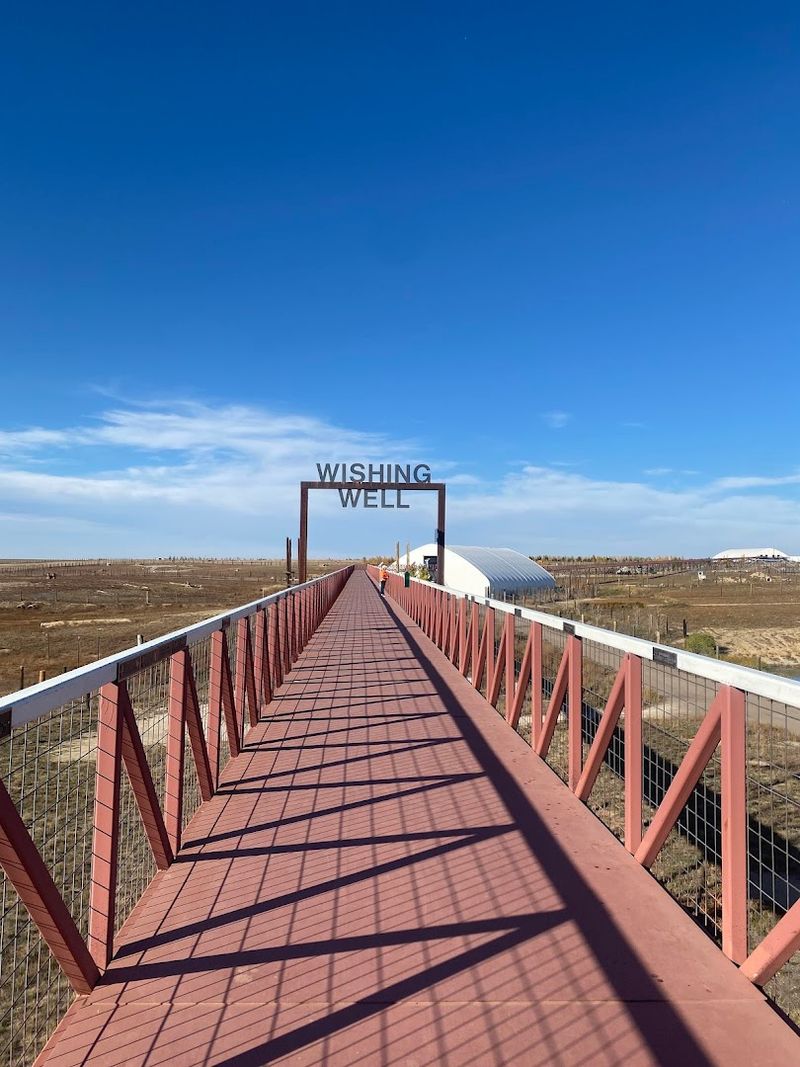
The walkway at The Wild Animal Sanctuary extends 1.5 miles in one direction, making the full round trip approximately three miles of walking above open grassland habitats. That distance sounds manageable enough until you factor in the time spent stopping, watching, and quietly reconsidering your pace because something interesting is always happening below.
Plan for at least four to five hours if you want to move without rushing. Restrooms, a snack bar, and shaded rest areas are positioned along the route, which makes the walk comfortable for families, older visitors, and anyone who wants to take the experience at a leisurely pace.
Arriving when the sanctuary opens at 9 AM gives you the best chance of seeing animals during feeding activity.
Each visitor group receives a complimentary monocular for the duration of their visit, which proves genuinely useful for spotting animals resting in distant corners of their habitats. The monocular, combined with the elevated perspective of the walkway, creates a viewing experience that feels more like a wildlife expedition than a typical day out.
Stories Of Rescued Animals Shared Throughout The Sanctuary
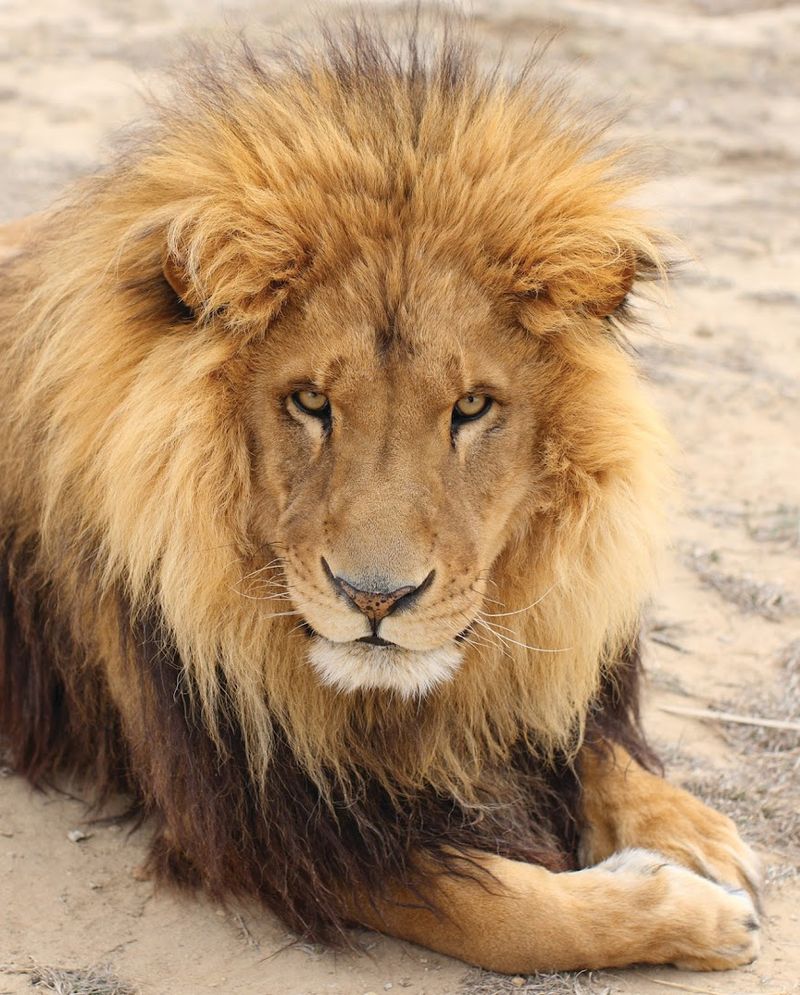
Information panels placed along the walkway at The Wild Animal Sanctuary do more than identify species. Each one introduces a specific animal by name, outlines the circumstances of its rescue, and explains what its life looked like before arriving at the facility.
Reading these accounts while the animal rests or moves in the habitat below creates an unusually direct form of storytelling.
Staff and volunteers stationed along the walkway add further depth to these accounts, often sharing details about animal personalities, behavioral quirks, and the progress individual residents have made since their arrival. These conversations happen naturally and without pressure, which gives the entire experience a warmth that formal interpretive programming sometimes lacks.
For visitors who want to prepare before arriving, the book Forever Wild by Melinda Shallenberger provides extensive background on the sanctuary’s founding and its most significant rescue operations. Reading it beforehand adds considerable context to what you observe on the walkway, turning a pleasant outing into something more intellectually and emotionally rewarding.
A Quiet Visitor Experience Designed For The Animals
The sanctuary is not designed to maximize visitor stimulation. No loudspeakers announce feeding times, no handlers coax animals into performing behaviors, and no artificial staging positions residents for photogenic moments.
What you get instead is something rarer and more satisfying: animals behaving exactly as they would if no one were watching.
That design choice requires visitors to slow down and pay attention rather than wait for something to happen on cue. Some animals will be active and visible throughout your visit.
Others will be resting far from the walkway, identifiable only as distant shapes in the grass. Both experiences are authentic, and both reflect the sanctuary’s fundamental commitment to animal welfare over visitor entertainment.
The atmosphere on the walkway tends toward the contemplative. Groups move at their own pace, conversations stay quiet, and the wide Colorado sky overhead contributes a sense of openness that makes the whole experience feel unhurried and genuinely restorative.
It is, in the best possible sense, a place designed for the animals first and everyone else second.
A Nonprofit Sanctuary Focused On Wildlife Protection
Operating as a nonprofit organization since its founding in 1980, The Wild Animal Sanctuary has built its entire model around rescue, rehabilitation, and education rather than profit or entertainment. Admission fees, donations, and sponsorship programs fund the daily care of over 950 animals across three Colorado properties, none of which would survive without sustained financial support from the public.
The sanctuary’s educational programming addresses the captive wildlife crisis directly, explaining to visitors how the exotic pet trade, roadside zoo industry, and entertainment sector contribute to the suffering of large carnivores across the United States. Understanding the problem is presented as inseparable from appreciating the solution the sanctuary represents.
Visitors can support the organization in several ways beyond purchasing admission, including adopting a specific animal, contributing to habitat construction, or simply spreading awareness about the facility’s work. The welcome center at the Keenesburg location houses a gift shop, the Lion’s Den Cafe, and an ice cream shop, all of which contribute to the operational costs of one of Colorado’s most genuinely important conservation institutions.