
This Underrated Arkansas Lake Is So Peaceful It Feels Like Your Own Private Getaway
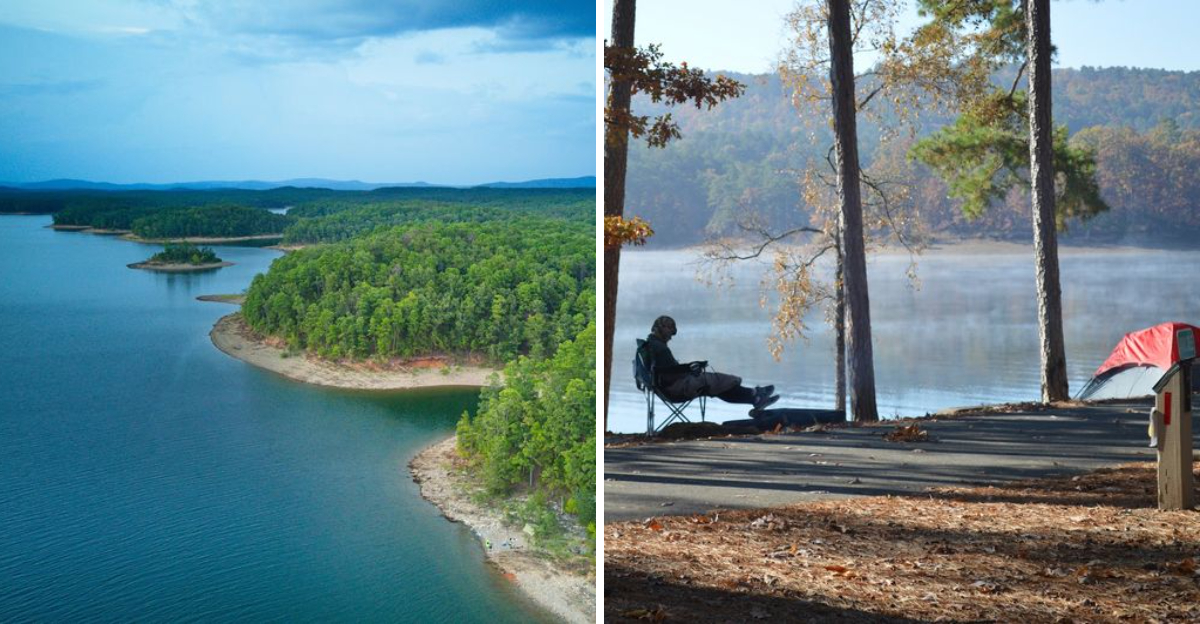
People often pass through Arkansas without expecting to find anything that truly stops them in their tracks. Then a road curves through the mountains, the trees open up, and suddenly there is a vast stretch of glassy water surrounded by quiet forest.
The atmosphere feels slower here. Boats drift across wide coves, the shoreline winds through the hills, and the kind of calm that is hard to find elsewhere settles in almost immediately.
Spanning tens of thousands of acres, this enormous lake is one of the largest entirely within Arkansas, yet it somehow avoids the heavy crowds. One visit is usually all it takes to realise this place deserves far more attention.
One Of The Largest Lakes Entirely Within Arkansas
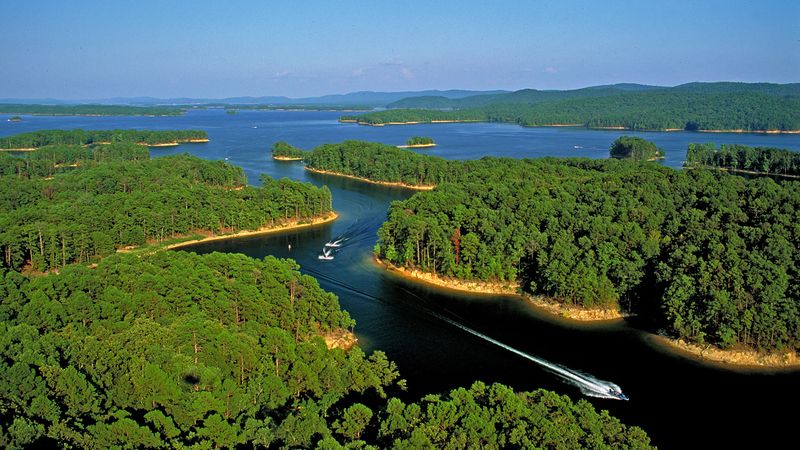
Lake Ouachita covers approximately 40,000 acres, making it the largest lake located entirely within Arkansas state lines. That distinction carries real weight when you consider how much open water that translates to on a calm morning.
The reservoir was created in 1953 when the U.S. Army Corps of Engineers completed Blakely Mountain Dam on the Ouachita River.
Situated near the town of Mount Ida, the lake stretches across portions of Garland and Montgomery counties in the Ouachita Mountains. Its sheer scale gives visitors a sense of freedom that smaller lakes simply cannot provide.
You can motor for miles without seeing another boat, which is a genuinely rare experience in the American South.
The lake sits at coordinates 34.59 N, 93.34 W, placing it comfortably within reach of Hot Springs. For a lake of this size, the lack of commercial development along its shores remains one of its most quietly remarkable qualities.
Over 200 Islands Scattered Across The Water
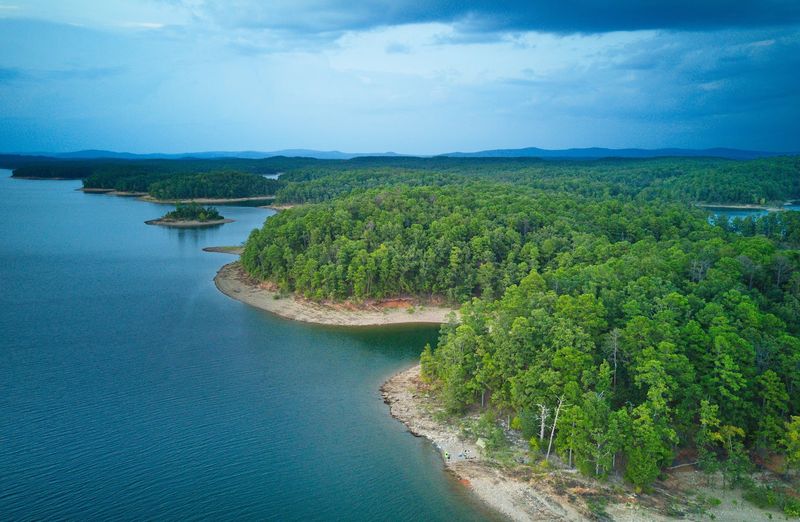
Somewhere around 200 forested islands dot the surface of Lake Ouachita, each one a small world of its own. Some are barely large enough for a campfire, while others hold enough ground for a full overnight stay with room to explore.
Boaters frequently anchor near the quieter islands to swim, picnic, or simply sit and watch the water move.
What makes the islands particularly appealing is their accessibility by boat combined with their general absence of permanent infrastructure. No concession stands, no rental chairs, no amplified music.
The experience feels genuinely unmediated, which is increasingly difficult to find at popular recreation areas across the country.
Camping on one of the islands requires a permit, and the solitude that comes with it is well worth the paperwork. Waking up surrounded by water on all sides, with herons moving through the shallows and morning mist still hanging over the coves, ranks among the finer simple pleasures Arkansas has to offer.
Nearly 700 Miles Of Scenic Shoreline To Explore
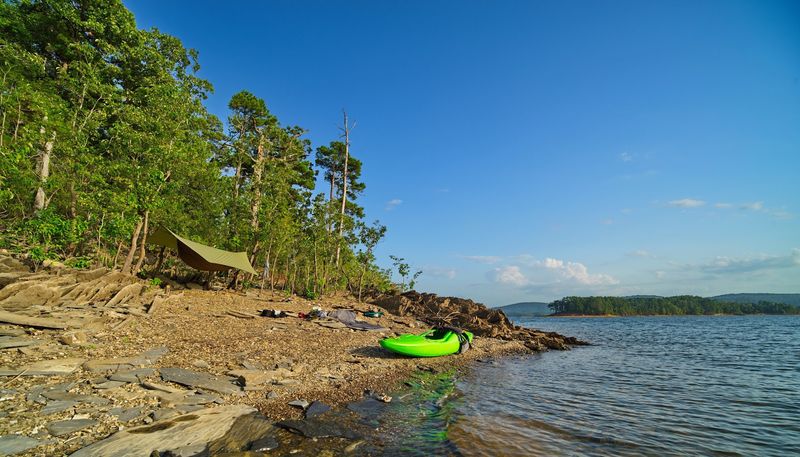
Nearly 700 miles of shoreline wrap around Lake Ouachita, a figure that surprises most first-time visitors. That kind of perimeter means the lake is full of hidden inlets, shallow coves, and forested banks that reward slow exploration by kayak or canoe.
No two stretches of shoreline feel quite the same.
Some sections are rocky and dramatic, where the Ouachita Mountains press close to the water. Others open into gentle, sandy margins ideal for wading or launching a paddleboard.
The variety keeps things interesting across multiple visits, and many regulars admit they have never fully mapped their own favorite sections.
Paddlers in particular appreciate how the shoreline bends and folds into quiet channels that larger motorized boats tend to skip. The scale of the lake means you can spend an entire day moving along the edge without retracing your path.
For anyone drawn to slow, observational travel, this shoreline rewards patience generously.
Crystal-Clear Water Perfect For Swimming And Kayaking
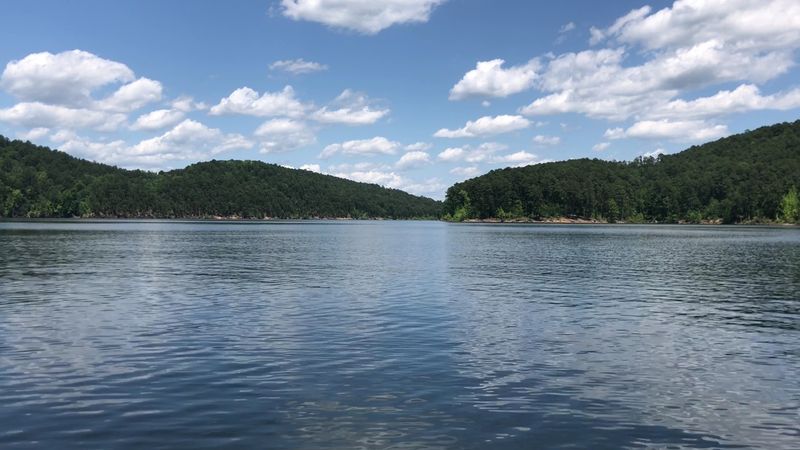
Lake Ouachita consistently ranks among the clearest lakes in the United States, a reputation built on the quality of its water and the absence of heavy agricultural runoff in the surrounding watershed. On a calm day, visibility through the water can reach impressive depths, making the lake a favorite among snorkelers and scuba divers as well as casual swimmers.
The clarity comes largely from the lake sitting within the protected boundaries of the Ouachita National Forest, which limits the kind of development that tends to degrade water quality over time. Swimming areas near the state park offer sandy entry points and relatively shallow zones suitable for families.
The water temperature stays comfortable through the summer months.
Kayaking here carries its own particular reward. Paddling over clear water where the bottom is fully visible gives a sensation closer to floating than boating.
First-time visitors often stop paddling entirely just to look down, which is perhaps the best endorsement the lake could receive.
A Lake Surrounded By The Ouachita National Forest
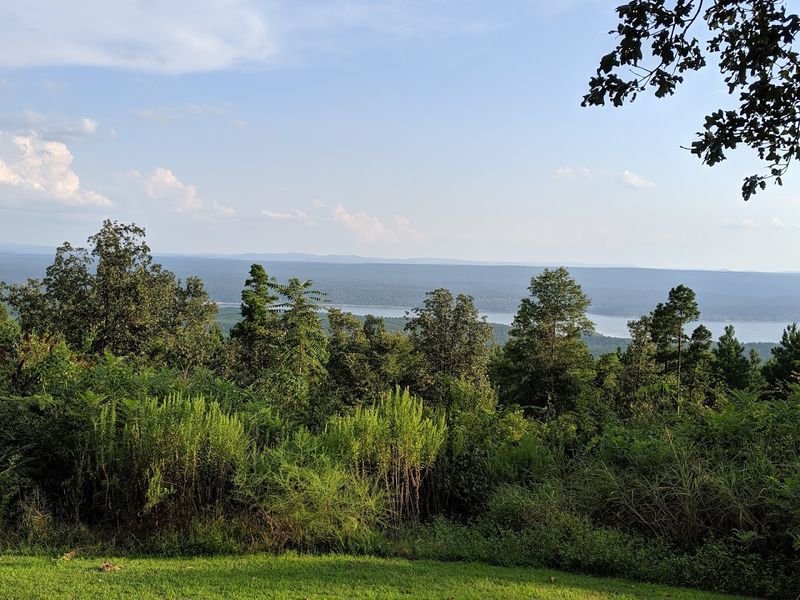
The Ouachita National Forest wraps around Lake Ouachita like a protective frame, covering nearly 1.8 million acres across Arkansas and Oklahoma. That surrounding forest is the oldest and largest national forest in the South, a fact that adds considerable context to the lake’s character.
The trees here are not decorative backdrop but active wilderness.
Because the forest controls the land adjacent to most of the shoreline, commercial development has been kept at a respectful distance. No strip malls, no chain restaurants, no sprawling resort complexes pushing up against the water.
The result is a landscape that feels genuinely preserved rather than merely managed.
Wildlife moves freely between the forest and the lake. White-tailed deer are common along the shoreline at dawn, and osprey are a reliable presence overhead during warmer months.
Black bears inhabit the region, though sightings near the water are infrequent. The forest gives the lake an ecological depth that recreational water alone cannot provide.
Quiet Coves That Feel Miles Away From Crowds
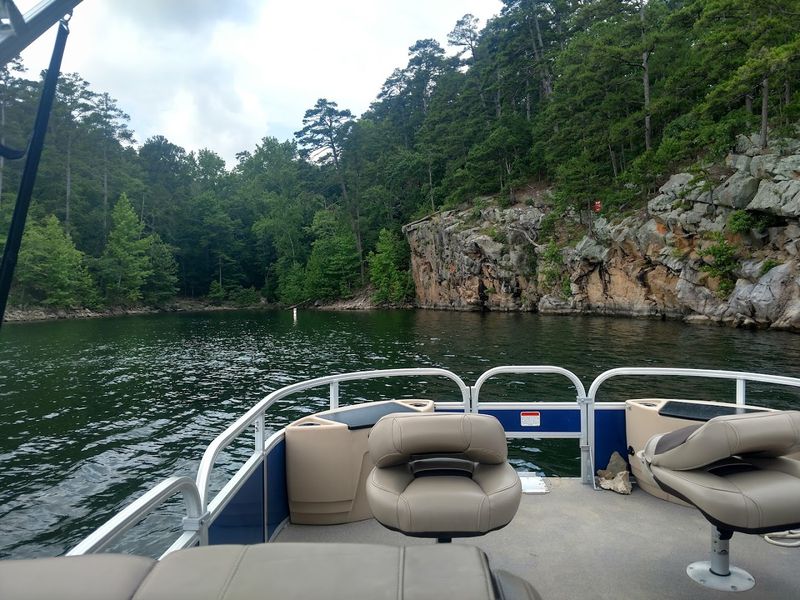
Among the most appealing features of Lake Ouachita are the coves that branch off the main body of water in every direction. These narrow inlets slow the wind, flatten the surface, and create pockets of stillness that feel genuinely separate from the rest of the lake.
Sitting in one at midday, you might hear nothing but birdsong and the occasional drip from a paddle.
Fishing boats often claim the deeper coves early in the morning, but by mid-afternoon many of them have moved on, leaving the space to whoever arrives next. Kayakers and canoeists find these areas particularly appealing because the calm water makes paddling effortless and the scenery shifts with every turn.
The coves also provide natural shelter during afternoon thunderstorms that roll through the Ouachita Mountains with some frequency in summer. Experienced lake visitors learn to read the sky and time their explorations accordingly, treating the coves as both destination and refuge depending on what the weather decides to do.
A Popular Spot For Boating And Houseboat Trips
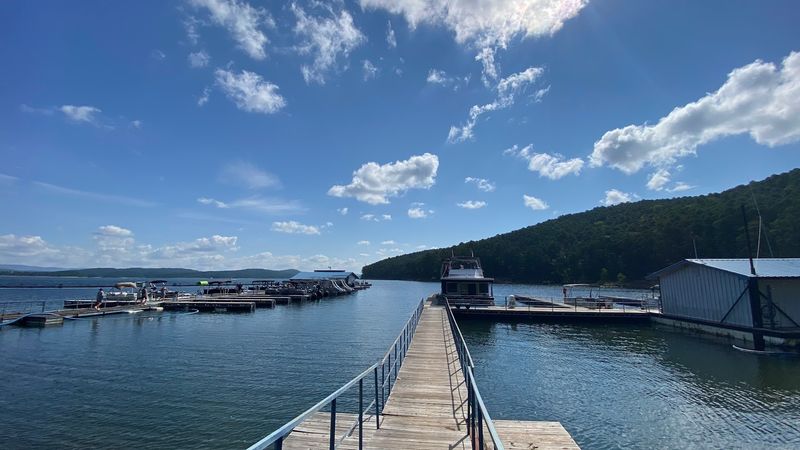
Lake Ouachita has long attracted boaters who appreciate open water with minimal hazards and maximum scenery. The lake’s size and depth accommodate everything from small fishing skiffs to full-sized houseboats, and the latter have become something of a tradition for groups who want an extended stay without pitching a tent.
Houseboat rentals are available through several local outfitters near the Mount Ida area.
A houseboat trip on Lake Ouachita offers a particular kind of vacation logic: you bring the accommodation with you, anchor wherever the mood strikes, and wake up to a different view each morning. The islands make ideal stopping points, and the clear water means swimming off the deck is always an option worth taking.
Pontoon boats are equally popular for day trips, offering a stable platform for families who want to cruise the shoreline without committing to an overnight adventure. The marina facilities near Lake Ouachita State Park provide fuel, launch ramps, and basic supplies for those who prefer to bring their own vessel.
Excellent Fishing For Bass, Walleye, And Crappie
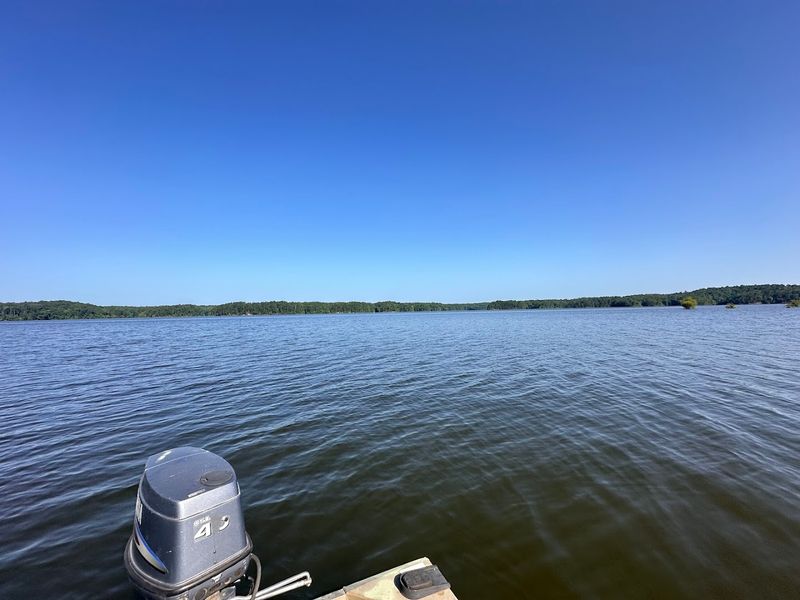
Anglers have been drawn to Lake Ouachita for decades, and the fishing holds up well under that sustained attention. Largemouth and spotted bass are the primary targets for most visiting fishermen, but the lake also supports healthy populations of walleye, crappie, catfish, and bream.
The variety keeps things interesting across seasons and skill levels.
Spring is generally considered the most productive time for bass fishing, when the fish move into shallower water near the coves and islands. Crappie fishing peaks in similar fashion, with brush piles and submerged structure holding fish in predictable locations.
Walleye, which are less common in Arkansas lakes generally, find Lake Ouachita particularly hospitable due to its depth and water clarity.
Fishing guides operate out of several access points around the lake and offer half-day and full-day trips for those unfamiliar with the water. Arkansas fishing licenses are required and available online through the Arkansas Game and Fish Commission.
The lake genuinely rewards patience, and most mornings on the water produce at least a few memorable moments.
Several State Park Areas For Camping And Hiking
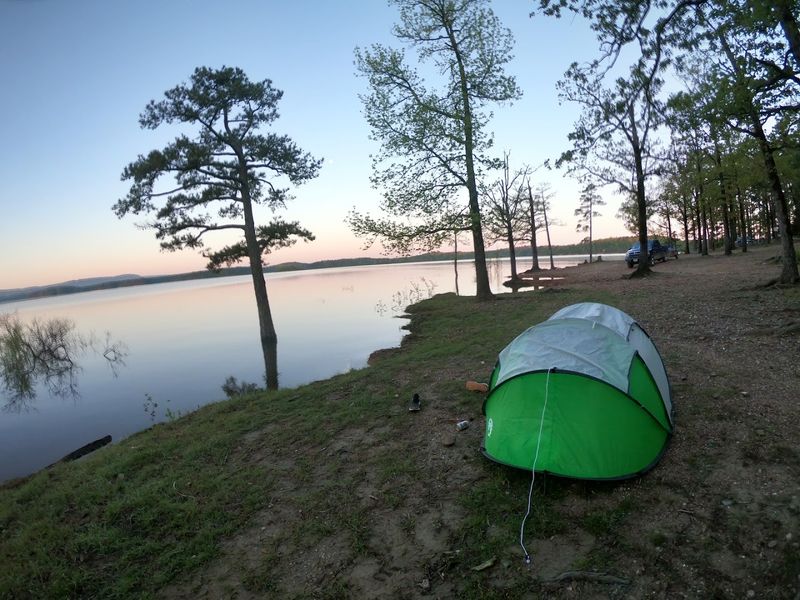
Lake Ouachita State Park sits on the northern shore of the lake and serves as the primary hub for camping, hiking, and general recreation in the area. The park offers a range of accommodations from full-hookup RV sites to primitive tent camping spots positioned close to the water.
Cabins are available for those who prefer four walls and a roof without sacrificing the scenery.
Hiking trails within and around the park connect to the broader Ouachita National Forest trail system, which includes the famous Ouachita National Recreation Trail. That trail runs 223 miles from Talimena State Park in Oklahoma to Pinnacle Mountain State Park near Little Rock, and sections of it pass through terrain immediately surrounding the lake.
The park’s facilities include a marina, a swim beach, picnic areas, and a visitor center that provides maps and information about current conditions. Reservations during peak summer months are advisable, as the park fills consistently on holiday weekends.
Shoulder season visits in April or October offer a noticeably quieter experience.
Sunsets That Reflect Across Wide Open Water
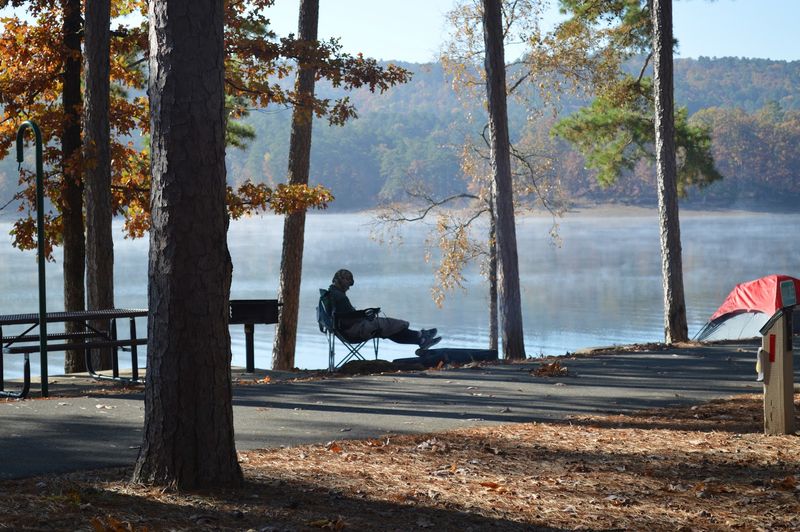
Few experiences at Lake Ouachita match the quality of a clear evening when the sun drops behind the Ouachita Mountains and the entire surface of the lake turns into something resembling a slow-moving painting. The wide expanse of water amplifies every color shift, from the first blush of orange through the deeper purples that settle in before dark.
Three Sisters Springs has been noted by visitors as a particularly rewarding vantage point during the golden hour.
The absence of significant light pollution around the lake extends the evening experience well past sunset. Once darkness settles, the sky above Lake Ouachita fills with stars in a way that urban and suburban visitors find genuinely disorienting at first.
Milky Way visibility is common on clear nights away from the campground lights.
Bringing a chair to the water’s edge an hour before sunset and simply watching the light change requires no equipment, no skill, and no planning. It is one of those uncomplicated pleasures that Lake Ouachita delivers with reliable consistency, which may be its most underrated quality of all.