
This Mind-Blowing Lava Cave Hike In Arizona Deserves A Spot On Your 2026 Bucket List
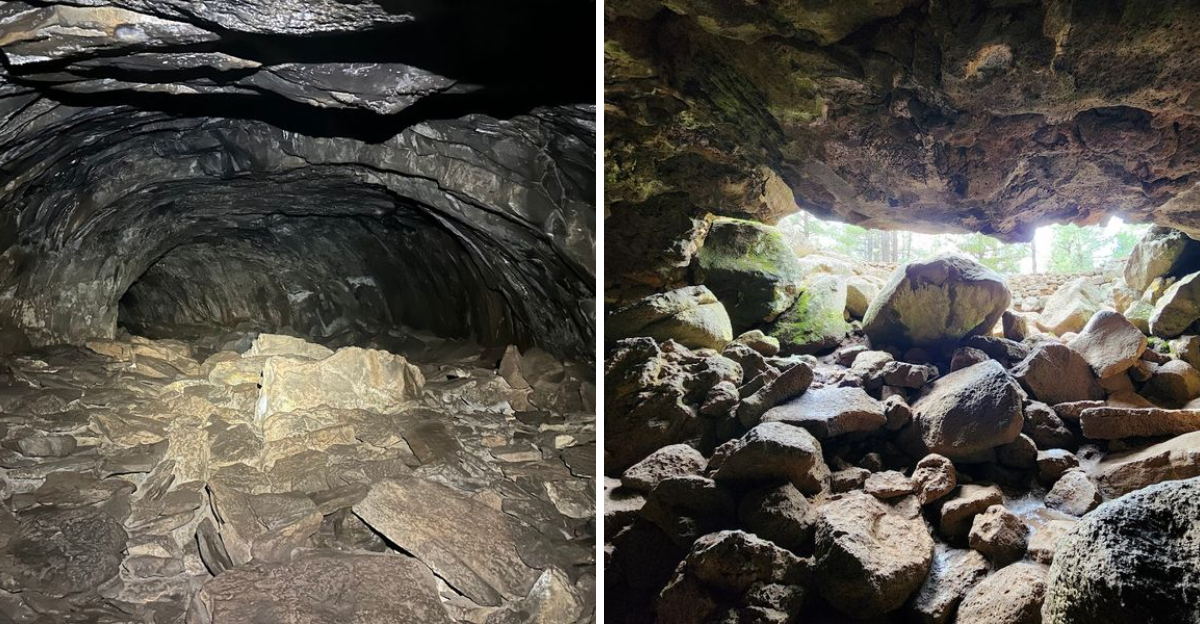
Hidden beneath a quiet pine forest just outside Flagstaff lies one of Arizona’s most unforgettable underground experiences. This mile-long lava tube, carved by flowing molten rock hundreds of thousands of years ago, invites curious explorers to step into a world that feels completely removed from the desert above.
It asks very little in terms of cost but delivers big on atmosphere, fascinating geology, and that rare sense of true discovery. If your 2026 travel list still has an open spot, this is one adventure you’ll want to add.
One Of The Longest Lava Tubes In Arizona Stretches Nearly A Mile Underground
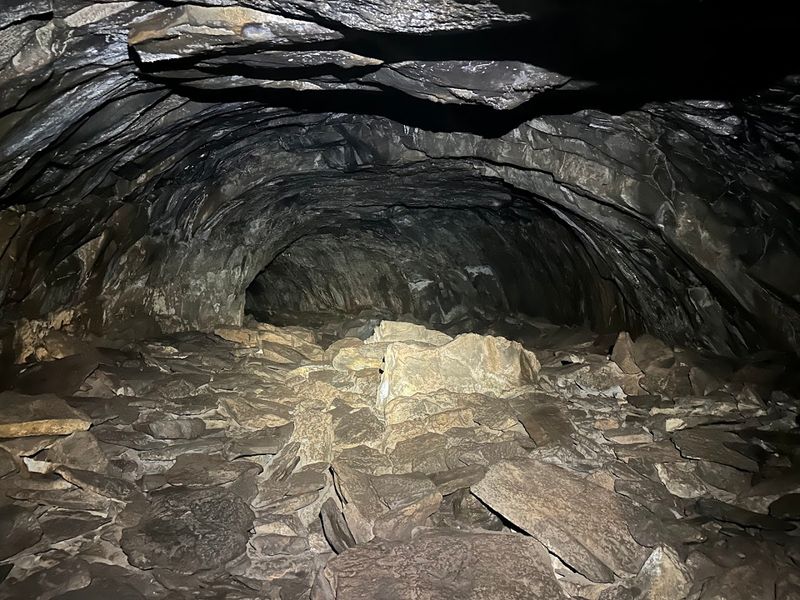
Stretching close to a full mile beneath the forest floor, Lava River Cave ranks among the longest lava tubes in the entire state of Arizona. That length is not just a geological footnote but a genuine physical experience that unfolds step by step as you move deeper into the earth.
The cave grows quieter and more insulated the further you travel, and the outside world begins to feel remarkably distant.
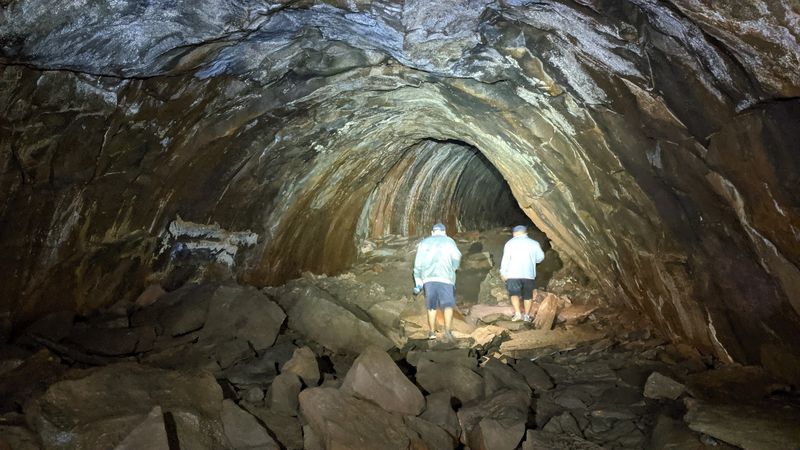
Most visitors are surprised by just how spacious the tube is in its central sections. The ceiling rises high enough in many areas to walk comfortably upright, giving the passage an almost cathedral-like quality.
Lava ripples and benches line the walls, offering visible evidence of how the molten rock once flowed with tremendous force. Spending time observing these formations turns the hike into something more than exercise.
The tube is located at 171B Forest Rd, Flagstaff, AZ 86001, within Coconino National Forest, and is free to explore.
Formed Over 700,000 Years Ago By Flowing Lava Beneath The Surface
Around 700,000 years ago, a volcanic vent near Hart Prairie sent molten lava surging across the landscape north of present-day Flagstaff. As the outer edges of the flow cooled and hardened into solid rock, the interior lava continued moving forward, eventually draining out and leaving behind a hollow tube.
That process, ancient and indifferent to human timescales, produced the cave visitors walk through today.
The geology on display inside is genuinely instructive. Flow ripples pressed into the walls record the exact movement of lava that once traveled at temperatures reaching 2,000 degrees Fahrenheit.
Splash marks, cooling cracks, and lava benches all tell a sequential story of heat, motion, and solidification that no museum exhibit can fully replicate.
Standing inside the cave and understanding what created it adds a layer of meaning to the visit. The ground beneath your boots is not just rock but a preserved record of volcanic activity from an era long before recorded human history.
Temperatures Inside Stay Cool Year-Round, Even During Arizona Summers
Arizona is not a state typically associated with cool retreats, yet Lava River Cave maintains a steady internal temperature between 35 and 45 degrees Fahrenheit regardless of what the thermometer reads above ground. On a July afternoon when Flagstaff sits at a comfortable 80 degrees, the cave interior feels closer to a well-stocked refrigerator.
The contrast is immediate and physical the moment you descend past the entrance boulders.
That consistent chill made the cave genuinely useful long before recreational hiking became popular. Homesteaders who rediscovered the cave in 1915 relied on it as a natural ice storage facility, harvesting ice that formed near the entrance during colder months and using the cold interior to preserve food through summer.
The cave served as a functional freezer for early settlers in the region.
Visitors today should pack a light jacket regardless of the season. A t-shirt and jacket combination works well for most people, though the entrance area can feel particularly sharp on first contact with the cold.
You’ll Need A Flashlight Because The Cave Is Completely Dark Inside
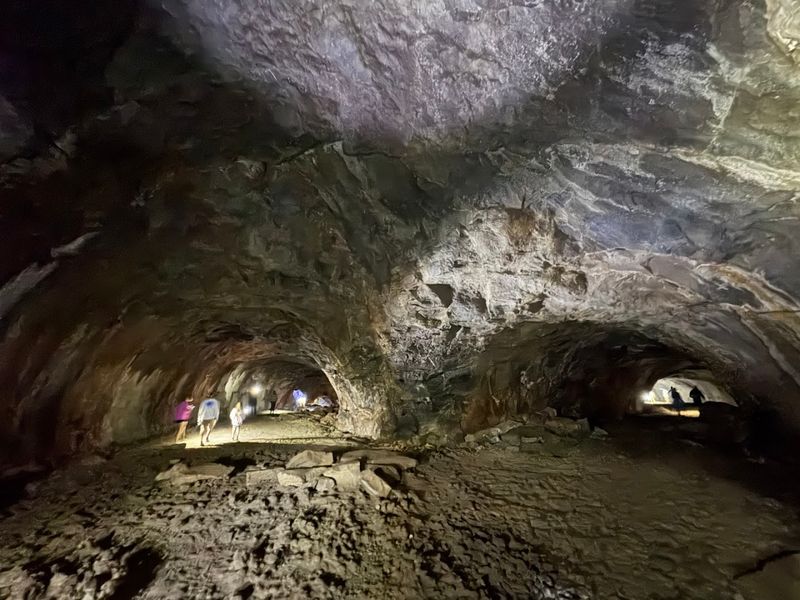
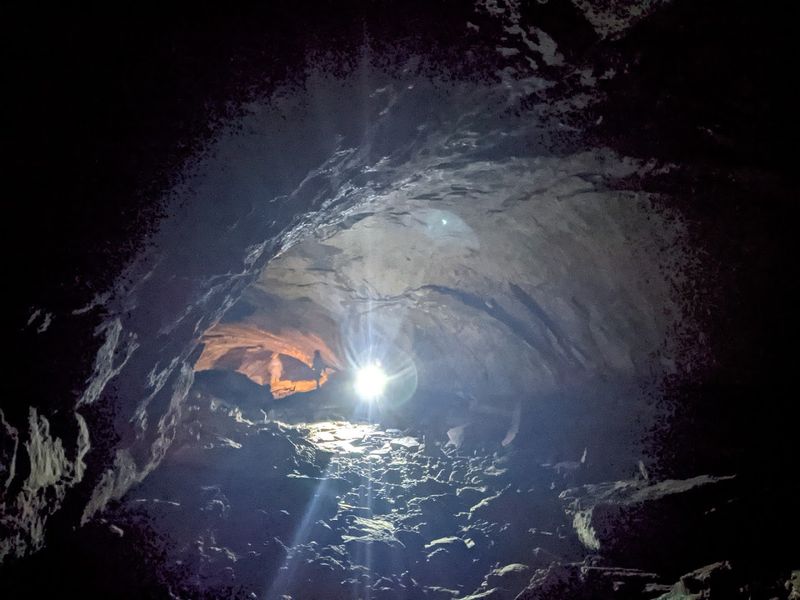
Total darkness is not something most people encounter in daily life, and Lava River Cave offers a genuine version of it. Turn off your light source at any point beyond the entrance, and you will not be able to see your hand held directly in front of your face.
The darkness is complete, uniform, and entirely unforgiving of poor preparation.
Headlamps are the preferred choice among experienced visitors because they leave both hands free for navigating the uneven terrain, particularly through the rockier entrance section. Carrying at least two independent light sources is strongly advised, since a failed battery or dropped flashlight mid-cave creates a situation that is uncomfortable at best and genuinely hazardous at worst.
Extra batteries add very little weight and considerable peace of mind.
The cave has no installed lighting of any kind, which is actually part of its appeal. Exploring by headlamp gives the experience a raw, self-directed quality that guided and illuminated caves simply cannot match.
Your light shapes what you see, and that focus sharpens attention considerably.
The Cave Floor Is Rugged, Uneven, And Part Of The Adventure
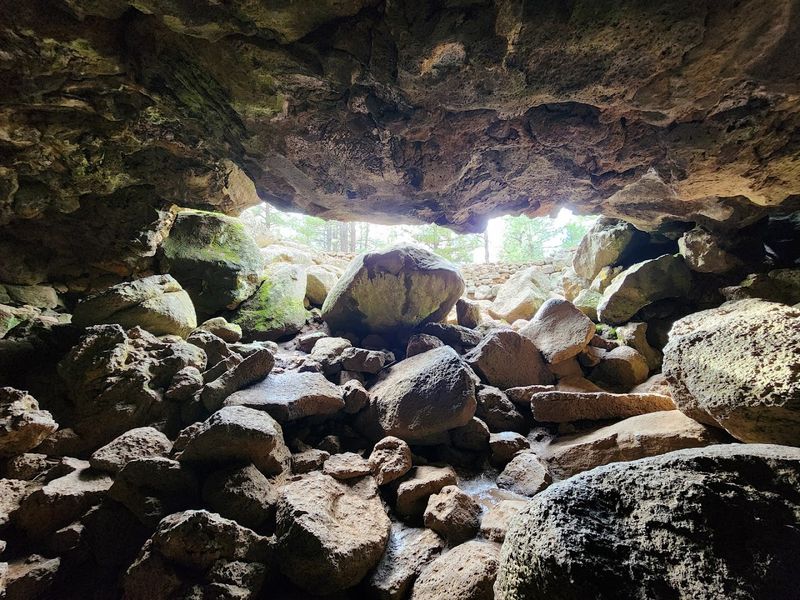
Flat, groomed trails have their place, but Lava River Cave is not among them. The floor shifts constantly between large boulders, loose rocks, rippled lava formations, and stretches of relatively even ground, demanding full attention with each step.
The entrance section is the most physically demanding, requiring careful footing and occasional use of hands to manage the initial rocky descent.
Wearing sturdy, closed-toe shoes with solid ankle support and reliable grip is not optional but essential. Sandals and casual sneakers have caused real problems for visitors who underestimated the terrain.
Once past the entrance section, the path becomes more manageable, though unpredictable surfaces continue throughout the entire length of the tube.
The physical engagement is part of what makes the hike memorable. There is something satisfying about moving through a space that demands your full physical presence rather than passive observation.
The cave rewards attentiveness, and the rough floor is a constant, honest reminder that you are exploring a natural geological feature rather than a manufactured attraction.
Located Near Flagstaff In The Coconino National Forest
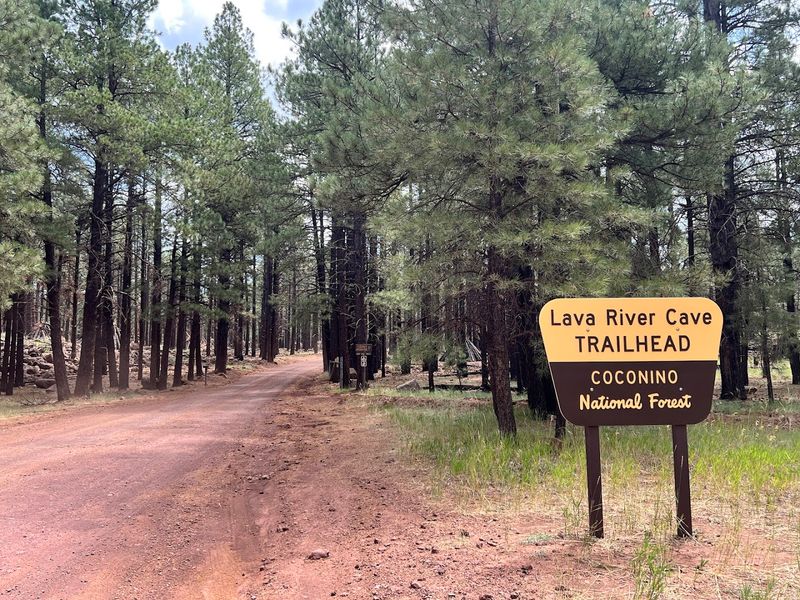
The drive to Lava River Cave is itself a pleasant introduction to the visit. From Flagstaff, head nine miles north on US 180, then turn west onto Forest Road 245.
After three miles, turn south on Forest Road 171 for one mile, then left onto Forest Road 171B. The cave entrance sits roughly a quarter mile from that final turn, with a dirt parking area and basic facilities available on site.
The surrounding Coconino National Forest is dominated by ponderosa pine, and the scent of the forest on the approach trail is genuinely pleasant. The short walk from the parking area to the cave entrance is flat and accessible, making it easy for most visitors to at least reach the mouth of the cave before deciding how far to proceed.
Access roads are unpaved and can be rough depending on recent weather, so checking road conditions before departing Flagstaff is a sensible step. Winter closures are possible, and the forest service website provides current status updates for the area.
Once Known As “Government Cave” Before Getting Its Current Name
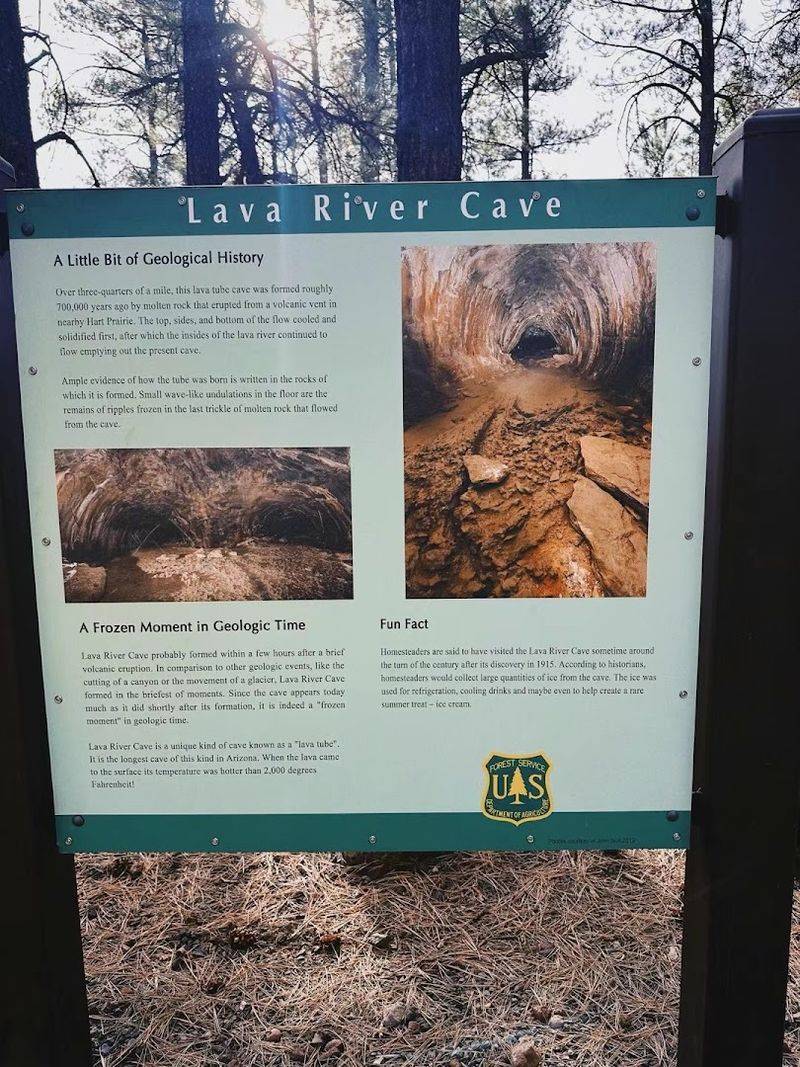
Before the cave carried its current name, locals and early settlers referred to it as Government Cave, a practical designation tied more to land ownership than to any particular federal significance. The cave was formally rediscovered in 1915, though Indigenous residents of the region had known of its existence for thousands of years prior.
Their relationship with the cave predates any recorded settler account by a considerable margin.
The early homesteader use of the cave was entirely pragmatic. Families harvested the ice that formed near the entrance during winter months and stored it deep within the cool interior to serve as refrigeration through the summer.
This was not a casual convenience but a genuine food preservation strategy in an era before mechanical cooling existed in rural Arizona.
The name Lava River Cave more accurately reflects the geological character of the place. It also connects the cave to its volcanic origins in a way that Government Cave never did, giving it an identity that aligns with what visitors actually experience when they step inside.
Ice Can Form Inside The Cave Even During Warmer Months
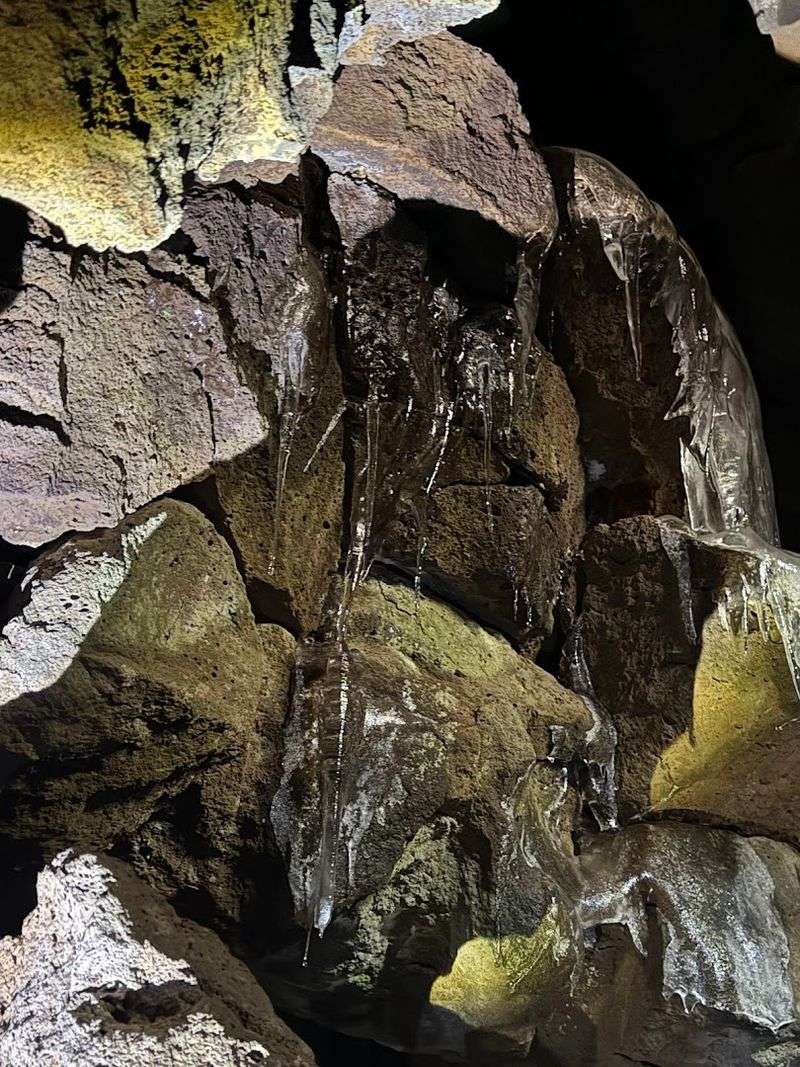
One of the more unexpected features of Lava River Cave is its capacity to produce and preserve ice well into months when the surrounding forest is warm and green. Cold air settles into the lower sections of the cave during winter and remains trapped there as temperatures rise outside.
The result is ice that persists near the entrance and in certain sections of the tube long after spring has arrived above ground.
Visitors who explore the cave during December or January often find substantial ice formations clinging to the rock walls near the entrance, sometimes thick enough to create slippery conditions on the already challenging descent. This adds an extra layer of caution to winter visits but also makes the cave visually striking in a way that summer visits do not replicate.
The ice is a direct product of the cave’s thermal dynamics rather than any external weather event. That self-contained cold system, operating quietly beneath the forest, is one of the more quietly remarkable aspects of a place that already has considerable geological interest working in its favor.
A Short Forest Trail Leads You To The Hidden Cave Entrance
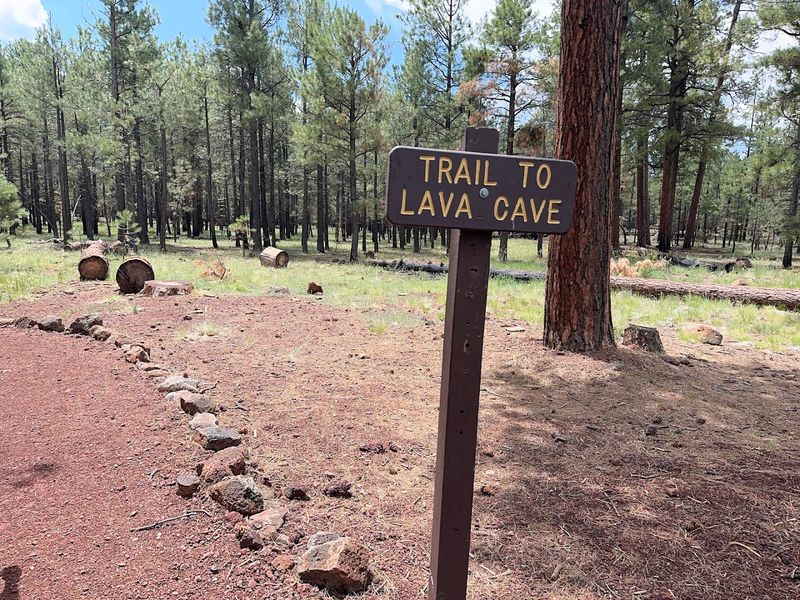
The trail from the parking area to the cave entrance is short, flat, and lined with ponderosa pines that make the approach feel unhurried and grounded. A few picnic tables sit along the path, and a map of the cave is posted near the entrance, which is worth photographing before you descend.
The mouth of the cave is surrounded by a low circular stone wall that marks the boundary between the forest floor and the underground world below.
The entrance itself is a natural collapse in the surface, and the initial descent involves navigating roughly 30 feet of sharp, irregular boulders before the passage levels out into the main tube. Taking this section slowly and deliberately is more effective than rushing through it.
The rocks are often damp and can be slippery, particularly in cooler months when ice is present.
Once past the entrance scramble, the cave opens up considerably. The transition from bright forest light to total underground darkness happens quickly, and that shift in sensory experience is part of what makes the first moments inside so immediately compelling.