
This Incredible Walk In New York Takes You Across One Of The Longest Pedestrian Bridges On Earth
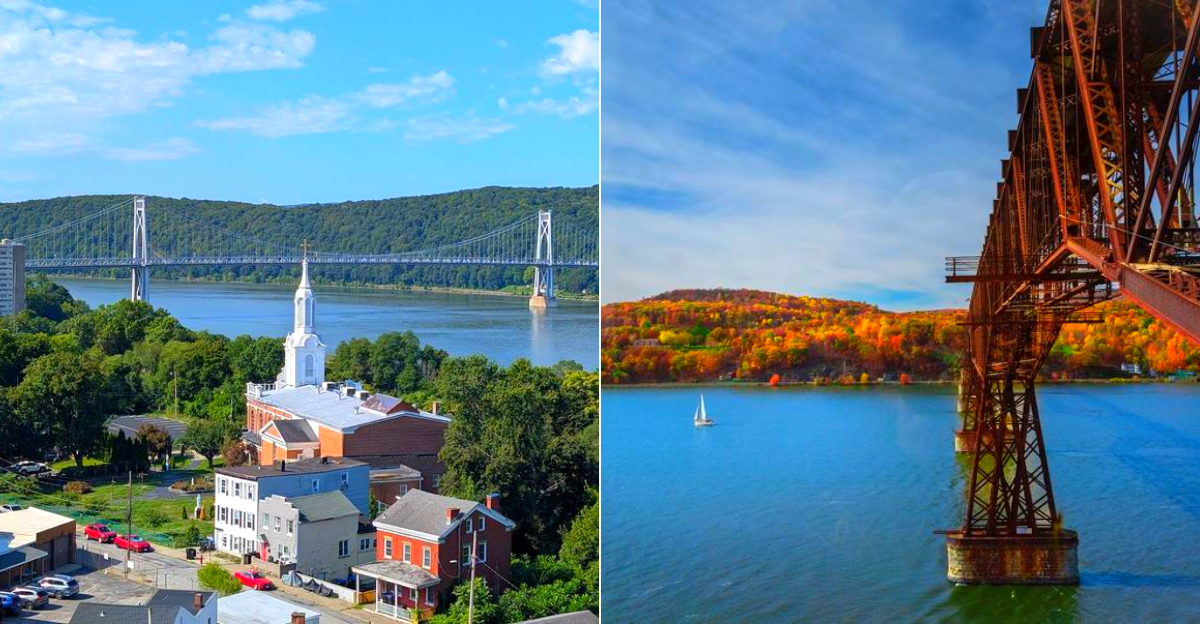
Walking across a bridge usually takes just a few minutes. This one turns it into an experience you will remember.
Stretching high above the water, this remarkable pedestrian bridge in New York offers a walk that feels far bigger than you expect, both in distance and in views.
Step onto the path and the perspective shifts quickly. The river opens up beneath you, the surrounding landscape stretches for miles, and the steady rhythm of your steps makes the journey feel almost meditative.
What makes it even more impressive is its scale, as one of the longest pedestrian bridges on Earth, giving you plenty of time to take in every angle. By the time you reach the other side, it feels less like a simple walk and more like a New York destination in its own right.
A Bridge That Broke Records Without Even Trying
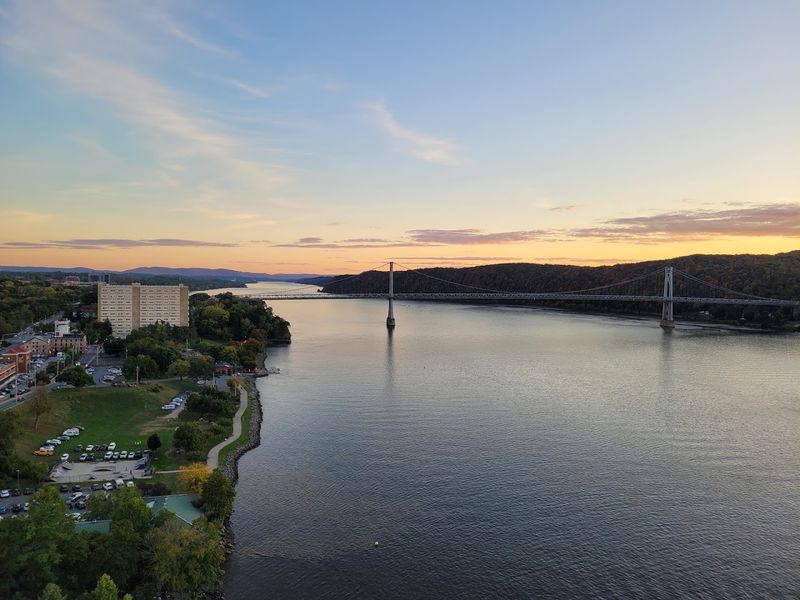
A bridge you can walk across that stretches over a mile long, stands 212 feet in the air, and is completely free sounds made up, right? But it is completely real, and it is sitting in Poughkeepsie, New York, waiting for you.
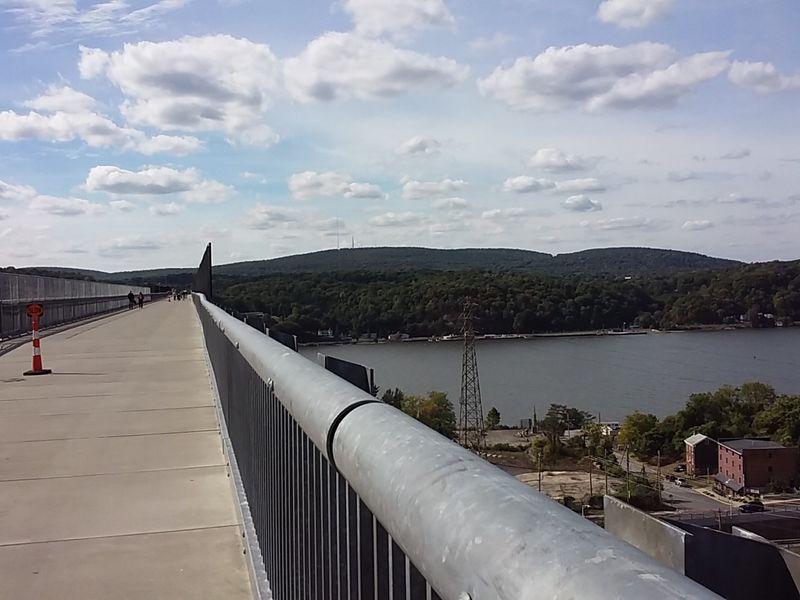
The Walkway Over the Hudson holds the record as the world’s longest elevated pedestrian bridge, stretching an impressive 6,768 feet across the Hudson River. That is not a typo.
You are walking over a mile above one of America’s most storied rivers, with nothing but open sky and sweeping views in every direction.
What makes this even more remarkable is how casually grand it feels. There are no ticket lines, no admission fees, and no complicated logistics.
You simply show up, walk out onto the bridge, and the Hudson Valley unfolds around you like a painting you somehow stepped inside. Few places in New York offer this kind of scale without charging you for the privilege of witnessing it.
From Railroad Tracks To Record-Breaking Walkway
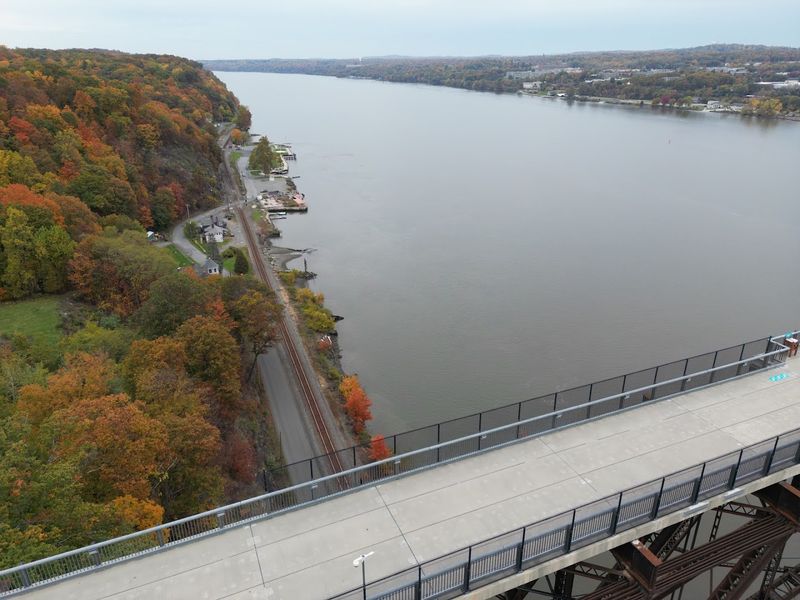
Back in 1889, this structure was built with one job in mind: moving freight and passengers across the Hudson River by rail. For decades, it did exactly that, carrying trains loaded with goods across one of the busiest waterways in the Northeast.
Then came a fire in 1974, the railroad abandoned it, and the bridge sat rusting and forgotten for over three decades.
What happened next is the kind of story that makes you genuinely root for a community. Local advocates, historians, and volunteers refused to let the structure disappear.
Years of fundraising, planning, and sheer determination eventually led to a full transformation. In 2009, the former railroad bridge officially reopened as a pedestrian walkway, and the response was immediate and enthusiastic.
The park was listed on the National Register of Historic Places, honoring both its industrial past and its remarkable second life. Interpretive panels along the walkway tell the story of the bridge’s construction, its railroad years, and the Hudson River ecosystem below.
Walking across it today, you are not just crossing a river. You are moving through more than a century of American history with every step you take.
The Views That Stop People Mid-Stride
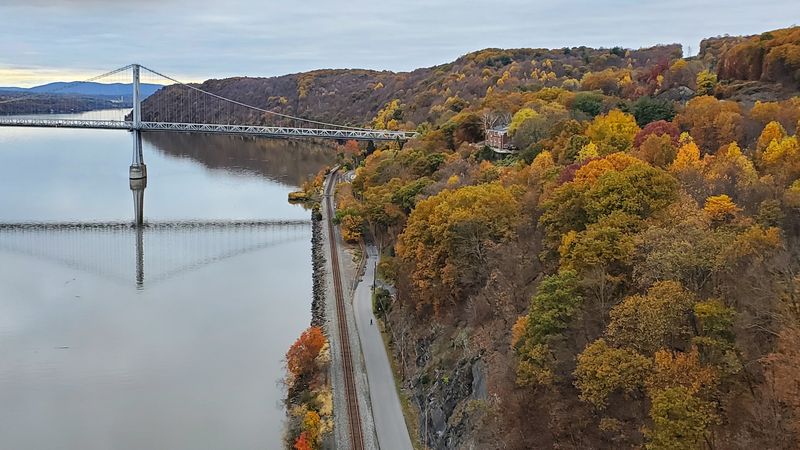
There is a moment that happens to almost everyone who walks this bridge. You are a few hundred feet out from the entrance, moving at a comfortable pace, and then you look up or sideways and simply stop.
The Hudson River stretches wide and silver beneath you. The Catskill Mountains line the horizon to the north.
The Hudson Valley rolls out in every direction with a quiet, unhurried kind of beauty that feels almost cinematic.
During autumn, the scene becomes genuinely spectacular. The forested hillsides shift into deep reds, burnt oranges, and warm yellows, turning the landscape into something that photographers plan entire trips around.
Even in the middle of summer, the constant breeze off the river keeps the air noticeably cooler on the bridge than anywhere else nearby, which is a detail that every visitor appreciates on a warm afternoon.
Sunset visits are particularly popular among regulars, who time their walks to catch the light dropping behind the western ridge. The bridge faces the right direction to frame that moment beautifully.
Barges moving slowly along the river far below add a sense of scale that reminds you just how high up you actually are standing.
Getting There And Getting Started Without The Confusion
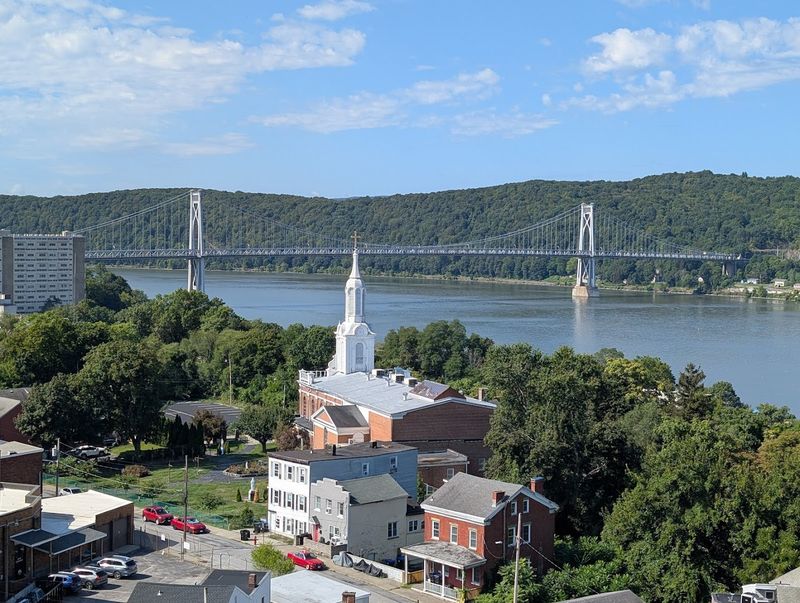
Finding the right starting point is something worth sorting out before you arrive, because a few visitors have noted that navigation apps can send you on a brief detour if you are not specific. The main entrance is located at 61 Parker Ave, Poughkeepsie, NY 12601, and setting your GPS to the Walkway Over the Hudson Visitor Center will get you there cleanly.
Parking is available nearby and costs around five dollars for four hours, paid through a mobile app.
The park is open every day from 7 AM to 7 PM, which gives you a solid window to plan your visit. Glass elevators at both the Poughkeepsie and Highland ends of the bridge provide full accessibility, so the walkway is genuinely open to everyone regardless of mobility.
Rangers are present at both ends and patrol the bridge itself on bicycles, keeping the experience safe and well-managed throughout the day.
A free electric tram is available for those who prefer not to walk the full distance, which is a thoughtful touch that not many visitors know about until they arrive. The whole setup is remarkably well-organized for a place that charges nothing at the gate, and first-time visitors consistently leave impressed by how smoothly everything runs.
Walking, Cycling, And Everything In Between
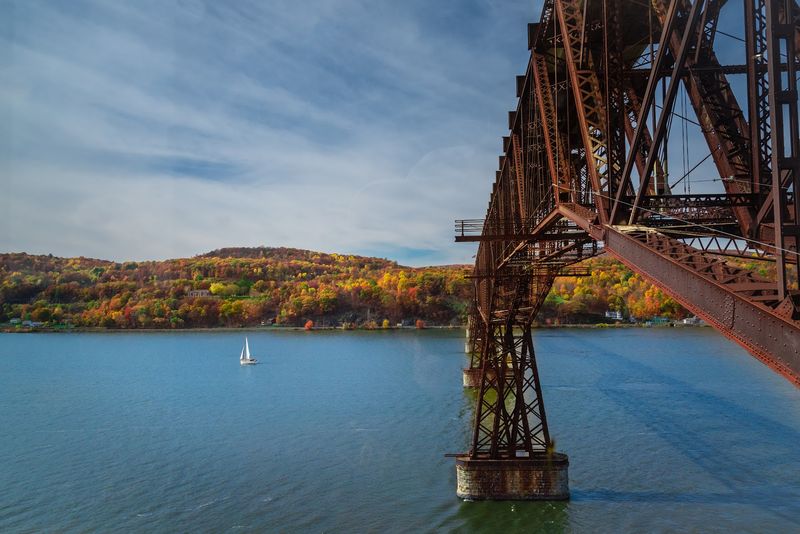
One of the more pleasant surprises about this place is how much it accommodates different kinds of visitors. The surface is flat and fully paved, making it just as welcoming for a casual Sunday stroll as it is for a focused morning run.
Cyclists are allowed and regularly make the crossing in under ten minutes, though the bridge is wide enough that foot traffic and bike traffic coexist without crowding or tension.
For walkers, a comfortable round trip takes roughly an hour at a relaxed pace. That works out to about 10,000 steps if you are tracking, which a number of visitors have cheerfully noted.
The bridge connects to a broader network of rail trails on both sides of the river, so those who want to extend the outing into a longer loop have options available without needing to drive anywhere.
Dogs are welcome on leashes, though staff will gently advise you if the pavement temperature is too warm for your pet’s paws on a particularly hot day. That kind of attentiveness from the park team is something visitors notice and appreciate.
Bikes, dogs, runners, and families all share the space with a relaxed, neighborly energy that makes the whole experience feel genuinely communal rather than crowded.
Food, Amenities, And The Small Details That Matter
A long walk across a mile-plus bridge tends to build an appetite, and the people who run this park seem to have anticipated that entirely. Food trucks are stationed at both ends of the bridge, offering coffee, snacks, ice cream, and full meals depending on the day and season.
On the Highland side, a taco truck has developed a devoted following among regulars who time their visits around it.
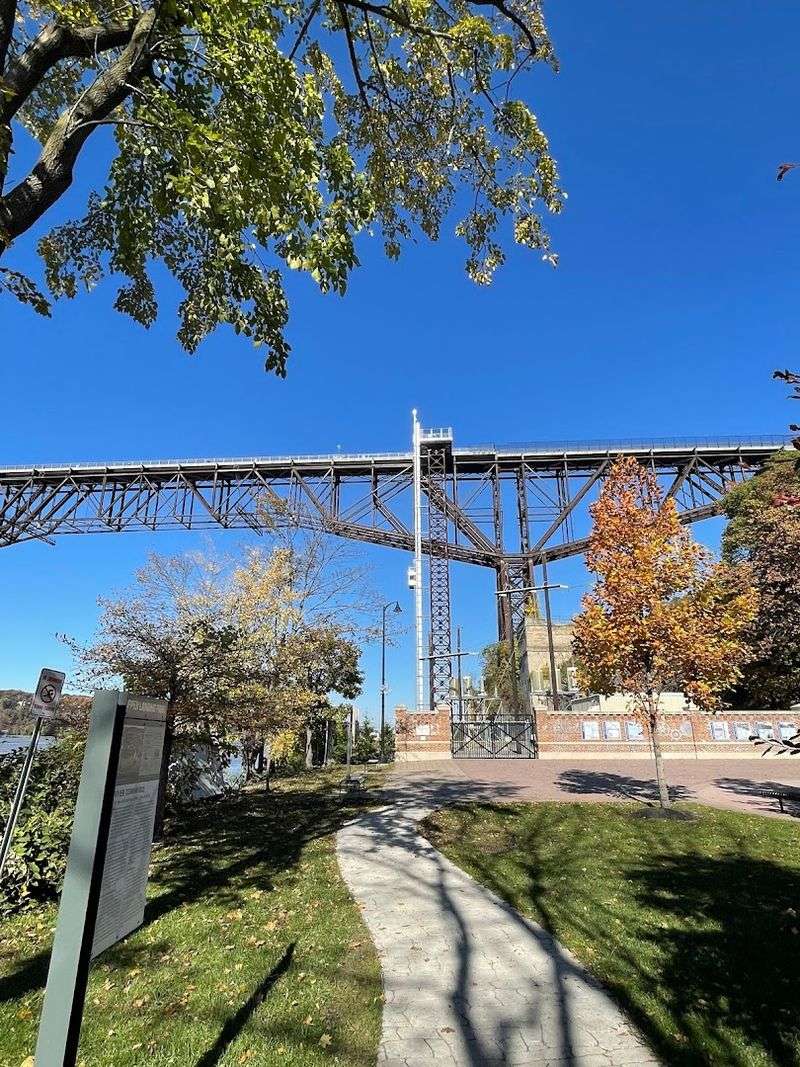
Clean restrooms are available at both entrances, and there is an additional facility down near the riverbank accessible via the glass elevator. That elevator also takes you to a lower level where you can stand close to the water and photograph the bridge from below, which produces a completely different and equally impressive perspective.
The gift shop near the entrance carries souvenirs for those who want something to take home, though it closes earlier than the park itself, so plan accordingly.
Vendors carry cold drinks during warmer months, which is genuinely appreciated given that the full sun exposure on the bridge can make mid-afternoon walks feel warmer than expected. Bringing a water bottle and a light layer for the river breeze are two simple preparations that will make your visit noticeably more comfortable regardless of the season you choose to visit.
What The Seasons Do To This Place
Few outdoor destinations in New York change character as dramatically across the seasons as this one does. Spring brings a freshness to the Hudson Valley that feels almost deliberate, with the hillsides greening up quickly and the river running full and lively below.
Summer visits are best done in the morning or near dusk, when the sun is lower and the breeze off the water does most of the work of keeping you comfortable.
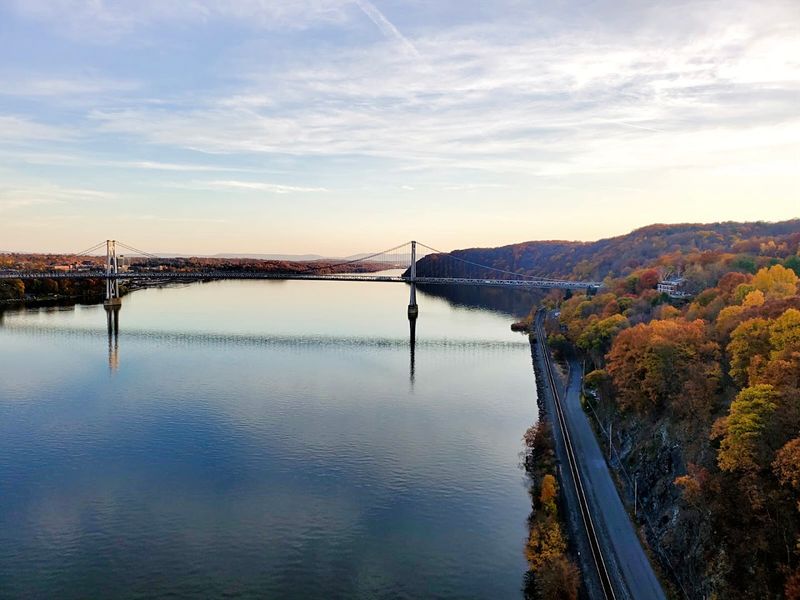
Autumn is the undisputed peak season for the Walkway, and it earns that reputation without any exaggeration. The forested ridges on both banks shift into a full spectrum of warm color, and the combination of foliage, river light, and open sky produces views that are genuinely difficult to describe without resorting to superlatives.
Photographers arrive with serious equipment. Families arrive with children who end up more interested in the barges below than the leaves above, which is entirely understandable.
Winter visits are quieter and carry their own kind of appeal. The bare trees open up longer sight lines, the air is sharp and clear, and the bridge rarely feels crowded in the colder months.
The park remains open year-round, and those who visit in winter often describe it as an unexpectedly peaceful and contemplative experience worth repeating.
Why This Walk Stays With You Long After You Leave
Some places earn their reputation through marketing, and some earn it through the simple, honest experience of being there. The Walkway Over the Hudson falls squarely into the second category.
It holds a 4.8-star rating across thousands of visitor responses, and reading through what people say, a clear theme emerges: this place consistently delivers more than people expect, even when they arrive with high expectations already in place.
Part of what makes it linger in the memory is the sense of scale it provides. Crossing bridges in cars happens so routinely that most people never fully register the size, engineering, or setting of the structures they are moving through.
Walking this bridge at a human pace, with the river 212 feet below and the valley stretching to every horizon, resets that sense of proportion in a way that feels quietly significant.
Beyond the views and the history, there is something warm about the atmosphere here. Locals use it regularly, tourists arrive from across the country and beyond, and the two groups share the space with an easy, unpretentious friendliness.
Rangers greet visitors, staff hand stickers to kids, and strangers strike up conversations at the railing. That combination of natural grandeur and genuine human warmth is what keeps people coming back season after season.