
One Of Florida’s Most Incredible Attractions Is Still Flying Under The Radar
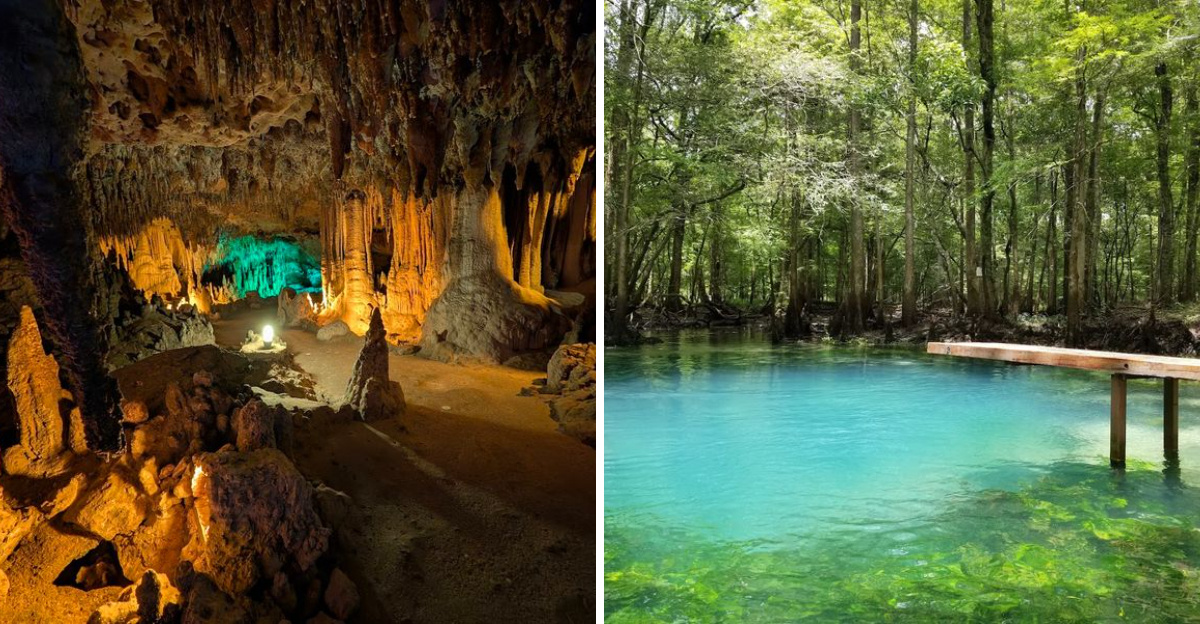
Most people think of Florida and picture crowded beaches, theme park lines, and souvenir shops. But tucked away in the Florida Panhandle, near the small city of Marianna, lies a state park that offers something genuinely rare for this flat, sun-soaked state: real underground caves you can walk through.
Beneath the surface lies something you would not normally associate with this flat, sun-soaked state: real underground caves you can walk through. It is the kind of place that makes you pause and rethink what Florida is all about.
Chances are, you have never heard of it, and that is exactly why it deserves your attention.
Florida’s Only State Park With Air-Filled Caves You Can Walk Through
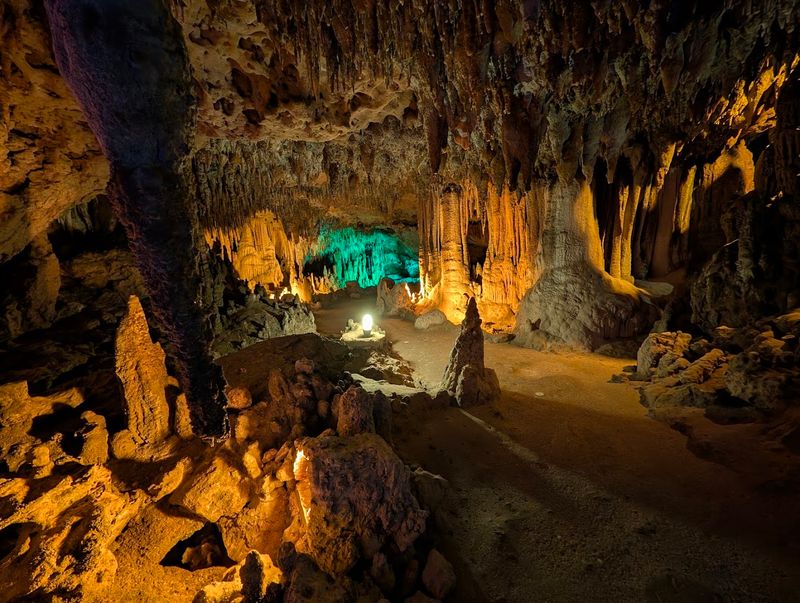
Florida is not a state most people associate with caves. The land is famously flat, the geology mostly sandy, and the underground world is usually flooded.
That makes Florida Caverns State Park something of a genuine anomaly, and a remarkable one at that.
Located at 3345 Caverns Rd, Marianna, FL 32446, this is the only state park in Florida that offers tours through air-filled limestone caves. Most of the state’s underground formations are submerged, accessible only to trained cave divers.
Here, ordinary visitors can walk upright through dry passages, peer at ancient formations, and experience geology on a personal, unhurried scale.
The caves are well-lit, maintained with obvious care, and open year-round. Guided tours run regularly throughout the day.
Comfortable, closed-toe shoes with good grip are strongly recommended, as some floors can be uneven or slightly damp in places.
These Limestone Caves Were Formed Millions Of Years Ago
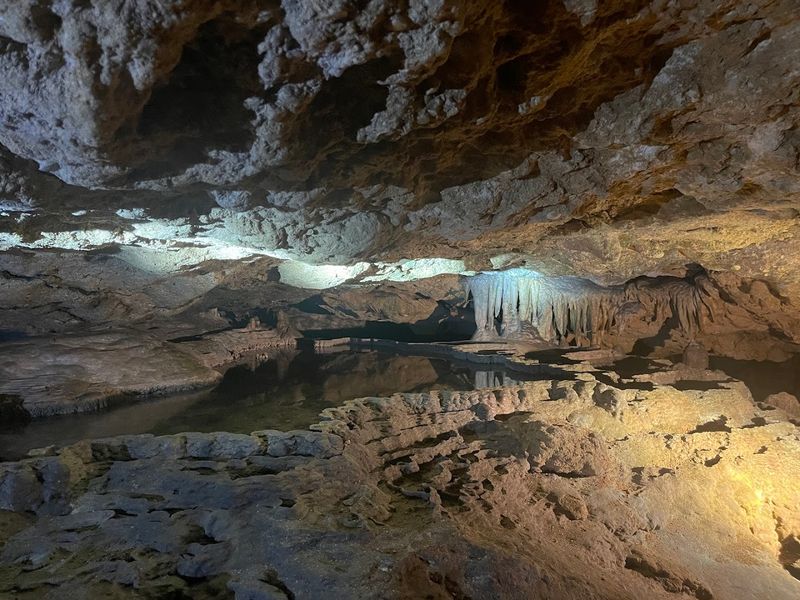
Long before Florida was a state, a peninsula, or even dry land, the ground beneath what is now Marianna was forming something patient and extraordinary. The limestone caves at Florida Caverns State Park began taking shape millions of years ago, when the region sat beneath a warm, shallow sea.
Over vast stretches of time, the remains of marine organisms accumulated on the seafloor and compressed into limestone. As sea levels changed and the land gradually rose, slightly acidic groundwater began moving through the rock, dissolving it slowly and carving out hollow passages and chambers.
The result is the cave system visible today, a record of geological time written in stone. Each formation represents thousands of years of mineral-rich water dripping, pooling, and evaporating.
Walking through these passages is less like visiting a tourist attraction and more like reading a chapter of Earth’s biography, one that is still being written, drop by slow drop.
You Can See Stalactites And Stalagmites In Florida
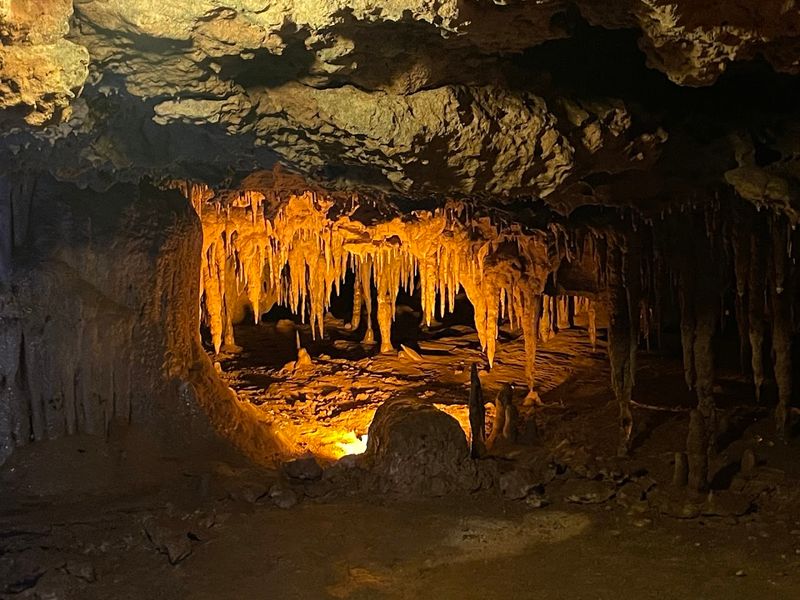
Stalactites hang from the ceiling like stone icicles. Stalagmites rise from the floor in patient columns.
Together, they create a visual landscape that feels almost invented, too precise and detailed to be entirely natural, and yet every formation here was shaped purely by time, water, and mineral chemistry.
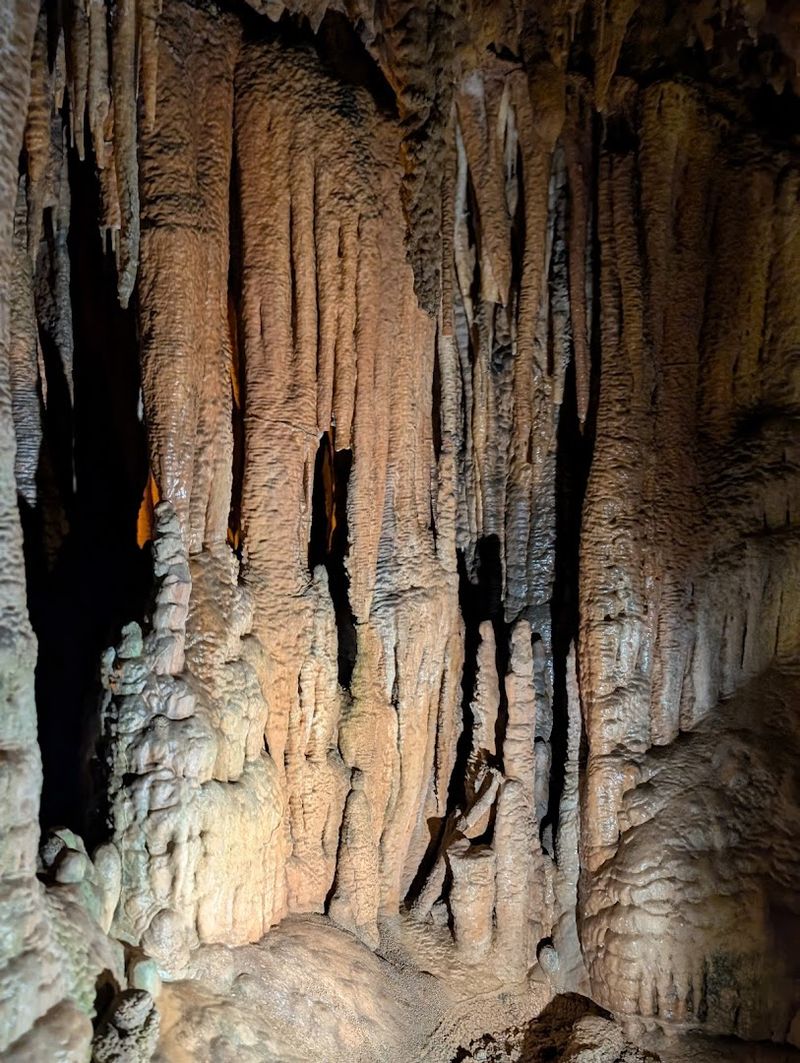
Florida Caverns State Park contains some genuinely impressive examples of both. Visitors also encounter flowstone, cave coral, and draperies, sheet-like formations that ripple across cave walls like frozen curtains.
The variety of structures within a single guided tour is surprising, and each room in the cave system presents something slightly different from the last.
Tour guides explain the distinction between formations and share the science behind their growth rates, which are measured in fractions of an inch per century. Photographs are allowed, though flash is not permitted, which encourages visitors to slow down and actually absorb the surroundings rather than simply document them.
The Cave System Stays Cool Year-Round
Florida summers are relentless. The heat settles in early, lingers late, and makes even a short walk across a parking lot feel like a small ordeal.
Stepping into the caves at Florida Caverns State Park offers immediate, physical relief from all of that.
The cave system maintains a stable temperature throughout the year, hovering in the mid-60s Fahrenheit regardless of what is happening on the surface. In July, that coolness feels like a reward.
In January, when the Panhandle can dip into genuinely cold territory, the caves feel comparatively warm and welcoming.
Bringing a light jacket is a reasonable idea for visitors who run cold, particularly in the winter months. The air inside is also noticeably humid, which adds to the sensory contrast with the dry Florida heat outside.
That shift in environment, from bright and sweltering to dim and temperate, is part of what makes the cave experience feel so distinct and memorable.
Guided Tours Take You Deep Underground
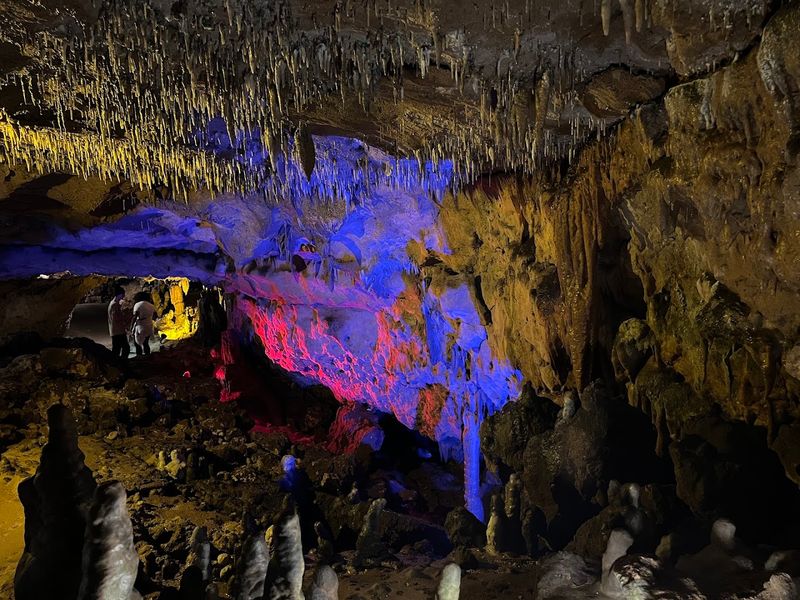
Visiting the caves independently is not an option, and that is genuinely a good thing. The guided tours at Florida Caverns State Park are structured, informative, and run by staff who bring real knowledge and personality to the experience.
Each tour lasts approximately 45 minutes and moves through multiple chambers within the cave system.
Guides balance geological explanation with local history and the occasional well-timed observation that keeps the group engaged without turning the experience into a lecture. The format works well for families, curious adults, and anyone who simply wants to understand what they are looking at rather than just passing through it.
Tours are offered throughout the day, and booking in advance is strongly advisable, particularly on weekends and during warmer months when demand rises sharply. Arriving without a reservation can mean missing the cave entirely, which would be a significant disappointment given how central the underground experience is to the park’s identity and appeal.
The Park Was Partly Built By The Civilian Conservation Corps
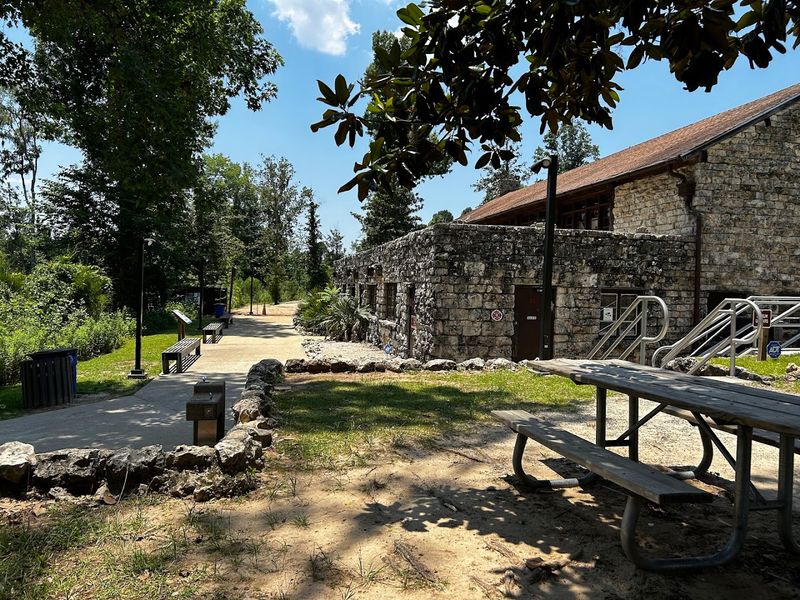
The infrastructure at Florida Caverns State Park has a history that runs parallel to the caves themselves. During the 1930s, the Civilian Conservation Corps, a federal work program established during the Great Depression, helped develop the park as part of a broader national effort to build public lands and put young men to work.
The CCC constructed stone buildings, bridges, and facilities that remain in use today. Their craftsmanship, visible in the masonry and structural details throughout the park, reflects both the era’s resourcefulness and the genuine pride workers took in the projects assigned to them.
Several of these structures are now considered historically significant in their own right.
Visiting the park with this context in mind adds a layer of appreciation that goes beyond the natural scenery. The grounds represent not just geological history but human history as well, two timelines occupying the same physical space in a way that feels quietly meaningful rather than overly curated or staged.
Above Ground, The Park Feels Like A Different Side Of Florida
Much of Florida’s landscape is defined by coastal flatness, open skies, and the particular brightness that comes with proximity to the Gulf. The Panhandle, and specifically the area around Marianna, operates by a different set of rules.
The terrain is noticeably hillier, the forests denser, and the overall atmosphere carries a quality more commonly associated with the Deep South than with the Florida most visitors picture.
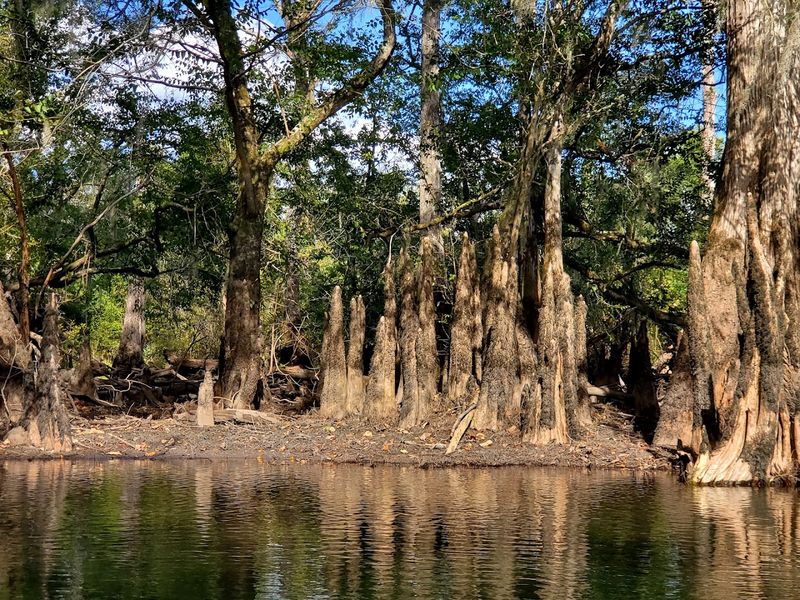
Above ground at Florida Caverns State Park, that distinction becomes fully apparent. Mature hardwood trees create genuine shade.
The air moves differently through the canopy. The visual palette shifts from sun-bleached pastels to layered greens and browns that feel grounded and unhurried.
For visitors arriving from South Florida or the coasts, the contrast is striking enough to feel like crossing into a different region entirely. The park does not announce this quality with signs or marketing language.
It simply presents itself, and the landscape does the rest of the work without any assistance.
The Chipola River Adds Kayaking And Canoeing Options
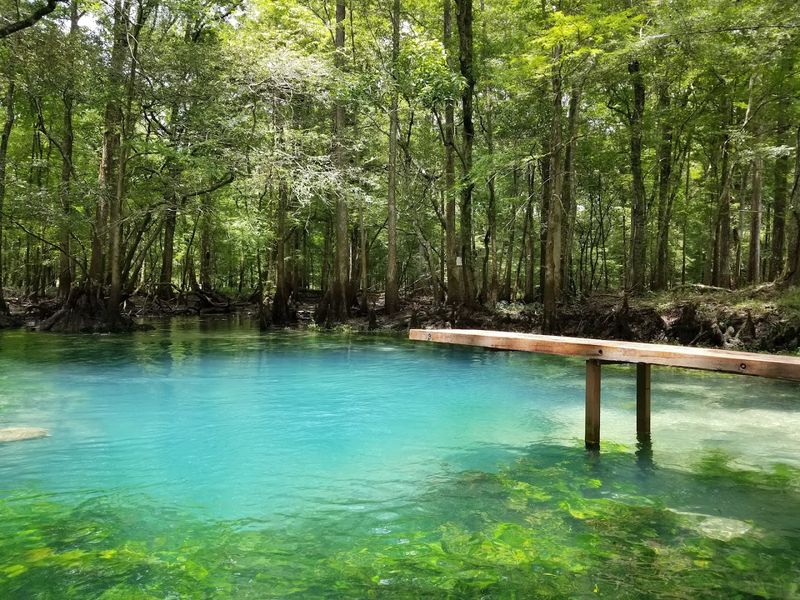
The Chipola River runs through Florida Caverns State Park with the kind of unhurried clarity that makes paddling feel less like exercise and more like a slow conversation with the landscape. The water is calm in most stretches, making it accessible to kayakers and canoeists of varying experience levels.
The river passes through forested corridors, past limestone bluffs, and near spring-fed pools that maintain a consistent, cool temperature even in the heat of summer. Paddling upstream toward a spring is a particular highlight, offering a perspective on the park that the hiking trails simply cannot replicate.
The water is clear enough to observe the riverbed below.
Canoe and kayak rentals are available through the park, removing the logistical barrier for visitors who do not travel with their own equipment. The Chipola River section accessible from the park is also part of a longer designated canoe trail, making it a worthwhile stop for paddlers planning a more extended water-based itinerary through the region.
Wildlife And Native Plants Thrive Throughout The Area
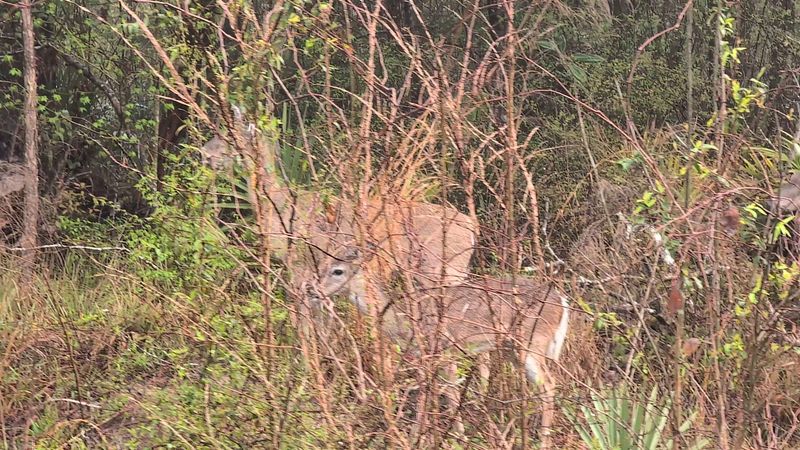
Florida Caverns State Park supports a surprisingly rich collection of wildlife, particularly for a park that most visitors associate primarily with its underground attractions. White-tailed deer move through the grounds with noticeable comfort, often visible from campsites in the early morning.
Pileated woodpeckers and red-headed woodpeckers work the trees with focused efficiency, and cardinals appear throughout the park in numbers that feel almost theatrical.
Bats are another notable presence. The caves provide habitat for several bat species, and at dusk, visitors positioned near the cave entrance may observe them departing in small, erratic streams.
The experience is brief but genuinely memorable, particularly for younger visitors encountering it for the first time.
The native plant communities throughout the park reflect the Panhandle’s botanical diversity, which differs considerably from the palmetto-dominated scrub of central and southern Florida. Wildflowers, ferns, and canopy hardwoods create a layered environment that rewards slow observation and rewards patience with small, well-earned discoveries.
There Are Hiking Trails That Wind Through Shaded Forests
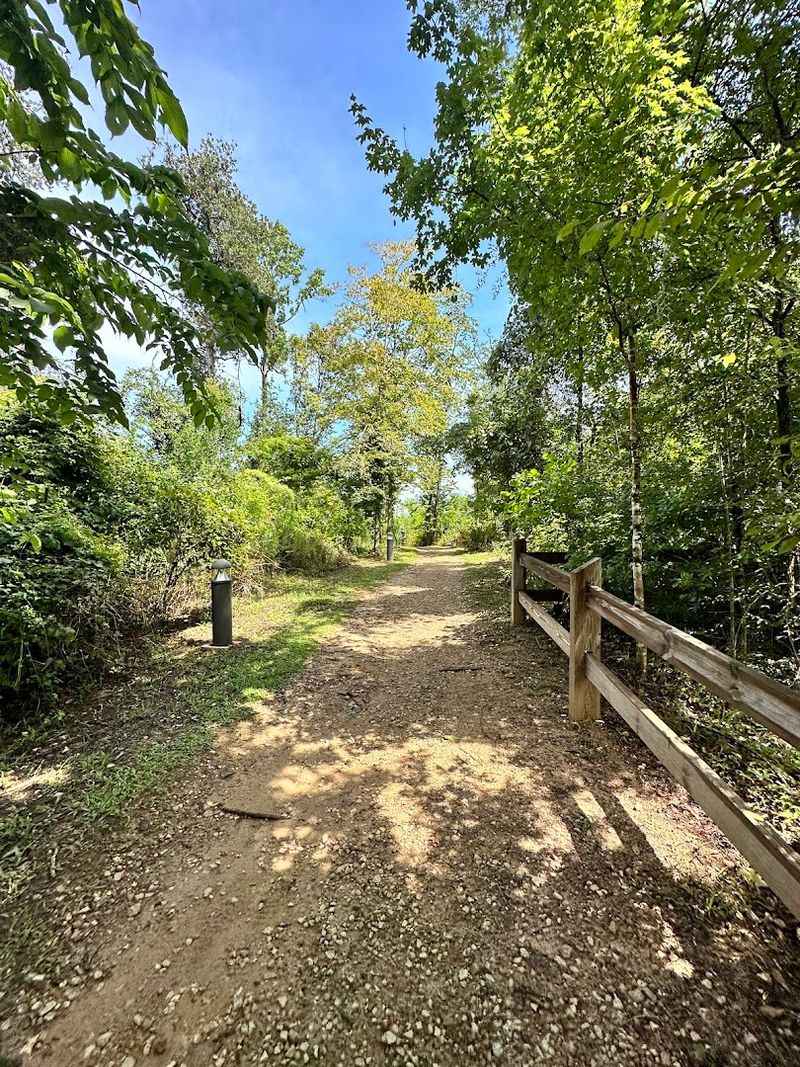
The hiking trails at Florida Caverns State Park offer a ground-level introduction to the Panhandle’s distinctive landscape. Several routes wind through shaded forest, past geological features, and along the bluffs that overlook the Chipola River.
Interpretive markers appear at intervals along certain trails, identifying trees and vegetation with enough detail to be genuinely educational without becoming burdensome.
The Bluff Trail is the most physically demanding option, moving over uneven terrain and steep sections that require reasonable footing and a modest degree of fitness. It rewards the effort with views and a sense of genuine immersion in the landscape.
The paved trail near the cave entrance is a more accessible alternative, wide enough for side-by-side walking and navigable for visitors with mobility considerations.
Trail conditions vary by season, and the park staff are reliably helpful when asked for current recommendations. Carrying water is sensible on warmer days, and the trails feel most comfortable in the early morning before the Florida sun fully establishes itself over the canopy.