
The Town In New York Is So Peaceful, You’ll Want To Move There After One Visit
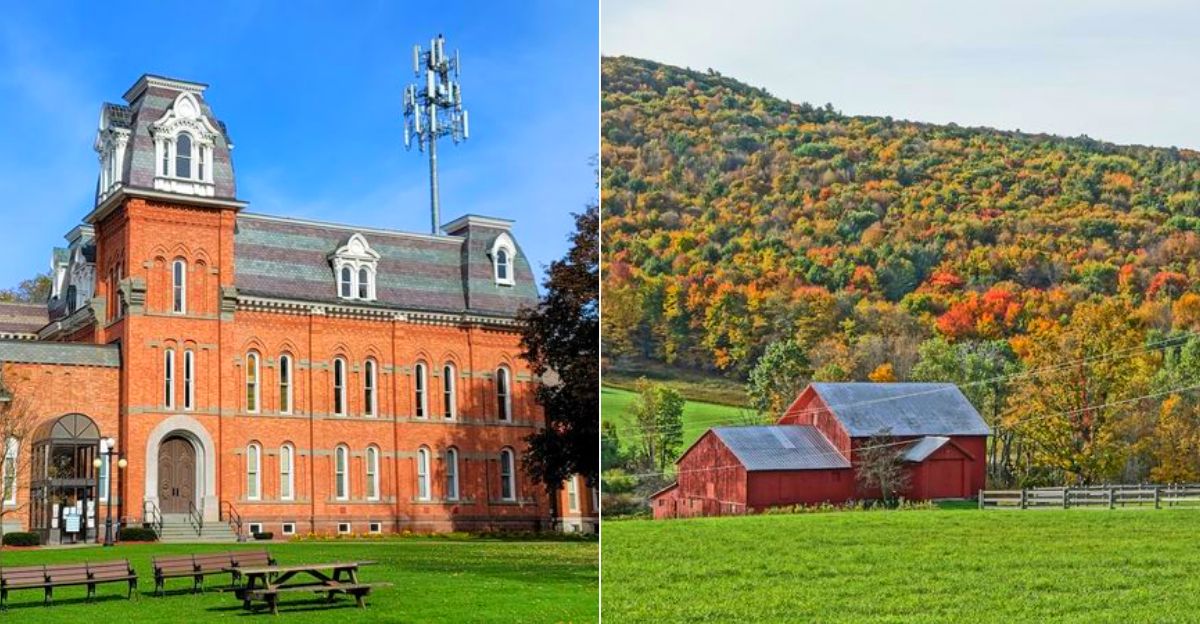
The pace shifts the moment you arrive, and everything starts to feel a little easier. In this New York town, quiet streets, open spaces, and a strong sense of community create an atmosphere that feels genuinely relaxing.
It is the kind of place where people take their time, where small details stand out, and where everyday life feels a bit more balanced.
Spend a little while exploring and the appeal becomes clear. Local shops, scenic views, and a slower rhythm all come together in a way that makes it easy to imagine staying longer than planned.
It is not just a pleasant visit, it is the kind of experience that leaves you thinking about what it might be like to call it home.
The Kind Of Quiet That Actually Heals You
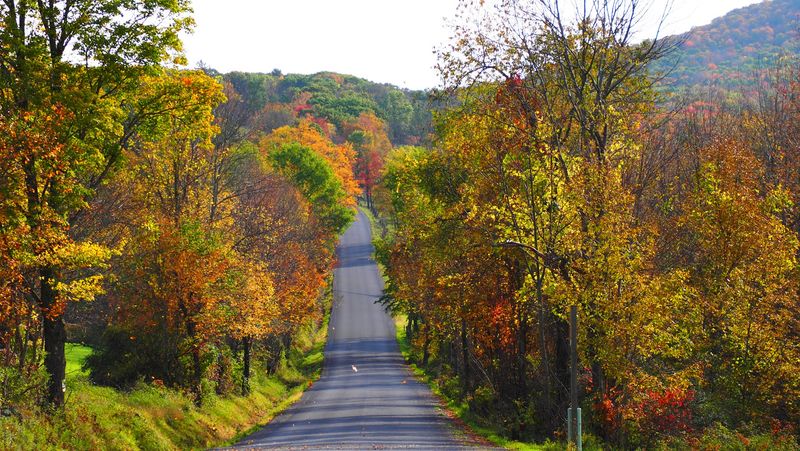
At 7 AM on a Saturday, the sound of a woodpecker tapping outside your window can easily become the highlight of the morning in Delhi, New York. The atmosphere here feels calm and unhurried, offering a kind of quiet that is genuinely comforting rather than unsettling.
It is the sort of place where the pace of life naturally slows, allowing you to settle into a more relaxed and steady rhythm.
Situated in the east-central part of Delaware County, Delhi rests among the gentle curves of the western Catskills, where the landscape does most of the talking. The air is clean, the roads are uncrowded, and the general vibe is one of unhurried contentment.
People here wave at strangers from their porches, not because they are being performatively friendly, but because that is simply what you do.
Visitors who come expecting a buzzing tourist destination leave pleasantly surprised by something far more valuable: genuine stillness. The town carries a calm that feels earned rather than manufactured.
After even a single afternoon spent walking its streets, you begin to understand why so many people who visit end up quietly researching property listings before their drive home.
Delhi New York And Why You Have Been Mispronouncing It This Whole Time
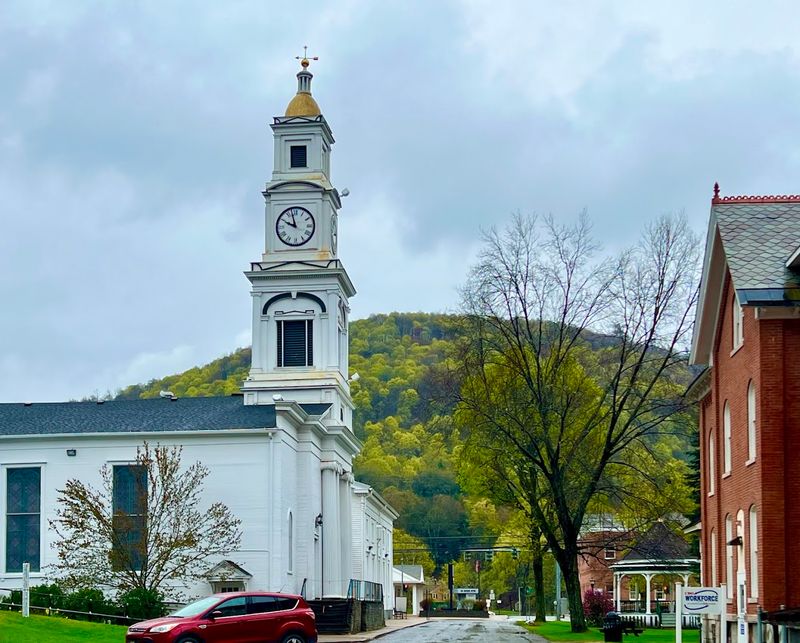
Before anything else, a small but important clarification: the town is pronounced DEL-high, not like the capital of India. Locals have been gently correcting visitors on this for generations, and they do it with the kind of patient amusement that comes from long practice.
Once you get the name right, everything else about Delhi, NY 13753, falls into place rather naturally.
Delhi is the county seat of Delaware County and sits at an elevation that gives the surrounding landscape a wonderfully layered quality. The town was formally established in the early 1800s and has maintained much of its original small-town character ever since.
Its population of roughly close to 5000 residents, according to the 2020 census, keeps the atmosphere intimate without feeling isolated.
What makes Delhi particularly interesting is that it functions as a real working town rather than a curated tourist experience. There is a courthouse, local shops, a hospital, and a university all sharing the same modest footprint.
The infrastructure of daily life is fully present, which means visitors can experience the town as residents actually live it, rather than as a staged version of small-town America designed for weekend consumption.
SUNY Delhi And The Energy A College Brings To A Small Town
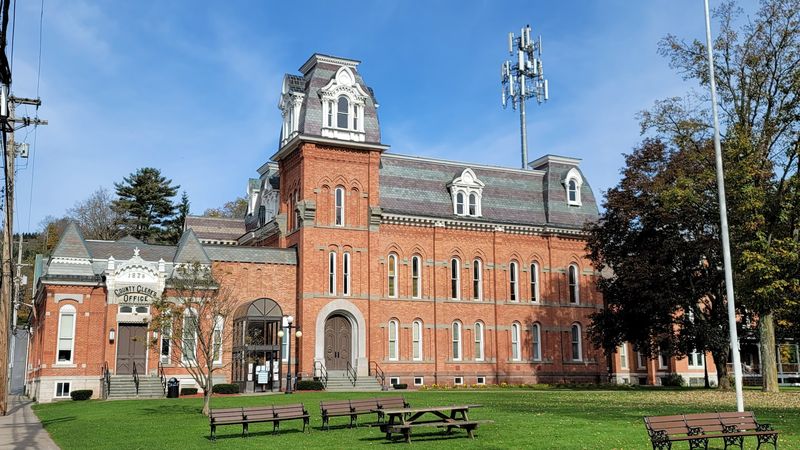
Few things keep a small town from feeling sleepy quite like the presence of a university, and Delhi has a good one.
The State University of New York at Delhi, commonly known as SUNY Delhi, has been part of the town’s identity since 1913 and brings with it a steady current of youthful energy that balances nicely against the town’s otherwise measured pace.
The campus offers programs in areas ranging from veterinary science to culinary arts to business technology, drawing students from across New York State and beyond. This academic diversity tends to keep the local conversation interesting.
You are just as likely to overhear a discussion about sustainable agriculture as you are to find someone debating the merits of a particular pasta technique at a nearby diner.
For visitors, the campus itself is worth a walk-through. The grounds are well-maintained and open, with buildings that reflect a mix of architectural periods without feeling disjointed.
Campus events, public lectures, and seasonal activities occasionally spill out into the broader community, giving the town an intellectual pulse that you might not expect from a place this size. SUNY Delhi is genuinely woven into the town rather than existing apart from it.
The Catskill Foothills Right At Your Doorstep
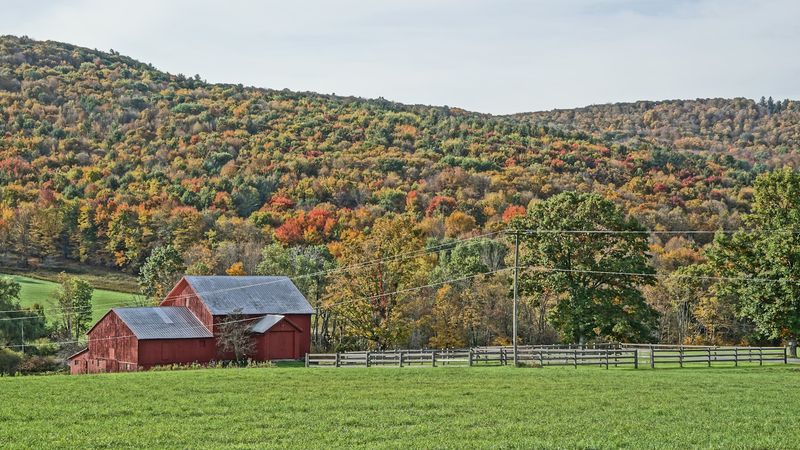
Standing at the edge of the western Catskills, Delhi offers something that urban dwellers spend entire vacations chasing: immediate, uncomplicated access to genuine natural landscape. You do not need a permit, a guide, or a particularly ambitious spirit to experience it.
A short drive or even a moderate walk from the town center puts you squarely in the kind of scenery that makes people reconsider their life choices in a good way.
The surrounding terrain is threaded with trails suited to hikers of varying ability levels, along with streams that attract fly fishermen from across the Northeast.
The West Branch of the Delaware River runs through the broader region, offering kayaking and canoeing opportunities that draw outdoor enthusiasts throughout the warmer months.
Fall in particular transforms the hillsides into a display of color that needs no embellishment to describe.
What sets this natural access apart from more famous outdoor destinations is the absence of crowds. The trails around Delhi rarely feel overrun, which means the experience remains personal rather than performative.
You can stand beside a creek in the Catskill foothills and hear nothing but water moving over stones, which, in the current era, qualifies as something close to a luxury.
Local Dining That Tastes Like Someone Actually Cares
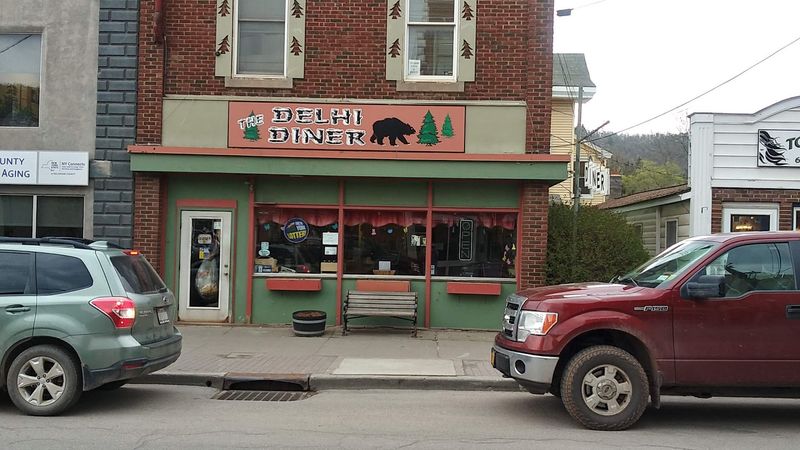
There is a particular pleasure in eating at a restaurant where the person who cooked your meal might also be the one who refills your water. Delhi’s dining scene operates on that human scale, and it is considerably better for it.
The town may not have a Michelin-starred kitchen, but what it offers instead is food made with genuine attention and served without pretension.
Local establishments draw on the agricultural richness of the surrounding Delaware County region, where farms producing dairy, produce, and livestock have operated for generations. This proximity to the source tends to show up on the plate in ways that are immediately noticeable.
A simple burger or a bowl of soup carries a kind of straightforward quality that over-designed menus in larger cities often fail to replicate.
The dining atmosphere in Delhi is relaxed without being careless. Conversations between tables happen naturally, staff tend to remember returning visitors, and the general rhythm of a meal feels appropriately unhurried.
Weekend mornings at local breakfast spots can get lively with a mix of students, farmers, and the occasional out-of-towner who discovered the place by accident and plans to return on purpose. That combination makes for a genuinely enjoyable table.
Delaware County History Hiding In Plain Sight
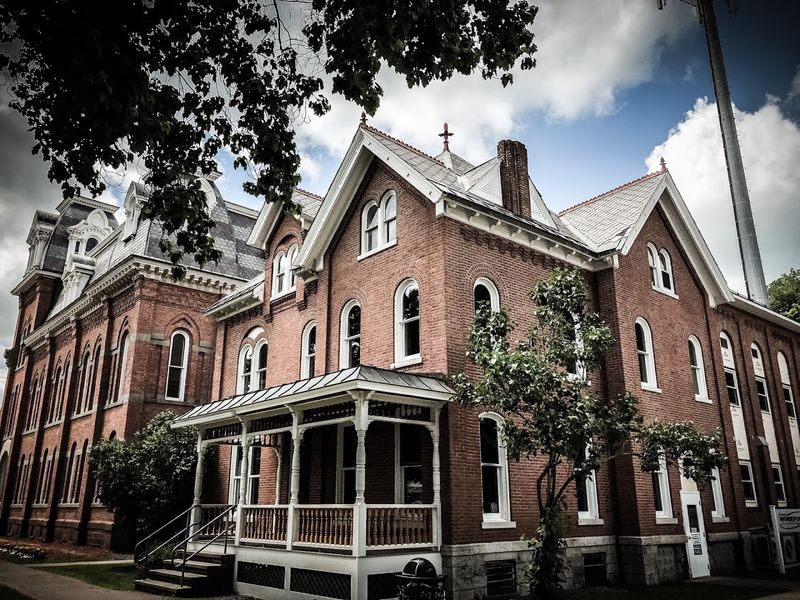
Delhi has been the county seat of Delaware County since the county was established in 1797, which means the town carries more historical weight than its modest size might initially suggest.
The Delaware County Courthouse, a handsome structure that anchors the center of town, has presided over local governance for well over a century and remains in active use today.
History here is not preserved behind velvet ropes; it functions.
The surrounding county takes its name from the Delaware River, which in turn derives from the name of Thomas West, Baron De La Warr, an early colonial governor of Virginia.
That kind of layered naming history is typical of the region, where place names often carry stories that stretch back through centuries of Indigenous presence, European settlement, and American expansion.
Delhi itself was named after the Indian city during a period when such exotic nomenclature was fashionable among American town founders.
Local historical societies maintain records and occasional exhibitions that bring this past into accessible focus. For visitors with an interest in early American rural life, the area around Delhi offers a relatively intact picture of how small agrarian communities developed and persisted through changing economic conditions.
The history is quiet here, much like everything else, but it rewards attention.
The Agricultural Soul Of A Town That Still Farms
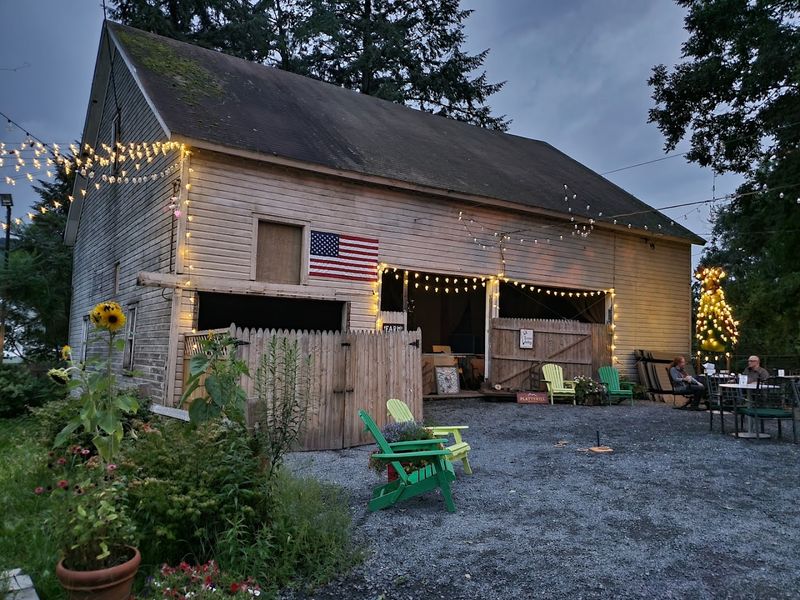
Delaware County has long been one of New York State’s significant dairy-producing regions, and that agricultural identity is very much alive in and around Delhi.
Driving through the countryside on any given morning, you pass working farms where the equipment is real and the schedules are dictated by seasons rather than spreadsheets.
This is not a decorative ruralism; it is an economy that still functions on its original terms.
Farmers markets and local farm stands in the area give visitors a direct line to this production. Fresh dairy, seasonal vegetables, locally raised meats, and handmade goods appear with the kind of regularity that reflects genuine agricultural output rather than imported variety dressed up for tourism.
Buying produce near Delhi often means it was harvested the same morning it reaches your hands.
This farming culture shapes the character of the town in ways that go beyond what you find at the market. There is a pragmatism to daily life in Delhi that comes from generations of people who understood that the land requires consistent effort and honest work.
That sensibility filters into the way locals interact, the pace of business, and the general absence of the performative busyness that defines so many other places. Agriculture here is not a backdrop; it is a foundation.
Seasonal Changes That Make You Want To Come Back Four Times A Year
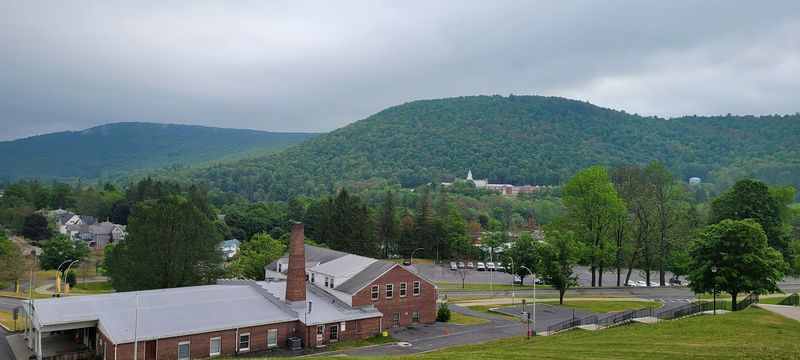
One of the more convincing arguments for spending time in Delhi is that the town looks genuinely different depending on when you arrive. Spring brings a greening of the hillsides that is almost aggressive in its enthusiasm after a long Catskill winter.
The fields around town go from brown to vivid green within what feels like a week, and the whole landscape seems to exhale after months of cold.
Summer settles the region into a comfortable warmth that makes outdoor activity feel effortless rather than taxing. The rivers run well, the trails are accessible, and the long evenings give you plenty of time to do nothing in particular, which is sometimes exactly what is needed.
Farmers markets peak during this period, and the town takes on a fuller, more animated quality without ever losing its fundamental calm.
Autumn is, by most accounts, the season that converts casual visitors into devoted returnees. The Catskill foothills surrounding Delhi produce a fall foliage display that is legitimately spectacular, with colors running from deep gold to burnt orange across hillsides that seem purpose-built for the effect.
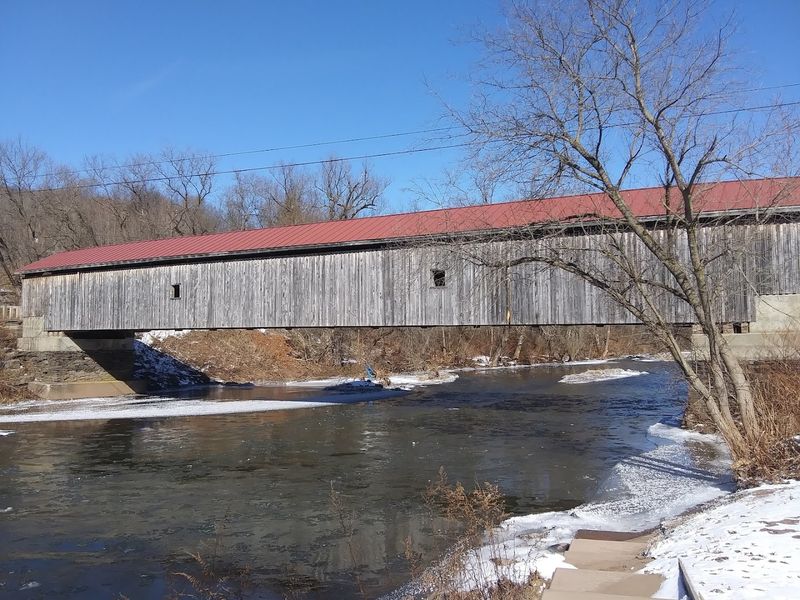
Winter brings a different kind of beauty, quieter and more introspective, with snow settling over the town in a way that makes the whole place look like it was designed specifically for that moment.
Why One Visit Is Never Quite Enough
Most places that claim to be peaceful are selling you a version of quiet that requires a great deal of effort to maintain. Delhi does not work that way.
The tranquility here is structural rather than curated, built into the geography, the scale of the community, and the rhythms that generations of residents have established without particularly trying to make them picturesque.
Visitors tend to arrive with modest expectations and leave with a slightly unsettled feeling that has nothing to do with dissatisfaction. It is more the sensation of having found something you did not know you were looking for, which is one of the more disorienting pleasures travel occasionally produces.
Delhi has that effect on people who give it more than a passing glance.
The town is not trying to be discovered or developed into something larger than it is. It simply exists, with its university and its courthouse and its farms and its hills, doing what small towns do best: providing a life that is proportionate, connected, and genuinely livable.
Coming back a second time feels less like tourism and more like checking in on a place you have already decided matters to you. That is a rare quality, and Delhi, New York, has it in steady, unhurried abundance.