
This Hidden Waterfall In New York That Flows Straight Over An Abandoned Mine Is Worth A Visit In 2026
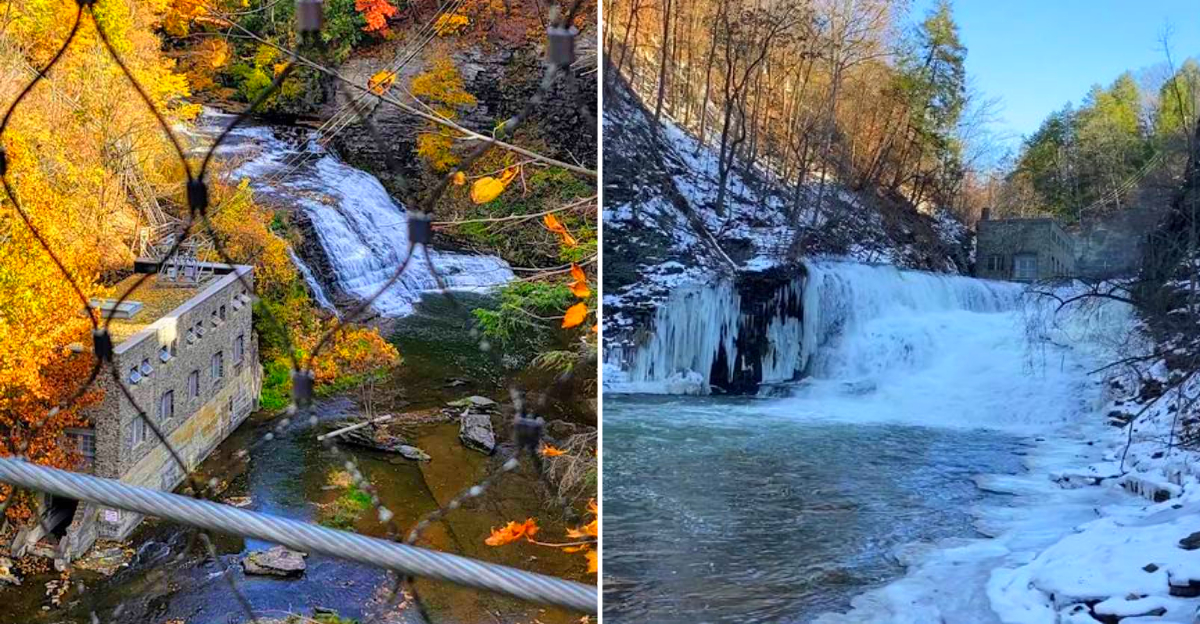
The trail feels quiet at first, almost like you are heading somewhere few people think to go. Then the sound of water starts to build, and the landscape begins to shift in a way that hints at something unusual ahead.
A hidden New York waterfall does more than just cascade over rock here – it flows directly over the remains of an abandoned mine, and it is simply gorgeous.
When it comes into view, the contrast is what makes it so memorable. Water spilling over rugged stone, old structures blending into the surroundings, and a setting that feels slightly mysterious without losing its sense of calm.
It is not a place you stumble upon by accident, but that is part of the appeal. For 2026, this unique waterfall stands out as one of those spots that rewards a little extra effort with something genuinely different.
A Waterfall That Breaks Every Expectation You Have Ever Had
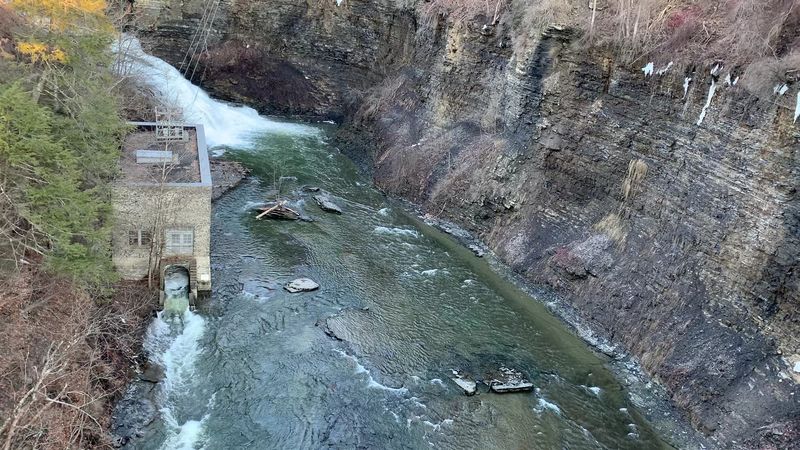
This waterfall begins as a steep, narrow slide tumbling roughly 50 feet down a moss-covered cliff face. It then continues in cascades over jagged rock ledges before doing the one thing that separates it from every other waterfall in New York State: it plunges directly over the entrance to an old mine shaft carved into the hillside.
The mine itself, known as Horseshoe Mine, was likely excavated sometime between 1838 and 1850, possibly in search of iron or other valuable minerals. Today the entrance is partially obscured by the falling water, which adds a theatrical quality to the whole scene.
The combination of geological drama and forgotten history makes this one of the most genuinely surprising natural spots in the Hudson Valley region.
Where Exactly This Place Is And How To Find It Without Getting Lost
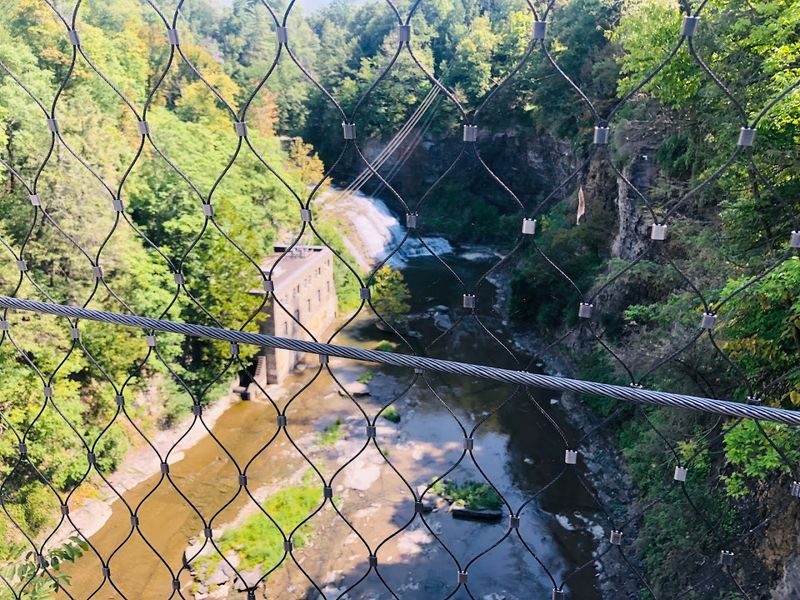
Horseshoe Mine Falls is located within the Shawangunk Ridge State Forest in Ulster County, New York, near the small hamlet of Spring Glen.
Getting there requires a short but specific sequence of turns that rewards the attentive driver and quietly punishes anyone who is only half-paying attention to the road.
From US-209, turn east onto Old Mountain Road and then make an immediate left onto Lewis Road. Follow Lewis Road for approximately 0.8 miles, passing the Spring Glen Campground along the way.
The road eventually opens to a wider gravel shoulder where roadside parking is available, and that is your starting point.
From the parking area, a quarter-mile trail leads to the base of the falls. The path is relatively straightforward for most hikers, though certain sections do get steep, so wearing proper footwear is a reasonable idea rather than an afterthought.
The trail is short enough that even casual walkers will find it manageable, yet just rugged enough to make the arrival feel earned.
Reaching the falls after a brief forest walk through the Shawangunk landscape gives the whole experience a satisfying sense of discovery that a paved pathway simply could not replicate.
The Geology Behind The Waterfall And Why The Cliff Looks The Way It Does
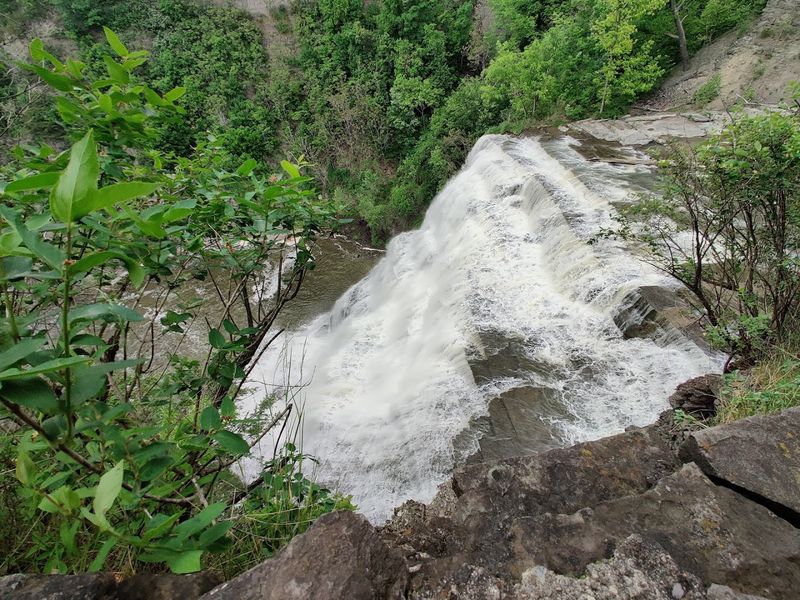
The Shawangunk Ridge is one of the most geologically distinctive landforms in the northeastern United States, and Horseshoe Mine Falls reflects that character in every surface it touches.
The ridge is composed primarily of hard conglomerate rock, a dense and erosion-resistant material that has shaped the dramatic terrain of Ulster County for millions of years.
The waterfall’s upper section moves as a steep, narrow slide along the mossy cliff face before breaking into cascades over a series of jagged ledges.
Each ledge represents a different layer of the ridgeline’s ancient rock structure, and the moss that clings to the stone surface speaks to the consistent moisture and shade that this particular hollow receives throughout the year.
Water carves its path here with obvious patience, working around resistant sections of rock rather than cutting straight through them. The result is a falls that feels organic and unplanned, which is precisely what makes it visually interesting from multiple vantage points.
Geologically speaking, the area is a textbook example of how water interacts with hard ridge formations over long periods of time. For visitors who appreciate landscape beyond its surface appearance, the cliff itself tells a quiet but detailed story worth reading carefully.
The Abandoned Mine And The History Buried Beneath The Water
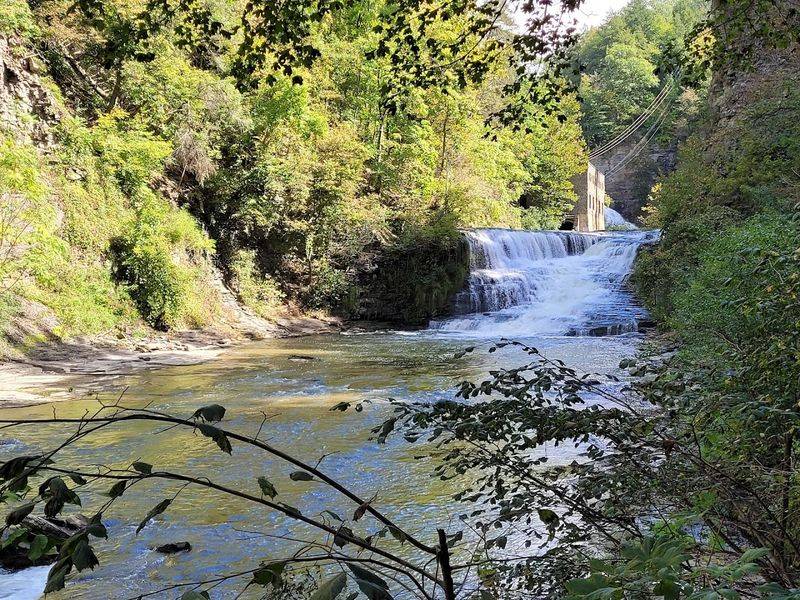
The mine at the base of the falls is not merely a decorative detail. Horseshoe Mine was carved into the hillside most likely between 1838 and 1850, during a period when iron extraction was an active and economically important industry throughout the Hudson Valley and surrounding regions of New York State.
Miners working in this area would have been searching for iron ore or possibly other mineral deposits within the Shawangunk formation.
The specific name “Horseshoe Mine” likely reflects the shape of the mine entrance or the immediate landscape surrounding it, though historical documentation on the site is limited, which only adds to its atmospheric quality.
Today the mine entrance sits partially obscured behind the waterfall, visible enough to be recognized but half-swallowed by the cascade depending on water levels and the season.
There is something quietly arresting about standing in front of a place where people once worked hard for a living, now reclaimed almost entirely by the natural world.
The mine is abandoned and no longer accessible, and visitors are understandably advised to keep a respectful distance from the structure itself. The history embedded in this hillside rewards a thoughtful visit far more than a hurried one.
When To Visit For The Most Impressive Water Flow
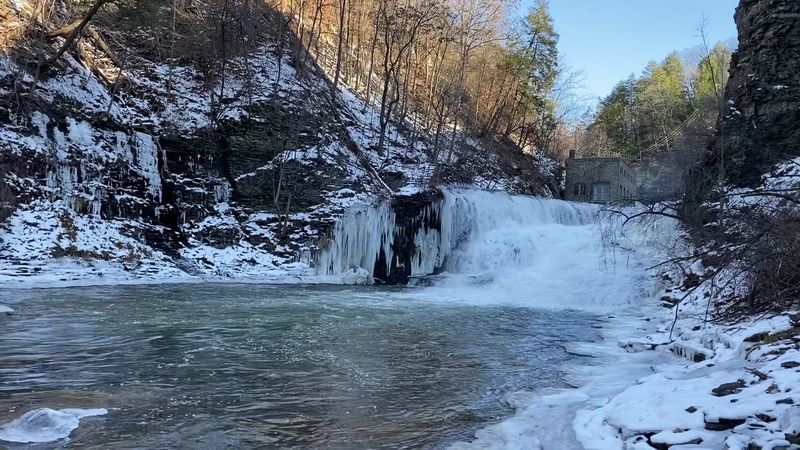
Timing matters considerably when planning a visit to Horseshoe Mine Falls, and the difference between a trickle and a roar can be dramatic depending on when you arrive.
The waterfall reaches its most impressive state during late winter snowmelt, typically in late February through March, when accumulated snow on the Shawangunk Ridge begins releasing large volumes of water into the drainage system above the falls.
Spring rainfall events also produce strong water flow, particularly in April and May when the region receives consistent precipitation.
During these periods, the cascade covers the mine entrance more fully, creating the visual effect that makes this waterfall so distinctive and worth the drive from anywhere in the Hudson Valley.
Fall visits after significant rain can also deliver rewarding flow levels, and the surrounding forest adds considerable color to the scene during October in particular. Midsummer tends to produce lower water volumes, which reduces the dramatic effect somewhat, though the site retains its character and historical interest regardless of season.
Checking recent rainfall data before making the trip is a practical step that most experienced waterfall visitors already factor into their plans. A well-timed visit here will leave a lasting impression that a dry-season trip simply cannot match.
What The Trail Feels Like From The Parking Area To The Falls
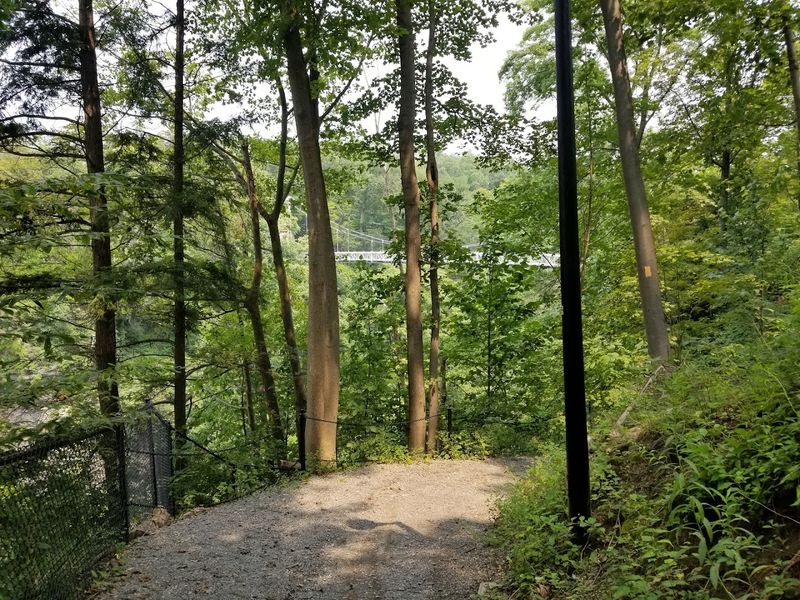
The walk from the roadside parking area to the base of Horseshoe Mine Falls covers roughly a quarter of a mile, which sounds almost too brief to qualify as a hike. And in terms of distance, it is brief.
But the trail earns its character through terrain rather than length, with certain sections rising steeply enough to remind you that you are moving through genuine ridge country rather than a manicured park path.
The surrounding forest along the approach is typical of the Shawangunk highlands, with a mix of hardwoods and conifers creating a canopy that filters light in ways that feel genuinely pleasant during morning hours.
The ground cover changes as you move closer to the falls, becoming noticeably more moist and moss-lined as the sound of water grows ahead of you.
Arriving at the base of the falls after even a short walk through this kind of landscape gives the site a sense of arrival that longer trails sometimes dilute. The trail is not formally maintained in the same way as state park paths, so some navigation awareness is helpful, particularly after wet weather when the footing becomes unpredictable.
Sturdy shoes with decent grip are the most useful piece of preparation any visitor can bring along for this particular walk.
Safety Considerations Every Visitor Should Keep In Mind
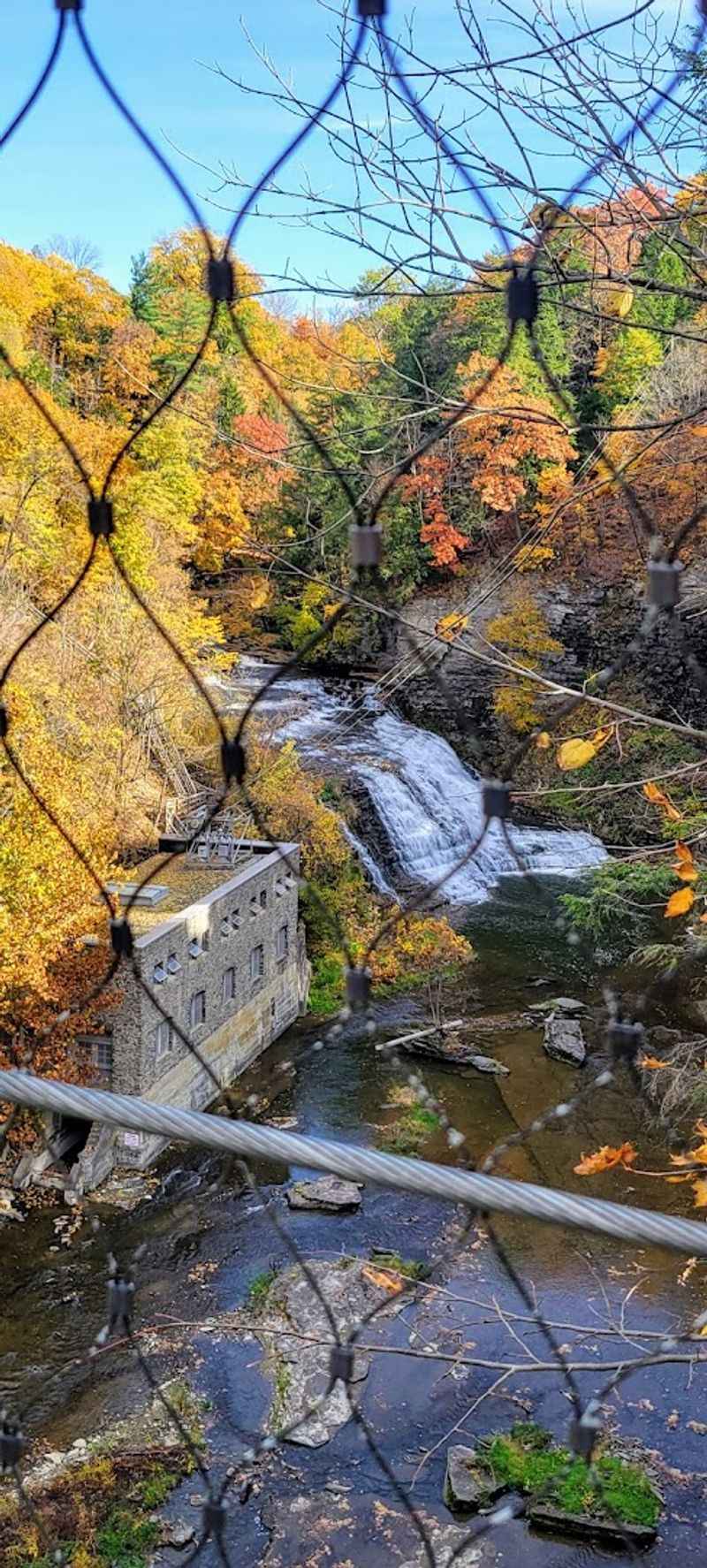
Standing near the base of any waterfall involves a degree of caution that is easy to underestimate when the scenery is compelling.
At Horseshoe Mine Falls, the rocks surrounding the base of the cascade are consistently wet and covered in algae and moss, making them considerably more slippery than they appear from a comfortable distance.
The terrain around the mine entrance and the lower pool area is uneven and irregular, with ledges and submerged surfaces that create real footing hazards for anyone moving carelessly.
Swimming is not recommended anywhere in the immediate vicinity of the falls, and this is one of those advisories that deserves to be taken at face value rather than tested personally.
Pets are welcome on the trail but should remain on a leash throughout the visit, both for their own safety near the water and out of consideration for the wildlife that makes this forest habitat its permanent home. Visitors are encouraged to stay on established paths rather than scrambling toward the mine entrance itself, which is structurally old and potentially unstable.
Carrying the right footwear, being aware of current trail conditions, and keeping a watchful eye on younger members of your group will go a long way toward ensuring the experience remains entirely enjoyable from start to finish.
The Atmosphere Of The Shawangunk Ridge State Forest Surrounding The Falls
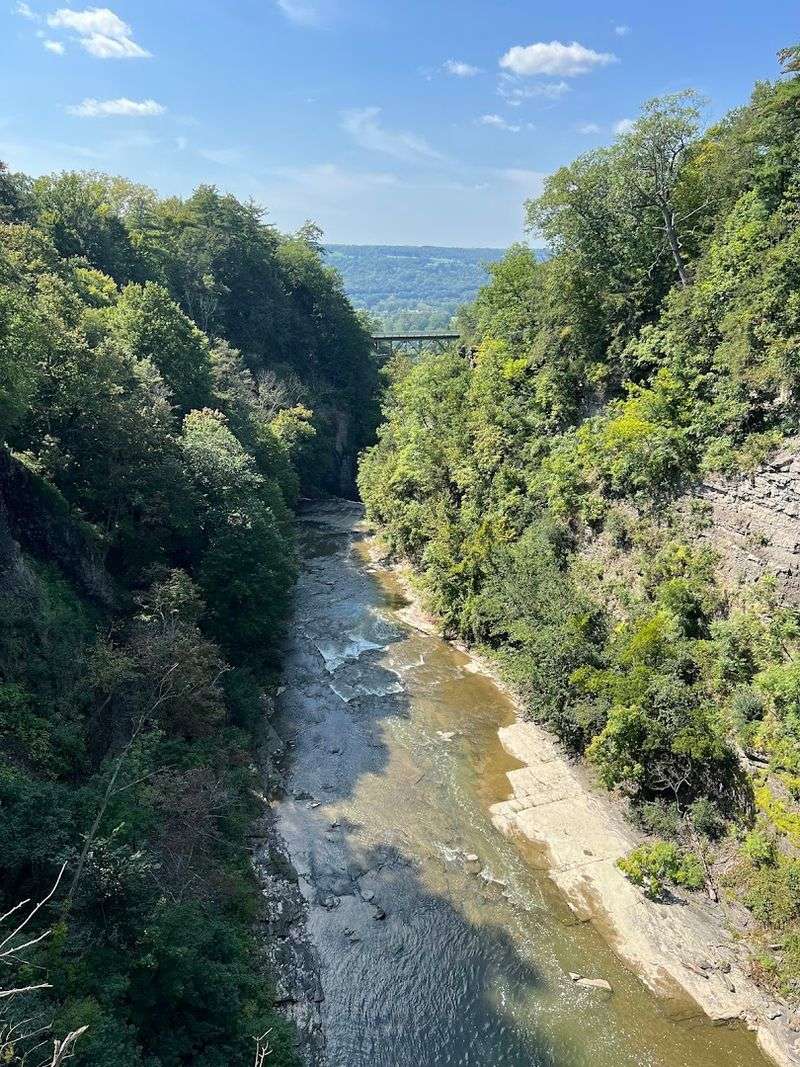
The Shawangunk Ridge State Forest is not the kind of place that announces itself with dramatic entrances or interpretive visitor centers.
It is a working forest landscape with a quiet confidence, the sort of environment that rewards people who move through it attentively rather than those simply looking for a backdrop for photographs.
The forest surrounding Horseshoe Mine Falls carries a particular stillness that is noticeably different from more frequented natural areas in New York.
Birdsong fills the canopy during warmer months, and the absence of trail crowds means the experience retains an unhurried quality that has become genuinely rare in easily accessible outdoor destinations.
Ulster County as a whole occupies an interesting position in the New York landscape, sitting between the more commercial appeal of the Catskills to the north and the Hudson River Valley corridor to the east.
The Shawangunk Ridge runs through this territory with geological authority, and the state forest preserves a substantial section of that ridge in a condition that feels largely undisturbed.
Spending time in this forest, even briefly, communicates something about the patience of natural systems that no amount of reading about geology or ecology can fully replicate. The place has a grounded, unhurried character that stays with you after you leave.
How Horseshoe Mine Falls Compares To Other Waterfalls In New York
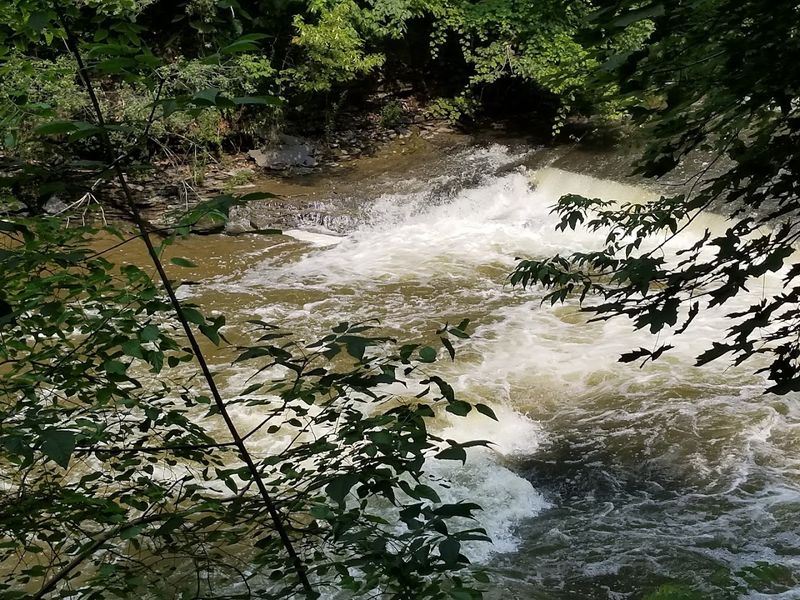
New York State has an impressive inventory of waterfalls, from the wide curtains of Kaaterskill Falls in the Catskills to the thundering presence of Niagara along the western border. Most of them are beautiful, and some are genuinely spectacular.
Horseshoe Mine Falls does not compete with them on scale, and it does not need to.
What separates this particular waterfall from the broader catalog is its specific combination of natural feature and human history.
The mine entrance beneath the cascade is not a coincidence of landscape design; it is a remnant of actual 19th-century labor and industry that has been gradually absorbed back into the natural environment over more than a century and a half.
Very few waterfalls in the northeastern United States share this particular characteristic, making Horseshoe Mine Falls something of a category unto itself among regional natural attractions. Waterfall enthusiasts who have covered the standard Hudson Valley circuit will find this site genuinely refreshing precisely because it offers something beyond visual appeal.
The historical dimension gives the visit an intellectual texture that most waterfall excursions simply do not carry. For anyone building a serious itinerary of New York’s lesser-known natural landmarks, this one belongs near the top of the list without much debate.
Practical Tips For Making The Most Of Your Visit
A visit to Horseshoe Mine Falls requires relatively little preparation, but the preparation that does matter tends to matter quite a bit.
Parking along Lewis Road near the Spring Glen Campground is roadside and informal, so arriving early on weekends during peak seasons is a sensible approach that avoids the minor frustration of limited shoulder space.
Bringing water and a light snack is worthwhile even for a short outing like this, particularly if you plan to spend time exploring the broader forest area after viewing the falls.
The quarter-mile trail each way means the physical demand is low, but conditions underfoot can slow progress considerably after rainfall, and having proper footwear remains the single most important practical consideration for this visit.
Photographing the falls is most rewarding during morning hours when light enters the hollow from favorable angles, and visiting shortly after a rain event will produce the strongest water flow and the most visually complete coverage of the mine entrance.
Cell service in the area can be inconsistent, so downloading offline maps before departing is a reasonable precaution.
Informing someone of your planned route and expected return time is standard practice for any visit to a remote forest location, and this site, though accessible, is genuinely off the beaten path.
Why This Hidden Waterfall Deserves A Spot On Your New York Exploration List
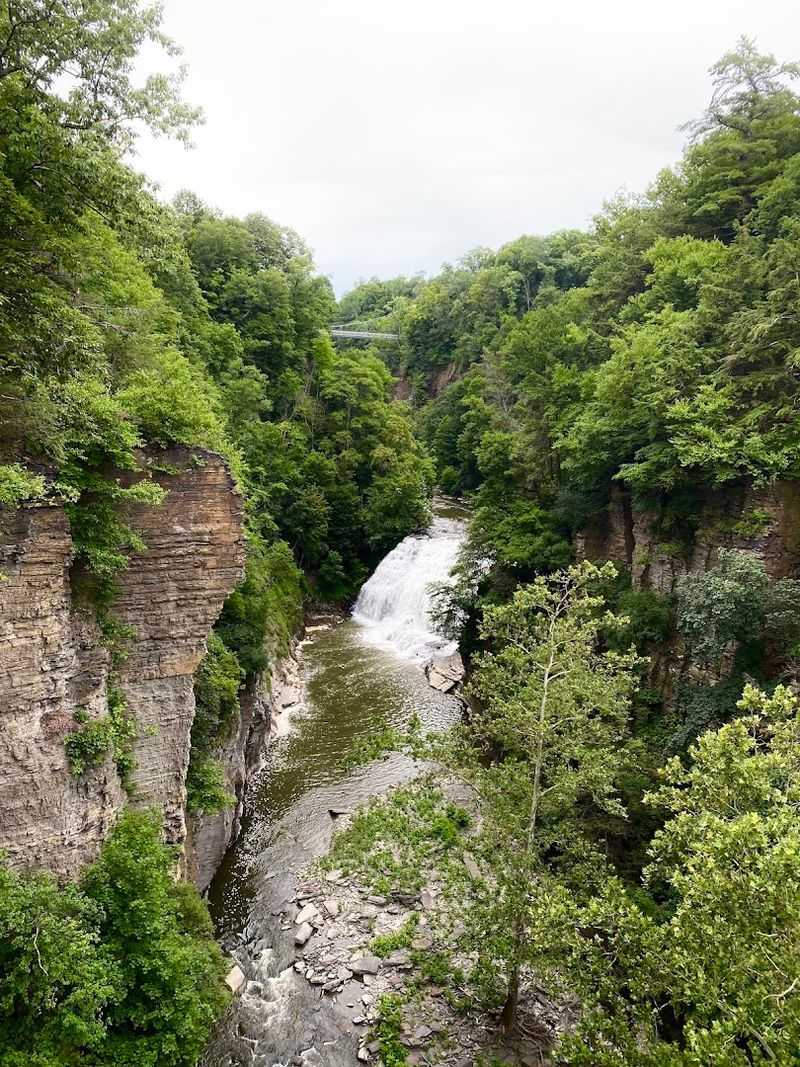
There is a particular satisfaction that comes from visiting a place that most people have never heard of, especially when that place turns out to be as genuinely interesting as Horseshoe Mine Falls. The site does not rely on marketing, signage, or infrastructure to make its case.
The waterfall and the mine beneath it do all the persuasion necessary.
The combination of accessible terrain, short trail distance, and a historically layered destination makes this an ideal stop for a wide range of visitors, from casual day-trippers exploring Ulster County to dedicated waterfall enthusiasts working through New York’s lesser-documented natural sites. The experience scales well depending on how much time and attention you bring to it.
Ulster County itself has no shortage of worthwhile destinations, from the farms and orchards of the Rondout Valley to the hiking corridors of the Catskill Mountains. Horseshoe Mine Falls fits naturally into a broader regional itinerary without demanding an entire day of commitment.
A few hours on Lewis Road, a short walk through Shawangunk forest, and a quiet moment in front of a waterfall pouring over a 19th-century mine entrance is the kind of afternoon that holds up well in memory. Some places earn their obscurity, and others simply have not been discovered yet.
This one falls clearly into the second category.