
This Little-Known Museum In New York Is Dedicated To A Type Of Flight Most People Never See
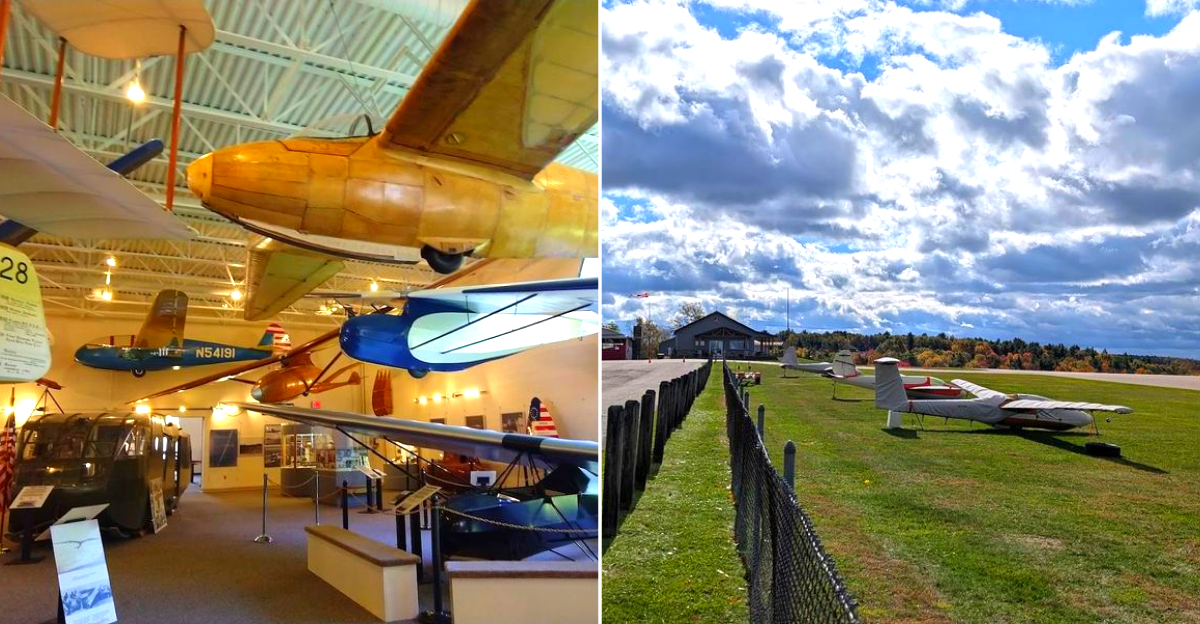
Curiosity tends to kick in the moment you realize what this place is about. This little-known museum focuses on a type of flight that most people rarely get the chance to see up close, making the experience feel both unusual and genuinely fascinating.
Inside, the exhibits bring that world into focus with detailed displays, real equipment, and stories that highlight just how much skill and precision is involved. It is not something you come across every day, which is exactly what makes it so memorable.
For anyone who enjoys discovering something a bit different, this New York museum offers a perspective on flight that is easy to overlook but well worth exploring.
Where Silence Becomes The Spectacle
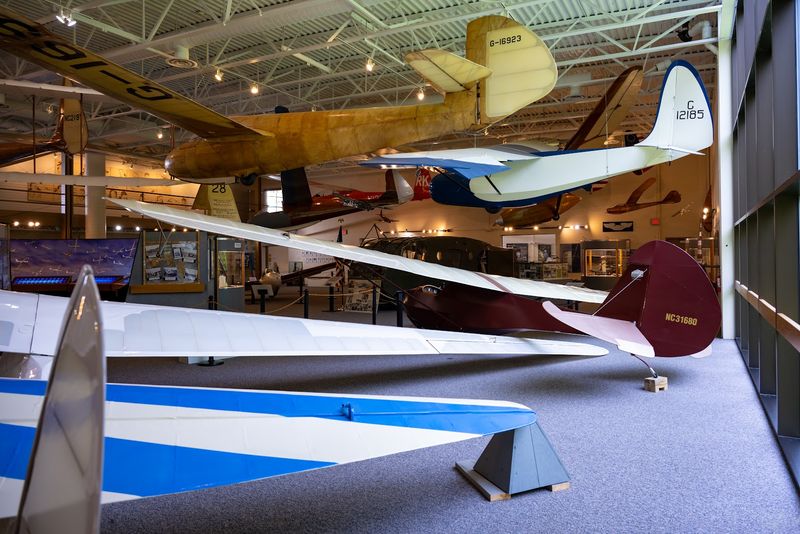
Most aviation museums greet you with the roar of engines and the smell of jet fuel. At this particular museum, the first thing you notice is how wonderfully quiet everything is.
That stillness is not accidental. It mirrors the very nature of the aircraft on display, machines built to move through air without any mechanical noise whatsoever.
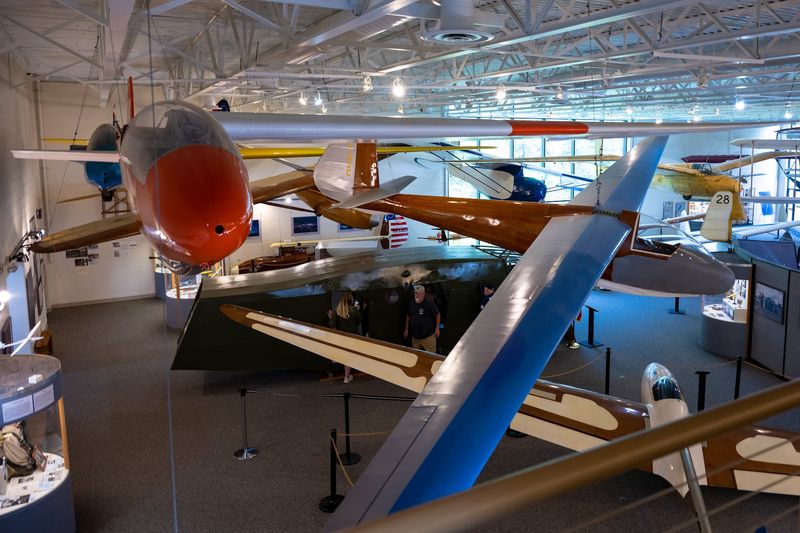
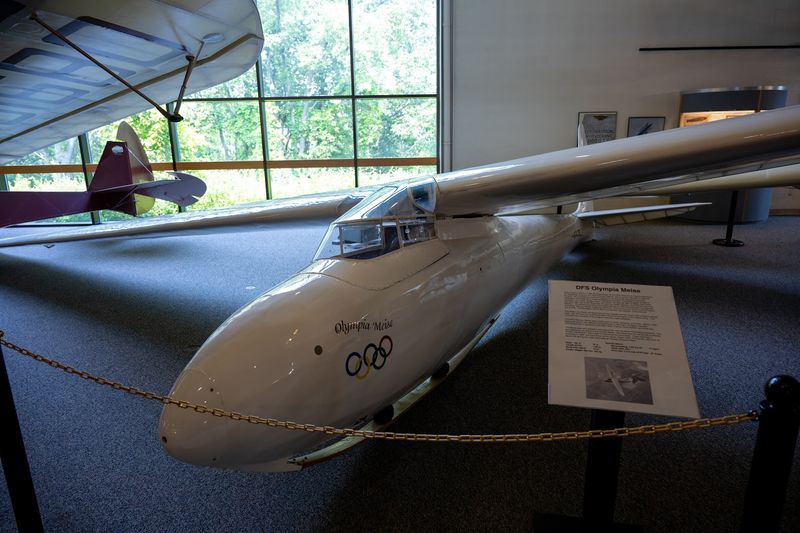
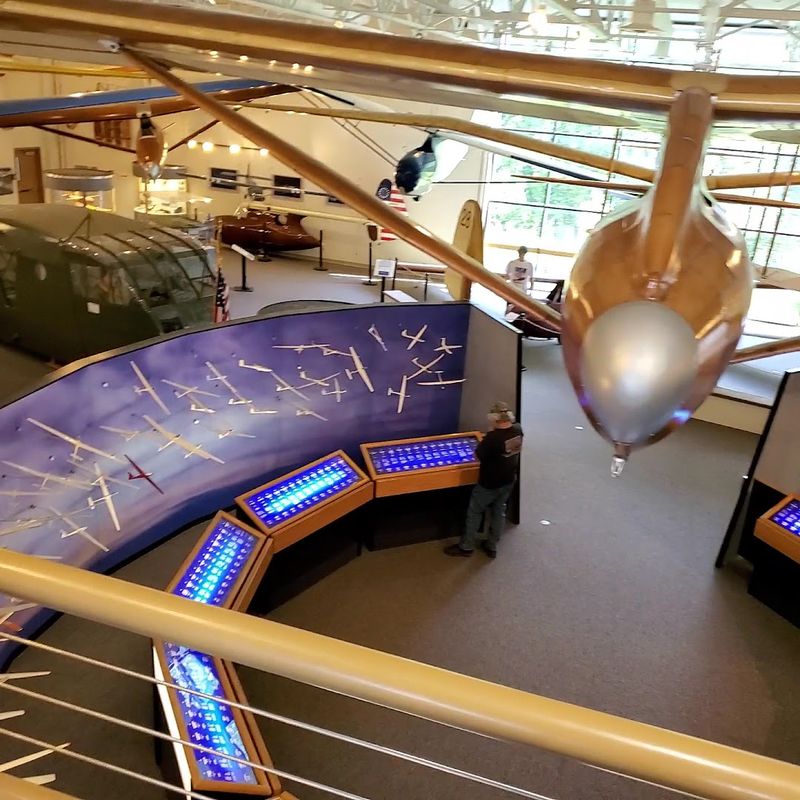
The collection at this particular museum spans over 75 gliders and sailplanes, ranging from fragile wood-and-fabric early designs to sleek modern fiberglass craft. Each aircraft carries its own story, and the placards beside them are detailed enough to satisfy serious aviation enthusiasts while remaining readable for curious newcomers.
Walking through the main hangar feels like stepping into a different chapter of aviation history, one that rarely gets told in popular culture. The museum sits on Harris Hill, a site with deep roots in American soaring history, which means the landscape outside is just as meaningful as the exhibits inside.
On a clear day, you might even watch a real glider being towed into the sky from the adjacent operation next door, turning the museum visit into something genuinely alive and dynamic.
The National Soaring Museum And Its Place In History
Founded in 1969, the National Soaring Museum was established with a clear purpose: to document, preserve, and celebrate the history of motorless flight in America. Located at 51 Soaring Hill Dr, Elmira, NY 14903, the museum sits atop Harris Hill, a location that soaring pilots have considered sacred ground since the 1930s.
The address alone tells you something about the seriousness of its mission.
Elmira earned the nickname “The Soaring Capital of America” during the mid-twentieth century, and the museum makes sure that title is never forgotten. Exhibits trace the lineage of gliding from its experimental roots through its wartime applications and into the competitive sport it has become today.
The depth of the collection is genuinely impressive for a regional museum of this size.
The museum also administers the National Landmark of Soaring program, which formally recognizes significant people, places, and events in motorless aviation history. Admission is affordable, making it an accessible outing for families.
The museum is open daily from 10 AM to 4 PM, which gives visitors a comfortable window to explore everything at a relaxed pace.
The Wright Brothers Connection That Surprises Most Visitors
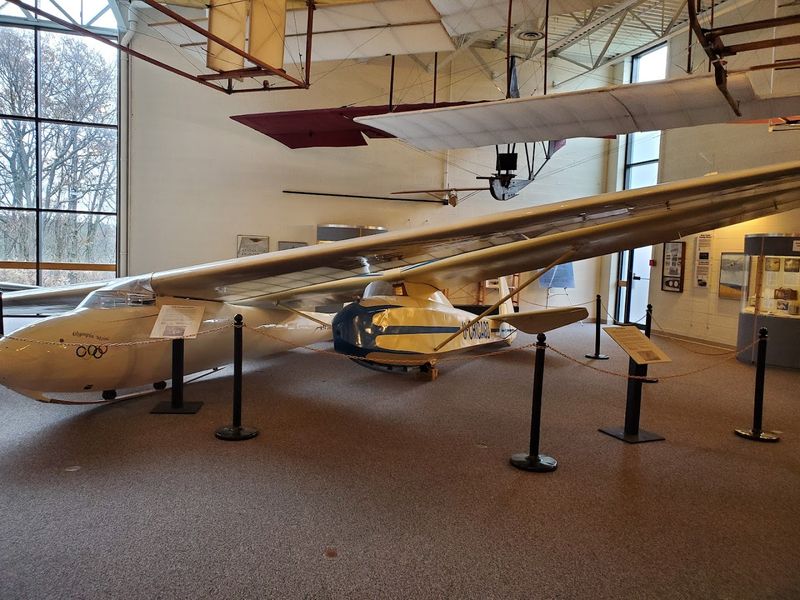
Many visitors arrive expecting a modest regional collection and leave having seen something they never anticipated. Among the most striking exhibits are replicas of the Wright brothers’ 1902 and 1911 gliders, both of which remind you that the famous powered flight at Kitty Hawk did not happen in isolation.
The brothers spent years refining their understanding of lift and control through gliders before they ever bolted an engine to a frame.
Seeing those early designs up close reframes the entire story of aviation. The craftsmanship is raw and earnest, built from wood, wire, and cloth by men who were solving an entirely new set of physical problems.
Standing next to a 1902 glider replica, you can almost feel the intellectual weight of what they were attempting.
The museum presents this history without melodrama, letting the objects speak for themselves. Informational displays are clear and well-researched, connecting the Wright brothers’ glider experiments to the broader arc of soaring development that followed.
For anyone who thought they already knew the Wright brothers’ story, the museum offers a genuinely fresh angle that centers the role of unpowered flight in aviation’s foundational years. It is a quiet revelation delivered without fanfare.
A World War II Chapter Written In Silence
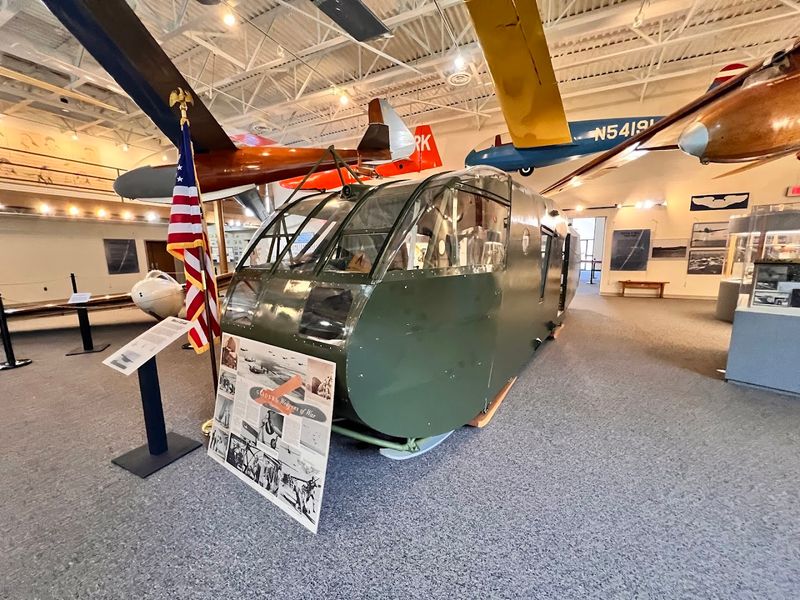
Not many people connect gliders with military history, but WWII changed that entirely. The museum holds a WWII United States military glider that anchors one of its most compelling exhibit sections.
These aircraft were used to deliver troops and supplies behind enemy lines without the sound of an engine announcing their arrival, which made them both tactically valuable and extraordinarily dangerous to fly.
Harris Hill itself has a direct connection to this chapter. The area served as a training ground for military glider pilots during the war, a fact that gives the museum’s location an added layer of historical gravity.
Knowing that young pilots once practiced silent landings on these same hills makes the exhibits feel less like artifacts and more like living memory.
The museum gives particular attention to the women who played important roles in glider aviation during this period, a dimension of the story that is often overlooked in standard aviation histories. Staff members are knowledgeable about this wartime era and can expand on the exhibits considerably if you ask.
Few museums manage to make military history feel this personal and grounded without relying on dramatic staging or oversimplification.
The Restoration Room Where Old Gliders Come Back To Life
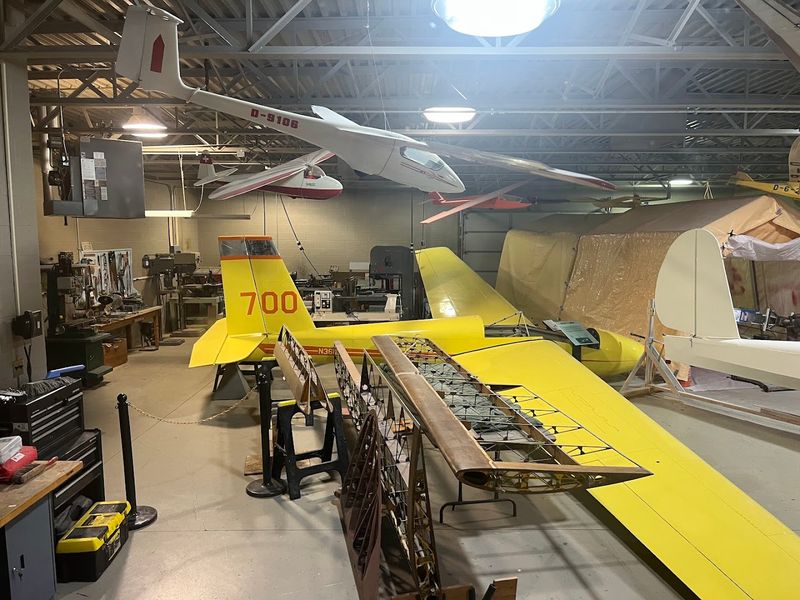
Behind the main exhibit floor lies one of the more unusual offerings at the museum: a working restoration room open to visitor tours. Seeing aircraft in mid-restoration is a different experience from viewing finished pieces behind velvet ropes.
Here, you can observe the actual structure of a glider, the ribs of its wings, the tension of its control cables, and the careful way old materials are preserved or replaced.
The restoration work is meticulous and ongoing, which means no two visits are quite the same. Craftspeople work to bring vintage sailplanes back to display condition using period-appropriate materials whenever possible.
The room has the honest atmosphere of a working shop rather than a polished showroom, and that authenticity is part of its appeal.
For anyone with a background in woodworking, engineering, or simply an appreciation for careful handwork, the restoration area is genuinely fascinating. The museum treats its aircraft as living artifacts rather than static relics, which reflects a deeper philosophy about preservation.
Watching a decades-old glider slowly regain its original form is a reminder that history requires active maintenance, not just storage. Tours of the restoration room are available during regular museum hours and add meaningful depth to the overall visit.
Competitive Soaring And The Races That Fill The Sky
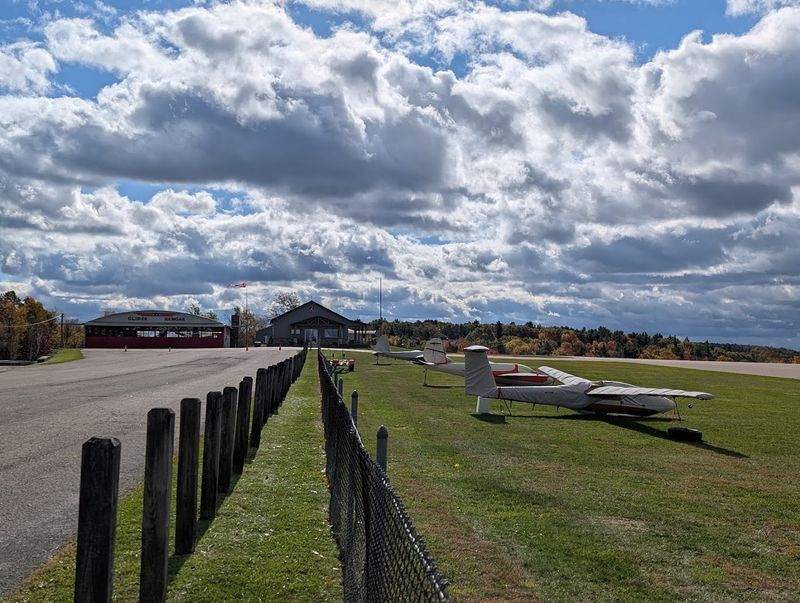
The museum does not exist in isolation from the sport it documents. Harris Hill remains an active soaring site, and during the warmer months the skies above it regularly fill with sailplanes competing in organized races and meets.
Witnessing a glider race with dozens of participants launching in sequence is a spectacle that very few people outside the soaring community ever get to see.
Events like the Club Class Nationals have taken place at Harris Hill, drawing competitive pilots from across the country. Watching gliders climb on tow lines, release, and then circle silently on thermal currents is genuinely arresting, even for visitors who arrived with no particular interest in aviation.
The sport has an elegance to it that translates immediately to any audience.
The museum staff can usually tell you when flight operations are scheduled, which is worth asking about before your visit. Arriving on a day when gliders are actively launching adds an entirely different dimension to the experience.
The best visiting window is generally May through September, when soaring conditions are favorable and flight operations run regularly. Pairing a museum visit with an afternoon of watching competitive sailplanes is the kind of afternoon that stays with you considerably longer than you might expect.
Taking To The Sky With A Glider Ride Next Door
Adjacent to the museum, the Harris Hill Soaring Corporation offers commercial glider rides that turn a museum visit into something participatory rather than purely observational.
Rides are available at two price points: a standard flight for $140 and an extended experience for $200 at the time of writing this, the latter reaching altitudes of around 4,700 feet above ground level.
Both options are conducted by skilled commercial pilots with strong safety records.
Purchasing a glider ride ticket also comes with a practical perk: museum admission is complimentary for those who book a flight experience. The combination makes for an exceptionally full day that covers both the history and the physical sensation of motorless flight.
There is something clarifying about reading about thermal currents in an exhibit and then feeling them lift the aircraft an hour later.
First-time glider passengers consistently describe the experience as calmer than expected, with the absence of engine noise creating a meditative quality that powered aircraft simply cannot replicate. The views over the Southern Tier of New York from that altitude are genuinely sweeping.
Summer months offer the longest soaring windows and the best thermal conditions, making a warm-weather visit the ideal time to combine the museum with a flight. Booking in advance is recommended during peak season.
The Gift Shop And The Details That Round Out A Good Visit
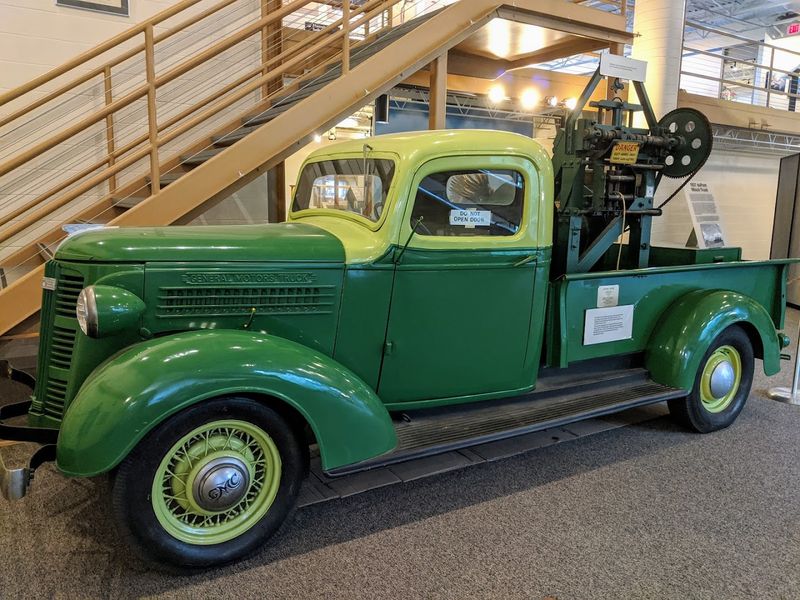
A museum gift shop might seem like an afterthought, but the one at the National Soaring Museum earns its own mention. The selection leans toward aviation books, model aircraft, branded apparel, and soaring memorabilia, all priced at standard retail rates.
For families visiting with children, the shop offers enough variety to satisfy young aviation enthusiasts without overwhelming anyone with novelty items.
The museum also maintains a clean and well-organized facility throughout, which reflects the care that goes into the overall operation. Picnic tables outside the building offer views of the surrounding hillside, making it easy to extend your visit into a relaxed outdoor break.
On a clear afternoon, sitting outside while watching gliders move silently overhead is a genuinely peaceful way to end a day.
Staff members at the museum are consistently noted for their warmth and depth of knowledge, particularly the museum’s director, who has a well-documented enthusiasm for soaring that tends to be contagious.
What The Exhibits Teach About Lift, Wind, And Human Ingenuity
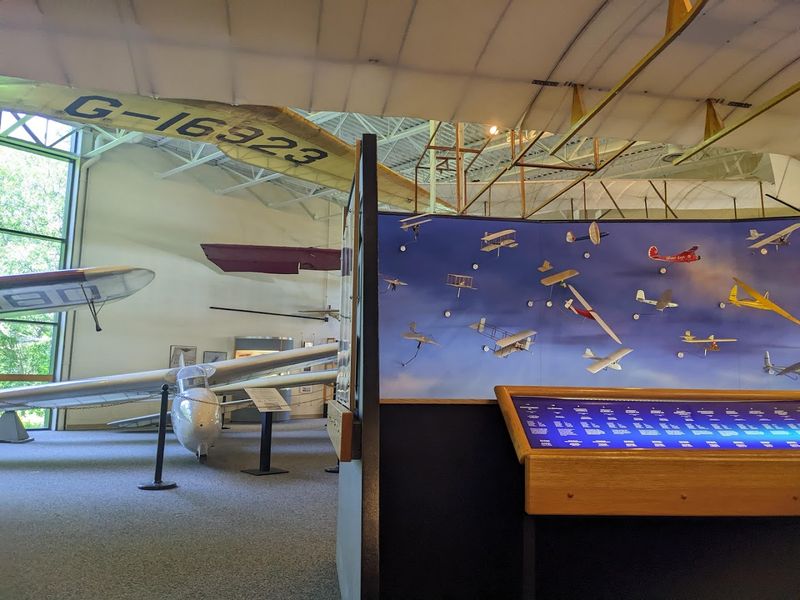
Understanding how a glider stays aloft without an engine is one of those things that sounds simple until you actually try to explain it.
The museum’s educational exhibits handle this challenge with admirable clarity, using diagrams, physical models, and written explanations that make the physics of soaring accessible to visitors of all ages.
The science content is accurate without being condescending or overly technical.
Thermal currents, ridge lift, and wave soaring are all covered in ways that connect directly to the aircraft on display. Seeing a vintage glider and then reading about how its designers accounted for specific aerodynamic forces makes the engineering feel purposeful rather than abstract.
The exhibits reward careful reading, though they are designed so that a quick walkthrough still delivers a satisfying overview.
For school-age visitors, the museum offers educational programs that go beyond standard exhibit viewing and engage students with the underlying principles of flight. Teachers and parents who bring children often find that the museum sparks questions that continue long after the drive home.
Harris Hill And Its Long Legacy In American Soaring
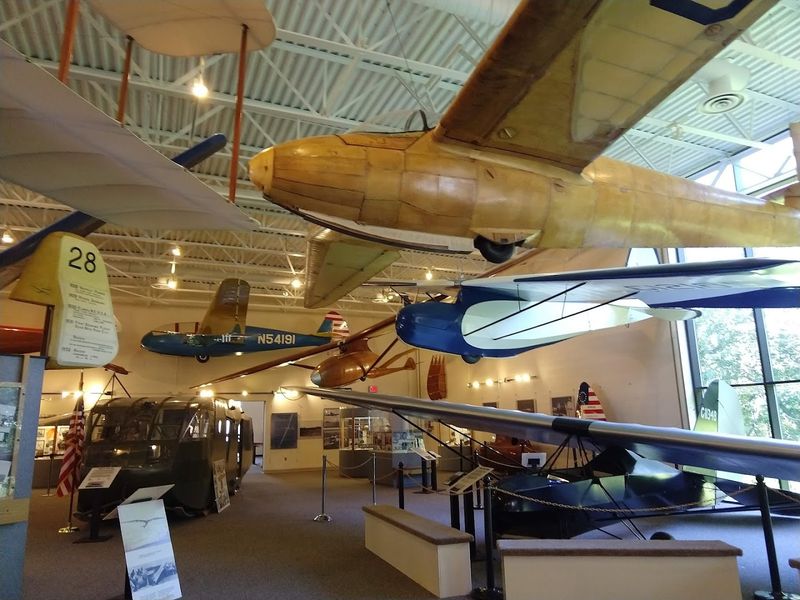
Harris Hill has been central to American soaring history since the 1930s, when it hosted some of the earliest organized soaring competitions in the United States.
The site’s geography is particularly well-suited to the sport, with reliable ridge lift generated by the surrounding hills and valleys of the Southern Tier.
Pilots recognized its potential early, and that recognition eventually led to the establishment of the museum on the same grounds.
The National Soaring Museum was deliberately placed here rather than in a larger city, and that decision gives the location an authenticity that purpose-built cultural institutions sometimes lack. The hill itself is part of the exhibit, in a sense.
Knowing that pilots have been launching from this same ridge for nearly a century adds a dimension to the visit that no indoor display can fully replicate.
The International Vintage Sailplane Meet, held periodically at Harris Hill, draws historic aircraft and their pilots from across the country and beyond, turning the site into a living archive of soaring history.
Attending one of these events alongside a museum visit is an experience that aviation enthusiasts describe as genuinely memorable.
The hill has earned its reputation honestly, through decades of flight, competition, and the steady accumulation of a remarkable history.
Planning Your Visit To Make The Most Of The Day
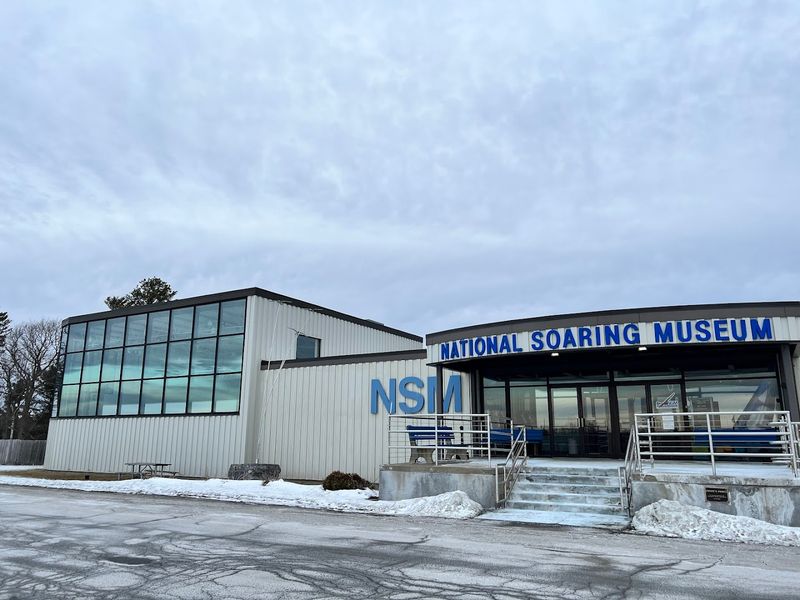
Getting the most out of a visit to the National Soaring Museum involves a bit of timing. The museum is open seven days a week from 10 AM to 4 PM, which makes scheduling straightforward regardless of the day you can manage.
Arriving earlier in the day gives you more time to explore at a comfortable pace, particularly if you plan to add a glider ride to the itinerary.
The museum is conveniently located near Watkins Glen, a popular destination in the Finger Lakes region, making it easy to combine with a broader day trip through the area.
Many visitors discover the museum while passing through on their way to or from Watkins Glen, and most agree it deserves more than a quick stop.
Budgeting at least 90 minutes to two hours for the museum alone is a reasonable estimate, with more time needed if flight operations are active.
Why This Museum Deserves Far More Attention Than It Gets
There are only three glider museums in the entire United States, and the National Soaring Museum is the only one in the Eastern half of the country. That fact alone positions it as something genuinely singular rather than merely locally interesting.
Yet it operates with the quiet modesty of a regional institution rather than the self-promotion of a major metropolitan attraction, which is part of what makes finding it feel like a small discovery.
The museum holds a 4.7-star rating across hundreds of visitor reviews, a consistency that reflects genuine quality rather than novelty appeal.
Soaring as a sport and as a chapter of aviation history deserves wider public awareness, and the National Soaring Museum makes the strongest possible case for that attention.
The combination of a thoughtful collection, an active soaring site, affordable admission, and knowledgeable staff creates an experience that outperforms its modest profile considerably.
For a state as rich in cultural institutions as New York, this museum stands as one of its most distinctive and underappreciated destinations.