
Classic TV Fans Are Flocking To This New York Museum That Brings I Love Lucy Back To Life In 2026
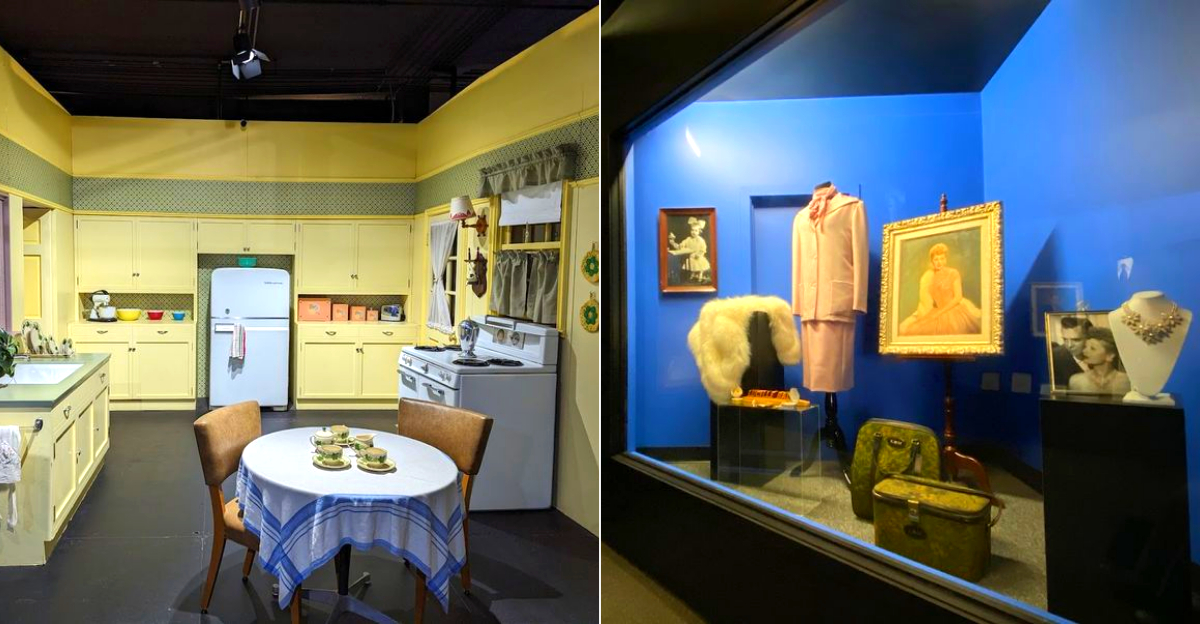
Nostalgia has a way of pulling people in, and this New York museum taps into it perfectly. Fans of classic television are making the trip to experience a place that brings *I Love Lucy* back to life in a way that feels both immersive and genuinely fun.
The moment you step inside, familiar sets, props, and scenes begin to recreate the magic of a show that still holds a special place in television history.
The experience goes beyond simple displays, giving visitors a chance to step into iconic moments and see how it all came together behind the scenes. It feels playful, detailed, and surprisingly personal, especially for anyone who grew up watching the series.
It is easy to see why so many people are making the visit, and why this museum continues to leave such a lasting impression.
A Place Where Television History Feels Touchable
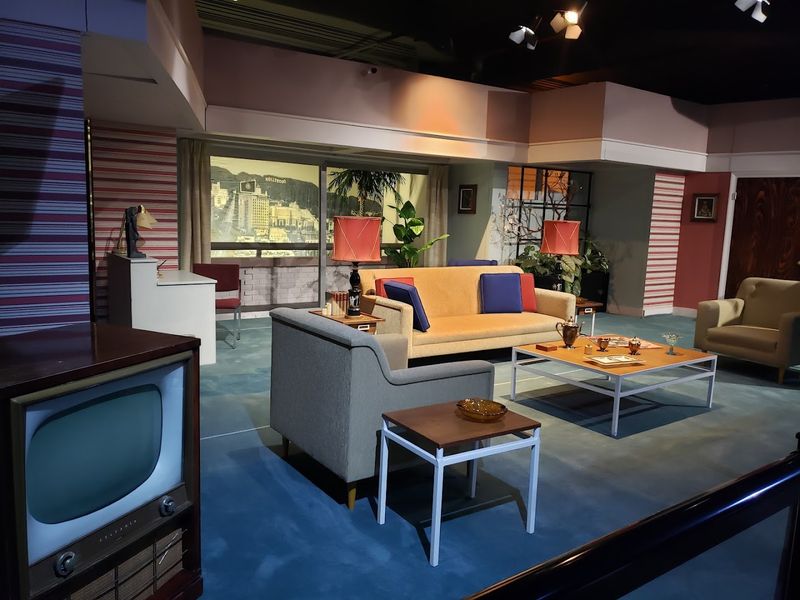
Most museums ask you to observe from a respectful distance, but the Lucille Ball Desi Arnaz Museum in Jamestown, New York operates on a different philosophy entirely. The exhibits here are arranged to pull visitors into the story rather than simply present it.
Original scripts line the walls, personal artifacts sit within arm’s reach of curious eyes, and recreated sets give the whole experience a sense of theatrical warmth that is genuinely rare in any museum setting.
The museum occupies two separate buildings situated close together on West 3rd Street, and each one covers a distinct chapter of the story.
The first focuses on Lucille Ball and Desi Arnaz as real people, exploring their childhoods, their careers before fame, and the relationship that would eventually reshape American television.
The second shifts attention to the show itself, celebrating the technical innovations and cultural impact of I Love Lucy.
Visitors routinely spend two to three hours working through both buildings, and many find themselves doubling back to linger over details they initially passed. The audio tour available inside adds another layer of context that deepens every exhibit considerably.
Parking near the museum is straightforward, and street parking is often free for up to two hours on surrounding blocks.
The Story Behind The Stars Before The Spotlight Found Them
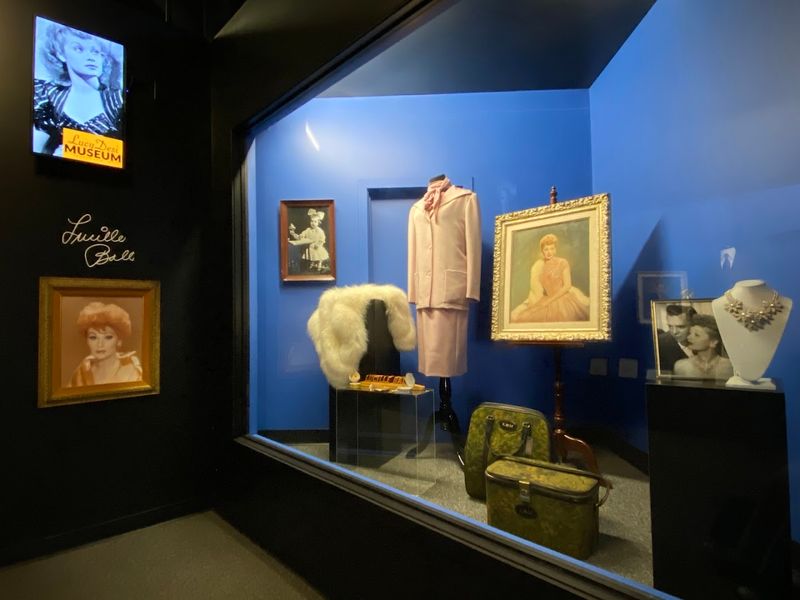
Long before Lucy Ricardo became one of the most recognizable faces in American living rooms, Lucille Ball was a young woman from Jamestown, New York, navigating a world that did not always take her seriously.
The museum devotes considerable attention to her early years, tracing her path from a modest upbringing in western New York through the competitive and unpredictable entertainment industry of the 1930s and 1940s.
Seeing her story laid out in chronological detail makes her eventual success feel earned rather than accidental.
Desi Arnaz carries an equally compelling backstory that the museum presents with the care it deserves. Born in Santiago de Cuba to a politically prominent family, Arnaz arrived in the United States as a teenager with little more than ambition and musical talent.
His rise through the Latin music scene and his eventual collision with Hollywood form a narrative thread that runs through the early exhibits with genuine momentum.
Together, the two biographies create a portrait of partnership that was far more complex and accomplished than most casual fans realize.
The museum does not shy away from the business side of their relationship either, acknowledging that Desilu Productions, the studio they founded together, became one of the most influential production companies in television history.
That broader context makes every artifact feel more significant.
Recreated Sets That Put You Inside The Ricardo Apartment
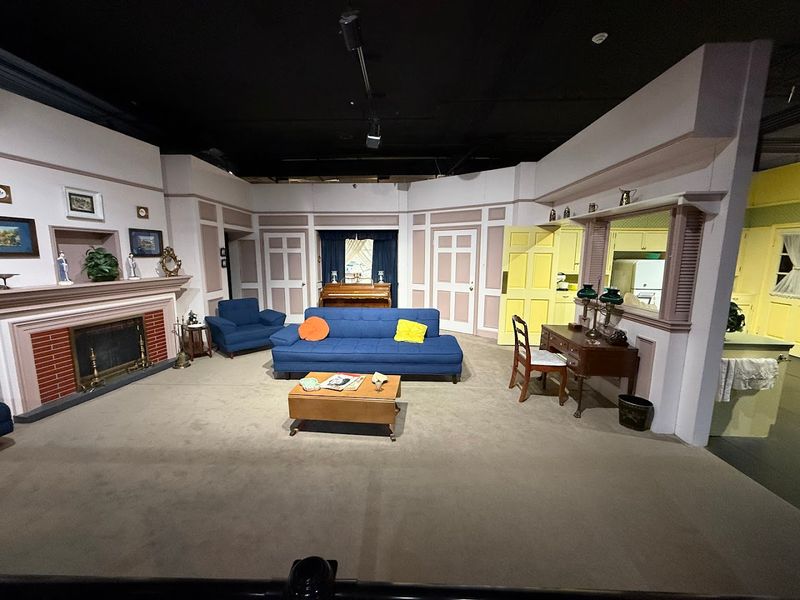
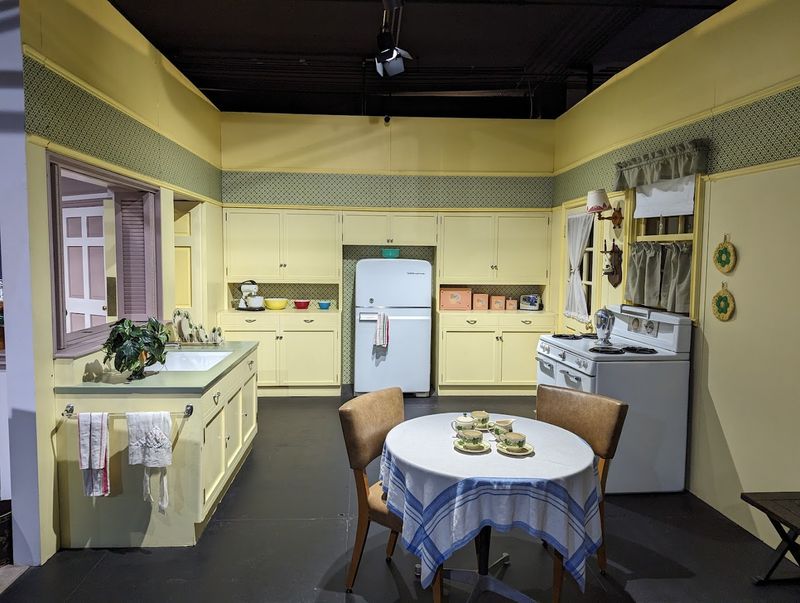
Standing inside a faithful recreation of the Ricardos’ New York apartment is one of those experiences that genuinely surprises people who thought they knew what to expect.
The living room and kitchen sets have been reconstructed with careful attention to the details that defined the original show, from the furniture arrangement to the props scattered across countertops.
Fans who grew up watching the series on television will recognize every corner almost immediately, and that recognition carries a quiet, satisfying weight.
The museum offers a paid photo opportunity on the set for ten dollars, with a staff photographer available to capture the moment. Many visitors report that this was among the most memorable parts of their visit, particularly for those who came with family members who grew up watching the show.
There is something genuinely fun about standing in a space that mirrors a place you have watched hundreds of times on a screen.
Beyond the photo opportunity, the set itself functions as a teaching tool, illustrating the technical choices that made I Love Lucy so visually distinctive. The show pioneered the use of multiple cameras during a live studio audience taping, a format that became the standard for American sitcoms for decades.
Seeing the physical environment where those innovations were first tested gives the whole exhibit a sense of historical weight that goes well beyond nostalgia.
Costumes And Props That Survived Decades With Their Charm Intact
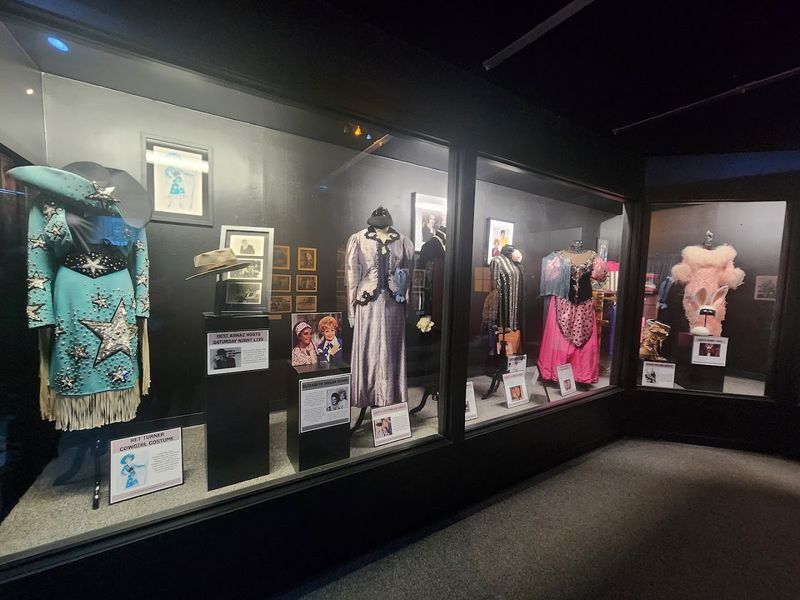
Costume preservation is one of those museum disciplines that rarely gets the attention it deserves, and the Lucille Ball Desi Arnaz Museum handles it with notable skill. Original outfits worn during the production of I Love Lucy are displayed in well-maintained cases that allow visitors to appreciate the craftsmanship up close.
The fabrics, the tailoring, and the specific design choices that made each costume camera-ready in a black-and-white era are all visible in a way that photographs simply cannot replicate.
Lucy Ricardo’s wardrobe was never accidental. The costume department worked deliberately to ensure that each outfit read clearly on screen while also communicating character.
Seeing those garments in person, understanding the thought that went into each button and collar, gives viewers a new appreciation for the production quality that set the show apart from its contemporaries.
Props from the series are scattered throughout the exhibits as well, each one tagged with context that explains where it appeared and why it mattered. Some of these items carry a tactile history that feels almost electric, particularly pieces that were handled by multiple cast members across multiple seasons.
The museum also features a Studio A door that famous actors passed through during the Desilu era, and visitors are invited to touch it directly, a rare and rather charming invitation for a museum of this caliber.
Desilu Productions And The Business That Changed Broadcasting
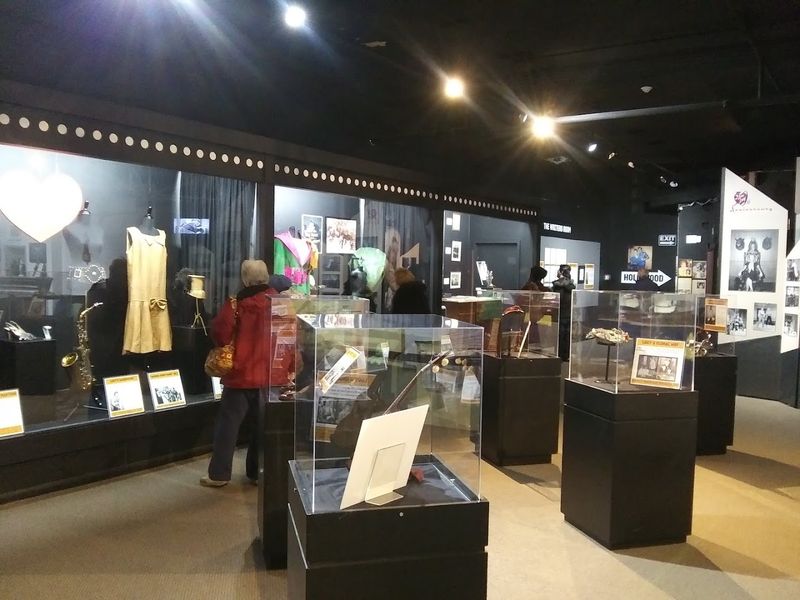
Most people know Lucille Ball as a comedian, but far fewer appreciate that she was also a groundbreaking studio executive.
After purchasing RKO Studios in 1957 with Desi Arnaz, she became the first woman to run a major Hollywood production company, a fact that the museum presents with the prominence it deserves.
Desilu Productions went on to produce some of the most enduring television series in American history, including Star Trek and Mission: Impossible, which gives the Jamestown museum an unexpected connection to science fiction fans as well.
The exhibits covering Desilu’s business history are among the most intellectually engaging sections of the museum.
They trace how Ball and Arnaz negotiated creative control from CBS, retained ownership of their filmed episodes at a time when networks considered that ownership worthless, and ultimately built a library that became extraordinarily valuable.
Those decisions shaped the entire concept of television syndication and residuals as we understand them today.
For younger visitors who may not have grown up watching the show, this section of the museum offers an entry point that connects I Love Lucy to a much broader entertainment history.
The story of Desilu is essentially the story of how independent creative talent learned to protect and profit from its own work, and that story remains relevant well beyond the 1950s context in which it unfolded.
The Vitameatavegamin Commercial You Can Star In Yourself
Among the most purely enjoyable features of the museum is the opportunity to film your own version of the Vitameatavegamin commercial, one of the most celebrated scenes in I Love Lucy history.
The original episode, in which Lucy Ricardo repeatedly samples a health tonic while filming a television advertisement, remains one of the most quoted and referenced moments in American comedy.
Being able to step into that specific scene, however briefly, carries a playful energy that few museum experiences can match.
The setup is straightforward and accessible for visitors of all ages, which makes it a particular hit with families. Children who have never seen the original episode tend to find the whole thing genuinely funny on its own terms, while older visitors bring the added pleasure of recognition and shared memory.
That combination of accessibility and depth is something the museum manages consistently well across its exhibits.
Fun moments like this one keep the visit from feeling like a purely educational exercise, which is a credit to the museum’s curatorial instincts. The balance between historical information and interactive engagement is well-calibrated throughout both buildings.
Visitors leave with photographs, personal memories, and a handful of facts they did not expect to carry home, which is about as good an outcome as any museum visit can produce.
Jamestown Itself Honors Its Most Famous Daughter In Memorable Ways
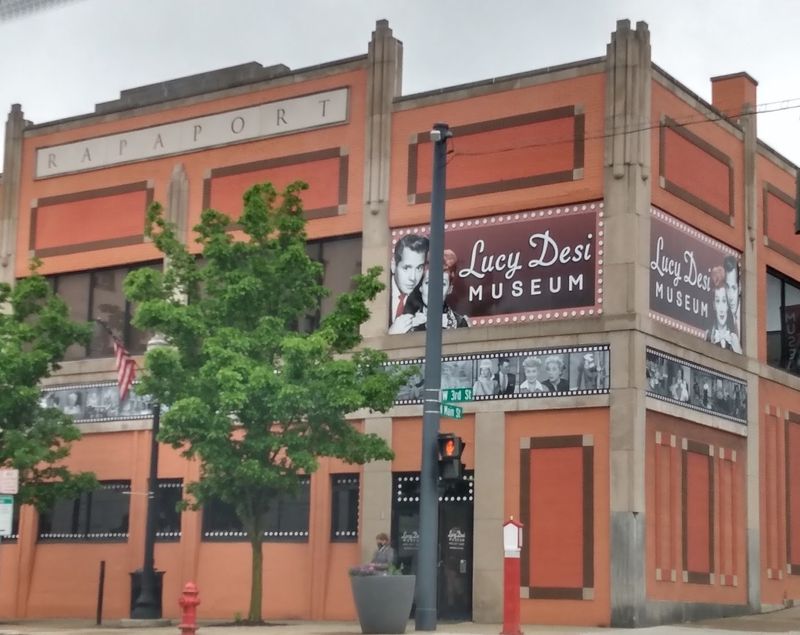
The museum at 2 W 3rd St, Jamestown, NY 14701 is the centerpiece of a much larger Lucy-related experience spread across the city. Jamestown treats its most famous native daughter with a visible and sustained affection that extends well beyond the museum walls.
Five murals depicting Lucille Ball are distributed throughout the downtown area, four of which are within comfortable walking distance of each other, and each one rewards a slow, deliberate look.
A statue of Lucille Ball stands in a waterfront park in the adjacent community of Celeron, near the neighborhood where she spent much of her childhood.
The museum provides a self-guided driving tour map that connects these sites into a coherent itinerary, allowing visitors to see the house where she was born, the home where she grew up, the school she attended, and the theater where she first performed.
The route also includes the cemetery where she is buried, surrounded by family, which many visitors describe as a surprisingly moving stop.
Jamestown is also home to the National Comedy Center, a separate institution located nearby that shares a combo ticket option with the Lucy-Desi Museum. Purchasing both tickets together saves money and provides two full days to explore, which is a practical arrangement for anyone planning a dedicated visit to the area.
The two institutions complement each other naturally, covering overlapping chapters of American comedic history from different angles.
Planning Your Visit For The Best Possible Experience
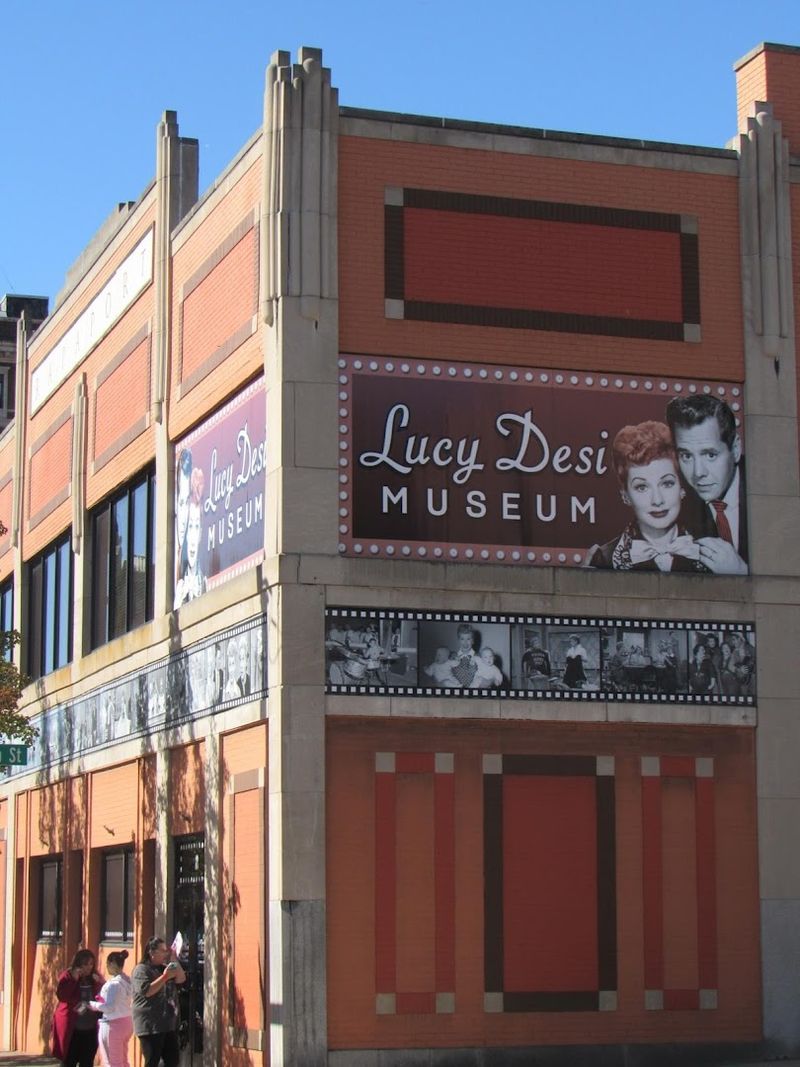
The museum is open Thursday through Monday from 10 AM to 5 PM, with Tuesday and Wednesday reserved as closed days. Purchasing tickets online in advance is strongly recommended, particularly for weekend visits when demand tends to run higher.
The museum’s official website at lucy-desi.com provides current ticketing information, pricing, and details about special events that take place throughout the year, including the annual comedy festival that draws visitors from well outside the region.
A combo pass combining admission to the Lucy-Desi Museum and the National Comedy Center runs approximately forty-three dollars per person and provides two days of access across both institutions. That pricing makes the combined visit one of the more affordable cultural day trips available in the northeastern United States.
The museum is also fully accessible, with no stairs required to move between exhibits, which makes it a comfortable option for visitors with mobility considerations.
The gift shops located in both museum buildings stock a well-curated selection of merchandise, from apparel and mugs to collectibles and keepsakes that range from modest to genuinely special.
Staff members throughout the museum are consistently noted for their friendliness and willingness to answer questions, which adds a personal dimension to what is already a well-organized self-guided experience.
Calling ahead at 716-484-0800 is useful for group visits or specific event inquiries.
Why Classic Television Fans Keep Coming Back Year After Year
Repeat visits to the Lucille Ball Desi Arnaz Museum are genuinely common, and it is not difficult to understand why.
The depth of material on display rewards slower, more attentive exploration on a second or third pass, and the audio tour available inside the first building consistently reveals details that first-time visitors missed during their initial walk-through.
There is simply more here than a single visit can fully absorb, which is a quality that separates a good museum from a great one.
The museum also holds a particular kind of appeal that transcends generational familiarity with the show.
Visitors who grew up watching I Love Lucy arrive with nostalgia already in hand, but younger guests who encounter the exhibits without that background tend to find the story of Ball and Arnaz compelling on its own merits.
The tale of two talented, driven people building something extraordinary from scratch is a narrative that does not require prior knowledge to appreciate.
Beyond the exhibits themselves, the broader Jamestown experience creates a sense of place that makes the visit feel rooted and authentic rather than purely commercial. The city clearly values this piece of its history, and that communal pride gives the museum a warmth that is difficult to manufacture.
For fans of classic television, American entertainment history, or simply well-told human stories, the Lucy-Desi Museum stands as one of the more rewarding detours available in upstate New York.