
10 Amazingly Iconic Markets In New York That Will Truly Transport You Back In Time
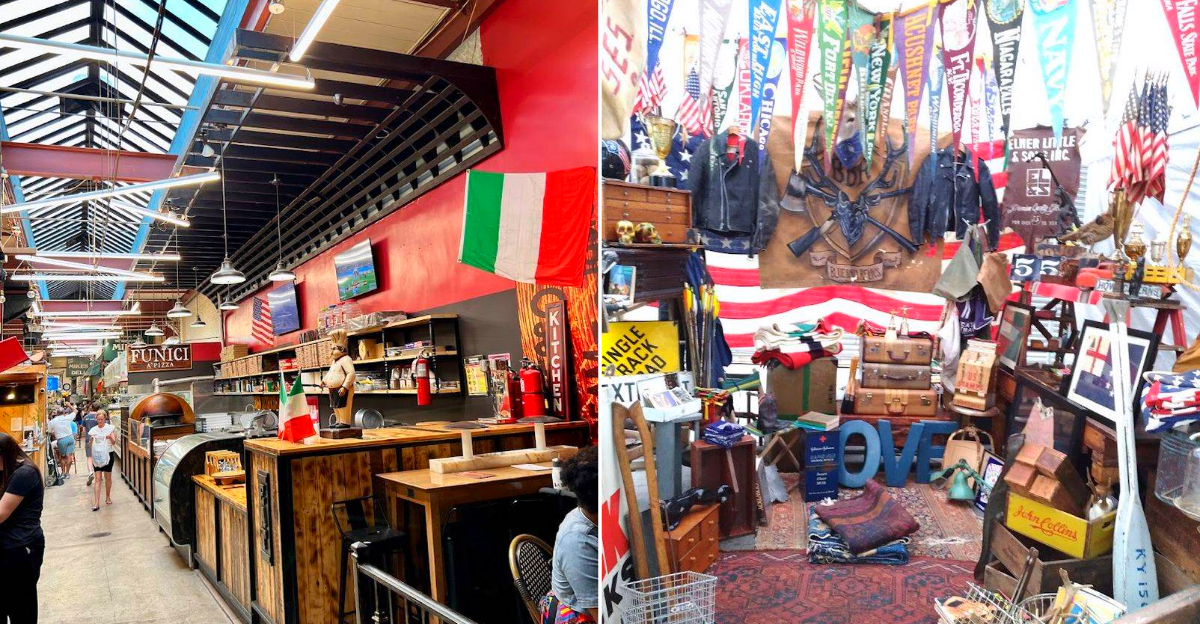
Markets have a way of holding onto the past, and in New York, some of them feel like they have barely changed at all. Walk through the aisles and you will notice the details right away, from long-standing vendors and traditional displays to the steady rhythm of people browsing the same stalls generation after generation.
It is not just shopping, it is stepping into a place where history is still part of the experience.
These markets stand out for their character and atmosphere as much as what they sell. Fresh produce, handmade goods, and classic foods all come together in settings that feel lively yet familiar.
Time seems to slow down a little, making it easy to linger and take it all in. For anyone who enjoys places with a strong sense of history, these New York markets offer a glimpse into the past that still feels very much alive today.
1. Chelsea Market
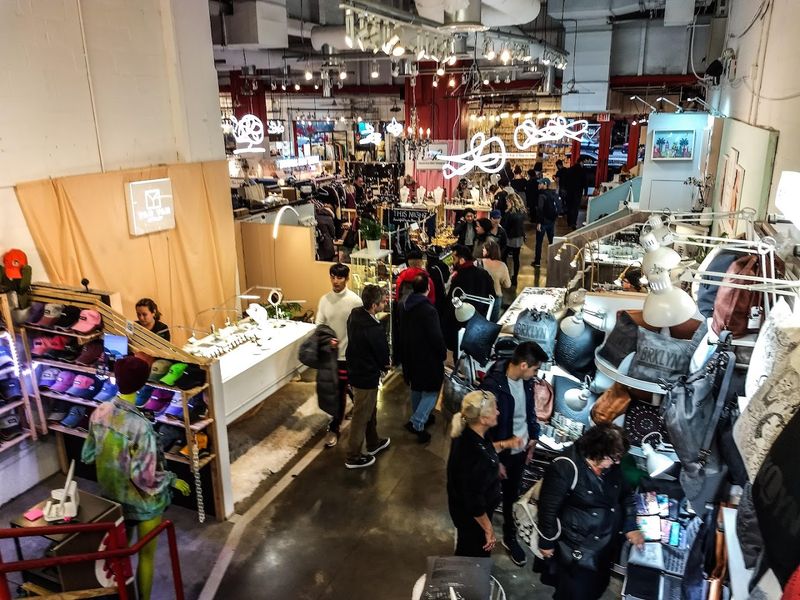
Every single Oreo cookie ever eaten in America owes a small debt to this building. Chelsea Market sits inside the former Nabisco factory at 75 Ninth Avenue in Manhattan, where the world-famous cookie was first baked back in 1912.
The red brick walls and exposed pipes still stand exactly as they were, giving the whole place a gritty, industrial charm that no decorator could ever fake.
Walking through its long corridor feels like stepping through a time capsule. Vendors line the hall selling fresh bread, seafood, spices, and pastries from all corners of the world.
The old factory bones give every food stall a backdrop that feels more like a museum exhibit than a shopping trip.
Food lovers, history buffs, and curious New Yorkers all find something to love here. The market draws millions of visitors each year, yet somehow still holds onto its neighborhood feel.
Go on a weekday morning if you want to avoid the weekend crowds and actually talk to the vendors. Chelsea Market is proof that old buildings, when treated with respect, become something truly unforgettable.
2. Arthur Avenue Retail Market
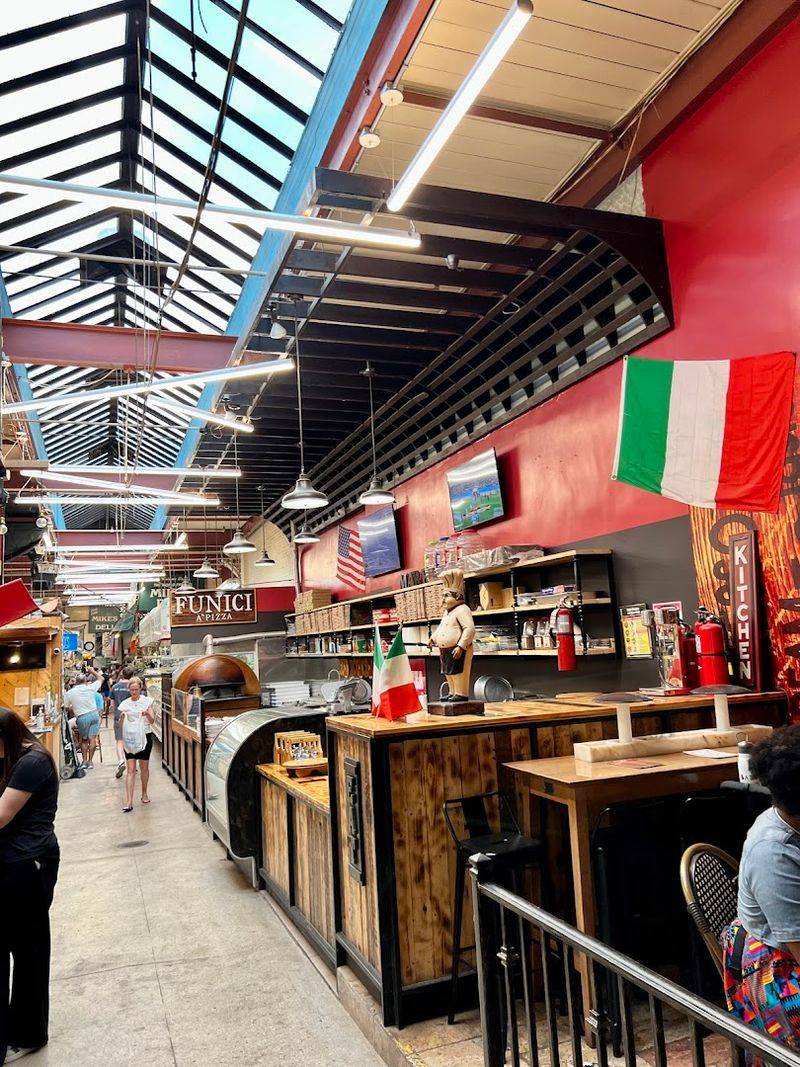
Forget what you think you know about Little Italy in Manhattan. The real deal is up in the Bronx, and it has been sitting at 2344 Arthur Avenue since 1940.
Arthur Avenue Retail Market is a covered indoor market that operates like a neighborhood institution, not a tourist attraction, and that difference is felt the second you walk through the door.
Butchers hang whole cuts of meat from hooks the old-fashioned way. Bakers pull fresh bread from ovens that have been running for generations.
Cheese vendors slice aged Italian imports with the kind of confidence that only comes from doing something your whole life. The smells alone are worth the trip up to the Belmont neighborhood.
Arthur Avenue earned its nickname as the real Little Italy because the community here actually stayed Italian, long after other neighborhoods shifted.
The vendors know their regulars by name, and first-timers are welcomed with the kind of warmth that makes you want to move to the Bronx immediately.
Go hungry, bring cash, and plan to leave with more food than you intended to buy. That is not a warning.
That is a promise.
3. Union Square Greenmarket
Back in 1976, a small group of farmers drove into Manhattan with truckloads of produce and set up along the edge of Union Square. Nobody was sure it would work.
Forty-eight years later, the Union Square Greenmarket is one of the most recognized open-air markets in the entire country, drawing up to 60,000 visitors on peak days.
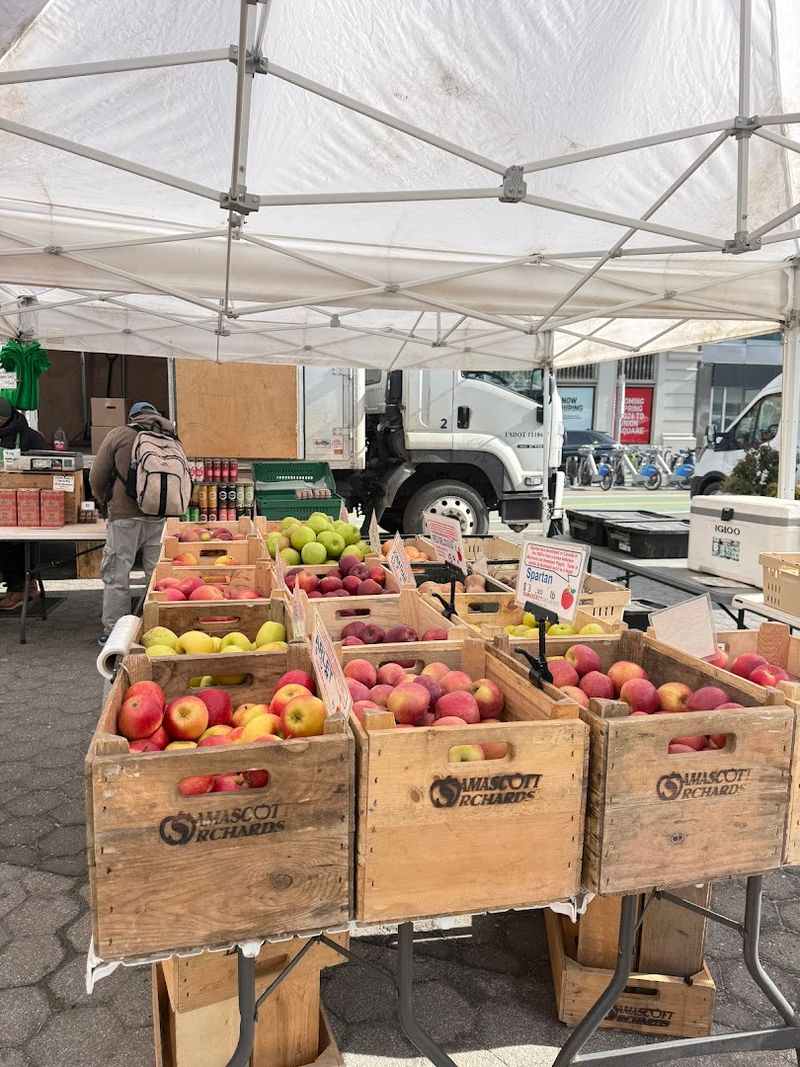
Every Monday, Wednesday, Friday, and Saturday, farmers from across the region set up at the southern end of Union Square Park at East 17th Street.
You will find heirloom tomatoes, raw honey, artisan cheeses, fresh-cut flowers, and heritage grain breads that taste nothing like what sits on supermarket shelves.
The variety is staggering, and everything comes directly from the people who grew or made it.
What makes this market feel timeless is the direct connection between the person selling and the person buying. No middlemen, no packaging, no mystery about where your food came from.
New York chefs have been sourcing from these stands for decades, and the quality shows. Even if you are just passing through the neighborhood, stopping to grab a warm apple cider doughnut on a fall morning here is one of those small New York moments you will genuinely remember.
4. Essex Market
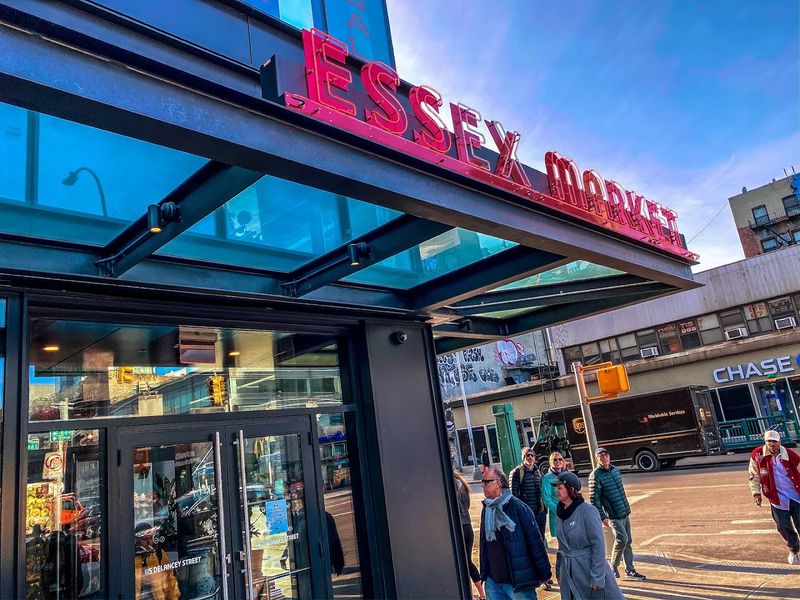
Few markets in New York carry as much street-level history as Essex Market. Born in 1888 on the Lower East Side, it started as an outdoor pushcart bazaar where newly arrived immigrants sold everything from pickles to pots just to survive.
That hustle never really left the place, even after it moved indoors and eventually relocated to its current home at 88 Essex Street.
The market today reflects the layered culture of the Lower East Side in a way that feels completely genuine. You will find vendors selling Caribbean roti, Jewish deli staples, fresh fish, and handmade cheeses all within steps of each other.
That kind of cultural mix is not curated for tourists. It grew organically over more than a century of community life.
Essex Market has been through multiple relocations and reinventions, but its spirit stays stubbornly intact. Longtime vendors who have been selling here for decades share space with newer faces bringing fresh ideas.
The result is a market that feels both rooted in the past and very much alive in the present. If the Lower East Side had a living memory, it would smell exactly like this place.
5. Brooklyn Flea
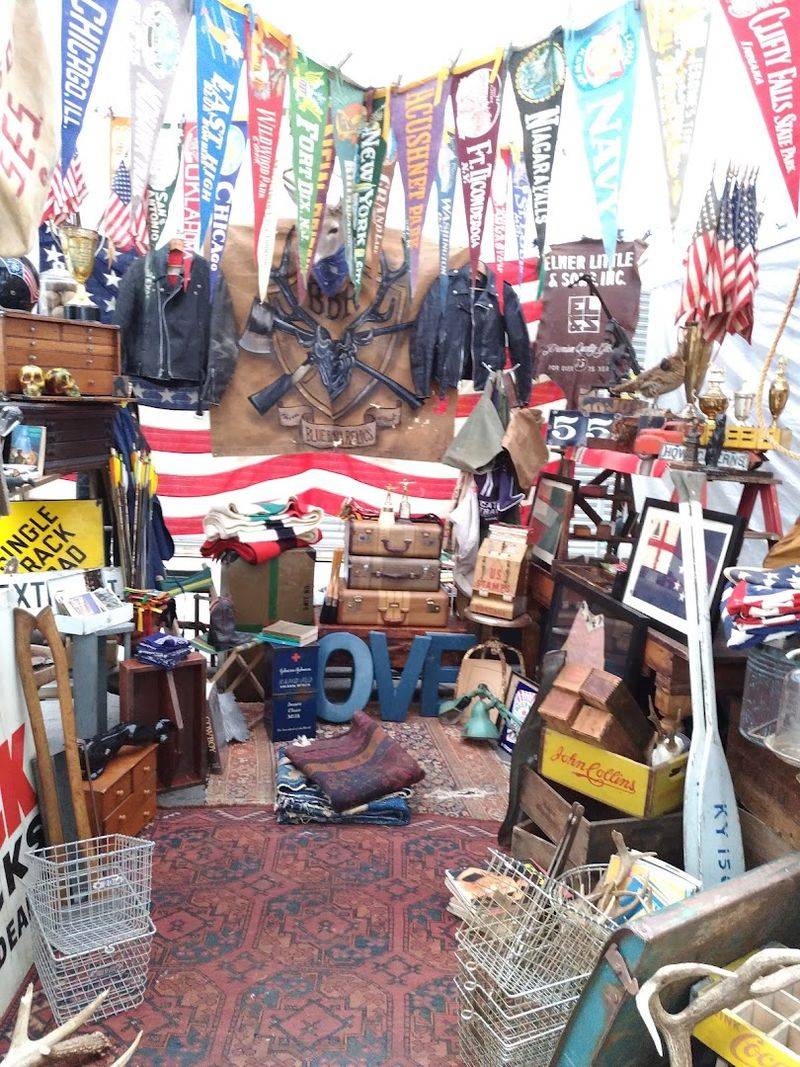
Brooklyn Flea launched in 2008 and somehow managed to capture the feeling of a market that had been around for fifty years from day one. That is a rare trick.
The market became an instant landmark in the borough, known for its rotating locations and its sharp curatorial eye for what counts as a genuine vintage find versus something just labeled vintage for marketing purposes.
Vendors here sell everything from mint-condition vinyl records and mid-century furniture to handmade jewelry and old New York memorabilia. The crowd is a perfect Brooklyn cross-section: artists, families, collectors, and people who just wandered over because the energy was magnetic.
It operates at various locations throughout the year, with DUMBO being one of its most beloved spots, offering views of the Manhattan Bridge as a backdrop.
Brooklyn Flea is the kind of market where you go looking for one thing and leave with something completely different and somehow more perfect. The vendors are knowledgeable and genuinely passionate about their goods, which makes browsing feel more like a conversation than a transaction.
Check their website for current locations and seasonal schedules before heading out, because this market moves around more than a New Yorker on a Saturday morning.
6. Chelsea Flea Market
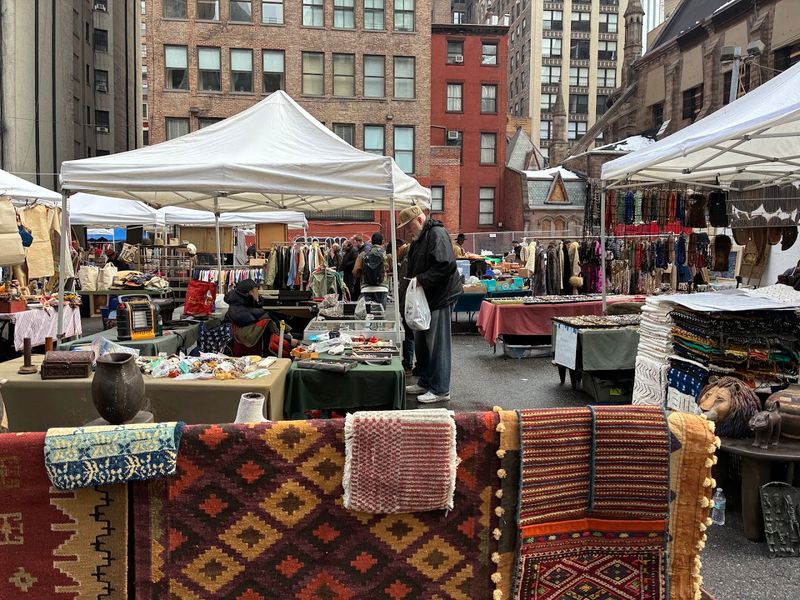
Long before Chelsea became synonymous with art galleries and high-end real estate, it had a flea market that New Yorkers actually loved.
The Chelsea Flea Market has been running for decades, making it one of the longest continuously operating flea markets in the five boroughs.
That kind of staying power in New York City is genuinely impressive and says everything about what this place offers.
Spread across an open lot, the market fills up every weekend with dealers selling antiques, vintage clothing, old jewelry, and the kind of collectibles that serious hunters spend years tracking down.
You might find a genuine piece of 1960s Americana sitting next to a hand-painted portrait of someone else’s grandmother, and somehow it all makes sense.
The market is located on West 25th Street and draws a loyal crowd of regulars alongside fresh faces every single week.
Prices here are negotiable, and vendors expect a little back-and-forth before settling on a number. Bring cash and arrive early if you want first pick of the good stuff.
The early bird absolutely gets the worm at Chelsea Flea, and by worm we mean a mint-condition vintage lamp that will look incredible in your apartment. Come ready to dig.
7. Grand Bazaar NYC
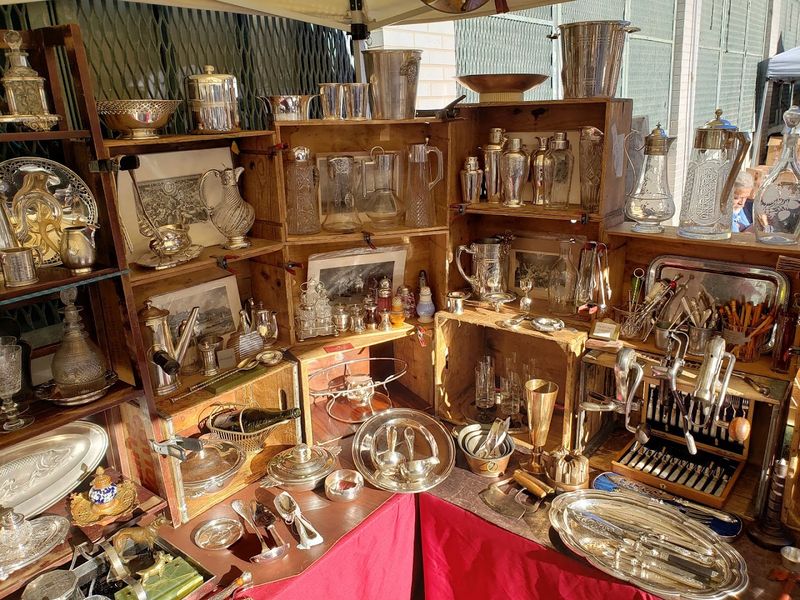
Every Sunday on the Upper West Side, a single city block transforms into something that feels pulled from another era. Grand Bazaar NYC holds the title of the largest weekly market in New York City, and it earns that distinction every single week at its location on West 77th Street and Columbus Avenue.
The market has been running since 1974, which means it has been doing this longer than most of its shoppers have been alive.
Antique dealers, independent craftspeople, vintage fashion sellers, and specialty food vendors all share the space in a rotating mix that keeps the market feeling fresh despite its decades-long run. One Sunday you might find a 1940s typewriter sitting next to hand-dyed scarves.
The next week brings an entirely different spread. That unpredictability is part of the appeal and keeps regulars coming back obsessively.
Grand Bazaar also gives a portion of its proceeds to local public schools, which means your vintage find is technically funding education. That is a guilt-free purchase if there ever was one.
The crowd here tends to be a mix of longtime Upper West Siders and visitors who stumble upon the market and immediately cancel whatever plans they had for the rest of the morning. Highly recommended for spontaneous Sundays.
8. Fulton Fish Market
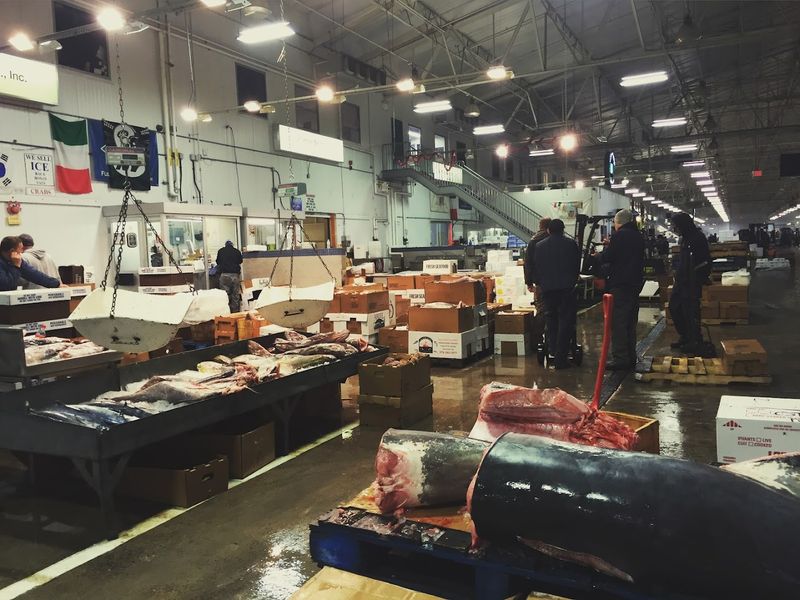
The Fulton Fish Market has been feeding New York since 1822, which makes it older than most of the buildings in the city.
For nearly two centuries, this market operated near the East River in Lower Manhattan before relocating to Hunts Point in the Bronx, where it now runs as the New Fulton Fish Market at 800 Food Center Drive.
The address changed but the pre-dawn energy never did.
Fish merchants here start trading around midnight and wrap up before most New Yorkers have had their first cup of coffee. The market supplies seafood to restaurants, hotels, and retailers across the entire region, handling millions of pounds of fish every year.
Watching the operation in action feels like observing a choreographed performance that has been rehearsed for two hundred years.
The maritime history attached to this market is extraordinary. It survived wars, economic crashes, and urban transformation while continuing to do exactly what it was built to do.
For home cooks and food enthusiasts, visiting Fulton Fish Market is one of those raw, unfiltered New York experiences that no food tour can replicate. The fish is impossibly fresh, the vendors are straight-talking, and the whole scene feels like a portal to the city that existed long before Instagram.
9. La Marqueta
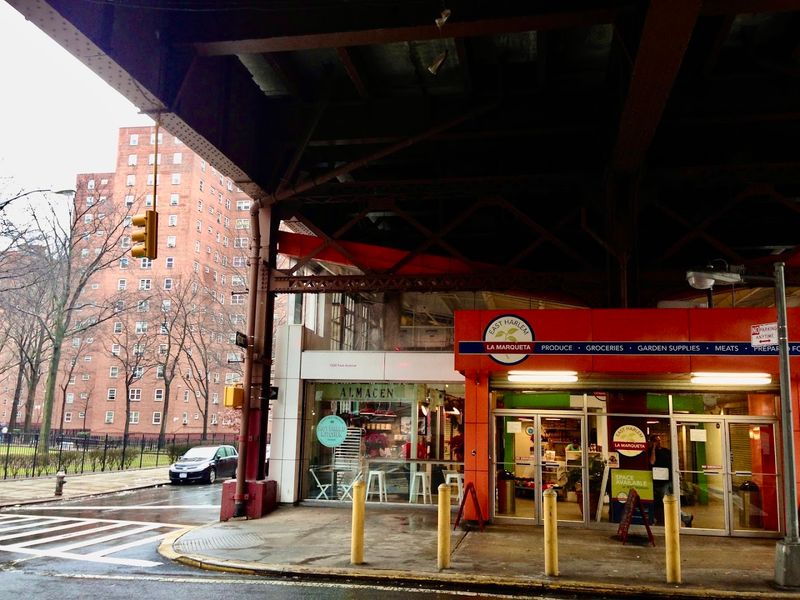
La Marqueta is East Harlem through and through, and it has been since the 1930s when the city set up covered stalls under the Park Avenue elevated train tracks to give pushcart vendors a permanent home.
At its peak in the 1950s, the market stretched across five blocks and housed over 500 vendors selling Latin American produce, spices, and specialty goods that you simply could not find anywhere else in the city.
The market at 1590 Park Avenue has gone through serious ups and downs over the decades, shrinking significantly from its golden era. But La Marqueta never disappeared entirely, and recent years have brought renewed energy and investment back to the space.
New vendors have joined alongside longtime community sellers, creating a blend of old traditions and new ideas that reflects the evolving character of East Harlem itself.
La Marqueta is more than a shopping destination. For the Puerto Rican, Dominican, and broader Latin American communities of El Barrio, the market represents cultural continuity and neighborhood pride.
You can find plantains, fresh herbs, handmade goods, and flavors that connect directly to the Caribbean and Latin America. Coming here feels less like running errands and more like participating in something that genuinely matters to the people around you.
10. Beacon Flea Market
About 90 minutes north of Manhattan on the Metro-North train sits one of the best-kept secrets in the greater New York area.
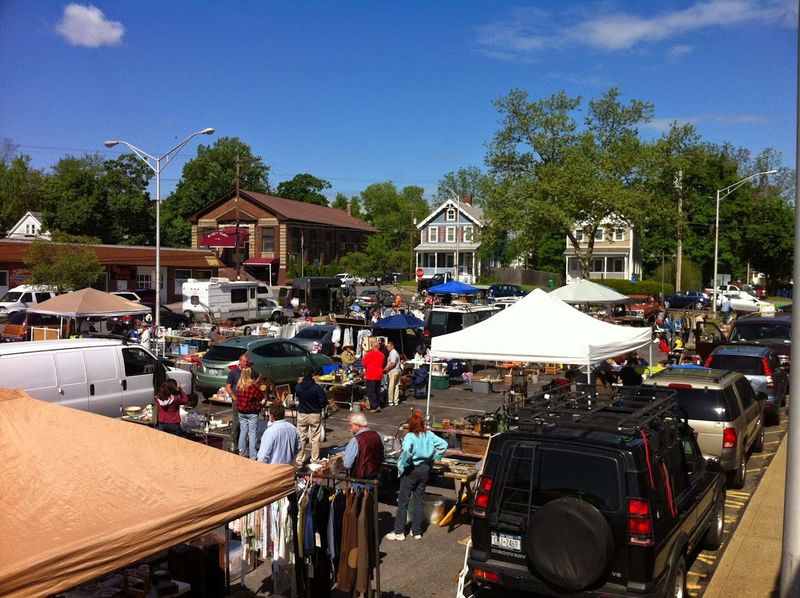
The Beacon Flea Market in the Hudson Valley town of Beacon, New York, draws serious collectors and casual browsers alike with its sprawling selection of vintage Americana, antique furniture, old tools, and retro curiosities that feel like they fell out of a different century.
Beacon itself has become a destination for New Yorkers seeking a weekend escape, and the flea market fits perfectly into the town’s character. The market typically runs on weekends during warmer months and pulls vendors from across the region.
You will find everything from Depression-era glassware to mid-century signage to handmade quilts that look like they belong in a museum. Main Street in Beacon puts the market within easy walking distance of cafes and galleries.
What separates Beacon Flea from city markets is the breathing room. Nobody is rushing past you, the prices tend to be more reasonable than Manhattan equivalents, and the whole experience has a slower, more deliberate pace that city dwellers find genuinely therapeutic.
Take the train up, spend a few hours digging through decades of American history, and bring a bag large enough for whatever treasure you inevitably find. You will thank yourself later.