
This Fun-Filled Garden In New York Is A Dream Day Out For Restless Kids In 2026
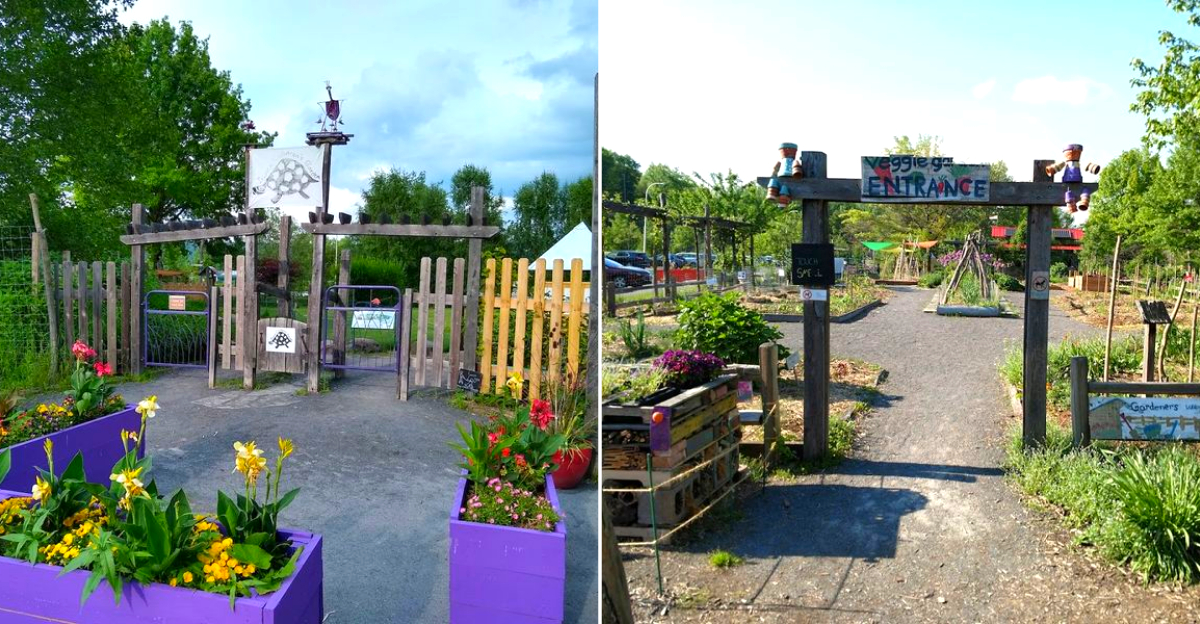
Energy has a way of building up in kids, and this lively New York garden offers the perfect place to let it all out. Designed with curiosity and exploration in mind, it turns a simple visit outdoors into an experience that feels playful, colorful, and full of discovery.
Every path seems to lead to something new, making it easy for young visitors to stay engaged from the moment they arrive.
Interactive spaces, vibrant plant displays, and areas designed for hands-on fun create an atmosphere that feels both educational and entertaining. Parents can relax while kids move from one activity to the next, exploring at their own pace.
In 2026, it remains one of those rare spots where nature and imagination come together to create a day out that everyone enjoys.
A Garden That Feels Like It Was Designed By Children Themselves
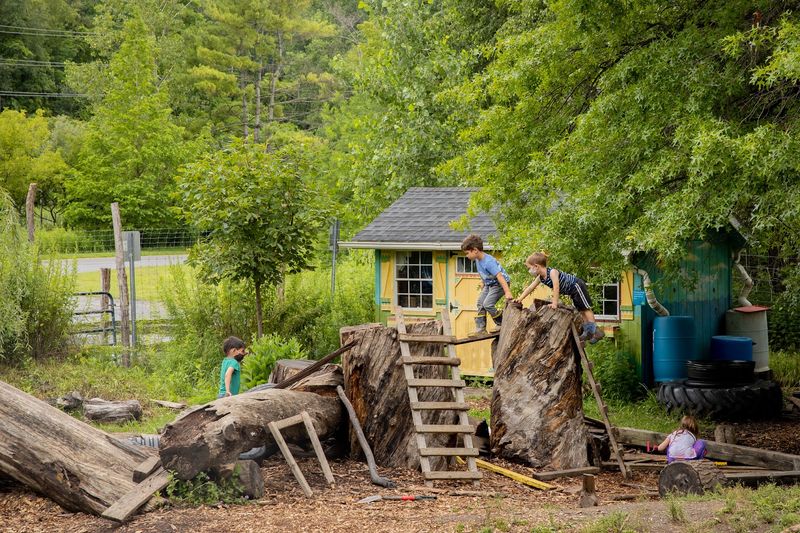
Some outdoor spaces are designed for children, but very few feel genuinely shaped by how children actually think and move through the world. The Ithaca Children’s Garden manages to pull off something rare: it is simultaneously educational, adventurous, and completely unhurried in the best possible way.
Every section of the garden seems to anticipate what a curious seven-year-old might want to do next.
The layout encourages wandering rather than following a fixed route, which means children naturally lead the way. Parents tend to find this refreshing because there are no queues, no ticket booths, and no strict schedules to follow.
The garden covers roughly three acres of thoughtfully arranged outdoor space, and it never feels cramped even when several families are exploring at once.
Signage throughout the garden is written in clear, accessible language so children can read and understand what they are looking at without needing adult translation. The plants, garden beds, and themed sections each carry a distinct personality that rewards slow exploration.
Visiting once is rarely enough, since the garden changes with the seasons and always seems to have something new to offer attentive young visitors.
The Ithaca Children’s Garden And Why It Belongs On Your Family Map
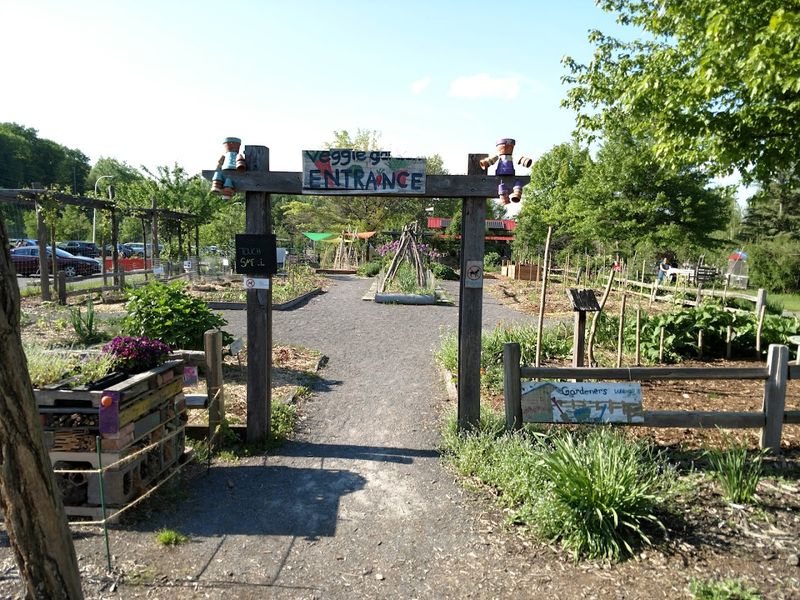
Located at 121 Turtle Lane in Ithaca, New York, the Ithaca Children’s Garden sits within a community that genuinely values outdoor education and environmental stewardship. The garden is open seven days a week from 7 AM to 7 PM, making it accessible for early morning visits and relaxed late afternoon strolls alike.
Admission is completely free, which makes it an especially appealing option for families who want a full day of activity without the financial pressure.
The garden holds a 4.7-star rating and has drawn hundreds of enthusiastic visitors over the years, earning a reputation as one of the most thoughtfully designed family spaces in the Finger Lakes area.
Its phone number is available at 607-319-4203 for anyone who wants to call ahead about seasonal programs or upcoming events.
The website at ithacachildrensgarden.org provides updated information on special programming throughout the year.
Ithaca itself is a city known for its progressive community values, natural beauty, and strong connection to outdoor life.
The children’s garden fits naturally into that identity, serving as a gathering place where families from the surrounding region come to slow down, connect with nature, and let children lead the way for a change.
Gaia The Turtle And The Magic Of A Garden Icon

Every great destination has an icon, and at the Ithaca Children’s Garden, that role belongs entirely to Gaia the Turtle. This oversized sculptural figure has become the unofficial mascot of the garden, delighting children who spot her from across the lawn and immediately break into a run.
Climbing on Gaia is a rite of passage for young visitors, and she holds up remarkably well under the enthusiasm of hundreds of small adventurers each season.
What makes Gaia more than just a fun photo opportunity is the way she anchors the garden’s broader identity. The turtle is a symbol of patience, longevity, and connection to the earth, values that align naturally with everything the garden is trying to teach.
Children who might not absorb a formal lesson about ecology will still walk away with a quiet sense that nature deserves their attention and respect.
Parents often find themselves lingering near Gaia longer than expected, watching their children invent elaborate games around the sculpture. The surrounding area offers shaded benches and a relaxed atmosphere that invites adults to sit and observe rather than constantly direct.
It is one of those simple, well-placed features that turns a good garden into a genuinely memorable one.
The Hands-On-Nature Anarchy Zone Where Creativity Has No Ceiling
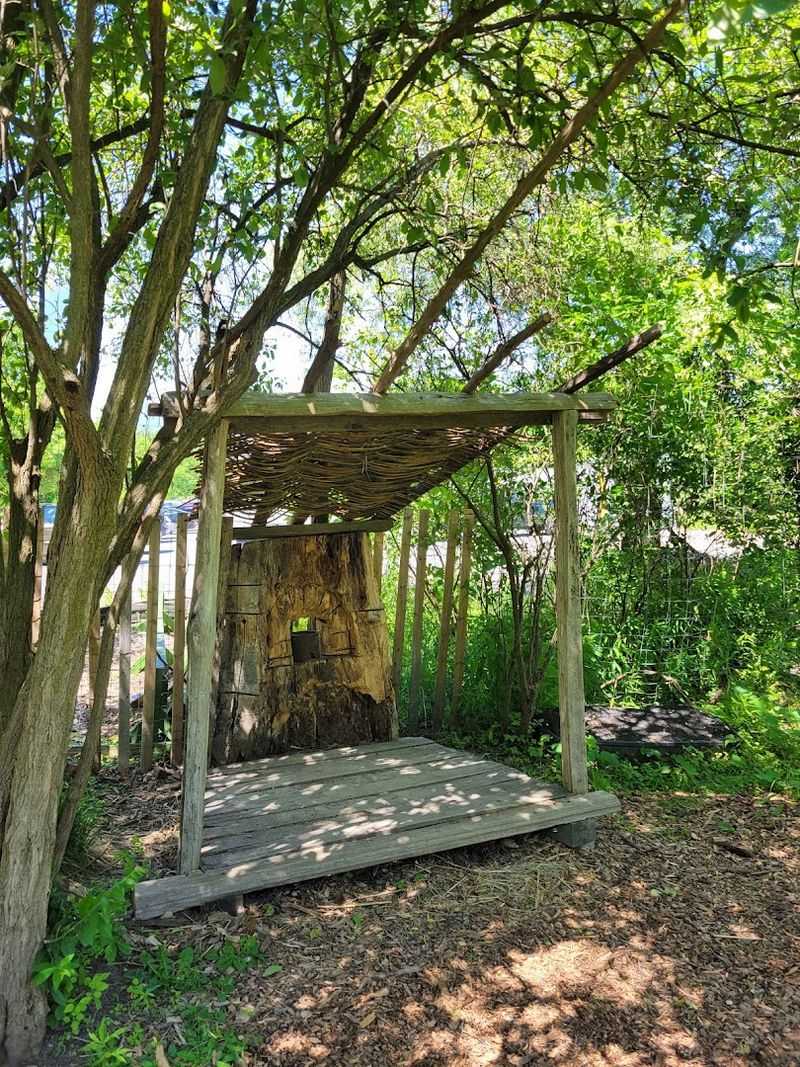
Few spaces in any public garden in the country carry a name as boldly honest as the Hands-On-Nature Anarchy Zone, often referred to simply as HONAZ. The name itself is a promise: children are welcome here to build, dismantle, experiment, and create without the usual constraints of structured play equipment.
Loose parts including ropes, tires, wooden planks, and repurposed materials are available for children to arrange however their imagination dictates.
The concept behind HONAZ draws from a nationally recognized approach to adventure play, which emphasizes child-led activity over adult-directed entertainment.
Research in child development consistently supports this kind of open-ended play as beneficial for problem-solving, social skills, and physical confidence.
The garden has embraced this philosophy with obvious conviction, and the results are visible in the focused, energetic play that happens in this zone every single day.
Because children build the structures themselves, HONAZ looks different from one visit to the next. A child who visited last month may return to find an entirely new arrangement of materials waiting to be transformed.
That unpredictability is part of the appeal, keeping repeat visitors genuinely engaged rather than simply going through familiar motions. HONAZ is a reminder that the best playground equipment is often no equipment at all.
Fruit, Vegetables, And The Joy Of Watching Things Grow
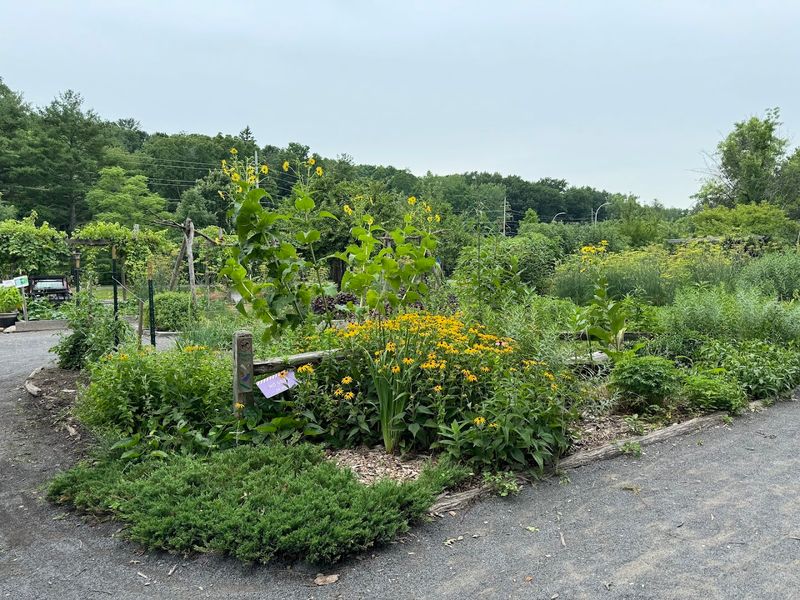
The fruit and vegetable garden at the Ithaca Children’s Garden is the kind of place that quietly shifts how children think about food. Seeing a tomato plant heavy with ripe fruit or a row of sunflowers reaching toward the sky creates a connection between the dinner table and the earth that no classroom lesson can fully replicate.
Children who have tended or observed a working garden carry that understanding with them for years.
The garden beds are laid out in a way that invites close inspection, with signage identifying each plant and explaining its growth cycle in language that young readers can process independently.
Kids are encouraged to engage with the space rather than simply observe from a distance, which makes the experience feel participatory rather than passive.
There is something genuinely satisfying about watching a child crouch down to examine a root vegetable with the seriousness of a field botanist.
Families who visit during peak growing season will find the vegetable garden at its most impressive, with a wide variety of produce in various stages of development. The garden reflects a broader commitment to food literacy and environmental awareness that runs through everything the Ithaca Children’s Garden does.
Spending time here plants a seed, in the most literal and figurative sense imaginable.
The Frog Pond And The Thrill Of Scooping Up Tadpoles
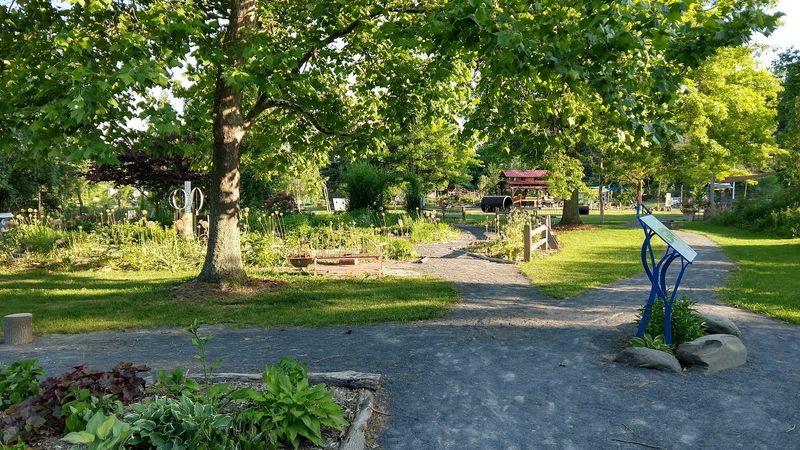
There are few things in the natural world that capture a child’s attention quite as completely as a pond full of tadpoles.
The frog pond at the Ithaca Children’s Garden offers exactly that experience, giving young visitors the chance to scoop, observe, and carefully return tiny aquatic creatures to their habitat.
It is one of those low-tech, high-impact moments that children remember long after the visit is over.
The pond is positioned within the garden in a way that feels discovered rather than presented, which adds to its appeal. Stumbling upon a body of water teeming with life feels like a genuine outdoor adventure, even within the safe and supervised environment of the garden.
Adults tend to find themselves equally absorbed, crouching beside their children to peer into the water with the same focused curiosity.
Aquatic ecosystems offer a surprisingly rich introduction to biology, ecology, and the interconnected nature of living systems. Watching tadpoles move through the water gives children a real-time lesson in metamorphosis that no textbook illustration can match.
The frog pond is also a reminder that the Ithaca Children’s Garden is not simply a decorative space but a living, breathing environment where genuine ecological activity unfolds every single day of the growing season.
Seasonal Events That Give Families A Reason To Return All Year
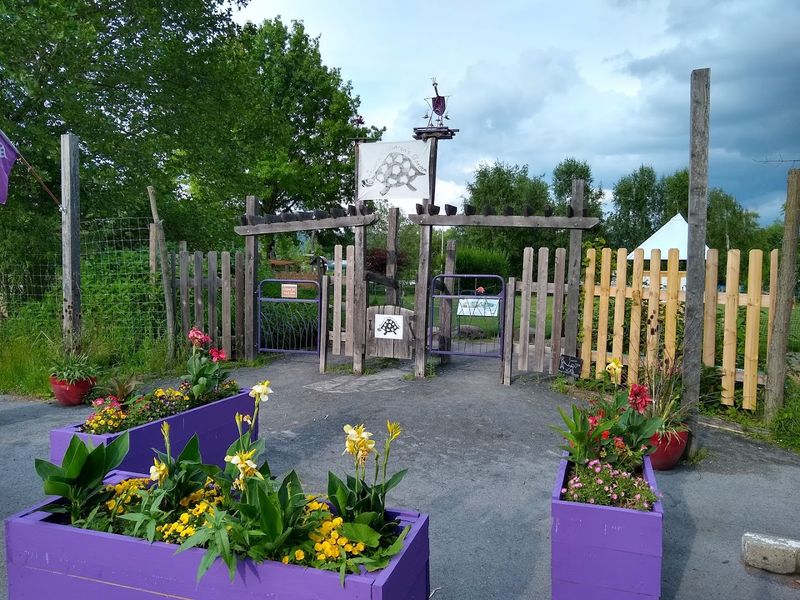
One of the quieter strengths of the Ithaca Children’s Garden is its calendar of seasonal programming, which gives families a compelling reason to visit in every month of the year rather than treating it as a single-trip destination. Events like the International Mud Day celebration and the Fire and Ice Festival have developed loyal followings among local families who mark their calendars months in advance.
These events bring an additional layer of energy and community spirit to an already vibrant space.
The garden’s programming reflects a genuine understanding of how children engage with the natural world across different seasons. A summer visit offers lush greenery, active pond life, and outdoor building projects, while cooler months bring their own distinct atmosphere and programming focus.
The garden never feels dormant, even when the growing season has technically ended and the landscape has shifted to quieter, more reflective tones.
Educational programs offered throughout the year are tailored to different age groups and learning styles, ensuring that the garden remains relevant and engaging as children grow. Families who visit regularly often report that each trip feels meaningfully different from the last.
That quality of sustained engagement is something most outdoor destinations struggle to achieve, and the Ithaca Children’s Garden manages it with apparent ease and genuine community investment.
Picnic Tables, A Yurt, And The Art Of Slowing Down Together
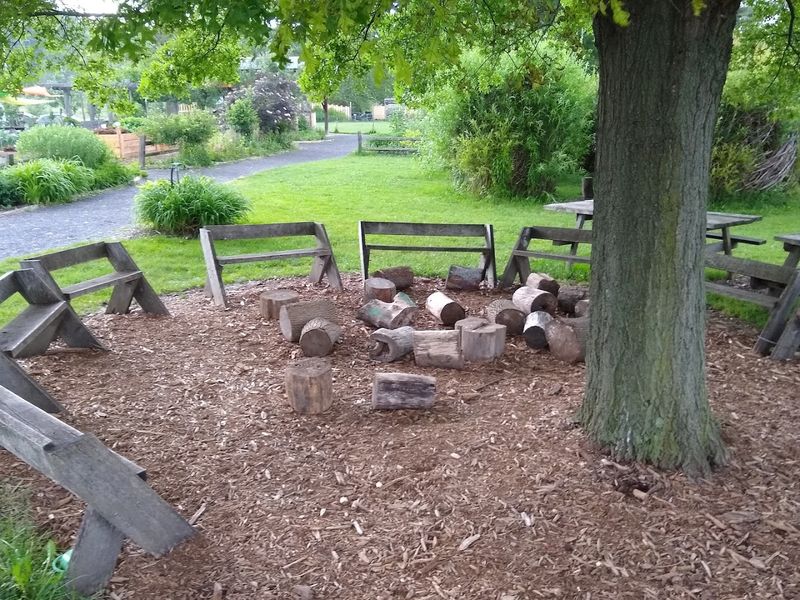
A great family outing is rarely just about the activities. It is equally about the moments in between, the shared lunches, the unhurried conversations, and the simple pleasure of sitting outside without anywhere urgent to be.
The Ithaca Children’s Garden has invested thoughtfully in these quieter dimensions of the visit, with several picnic tables positioned throughout the space and a completed yurt that adds genuine architectural character to the grounds.
The yurt in particular has become a beloved feature, offering a sheltered gathering point that feels distinct from the typical park pavilion.
Its circular form and warm interior create a sense of occasion, making it a natural spot for families to regroup, share a meal, or simply take a breath before heading back out to explore.
Portable restroom facilities are available on-site, and seasonal bathrooms are accessible just north of the garden near an additional picnic pavilion.
Dogs on leashes are welcome at the garden, which means the whole family can come along without logistical compromise.
The combination of thoughtful amenities, natural beauty, and a genuinely relaxed atmosphere makes the Ithaca Children’s Garden the kind of place where a planned two-hour visit routinely stretches into a full and satisfying afternoon.
That unhurried quality is increasingly rare, and it is worth protecting.