
This Hardly-Noticed Tennessee Town Is Still A Secret To Many Locals, And You Should Visit It This April
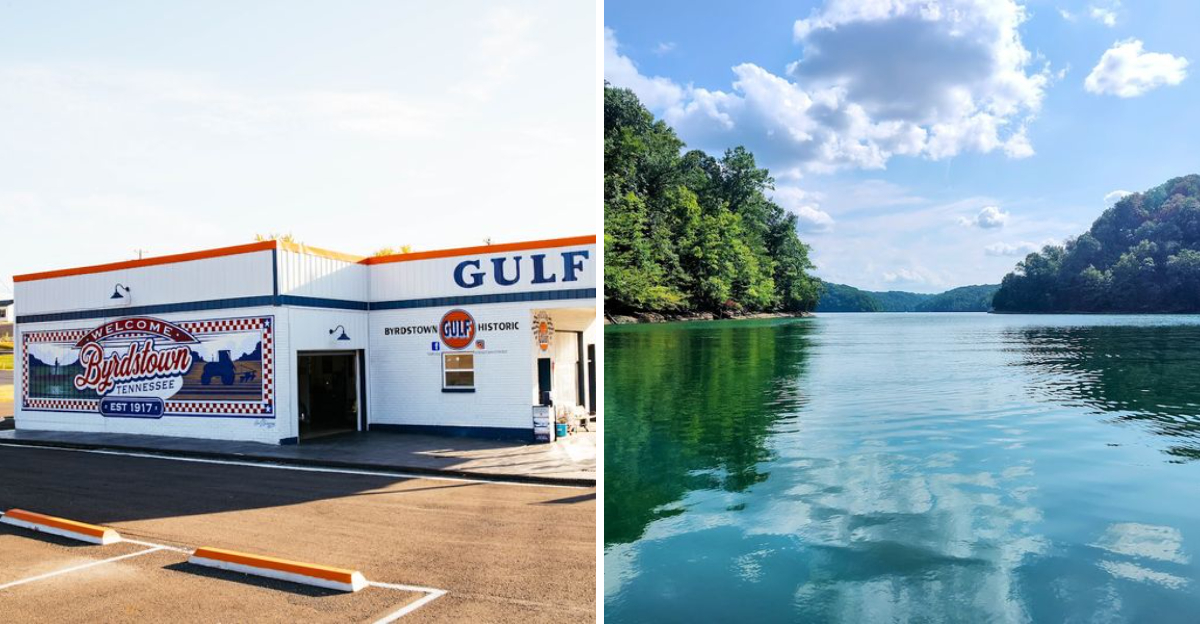
Blink and you might drive right past it. Slow down, though, and a very different side of Tennessee begins to appear.
Quiet streets, friendly faces, and scenery that feels wonderfully untouched create the kind of atmosphere many travelers spend years searching for. Spring is an especially lovely time to visit, when fresh greenery brightens the hills and the nearby lake looks almost impossibly calm.
Life moves at a comfortable pace here, and that relaxed rhythm is part of the charm. Many locals across Tennessee still haven’t spent time in this peaceful town, which makes discovering it in April feel like a small but very satisfying victory.
The Quiet Power Of Pickett County
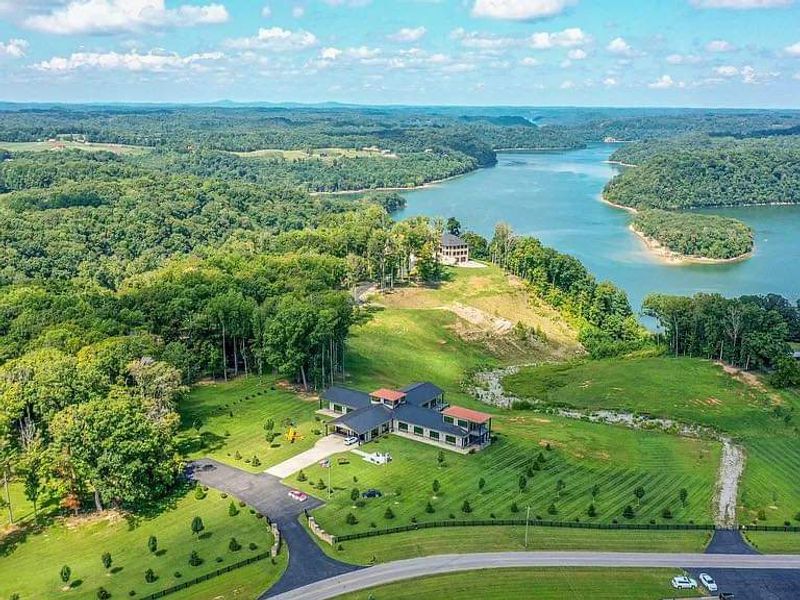
Most county seats in Tennessee carry a certain weight of history, but this place wears its identity with a relaxed confidence that takes visitors by surprise. As the seat of Pickett County, one of the smallest counties in the entire state, this town of roughly 798 people punches well above its size when it comes to character and atmosphere.
Located at coordinates 36.5745 North, 85.1288 West in Tennessee’s Upper Cumberland region, it sits near the Kentucky border, giving it a cross-regional personality that feels distinct from the more commercialized parts of the state. The town was named after Richard Byrd, an early settler whose family left a lasting mark on the county’s early development.
April is genuinely the best time to experience this area. The temperatures are mild, the crowds are minimal, and the surrounding landscape shifts into a brilliant green that makes every drive feel cinematic.
This place does not try to impress you with spectacle. It simply exists, steadily and honestly, and that is exactly what makes it worth the journey.
Dale Hollow Lake Is The Crown Of This Corner Of Tennessee
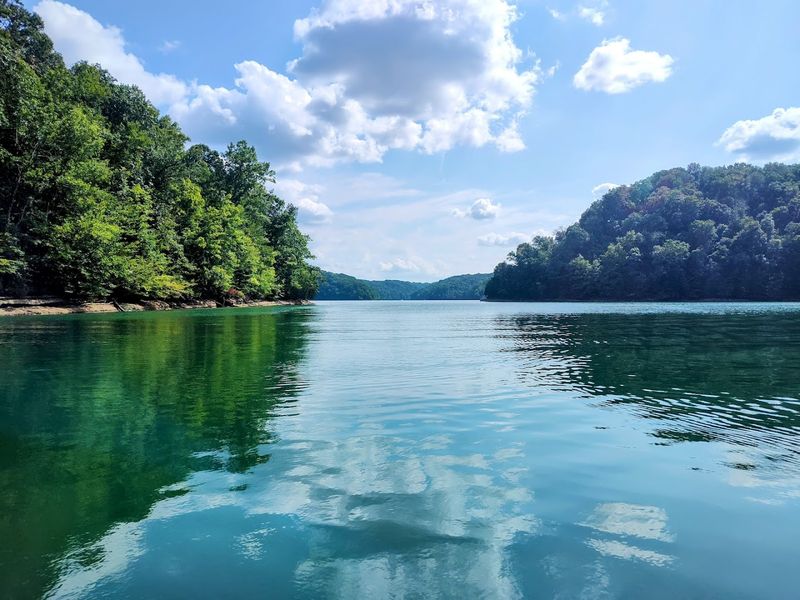
Few lakes in the southeastern United States match Dale Hollow for sheer clarity of water. Fed by the Obey River and managed by the U.S.
Army Corps of Engineers, this reservoir stretches across the Tennessee-Kentucky border and offers some of the most transparent water you will find anywhere in the region. On a calm April morning, the surface looks almost like glass.
The lake holds a world record that still stands today. In 1955, a smallmouth bass weighing 11 pounds and 15 ounces was caught here, and that record has never been officially broken.
Anglers travel from across the country specifically to cast a line in these waters, and April is considered prime season for bass fishing.
Beyond fishing, Dale Hollow offers boating, swimming, kayaking, and lakeside camping at multiple Corps of Engineers campgrounds. The shoreline is largely undeveloped, which means you get long stretches of forested banks without condos or commercial strips interrupting the view.
Visitors who arrive expecting a typical Tennessee lake often leave with a new favorite destination entirely.
Obey River And The Trails That Follow Its Banks
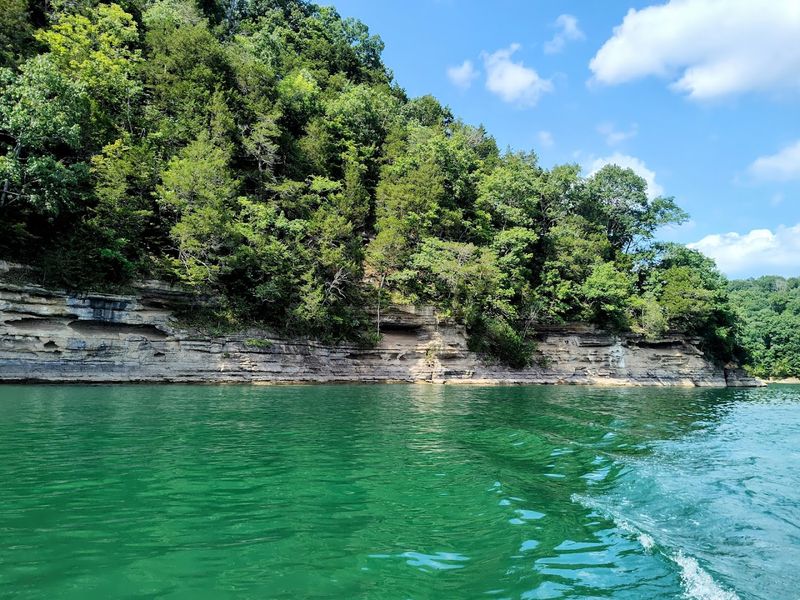
The Obey River runs through the heart of Pickett County with a steady, unhurried energy that mirrors the pace of life in Byrdstown itself. This river feeds Dale Hollow Lake and carves through limestone-rich terrain that creates some genuinely beautiful geological formations along its banks.
Hikers who follow the river trails in April are rewarded with blooming wildflowers at nearly every turn.
Spring brings trilliums, bloodroot, and wild phlox to the forest floor here in noticeable abundance. The combination of the river’s sound and the seasonal bloom creates a sensory experience that no app or screen can replicate.
It is the kind of place where you naturally slow down and start paying attention to small details again.
The river also supports a healthy population of native fish and freshwater mussels, making it ecologically significant beyond its visual appeal. Local guides occasionally offer float trips along quieter stretches of the Obey, and those excursions are well worth arranging in advance.
For anyone who appreciates rivers that feel genuinely wild, the Obey delivers a rare and satisfying encounter with Tennessee’s natural heritage.
The Byrdstown Courthouse Square And Its Slow, Satisfying Pace

There is something genuinely refreshing about a courthouse square that has not been converted into a boutique shopping district. Byrdstown’s Pickett County Courthouse anchors the town with a quiet dignity that feels authentic rather than performative.
The square moves at a pace that most Americans have forgotten existed, and spending an afternoon there recalibrates your sense of time in the best possible way.
Local residents go about their routines without much concern for how the town appears to outsiders, which paradoxically makes it far more appealing to visitors who are tired of staged small-town charm. You can sit on a bench, watch the light change on the old brick facades, and feel genuinely present in a way that busy tourist destinations rarely allow.
A few local businesses operate near the square, including a small diner that serves the kind of breakfast that requires no description beyond the word substantial. April weekday mornings are particularly pleasant here because the square has almost no foot traffic, giving the whole area a contemplative quality.
It is not a destination for shopping or entertainment. It is a destination for simply being somewhere real.
Camping At Dale Hollow Lake In April Is Genuinely Underrated
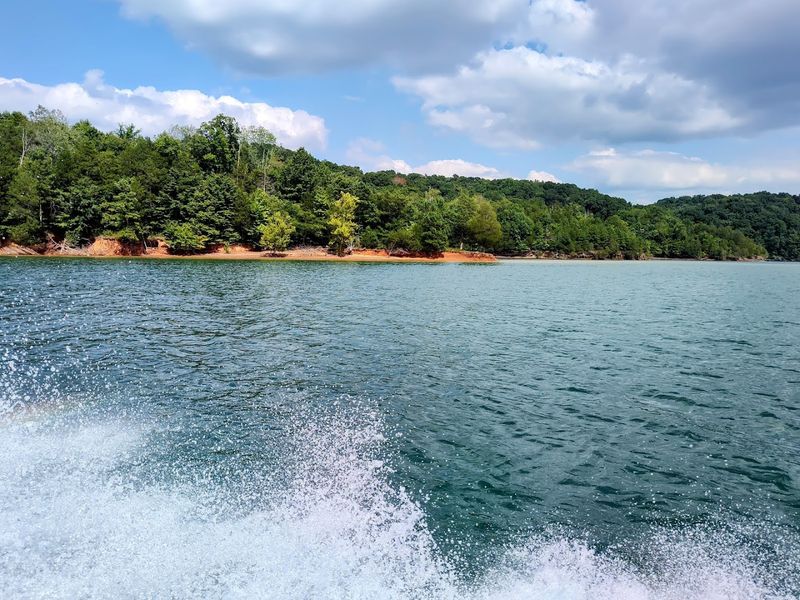
Camping at Dale Hollow in April occupies a sweet spot that experienced outdoor travelers know about and rarely advertise. The summer crowds have not arrived yet, the temperatures hover in the comfortable range of the mid-50s to low 70s, and the lake’s famous clarity is at its most photogenic due to the lower algae levels that cooler water maintains.
The U.S. Army Corps of Engineers manages several campgrounds along the Tennessee side of the lake, including Willow Grove and Horse Creek Recreation Area.
Sites range from primitive tent spots near the waterline to developed sites with electric hookups for those who prefer a more structured setup. Reservations through Recreation.gov are available and increasingly advisable even for spring visits.
Waking up to the sound of water and birdsong at Dale Hollow is the kind of experience that people describe for years afterward without exaggeration. The dawn light on the lake in April, when morning mist sits just above the surface and the surrounding hills are vivid green, produces a scene of such straightforward beauty that it feels almost implausible.
This is camping at its most uncomplicated and most satisfying.
Local Food Culture Around Byrdstown Tells Its Own Story

Byrdstown’s food scene is not a scene in the modern culinary sense, and that is precisely what makes it interesting. The area’s eating establishments are small, unpretentious, and deeply local in a way that reflects the agricultural character of Pickett County rather than any trend imported from a larger city.
Meals here are built around familiar Southern staples prepared with the kind of regularity that produces genuine consistency.
Country ham, biscuits, beans cooked with fatback, and cornbread appear on tables throughout the county with the confidence of things that have never needed to justify themselves. Local diners operate on schedules that reflect the rhythms of farming communities, meaning breakfast service ends earlier than city visitors expect and lunch is treated with proper seriousness.
The experience of eating in Byrdstown is less about discovery and more about reconnection with a food culture that prioritizes nourishment and community over novelty. Conversations with locals at shared tables or lunch counters often provide more genuine insight into the area than any guidebook entry could offer.
April brings fresh produce from early gardens into the mix, which adds a seasonal brightness to menus that lean naturally toward hearty preparations.
Bird Watching In Pickett County Rivals Any Tennessee Destination
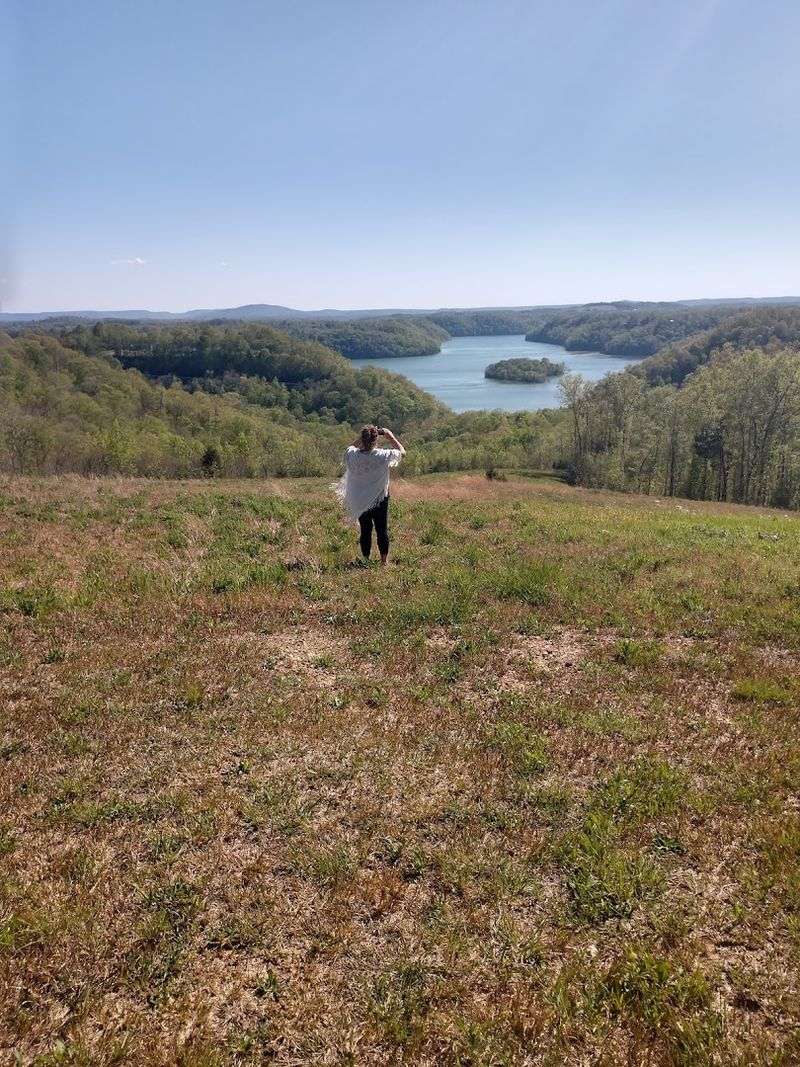
Spring migration in Pickett County produces a concentration of bird activity that serious birders have quietly known about for decades. The combination of mature forest, river corridors, and the lake’s open water creates a layered habitat that attracts an impressive variety of species during April’s peak migration window.
Warblers move through in particularly high numbers, and a single morning walk can produce a list that impresses even experienced observers.
The forests around Pickett State Park and Dale Hollow’s shoreline are especially productive. Cerulean warblers, which are a species of conservation concern across much of their range, have been recorded in the area with notable regularity.
Yellow-throated warblers, Louisiana waterthrushes, and various vireo species add to the April tally with reliable frequency.
The absence of large crowds and heavy development means that birds here behave with a naturalness that makes observation genuinely easier. You do not need to compete with tour groups or navigate crowded parking lots to reach productive habitat.
A pair of binoculars, a field guide, and a willingness to walk quietly through the woods are all that this destination requires. The return on that modest investment is substantial.
The History Of Pickett County Runs Deeper Than Its Small Size Suggests

Pickett County was established in 1879 and named after Civil War General George Pickett, a detail that adds a layer of historical irony given that Tennessee was a Confederate state where allegiances were often complicated and deeply personal. The county’s formation came relatively late compared to much of Tennessee, a reflection of the rugged terrain that made large-scale settlement challenging well into the nineteenth century.
The area’s Cherokee history predates European settlement by centuries, and evidence of that occupation exists in the archaeological record of the region. Rock shelters in Pickett State Park contain remnants of human habitation that extend back thousands of years, connecting the landscape to a much longer human story than the county’s official founding date implies.
Byrdstown itself developed gradually as a service center for the surrounding agricultural community, and its modest scale today reflects a county that never experienced the industrial booms that transformed other parts of Tennessee. That restraint, economically speaking, preserved a landscape and a community character that feels genuinely rare in the twenty-first century.
History here is not curated for tourism. It simply persists, quietly and without fanfare, in the land itself.
Why April Is The Ideal Month To Make This Drive

April in this part of Tennessee operates on a different register than the rest of the year. The dogwood trees bloom along every rural road in Pickett County during the first two weeks of the month, and the redbud trees add a layer of violet-pink to the forest edges that makes even an ordinary drive feel like something worth photographing.
The light in April here has a particular quality, clear and angled, that photographers refer to as golden without irony.
Temperatures in April average between 48 and 68 degrees Fahrenheit in the Upper Cumberland region, which is ideal for outdoor activity without the humidity that July and August bring to the area. Allergy sufferers may want to plan accordingly, but for most visitors, April’s conditions represent the most physically comfortable window of the year for exploring this landscape on foot.
Perhaps most importantly, April in Byrdstown means you are largely alone with the place. The summer lake crowd has not arrived, the fall foliage tourists are months away, and the town operates at its natural rhythm without any seasonal inflation of prices or attitude.
That authenticity is the actual attraction here, and April delivers it in full measure.