
This Jaw-Dropping Waterfall In New York’s Adirondacks Looks Like Something Out Of A Fantasy Film
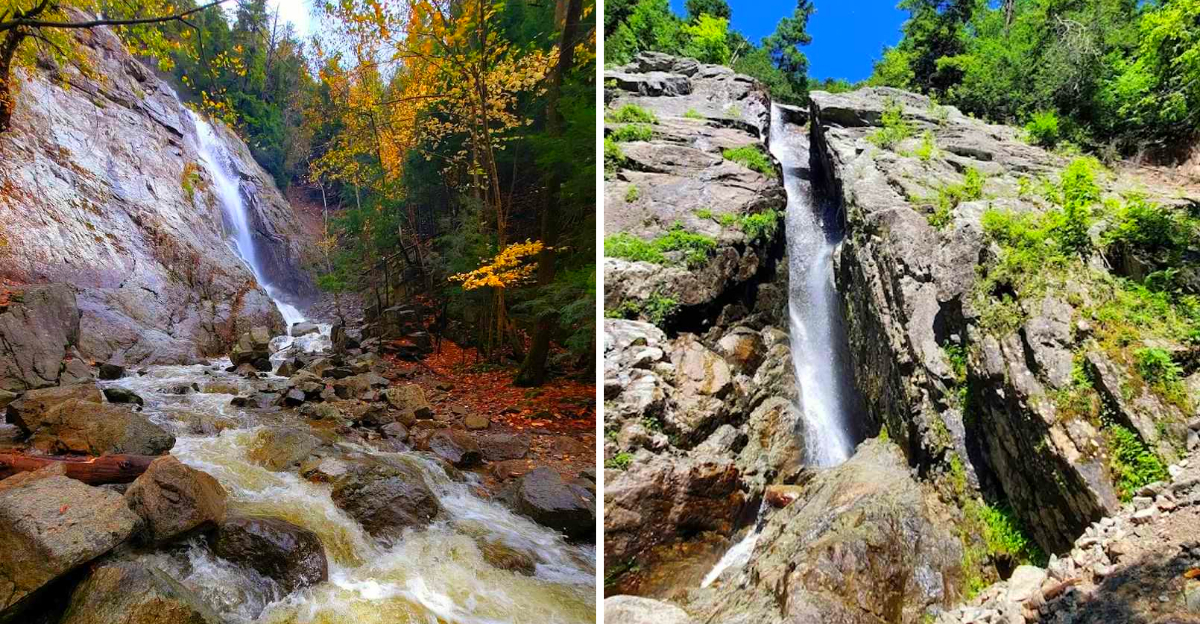
Deep within New York’s Adirondacks, there is a waterfall that feels almost too dramatic to belong in the real world. Surrounded by dense forest and rugged cliffs, the rushing water creates a scene that looks more like a setting from a fantasy film than an ordinary stop in the mountains.
The moment it comes into view, it has a way of stopping visitors in their tracks.
The cascade pours over rock with incredible force, sending mist into the air and filling the area with the powerful sound of moving water. Trails and viewpoints allow you to take in the spectacle from different angles, each one revealing just how striking the landscape really is.
It is the kind of place that makes you pause, breathe in the fresh mountain air, and simply admire the raw beauty of the Adirondacks.
A Waterfall That Earns Every Superlative Thrown At It
Some places build anticipation and then quietly disappoint. Roaring Brook Falls is not one of those places.
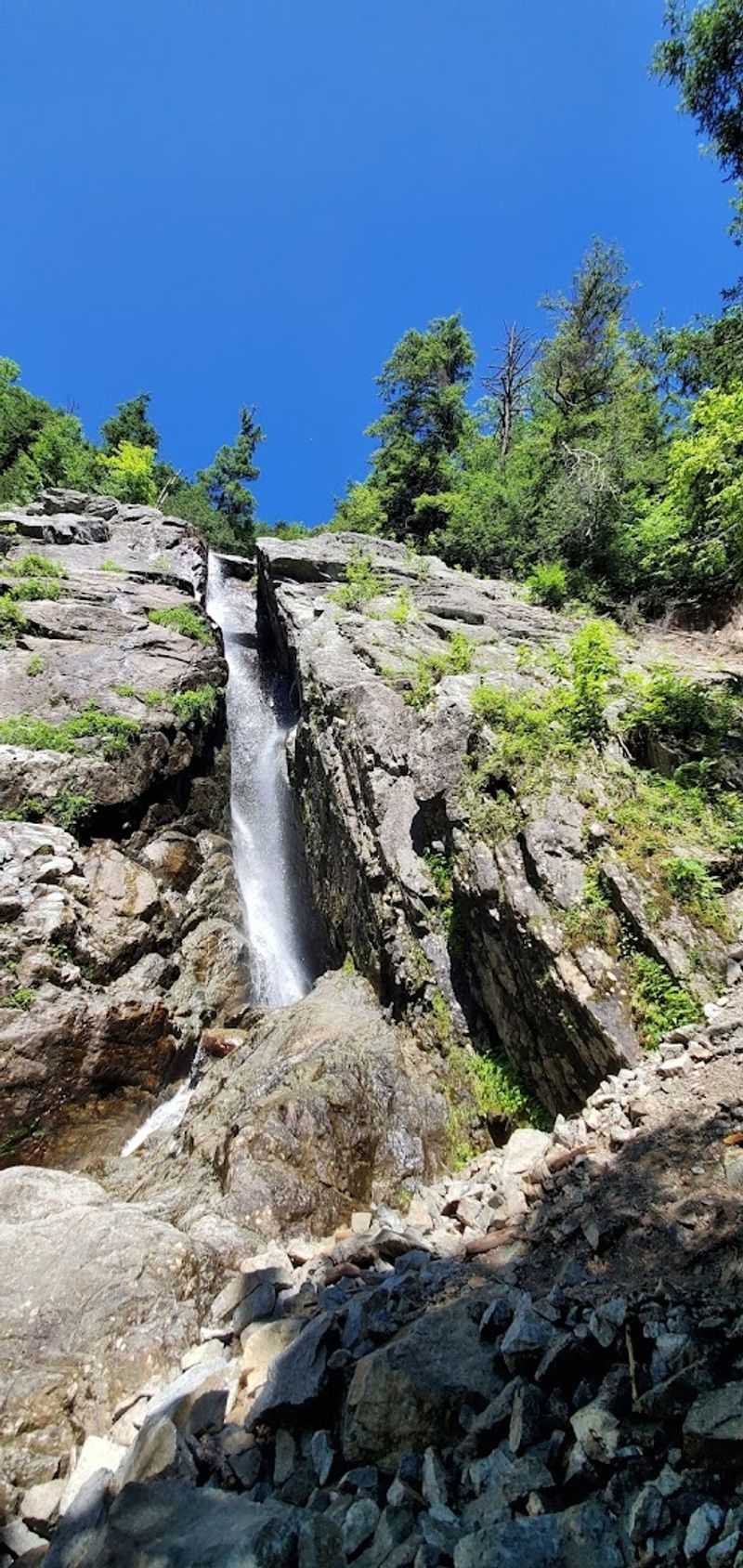
From the moment the sound of rushing water reaches you through the trees, the experience begins to shift into something genuinely memorable. The falls pour down a sheer rock face with a force that fills the surrounding forest with a steady, resonant roar.
Standing at the base, you can feel the cool mist drifting outward as the water crashes against the boulders below. The height of the falls is striking, and the vertical drop commands attention in a way that photographs rarely capture fully.
The rock wall behind the cascade is dark and textured, streaked with mineral patterns that shift in color depending on the light.
Visitors frequently describe the scene as surreal, and that reaction is understandable. The combination of raw height, surrounding forest canopy, and the sound of falling water creates an atmosphere that feels removed from ordinary life.
Roaring Brook Falls holds a rating of 4.8 stars from those who have made the trip, which reflects consistent and well-earned admiration. Few natural landmarks in the region deliver this level of visual impact with this little barrier to entry.
Where To Find Roaring Brook Falls And How To Get There
Roaring Brook Falls TrailKeene Valley, NY 12943 is located in , a small hamlet nestled in the heart of the Adirondack High Peaks region. The area is well known among hikers, but the falls themselves are accessible to a much wider range of visitors than the more demanding peaks nearby.
The trailhead sits along the road with a small parking area, and the hike begins almost immediately after signing in at the trail register.
Two distinct paths branch from the trailhead. One leads to the base of the falls, covering less than half a mile of relatively level terrain.
The other climbs to the top, where a natural pool sits just before the water tips over the edge and begins its dramatic descent. Both options are worth taking if time allows, as each perspective reveals something entirely different about the falls.
For those traveling between Lake George and Lake Placid, this stop makes an ideal midpoint break that offers far more than a typical roadside attraction. A viewing area from the main road also exists for a quick glimpse, though nothing replaces standing close enough to feel the mist.
The trailhead can be reached by phone at +1 518-897-1200.
The Trail Experience From Start To Finish
The trail to Roaring Brook Falls moves through a classic Adirondack forest, the kind where tall trees press close on either side and the ground shifts between soft soil and exposed rock. The atmosphere changes noticeably as you walk, growing cooler and more humid as the sound of water grows louder.
Most visitors reach the base of the falls in about five to ten minutes from the parking area.
Reaching the top takes a bit more commitment, roughly fifteen to twenty minutes of hiking that includes some steeper and rockier sections. The climb is well within reach for most ages, though proper footwear makes a noticeable difference, especially after rain when the rocks become slick.
Children who are comfortable on uneven terrain handle the trail without difficulty, and the effort involved is modest compared to the view waiting at the summit.
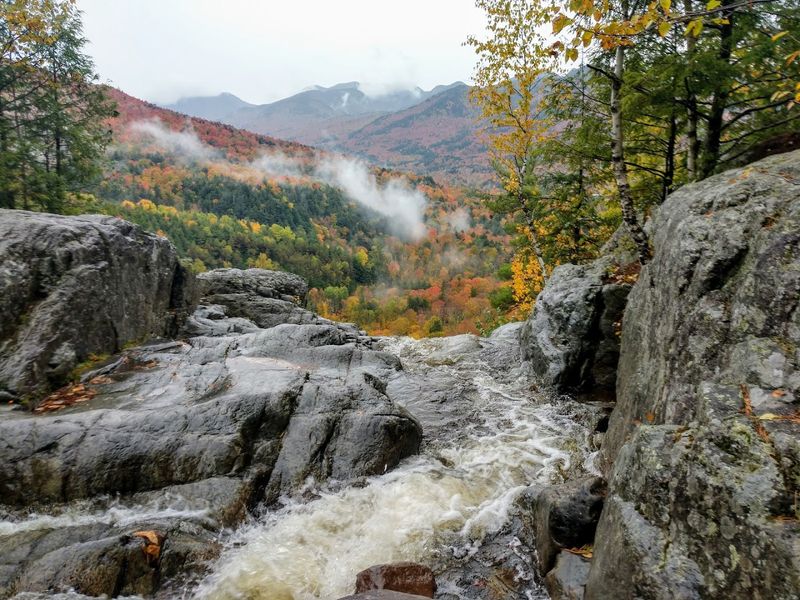
At the top, a natural pool collects the water just before it spills over the edge, creating a peaceful contrast to the thunderous drop below.
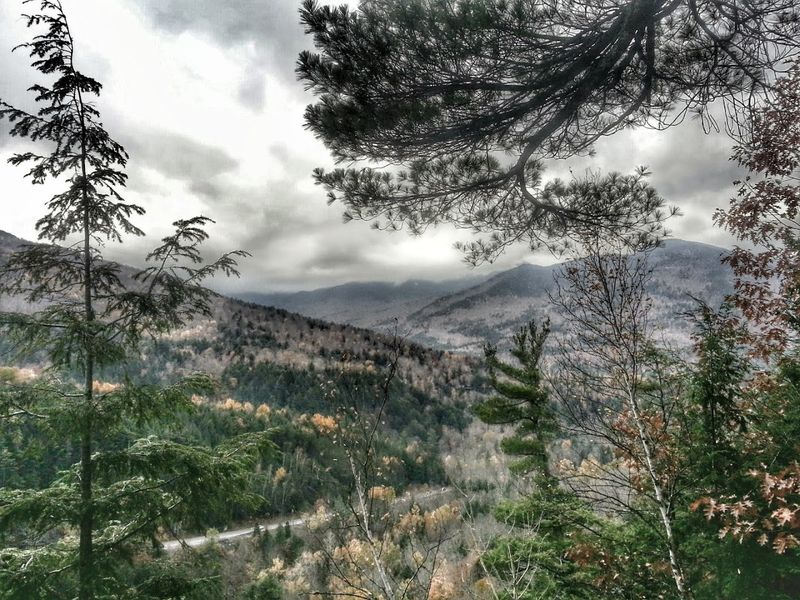
The surrounding view opens up to reveal a sweeping panorama of the Great Range, stretching from Sawteeth to Lower Wolfjaw. That combination of intimate water feature and expansive mountain backdrop makes the upper trail well worth the extra few minutes of walking.
What Makes The View From The Bottom So Striking
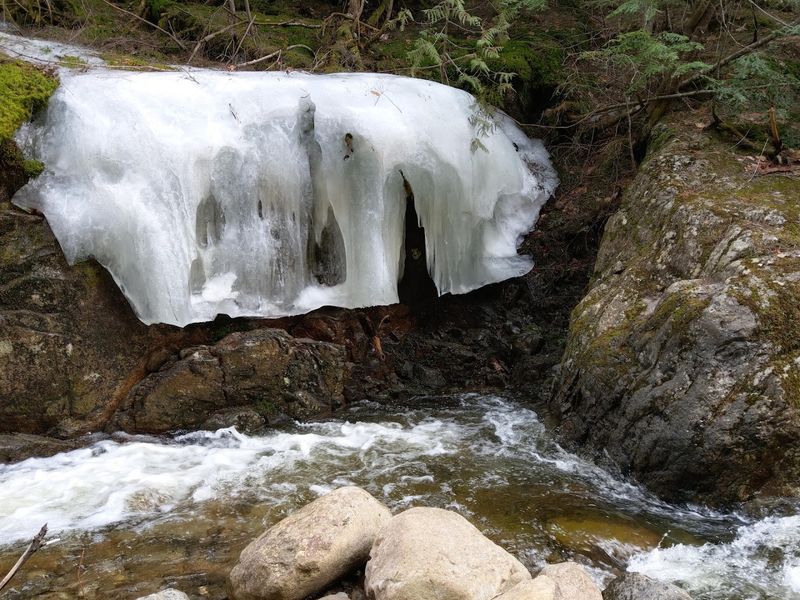
Standing at the base of Roaring Brook Falls is a different experience entirely from viewing it from above.
The full height of the falls becomes apparent only when you position yourself at the bottom and look upward, where the white cascade seems to emerge from the tree line and fall with concentrated energy toward the boulder-strewn pool at your feet.
The scale is genuinely arresting.
The boulders surrounding the base require some careful navigation, and a bit of rock-hopping is part of the experience. Those boulders also provide excellent vantage points for photography, allowing you to frame the falls against the dark cliff face and surrounding foliage.
Early morning light tends to hit the scene at a favorable angle, making that time of day particularly rewarding for those who bring a camera.
The sound at the base is immersive rather than overwhelming, a deep and continuous rush that fills the space without becoming unpleasant. Cool air radiates outward from the cascade, offering welcome relief on warm summer days.
Even during dry stretches in autumn, the falls retain enough flow to remain visually impressive, and the seasonal foliage transforms the surrounding forest into a tapestry of amber and gold that frames the water beautifully.
Accessibility And Who Can Enjoy This Destination
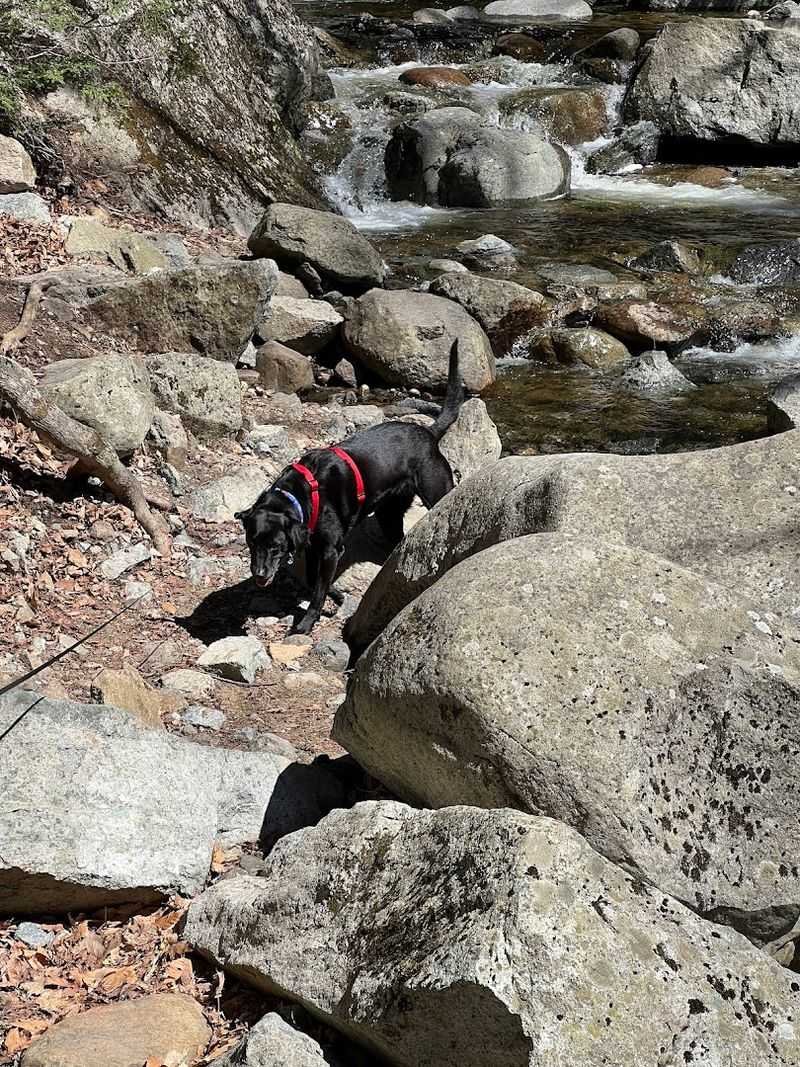
One of the most appealing qualities of Roaring Brook Falls is how broadly accessible it is as a destination. The trail to the base is largely flat and well-maintained, making it a comfortable outing for families with young children, older adults, and those who prefer a gentler outdoor experience.
The short distance from the parking area means that even visitors with limited mobility can reach a satisfying viewpoint without significant exertion.
The trail to the top involves a steeper climb with rocky footing, but it remains manageable for anyone in reasonable health who wears appropriate shoes.
Children as young as six and eight years old have completed the upper trail without trouble, and the sense of accomplishment at the summit adds to the overall enjoyment of the outing.
Parents often note that the experience holds their children’s attention from start to finish.
Entry to the falls is completely free of charge, which removes one of the most common barriers to outdoor recreation. The parking area is small, so arriving early during peak summer weekends is a practical strategy.
A handicapped parking spot is available near the trailhead. For a destination that asks so little in return for so much, Roaring Brook Falls stands out as one of the most generous natural attractions in the entire Adirondack region.
The Best Times To Visit And What To Expect Each Season
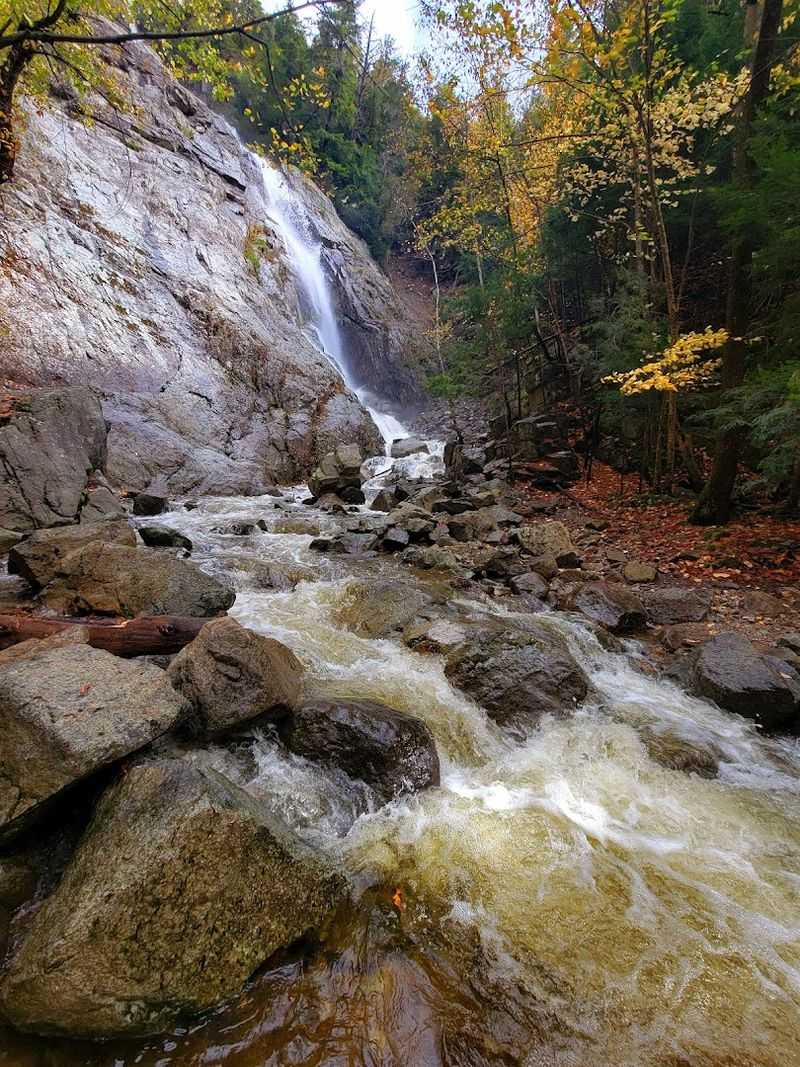
Roaring Brook Falls rewards visitors across multiple seasons, though the character of the experience shifts meaningfully depending on when you arrive.
Spring brings the highest water volume, fed by snowmelt from the surrounding peaks, and the falls roar with an intensity during that period that justifies the name completely.
The forest floor is soft and green, and the air carries a freshness that feels genuinely restorative after a long winter.
Summer visits offer warm temperatures and longer daylight hours, making it easy to combine the falls with other activities in the Keene Valley area. The canopy provides shade along most of the trail, keeping the hike comfortable even on sunny days.
Midweek visits during summer tend to be quieter, giving you more room to linger at the base or top without a crowd.
Autumn transforms the setting entirely. The surrounding hardwood forest shifts through yellow, orange, and deep red as the season progresses, and the contrast between the white cascade and the colored foliage produces some of the most visually striking scenes in the region.
Winter visits are less common but not unheard of, as the partially frozen falls take on an entirely different and equally compelling appearance. Each season offers a genuinely distinct version of the same remarkable place.
Why Roaring Brook Falls Belongs On Your Adirondack Itinerary
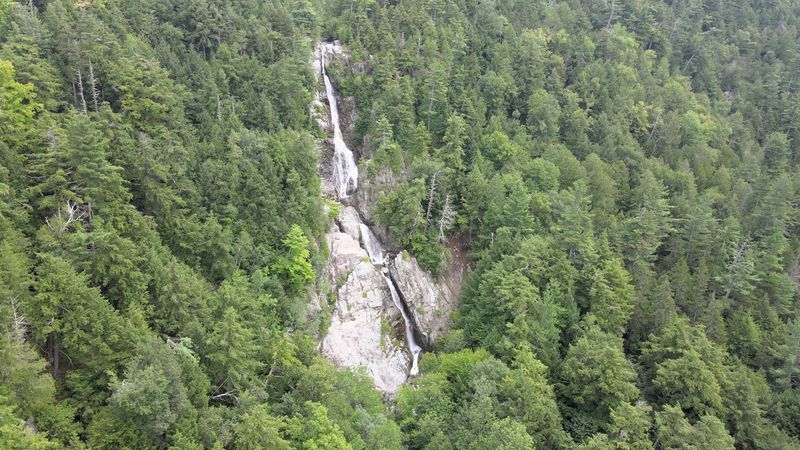
The Adirondack Mountains contain no shortage of compelling destinations, but Roaring Brook Falls occupies a particular category of its own.
It delivers the kind of natural spectacle that typically requires a full day of strenuous hiking, yet it sits within easy reach of the trailhead and asks for only a modest investment of time and energy.
That combination is genuinely rare in a region full of demanding terrain.
The falls also serve as a natural gateway to the broader Giant Mountain trail system, which means that more ambitious hikers can use a visit here as a warm-up before tackling longer routes in the area.
For those content to keep the outing brief, the falls stand entirely on their own as a complete and satisfying experience.
There is no need to press further unless the mood calls for it.
Returning visitors describe a consistent quality to the experience, noting that the falls hold up across multiple trips and different conditions. That kind of durability is a mark of a destination with genuine character rather than novelty.
Roaring Brook Falls does not rely on surrounding amenities or infrastructure to justify the visit. The waterfall itself is the attraction, and it is more than sufficient to make any trip to the Adirondacks feel complete and worthwhile.