
This Old-School Tennessee Attraction Is One Of Those Places That Lands On A Bucket List
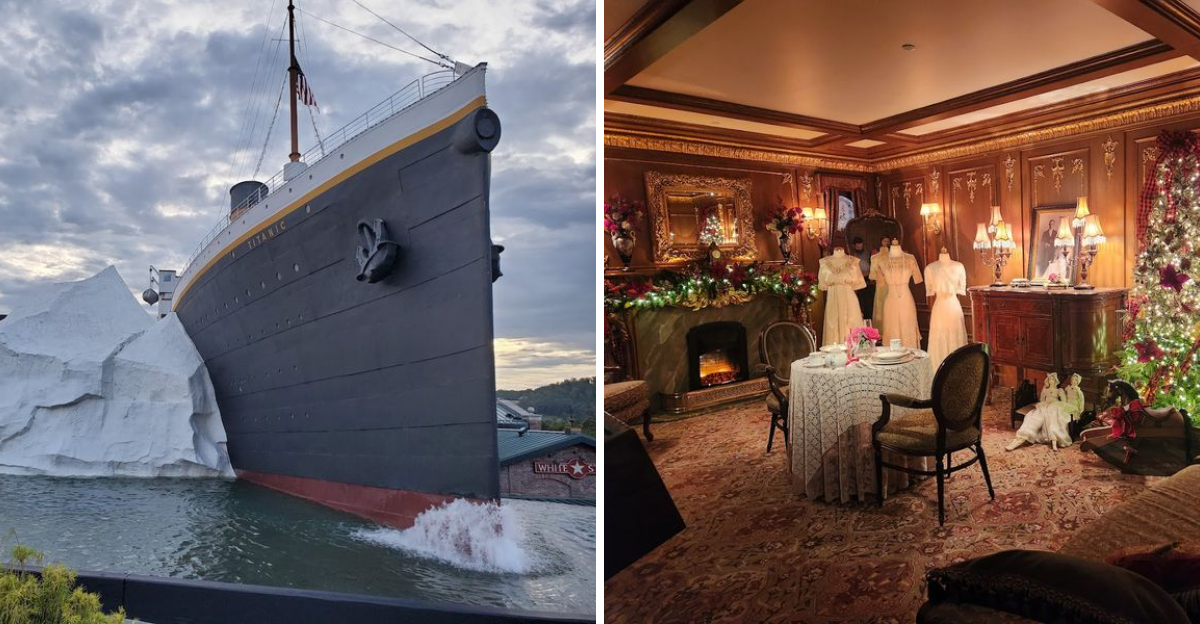
A towering attraction in Tennessee has a way of stopping people mid-stride. Drivers slow down, cameras come out, and curiosity quickly takes over.
At first glance it feels bold, dramatic, and slightly unexpected for the Smoky Mountains. Then the real experience begins.
Visitors move through carefully designed exhibits filled with personal stories, historic details, and moments that spark genuine emotion. It is fascinating, immersive, and surprisingly powerful.
Many arrive thinking it will be a quick stop during a Tennessee vacation. An hour later, they realize they have wandered into one of those rare places people remember for years.
A Building That Looks Like The Real Thing
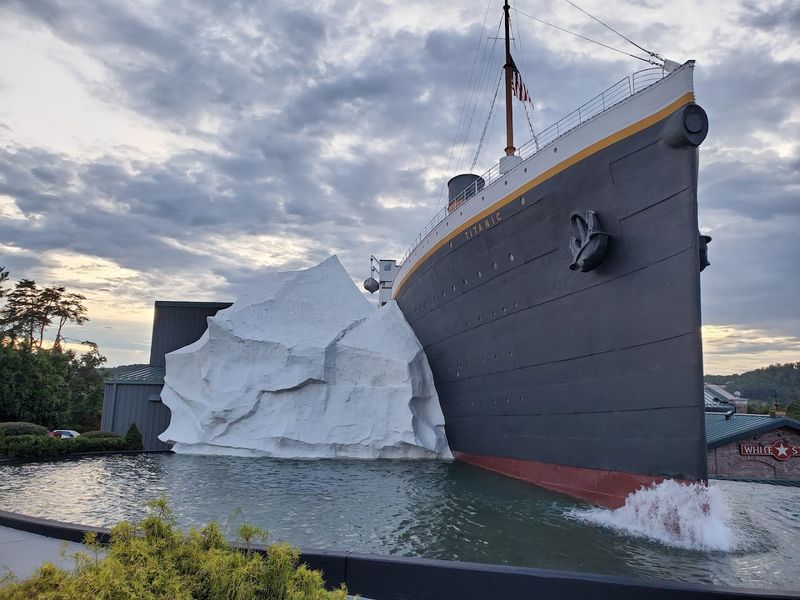
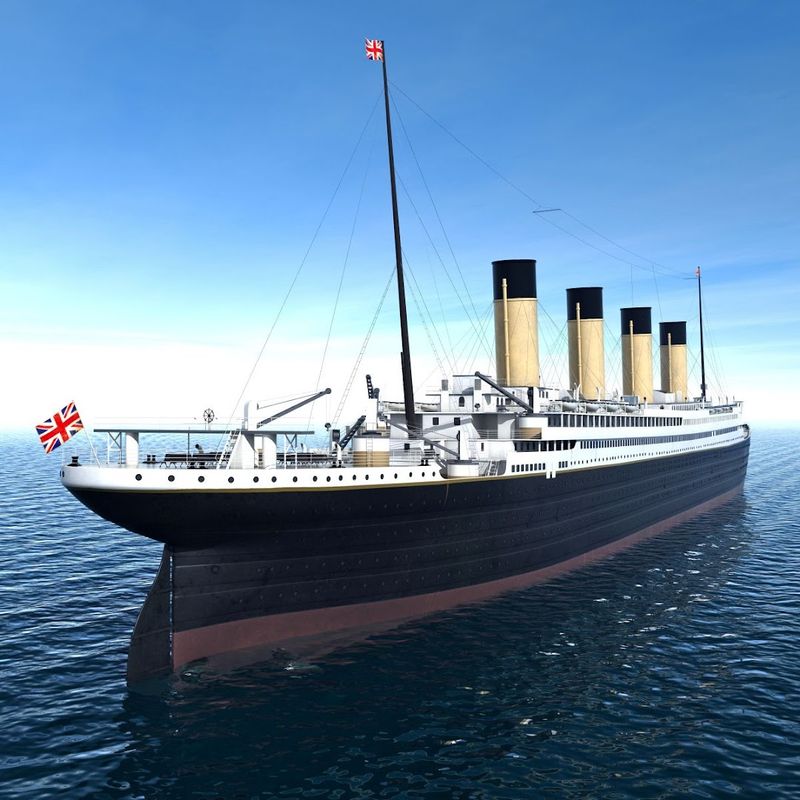
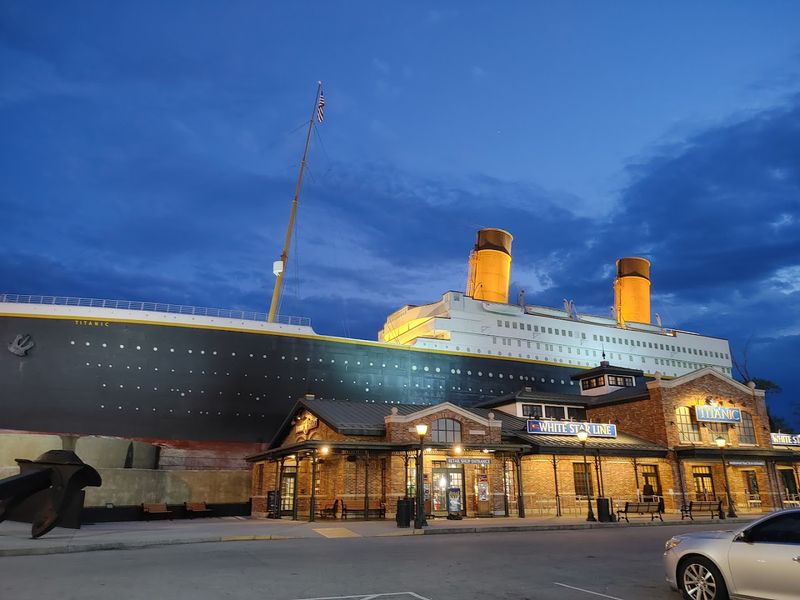
Before you even buy a ticket, the building itself delivers a moment worth remembering. It’s constructed in the shape of the RMS Titanic, and the effect is genuinely striking.
Standing in the parking lot and looking up at the bow of that half-ship silhouette is the kind of experience that sets the tone before you say a word.
The architecture is not a rough approximation. Considerable attention was paid to proportions, hull coloring, and the overall visual impression of the original ship.
Visitors often pause for photographs before even approaching the entrance, and that reaction makes complete sense.
What the building accomplishes is rare in the world of themed attractions. It signals respect for the subject matter.
You are not walking into a carnival sideshow. You are approaching something designed with seriousness and care, and the exterior communicates that clearly from the moment you arrive on the property.
The Boarding Pass Tradition That Makes History Personal
Upon entering, every visitor receives a boarding pass bearing the name, age, and background of a real person who sailed on the Titanic. This single detail transforms the entire experience from observation into something far more personal.
Suddenly, the history belongs to you in a way that no textbook ever quite manages.
Throughout the galleries, you may encounter additional information about your assigned passenger. Some were first-class travelers.
Others sailed in third class with everything they owned packed into a single trunk. The contrast is handled with dignity and honesty.
At the end of the tour, a memorial wall lists the names of survivors and those who perished. Finding your passenger’s name there carries genuine emotional weight.
Multiple visitors have described that moment as one of the most quietly powerful things they have experienced at any museum anywhere. It is a simple idea executed with profound effectiveness, and it is the kind of thoughtful detail that separates a good museum from an unforgettable one.
Over 400 Authentic Artifacts Recovered From The Ocean Floor
Many Titanic exhibits around the world rely heavily on reproductions and scale models. This one does not.
The Titanic Museum Attraction at 2134 Parkway in Pigeon Forge houses more than 400 genuine artifacts recovered from the wreck site, and that number puts it among the most significant Titanic collections accessible to the public.
Among the items on display are a carpet square from the ship’s interior, a fragment of wood from the staircase railing, a playing card, and a waiter’s order pad. These are not glamorous objects.
They are ordinary things that once belonged to ordinary people, and that ordinariness makes them deeply affecting.
Some artifacts carry appraised values that surprise visitors considerably. Reading the descriptions posted beside each piece adds context that enriches the viewing experience.
The collection was assembled with curatorial seriousness, and the presentation inside the museum reflects that. Each item is positioned to invite reflection rather than simply to impress.
For anyone with even a passing interest in maritime history, this collection alone justifies the trip to Pigeon Forge.
The Grand Staircase Replica That Stops Everyone In Their Tracks
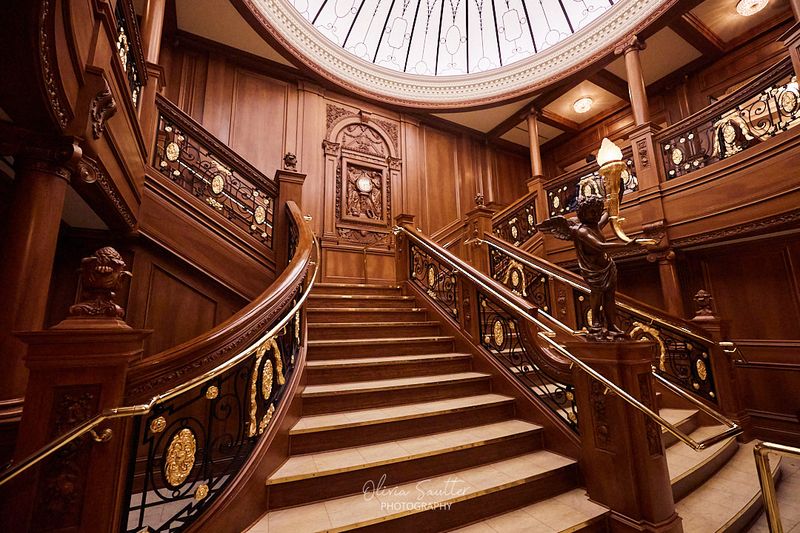
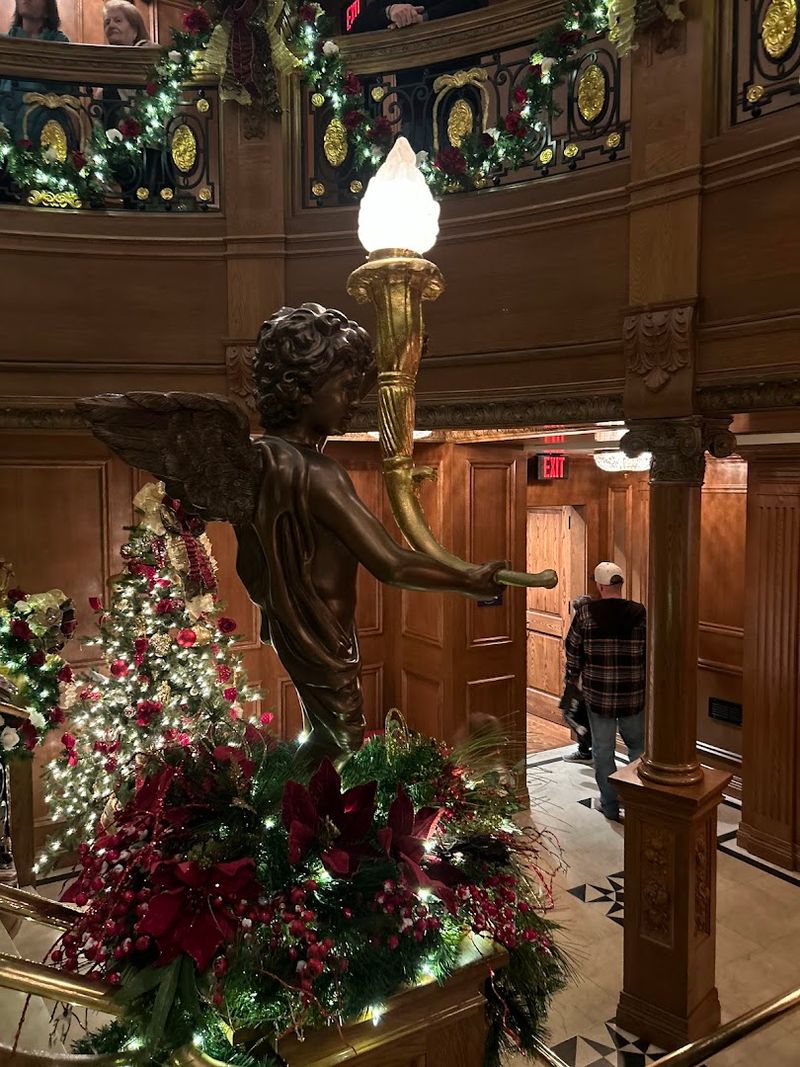
Few moments inside the museum produce the same collective pause as the first view of the Grand Staircase replica. It rises through the interior with the kind of craftsmanship that demands a second look.
The woodwork, the ironwork details, and the proportions all reflect serious research and skilled execution.
Visitors familiar with the 1997 James Cameron film will recognize the setting immediately, though the museum takes care to ground the staircase in historical documentation rather than cinematic memory. The original first-class staircase was one of the most celebrated features of the ship, and seeing it reconstructed at full scale gives a tangible sense of the vessel’s ambition and grandeur.
Photography here is practically mandatory. Families, couples, and solo travelers all stop to capture the moment.
Beyond its visual impact, the staircase also serves as a reminder of the social world aboard the Titanic, one where elegance and inequality existed in close proximity. The museum handles that complexity with appropriate care throughout, and the staircase section is no exception.
Feeling 28-Degree Water With Your Own Hand
There is an interactive station inside the museum where visitors can place their hand into water chilled to 28 degrees Fahrenheit, the approximate temperature of the North Atlantic on the night the Titanic sank. The reaction is always immediate and visceral.
A few seconds in that water communicates something that hours of reading simply cannot.
Survivors described the cold as unbearable within minutes. Those who ended up in the water without lifejackets had almost no time at all.
Experiencing even a fraction of that sensation, safely and briefly, produces a shift in understanding that stays with visitors long after they leave the building.
The exhibit is positioned near the section of the museum that covers the sinking itself, so the emotional context is already established when you reach it. Children and adults alike respond strongly.
More than a few visitors have described that moment as the point where the historical tragedy stopped feeling like something distant and became something real. That is exactly what good museum design is supposed to accomplish.
Two Audio Tour Options Designed For Different Ages
One feature that consistently earns praise from families is the availability of two separate audio tours. There is a version designed for adults and a distinct version created for younger visitors.
Both deepen the experience considerably beyond what the exhibit placards alone can offer.
The adult tour provides historical context, passenger accounts, and engineering detail that rewards curious minds. The children’s version approaches the same material with age-appropriate language and storytelling that keeps younger visitors engaged rather than overwhelmed.
Having both options available in the same space is a genuinely thoughtful provision.
Visitors who have attended multiple Titanic exhibits elsewhere often note that this museum’s audio content stands apart in terms of depth and quality. The narration feels researched rather than rushed, and it fills in details that make the physical exhibits more meaningful.
Plan to spend at least two hours if you intend to use the audio tour properly. Trying to move quickly through this museum is a mistake, and the audio pacing gently discourages that impulse in the best possible way.
The Ship’s Bridge And The Iceberg Encounter Exhibit
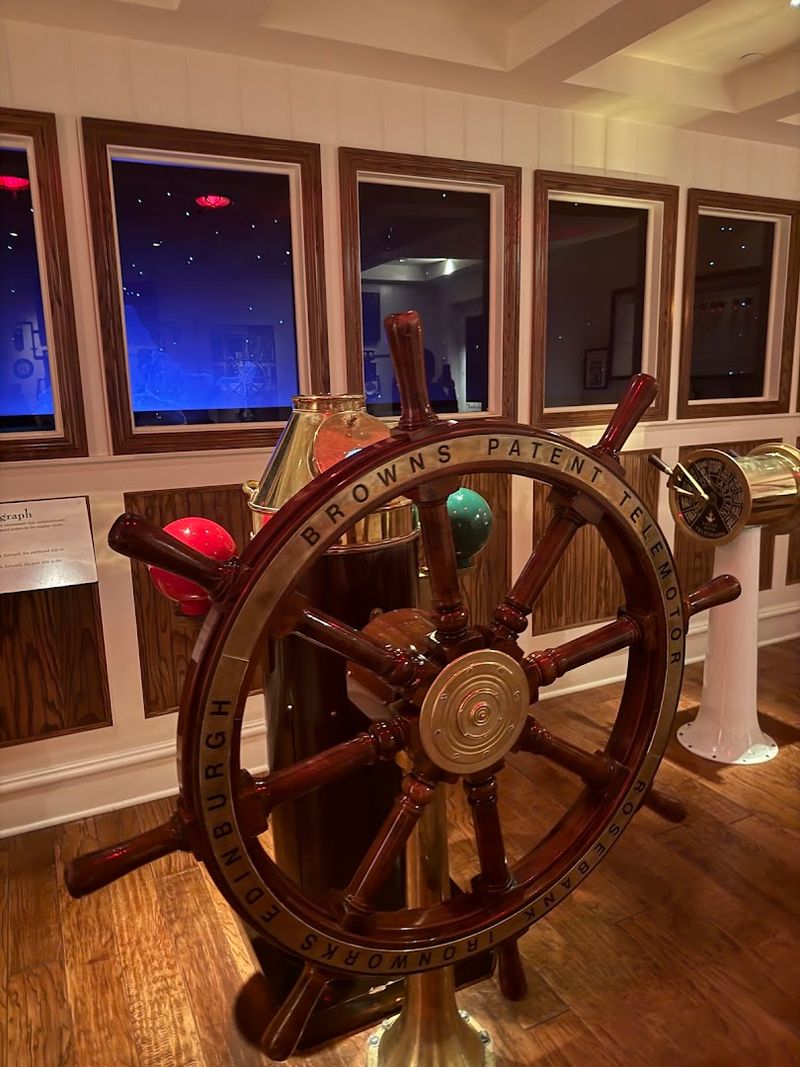
Among the most talked-about exhibits in the museum is the recreation of the ship’s bridge at the moment of the iceberg encounter. The room is darkened, the iceberg appears ahead in the distance, and the atmosphere shifts in a way that is genuinely unsettling in the most educational sense possible.
Standing in that space, even briefly, conveys the disorientation and limited visibility that the crew faced on the night of April 14, 1912. The exhibit does not dramatize for shock value.
It reconstructs the conditions with enough accuracy to make the sequence of events feel logical and tragic rather than simply dramatic.
Adjacent to this area, visitors can also experience the sensation of the deck tilting at various angles to simulate the stages of the ship’s sinking. These physical details add a layer of comprehension that purely visual exhibits cannot replicate.
Reviewers frequently describe the bridge section as one of the most immersive moments in the entire tour, and the museum clearly invested significant thought into making it work on multiple levels simultaneously.
First Class Versus Third Class: A Study In Contrast
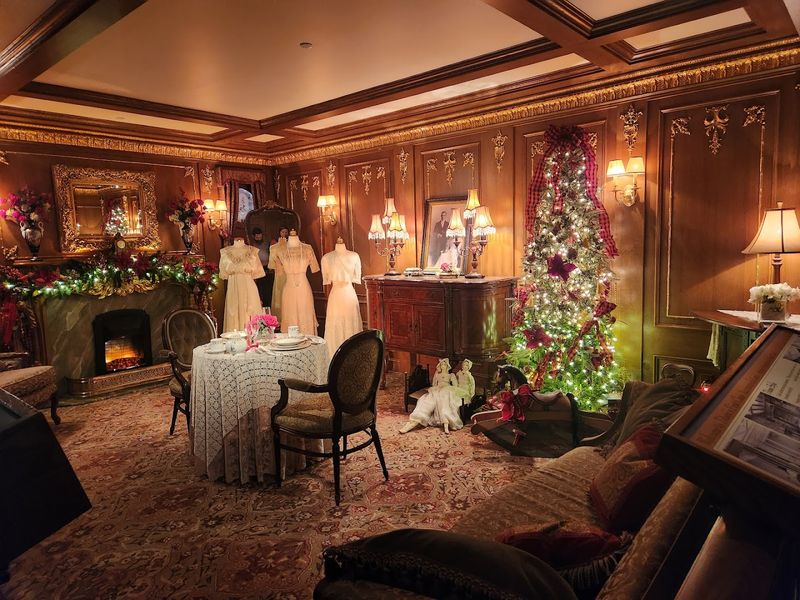
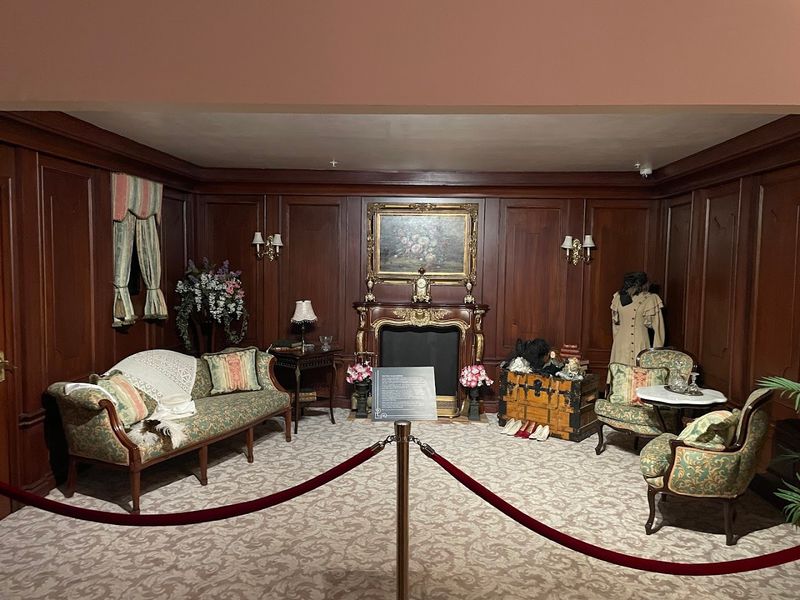
One of the more quietly powerful aspects of the museum’s layout is the way it moves visitors through different social worlds aboard the same ship. The first-class sections are presented with their original grandeur intact, polished wood, fine linens, and the kind of detail that speaks to extraordinary wealth.
The third-class areas tell a very different story.
The contrast is handled without editorial heavy-handedness. The museum trusts visitors to draw their own conclusions from what they observe.
Seeing the piano in the first-class lounge and then walking through the modest third-class quarters a few minutes later produces a shift in perspective that lingers.
Several visitors have noted their surprise at how much information the museum provides about the animals aboard the Titanic as well, a detail that rarely appears in popular accounts of the disaster. The breadth of the storytelling reflects genuine curatorial ambition.
The museum does not limit itself to the famous names and famous moments. It reaches into the smaller, quieter corners of the voyage and finds material worth sharing at every turn.
Staff In Period Costume Who Actually Know Their History
From the entrance onward, staff members dressed in period-appropriate clothing greet visitors and answer questions throughout the self-guided tour. The costumed presentation is not merely decorative.
The staff are genuinely knowledgeable and prepared to discuss the ship’s history, the passengers, and the artifacts with real depth.
Multiple reviewers have singled out individual staff members for particular praise, noting that their enthusiasm for the subject matter is evident and contagious. A museum’s human element often determines whether a visit feels routine or remarkable, and the team here consistently tips the experience toward the latter.
The welcome photograph offered at the entrance, with staff posing alongside visitors before the tour begins, has become a popular tradition. It is a small touch, but it establishes warmth before anyone has seen a single exhibit.
For families visiting Pigeon Forge, this kind of attentive hospitality matters. Children who might otherwise lose interest quickly tend to stay engaged when the adults around them are clearly passionate about what they are sharing.
The staff here understand their role in the overall experience and fulfill it with visible care.
Practical Tips For Getting The Most Out Of Your Visit
Arriving early at the Titanic Museum Attraction, located at 2134 Parkway in Pigeon Forge, is consistently the most useful advice offered by repeat visitors. The museum opens at 9 AM daily, and the first hour tends to be significantly less crowded than the midday period.
Purchasing tickets in advance online is also strongly recommended, as availability can shift unpredictably, especially during peak travel seasons.
Budget a minimum of ninety minutes for the tour, and two full hours if you plan to use the audio guide and engage with the interactive exhibits properly. Trying to compress the experience into less time means missing material that rewards attention.
The gift shop and ice cream parlor near the exit are worth factoring into your schedule as well.
Coupon booklets distributed throughout Pigeon Forge sometimes offer reduced admission rates, so keeping an eye out for those before you arrive can save a few dollars. The museum’s phone number is +1 865-868-1197, and the official website at titanicattraction.com carries current pricing and scheduling information.
For anyone visiting the Smoky Mountains region, this attraction belongs near the top of the list without qualification.