
Step Inside President Theodore Roosevelt’s New York Home Where History Feels Surprisingly Personal
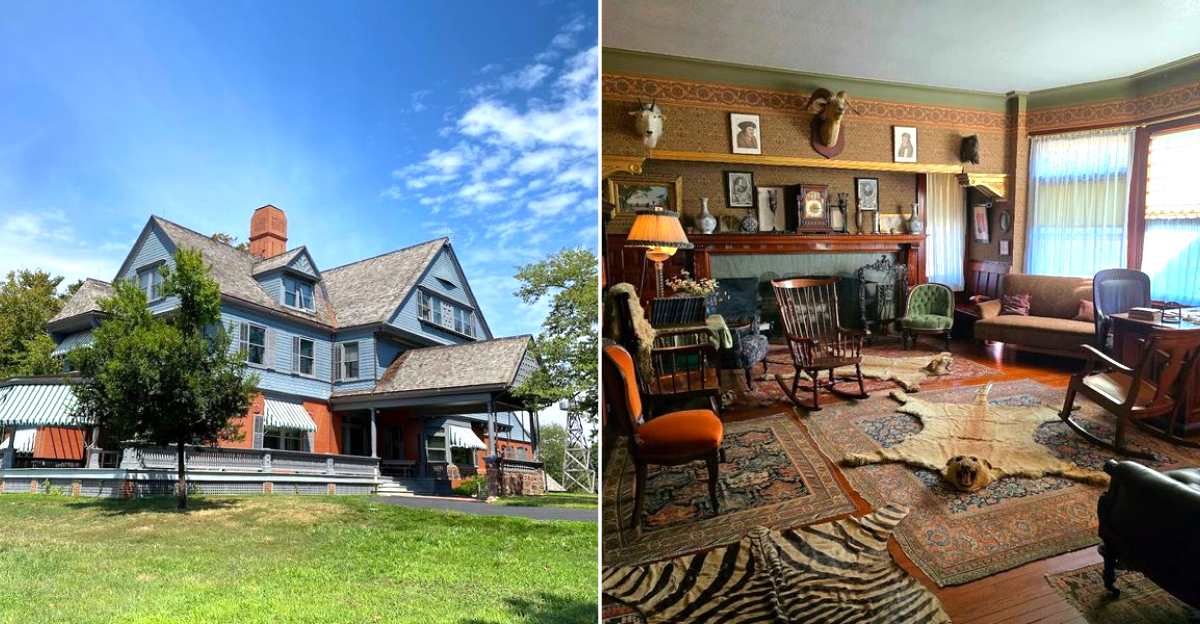
History often feels distant when it lives only in textbooks, but stepping inside President Theodore Roosevelt’s New York home brings the past much closer.
The rooms, furnishings, and personal details create an atmosphere that feels surprisingly intimate, offering a glimpse into the everyday life of one of America’s most memorable leaders.
As you move through the house, it becomes easy to imagine the conversations, decisions, and moments that once unfolded within these walls. Photographs, artifacts, and carefully preserved spaces help tell the story of Roosevelt not just as a president, but as a person with passions, routines, and a family life.
The experience turns history into something vivid and tangible, making the visit feel far more personal than you might expect.
A Home That Holds More Character Than Any Textbook
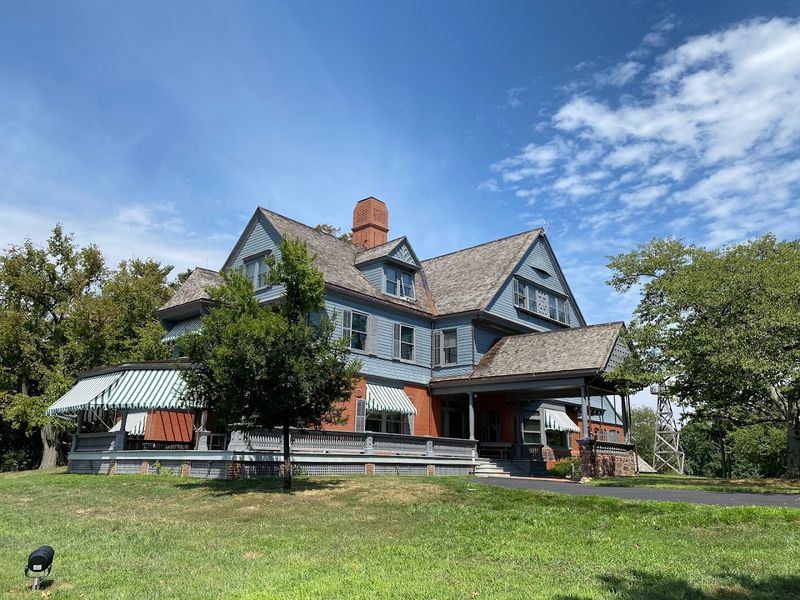
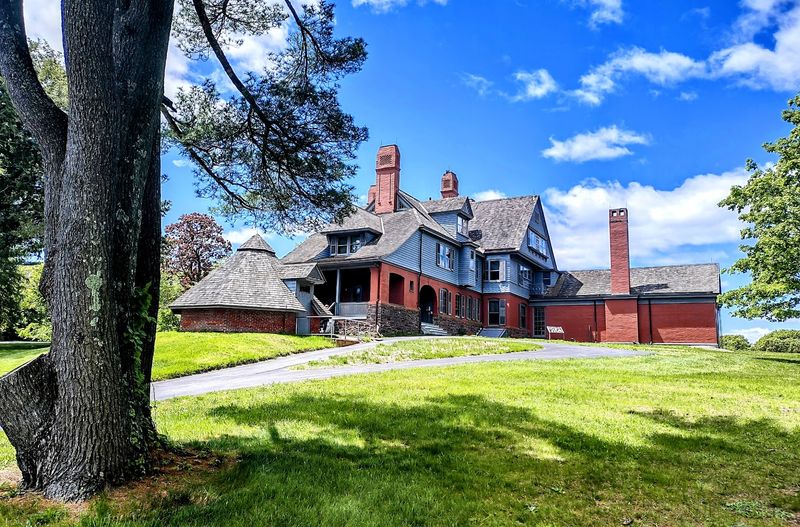
There is something quietly remarkable about a historic house that feels lived-in rather than preserved under glass. It carries that quality from the moment you catch your first view of it through the trees.
Built between 1884 and 1885, the house was designed to reflect the personality of a man who collected everything from buffalo heads to foreign diplomatic gifts, and the architecture matches that energy perfectly.
The Queen Anne style structure with its wide covered porch and multi-gabled roofline sits comfortably on a hill overlooking Cold Spring Harbor. It does not announce itself with grandeur or try to impress through scale alone.
Instead, the house communicates something more honest: this was a working home where children played, books were read by lamplight, and decisions of national consequence were made between family dinners.
Roosevelt purchased the land in 1880 and named the hill after a local Sagamore, a term for an Algonquin leader. That choice alone says something about the man.
The house at 20 Sagamore Hill Rd, Oyster Bay, NY 11771 is managed today by the National Park Service and remains one of the most thoughtfully preserved presidential homes in the country.
The North Room And What It Reveals About Roosevelt The Man
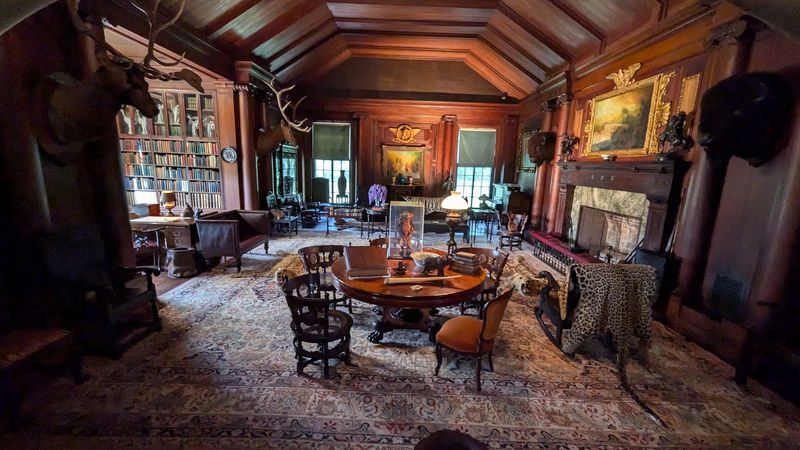
No room at Sagamore Hill speaks louder than the North Room, a large addition built in 1905 specifically to serve as a space for entertaining guests and conducting presidential business. Walk through its doorway and the first thing you notice is the sheer volume of objects filling the space.
Mounted animal heads line the walls, flags hang near the ceiling, and carved wooden furniture anchors the room with a sense of deliberate purpose.
Roosevelt commissioned this room after his first term as president, recognizing that Sagamore Hill needed a space worthy of receiving foreign diplomats, senators, and heads of state. The room is not a trophy hall in the boastful sense.
Each object tells a story of travel, diplomacy, or personal achievement, and the arrangement feels more like a curated autobiography than a display of wealth.
Among the most fascinating details are the gifts from foreign governments, including carved pieces from Japan and ceremonial objects from Africa. The inkwell reportedly made from an animal hoof sits on the desk as an unusual but telling artifact.
Standing in the North Room, you get the clearest sense of how Roosevelt understood his own life as a continuous, wide-ranging adventure that never really stopped.
Sagamore Hill As The Summer White House
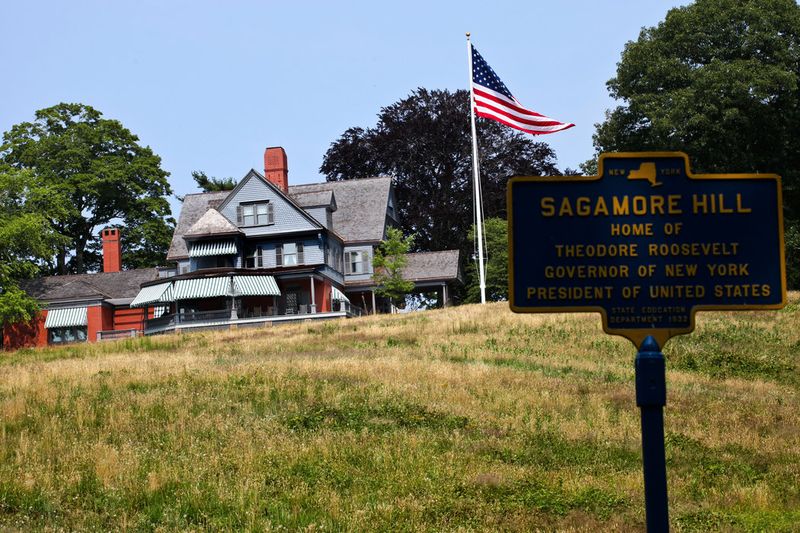
During his presidency from 1901 to 1909, Roosevelt conducted a significant amount of official government business from Sagamore Hill rather than Washington.
The press corps would gather in Oyster Bay each summer, foreign dignitaries made the trip to Long Island, and cabinet members traveled to Cove Neck for meetings.
The estate earned its nickname, the Summer White House, through genuine use rather than honorary title.
One of the more striking facts about this arrangement is how naturally it worked. Roosevelt believed deeply in the value of being close to nature, and running the country from a working family home on 83 acres aligned perfectly with his philosophy.
The estate allowed him to take midday walks with his children, swim in the harbor, and still sign legislation before dinner.
Visiting the grounds today, it is easy to understand the appeal. The property stretches across meadows, wooded trails, and salt marsh, all leading eventually to a beach on Cold Spring Harbor.
The combination of natural beauty and historical weight makes Sagamore Hill feel genuinely different from other presidential sites. History happened here, but so did ordinary life, and both layers remain clearly visible to anyone who takes the time to look.
The Guided House Tour And Why You Should Book Early
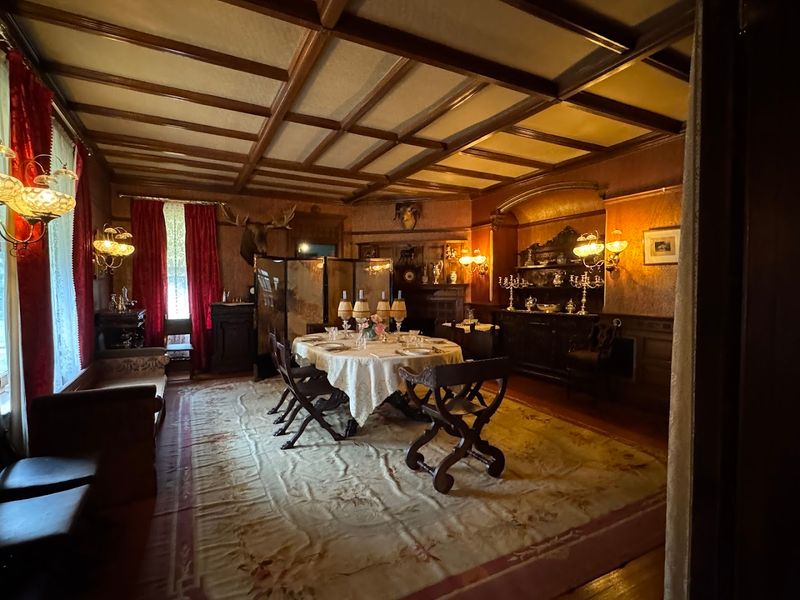
Getting inside the house requires a guided tour, and the National Park Service limits the number of visitors per session for good reason. The rooms are original, the furniture is authentic, and the experience depends on keeping group sizes manageable.
Booking tickets in advance through the NPS website is strongly recommended, as tours fill up quickly, especially during spring and summer weekends.
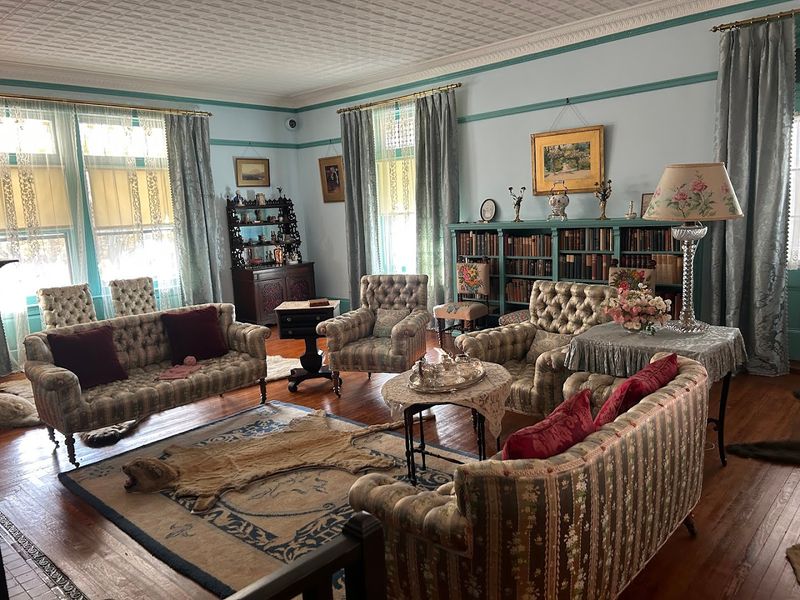
Tour guides at Sagamore Hill tend to be genuinely knowledgeable and enthusiastic about their subject. They walk visitors through the library, the dining room, the bedrooms, and Roosevelt’s personal study, offering context that transforms each object from a curiosity into a chapter of a larger story.
The library alone contains thousands of books, many with Roosevelt’s own handwritten notes in the margins, which says a great deal about how seriously he engaged with ideas.
One detail that surprises many visitors is the bedroom where Roosevelt passed away on January 6, 1919. The room is preserved as it appeared at the time and carries a quiet solemnity that no exhibit label could fully replicate.
Touring the house takes roughly 45 minutes and moves at a comfortable pace. Comfortable footwear is worth considering, and arriving a few minutes early allows you to settle in before the group begins.
Roosevelt’s Library And The Mind Behind The Presidency
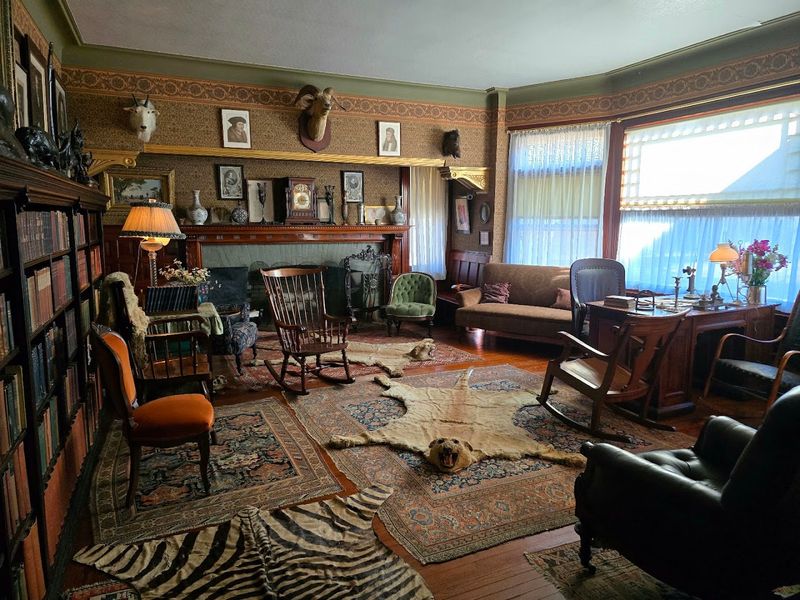
Few rooms in any historic house communicate as much about a person as a well-used personal library, and Roosevelt’s at Sagamore Hill is genuinely extraordinary. The collection numbers in the thousands and spans natural history, military strategy, poetry, political philosophy, and adventure literature.
Roosevelt was known to read at least one book per day even during his busiest periods in office, and the library reflects that appetite without apology.
The room itself is warm rather than formal, with books arranged in a way that suggests regular use rather than careful staging for visitors. Roosevelt was a prolific writer as well as a reader, having authored more than 35 books during his lifetime on subjects ranging from naval warfare to African wildlife.
The library served as his workspace and thinking space simultaneously, which explains the comfortable seating and the natural light from the windows.
For visitors with any interest in intellectual history, this room tends to linger in memory long after the tour ends. There is something grounding about standing in the space where a sitting president chose to spend his private hours reading and writing.
It reframes Roosevelt not as a distant historical figure but as someone whose habits and curiosity feel recognizable and even relatable across more than a century of distance.
The Nature Trail That Leads To Cold Spring Harbor
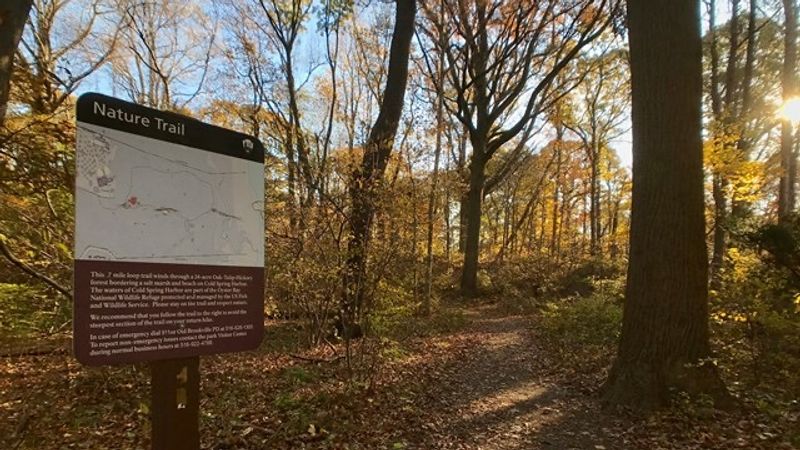
Beyond the house itself, Sagamore Hill offers a 0.7-mile loop trail that winds through a 34-acre forest of oak, tulip, and hickory trees before opening onto a salt marsh and a rocky beach on Cold Spring Harbor. The trail is accessible to most visitors and takes roughly 30 to 40 minutes at a relaxed pace.
Deer, herons, and various shorebirds are common sightings along the way, making it genuinely worthwhile for anyone who enjoys quiet outdoor walks.
Roosevelt himself used to take his children on midday walks across this same landscape, treating outdoor exploration as a natural part of family life rather than a scheduled activity. That context adds something to the experience of walking the trail today.
The forest is dense enough to feel genuinely removed from surrounding suburban Long Island, and the transition from woodland to marsh to beach happens gradually and pleasantly.
The dock at the end of the trail offers views across the harbor that have changed very little since Roosevelt’s time. Wearing sturdy shoes is a practical consideration since the path near the beach becomes rocky and the return uphill section requires a bit of effort.
Bringing water and a light snack makes the outing more comfortable, and the picnic area near the visitor center provides a good spot to rest afterward.
The Museum And What It Adds To The Full Picture
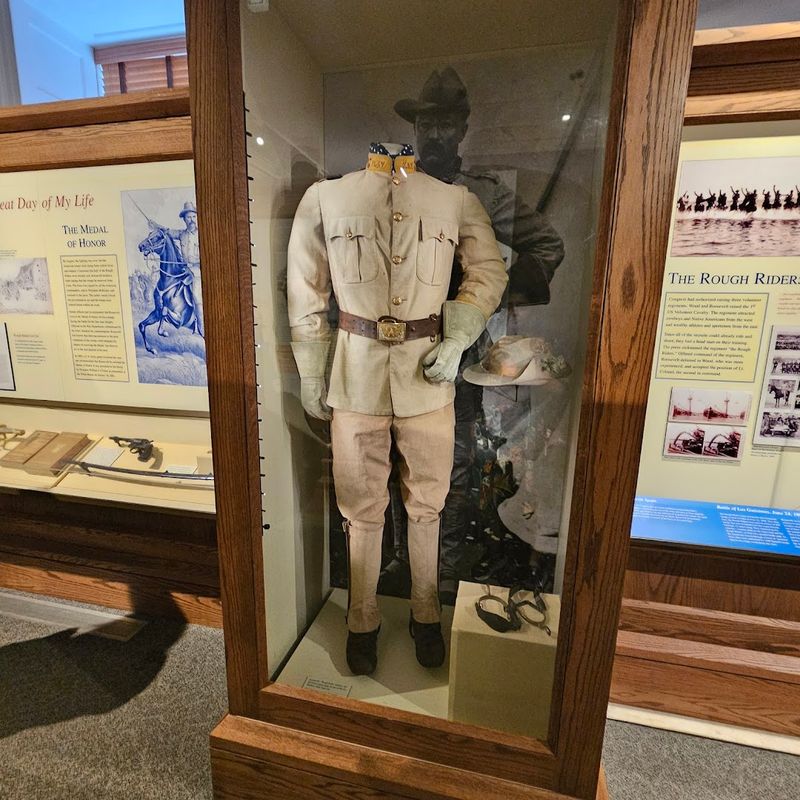
The museum at Sagamore Hill operates separately from the house tour and provides a chronological account of Roosevelt’s life from his birth in Manhattan in 1858 through his final years at the estate. Admission to the museum and grounds is free, which makes it an accessible starting point before or after the house tour.
The exhibits are organized clearly, with each section offering a summary and additional detail for visitors who want to go deeper.
Archival photographs form the backbone of the displays and are genuinely compelling.
Seeing Roosevelt as a young, sickly child in Manhattan alongside images of him on safari in Africa or negotiating the end of the Russo-Japanese conflict creates a vivid sense of how dramatically his life expanded over time.
Personal items from the family, including children’s toys and correspondence, add a domestic warmth that balances the more political exhibits.
The museum staff are approachable and clearly invested in the site’s mission. Gift shop selections include a well-curated range of books on Roosevelt, American history, and conservation, making it easy to continue the experience after leaving.
For families visiting with children, the museum provides enough visual engagement and approachable text to hold attention effectively. Plan at least 45 minutes here to move through the exhibits without feeling rushed.
Practical Tips For Planning A Visit To Sagamore Hill
Arriving prepared makes a real difference at Sagamore Hill. The grounds and museum are free to enter, but guided house tours require tickets purchased in advance through the National Park Service website at nps.gov/sahi.
Tour slots fill quickly during peak months, so booking at least a week ahead is a sound approach. Visitors who arrive without tickets may wait for cancellations, but availability is never guaranteed.
The site is open most days throughout the year, though hours vary by season and federal holiday schedules. Dogs are welcome on the grounds and trails on a leash, which makes the estate a reasonable destination for visitors traveling with pets.
The parking area is free and generally uncrowded, offering a relaxed arrival experience that sets a good tone for the visit.
Comfortable walking shoes handle the terrain well, particularly for the nature trail portion. The visitor center provides restrooms, air conditioning, and knowledgeable staff who can answer questions about the schedule and current conditions.
Sitting in one of the rocking chairs on the wide front porch of the house before or after a tour is a small but genuinely pleasant experience. The porch overlooks the lawn and harbor view, and a few quiet minutes there offer a sense of place that is difficult to manufacture anywhere else.
Why Sagamore Hill Stays With You Long After You Leave
Some historic sites feel like obligations, places you visit because they appear on every recommended list rather than because they genuinely move you. Sagamore Hill does not belong to that category.
The combination of an authentic, well-preserved home, knowledgeable guides, accessible outdoor spaces, and a subject as genuinely interesting as Theodore Roosevelt creates an experience that holds up well in memory.
What makes the estate particularly effective is the layering of public and private life. Roosevelt the president is present throughout, but so is Roosevelt the father, the reader, the naturalist, and the neighbor.
The house was never designed to impress visitors. It was designed to be lived in, and that intention still comes through clearly in every room and corner of the property.
Visiting with children tends to produce especially strong reactions since the estate offers enough variety to engage different interests simultaneously. History, nature, architecture, and open space all coexist within the same 83 acres.
For adults, the experience often prompts reflection on how public figures actually lived outside the formal record. Sagamore Hill answers that question with unusual honesty and detail, leaving most visitors with a clearer, more human understanding of one of America’s most energetic and complicated presidents.