
This Laid-Back Town In New York Is Ideal For Slowing Down And Starting Over In 2026
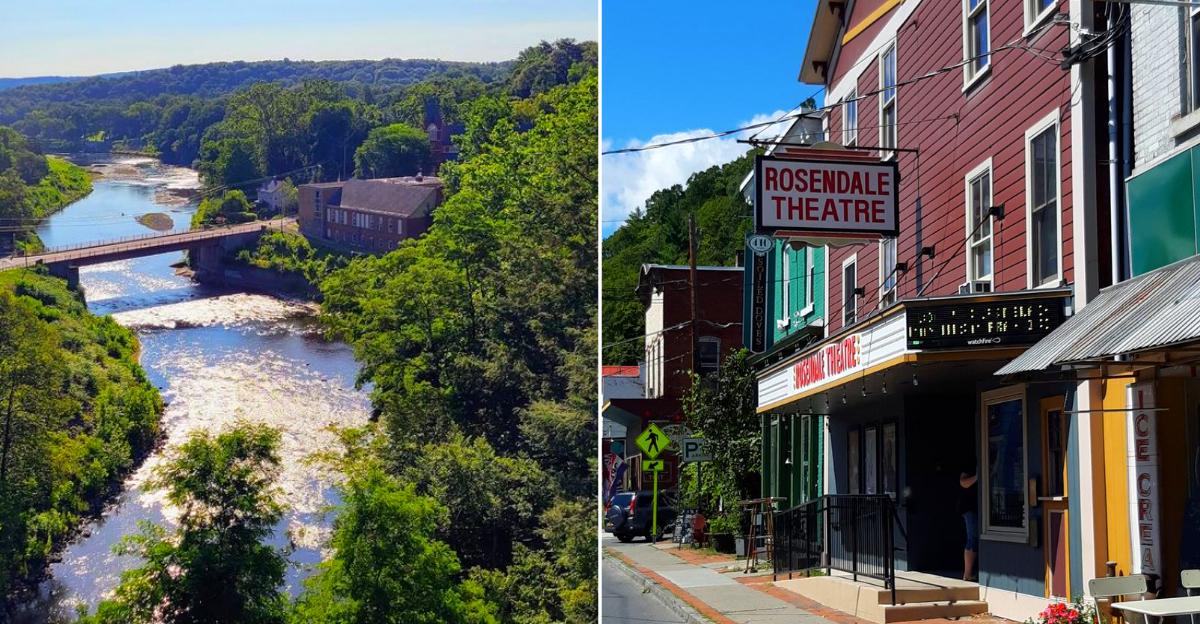
Life moves quickly in many parts of New York, but a few places still offer the kind of calm that makes you want to pause and breathe a little deeper.
In this laid-back town, quiet streets, welcoming neighbors, and beautiful surroundings create an atmosphere that feels refreshingly unhurried. It is the sort of place where mornings begin with a slow cup of coffee and evenings end with peaceful walks through town.
People searching for a fresh start are increasingly drawn to places like this. The pace is gentler, the community feels close-knit, and everyday life comes with far less stress than the big-city rush.
In 2026, this New York town stands out as a place where slowing down is not just possible, it is part of the charm.
A Town That Feels Like A Well-Kept Secret Worth Discovering
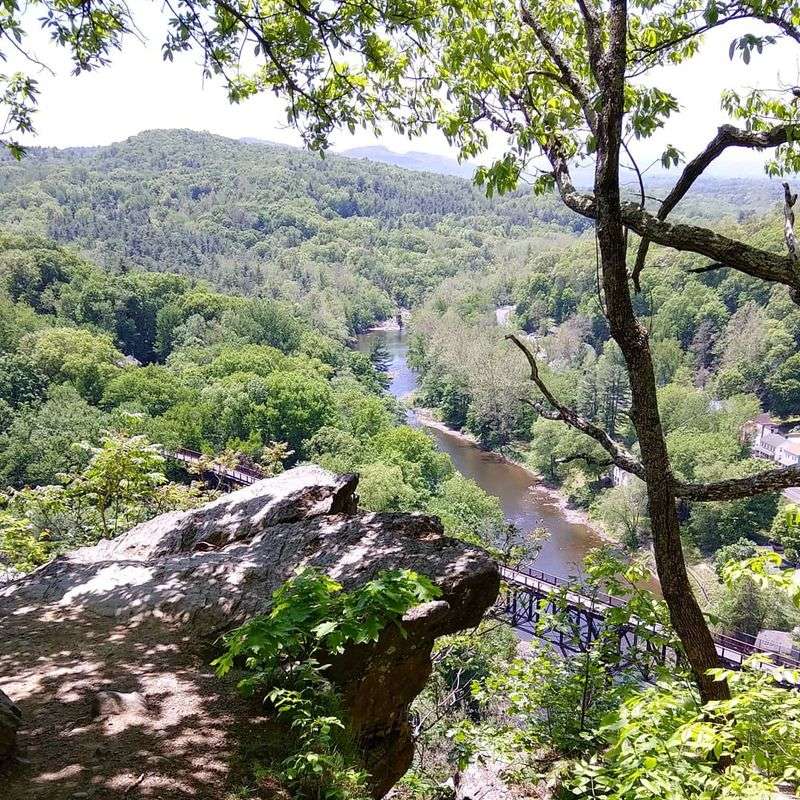
Not every place announces itself with fanfare, and that restraint is often the truest sign of confidence. Rosendale does not try to impress you on arrival.
It simply exists, steadily and without apology, in a landscape of limestone ridges, open meadows, and the quiet movement of Rondout Creek running alongside its edges.
The town sits in the center of Ulster County, positioned between the Shawangunk Mountains and the Hudson Valley corridor, giving it a geography that feels both sheltered and expansive at once. Farms dot the surrounding countryside, and the tree canopy along the back roads turns into something genuinely spectacular come October.
What makes Rosendale stand out among the many small towns scattered across upstate New York is not one defining attraction but rather the cumulative effect of its atmosphere. The air feels lighter here.
Neighbors actually wave. The pace of a Tuesday afternoon resembles what most places reserve for a lazy Sunday.
For anyone carrying the weight of an overscheduled life, that particular quality is not a small thing at all.
Rosendale New York And The Story Behind Its Quiet Character
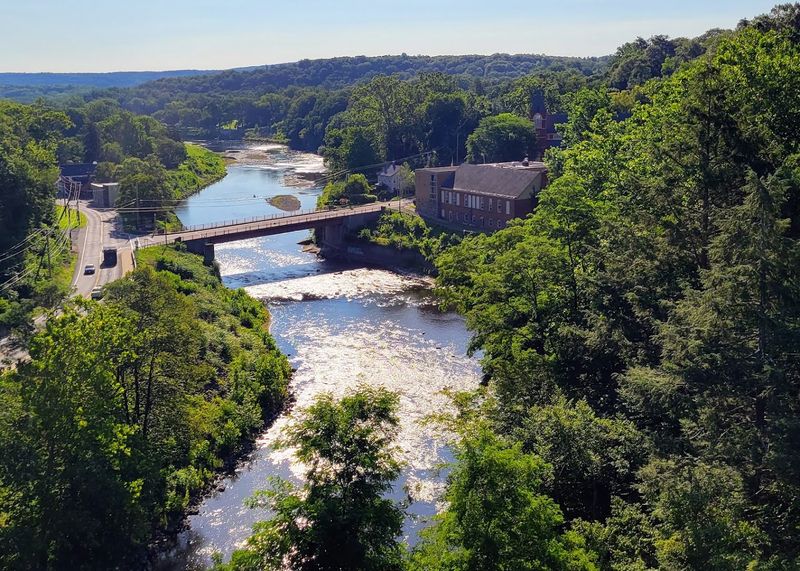
Rosendale, NY sits at coordinates that place it squarely between the natural drama of the Catskills and the cultural energy of the Hudson Valley, making it an unusually well-positioned town for people who want access to both without living inside either.
The town itself was once a thriving industrial center, built on the back of natural cement mining during the 19th century.
Rosendale cement was used in the construction of the base of the Statue of Liberty and the Brooklyn Bridge, which is a detail that tends to genuinely surprise first-time visitors.
The village of Rosendale was dissolved by a community vote in 1977, and the town has carried a certain independent, unincorporated spirit ever since. Main Street still functions as a social and commercial hub, lined with the kind of businesses that reflect real community needs rather than tourist convenience.
Artists, writers, farmers, and longtime locals share the same roads and coffee counters here, creating a social texture that feels organic rather than curated. The result is a town with genuine personality, one that rewards patience and curiosity in equal measure.
The Rondout Creek And The Outdoor Life It Makes Possible
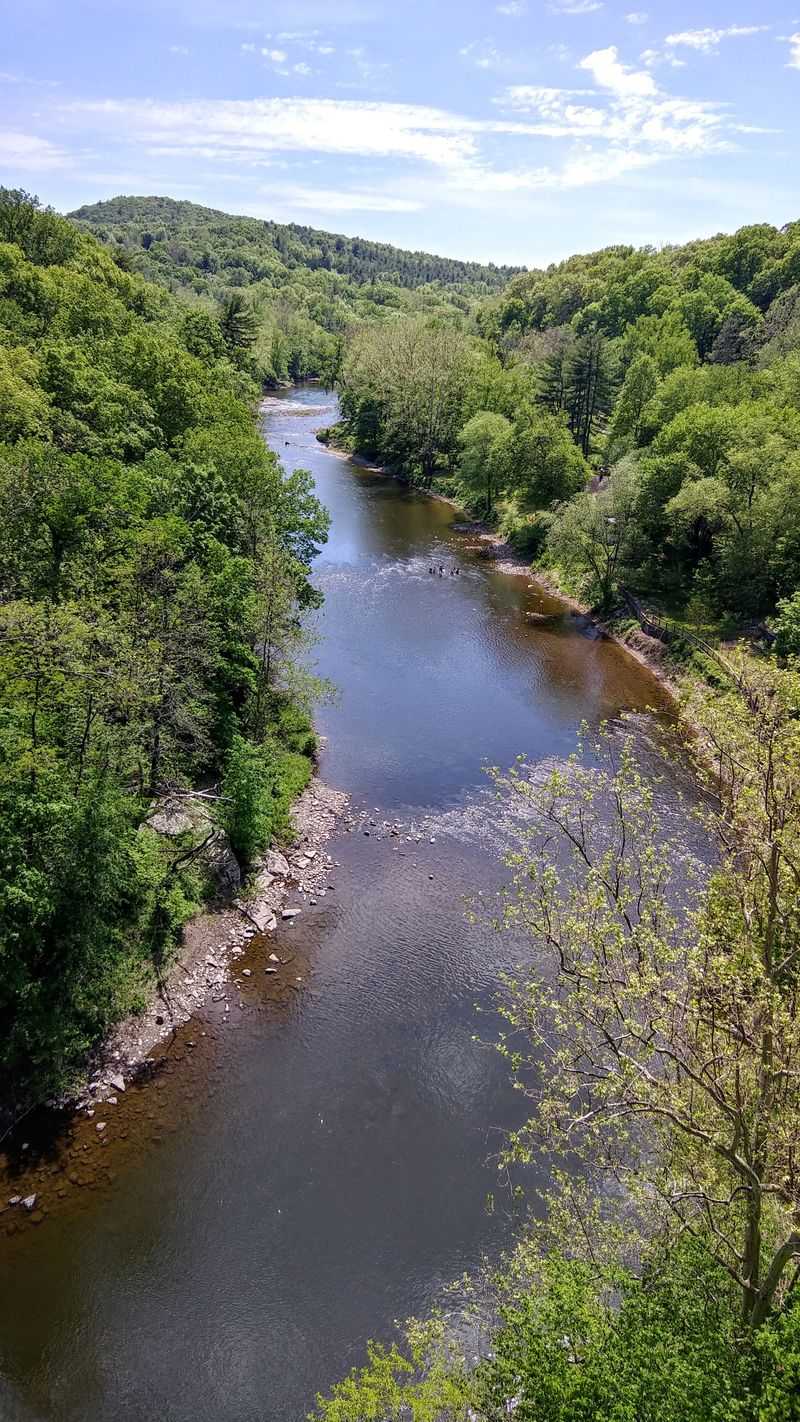
Water has a way of organizing a town’s identity, and in Rosendale the Rondout Creek does exactly that.
The creek runs along the edge of town with an easy confidence, offering flat water for kayaking and canoeing, shaded banks for afternoon walks, and the kind of ambient sound that makes everything feel slightly more manageable.
Fishing is a regular activity along its banks, and the surrounding wetlands attract a variety of bird species that keep birders occupied across all four seasons.
Great blue herons are common sightings, and the early morning light along the water has a quality that makes even reluctant early risers consider setting an alarm.
The broader landscape around Rosendale includes rail trails converted from old industrial corridors, offering flat, accessible paths through scenic terrain that connects to neighboring towns. The Wallkill Valley Rail Trail passes through the area and provides miles of walking and cycling through open countryside and forest.
Getting outside here is less of an activity and more of a default setting. People in Rosendale do not seem to need a reason to go outdoors.
They simply go, and the land obliges generously.
The Arts Scene That Punches Well Above Its Population Size
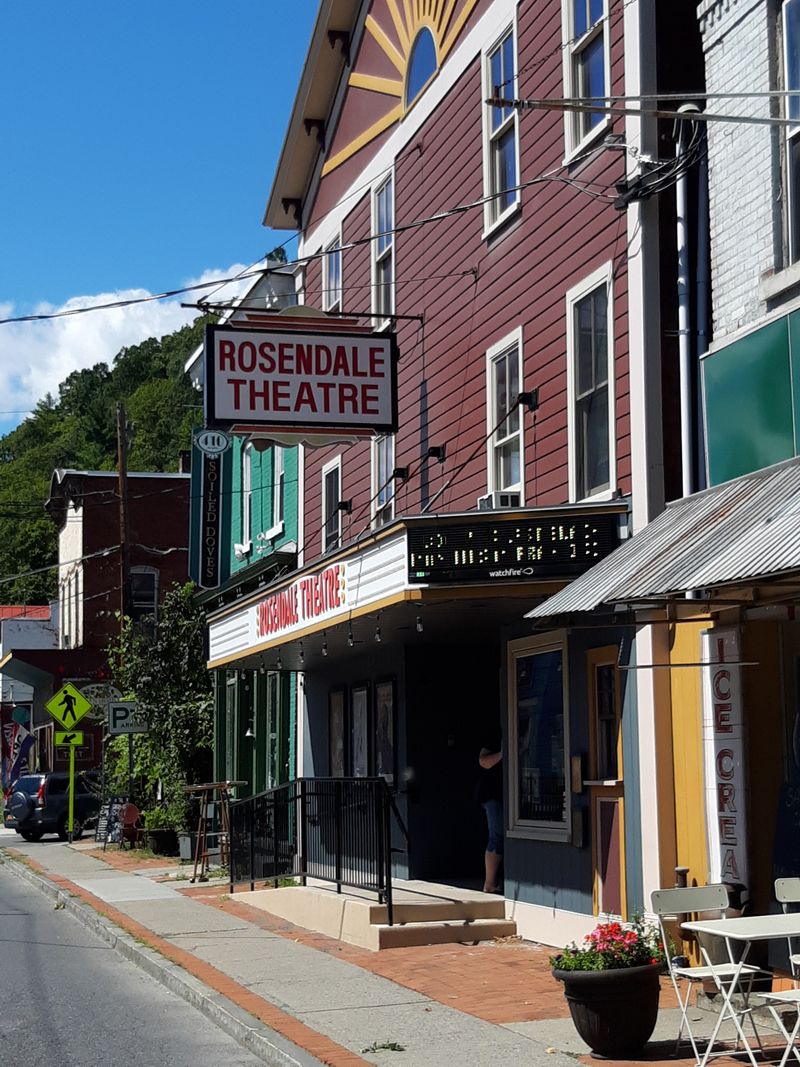
For a town with fewer than 6,000 residents, Rosendale carries a cultural weight that routinely catches newcomers off guard. The arts community here has deep roots, shaped in part by the town’s long history of attracting creative people who wanted space and affordability without complete isolation from cultural life.
The Rosendale Theatre is a beloved anchor of this scene, operating as an independent cinema and performance venue that has screened films and hosted live events for decades.
It holds the kind of community loyalty that multiplex chains can never manufacture, and its programming reflects genuine curatorial taste rather than commercial obligation.
Local galleries, open studio events, and the annual Rosendale International Pickle Festival demonstrate the town’s capacity to celebrate both high and low culture with equal enthusiasm.
The pickle festival in particular has become a beloved regional tradition that draws thousands of visitors each year and manages to be both genuinely fun and slightly absurd in the best possible way.
Creative energy in Rosendale does not announce itself loudly. It simply shows up in the bookstore, the gallery, the community board, and the conversations happening at the counter of a small cafe on any given weekday.
Local Food Culture That Reflects Real Community Values
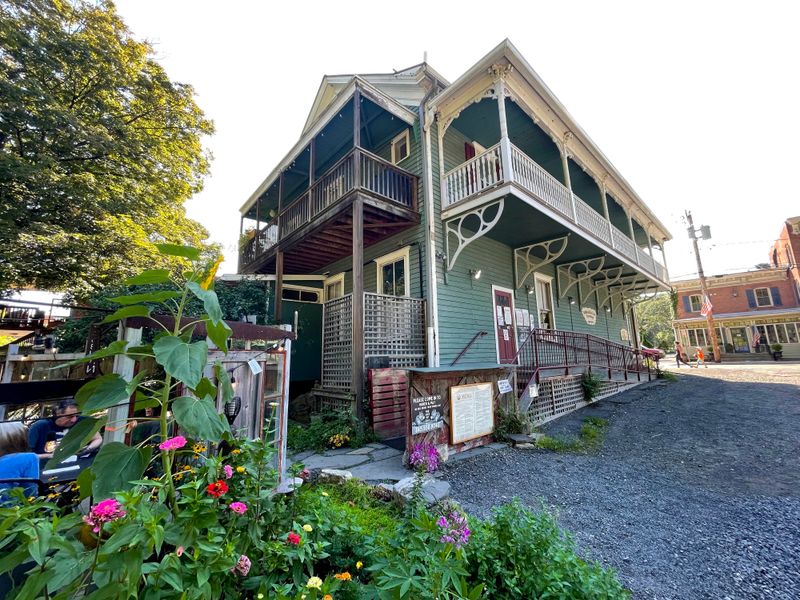
Eating well in Rosendale is less about finding a destination restaurant and more about participating in a food culture that prioritizes freshness, locality, and straightforward quality.
The town and its surrounding area are embedded in one of the most productive agricultural regions in New York State, and that proximity to farms shapes what ends up on local menus in meaningful ways.
Farmers markets operate seasonally and draw producers from the immediate region, offering vegetables, dairy, baked goods, and prepared foods that reflect the Hudson Valley’s agricultural abundance. The vendors tend to know their regulars by name, which says something useful about the pace and scale of commerce here.
Several small cafes and eateries along and near Main Street serve food that feels made rather than assembled, with menus that change according to what is available rather than what is permanently profitable.
Vegetarian and plant-forward options appear naturally on most menus, reflecting the dietary preferences of a community that trends toward health-conscious and environmentally aware eating.
Meals in Rosendale tend to be unhurried affairs, which fits the general philosophy of a town that sees no particular virtue in rushing through anything, including lunch.
The Shawangunk Ridge And Adventures Worth Lacing Your Boots For
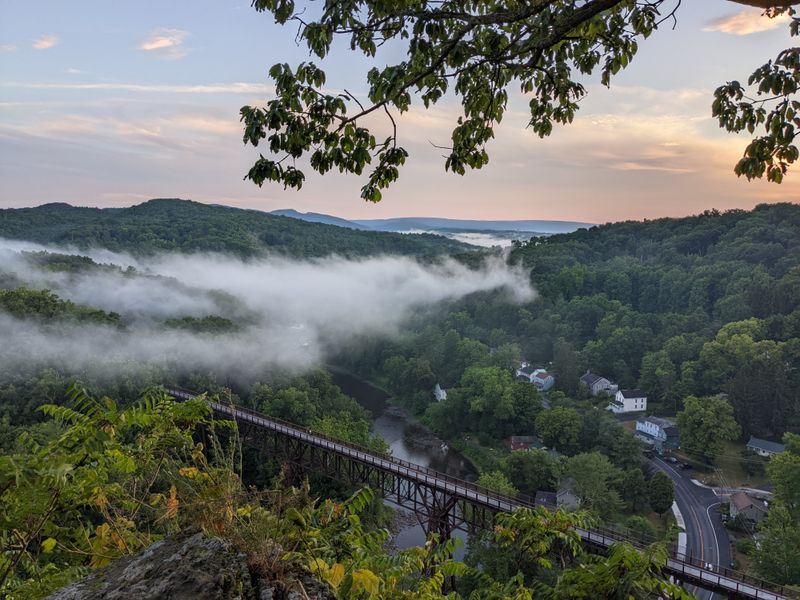
Just west of Rosendale, the Shawangunk Ridge rises with a kind of geological authority that stops conversation and redirects attention entirely skyward. The Gunks, as they are known locally, are a world-class destination for rock climbing, drawing athletes from across the country to their distinctive white conglomerate cliffs.
For those who prefer their feet closer to the ground, the trail network across the ridge offers some of the most rewarding hiking in the Northeast.
Minnewaska State Park Preserve sits nearby and encompasses thousands of acres of preserved land with sky lakes, carriage roads, and ridge-top trails that open up views extending across three states on clear days.
The landscape shifts between pine barrens, hardwood forest, and open rock faces in a way that keeps the terrain consistently interesting regardless of how many times you have walked a given trail.
Wildlife sightings are common and varied, from black bears and bobcats to a rich diversity of raptors that use the ridge’s thermal currents for migration.
Rosendale’s position at the foot of this ridge gives residents and visitors convenient access to all of it, making outdoor adventure a genuinely everyday option rather than a weekend expedition requiring significant planning.
Housing And Community For Those Ready To Put Down New Roots
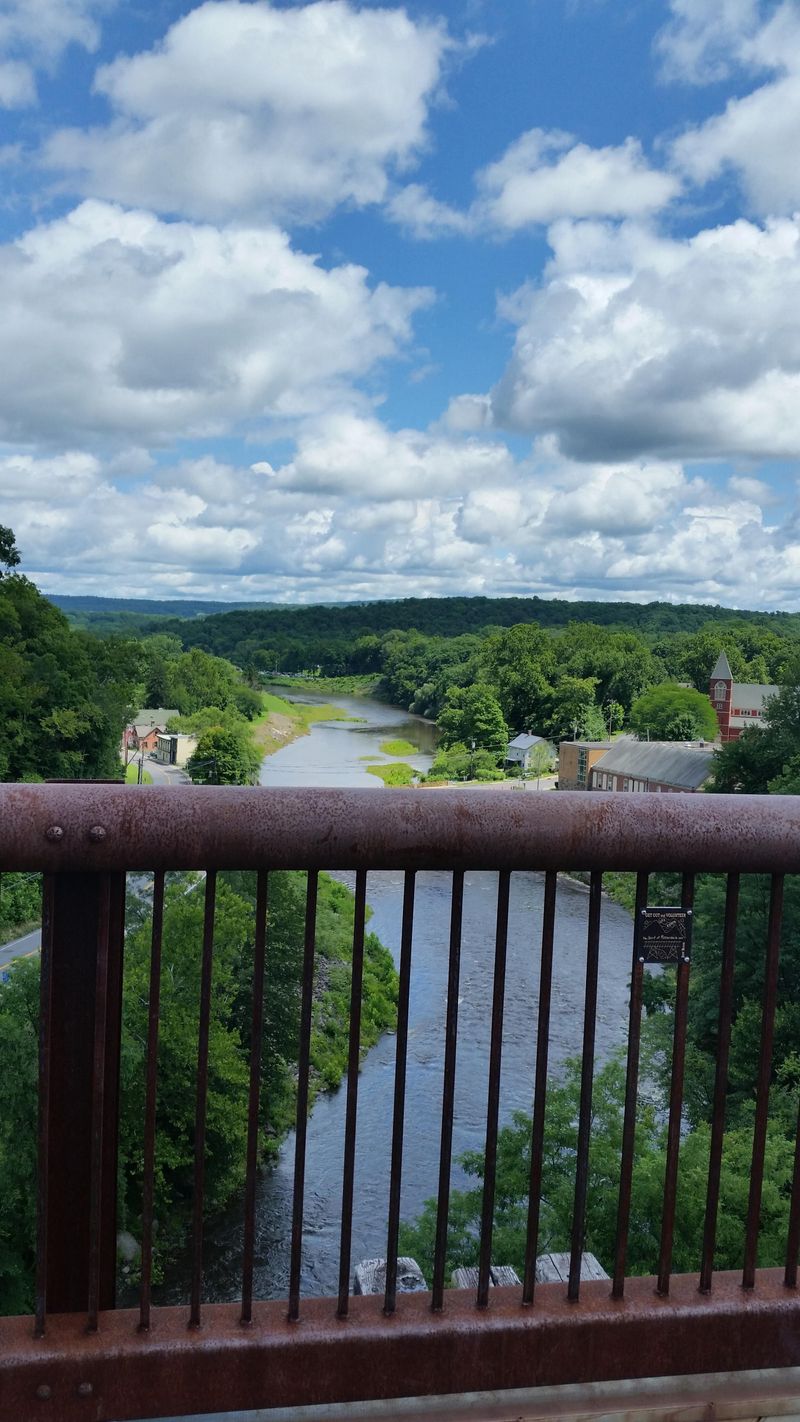
One of the more practical reasons people choose Rosendale as a place to start over is that it remains more affordable than many comparable communities within commuting distance of New York City.
The housing stock is varied, ranging from modest older homes and converted farmhouses to newer construction on the town’s quieter roads.
The character of the residential areas tends toward the eclectic and well-maintained rather than uniform or overdeveloped.
The community itself operates with a participatory spirit that makes integration feel natural rather than forced. Local organizations, volunteer groups, and civic events create regular opportunities for new residents to meet established ones, and the town’s relatively small size means that genuine connection happens faster than in larger places where anonymity is easier to maintain.
For remote workers, the combination of natural surroundings, cultural amenities, and reasonable housing costs creates a compelling value proposition that has attracted a steady stream of professionals relocating from urban centers over the past several years.
Rosendale is close enough to New York City for occasional visits, roughly two hours by car, while maintaining a daily atmosphere that could not feel more different from city life.
That balance is precisely what many people in transition are looking for.
Why Rosendale Stays With You Long After You Leave
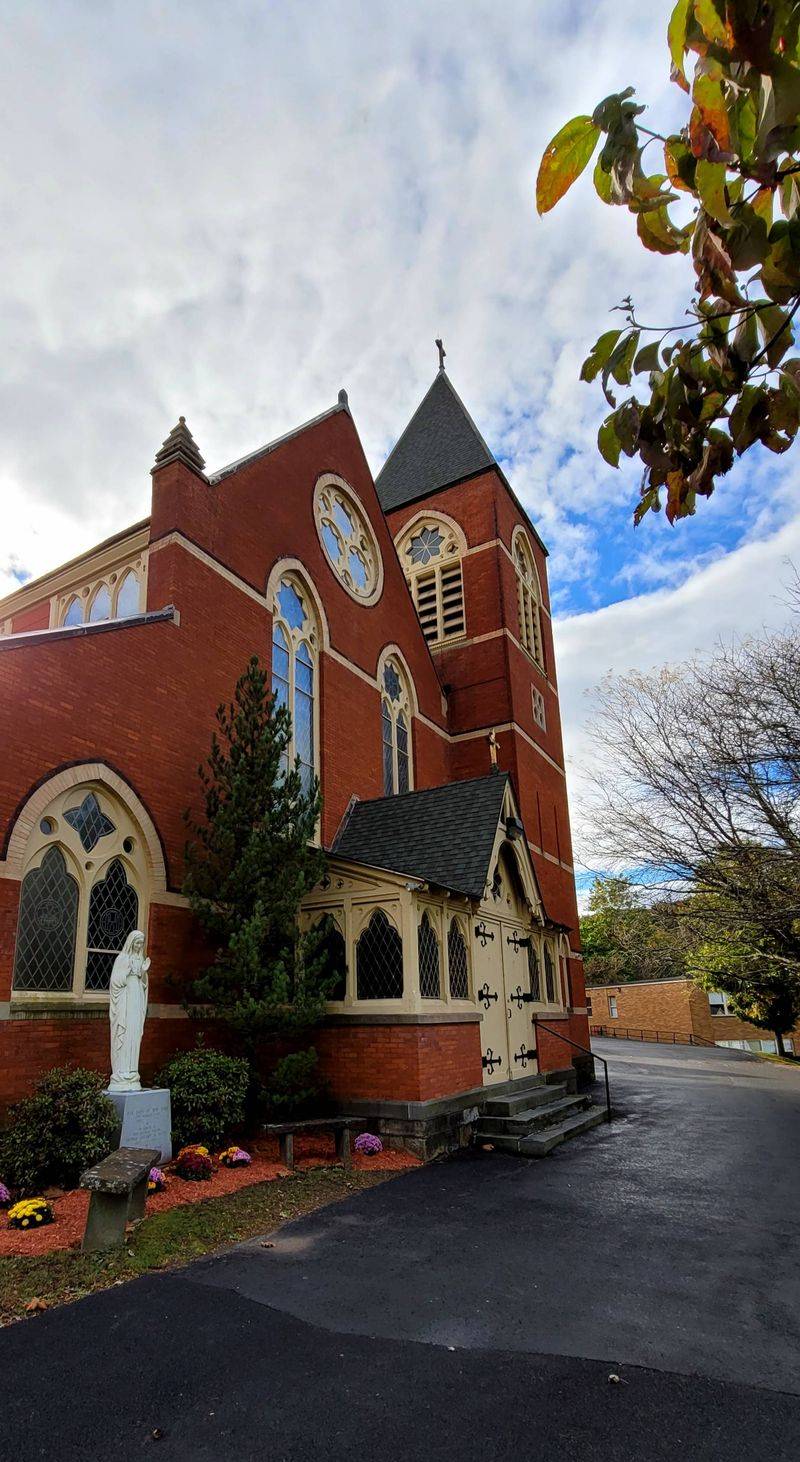
There is a particular quality that certain places possess which resists easy description but makes itself felt immediately upon arrival. Rosendale has it.
The town does not perform its appeal for visitors. It simply continues being itself, and that consistency is more persuasive than any curated experience could ever be.
People who spend even a few days here tend to leave with a recalibrated sense of what daily life can feel like when it is not organized entirely around productivity and speed. The conversations are longer.
The evenings are quieter. The mornings carry an unhurried quality that makes it possible to actually think rather than just react.
Rosendale has managed to remain genuinely itself through decades of economic change, cultural shifts, and the kind of outside pressure that has transformed many similar towns into polished versions of what they once were.
It still has rough edges, independent businesses, and a population that takes community seriously without being precious about it.
For anyone standing at a crossroads and wondering where to land next, Rosendale offers something increasingly valuable in contemporary life: a place that asks nothing of you except that you slow down and pay attention. That turns out to be more than enough.