
This Postcard-Worthy Town In New York Is Too Beautiful To Keep Secret In 2026
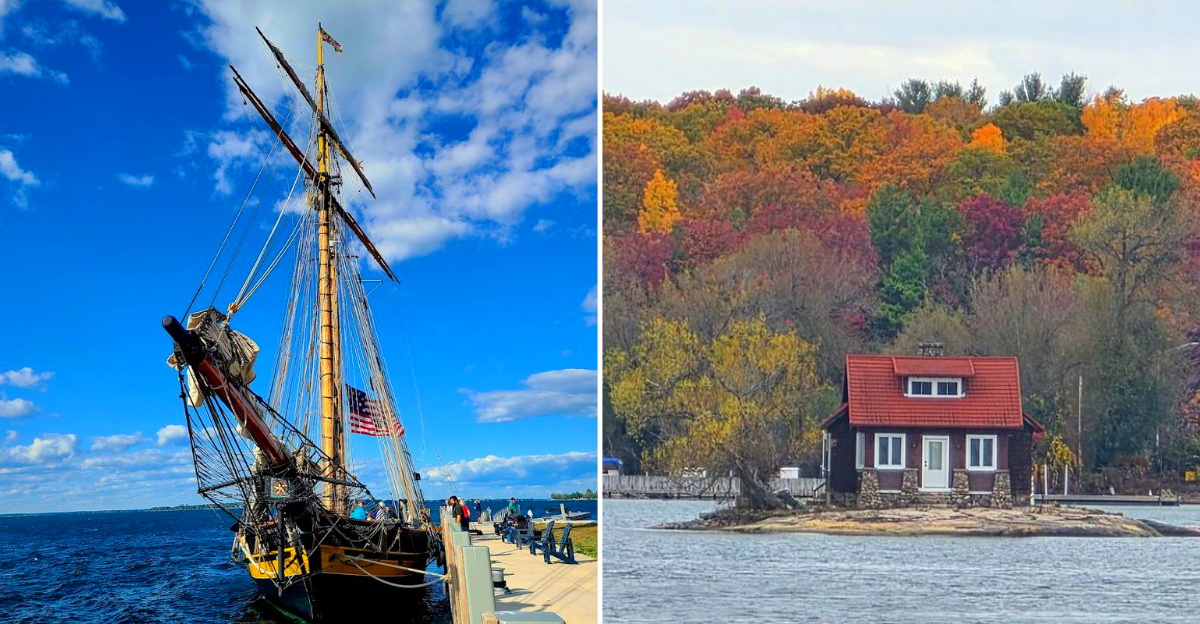
Here are some unexpected news for you. There are towns in New York that look so picture-perfect they almost feel staged for a postcard.
Flower boxes spill over historic storefronts, quiet streets lead toward sparkling water or rolling hills, and every corner seems made for a photograph. It is the kind of place where visitors slow their pace without even realizing it, simply because the scenery is too lovely to rush past.
What makes this New York town so memorable is the way everything comes together. Charming architecture, inviting cafés, and peaceful surroundings create an atmosphere that feels both timeless and welcoming.
Strolling through town feels like stepping into a storybook setting, the sort of destination people stumble upon once and then tell all their friends about. In 2026, this postcard-worthy New York town is becoming harder to keep secret.
A Place Where The Water Defines Everything
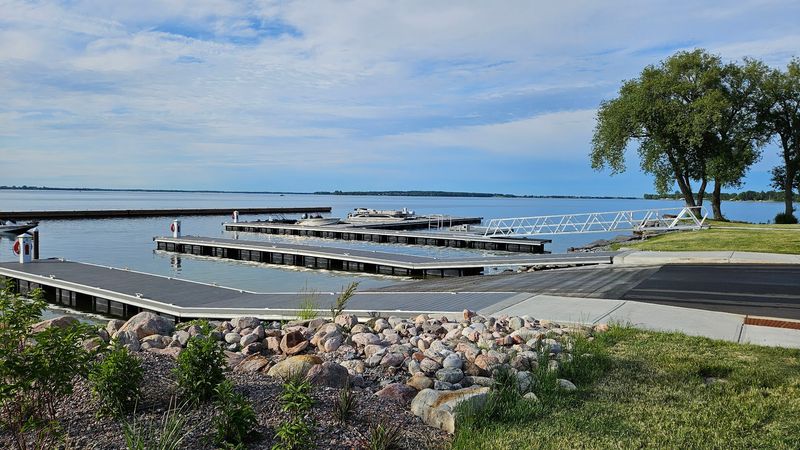
Few towns in New York are shaped so completely by the water around them. Cape Vincent sits at the precise point where the St. Lawrence River begins its journey from Lake Ontario, and that geography gives the entire community a distinct personality.
The horizon here is wide, the light changes constantly across the water, and the rhythm of the town follows the seasons of the river.
Fishermen know this area well, and they have for generations. The confluence of two massive bodies of water creates some of the most productive fishing grounds in the northeastern United States, drawing anglers from across the region every year.
Even visitors with no interest in fishing find themselves drawn to the shoreline simply to watch the water move.
Cape Vincent, NY 13618 sits in Jefferson County, roughly 30 miles northwest of Watertown, and that relative remoteness has helped preserve its character.
The town has not been polished for tourists in the way that many waterfront communities have, and that honest, unvarnished quality is precisely what makes it so appealing to those who find it.
Cape Vincent And Its Quietly Remarkable History
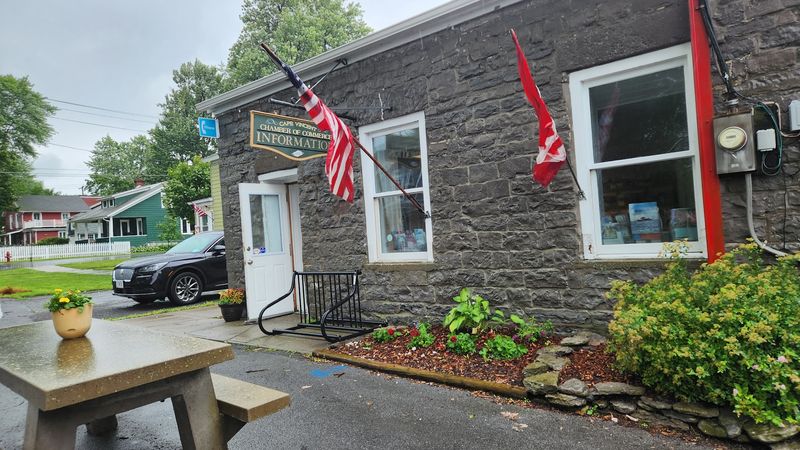
Cape Vincent has a history that most people never expect from a town of fewer than three thousand residents. The area was settled in the early 19th century and developed strong ties to French Canadian culture, a heritage that still surfaces in local place names, family surnames, and occasional community celebrations.
That French connection gives Cape Vincent a faint European sensibility that sets it apart from other small towns in the region.
The town was officially incorporated in 1853, and many of its original structures have been maintained with genuine care.
Walking through the village feels like moving through a living timeline, where Greek Revival homes stand beside modest storefronts that have served locals for well over a century.
Architectural detail here is not dramatic, but it is consistent and honest.
One of the more intriguing historical footnotes involves Napoleon Bonaparte’s brother, Joseph Bonaparte, who reportedly had connections to the region in the early 1800s. Local historians take this chapter of the town’s past seriously, and it adds a layer of unexpected depth to what might otherwise seem like an ordinary lakeside community.
History in Cape Vincent has a way of surprising you.
The French Festival That Brings The Town To Life

Every summer, Cape Vincent hosts one of the most distinctive community celebrations in all of upstate New York.
The Cape Vincent French Festival is an annual event that honors the town’s deep French heritage with parades, traditional food, cultural demonstrations, and a general sense of communal enthusiasm that is genuinely contagious.
It is the kind of local event that has not been manufactured for outside attention but has simply grown organically from community pride.
The festival draws visitors from across the region who come specifically for the experience of a small-town celebration done with real conviction. Local families participate in ways that reflect genuine connection to the town’s French roots, and the waterfront setting along the St. Lawrence River makes the backdrop almost unfairly scenic.
There is live music, there are craft vendors, and there is an overall atmosphere of relaxed celebration that feels earned rather than staged.
For first-time visitors, attending the French Festival is probably the single best introduction to what Cape Vincent is actually about. The town opens up during this event in a way that reveals its warmth and community spirit more effectively than any brochure could manage.
Plan ahead, because accommodations in the area fill up quickly during festival season.
Fishing The Confluence Like A Local
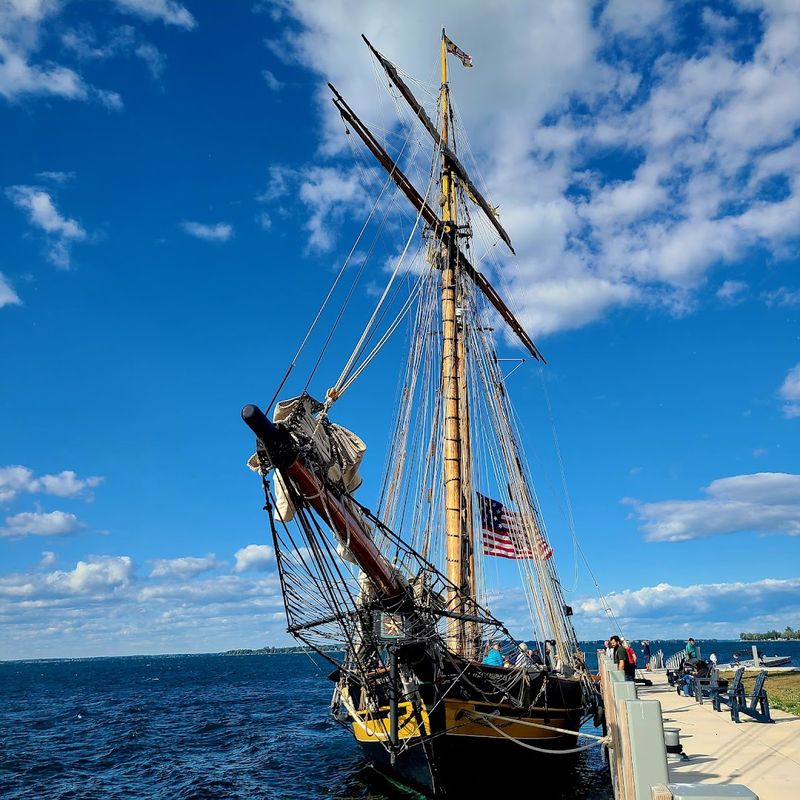
Ask any serious freshwater angler in New York where to find trophy-caliber fish, and Cape Vincent will come up in the conversation without hesitation.
The meeting point of Lake Ontario and the St. Lawrence River creates a unique aquatic environment that supports exceptional populations of muskellunge, northern pike, smallmouth bass, and walleye.
Fishing guides operating out of Cape Vincent have built strong reputations over decades, and they are an excellent resource for anyone new to the area.
The town has several marinas and boat launch facilities that make getting on the water straightforward for visitors who bring their own equipment.
Charter fishing trips are also widely available, giving beginners and experienced anglers alike the chance to work the most productive spots with someone who knows the water intimately.
Early mornings on the river here have a particular quality of stillness that is hard to describe and easy to remember.
Ice fishing is equally popular during the winter months, and Cape Vincent transforms into a hub for that specific community when temperatures drop.
Shanty villages appear on the frozen river, and the social culture around ice fishing in this area is its own fascinating subculture worth experiencing.
The fish are one reason to come; the atmosphere is another entirely.
Tibbetts Point Lighthouse And The Edge Of The World
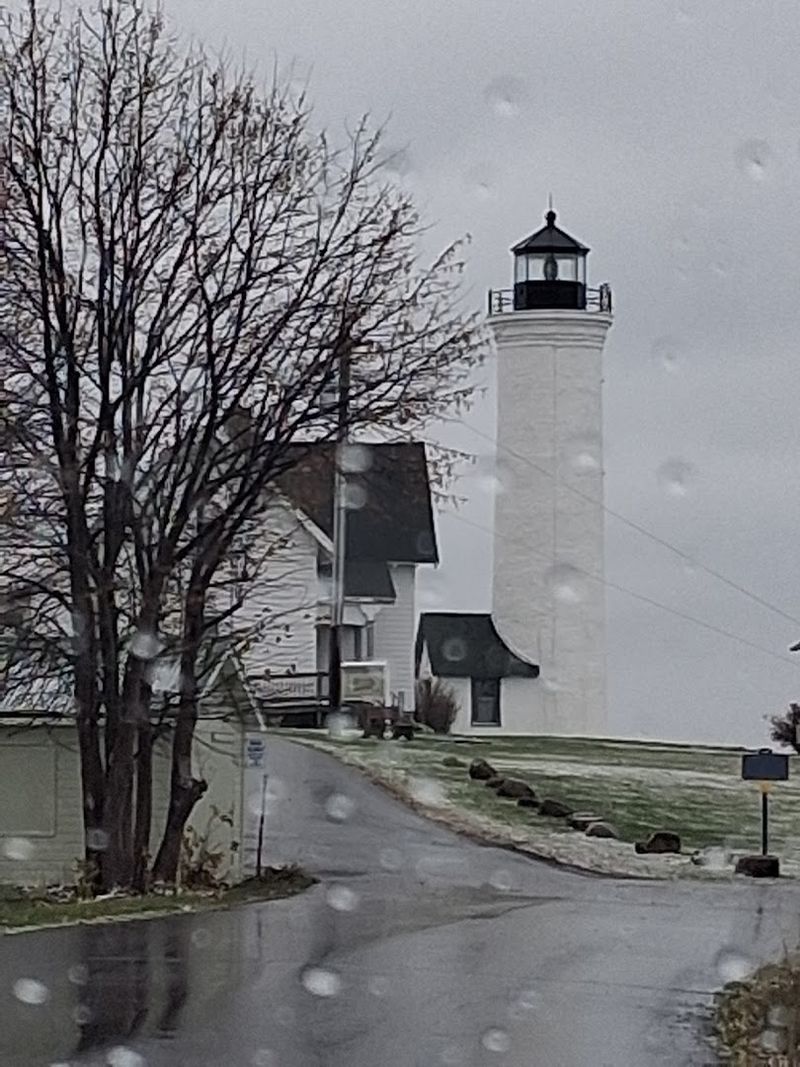
Standing at the very tip of Cape Vincent’s peninsula, Tibbetts Point Lighthouse is one of those landmarks that earns its reputation simply by existing in such a commanding location. Built in 1827 and rebuilt in 1854, the lighthouse marks the exact point where Lake Ontario transitions into the St. Lawrence River.
Few lighthouses in the northeastern United States occupy a spot with this much geographic and visual significance.
The lighthouse is open to visitors during the warmer months, and the grounds around it are free to explore at any time.
Sunset from Tibbetts Point is genuinely extraordinary, with the light catching the water in two directions simultaneously and the sky performing the kind of color gradients that make amateur photographers feel briefly like professionals.
It is one of those spots where simply standing still feels like an accomplishment.
The hostel adjacent to the lighthouse offers budget-friendly overnight accommodations for travelers who want to experience the location across multiple hours of light.
Waking up at Tibbetts Point before dawn and watching the sky change over the water is the kind of experience that stays in memory with unusual clarity.
The lighthouse also operates as part of the American Lighthouse Foundation’s preservation network, ensuring its future remains secure.
Horne’s Ferry And The River Crossing Worth Taking
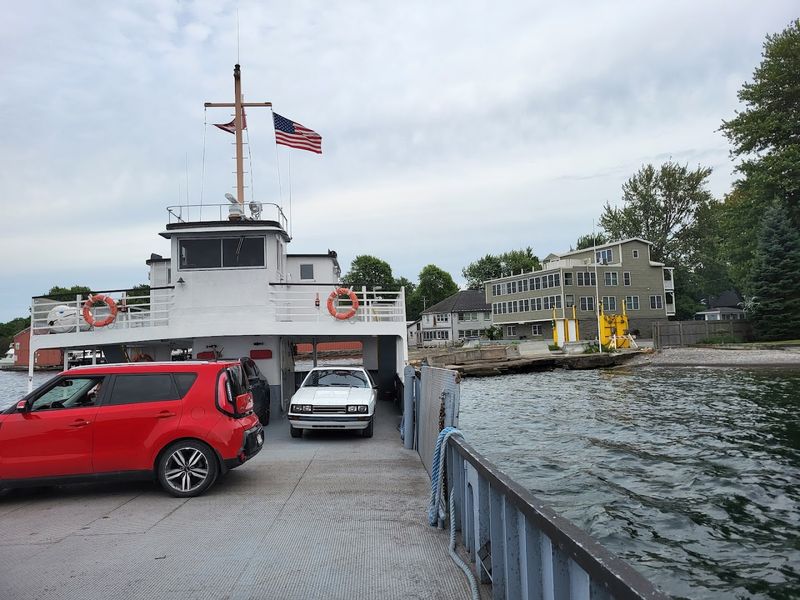
One of the more quietly delightful aspects of Cape Vincent is its connection to Canada via Horne’s Ferry, a seasonal passenger and vehicle ferry service that crosses the St. Lawrence River to Wolfe Island, Ontario. The crossing takes only a few minutes, but it adds a genuine sense of adventure to any visit.
There is something fundamentally appealing about the idea that an international border crossing here involves a small ferry and open water rather than a bridge and a queue of cars.
Wolfe Island is worth exploring in its own right, with cycling trails, wildlife, and a rural Canadian atmosphere that contrasts pleasantly with the American shoreline.
Many visitors use Cape Vincent as their base and make the ferry crossing as a day trip, returning with a broader appreciation for the geography of this particular stretch of the Great Lakes region.
The ferry operates seasonally, so checking the current schedule before planning around it is a practical necessity.
The ferry landing in Cape Vincent sits right in the heart of the village, which means the crossing fits naturally into a day that also includes exploring local shops and the waterfront park.
The combination of international access and small-town convenience is genuinely unusual and contributes meaningfully to Cape Vincent’s distinctive character among New York’s lakeside communities.
The Thousand Islands Region As A Broader Context
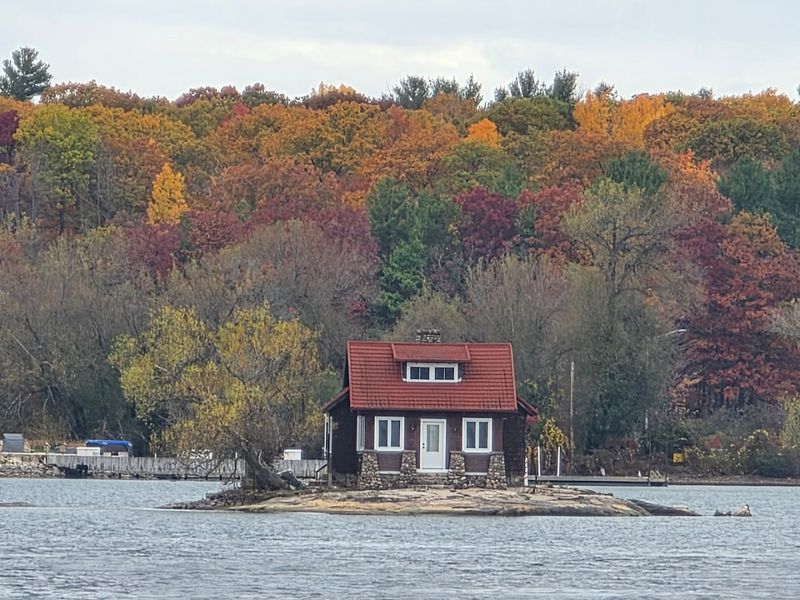
Cape Vincent serves as one of the western gateways to the Thousand Islands region, an archipelago of more than 1,800 islands scattered across the St. Lawrence River between New York and Ontario.
Understanding that context helps explain why the area around Cape Vincent feels so rich with natural and recreational possibility.
The sheer scale of the landscape here is something that maps and photographs struggle to convey adequately.
Boat tours departing from nearby communities allow visitors to explore the islands, observe the mix of grand private estates and untouched wilderness, and develop a sense of the region’s layered history.
From Cape Vincent, access to this broader landscape is straightforward, and the town functions as a comfortable and affordable base for multi-day exploration of the river corridor.
The region has been drawing visitors since the 19th century, when wealthy families built elaborate summer retreats on private islands.
Boldt Castle on Heart Island is the most famous landmark in the Thousand Islands, and reaching it from Cape Vincent requires only a short drive east before boarding a tour boat.
The story behind the castle, a grand structure built as a declaration of love and left unfinished for decades, is the kind of historical detail that makes the region feel genuinely cinematic without needing any embellishment.
Why Cape Vincent Deserves A Spot On Your Travel List
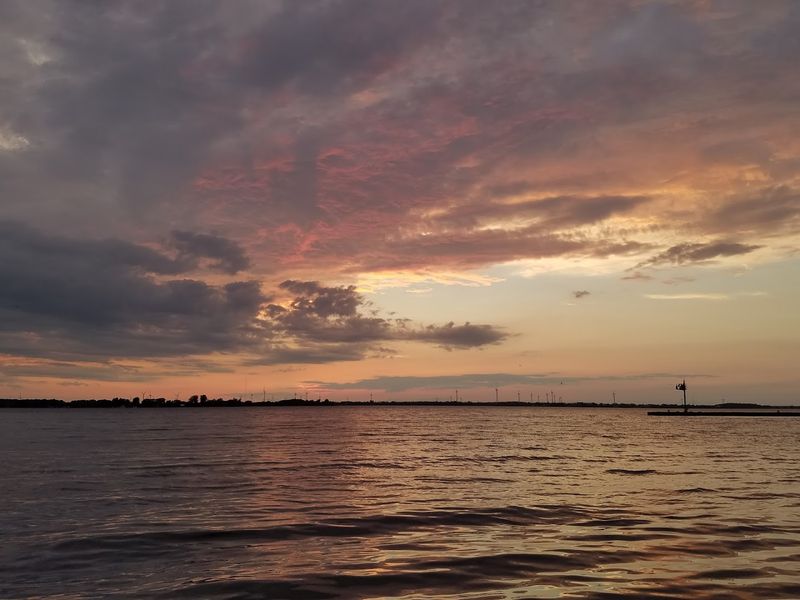
Cape Vincent is the kind of destination that rewards patience and genuine curiosity. It does not announce itself loudly or compete for attention with marketing campaigns and manufactured experiences.
Instead, it simply exists at the edge of two great bodies of water, going about its business with the quiet confidence of a place that knows its own value without needing outside validation.
The combination of natural beauty, accessible outdoor recreation, fascinating history, and genuine community character makes Cape Vincent unusually complete for a town of its size.
Visitors who arrive expecting a polished resort town will need to recalibrate their expectations, but those who come looking for authenticity will find it in abundance.
The waterfront, the lighthouse, the ferry, the fishing, and the French heritage all contribute to a profile that is genuinely difficult to replicate elsewhere in New York.
Traveling to Cape Vincent requires a certain willingness to leave the interstate and follow smaller roads through open countryside, and that journey itself sets the right tone for what awaits.
The town sits far enough from major population centers to feel like a discovery, and close enough to the natural grandeur of the St. Lawrence River to feel like a privilege.
Pack accordingly, arrive without a rigid schedule, and let the river do the rest.