
10 Towns In New York Where The Cost Of Living Is Quite Below The National Average
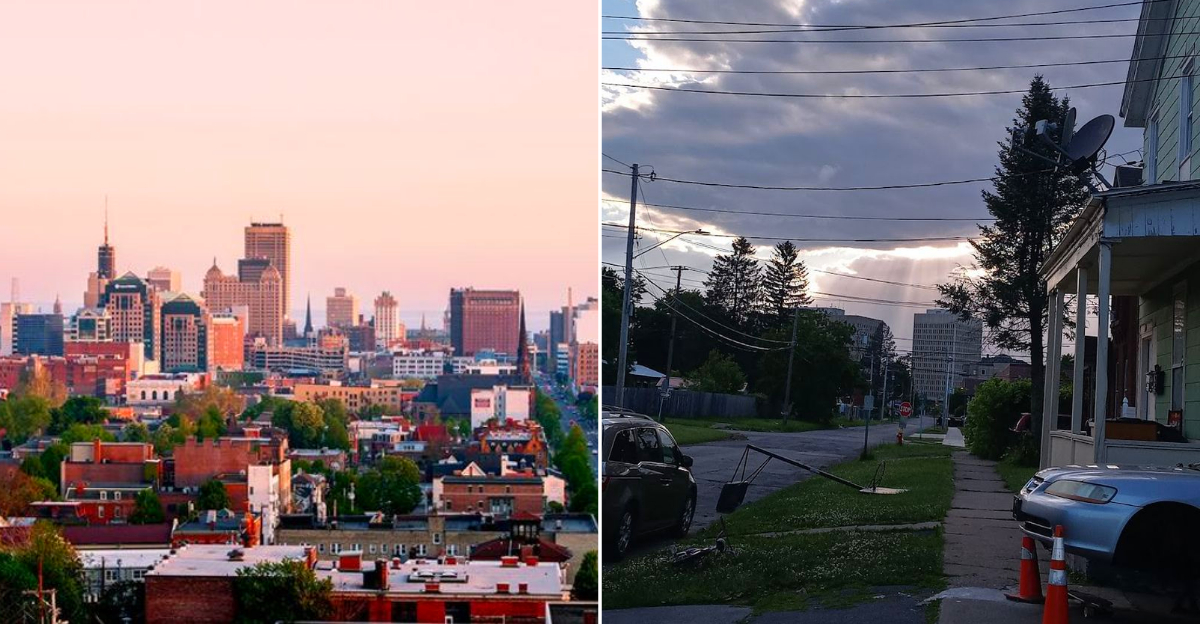
Stretching your budget in New York might sound impossible at first. The state is famous for high prices, especially in and around New York City.
But travel a little farther beyond the busiest areas and a very different picture begins to appear. Many smaller towns across New York offer a comfortable lifestyle with costs that are surprisingly manageable.
In these communities, housing prices are often far lower than the national average, and everyday expenses like groceries, utilities, and dining out can feel refreshingly affordable. Life also moves at a gentler pace.
Quiet streets, local cafés, and close-knit neighbourhoods create a welcoming atmosphere that appeals to families, retirees, and remote workers alike.
If you are looking for places where your money can go much further, these New York towns prove that affordable living still exists in the Empire State.
1. Jamestown
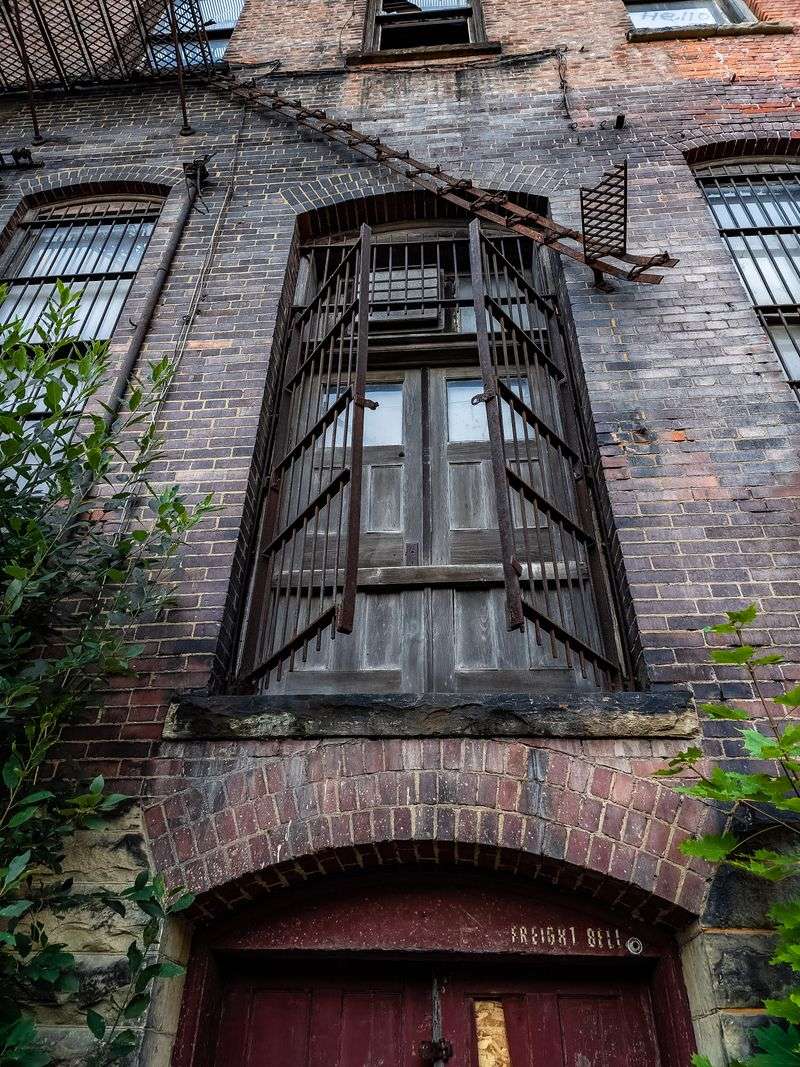
Forget everything you thought you knew about western New York because Jamestown is out here rewriting the rulebook on affordable living. Situated in Chautauqua County, this city consistently ranks among the cheapest places to call home in the entire state.
Median home prices hover well below $100,000, which in today’s market feels almost illegal in the best possible way.
You can find a solid three-bedroom house for what some New Yorkers pay in annual rent alone. The overall cost of living sits roughly 39% below the state average, meaning groceries, utilities, and everyday expenses all take a serious hit in your favor.
Head downtown to Pine Street and you will find local shops, diners, and community events that give the city a real heartbeat.
Jamestown is also the birthplace of Lucille Ball, so the town has personality baked right into its history. The National Comedy Center, located at 203 West Second Street, draws visitors from across the country and adds serious cultural credibility to this underrated gem.
Low costs and high laughs? That’s a deal worth signing.
2. Utica
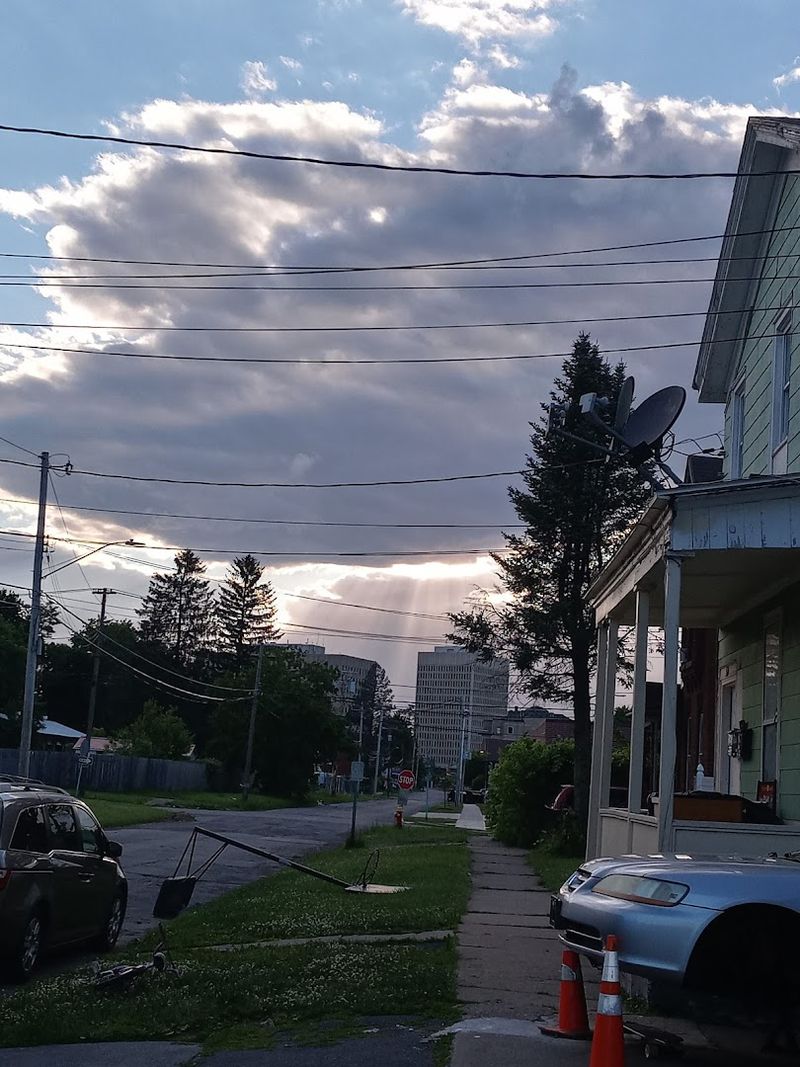
Utica might just be the most underrated city in the entire state, and that’s not a small claim. Housing costs here are genuinely jaw-dropping by New York standards, with median home prices sitting around $130,000.
For a city with this much culture, history, and access to major highways, that price tag is almost hard to believe.
The cost of living overall runs about 32% below the state average, which means your paycheck actually works for you here instead of disappearing into the void. Utica has a famously diverse food scene, especially along Bleecker Street, where you will find some of the best Bosnian, Italian, and Vietnamese food in the Northeast.
Seriously, the food alone is worth the move.
The Munson-Williams-Proctor Arts Institute, located at 310 Genesee Street, anchors the city’s cultural life with world-class art collections and architecture designed by Philip Johnson. Public transportation is accessible, grocery costs are manageable, and the community feels genuinely welcoming to newcomers.
Utica is the kind of city that rewards people who give it a real chance, and right now the price of admission is extremely low.
3. Buffalo
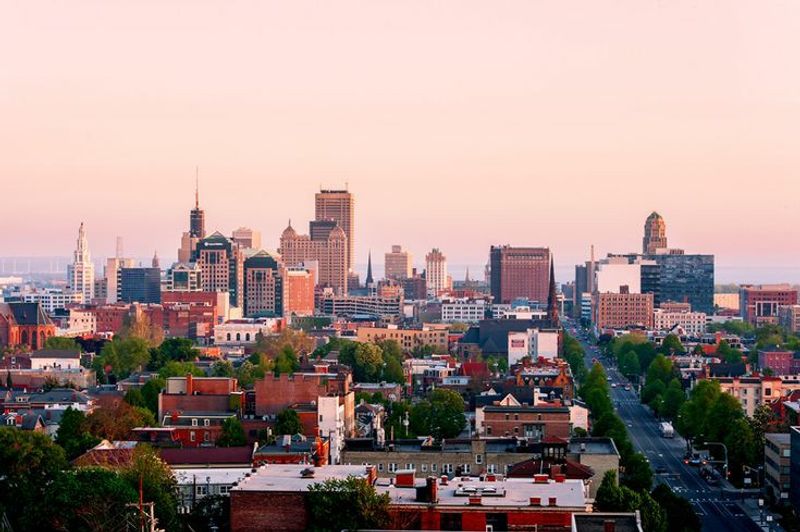
Buffalo is having a serious moment right now, and the people who figured that out early are already sitting pretty in homes they actually own. For a city of its size and energy, Buffalo’s housing costs are remarkably low, with median home prices well under $200,000.
Compare that to similarly sized cities across the country and your jaw will hit the floor.
The overall cost of living runs significantly below the national average, making everyday life here genuinely more manageable. Delaware Avenue is lined with historic mansions that speak to the city’s architectural legacy, and neighborhoods like Elmwood Village bring a vibrant, walkable energy that rivals anything you’d find in much pricier cities.
Elmwood Avenue itself is packed with local restaurants, boutiques, and coffee spots that feel authentically Buffalo.
The Buffalo Museum of Science, located at 1020 Humboldt Parkway, and Canalside along the waterfront give residents cultural and recreational options that don’t require emptying a bank account. Winters are bold, no question, but the community spirit here is equally strong.
Buffalo rewards loyalty, and with housing prices this reasonable, loyalty is an easy commitment to make.
4. Rochester
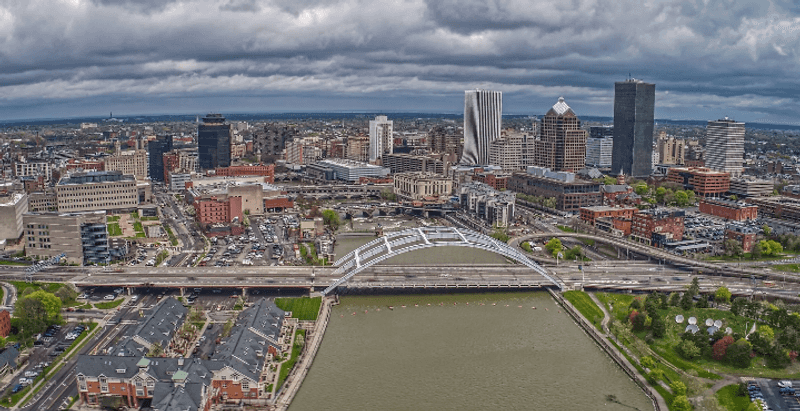
Rochester operates like a well-kept secret that more people need to know about. Home values here sit well below the state average, with median prices landing around $150,000 for solid, established properties in good neighborhoods.
For a city that houses major institutions like the University of Rochester and the Rochester Institute of Technology, that kind of affordability is genuinely remarkable.
The overall cost of living is meaningfully lower than the national average, and residents benefit from a strong job market, especially in healthcare, education, and technology sectors. The South Wedge neighborhood near South Avenue has become a hub for local restaurants and community life, offering a walkable lifestyle that doesn’t demand a premium price tag.
Parking, groceries, and utilities all come in at rates that feel almost generous compared to downstate expectations.
The George Eastman Museum, located at 900 East Avenue, is the world’s oldest photography museum and a genuine point of civic pride. Rochester also boasts an impressive parks system designed by Frederick Law Olmsted, giving residents green space that would cost a fortune to access elsewhere.
Smart, affordable, and culturally rich, Rochester is the full package delivered at a discount.
5. Syracuse
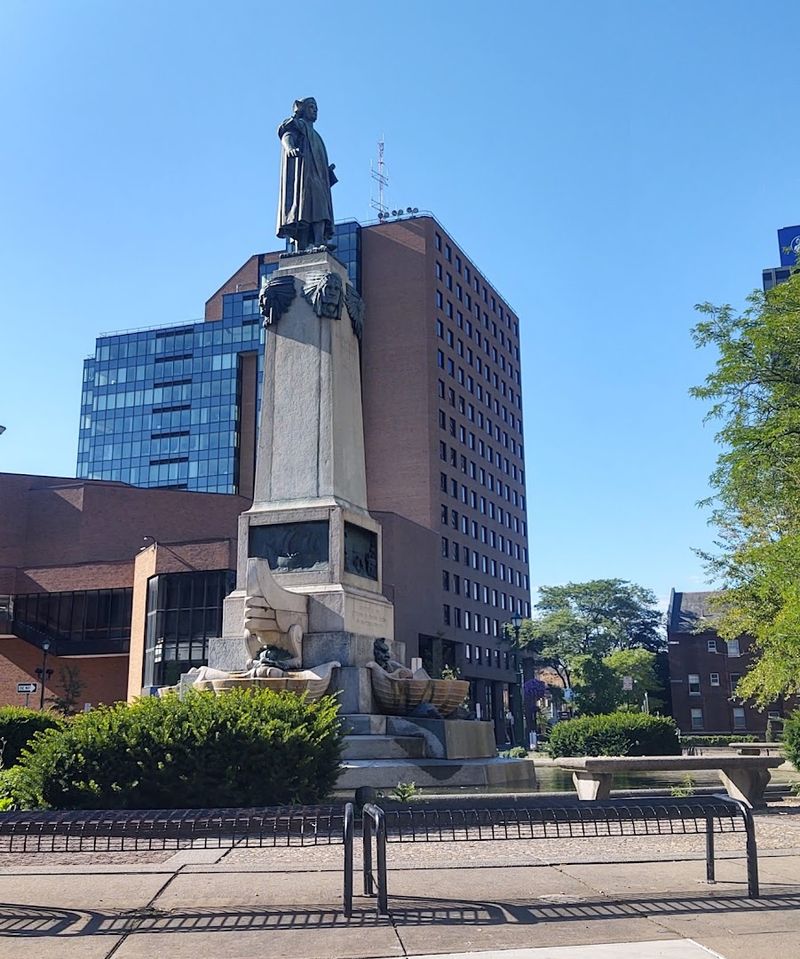
Syracuse has been quietly delivering affordability and accessibility to residents who know how to spot a good deal. The city consistently ranks among the most budget-friendly places in New York, with housing costs and transportation expenses both coming in well below state and national benchmarks.
Median home prices hover around $140,000, which means homeownership here is an actual goal rather than a distant fantasy.
The cost of living overall sits about 30% below the New York State average, and that gap shows up in everything from utility bills to grocery runs. Armory Square, located in the heart of downtown, gives the city a lively social center with restaurants, shops, and events spread across a walkable few blocks.
The neighborhood has genuine energy without the sticker shock you’d encounter in most comparable urban districts.
Syracuse University at 900 South Crouse Avenue brings a consistent flow of academic and cultural programming to the city, including free or low-cost events open to the broader community. The public transit system covers major corridors reliably, cutting down on car dependency for daily commuters.
Syracuse is the kind of place where your budget breathes easy and your social calendar stays full without financial stress.
6. Binghamton
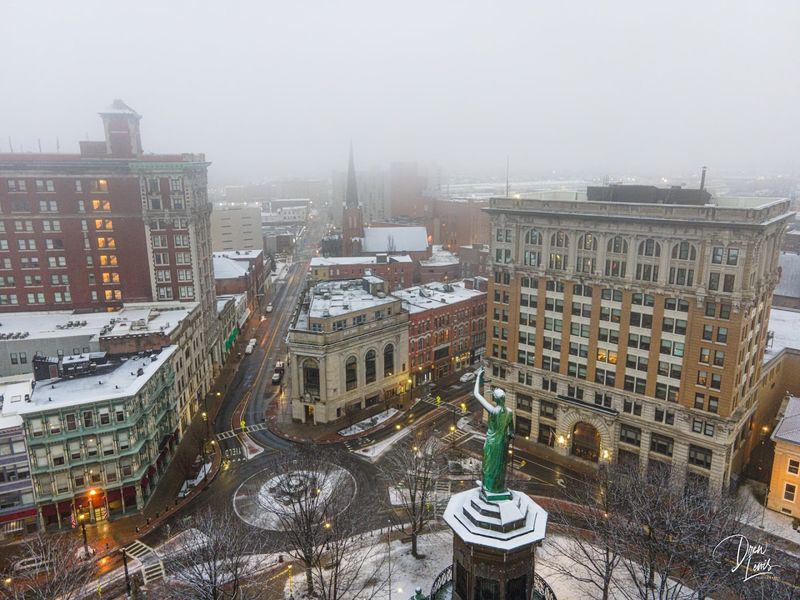
Binghamton is the kind of city that makes financial sense in a way that almost feels suspicious. Located in Broome County at the confluence of the Susquehanna and Chenango rivers, it offers some of the most affordable everyday living costs in the entire Northeast.
Median home prices sit around $120,000, putting real homeownership within reach for first-time buyers and budget-conscious movers alike.
The overall cost of living here runs noticeably lower than the national average, and that shows up in everything from rent to groceries to gas. Downtown Binghamton has been experiencing a steady revival, with new restaurants and arts spaces filling in around Court Street and the Binghamton Carousel, one of six historic carousels the city maintains for free public use.
Yes, free. Binghamton is literally giving things away.
Binghamton University, part of the State University of New York system and located at 4400 Vestal Parkway East, keeps the city intellectually alive and economically active. Healthcare access is solid, public parks are plentiful, and the surrounding natural landscape is genuinely beautiful year-round.
For anyone seeking a city that delivers real value without asking you to sacrifice quality of life, Binghamton makes a compelling case.
7. Ogdensburg
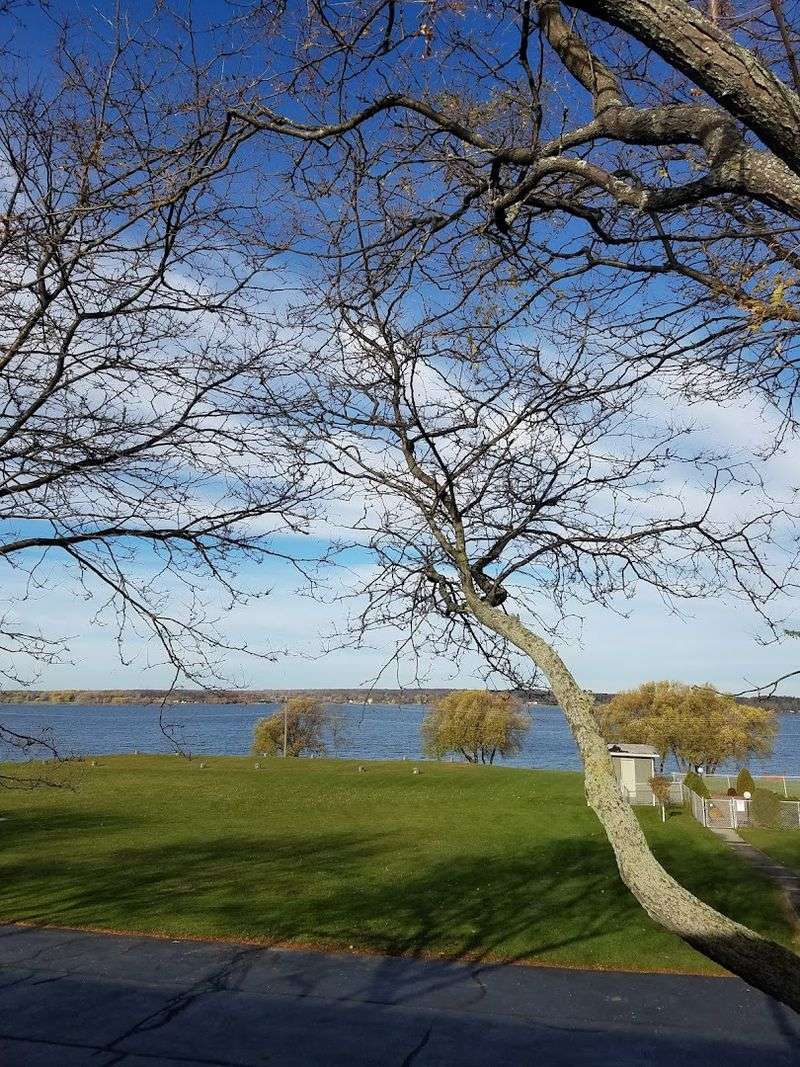
Ogdensburg sits right on the St. Lawrence River with views of Canada across the water, and it delivers one of the most affordable housing markets in the entire state. The cost of living here runs approximately 39% below the New York State average, which is the kind of number that makes you stop scrolling and read it twice.
Median home prices land around $104,500, making it entirely realistic to own a home with a waterfront lifestyle nearby.
One-bedroom apartments rent for an average of $815 per month, which by any modern standard is a number worth celebrating loudly. The city is small but functional, with grocery stores, healthcare facilities, and community services well within reach.
Proctor Avenue serves as a central commercial corridor where residents handle daily errands without much fuss or long commutes.
The Frederic Remington Art Museum, located at 303 Washington Street, houses an impressive collection from the celebrated American artist who once called Ogdensburg home. The city’s proximity to the Thousand Islands region means outdoor recreation is never more than a short drive away.
For anyone willing to trade city noise for river views and genuine savings, Ogdensburg is one of the smartest financial moves available in New York State today.
8. Hornell
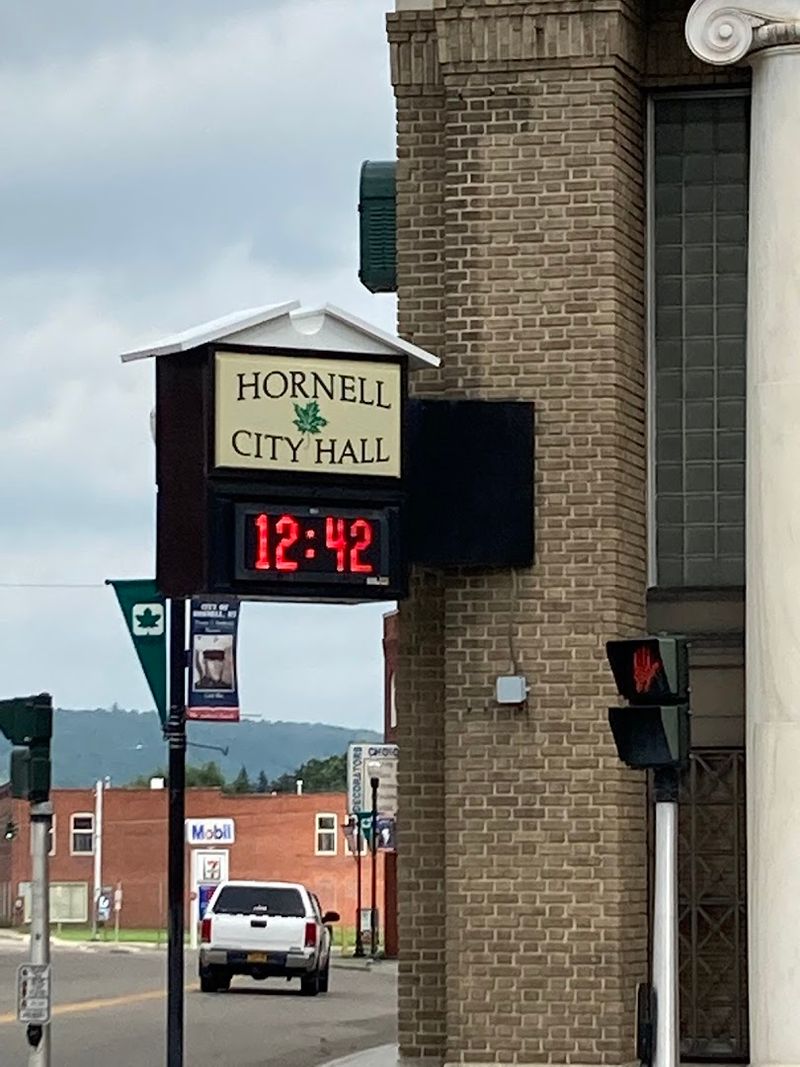
Hornell is the kind of town that shows up near the top of every affordable living list and still manages to fly completely under the radar. Located in Steuben County in the Southern Tier, it carries a cost of living roughly 38.7% below the New York State average, which is a genuinely staggering margin.
Median home prices sit around $100,600, and one-bedroom apartments average just $825 per month in rent.
Those numbers are not typos. For context, that monthly rent is less than what many downstate residents pay weekly in combined housing costs.
Main Street in Hornell anchors community life with local businesses, diners, and seasonal events that give the town a warm, familiar energy. The surrounding landscape rolls through the Southern Tier hills and offers easy access to outdoor activities without requiring any expensive equipment or memberships.
Hornell is also home to Corning Community College’s Hornell location, which keeps educational access close for residents of all ages. The Steuben County fairgrounds at 1 Fairgrounds Drive hosts community events throughout the year that bring the area together.
Small in size but big on savings, Hornell proves that living well in New York does not have to mean spending everything you earn just to stay afloat.
9. Troy
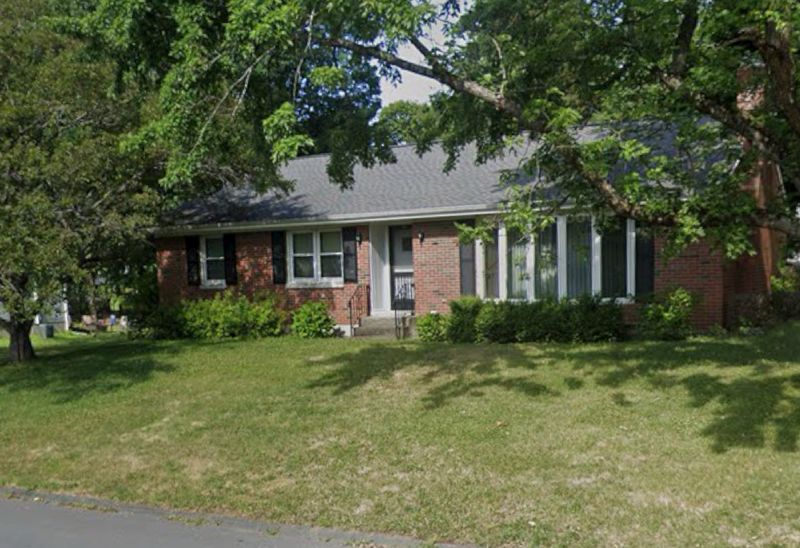
Troy is the comeback story of the Hudson Valley and arguably one of the best-kept secrets in the entire region. Compared to nearby cities like Albany and the increasingly pricey Hudson, Troy offers meaningfully lower housing costs while still delivering real urban energy.
Median home prices in Troy land in a range that makes buyers from New York City do a double take, often under $200,000 for solid historic properties.
The city’s brownstone-lined streets and Federal-style architecture give it a beauty that would command much higher prices anywhere else along the Hudson. River Street in downtown Troy has transformed into a genuinely exciting destination, with local restaurants, galleries, and the Troy Waterfront Farmers Market drawing crowds every Saturday.
The market itself has become a community institution, showcasing regional produce and local vendors in a setting that feels both lively and accessible.
Rensselaer Polytechnic Institute, located at 110 Eighth Street, anchors the city’s academic presence and keeps Troy connected to innovation and research. The Hudson-Mohawk Industrial Gateway preserves the city’s manufacturing heritage while supporting new economic development.
Troy rewards the curious, the budget-conscious, and anyone smart enough to recognize that historic charm and financial relief can absolutely exist in the same zip code.
10. Elmira
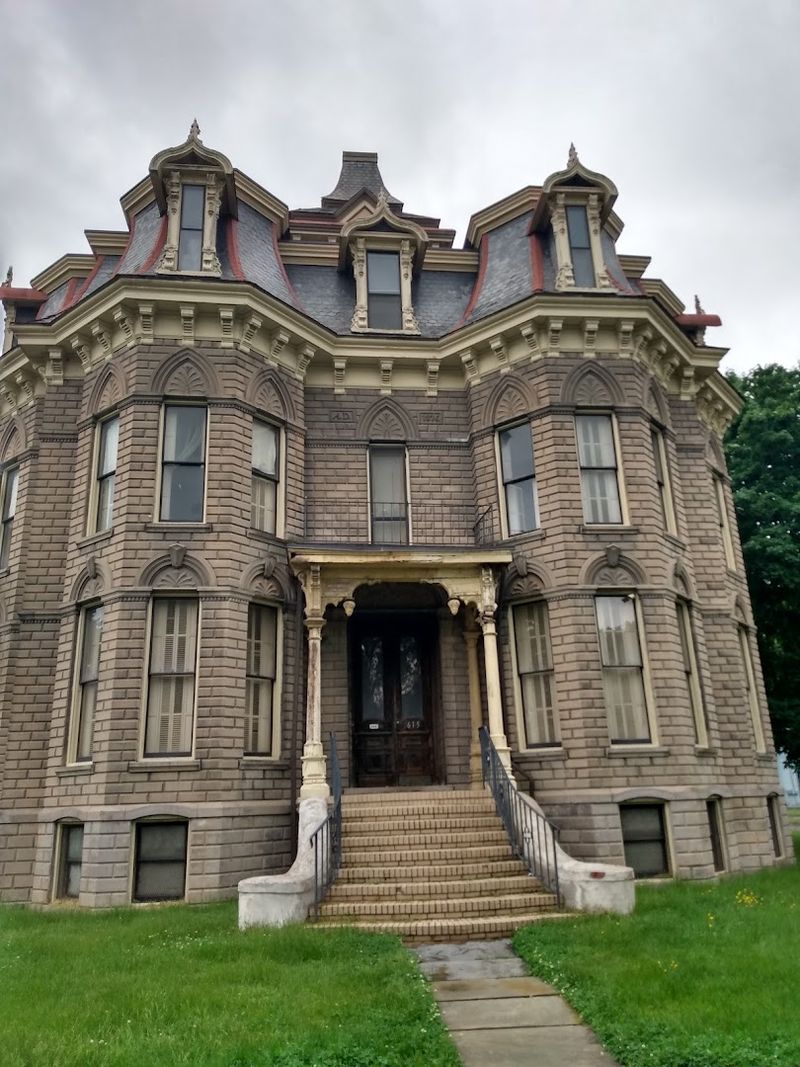
Mark Twain once called this place home, and honestly, the people of Elmira have been living smart ever since. Tucked into the Southern Tier along the Chemung River, Elmira offers median home prices that would make any big-city renter do a double-take.
We’re talking well under $100,000 for a decent-sized house with a yard.
Utilities, groceries, and transportation costs all sit comfortably below the national average here. The job market has been steadily growing, with healthcare and manufacturing providing solid employment options.
For families looking to own a home without a crushing mortgage, Elmira genuinely delivers on that promise.