
This Laid-Back Town In Massachusetts Has Fresh Air, No Crowds, And Easy Living
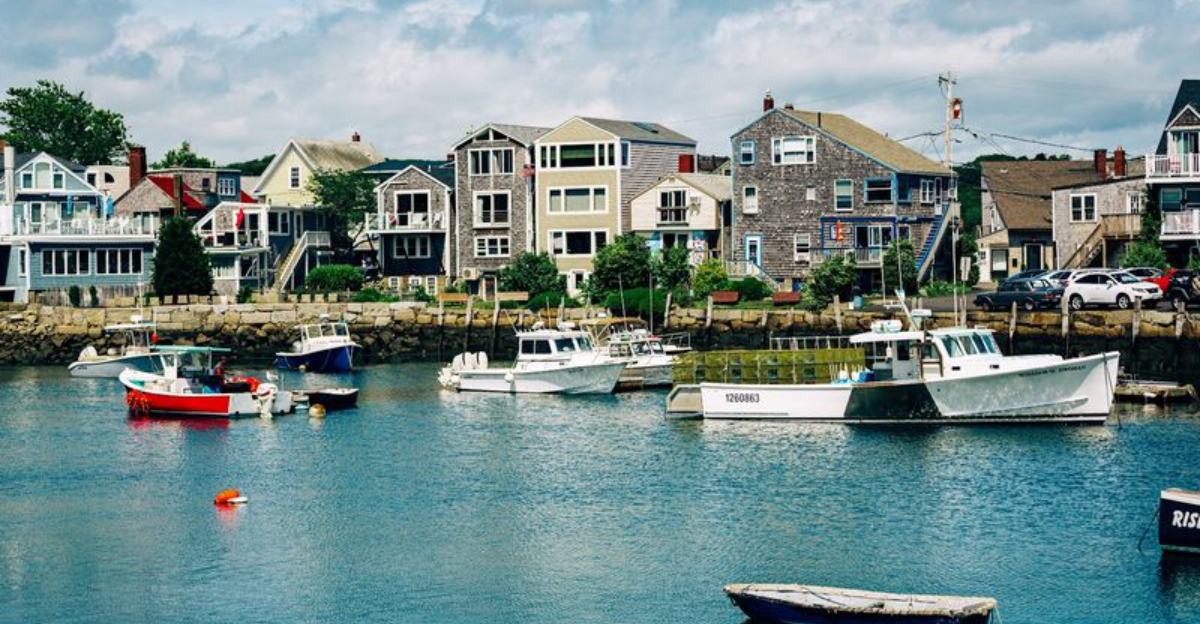
Sometimes the best places are the ones where life slows down the moment you arrive. In Massachusetts, there’s a laid-back town where salty ocean air drifts through quiet streets and the sound of waves replaces city noise.
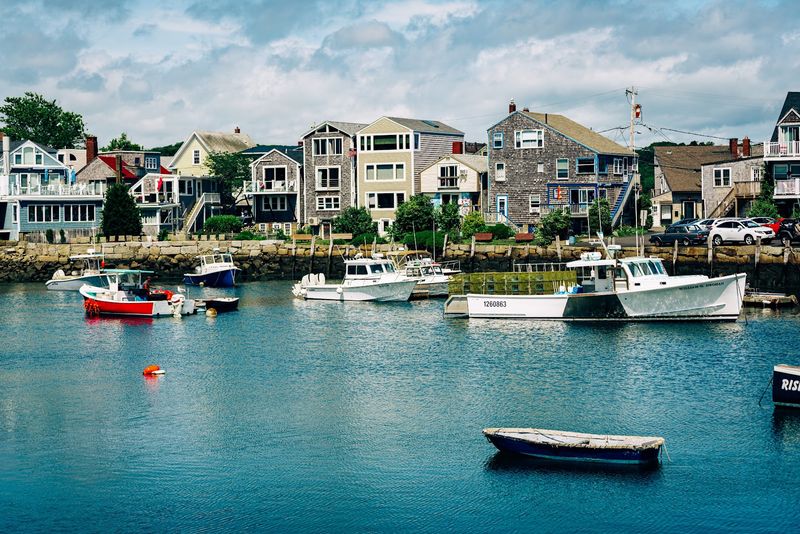
Colorful fishing boats rock gently in the harbor. Artists set up their easels along the shoreline, inspired by views that look like they belong on a postcard.
The pace here feels easy, the scenery unforgettable, and the crowds surprisingly light for such a beautiful place. A stroll through town quickly turns into an afternoon of seaside wandering, fresh breezes, and the simple pleasure of taking your time.
The Charm Of Bearskin Neck And Its Storied Waterfront
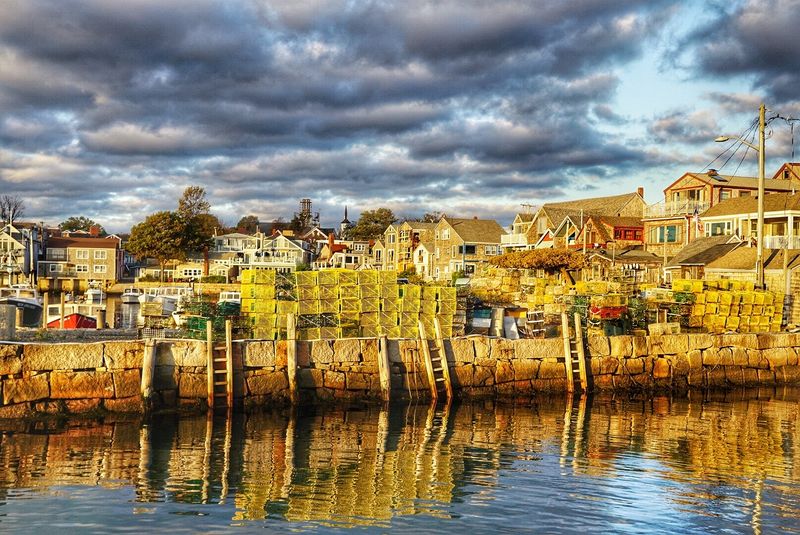
Few stretches of coastline in New England carry as much character per square foot as Bearskin Neck. This narrow peninsula jutting into harbor is lined with converted fishing shacks that now house galleries, jewelry shops, and small restaurants selling chowder in bread bowls.
Walking its main path feels unhurried, even when visitors are present. Nobody is rushing.
People stop to photograph lobster traps stacked against weathered wood, or simply stand at the end of the pier watching the tide move. The smell of salt air and frying seafood mingles in a way that feels completely natural.
Bearskin Neck sits in the heart of the town and has been drawing curious travelers for well over a century. The area earned its unusual name from a bear killed here in the 1600s, which adds a small historical footnote worth mentioning.
Local artists have set up studios nearby, and the light that falls across the harbor in the late afternoon is the kind painters travel great distances to find. Come at your own pace and leave whenever you feel like it.
Front Beach And Back Beach For A Crowd-Free Coastal Day
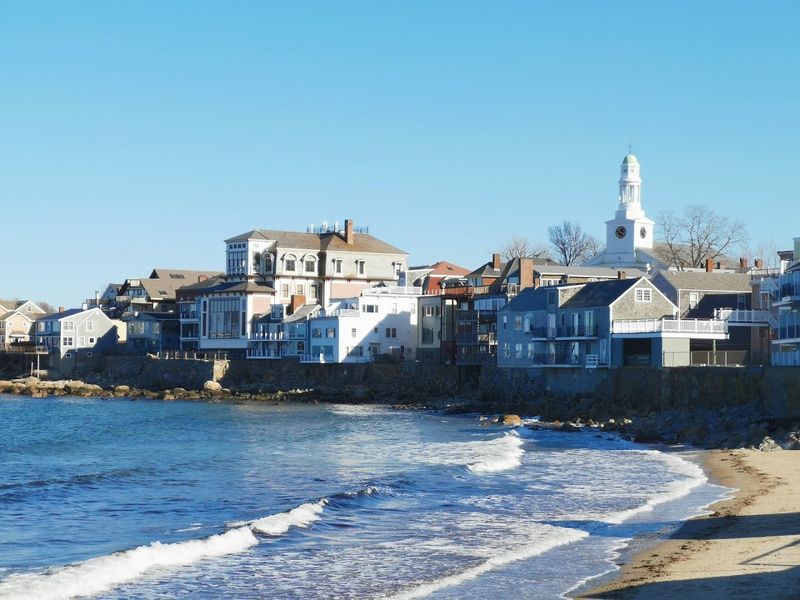
Rockport offers two beaches that sit practically side by side yet feel like completely separate experiences. Front Beach faces the harbor and attracts families looking for calm, protected water with easy access from town.
Back Beach, separated by a short walk, opens directly to the Atlantic and carries a bit more energy in its waves.
Neither beach becomes unbearably crowded, even during the peak summer months. That is partly because Rockport sits at the tip of Cape Ann, roughly 40 miles northeast of Boston, which means it requires deliberate effort to reach.
People who make that drive tend to appreciate what they find rather than treat it casually.
The water stays cold well into summer, which is actually a selling point for people who prefer swimming without the discomfort of warm, murky ocean water. Rocky outcroppings frame both beaches, offering natural seating and excellent tide pool exploration for younger visitors.
Bring a light jacket for the evening, because the breeze off the Atlantic picks up after sunset and the temperature drops quickly. A cooler, a good book, and a willingness to sit still are all you really need for a satisfying afternoon here.
Rockport Art Association And Museum: A Living Creative Legacy
Art has been central to Rockport’s identity since the late 1800s, when painters began arriving to capture the light bouncing off the harbor and the textures of granite along the shore. What grew from those early visits became one of the oldest and most respected art colonies in the United States.
The Rockport Art Association and Museum, located at 12 Main Street, has been operating since 1921 and continues to serve as the cultural anchor of the town. The building itself is worth a visit, with multiple galleries spread across rooms that feel lived-in rather than sterile.
Rotating exhibitions mean there is almost always something new to see, and the permanent collection documents decades of local artistic output with impressive depth.
Admission is affordable, and the staff tends to be genuinely knowledgeable about the works on display. Local artists still show here regularly, which gives the museum a vitality that many larger institutions struggle to maintain.
If you have a passing interest in American landscape painting or maritime art, this place will likely exceed your expectations. The museum also hosts workshops and events throughout the year, making it a resource for the community rather than just a destination for tourists passing through.
Motif Number 1: The Most Painted Building In America
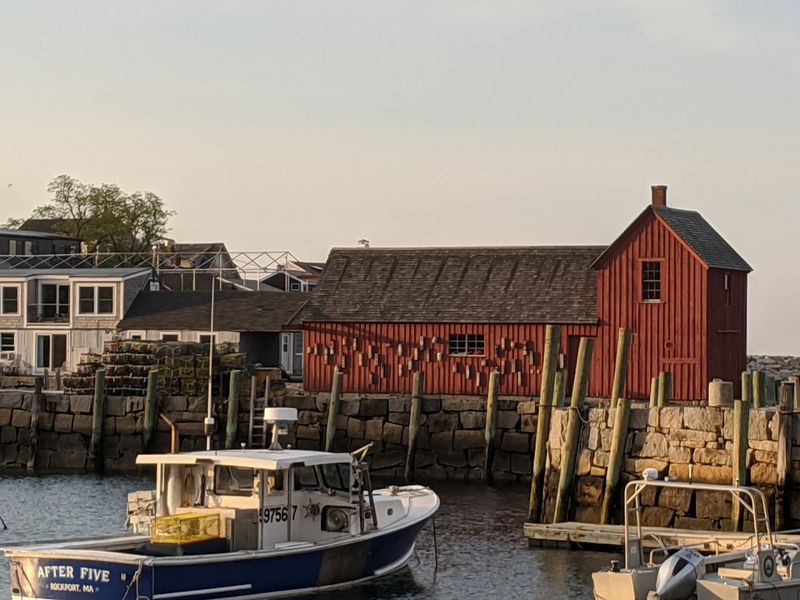
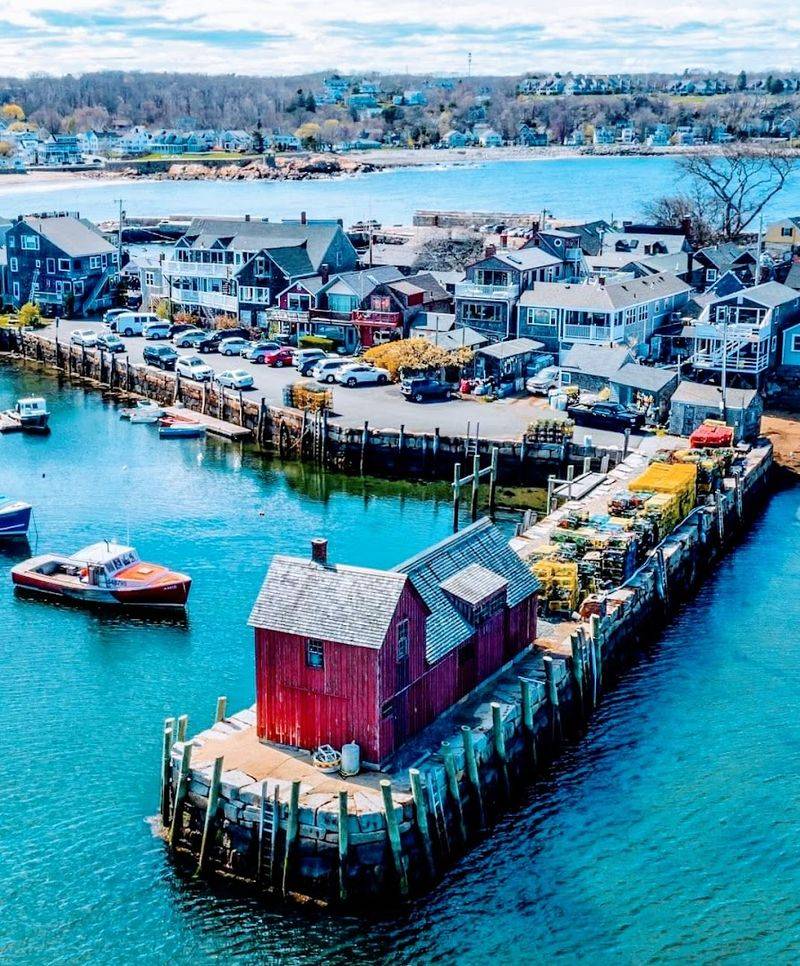
There is a small red fishing shack at Bradley Wharf that has appeared in more paintings, photographs, and sketches than perhaps any other single structure in the country. Artists gave it the name Motif Number 1 as a lighthearted jab at how frequently it appeared on canvases, and the nickname stuck permanently.
The original structure was destroyed during the Blizzard of 1978 and rebuilt using donations from residents and admirers around the world. That community response says something meaningful about how deeply Rockport values its visual identity and its history.
Today the rebuilt shack looks much as it did before the storm, sitting on its wharf with quiet confidence.
Visiting in person feels oddly satisfying, even if you have seen photographs many times before. The scale is smaller than expected, and the setting around it, with working boats in the harbor and the smell of the sea, adds a context that images cannot fully communicate.
Early morning light hits the red exterior in a way that makes the building glow against the water. Photographers still line up to capture it, which means the tradition of Motif Number 1 inspiring creative work shows absolutely no sign of fading anytime soon.
Fresh Seafood Culture That Goes Beyond The Typical Tourist Menu
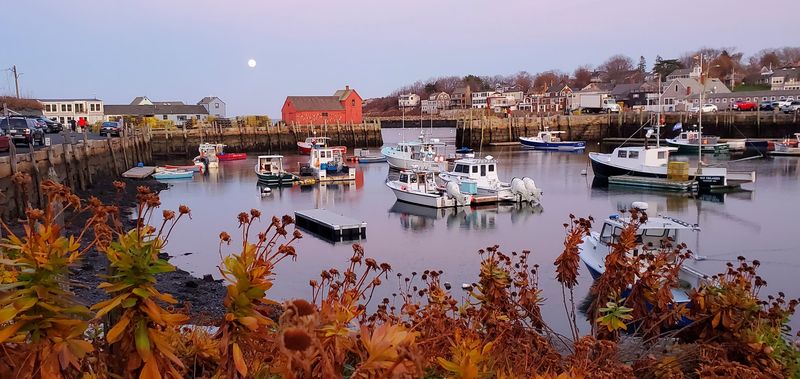
Rockport’s relationship with the sea is not decorative. For generations, fishing sustained this community, and that history is still present in the way local restaurants approach their menus.
The seafood here is not a theme; it is simply what people eat.
Clam chowder made with fresh local clams arrives thick and steaming, without the starchy heaviness that plagues tourist-oriented versions. Lobster rolls appear on menus in both the butter-dressed and mayo-dressed styles, and local cooks tend to have strong opinions about which preparation is correct.
Fried clams, another regional staple, are served in portions that suggest nobody here is counting calories.
Several restaurants along the harbor offer outdoor seating where you can watch the boats while eating, which makes the experience feel connected to the source in a way that is genuinely satisfying. Prices are reasonable by coastal New England standards, especially if you visit outside of peak summer weekends.
A few smaller spots operate more like fish counters than formal restaurants, and those are often where the best quality hides. Rockport is a dry town, meaning alcohol is not sold within its borders, so plan accordingly if wine with dinner is part of your routine.
Halibut Point State Park And The Drama Of Granite Ledges
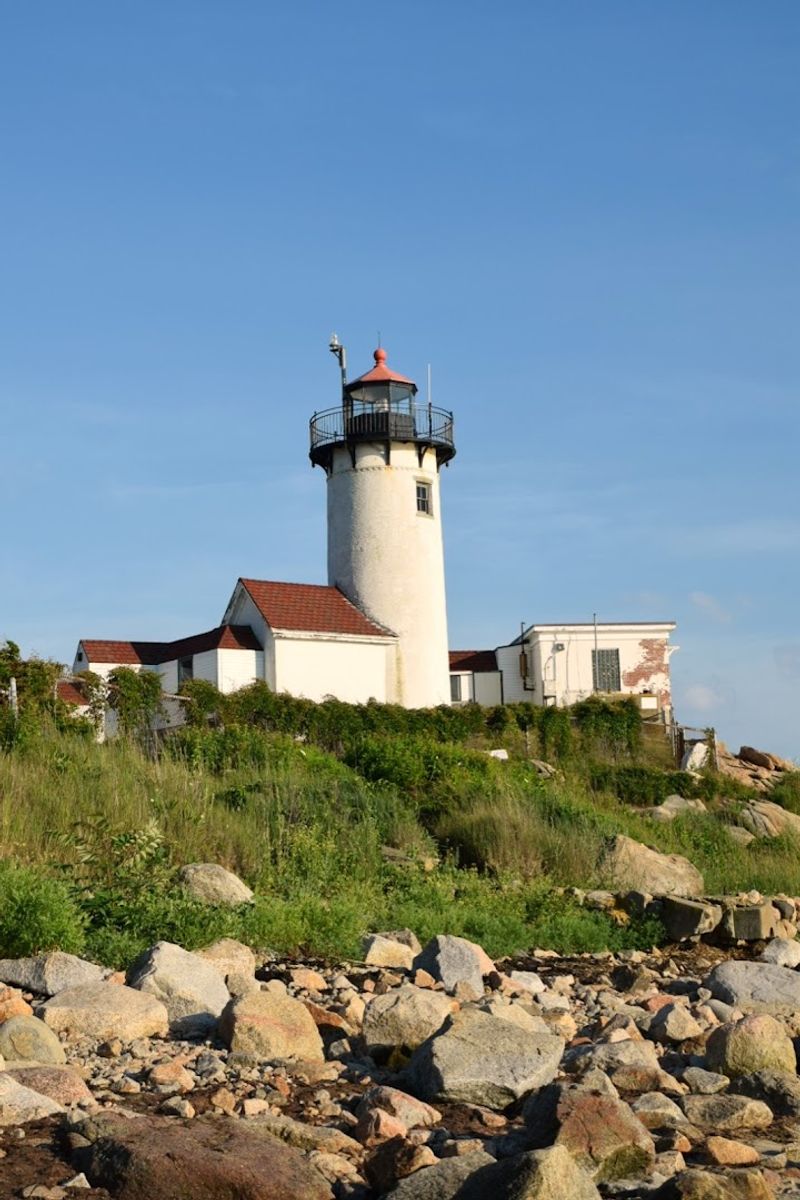
Halibut Point State Park sits at the northernmost tip of Cape Ann and offers one of the most dramatic coastal views in Massachusetts. The park takes its name not from the fish but from a nautical term, as sailing ships had to haul about, or turn, at this exposed headland to navigate safely.
The landscape here is defined by vast sheets of granite that slope directly into the Atlantic. These are not sandy beaches but raw geological formations, worn smooth in places by centuries of wave action and left jagged in others.
Walking across them requires attention and rewards it with a sense of scale that is difficult to find this close to a major city.
An old granite quarry sits within the park, now filled with fresh water and surrounded by vegetation. The quarry operated from the mid-1800s through the early 20th century and supplied stone for buildings across the eastern United States.
Interpretive signs throughout the park explain the quarrying history in accessible language. The walking trails are short but varied, and the exposed hilltop offers views stretching north toward Maine on clear days.
Bring sturdy shoes, because the terrain does not accommodate sandals or casual footwear with any degree of comfort.
The Quiet Rhythm Of Main Street Shopping Without The Pressure
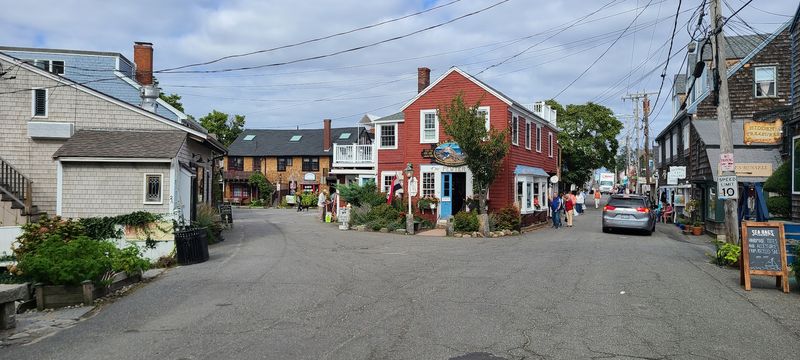
Shopping in Rockport feels like browsing rather than buying, which is a distinction worth appreciating. Main Street runs through the center of town and hosts a collection of independent shops that carry locally made goods, antiques, books, and handcrafted items that you will not find in a chain store.
There is no pressure here. Shop owners are friendly without being aggressive, and browsing for thirty minutes without purchasing anything is entirely acceptable.
The pace of commerce in Rockport matches the pace of the town itself, which is to say it moves at the speed of a pleasant afternoon walk rather than a sales quota.
Several galleries along Main Street represent local artists whose work ranges from traditional maritime painting to contemporary ceramics. A few shops specialize in goods made specifically from local materials or inspired by Cape Ann’s landscape.
The Rockport Art Association and Museum at 12 Main Street anchors the cultural end of the street, while smaller boutiques and food shops fill in the remaining blocks. Parking can be limited during summer, so arriving early or using the commuter rail from Boston are both practical options worth considering.
The train ride from North Station takes about an hour and drops you within easy walking distance of everything.
Cape Ann’s Natural Landscape And Why It Rewards Slow Exploration
Cape Ann is the second cape in Massachusetts, less famous than Cape Cod but arguably more interesting to explore on foot. The peninsula combines working harbor towns, forested trails, tidal marshes, and exposed headlands within a geography compact enough to cover meaningfully in a long weekend.
Rockport occupies the eastern and northern portions of the cape, and its natural areas transition quickly between different coastal environments. One trail might take you through a quiet pine forest before opening onto a granite overlook above open water.
Another follows the shoreline past tide pools where periwinkles and green crabs go about their business regardless of who is watching.
Birding on Cape Ann is considered exceptional by regional standards. The exposure of the headlands makes it a significant stopover for migratory species in spring and fall, and several local organizations lead guided walks during peak migration periods.
The Dogtown area, a historic inland common that was once a colonial settlement, offers miles of trails through a haunted-feeling landscape of boulders and scrub oak. The name alone invites curiosity.
The entire cape rewards the kind of traveler who prefers discovering things gradually over checking items off a list, and Rockport serves as an ideal base for that kind of unhurried exploration.
The Commuter Rail Connection That Makes A Day Trip Genuinely Easy

One of the more practical and underappreciated facts about Rockport is that it sits at the end of the MBTA Rockport Line, making it directly accessible by train from Boston’s North Station without a car. The ride takes approximately one hour and passes through several other Essex County towns before terminating in Rockport.
For Boston residents, this makes a Rockport day trip genuinely low-effort. The train runs multiple times daily, including on weekends, and the station in Rockport sits close enough to the harbor and Main Street that you can begin exploring within minutes of stepping off.
No parking fees, no traffic on Route 128, no logistical headaches.
The train itself passes through some attractive scenery, including marsh views and the coastal stretches near Gloucester, which makes the journey part of the experience rather than just a means to an end. Families traveling with children find the train particularly useful, as it removes the stress of managing car seats, parking, and navigation in an unfamiliar town.
Round-trip fares are modest, and the commuter rail schedule is reliable enough to plan around confidently. For visitors coming from further away, the train also connects to Boston’s broader transit network, making Rockport accessible from Logan Airport with a single transfer.
Why Rockport Feels Different From Every Other New England Coastal Town
A lot of New England coastal towns sell a version of the same story: old buildings, fresh seafood, scenic water views, and a claim to authenticity that sometimes feels manufactured. Rockport earns its reputation through accumulated character rather than careful branding, and that difference is perceptible within an hour of arriving.
The town has resisted the kind of development that turns charming places into theme park versions of themselves. Buildings stay modest in scale.
The commercial activity along Bearskin Neck and Main Street reflects local taste rather than franchise logic. Even the art colony, one of America’s oldest, operates with a seriousness of purpose that keeps it from feeling like a tourist attraction dressed up as culture.
The dry town status, which has been in place since the late 1800s, contributes to a particular atmosphere. Evenings are quiet.
The social life centers on food, conversation, and the harbor rather than nightlife. For some visitors this will be a dealbreaker; for others it is precisely the point.
Rockport, Massachusetts, located at the tip of Cape Ann roughly 40 miles northeast of Boston, offers something increasingly rare in accessible travel destinations: a place that has remained genuinely itself. That quality, more than any single attraction, is why people return.