
14 Old-School Maryland Dinner Traditions From The ’60s That Would Confuse Kids Today
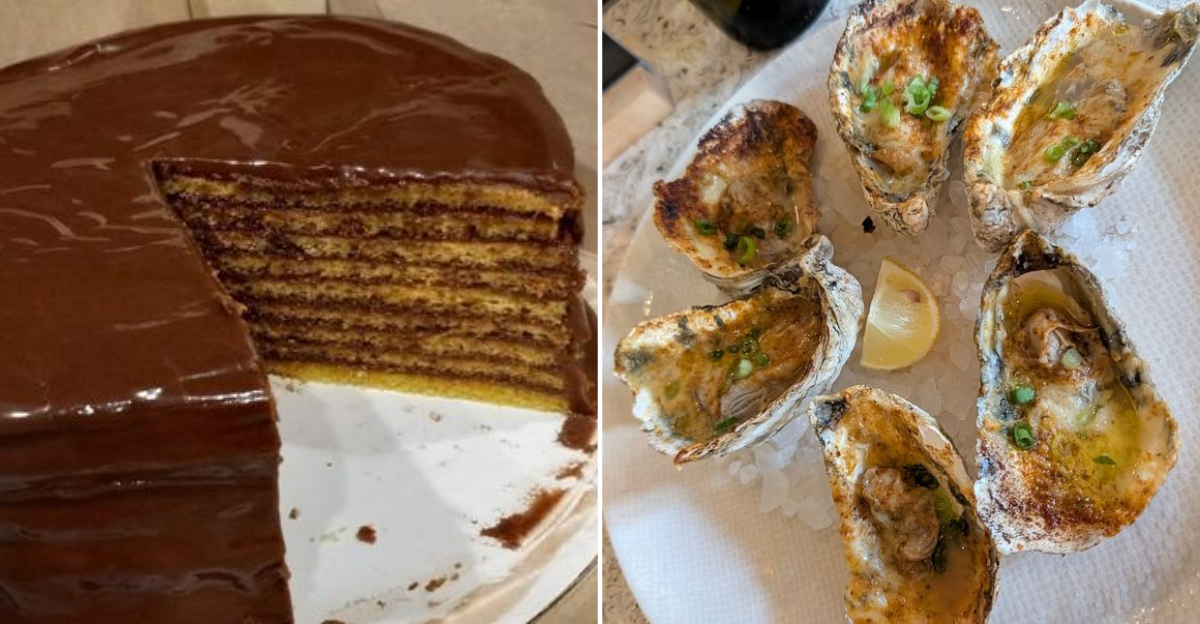
Dinner in 1960s Maryland was never something I would call quiet, simple, or forgettable. It came with noise, rituals, mess, and a whole lot of personality.
One night might mean paper spread across the table, crab shells piling up, and everyone working for their supper with a mallet in hand. Another might mean old-school sides, familiar casseroles, and dishes that would leave plenty of kids today staring at the plate in total confusion.
That is what makes these traditions so fun to look back on. They were not polished or trendy.
They were deeply local, proudly old-fashioned, and tied to the kind of dinnertime routines that felt completely normal back then. Some of them are still hanging on in Maryland, while others now sound like little time capsules from a different era.
And honestly, that is exactly why I cannot stop thinking about them.
1. Crab Feast Tradition
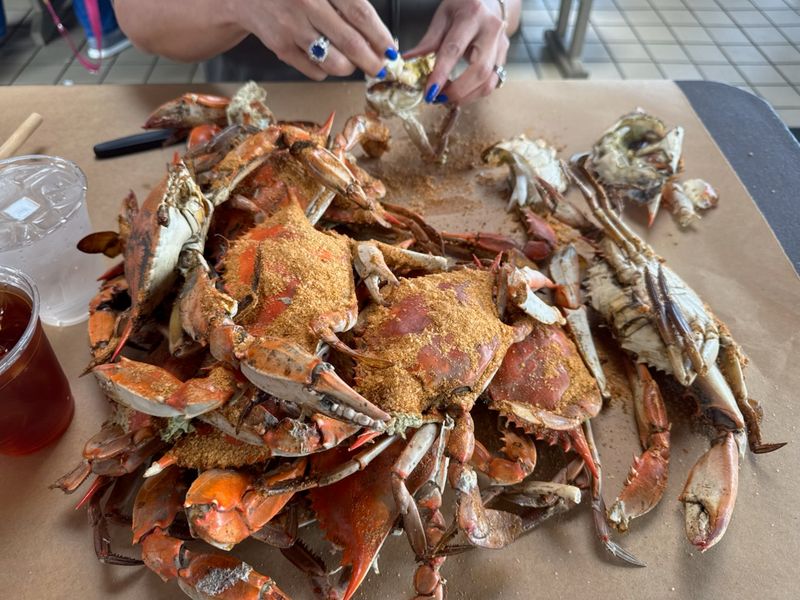
Picture a table with no plates, no fancy silverware, and absolutely no apologies about the mess. That was the Maryland crab feast, and it was glorious.
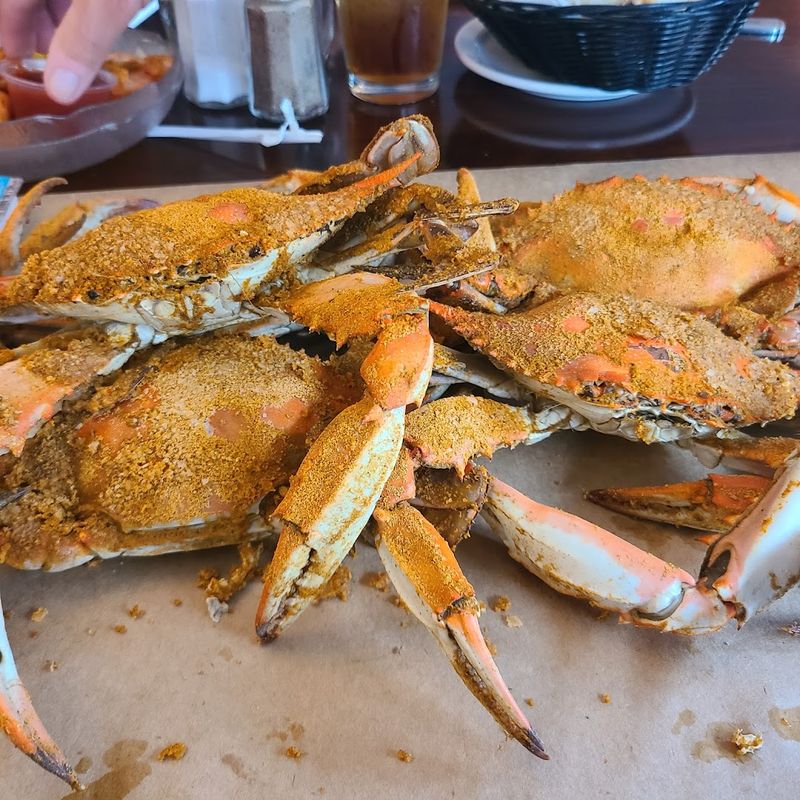
Brown paper covered every surface, and a mountain of steamed blue crabs landed right in the middle.
Old Bay seasoning dusted everything in orange. You picked up a mallet, cracked into a claw, and got to work. Nobody was texting. Nobody was distracted. Everyone was fully committed to the crab.
Some young people might see a whole crab and wonder how anyone is supposed to eat it. Back then, learning to pick a crab was practically a rite of passage. You earned that crabmeat, and it tasted better because of it.
At 458 Forest Beach Rd, Annapolis, MD 21409, Cantler’s Riverside Inn still carries on this tradition beautifully. The waterfront setting, the piles of steamed crabs, and the casual chaos of a proper feast make it feel like the 1960s never really left Maryland at all.
2. Brown-Paper, Mallet-And-Crabs Tradition
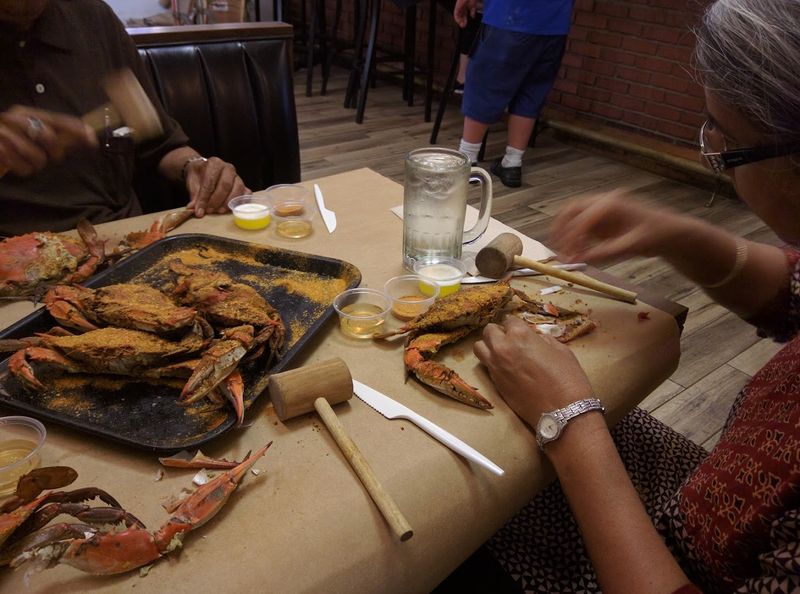
There is something deeply satisfying about a restaurant that hands you a mallet and tells you to go for it. No instructions needed.
No delicate plating. Just crabs, paper, and the sound of shells cracking across the table.
This tradition was pure Maryland. Restaurants covered their tables with brown butcher paper before service, piled steamed crabs directly on top, and let families do the rest.
Cleanup was simple: roll up the paper and toss it.
Bethesda Crab House at 4958 Bethesda Ave, Bethesda, MD 20814 keeps this stripped-back tradition alive. The setup is refreshingly no-nonsense.
Crabs arrive seasoned and hot, the paper is already down, and the only expectation is that you enjoy every messy, satisfying bite without overthinking it.
Kids raised on delivery apps and reusable containers would probably find the whole setup baffling. Why is the table covered in paper? Where are the plates? What is that wooden hammer for?
The answer to all three questions is: crabs.
3. Maryland Crab Cake Tradition
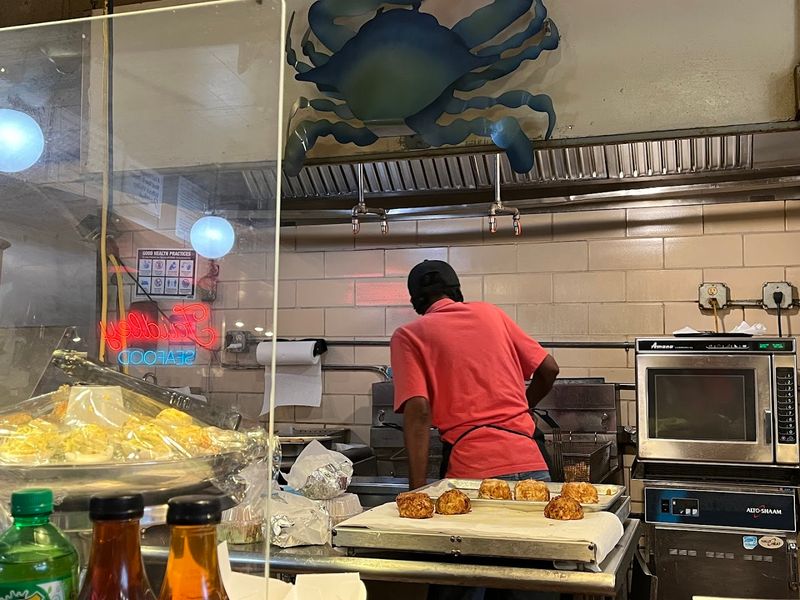
Ask any Marylander what makes a real crab cake and you will get a passionate answer fast. The 1960s version was simple by design: mostly crab, very little filler, pan-fried or broiled until golden.
No fancy sauce towers. No microgreens on top.
The idea was to taste the crab, not a breadcrumb casserole shaped like a puck. Old-school Maryland cooks treated lump crabmeat as the star, and everything else as a supporting player that had better stay quiet.
Modern versions sometimes pile on so many extras that the crab becomes an afterthought. That would have horrified any serious 1960s Maryland cook. They would have sent it back without blinking.
This restaurant at 119 N Paca St, Baltimore, MD 21201 has been making crab cakes the right way for decades. Their commitment to jumbo lump crab with minimal binder is exactly what the tradition demanded.
One bite at Faidley’s Seafood and you immediately understand why Marylanders take crab cakes so personally. It is not snobbery.
It is just standards.
4. Maryland Crab Soup Tradition
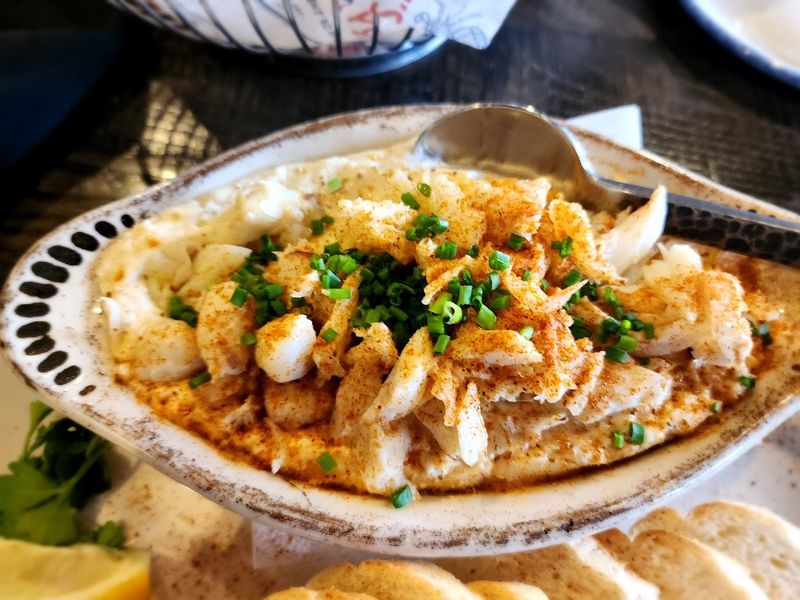
Maryland crab soup is not cream-based, and if you grew up here in the 1960s, you knew that without being told. The original version was tomato-based, loaded with vegetables, and built around the bold flavor of blue crab.
It was hearty, unpretentious, and made to feed a crowd.
Corn, lima beans, potatoes, and crab all shared the same pot. Old Bay seasoning tied everything together. It was the kind of soup that tasted better the next day, assuming any survived until then.
Cream of crab has its fans, and rightfully so. But Maryland crab soup was the everyday version, the one that showed up at church fundraisers, family reunions, and Tuesday night dinners without any fanfare.
Jerry’s Seafood serves a version that respects the tradition completely. The tomato broth is rich, the crab is generous, and the vegetables are cooked just right.
It tastes like something a Maryland grandmother made in a big pot on a Wednesday afternoon, because it basically is. Head to 15211 Major Lansdale Blvd, Bowie, MD 20721 and dig into the old familiar flavors Maryland still does so well.
5. Cream Of Crab Soup Tradition
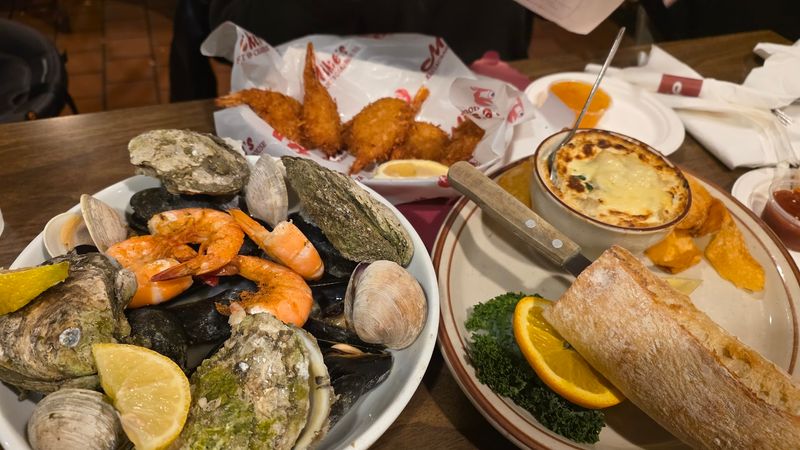
Cream of crab soup was the fancier cousin at the Maryland dinner table. It showed up at holiday meals, special occasions, and restaurants that wanted to impress.
Thick, rich, and deeply flavored with crab, it felt like a luxury even when made at home. The key was using real lump crabmeat and not being shy about it. A dusting of Old Bay on top was non-negotiable.
Some families added a splash of sherry, but the crab always had to carry the bowl.
Kids today who grew up on canned soup might not fully appreciate what goes into a proper cream of crab. It requires patience, good crab, and a cook who respects the process. You can taste the difference immediately.
Mike’s Restaurant and Crabhouse serves a cream of crab that earns its reputation. The waterfront views are lovely, but the soup is what keeps people coming back.
Rich, properly seasoned, and loaded with crab, it is comfort food with a Chesapeake Bay address. You can find it at 3030 Riva Rd, MD 21140.
6. Baltimore Coddies Tradition
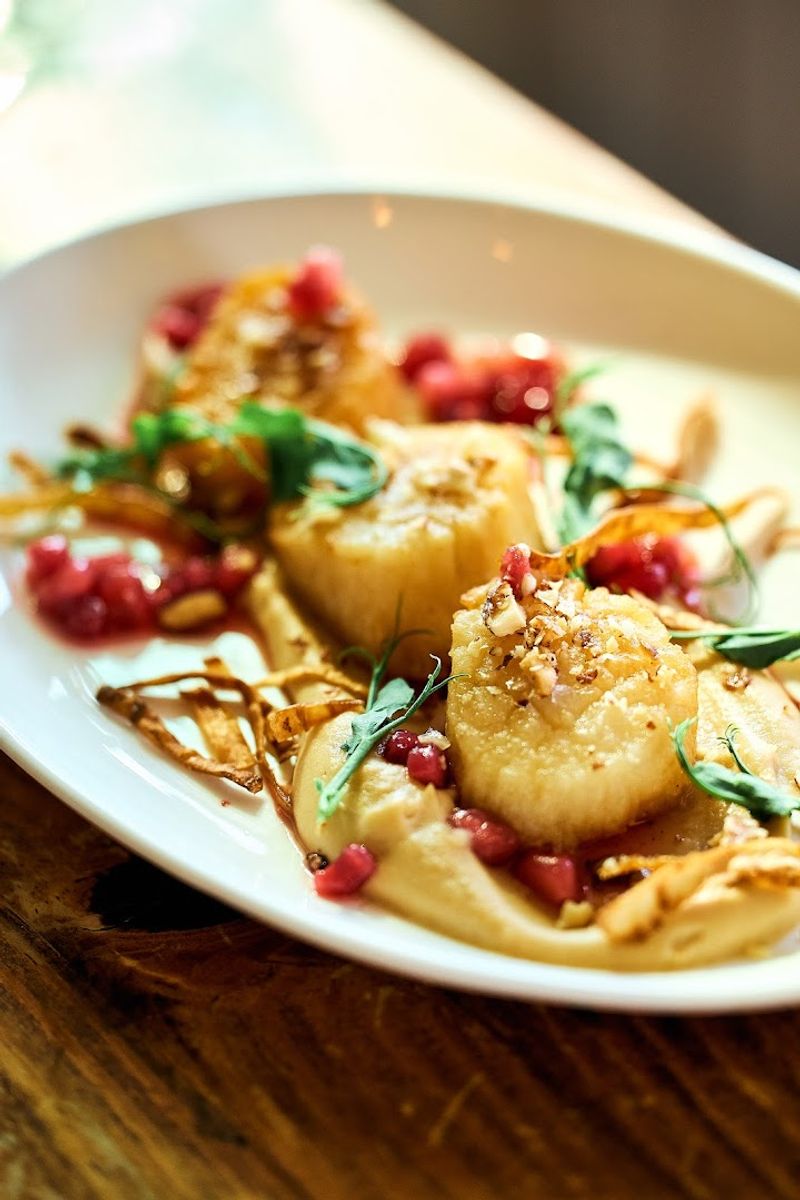
Coddies might be the most Baltimore food that nobody outside Baltimore has ever heard of. Finding them on a modern menu feels like discovering a piece of Baltimore history that almost disappeared.
One bite and you understand exactly why old-timers still talk about them with such obvious affection.
Dylan’s Oyster Cellar has brought coddies back into the spotlight with the reverence they deserve.
Salt cod mixed with mashed potato, formed into small cakes, and served on saltine crackers with yellow mustard. That is it. That is the whole tradition, and it was beloved.
They were sold at corner stores, lunch counters, and markets all across the city. Affordable, filling, and distinctly local, coddies were a blue-collar staple that asked very little but delivered real satisfaction.
Show a coddie to a kid today and they will probably ask if it is a fish sandwich that got lost.
Explain the mustard-and-cracker situation and watch the confusion deepen. The 1960s Baltimore palate was just built differently, and you can taste it at 3601 Chestnut Ave, Baltimore, MD 21211.
7. Oyster-Bar / Raw-Bar Tradition
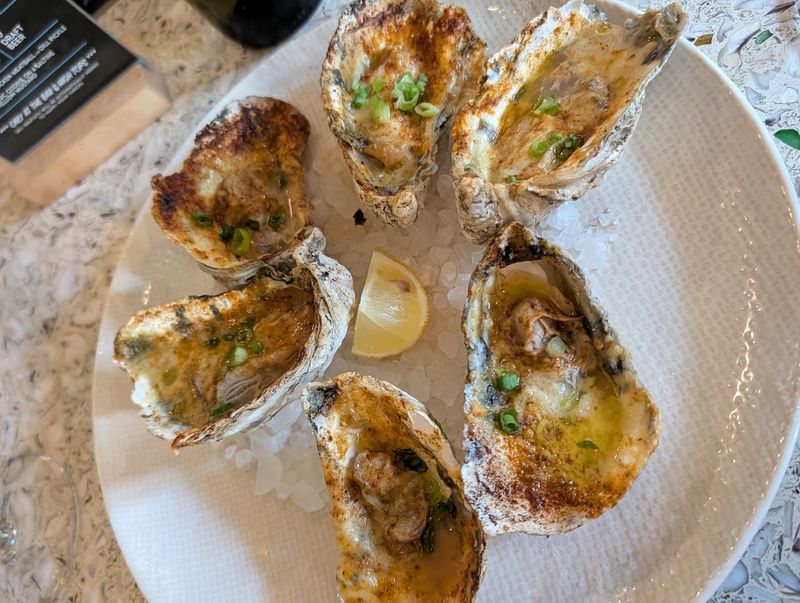
Standing at an oyster bar and slurping fresh-shucked Chesapeake oysters straight from the shell was a real Maryland ritual. It managed to feel casual and sophisticated at the same time.
You leaned on the counter, squeezed a lemon, and just went for it.
The raw bar was a social institution. Men in work clothes stood beside businessmen in ties, and everyone focused on the same thing: the oysters.
The shucker behind the counter worked fast, and the ice kept everything cold and briny-fresh.
People who grew up used to fully cooked menus might find the raw oyster experience genuinely alarming. Cold, slippery, and consumed in one gulp?
The 1960s Maryland crowd would have laughed at the hesitation and handed over another one.
True Chesapeake Oyster Co. at 3300 Clipper Mill Rd, Baltimore, MD 21211 brings that raw bar energy into the modern era without losing any of the original charm.
The oysters are impeccably fresh, the setting feels relaxed, and the whole experience carries the easy confidence of a great Maryland seafood tradition.
8. Pit Beef Tradition
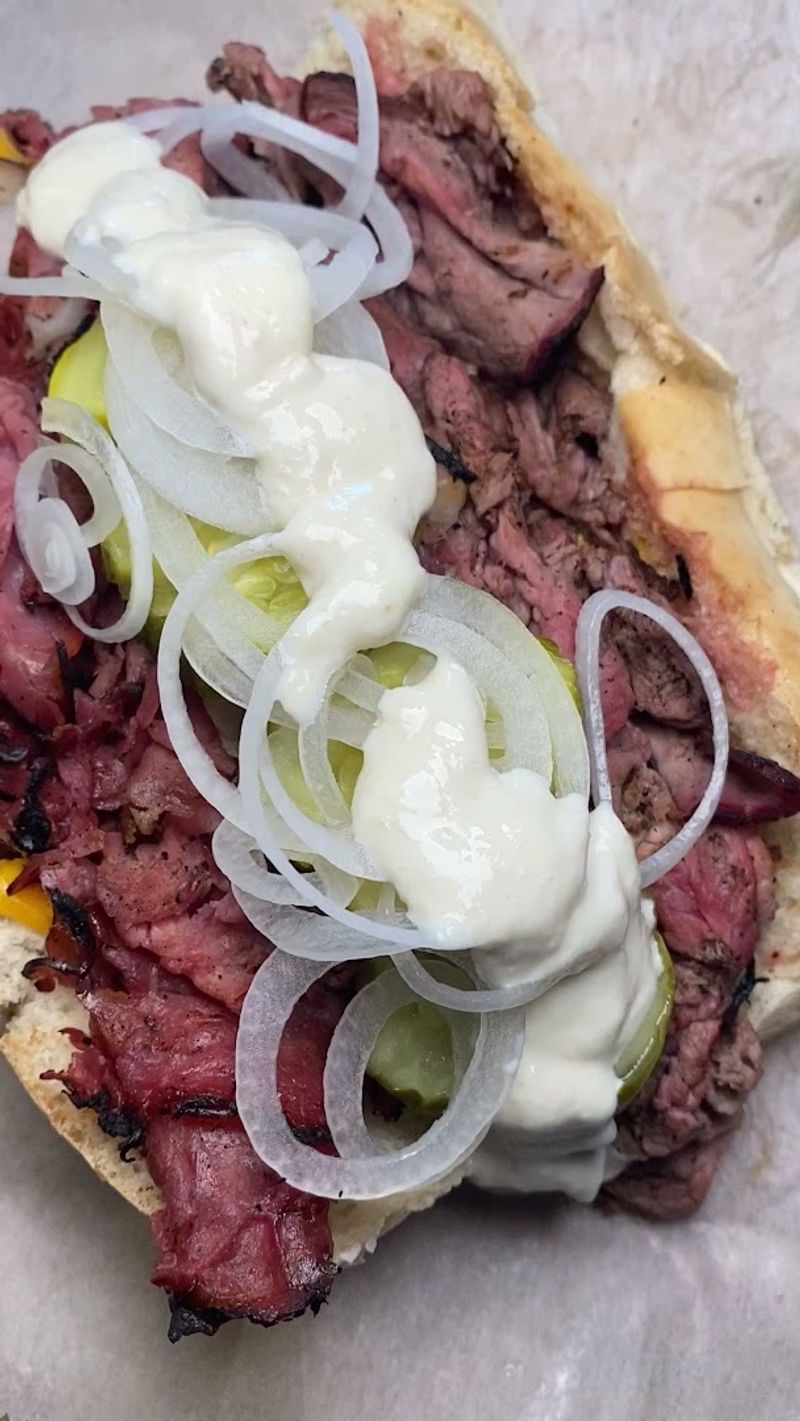
Pit beef is Maryland’s answer to barbecue, and it does not need anyone’s approval. A whole top round roast cooked directly over an open charcoal pit, sliced thin while still rare, and piled onto a kaiser roll with raw onion and tiger sauce.
It is bold, smoky, and absolutely magnificent.
Tiger sauce is its own tradition: horseradish mixed with mayonnaise, sharp enough to wake you up and creamy enough to balance the beef. It sounds simple because it is, and that simplicity is exactly the point.
Pit beef stands were a Maryland roadside staple long before food trucks became a cultural moment.
You pulled over, ordered fast, and ate even faster. No tables required. No atmosphere necessary. Just great beef and a parking lot.
Chaps Pit Beef is the gold standard. The beef is properly rare, the tiger sauce has real kick, and the whole experience is unpretentious in the best possible way.
If you have never had Maryland pit beef, you have a very good afternoon ahead of you at 720 Mapleton Ave, Baltimore, MD 21205.
9. Sour Beef And Dumplings Tradition
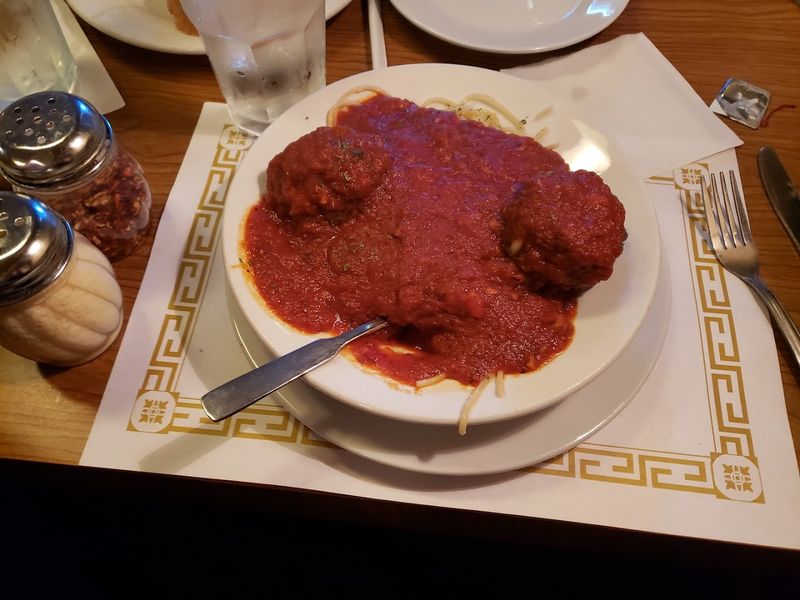
Maryland has a strong German-American heritage that shows up clearly on the dinner table, and sour beef with dumplings is the most vivid example. It is essentially sauerbraten.
The beef is marinated in a tangy mixture, then braised until tender. It is served with a gingersnap-thickened gravy over large, pillowy potato dumplings.
The gingersnap gravy sounds unusual until you taste it. The sweetness and spice of the cookies balance the tang of the marinade in a way that is completely unexpected and completely delicious.
It is one of those dishes where the weird-sounding ingredient turns out to be the genius move.
Kids raised on mild, familiar flavors might find the bold tanginess of sour beef a genuine surprise. But Baltimore families in the 1960s grew up on this dish and considered it completely normal Sunday dinner fare.
Johnny Dee’s Lounge at 1705 Amuskai Ave, Parkville, MD 21234 serves sour beef and dumplings that taste like they came straight from a 1960s Baltimore kitchen. The gravy is right, the dumplings are properly dense, and the whole plate feels like edible history worth experiencing.
10. Sauerkraut-With-Turkey Holiday Tradition
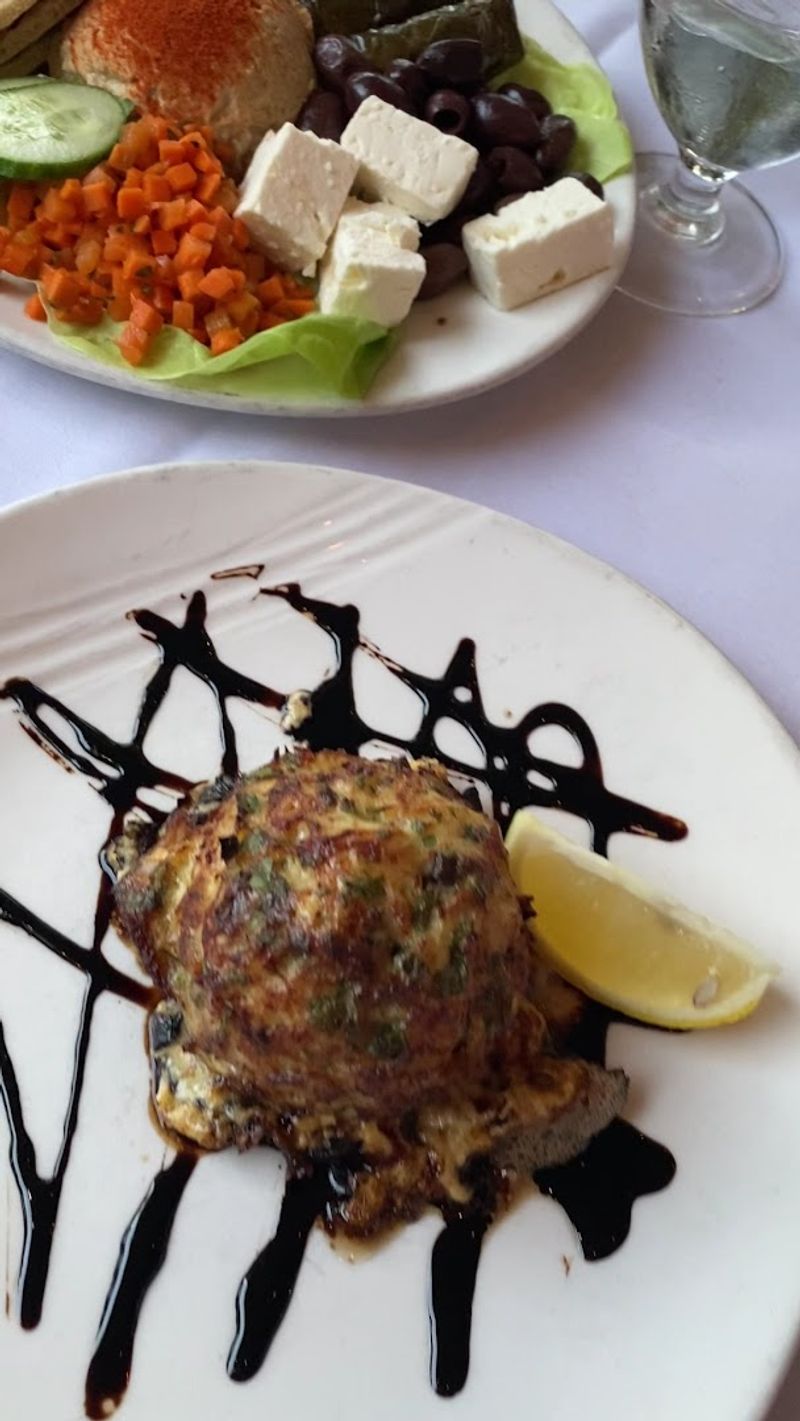
Here is a Maryland holiday tradition that genuinely baffles outsiders: serving sauerkraut alongside the Thanksgiving turkey. Not instead of it.
Alongside it, as a completely normal side dish that nobody questioned because it had always been there.
This tradition came straight from Maryland’s German-American communities, especially in Baltimore.
Today, you can still find a taste of it at 10 Art Museum Dr, Baltimore, MD 21218 Sauerkraut was as natural at the holiday table as mashed potatoes.
The tangy, fermented cabbage cut through the richness of the turkey and gravy in a way that actually made a lot of sense once you tried it.
Explaining this tradition to someone who did not grow up with it usually produces a very specific expression. The polite confusion is understandable.
Sauerkraut and turkey sounds like a catering mistake, but it is actually a deeply rooted regional tradition with real flavor logic behind it.
Gertrude’s honors Maryland’s diverse food heritage thoughtfully, and their approach to regional traditions like this one reflects genuine respect for the history.
The setting inside the Baltimore Museum of Art adds a layer of cultural context that makes the whole experience feel appropriately meaningful.
11. Smith Island Cake Tradition
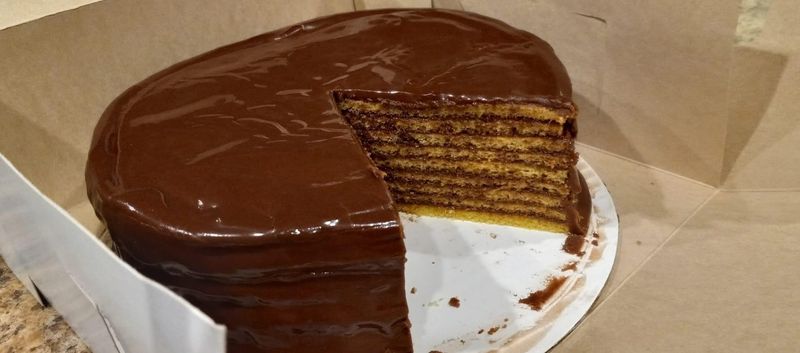
Smith Island Cake looks like a regular layer cake until you cut into it and discover eight to ten impossibly thin layers of yellow cake separated by fudge frosting. It is the official state dessert of Maryland, and it earned that title completely on merit.
The tradition began on Smith Island, a remote community in the Chesapeake Bay. Women baked these elaborate cakes to send with their husbands during the autumn oyster harvest.
The thin layers stayed fresh longer and traveled well. Practicality created a masterpiece.
Smith Island Bakery LLC at 20926 Caleb Jones Rd, Ewell, MD 21824 makes the cake on the island itself, which is only accessible by boat.
Getting there requires planning, but the experience of eating Smith Island Cake in its actual birthplace is one of those things that stays with you permanently.
Fans of tall, dramatic bakery cakes might look at a Smith Island slice and wonder why it is built with so many layers. The answer is texture: the ratio of cake to frosting in every bite is absolutely precise, and the result is unlike anything else.
12. Crab Imperial Tradition
Crab Imperial was the dish Maryland cooks brought out when they wanted to genuinely impress someone. Lump crabmeat bound with a light, seasoned mixture and baked until just golden on top, it was elegant without being complicated.
It showed up at dinner parties, holiday tables, and anniversary celebrations throughout the 1960s. The key was restraint. The binder existed to hold the crab together, not to compete with it.
Good crab imperial tasted overwhelmingly of crab, with just enough richness from the sauce to make each bite feel special. Overcooking it was the only real crime.
Modern menus sometimes treat crab imperial as a topping rather than a centerpiece, which misses the point entirely. As its own dish, properly made, it is one of the finest things Maryland produces.
That is a high bar, and it clears it easily.
Chesapeake Landing serves crab imperial the way it was meant to be served: as the main event, not an afterthought. The Eastern Shore setting at 23713 St Michaels Rd, St. Michaels, MD 21663 adds the right atmosphere, and the crab makes every bite feel true to tradition.
13. Maryland Crab Dip Tradition
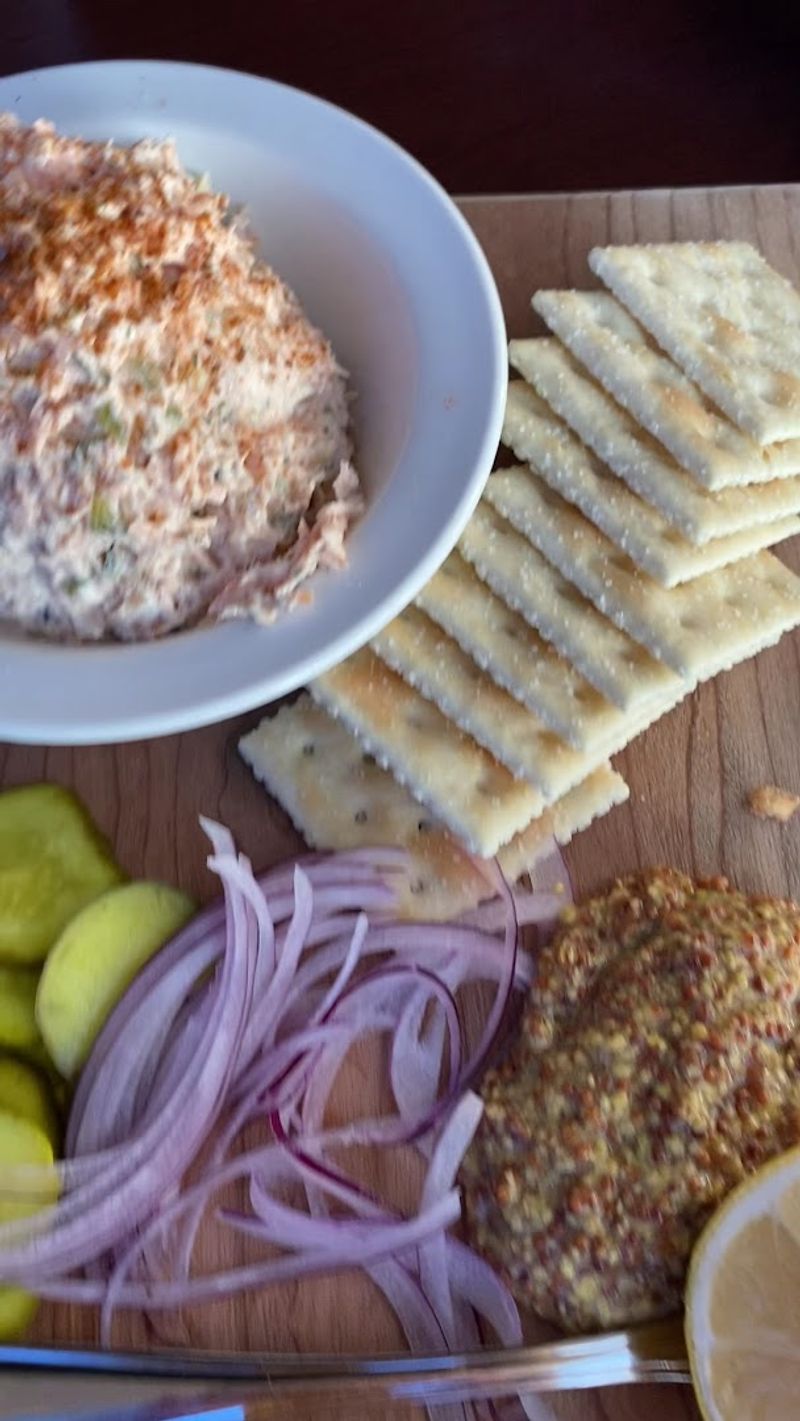
Crab dip was the dish that showed up at every Maryland party, potluck, and family gathering from the 1960s onward, and nobody ever complained about it.
Warm, cheesy, loaded with crabmeat, and served with crackers or bread, it was the appetizer that disappeared before the main course even came up.
Making crab dip well required good crab and no fear of cream cheese. The best versions were rich and deeply flavored, with Old Bay providing the backbone and real lump crabmeat doing the heavy lifting.
Imitation crab had no place at a serious Maryland table.
Many people know crab dip from chain restaurant menus, but those versions often fall short of the homemade original. The real thing, made with fresh Chesapeake crab, has a sweetness and depth that pre-made versions simply cannot replicate.
Severn Inn serves a crab dip that reminds you what the standard should be. The Severn River views through the windows are stunning, but the dip earns its own attention.
Warm, generous, and properly crabby, it is exactly what this tradition always promised.
Plug 11993 Baltimore Annapolis Blvd, Annapolis, MD 21409 into your GPS and let your kid get a taste of this old-school classic.
14. Oyster Stew / Shad Roe Old-School Tradition
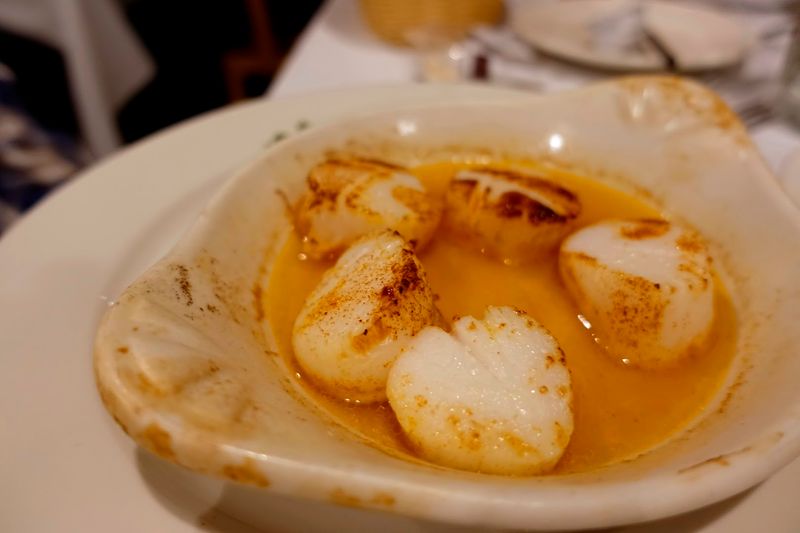
Two dishes defined the old-school Maryland seasonal table more than almost anything else: oyster stew and shad roe. Both were deeply tied to specific times of year, and both required an appreciation for ingredients that modern diners rarely encounter anymore.
Oyster stew was winter comfort food: plump Chesapeake oysters in a rich, milky broth with butter and a crack of pepper. Simple, warming, and completely dependent on the quality of the oysters.
Shad roe arrived in spring, the delicate egg sacs of the American shad pan-fried in butter, crispy outside and creamy within.
Explaining shad roe to someone unfamiliar with it is always an adventure. Fish eggs, pan-fried, as a main course?
Yes. And it is extraordinary when done correctly.
The 1960s Maryland table embraced seasonal eating not as a trend but as simple common sense.
Restaurant at 1301 York Rd, Lutherville, MD 21093 honors these old-school traditions with genuine care. Finding oyster stew and shad roe on a modern menu feels like stumbling into a conversation with Maryland’s culinary past.
At The Peppermill, that conversation is still very much worth having over a proper sit-down dinner.
Bring the kids, order something wonderfully old-school, and let Maryland dinner history confuse everybody at the table.