
New Jersey’s Italian Pasta Houses Where Tradition Hasn’t Budged In Generations
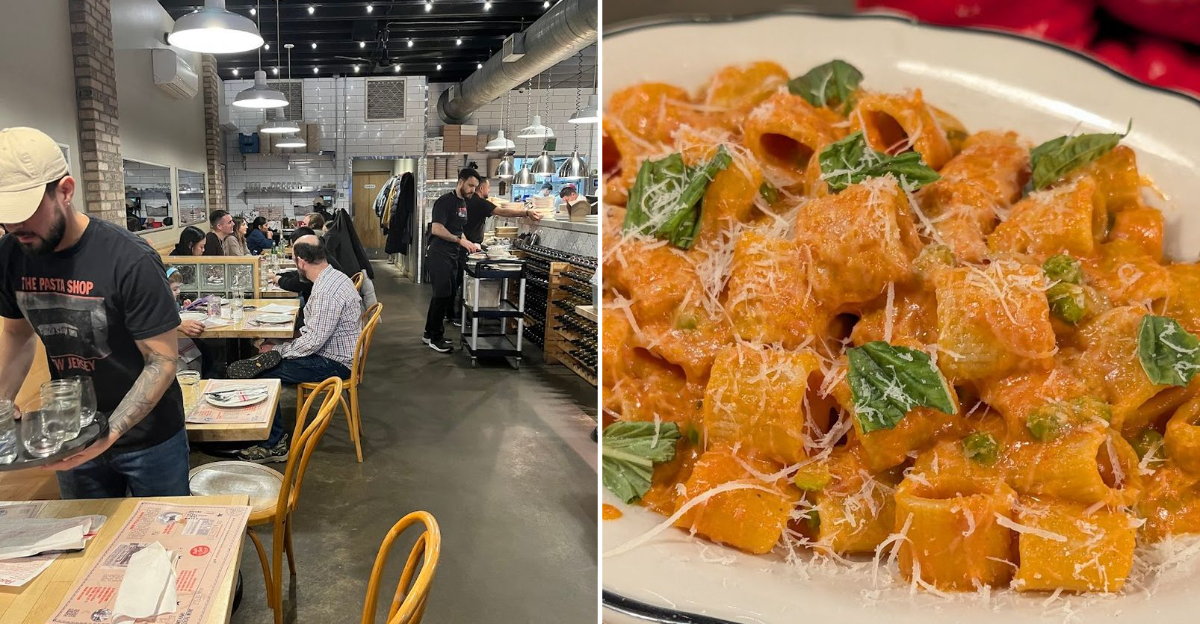
Italians are people who are very particular when it comes to pasta. That is why it is no surprise that in New Jersey they are known as true guardians of tradition when it comes to Italian food.
There is a certain respect they give to every detail, from the texture of the pasta to the richness of the sauce. Nothing feels rushed, nothing feels careless.
Every dish carries a sense of history, as if it has been passed down and protected over time.
Entering these places often feels like going into a world where food is taken seriously, but still enjoyed with warmth and pride.
And maybe that is the point, pasta is not just a meal here, it is a craft, a memory, and a standard that is never lowered.
History Of Italian Making In Area
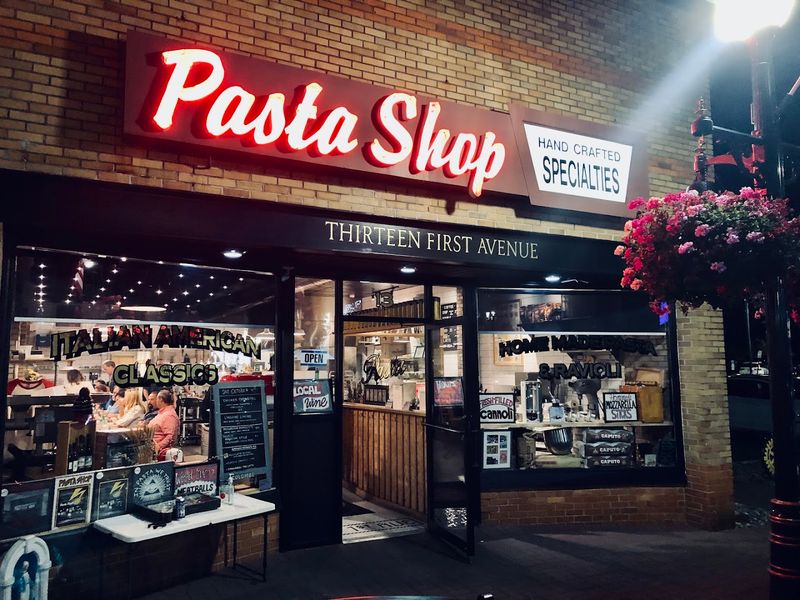
Italian cooking in Denville did not happen overnight. Morris County has a long history of Italian immigrant families who brought their recipes, their pots, and their stubborn refusal to cut corners when it came to food.
The Pasta Shop sits right in the middle of that legacy.
Denville became a community where Italian traditions found a comfortable home. Families set up shops, passed down recipes, and made sure the next generation knew how to roll pasta the right way.
The Pasta Shop carries that same energy today.
Walking past the shop, you can almost feel the history baked into the walls. This is not a place that reinvented the wheel.
It honored it. Residents have watched this spot become a cornerstone of the neighborhood’s food culture.
It represents years of dedication to keeping Italian pasta-making traditions alive in a town that cares about where its food comes from and how it gets made. Find this spot at 13 1st Ave, Denville, NJ 07834.
Signature Dishes That Define Tradition
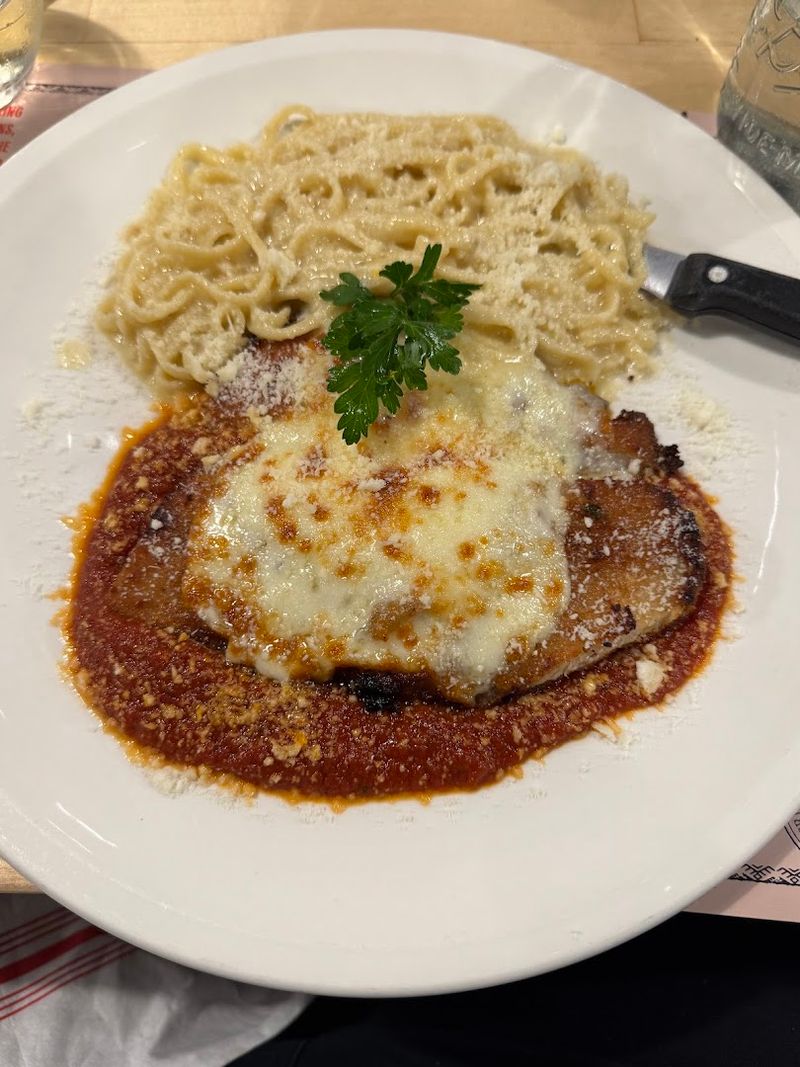
Some dishes just refuse to be messed with, and at The Pasta Shop, that is a badge of honor. The signature offerings here are built on the recipes that do not need a reboot every few years.
Classic stuffed shells, hearty rigatoni, and perfectly rolled fettuccine are the stars of the show.
Every dish tells a story about where it came from. The red sauce alone could make a grown adult emotional.
It is slow-cooked, deeply flavored, and completely unapologetic about being exactly what it is. No fusion twists, no surprise ingredients meant to impress a food critic.
The lasagna deserves its own conversation. Layers of pasta, ricotta, and sauce stacked with the patience that modern fast cooking completely ignores.
Regulars at The Pasta Shop do not just order food here. They reconnect with something familiar and comforting every single time they visit.
These dishes are not on the menu because they are trendy. They are on the menu because they are right, and they have been right for a very long time.
Locally Sourced Ingredients That Enhance Flavor
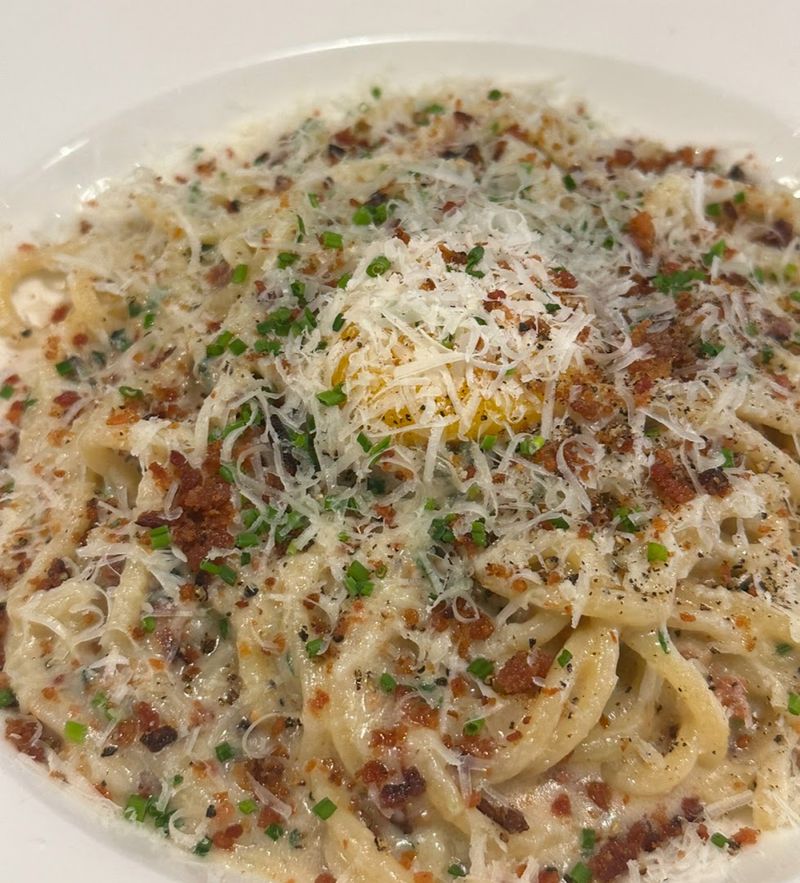
Good pasta starts long before the water boils. At The Pasta Shop, the ingredients are taken seriously because the final dish depends on them completely.
Local sourcing is not a marketing slogan here. It is just how things get done.
Fresh eggs from nearby farms make the pasta dough richer and more golden. Local tomatoes bring a brightness to the sauce that canned alternatives simply cannot replicate.
Herbs like basil and oregano, sourced fresh, add layers of flavor that dried versions lose somewhere along the way.
Morris County has a solid network of small farms and producers who supply quality goods to local businesses. The Pasta Shop taps into that network regularly.
Customers can actually taste the difference, even if they cannot always explain exactly why the food hits differently here. Freshness changes everything in Italian cooking.
It is the silent ingredient in every great dish. When a shop commits to sourcing well, it shows up on the plate without any announcement.
The food just speaks louder, tastes cleaner, and leaves people coming back for more without needing a reason beyond the food itself.
Cooking Techniques Passed Down Through Generations
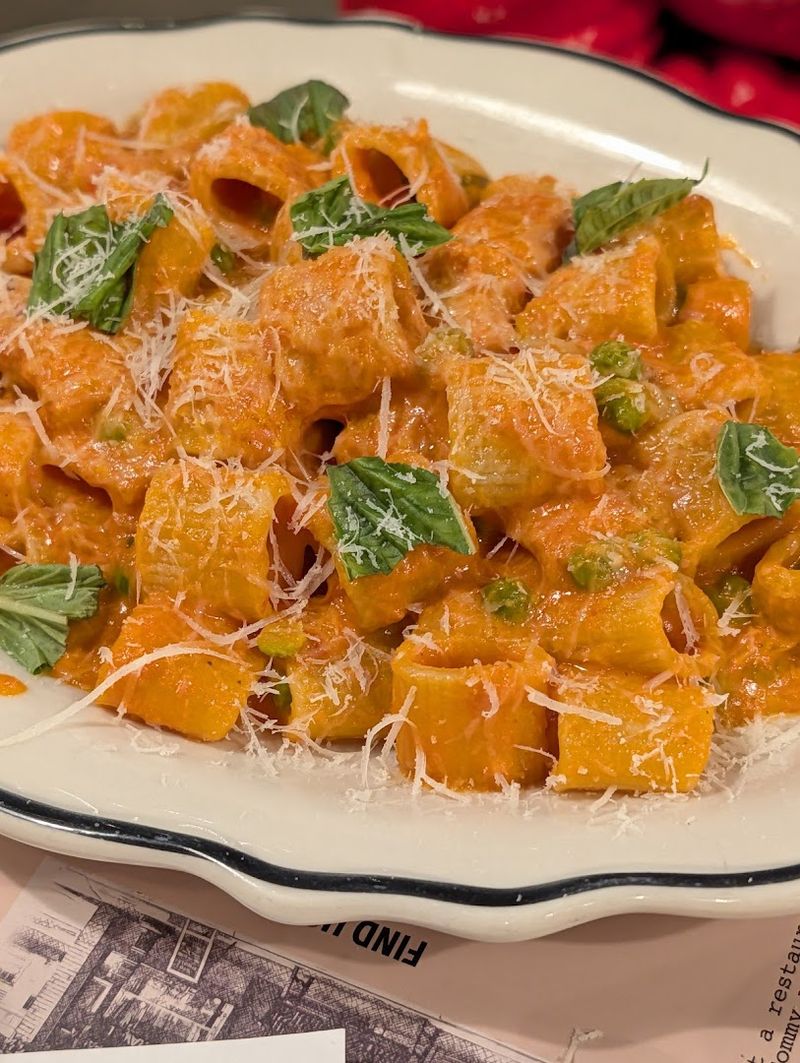
There is a reason old-school Italian cooking tastes different from anything you can replicate by following a YouTube tutorial. The techniques are not just steps in a recipe.
They are muscle memory built over decades and passed from one generation to the next.
At The Pasta Shop, hand-rolling pasta is not a performance for customers. It is simply the way it has always been done.
The pressure applied to the dough, the thickness of the sheet, and the way the edges are sealed on stuffed pasta all come from years of practice and guidance from those who came before.
Sauce-making follows the same philosophy. Low heat, long cooking times, and a respect for timing that cannot be rushed.
These are not shortcut-friendly processes. They demand patience.
The people behind The Pasta Shop understand that cutting corners in technique means cutting flavor from the final dish. Customers who have eaten here for years can tell when something was made with care.
That consistency is not accidental. It is the direct result of honoring the methods that actually work, regardless of how long they take.
Role Of Family Recipes In Menu Creation
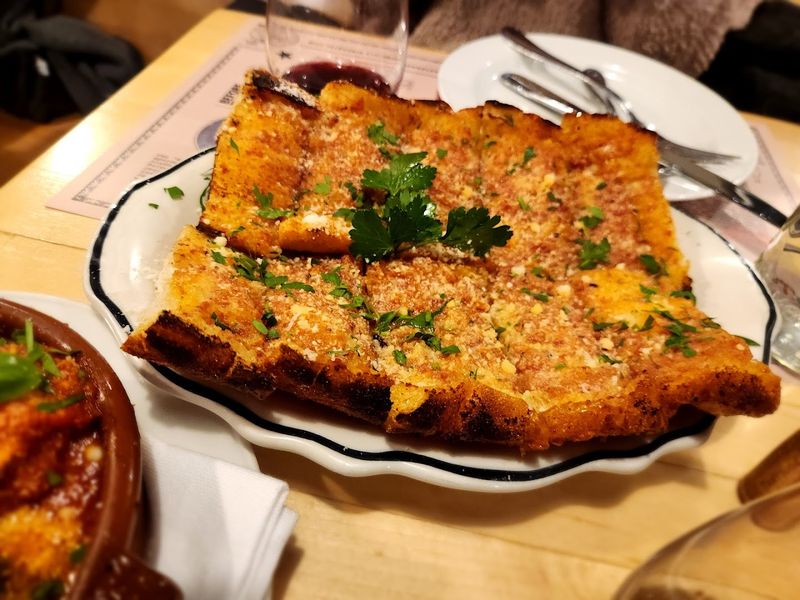
Family recipes are the backbone of The Pasta Shop menu. Nothing on that list was developed in a test kitchen by a team of chefs trying to hit a demographic.
These dishes came from kitchens where the cook was someone’s grandmother or aunt, and the recipe was never written down because it lived in their hands.
That oral and hands-on tradition of passing down recipes is something The Pasta Shop protects with real intention. When a dish tastes the same as it did five years ago, that is not luck.
It is a commitment to the original version. Changing a family recipe feels wrong in a way that is hard to explain but easy to taste.
The menu reflects a specific culinary identity rooted in Southern Italian cooking traditions. Dishes carry names and histories tied to the families who created them.
Customers who grew up eating similar food at home often describe The Pasta Shop experience as deeply familiar. That emotional connection is not manufactured.
It grows naturally from a menu built entirely on recipes that matter to the people making the food every single day.
Pairing With Classic Italian Sauces
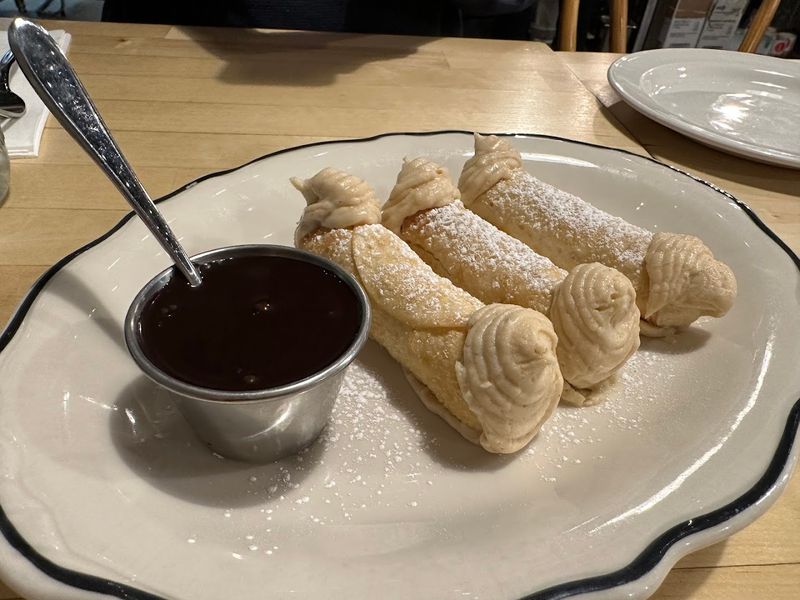
Matching the right sauce to the right pasta is practically a life skill in Italian cooking. At The Pasta Shop, this pairing is treated with the same seriousness as the pasta itself.
The sauces here are not afterthoughts. They are co-stars with equal billing.
Marinara is kept simple and bright, designed to let the pasta shine without competing for attention. Bolognese is rich, slow-cooked, and built for wider noodles that can hold the weight of a meat-forward sauce.
Alfredo stays creamy without crossing into heavy territory, which is a balance that is harder to achieve than it looks.
The shop guides customers toward pairings that work, especially those who are less familiar with why certain combinations are traditional. It is not about being snobby.
It is about making sure every bite is as good as it can be. A wrong pairing can undercut even the best pasta.
Getting it right elevates the whole meal. The Pasta Shop treats sauce selection as part of the dining experience rather than just a condiment choice, and that attention to detail is something regular customers genuinely appreciate every visit.
Ambiance Reflecting Authentic Italian Culture
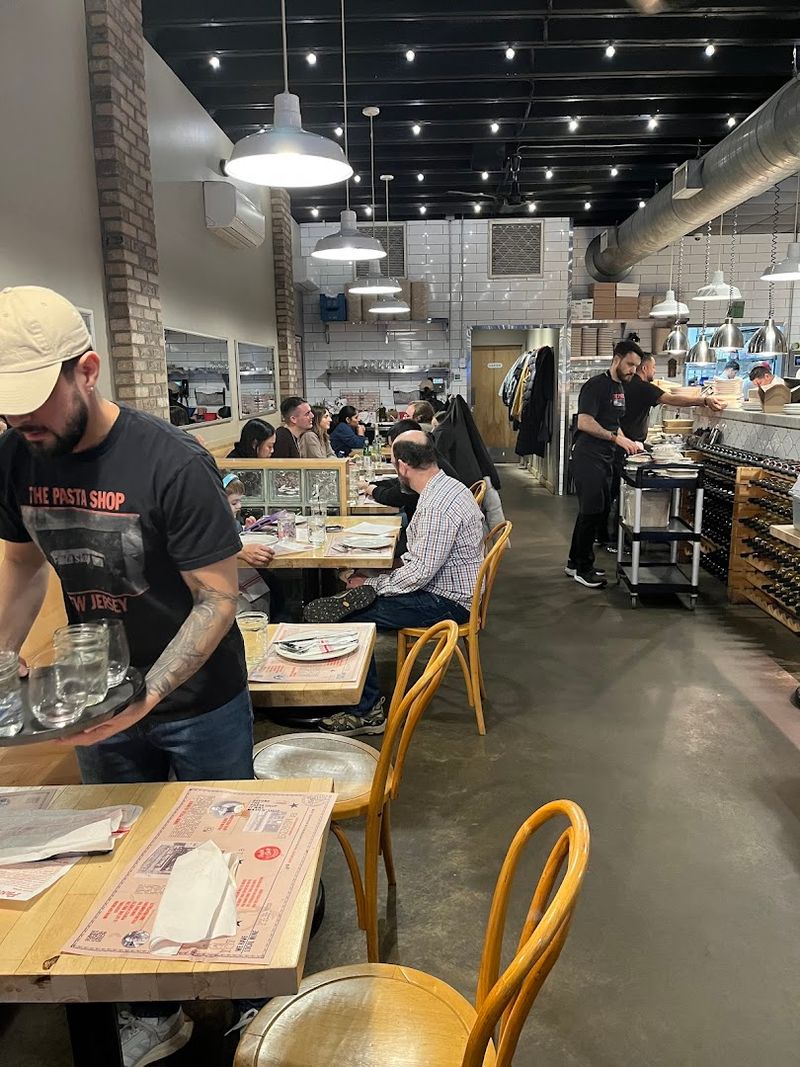
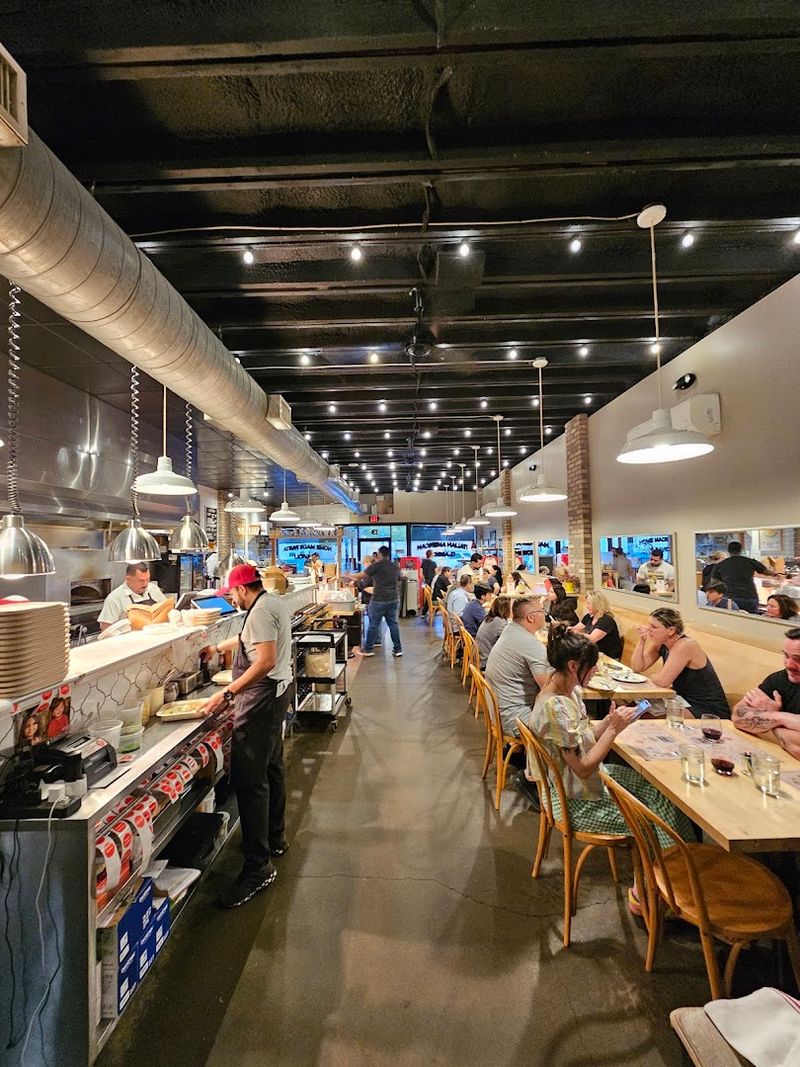
The atmosphere at The Pasta Shop does not try too hard, and that is exactly what makes it work. There are no elaborate themed decorations or manufactured charms.
The space feels lived-in and real, like a place where people eat rather than pose for photos.
Warm lighting keeps things comfortable without going full candlelit romance. The layout encourages conversation rather than isolation.
Tables are close enough that you feel part of a shared experience, which is very much in line with how Italians actually eat. Food is meant to be a communal event, not a solo performance.
Details like the artwork on the walls and the general color palette nod to Italian culture without going overboard. It is understated in the best way.
Regulars bring their families here because it feels welcoming rather than formal. New visitors often comment on how quickly the place makes them feel at ease.
That comfort is intentional.
The Pasta Shop built its environment around the idea that good food deserves a setting where people can relax, linger, and enjoy the full experience. It is a place where you do not feel rushed or out of place.
Community Events Celebrating Italian Food Heritage
Food is one of the most powerful ways a community holds onto its identity. In Denville, Italian food heritage gets celebrated through events that bring people together around shared plates and shared stories.
The Pasta Shop plays an active role in keeping that culture visible and alive.
Pasta-making demonstrations are a favorite. Watching someone transform flour and eggs into fresh pasta in real time is both educational and entertaining.
Kids especially love seeing the process up close. It turns food into something interactive rather than just something that appears on a plate.
Seasonal events and local Italian food celebrations give the community a reason to gather outside of the usual routine. These moments build connections between neighbors who might otherwise only wave in passing.
The Pasta Shop understands that it is more than a food business. It is a cultural anchor for people who want to stay connected to Italian traditions in a modern world that moves fast.
Supporting these events is part of the shop’s commitment to the neighborhood. Food shared at a community table has a way of meaning more than food eaten alone, and The Pasta Shop knows that better than most.