
You’ve Probably Never Heard Of Maine’s Most Dramatic Coastal Hike
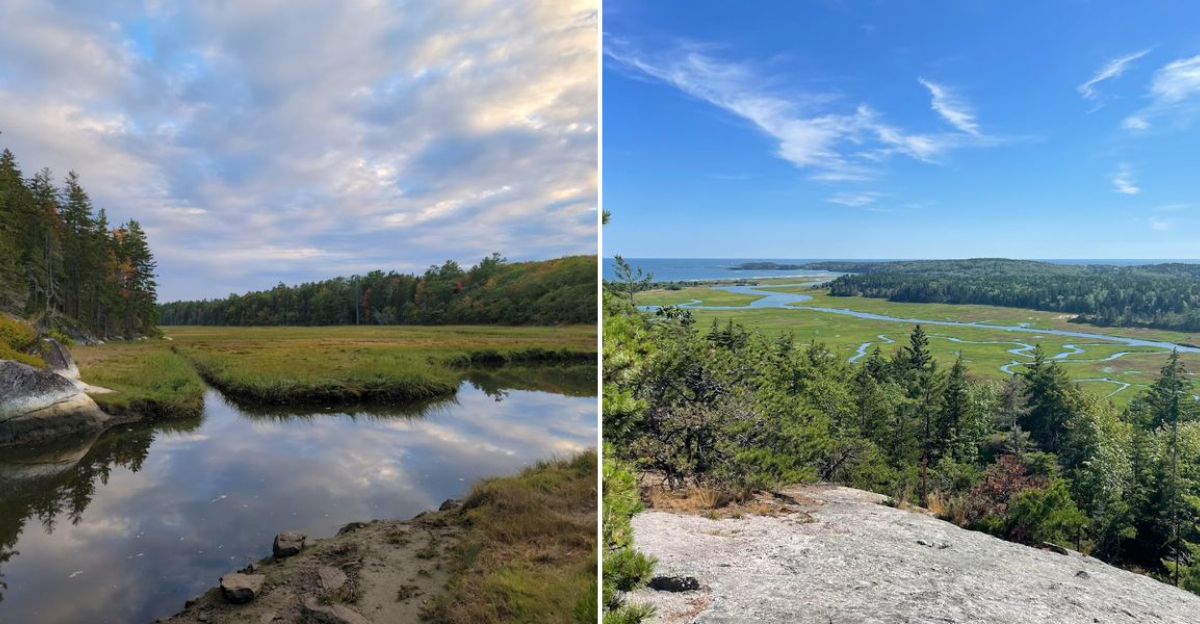
A hike along the coast can be deeply calming. As you walk, you are not just moving forward, you are watching the endless sea.
The waves crash against the rocks, each one carrying a quiet, ancient story that lingers in the air. In the state of Maine, there is a place that can pull you out of yourself, even if only for a moment.
The air feels different there, saltier and sharper, almost as if it is alive and breathing beside you. You follow a narrow trail along the cliffs.
The wind gently tugs at your thoughts and loosens them. The rhythm of the ocean begins to echo within you, steady and grounding in a way you did not expect.
As the path bends, something unusual appears. A weathered bench faces the horizon as if it has been waiting.
In that quiet moment, you feel something shift, like the place remembers more than it ever reveals.
Trail Features And Terrain Types
This spot in Maine is not your average Sunday stroll. The Morse Mountain to Seawall Beach trail runs about two miles each way.
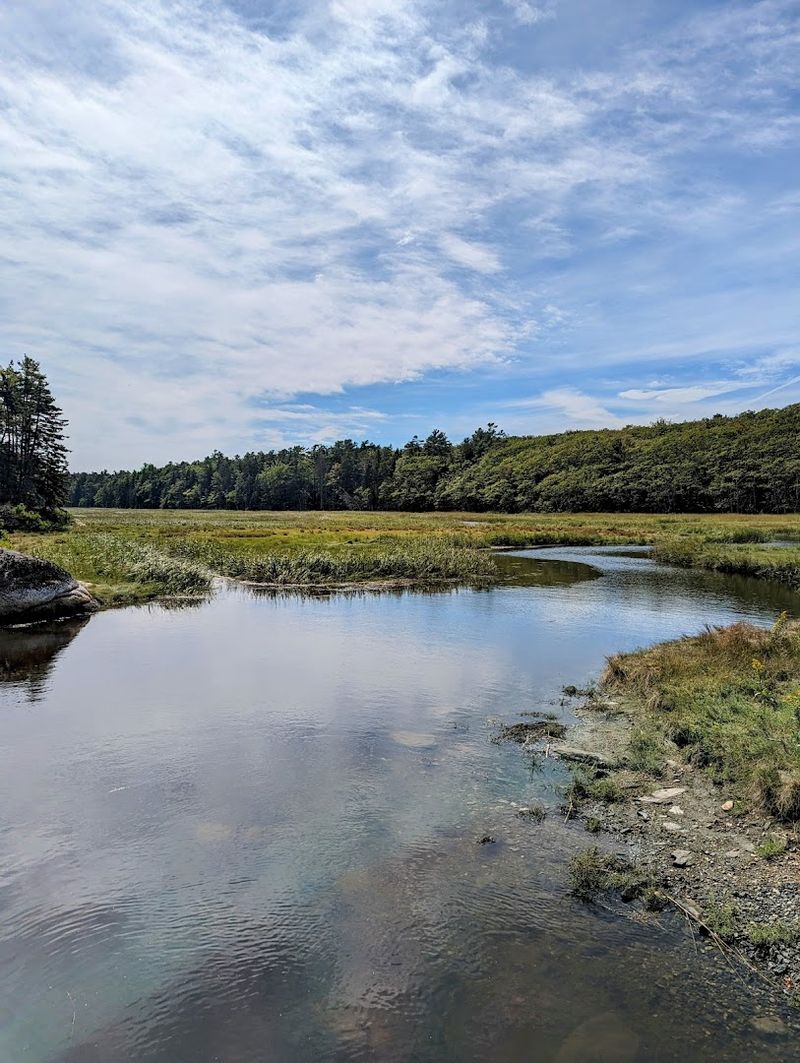
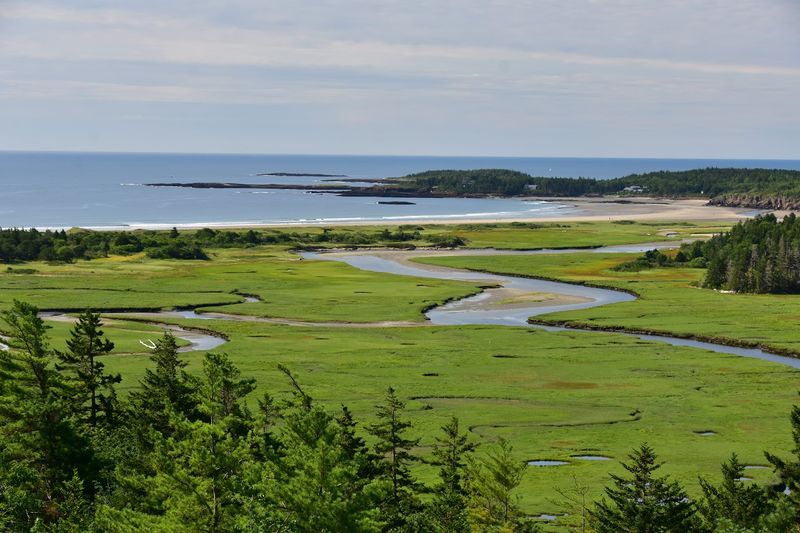
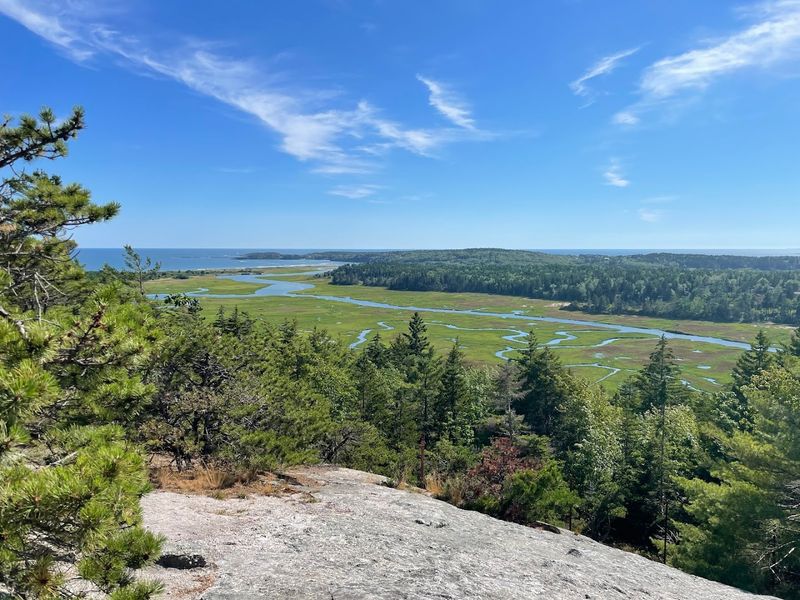
You will move through open meadows, forested ridgelines, and coastal marshes before reaching one of the most remote beaches in southern Maine.
The terrain shifts constantly, which keeps things exciting. One minute, you are walking on a firm dirt path shaded by spruce trees.
Next, you are crossing a wooden footbridge over a tidal creek with marsh grass swaying around you.
The final stretch opens up to Seawall Beach, a long barrier beach with dramatic dune formations. There are no facilities, no crowds, and no pavement anywhere near it.
The trail elevation is modest, but the soft sand sections near the beach will absolutely burn your calves. Wear shoes with good grip and ankle support.
This trail rewards hikers who come prepared and punishes those who show up in flip-flops. The hike starts from the parking area on Morse Mountain Rd, Phippsburg, ME 04562.
Ocean Wildlife Sightings Along The Path
Wildlife watching on this trail is genuinely impressive. The Seawall Beach area is a protected nesting ground for piping plovers, a threatened shorebird species.
During nesting season, sections of the beach may be roped off to protect eggs sitting right in the open sand.
Harbor seals are commonly spotted lounging on rocks just offshore. Bring binoculars because they tend to stay far enough out that your phone camera will only capture a blurry blob.
Great blue herons stalk the tidal marshes along the trail with a patience that is almost theatrical.
Osprey and bald eagles circle overhead regularly, especially in summer. Shorebirds like sandpipers and dunlins dart along the waterline in tight formations.
The tidal pools near the beach hold sea urchins, periwinkles, and the occasional hermit crab. Every visit feels different because the wildlife changes with the tides and seasons.
Nature put on a full show here and did not charge admission.
Seasonal Changes Impacting The Coastal Environment
Every season transforms this trail into something completely different. Spring brings migrating shorebirds and wildflowers blooming across the meadows.
The trail can be muddy and soft in April, so expect to get your boots dirty if you visit early in the season.
Summer is peak season, but Morse Mountain still stays quieter than most Maine beaches. The water is cold even in July, hovering around 60 degrees Fahrenheit.
Fog rolls in frequently along the coast, turning the whole scene into something out of a moody nature documentary.
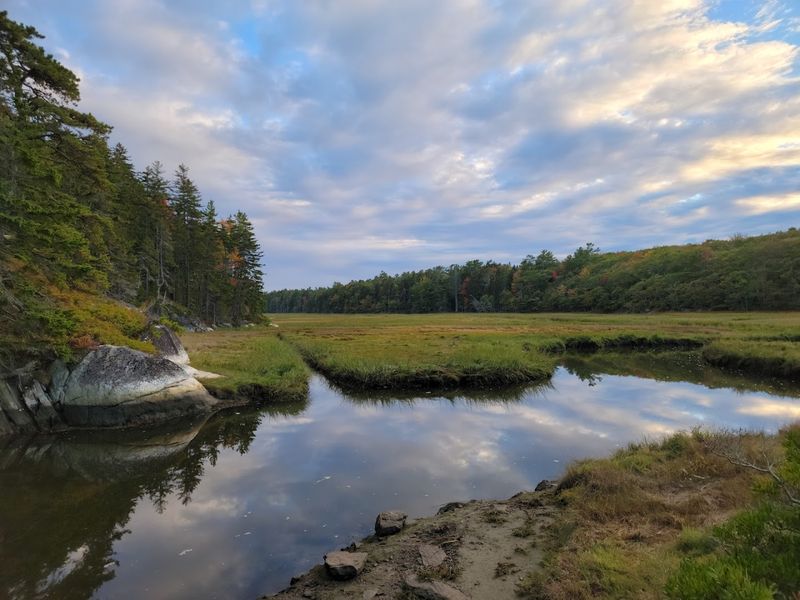
Fall is arguably the best time to visit. The foliage around the trail turns brilliant shades of orange and red while the ocean stays visible through thinning leaves.
Crowds disappear almost entirely after Labor Day. Winter visits are for the bold.
The beach becomes a windswept, desolate stretch of beauty with frozen tide pools and tracks from winter birds.
Each season gives you a reason to come back, and most hikers end up doing exactly that.
Gear Essentials For Rugged Shoreline Hiking
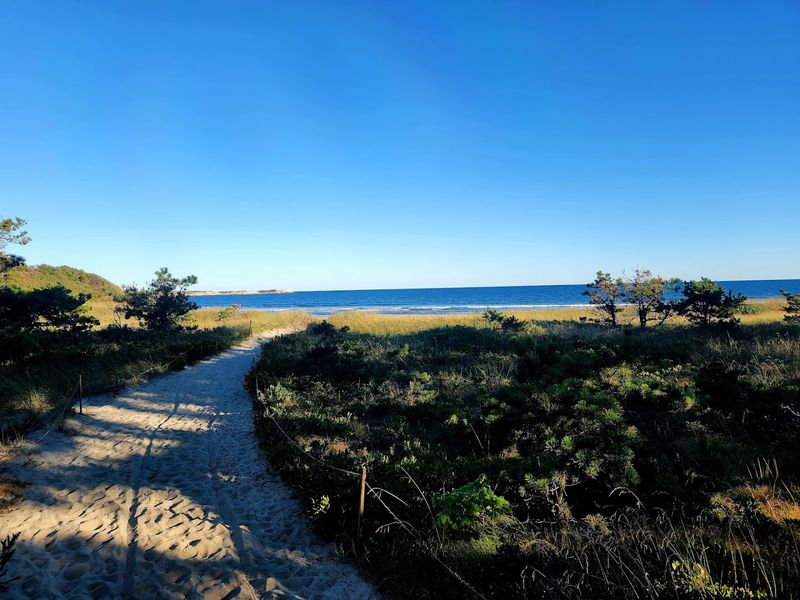
Packing smart makes a real difference on this trail. The terrain shifts from packed dirt to soft sand to rocky shoreline, so trail runners or lightweight hiking boots are the right call.
Avoid road shoes because they will slip on the wet rocks near the beach.
Bring more water than you think you need. There are zero water sources along the trail.
A 32-ounce bottle is the bare minimum for a round trip on a warm day. Sun protection is critical, too, because the open meadow and beach sections have zero shade.
A light rain jacket is worth tossing in your pack even on clear days. Maine coastal weather shifts fast, and an unexpected fog bank can drop temperatures by ten degrees in minutes.
Trekking poles help on the sandy dune sections near the beach. Bug spray is essential from May through August because the marsh areas near the trail host aggressive mosquitoes.
A small first aid kit rounds out your pack. Preparation here is not paranoia; it is just common sense.
Navigational Tips For Coastal Trail Safety
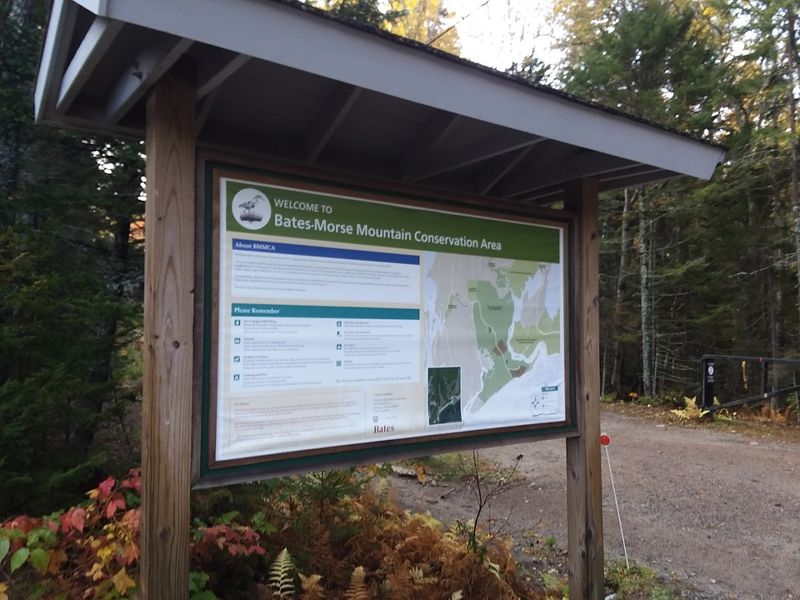
The trail to Seawall Beach is not heavily signed, so paying attention matters from the start. The parking area off Morse Mountain Rd fills up fast on summer weekends.
Get there before 9 AM if you want a spot without circling the road twice in frustration.
Stay on the marked trail through the conservation land. The Bates-Morse Mountain Conservation Area has strict rules about staying on designated paths to protect nesting wildlife.
Venturing off-trail during plover nesting season can result in fines, and more importantly, it harms birds that are already struggling.
Tides matter a lot on this hike. At high tide, sections of the beach near Seawall can be narrowed significantly.
Check a tide chart before you leave home. The National Oceanic and Atmospheric Administration website offers free, accurate tide predictions for this stretch of coastline.
Cell service is unreliable once you pass the trailhead, so download an offline map before you go. A printed trail map from the Bates-Morse Mountain Conservation Area website is a reliable backup.
Local Flora And Unique Plant Species
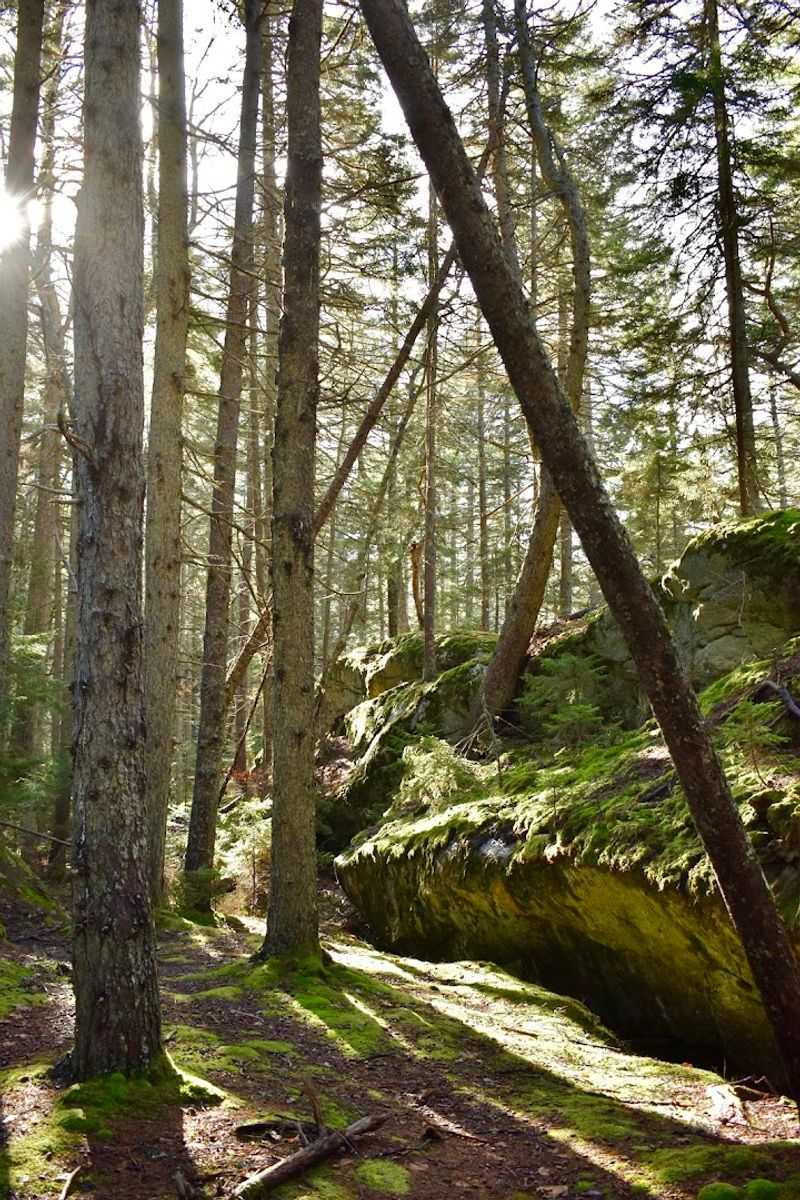
The plant life along this trail is surprisingly diverse for such a compact area. Beach rose, also called Rosa rugosa, lines sections of the path with bright pink blooms in late June.
The fragrance hits you before you even see the flowers, which is a genuinely pleasant surprise on a warm morning.
Seaside goldenrod dominates the open meadow sections, turning whole hillsides yellow in late summer. It is a native species that supports dozens of pollinator insects.
Beach heather and bearberry spread low across sandy areas near the dunes, holding the soil together against wind erosion.
The forested ridge section features balsam fir and red spruce, both classic Maine coastal species. Sundew, a carnivorous plant, grows in the boggy areas near the tidal marsh.
It is tiny and easy to miss, but worth looking for if you enjoy plants that eat insects for breakfast. Invasive species like glossy buckthorn are present in places, and conservation crews work regularly to manage them.
The plant diversity here tells the whole ecological story of the Maine coast in one short walk.
Photographic Opportunities With Ocean Backdrops
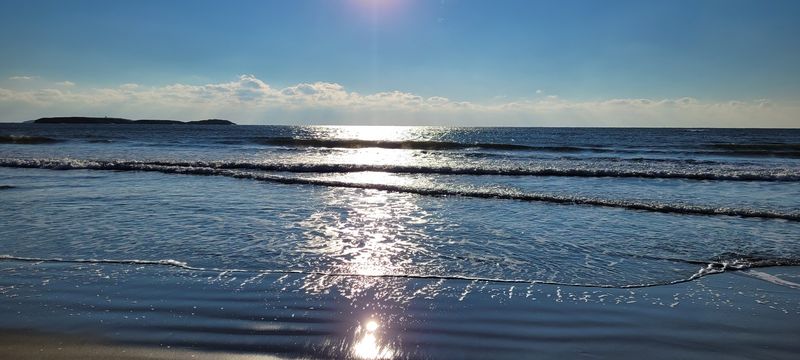
Photographers absolutely love this trail, and it is easy to understand why. The ridgeline section of Morse Mountain offers elevated views looking south toward the open Atlantic Ocean.
On a clear day, the horizon stretches without interruption, and the light during golden hour turns everything warm and cinematic.
The tidal marsh near the trailhead reflects the sky on calm mornings, creating mirror-like images that look almost too good to be real.
Shorebirds wading through that shallow water make for excellent wildlife shots if you move slowly and keep noise to a minimum.
Seawall Beach itself is a landscape photographer’s dream. The barrier beach curves in a long arc with no buildings, no parking lots, and no power lines in sight.
Just sand, sea, and sky. The fog that rolls in on summer mornings adds a moody, atmospheric layer to any shot.
Bring a wide-angle lens for beach panoramas and a telephoto for wildlife. Early morning visits give you the best light and the fewest people walking through your frame at the wrong moment.
Historical Significance Of The Coastal Region
Phippsburg carries more history than most people realize. The Popham Colony, established in 1607, was one of the first English settlements in North America.
It predates the Mayflower landing by over a decade. The colonists built a small sailing vessel called the Virginia right here in Maine, making it one of the earliest ships constructed by Europeans in the New World.
The Morse Mountain area was historically used for farming and timber harvesting. Stone walls still cross parts of the landscape, left behind by farmers who cleared fields centuries ago.
Walking past them connects you to a version of Maine that existed long before anyone called it a tourist destination.
The Bates-Morse Mountain Conservation Area was established in part through the efforts of Bates College, which has managed conservation efforts in this region for decades. The land has been protected from development since the 1980s.
That protection is the reason the beach and trail still look the way they do today. History here is not just in museums.
It is under your boots and written into the landscape itself.