
This Waterfall Trail Near Albany Is One Of The Most Beautiful 2026 Hikes In New York
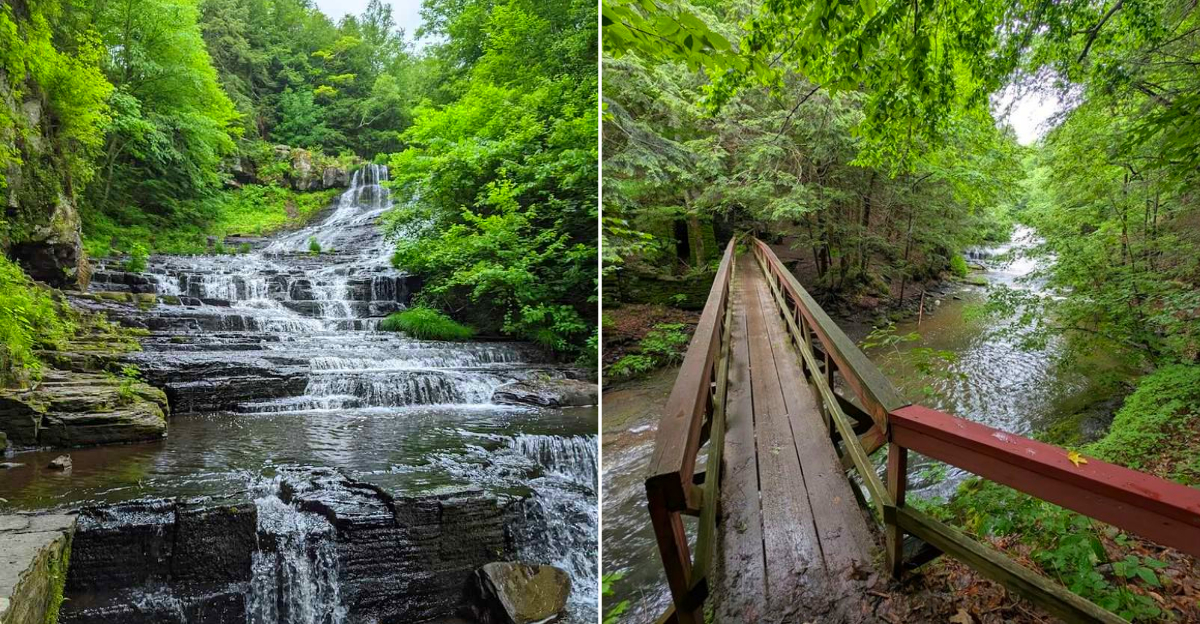
Not far from Albany, New York, there is a trail where the sound of rushing water guides you almost every step of the way. The path winds through forested terrain, leading hikers past a series of waterfalls that feel more dramatic with each turn.
It is the kind of place where you naturally slow down, taking in the views instead of rushing to the finish.
Along the route, cascades spill over layered rock, pools form beneath the falls, and the surrounding greenery creates a calm, refreshing atmosphere. In 2026, this hike continues to stand out as one of the most beautiful in New York, offering a perfect mix of scenery, movement, and peaceful outdoor escape.
A Waterfall That Earns Every Step Of The Walk
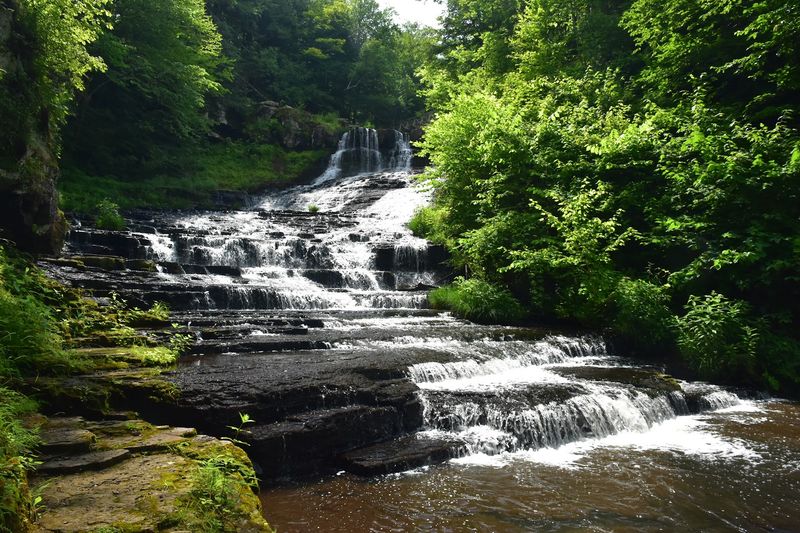
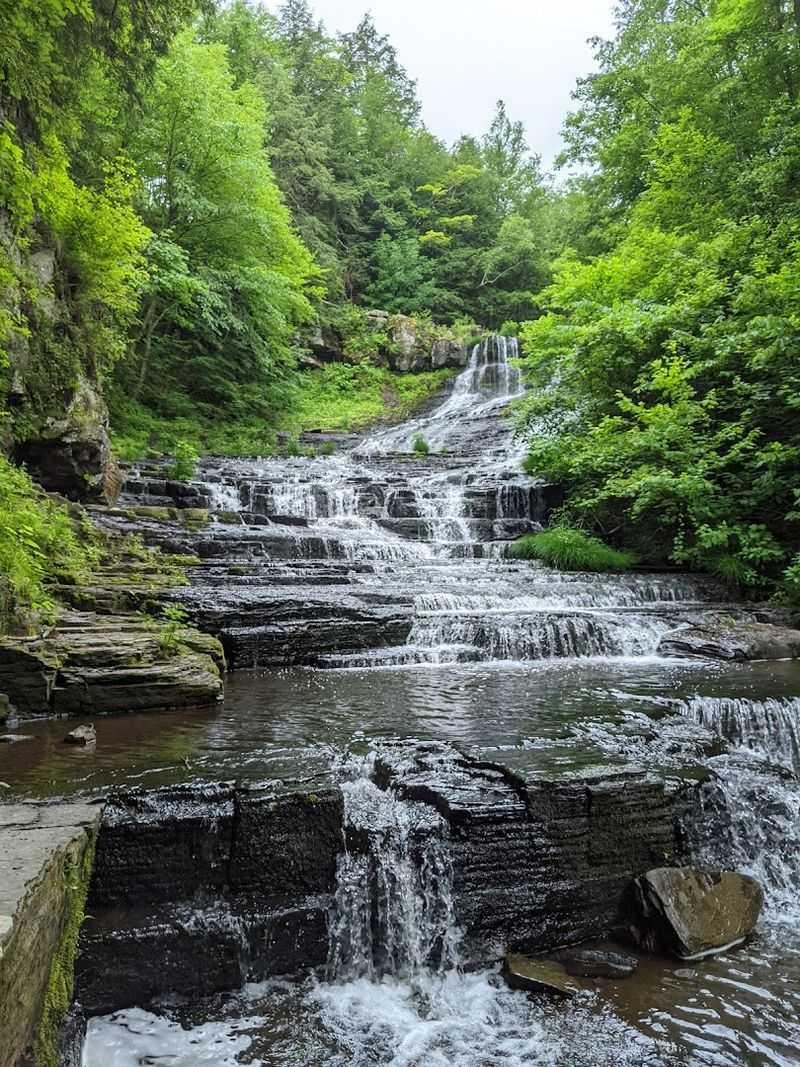
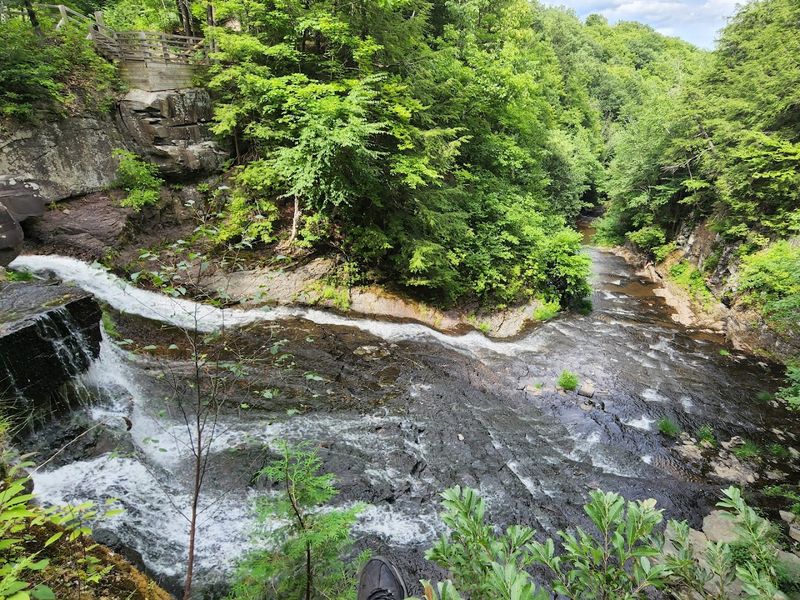
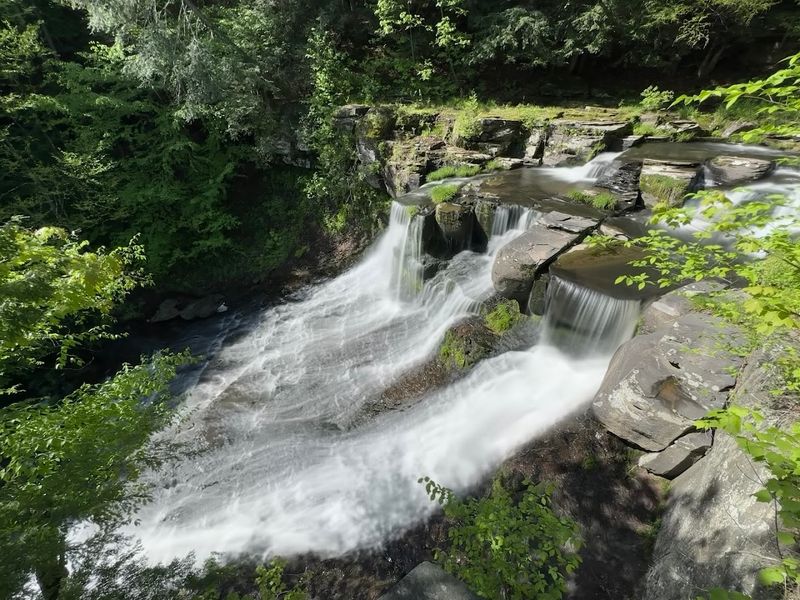
Not every waterfall delivers on its reputation, but Rensselaerville Falls is the kind of natural feature that actually exceeds expectations. The falls drop a full 120 feet across three separate tiers, and the effect of watching all that water tumble down layered rock is genuinely arresting.
Most visitors hear the rush of the water before they even cross the first wooden bridge, which sets the tone for the whole experience.
The viewing experience is thoughtfully layered. A bottom vantage point gives a full frontal view of the falls, while a middle overlook to the right of the bridge offers what many consider the most photogenic angle.
Continuing upward through a short wooded stretch leads to a top overlook where you can peer down over the falls entirely.
Each perspective reveals something different about the waterfall’s structure and character. After heavy rain, the falls surge with impressive force and the mist carries well into the surrounding trees.
Even on drier days, the falls maintain a steady flow that rewards the short walk from the parking area. The entire waterfall section of the trail takes under thirty minutes to complete, making it accessible for nearly everyone who visits the preserve.
The E.N. Huyck Preserve And What Makes It Unique
The E.N. Huyck Preserve is located at 5052 Delaware Turnpike in Rensselaerville, NY 12147, a small hamlet that most upstate New Yorkers have driven past without realizing what lies just off the road.
The preserve spans over 2,000 acres and functions simultaneously as a nature sanctuary and an active biological research station, which gives it a character that most recreational parks simply do not have.
Founded in the early twentieth century, the preserve has supported decades of ecological study, and informative signage throughout the trails reflects that scientific heritage. Visitors will find displays about local flora, fauna, and watershed ecology that are written accessibly enough for casual hikers to enjoy.
The visitor center houses clean restroom facilities and helpful staff who can orient first-time guests.
The preserve is open daily from 6:30 AM to 5:00 PM, and parking at the main lot is free. Dogs are welcome on leash, which makes the preserve a genuinely family-friendly destination.
A QR code on the entrance map connects to an interactive trail guide with real-time location tracking, a practical feature that removes any anxiety about getting turned around on the network of color-coded trails. The preserve holds a 4.8-star rating from over 300 visitors.
Lake Myosotis And The Loop That Surrounds It
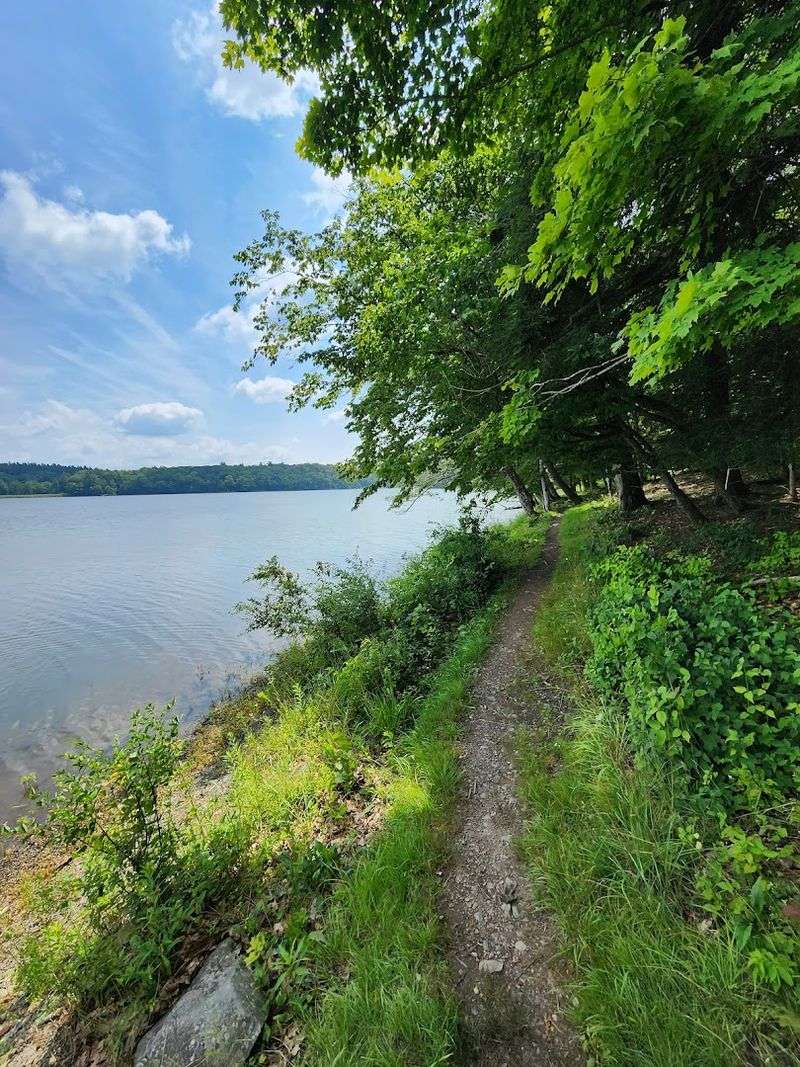
Lake Myosotis sits at the heart of the preserve’s trail system and rewards hikers with a stretch of calm, shaded walking that contrasts beautifully with the drama of the waterfall section. The lake loop covers approximately three miles and can be completed at a relaxed pace in a couple of hours.
Shade from the surrounding canopy makes this section particularly pleasant during warmer months.
Wildlife sightings along the lake trail are a regular occurrence rather than a lucky accident. Deer have been spotted drinking at the water’s edge in the early morning, turtles sun themselves on partially submerged logs, and birdsong provides a near-constant backdrop throughout the walk.
The lake’s surface tends to stay quiet and glassy, especially before midday crowds arrive.
A picnic area near the waterfall overlook offers a natural stopping point for those who want to eat outdoors with a view. The trail around the lake connects with other color-coded paths in the preserve, so hikers can extend or shorten their route depending on energy and time.
Lincoln Pond, another body of water within the preserve, adds further variety for those who want to cover more ground and see the full range of terrain the preserve offers.
Trail System And Navigation Throughout The Preserve
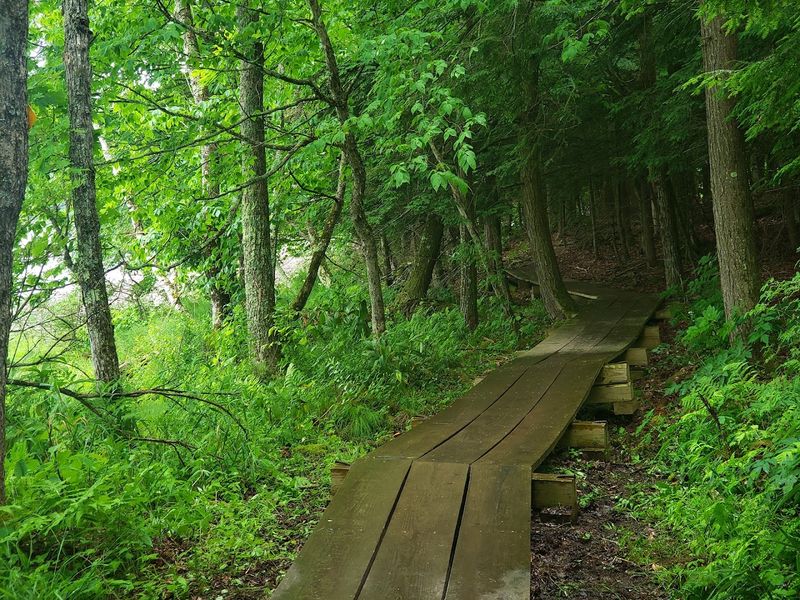
Color-coded trails are one of the preserve’s most practical assets, and the system is consistent enough that even first-time visitors rarely feel disoriented. Yellow, orange, and green routes each cover different terrain and connect at logical points throughout the preserve.
The orange spur trail in particular draws enthusiastic praise for its elevated views, and it is well worth the short detour from the main loop.
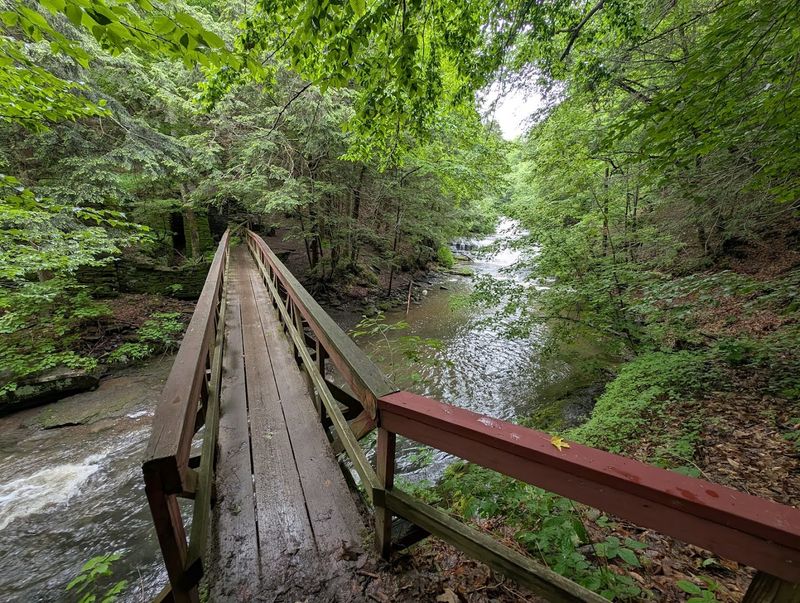
Plank walks have been installed along sections where the ground tends to stay wet, and these wooden walkways are kept in solid condition. Two narrow wooden bridges cross water features along the trail and, although they are slender in width, they are sturdy and close to ground level.
Trail surfaces include packed earth, exposed roots, and scattered rocks, so waterproof footwear is a sensible choice.
The preserve covers enough ground to support a full day of hiking. One dedicated hiker covered thirteen miles within the preserve in a single outing, which speaks to the depth of the trail network.
Most casual visitors will find that three to five miles covers the primary highlights comfortably. The interactive digital map, accessible via the QR code at the entrance, updates with real-time positioning and makes navigating the intersecting routes a genuinely stress-free experience.
Wildlife And Natural Biodiversity Worth Paying Attention To
The preserve functions as a living field station, and the biodiversity visible from the trails reflects years of careful land stewardship. White-tailed deer appear frequently near the lake edges, particularly in the quieter morning hours before foot traffic picks up.
Turtles, songbirds, and various waterfowl round out a wildlife roster that keeps the walk genuinely engaging from start to finish.
Bird watching at the preserve draws a dedicated crowd, and the combination of forested upland, open water, and stream corridors creates habitat variety that supports a wide range of species. Keen observers with binoculars will find the lake trail especially productive.
The preserve’s research background means that biodiversity here has been monitored and documented over many decades, lending the place a kind of scientific credibility that casual nature areas rarely possess.
Aquatic life in Lake Myosotis and Lincoln Pond adds another dimension to the experience for those who take the time to look closely at the water. The preserve also appears to support swimming and kayaking in warmer seasons, making it a versatile destination across multiple visits.
Arriving early on a weekday morning gives visitors the best chance of experiencing the wildlife without the company of larger weekend crowds at the trailhead.
What To Expect On Your First Visit To The Preserve
First-time visitors to the preserve will find the experience straightforward and well-organized from the moment they arrive. The parking lot at the main entrance is small, fitting roughly eight to ten vehicles, so arriving before 10:00 AM on weekends is a practical strategy.
Street parking along the road leading to the preserve serves as a reasonable overflow option when the main lot fills up.
The waterfall is positioned close to the trailhead, which means visitors with limited mobility or time can access the main attraction without committing to the full loop. A short walk of under five minutes from the parking area brings hikers to the bridge crossing and the lower falls viewpoint.
The sound of the falls carries from the parking lot on days when water flow is strong, which tends to generate immediate excitement upon arrival.
Restrooms are available at the visitor center, and the staff there can answer questions about trail conditions and current events at the preserve. The preserve hosts educational programs throughout the year, and checking the website at huyckpreserve.org before visiting can reveal seasonal programming worth planning around.
Trail difficulty is generally rated easy to moderate, and the well-groomed paths make the preserve genuinely accessible for families, older hikers, and those new to the activity.
The Historic Mill Ruins And Added Points Of Interest
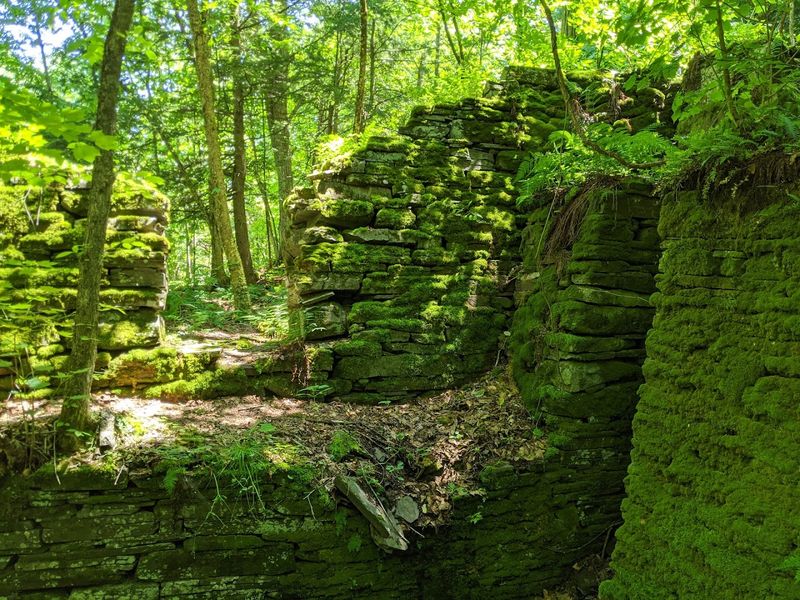
Beyond the waterfall and the lake loop, the preserve contains remnants of an old mill that add a layer of historical texture to the hiking experience. The mill ruins sit along one of the stream corridors and have weathered into a mossy, atmospheric state that makes them genuinely worth seeking out.
History and natural beauty rarely coexist this naturally on a trail system, and the ruins feel like a quiet discovery rather than a staged attraction.
The stream that powered the mill still flows through the preserve and contributes to the overall soundscape of the hike. Water sounds carry through much of the trail network, creating an ambient quality that most urban visitors find immediately restorative.
The combination of active waterfalls, calm lakes, flowing streams, and historic stonework gives the preserve a layered character that reveals itself gradually over the course of a full visit.
Photographers tend to find the mill ruins particularly compelling, especially in seasons when foliage frames the stone walls in color. The preserve rewards repeat visits because different seasons bring entirely different moods to the same landscapes.
Spring brings high water and lush new growth, summer offers dense shade and wildlife activity, autumn transforms the canopy, and winter turns the falls into a sculptural ice formation that draws its own dedicated admirers.
Why This Trail Belongs On Every Albany-Area Hiking List
The Albany region has no shortage of outdoor destinations, but the E.N. Huyck Preserve occupies a distinct category among them.
The combination of a genuinely impressive waterfall, a well-maintained multi-mile trail network, active wildlife, historical features, and free admission creates a value proposition that is difficult to match anywhere else within an hour of the city.
The preserve consistently earns near-perfect ratings from visitors across a wide range of hiking experience levels.
Accessibility is one of the preserve’s most underappreciated strengths. The trail to the waterfall is short and smooth enough for older visitors and young children, while the extended loop options provide enough mileage to satisfy seasoned hikers looking for a full-day outing.
The preserve accommodates both groups without compromising the experience for either, which is a genuinely rare quality in a public natural area.
The preserve sits far enough from Albany to feel like a true escape while remaining close enough for a spontaneous half-day trip. Rensselaerville itself is a quiet, historic hamlet that adds a pleasant sense of arrival to the journey.
For anyone building a list of essential hikes in upstate New York, the Huyck Preserve earns its place near the top not through novelty or hype but through consistent, honest excellence in every aspect of the outdoor experience it provides.