
This Impressive Tennessee Mansion Is The Most Magical Day Trip You’ll Ever Take
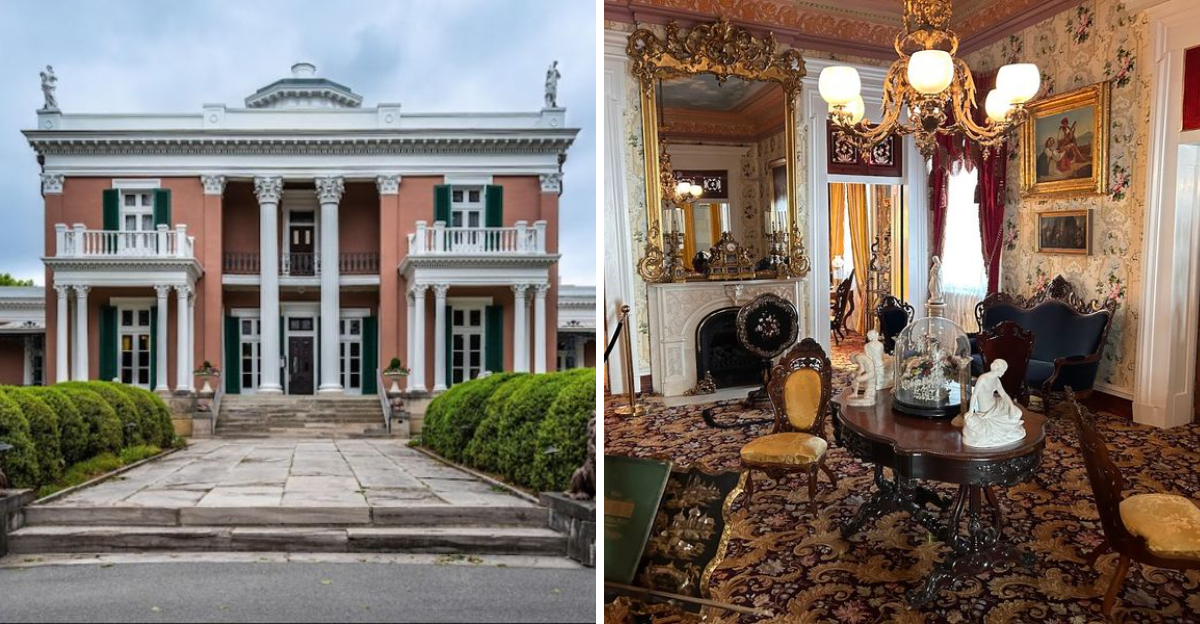
History and elegance come together in a way that feels almost cinematic at this Tennessee mansion. The scale alone is impressive, with grand rooms, intricate details, and a sense of craftsmanship that stands out right away.
Each space offers something different, encouraging you to take your time and look a little closer. Light filters through tall windows, highlighting features that have been carefully preserved over the years.
The grounds add to the experience, creating a calm setting that makes it easy to linger.
The Remarkable Story Of Adelicia Acklen And How She Built An Empire
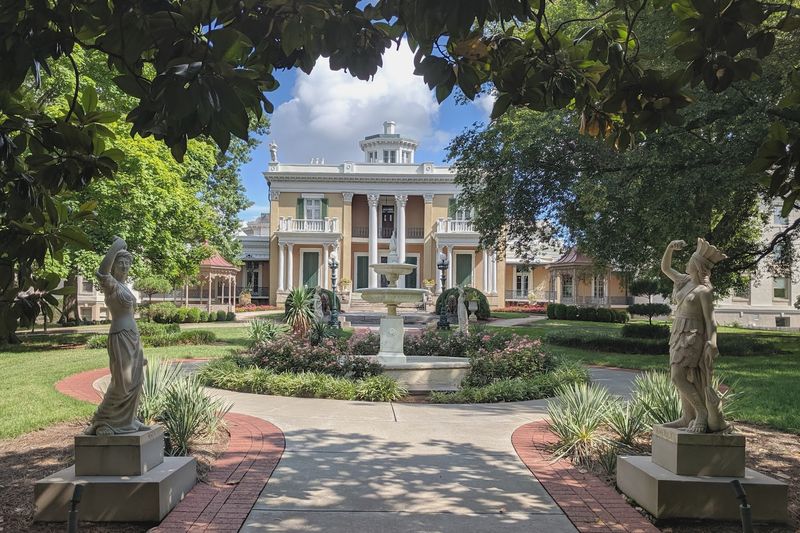
Few names in Tennessee history carry as much weight as Adelicia Acklen. She was one of the wealthiest women in the antebellum South, and the mansion she commissioned stands as the most tangible proof of her extraordinary ambition.
Born in 1817, Adelicia inherited significant wealth through two husbands before marrying Joseph Acklen and channeling her resources into building something truly unforgettable.
She oversaw the construction of a 36-room Italian villa-style estate that reflected her taste for European grandeur and her desire to impress. The mansion was completed in 1853 and became a social hub for Nashville’s elite.
Adelicia was not a passive heiress. She was a shrewd negotiator who, during the Civil War, managed to sell her cotton to European buyers and preserve much of her fortune while the country fell apart around her.
Learning about her life during a visit here adds a layer of meaning to every room you walk through. The staff shares her story with clarity and genuine enthusiasm, making her feel like someone you almost wish you could have met.
What The Architecture Tells You Before You Even Go Inside
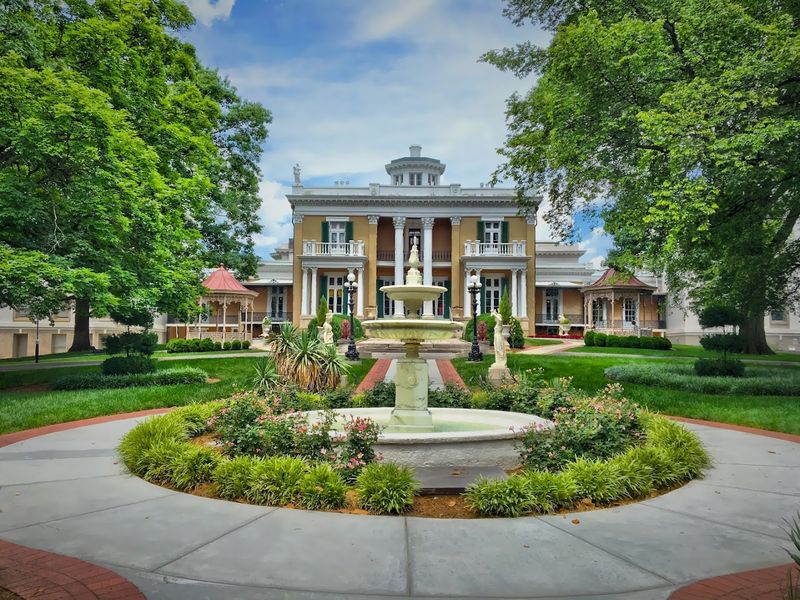
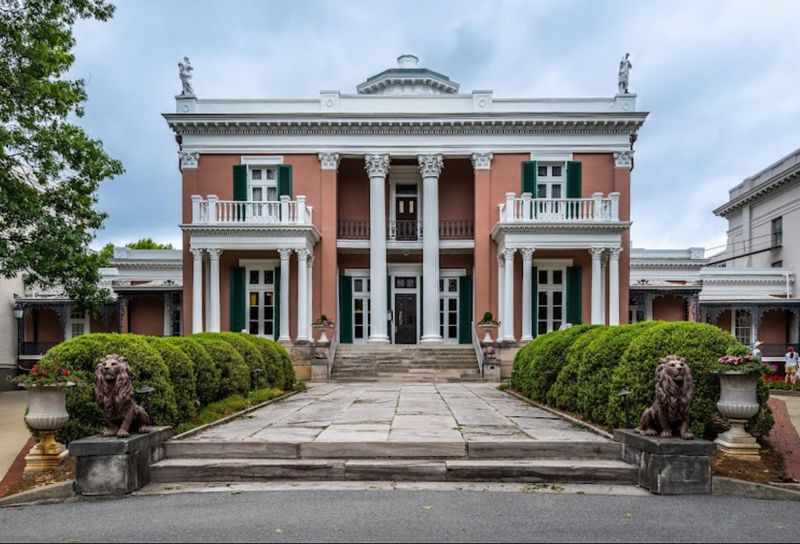
Standing at the entrance of Belmont Mansion, the building communicates its intentions immediately. The Italianate villa design, with its bracketed cornices, arched windows, and symmetrical facade, was a deliberate statement of wealth and cultural sophistication.
Adelicia Acklen wanted her home to look like something transplanted from the hills of northern Italy, and to a remarkable degree, she succeeded.
The exterior has been carefully restored and maintains the visual authority it would have had in the mid-19th century. Visitors often pause on the grounds just to take it in before heading inside.
The proportions feel almost theatrical, but in a way that rewards careful observation rather than demanding it.
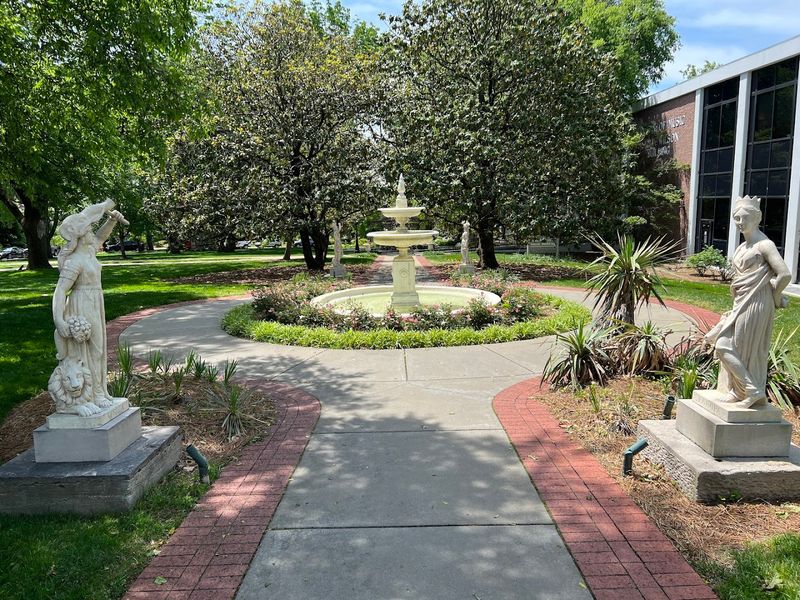
Situated on the campus of Belmont University, the mansion benefits from well-kept surrounding grounds that give it breathing room. The landscape includes garden statuary, open lawns, and paths that invite a slow, unhurried walk.
One visitor noted the presence of dog statues scattered throughout the gardens, a charming detail that reflects Adelicia’s personal affections. The architecture alone makes the trip worthwhile, but it is genuinely just the beginning of what this place has to offer those willing to spend a full morning or afternoon exploring it.
Touring The Interior Rooms And The Treasures Held Within
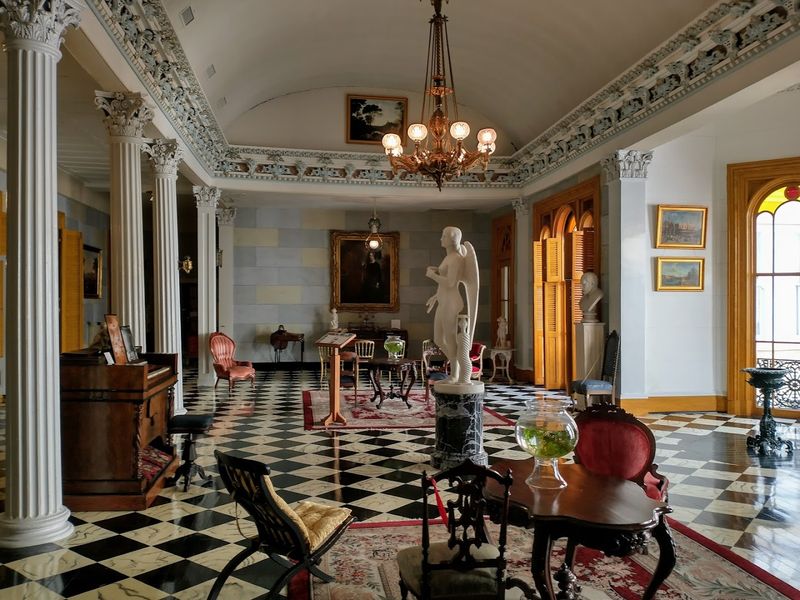
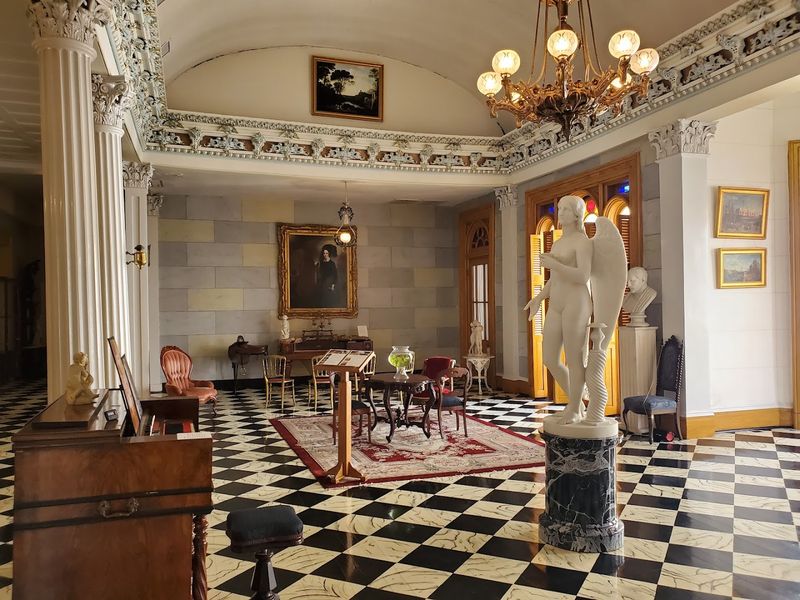
Walking through the interior of Belmont Mansion at Belmont Blvd. and, Acklen Ave in feels like moving through a well-curated museum that still breathes like a home. Most of the rooms are accessible to visitors, which is unusual for a property of this age and significance.
Detailed placards accompany the furnishings in each space, offering context without overwhelming the experience with information overload.
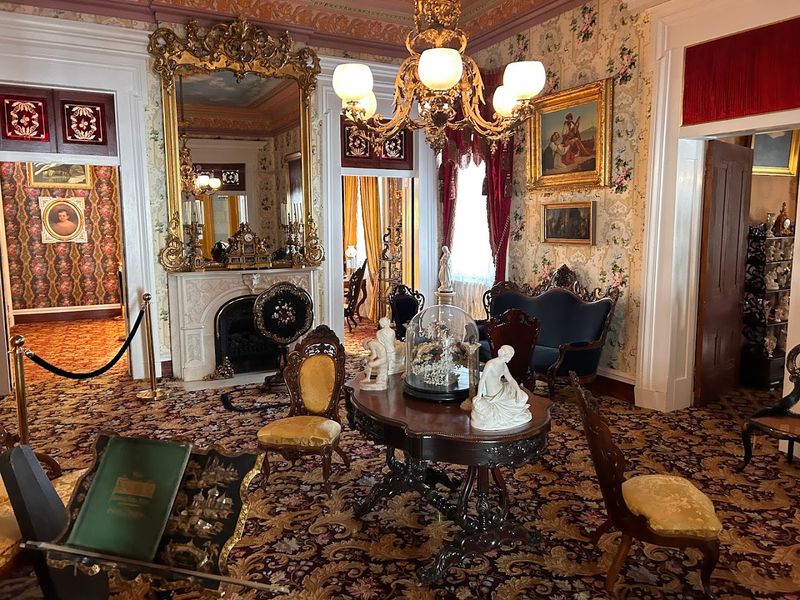
Some of the furniture is original to the house, recovered through years of careful research and reacquisition by the mansion’s curators. Other pieces are period-appropriate reproductions that maintain the visual and historical integrity of each room.
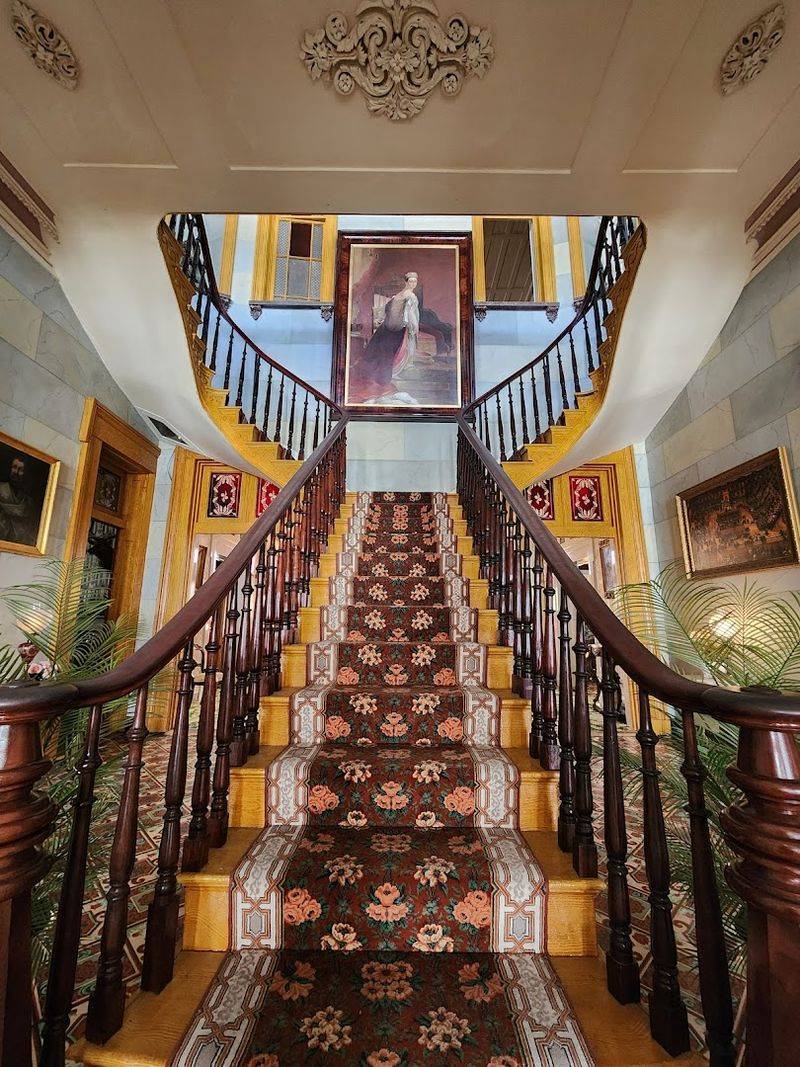
The European art collection is particularly striking. Paintings sourced from the continent during Adelicia’s lifetime line the walls, and their presence reinforces just how globally connected she was for a woman of her era.
The craftsmanship throughout the house rewards slow, attentive looking. Intricate woodwork, decorative plasterwork, and original architectural details appear in nearly every room.
One reviewer described it as a place that made them grateful for modern conveniences, a response that speaks to how vividly the mansion communicates the reality of 19th-century life. Admission is priced at $18 for self-guided tours and $22 for guided tours, both offering excellent value for the depth of experience provided.
Self-Guided Versus Guided Tours And How To Choose
Choosing between a self-guided and guided tour at Belmont Mansion is more consequential than it might initially seem. Both options begin with a brief group introduction covering the history of the house and its original owner, which gives all visitors a shared foundation before they branch off.
That opening presentation alone is worth arriving on time for.
The self-guided experience at $18 allows visitors to move at their own pace, linger in rooms that capture their interest, and return to areas they want to revisit. Staff members are stationed throughout the house to answer questions, so the experience never feels entirely unaccompanied.
Visitors who prefer depth and narrative continuity tend to favor the guided option at $22, which provides a richer, more structured account of the mansion’s history.
One reviewer pointed out a minor tension between the two formats running simultaneously, as self-guided visitors can occasionally drift through rooms mid-explanation during a guided tour. Arriving on a weekday tends to reduce that overlap.
The mansion operates Tuesday through Saturday from 10 AM to 3:30 PM and Sunday from 11 AM, with the last tour beginning at 3:30 PM. Calling ahead at +1 615-460-5459 is a good way to confirm scheduling details before your visit.
How The Civil War Shaped The Mansion’s Fate And Survival
The Civil War left an indelible mark on almost every antebellum estate in the South, and Belmont Mansion is no exception. What sets this property apart is how its owner navigated that catastrophic period with a level of strategic intelligence that most people of any era would admire.
Adelicia Acklen managed to arrange the sale of her Louisiana cotton to European buyers during the war, an act that required negotiating with both Confederate and Union officials simultaneously.
She preserved a substantial portion of her wealth at a time when many of her peers lost everything. The mansion itself was used as a headquarters by Union forces at various points during the occupation of Nashville, yet it survived largely intact.
That survival was not accidental. It reflected Adelicia’s careful management and her ability to maintain relationships across political lines without fully committing to either side.
The mansion’s curators address this period honestly and thoroughly during tours. The display on slavery, which acknowledges that enslaved people built and maintained the property, is presented with appropriate gravity.
Visitors who engage with this part of the history consistently describe it as one of the most meaningful aspects of the experience, offering a fuller and more honest picture of antebellum life in Tennessee.
The Gardens, Grounds, And Outdoor Spaces Worth Exploring
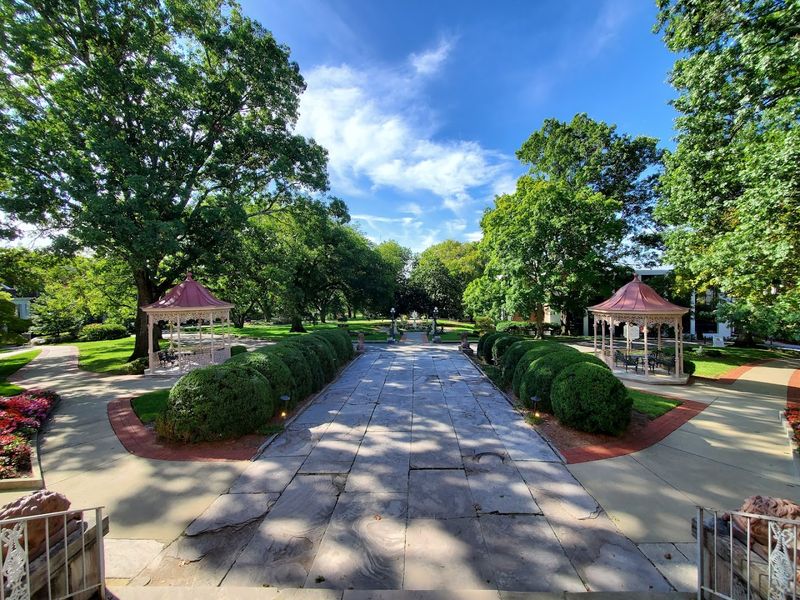
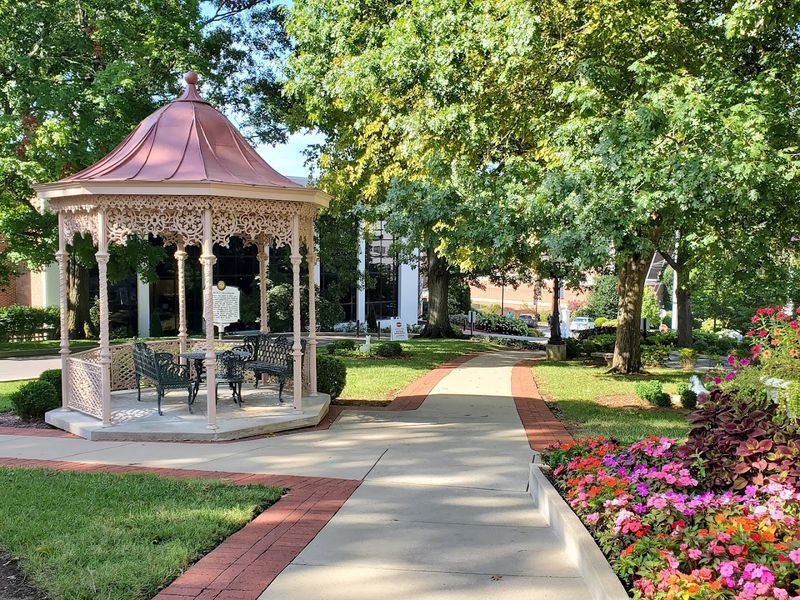
The outdoor spaces at Belmont Mansion carry their own quiet appeal, separate from but complementary to the interior experience. The grounds reflect the original estate’s ambition to present a complete aesthetic environment, not just an impressive house.
Sculptures, garden ornaments, and carefully maintained plantings spread across the landscape in a way that encourages unhurried walking.
Visitors have noted the presence of dog statues placed throughout the gardens, a detail that adds personality and a sense of the original owner’s domestic life to the broader experience. The gardens are situated within the Belmont University campus, which means the surrounding environment is active and well-maintained year-round.
On pleasant days, music students occasionally practice informally in the outdoor spaces, creating an atmosphere that feels both historic and alive.
The grounds are freely accessible to those who have purchased a mansion ticket, and many visitors choose to begin or end their tour with a walk outside. The open lawn areas provide good views of the mansion’s exterior from multiple angles, which is particularly satisfying for those interested in architecture.
Parking on-site is limited to roughly 20 spaces, so arriving early or parking along the adjacent street near the stop sign before the mansion entrance is the most practical approach for first-time visitors.
The Honest Conversation About Slavery This Museum Is Not Afraid To Have
Not every historic house museum handles the subject of slavery with the directness it deserves. Belmont Mansion does.
The exhibits here acknowledge clearly that the wealth funding the mansion’s construction came from the cotton trade, that enslaved people built the structure, and that enslaved workers maintained the estate throughout its antebellum years. This is presented as fact, not footnote.
A display featuring a historical log listing enslaved individuals by name, age, and assigned monetary value has drawn strong responses from visitors. Several reviewers described it as the most emotionally affecting part of their visit.
The inclusion of this material does not diminish the beauty of the mansion. If anything, it gives the experience a moral seriousness that elevates it above simple architectural tourism.
Museums that treat history selectively tend to produce visitors who leave with incomplete understanding. The approach taken at Belmont Mansion produces something different: a more honest reckoning with what these grand estates actually represented and who paid the real price for their construction.
For families visiting with older children or teenagers, this section of the tour offers a meaningful opportunity for conversation. The staff handles these topics with care and openness, and questions are welcomed rather than deflected.
The Gift Shop Surprises And What To Bring Home
Gift shops at historic sites can feel like afterthoughts, stocked with generic magnets and postcards that bear little relationship to the place itself. The gift shop at Belmont Mansion operates differently.
Visitors consistently praise it for offering items that feel genuinely connected to the mansion’s history and aesthetic, at prices that do not require a second thought before purchasing.
One item that has earned particular attention is the collection of German kugel ornaments, traditional mouth-blown glass balls that were popular during the Victorian era. A staff member in the shop has been noted for explaining the history of these ornaments with real enthusiasm, turning what might have been a simple retail transaction into a brief and engaging history lesson.
That kind of personal touch is what separates this gift shop from the average museum store.
Other offerings include jewelry, holiday decorations, and items suitable for children, all selected with evident care. Visitors who arrived with no intention of buying anything have left with small, quality keepsakes that carry genuine meaning.
If you are the type of traveler who values a souvenir that tells a story rather than just marks a location, the gift shop here will not disappoint. Allow extra time before you leave.
Practical Tips For Planning Your Visit To Belmont Mansion
Planning a visit to Belmont Mansion requires only a small amount of preparation, and the effort pays off considerably. The mansion is located on the campus of Belmont University.
Visitors should ring the doorbell at the entrance upon arrival, a charming detail that has caught more than one first-time guest off guard.
Tickets can be purchased online in advance, which several visitors recommend as the smoother option. Self-guided tours run $18 per person and guided tours cost $22.
The mansion opens at 10 AM Tuesday through Saturday and at 11 AM on Sunday, with tours running until 3:30 PM. Arriving in the late morning on a weekday tends to offer the most relaxed experience, with minimal crowding and full access to staff.
Photography is permitted inside the mansion, which is a genuine rarity among historic properties of this caliber and one that visitors consistently appreciate. Parking on-site fills quickly, so street parking near the stop sign before the mansion entrance is a reliable backup.
The phone number for the mansion is +1 615-460-5459, and the website at belmontmansion.com provides current tour schedules and any seasonal updates worth checking before your trip.
Why Belmont Mansion Belongs On Every Nashville Itinerary
Nashville draws millions of visitors each year for its music, food, and nightlife, and all of those attractions deliver. But a city’s character runs deeper than its entertainment district, and Belmont Mansion is one of the places where that depth becomes visible.
It offers something genuinely rare: a historic site that combines architectural beauty, personal narrative, honest historical reckoning, and curatorial quality in a single visit.
The mansion earns its 4.6-star rating across more than 1,100 reviews not through spectacle but through substance. Visitors who arrive expecting a quick walk-through often stay for two hours.
The combination of a strong introductory presentation, well-informed staff stationed throughout the rooms, and the freedom to explore at your own pace creates an experience that adjusts naturally to whatever kind of visitor you happen to be.
For travelers who want to understand Nashville beyond Broadway, this is the destination that delivers that understanding most completely. History enthusiasts, architecture admirers, families with curious teenagers, and anyone who appreciates a well-told story will find something here that stays with them long after they leave.
Belmont Mansion is not a detour from a Nashville itinerary. For many visitors, it ends up being the part of the trip they talk about most when they get home.