
This Tennessee Landmark Might Be The Most Unusual Place You’ll Find In The State
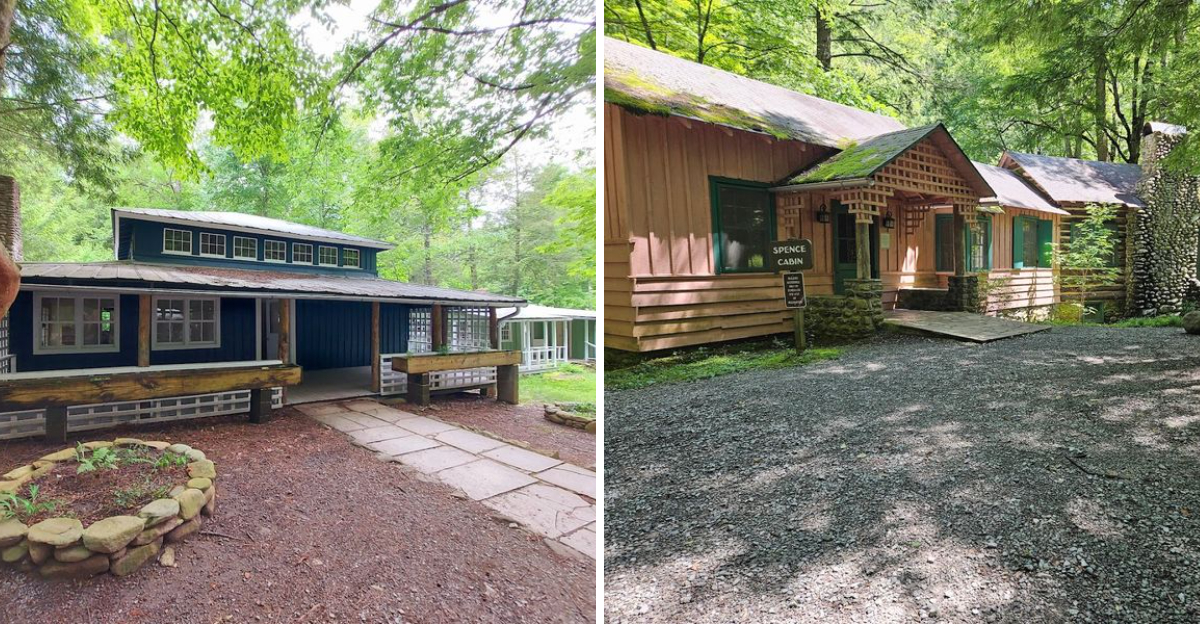
Not every place leaves you wondering how it ended up this way, but this one certainly does. In Tennessee, there is a landmark where time feels paused, with quiet paths leading past structures that tell a very different kind of story.
The setting is peaceful, almost calming, yet there is something about it that stays with you long after you leave. Weathered details, open surroundings, and a sense of history all come together in a way that feels hard to explain at first.
It is not the kind of destination you rush through. It invites you to slow down, look closer, and take it all in.
The Surprising Origin Story
Before this place became a vacation retreat, it was a working logging town. The Little River Lumber Company set up operations in the Great Smoky Mountains around 1901, and workers flooded the area to harvest timber from the surrounding forests.
The company built a railroad line to transport logs, and a small but busy community grew up around the work.
When logging operations wound down in the 1920s, the land did not stay empty for long. Wealthy families from Knoxville saw an opportunity and began building summer cabins along the quiet mountain streams.
Two private clubs formed, the Appalachian Club and the Wonderland Club, giving the area a polished, resort-like character that felt worlds away from its rough industrial roots.
By the 1930s, the place had transformed into a popular mountain escape for Tennessee’s upper class. The shift from lumber camp to luxury retreat happened surprisingly fast, and the layers of that history are still visible today in the architecture and layout of the district.
Visiting this place feels like reading two completely different chapters of the same story back to back.
Walking Through Daisy Town And What You Will Actually Find
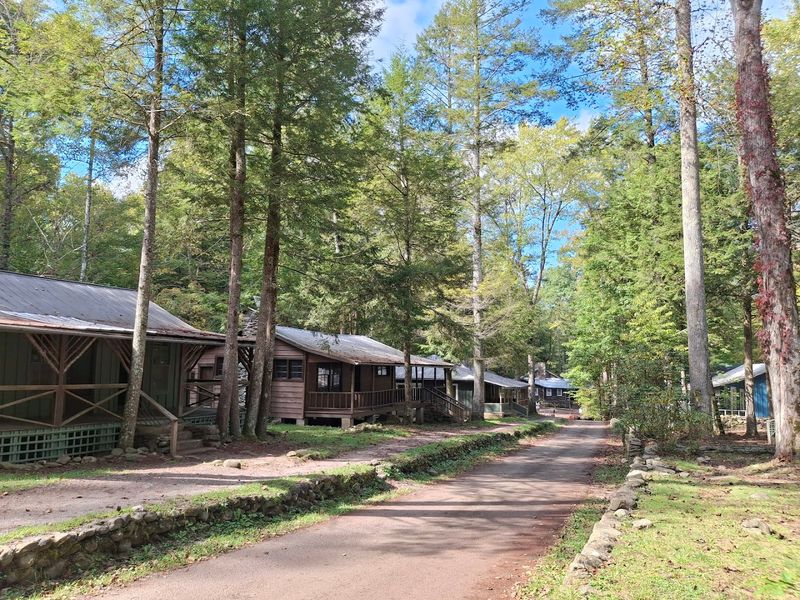
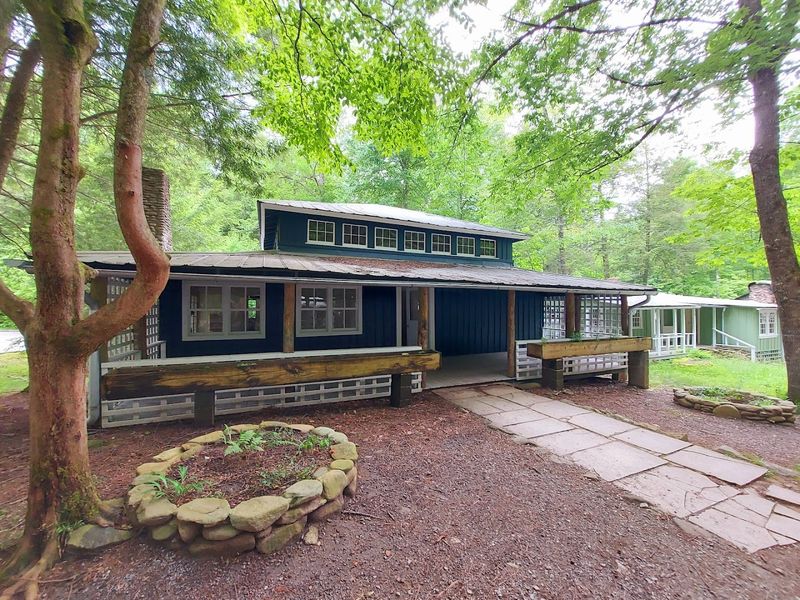
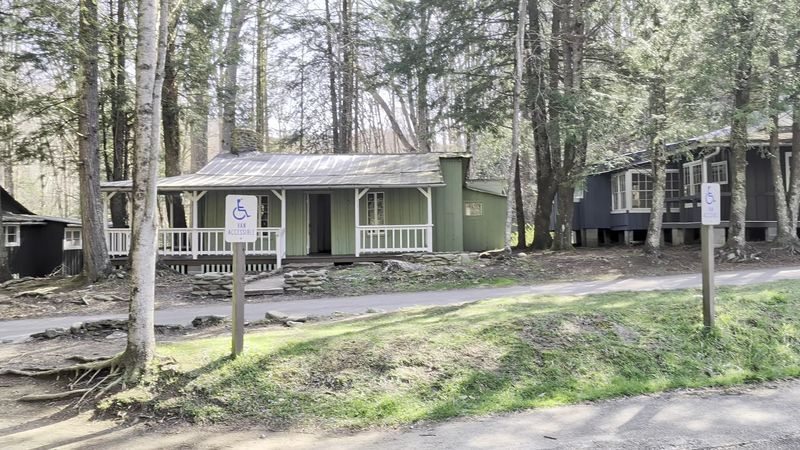
The section of Elkmont most visitors explore first is commonly known as Daisy Town, a cluster of restored cabins that once belonged to private club members. Walking through it feels oddly calm, like entering a neighborhood where everyone simply forgot to come home one summer and never returned.
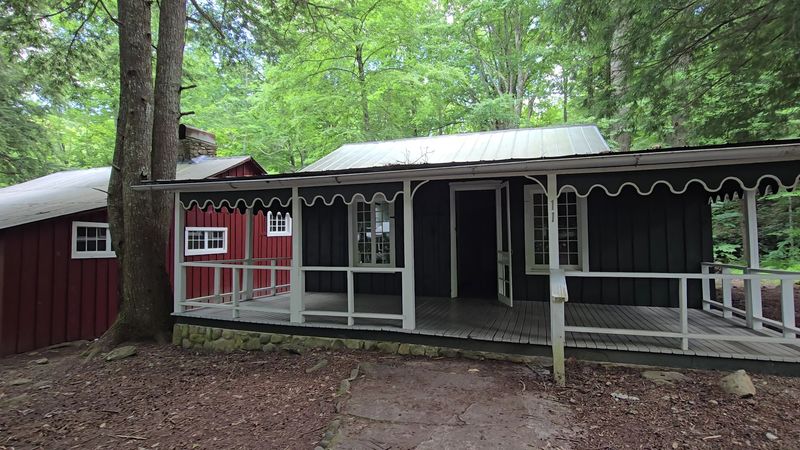
The cabins are small by modern standards but were considered comfortable and even stylish for their era. Many have front porches, wood-framed windows, and details that hint at the care their original owners put into them.
Informational signs placed throughout the area give visitors context about who lived in each structure and what daily life looked like during the resort’s active years.
What makes Daisy Town stand out is that it does not try to be dramatic. There are no theatrical displays or over-produced exhibits.
The place simply exists, and that honesty is what gives it such a strong atmosphere. Families with children, solo hikers, and history enthusiasts all seem to find something worth their attention here.
Plan to spend at least an hour walking slowly and reading the signs, because the details reward patience far more than a quick pass-through ever could.
Millionaire Row And The Ruins That Remain
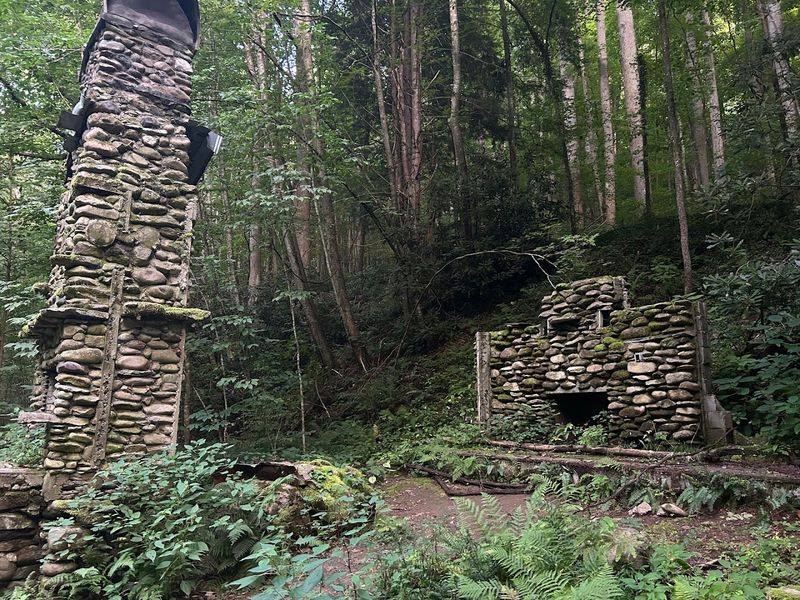
Past the main cluster of restored cabins lies a stretch of trail that longtime visitors call Millionaire Row. This section holds something different from Daisy Town.
Instead of standing structures, you find ruins, stone chimneys, foundation walls, and retaining structures that once supported the most elaborate cabins in the entire district.
The families who built along this stretch had considerable means, and their properties reflected that. Some foundations are large enough that you can walk the footprint of an entire home and get a real sense of how spacious these retreats once were.
Fireplace structures rise out of the undergrowth with a kind of stubborn dignity, as if refusing to let the forest fully reclaim them.
Visiting Millionaire Row adds a genuinely different emotional texture to the Elkmont experience. Where Daisy Town feels preserved and presentable, this section feels more honest about the passage of time.
Nature has moved in steadily, and the result is a landscape that blends human history with organic growth in a way that is hard to find anywhere else in Tennessee. Bring good walking shoes and allow extra time, because this part of the trail deserves a slow and thoughtful pace rather than a hurried one.
The Appalachian Club And Its Complicated Legacy
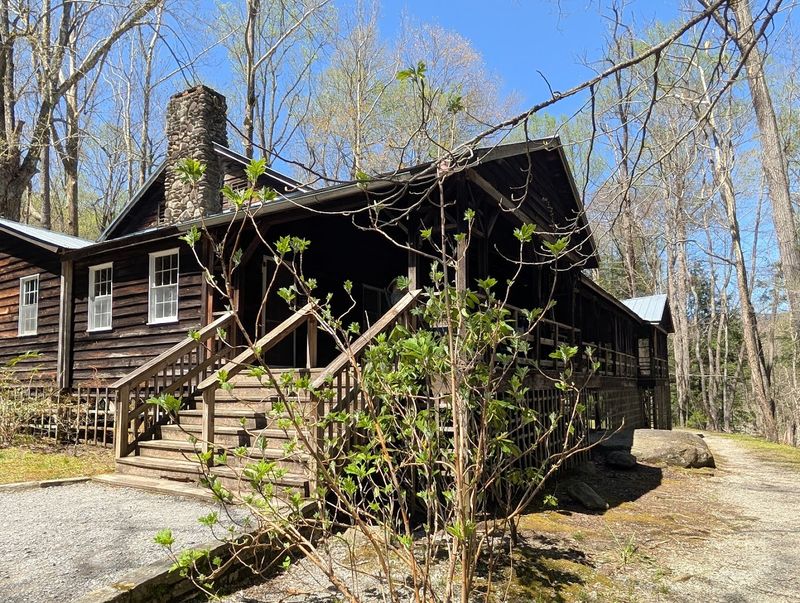
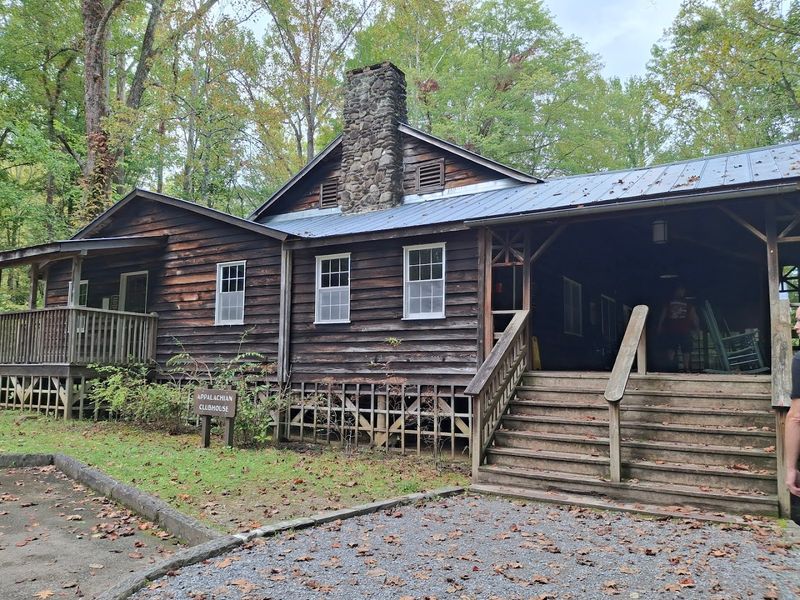
The Appalachian Club is the largest and most prominent structure still standing at Elkmont. Built in the early 1900s, it served as a social hub for the families who summered in the district, hosting gatherings, meals, and events throughout the warm months.
The building has a presence that immediately communicates its former importance.
The club’s history is not entirely straightforward. When the Great Smoky Mountains National Park was established in the 1930s, many cabin owners negotiated lifetime leases that allowed them to continue using their properties even after the land became federal.
This arrangement lasted for decades, and it meant that a private social club operated inside a national park for much of the twentieth century, a situation that generated real tension over time.
Today, the Appalachian Club is open to the public only during special events, which is a point of mild frustration for visitors who arrive hoping to see its interior. Still, the building itself is worth observing from the outside.
Its scale and construction speak clearly to the ambitions of the people who built it. The club stands as a reminder that Elkmont’s story involves not just nostalgia but also complicated questions about land, privilege, and public access.
How The National Park Took Over And What Changed
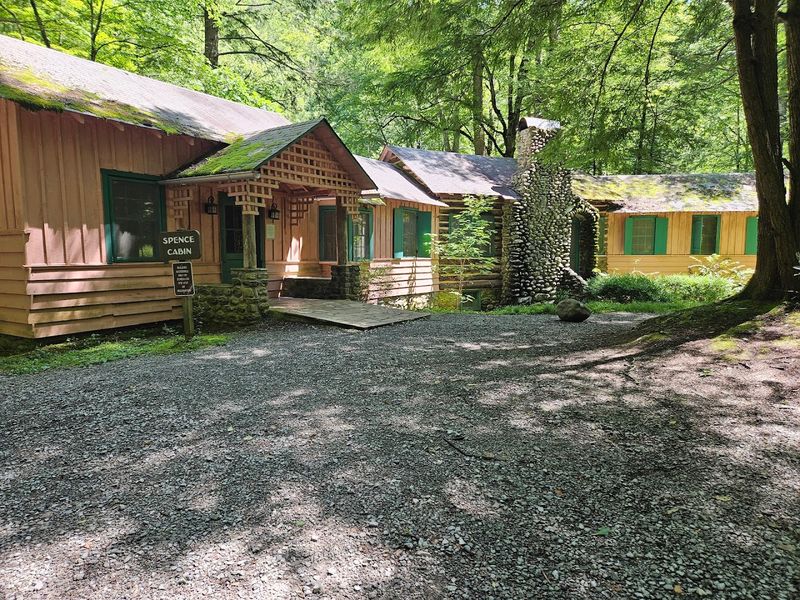
The creation of Great Smoky Mountains National Park in 1934 fundamentally altered the future of Elkmont. The federal government acquired the land, but many cabin owners successfully lobbied for the right to continue using their properties under long-term lease agreements.
For decades, the district existed in a kind of legal gray area, privately enjoyed but publicly owned.
Those leases eventually expired, and by the late 1990s and early 2000s the National Park Service had to decide what to do with the structures. After significant public debate and a formal preservation effort, the agency chose to restore a portion of the cabins rather than demolish them.
The district was added to the National Register of Historic Places, giving it formal protection and recognition.
Park rangers are regularly present at Elkmont, and several visitors have noted how genuinely helpful and knowledgeable they are. One reviewer described a ranger who told the stories of the families who once lived there with the skill of a practiced storyteller.
That human element makes a real difference. The transition from private resort to public historic district was not smooth or simple, but the outcome has given visitors access to a place that genuinely earns its protected status.
The Famous Firefly Phenomenon That Draws Thousands
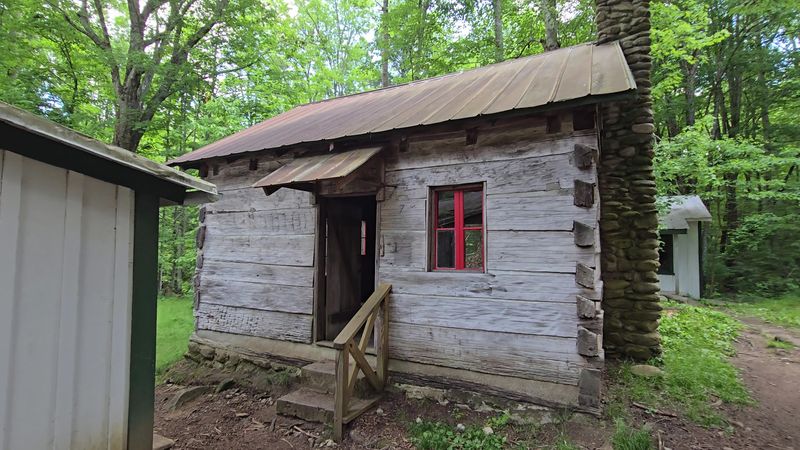
Elkmont has a second identity that draws enormous crowds every summer, completely separate from its architectural history. The forests surrounding the district are home to Photinus carolinus, one of the few species of synchronous fireflies in the world.
During a brief window each June, these insects flash in coordinated patterns, creating a light display that has no real equivalent in nature.
The synchronous firefly event is managed by the National Park Service through a lottery system because demand far exceeds the available space. Visitors who secure a spot drive to a shuttle area and are transported into the park after dark to watch the display from designated viewing areas.
The experience is described consistently as one of the most memorable things people have done in the Smoky Mountains.
One visitor review mentioned that a family member pointed out the firefly event as an added reason to visit the historic district, calling it something that sounded very cool. That understated reaction captures the general sentiment well.
The firefly season and the historic district together make Elkmont a genuinely two-layered destination, one that rewards visitors at different times of year and for completely different reasons. Checking the park’s official calendar before planning a trip is strongly recommended.
What The Cabins Actually Look Like Inside
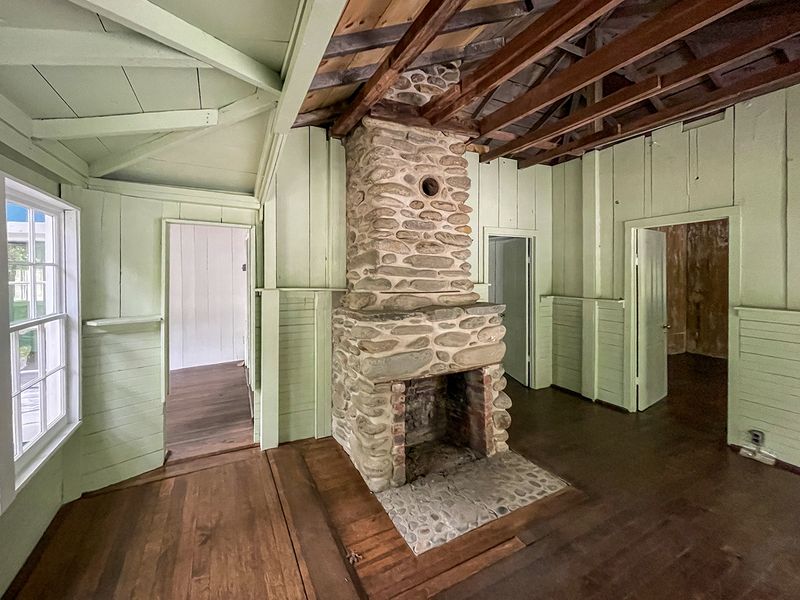
Visitors who walk through the open cabins at Elkmont often describe a mix of fascination and mild surprise. The interiors are unfurnished, but they retain enough original detail to give a clear picture of what these spaces once felt like.
Ceiling fans, electrical outlets, and in some cases non-functional bathroom fixtures remain in place, all of which point to a 1930s and 1940s era of construction and renovation.
The wood-paneled walls and simple window arrangements reflect a mountain aesthetic that was considered comfortable and refined for its time. These were not rough-hewn frontier cabins.
They were purpose-built retreats designed for people who wanted convenience alongside natural surroundings. The contrast between the rustic exterior and the relatively modern interior details is one of the more interesting things to observe during a walk-through.
Dogs are not permitted inside the cabins, a policy that exists specifically to protect the original flooring from wear and damage. That small rule says something meaningful about how seriously the Park Service takes preservation here.
Visitors with pets can still enjoy the grounds and exterior areas fully. For those who take time to read the informational displays inside each structure, the cabins offer a surprisingly layered and personal look at how affluent Tennessee families chose to spend their summers a century ago.
Planning Your Visit And What To Know Before You Go
Elkmont Historic District is open daily from 8 AM to 7 PM, and admission to the historic area itself is free. However, the Great Smoky Mountains National Park requires a parking pass for vehicles that stay longer than fifteen minutes.
Passes can be purchased at the park’s visitor centers, and the cost goes directly toward park maintenance and preservation efforts.
One of the most important things to know before visiting is that cell service is essentially nonexistent in the area. Several visitors have recommended downloading offline maps or dropping a pin on your destination before entering the park.
The road into Elkmont is accessible from the Gatlinburg entrance to the park, and the drive itself passes through campground areas where wildlife sightings are fairly common.
The district sits deep within the Smoky Mountains, and the surrounding landscape is genuinely beautiful in every season. Bringing a packed lunch is a practical idea because there are no food vendors on site, and many visitors find themselves staying considerably longer than they originally planned.
The combination of fresh mountain air, quiet trails, historic structures, and the occasional appearance of a knowledgeable park ranger makes for an outing that feels both relaxed and genuinely educational from start to finish.
The Atmosphere And Why So Many Visitors Return
Reading through visitor reviews of Elkmont, a consistent theme appears. People come expecting one thing and leave having experienced something entirely different.
Several visitors noted that they arrived expecting a creepy abandoned town and found instead a thoughtfully preserved resort community with a calm, almost contemplative atmosphere.
The absence of cell service, which might seem like an inconvenience, actually contributes to the experience in a meaningful way. Without the pull of notifications and connectivity, visitors tend to slow down, read the signs, look more carefully at the structures, and talk to the rangers.
The enforced disconnection turns out to be one of the district’s quiet strengths.
Families report that children engage with the space in unexpectedly enthusiastic ways. One reviewer described grandchildren claiming individual cabins as their own during the visit, which captures something real about how the place invites imaginative investment.
Artists have been spotted painting on location, adding another layer of life to the otherwise still landscape. For a destination with no admission fee, no gift shop, and no organized entertainment, Elkmont generates a remarkable amount of genuine affection from the people who visit it.
That kind of loyalty is not manufactured. It comes from a place that simply delivers something honest and lasting.
Why Elkmont Stands Apart From Every Other Tennessee Landmark
Tennessee has no shortage of unusual landmarks. Nashville’s full-scale Parthenon replica, the underground lake at Craighead Caverns, and the folklore-soaked Bell Witch Cave all compete for the title of the state’s most unexpected destination.
Elkmont holds its own against all of them, but for entirely different reasons.
What separates Elkmont is the layered quality of its strangeness. It is not strange because of a single dramatic feature.
It is strange because of the accumulation of contradictions it contains. A luxury resort inside a national park.
Restored cabins standing beside roofless ruins. A place that was privately exclusive for decades and is now open to everyone for free.
A firefly event that requires a lottery to attend. Each of these facts, taken individually, is interesting.
Together, they create a destination with genuine depth.
Located in Tennessee 37738 within the Great Smoky Mountains National Park, Elkmont earns its reputation not through spectacle but through substance. It asks visitors to pay attention, and it rewards them when they do.
For anyone who has grown tired of landmarks that tell you exactly how to feel about them, this is a place that trusts you to form your own impressions. That trust, rare in any tourist destination, is perhaps its most unusual quality of all.