
This 26-Mile Scenic New York Rail Trail Follows A Historic Route Through Quiet Towns And Woodlands
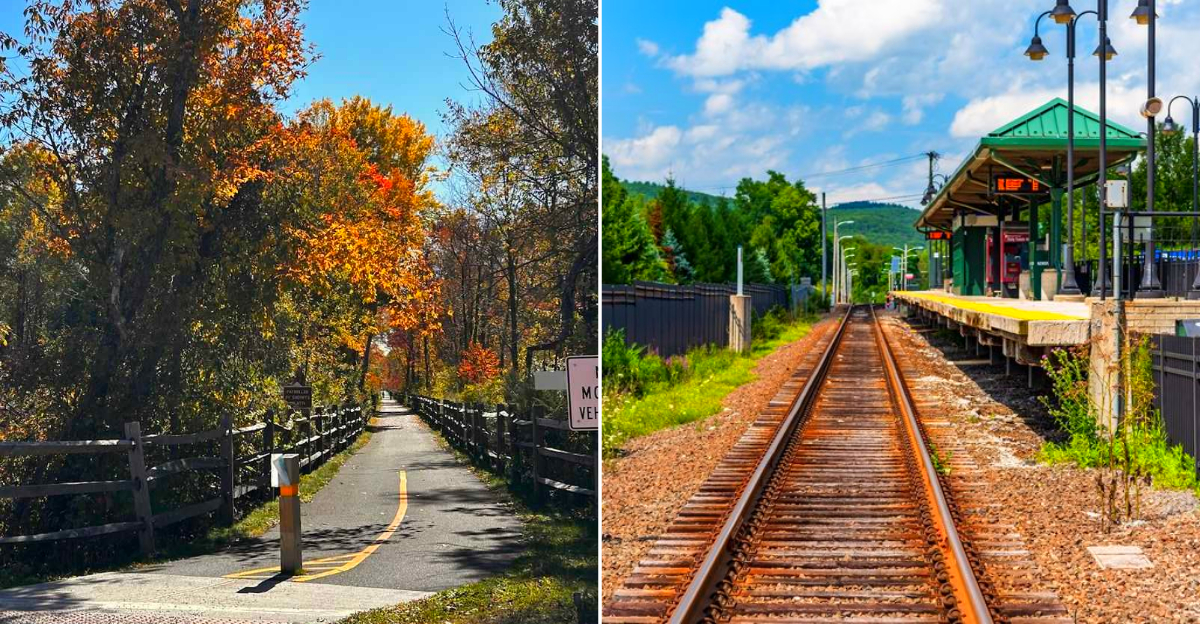
There is something special about a trail that lets you slow down and really take in the journey. In New York, this 26-mile rail trail follows a historic route that winds through quiet towns, wooded stretches, and open landscapes that feel far removed from the usual rush.
The path is long enough to feel like an adventure, yet easy to enjoy at your own pace.
Cyclists, walkers, and runners share the route, passing through peaceful scenery where the sounds of nature replace traffic and noise. Along the way, small towns offer perfect spots to pause, explore, or grab a bite before continuing on.
It is the kind of trail where the experience is not just about reaching the end, but enjoying every mile in between.
A Trail That Earns Its Reputation Before You Even Start Pedaling
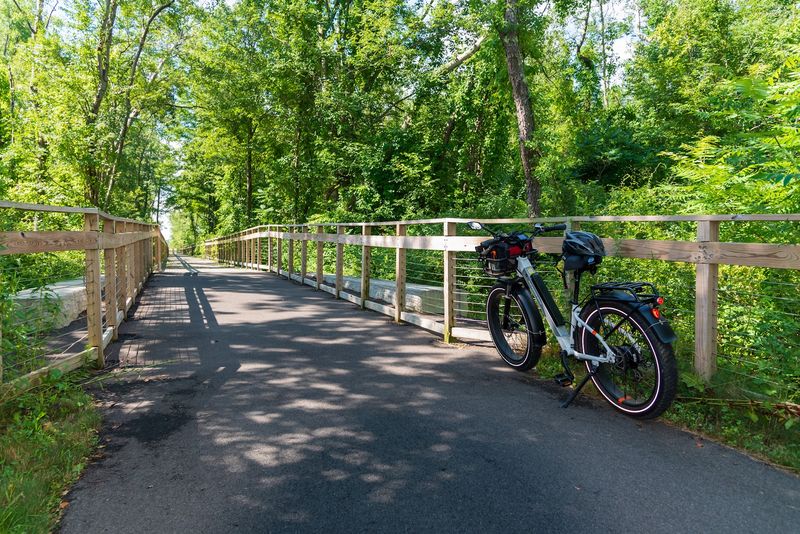
Few trails announce their quality quite as confidently as this one does. The moment you roll onto the surface, the first thing you notice is how remarkably well-maintained the pavement is.
Reports from regular visitors confirm that across the full stretch of riding, barely a crack or pothole interrupts the journey, which is genuinely rare for a multi-use trail of this length.
The Harlem Valley Rail Trail follows the historic New York and Harlem Railroad corridor, one of the oldest railroad routes in the United States. That history gives the trail a quiet sense of purpose, as if the land itself remembers the weight of locomotives and the rhythm of travel.
The corridor runs through Dutchess and Columbia counties, two regions known for their agricultural heritage and stunning natural scenery.
Running a total of 26 miles, the trail is entirely paved and almost completely flat, making it accessible to riders and walkers of nearly every fitness level. Families with strollers, older adults looking for a relaxed outing, and serious cyclists covering the full distance all share the path without conflict.
The wide surface accommodates everyone comfortably, and the surrounding landscape keeps the experience consistently engaging from start to finish.
Wassaic: The Southern Gateway With More To Offer Than Just A Starting Point
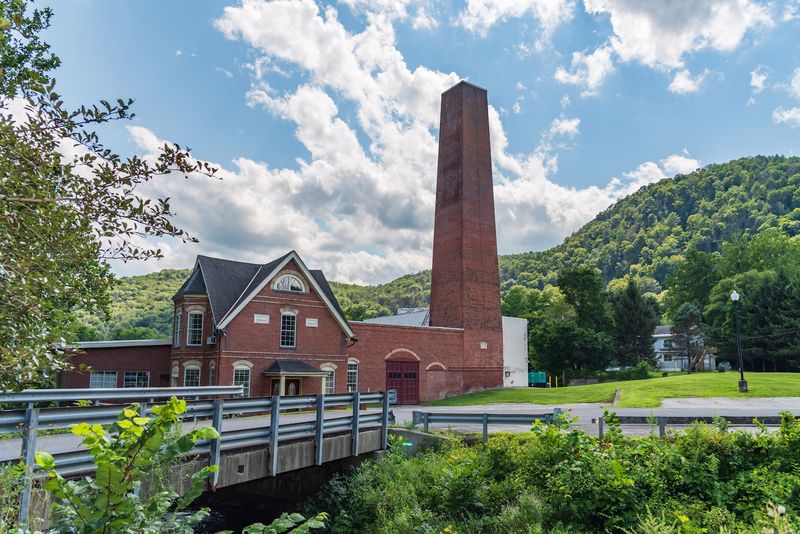
Wassaic serves as the southern trailhead and earns its place as one of the more interesting starting points on any rail trail in the state.
The town sits at the end of the Metro-North Harlem Line, meaning visitors traveling from New York City can arrive by train and step directly into their outdoor adventure without needing a car.
That kind of accessibility is genuinely uncommon and makes Wassaic worth knowing about.
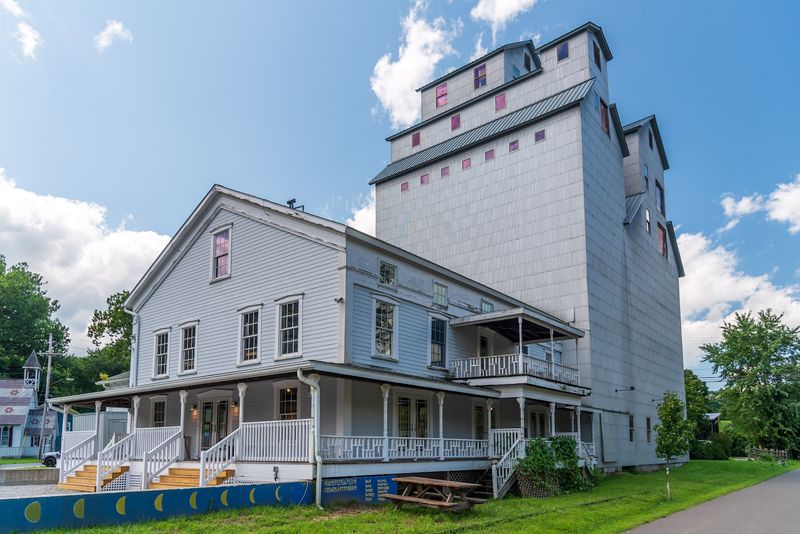
Before heading out on the trail, the Wassaic Project is worth a detour. Housed inside a restored historic grain elevator, this arts organization occupies all seven floors of the old structure and presents rotating exhibitions that range from sculpture to installation work.
The building itself is a striking piece of industrial history, and the art inside gives it an unexpected cultural energy for such a quiet rural setting.
A local bakery near the Wassaic trailhead has become a favorite stop for riders finishing their journey. Fresh baked goods after a long ride have a way of feeling particularly well-earned.
The town may be small, but it layers its offerings thoughtfully, giving visitors multiple reasons to linger before or after hitting the trail.
Millerton: The Charming Midpoint Where Culture Meets The Countryside
Positioned roughly at the midpoint of the trail, Millerton functions as the social heart of the Harlem Valley Rail Trail experience.
As the path approaches town, the surroundings shift gradually from open farmland and dense tree cover to a more active streetscape with shops, restaurants, and a coffee house that beckons riders to slow down and stay awhile.
Harney and Sons, the well-known tea company, operates a tasting room in Millerton that draws visitors from well beyond the trail community. The shop sits conveniently near the trailhead in the center of town, making it an easy stop for anyone looking to rest their legs and try something warm and interesting.
A diner and a Chinese restaurant round out the dining options in the immediate area, so no one goes hungry regardless of their preference.
The town has cultivated a character that balances rural ease with genuine cultural curiosity. Independent bookshops, art spaces, and specialty food stores line the streets without feeling self-conscious about it.
Millerton does not try too hard to impress, and that restraint is precisely what makes it so appealing. Spending an hour wandering through town between trail segments feels like a natural and satisfying part of the overall experience.
The Woodlands And Wetlands That Frame Every Mile Of The Journey
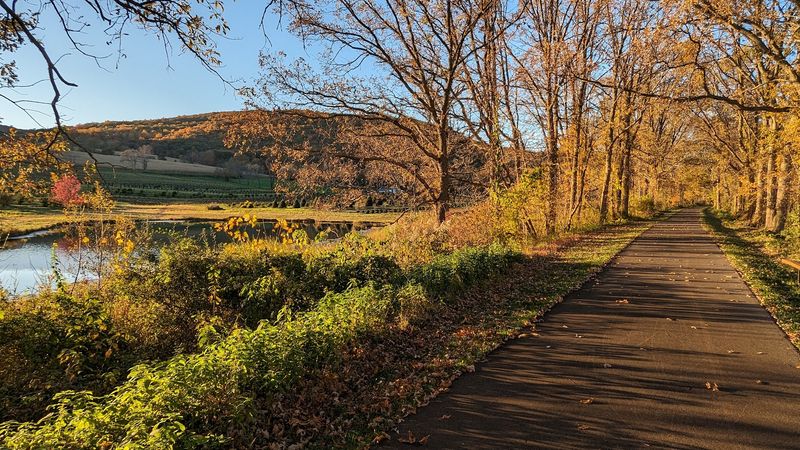
One of the most consistent pleasures of riding or walking the Harlem Valley Rail Trail is the variety of natural environments it passes through. The trail does not simply cut through one type of landscape and stay there.
Within a single outing, a visitor can move from open meadows with long mountain views to dense woodland corridors where the tree canopy closes overhead and the air cools noticeably.
Wetland sections appear along the route, adding a different visual texture and drawing birds that are rarely seen in more developed areas. Birdwatchers who bring binoculars tend to find the wetland stretches particularly rewarding, especially during migration seasons in spring and fall.
The trail does not require any off-path exploration to access these environments since the landscape simply unfolds as you move forward.
Views of the Taconic and Catskill Mountains appear at various points along the trail, particularly in sections where the tree cover opens up over fields and farmland. On clear days, the mountain ridgelines create a backdrop that feels almost theatrical in its scale without actually demanding your attention.
The scenery has a way of arriving quietly, which somehow makes it more satisfying than a destination that announces itself loudly from a distance.
Fall Colors That Turn A Great Trail Into An Unforgettable One
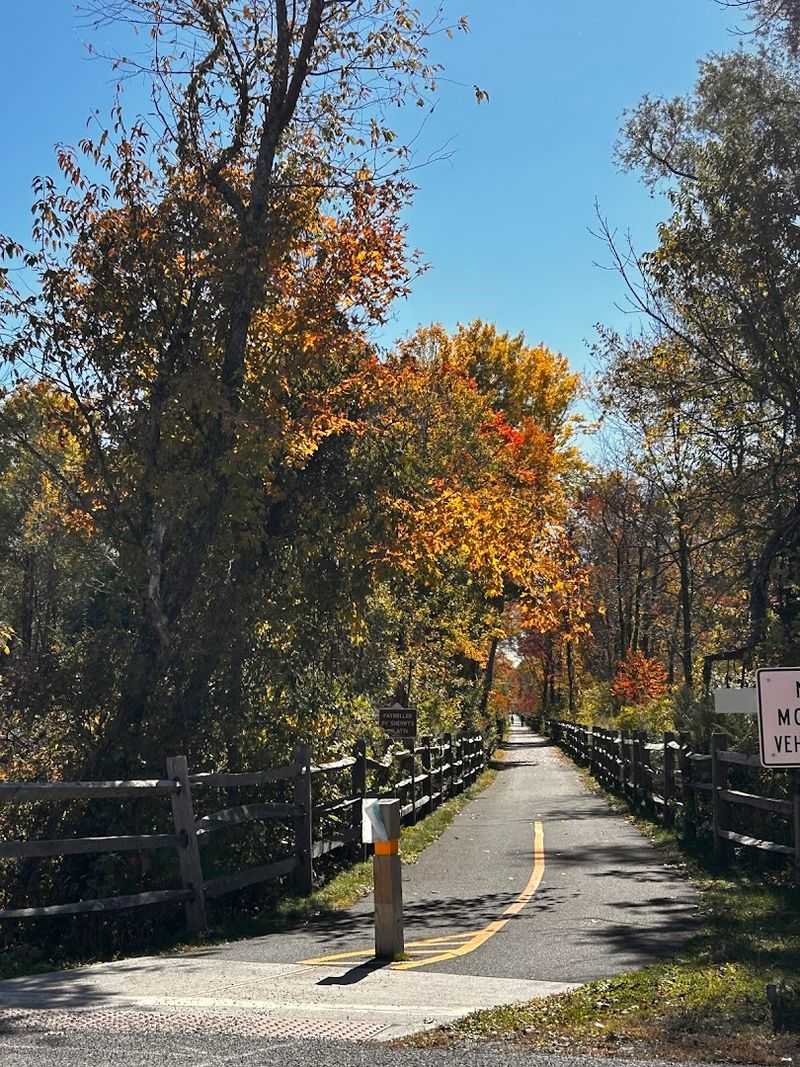
Autumn transforms the Harlem Valley Rail Trail into something that regular visitors return to specifically for the season. The tree canopy that provides welcome shade during summer months becomes a full display of red, orange, and gold as temperatures drop in October.
Riders who time their visit to coincide with peak foliage find that the trail offers one of the more spectacular fall experiences in the Hudson Valley region.
The flat terrain and open sightlines mean that the fall color surrounds you on all sides rather than appearing only above or ahead. Fields of dried grass, red maple stands, and yellow birch trees create layered compositions that change with every bend in the trail.
Photographers tend to stop frequently during autumn rides, and the wide paved surface means there is always room to pause without blocking other trail users.
Weekend visits during peak fall tend to draw larger crowds, particularly near Millerton where the trail intersects with town activity. Arriving early in the morning provides the best light for photography and the most peaceful experience on the trail itself.
Parking near the trailhead fills up quickly on busy autumn weekends, so planning ahead and arriving before mid-morning is a practical habit worth developing.
Year-Round Access And Activities That Keep The Trail Busy In Every Season
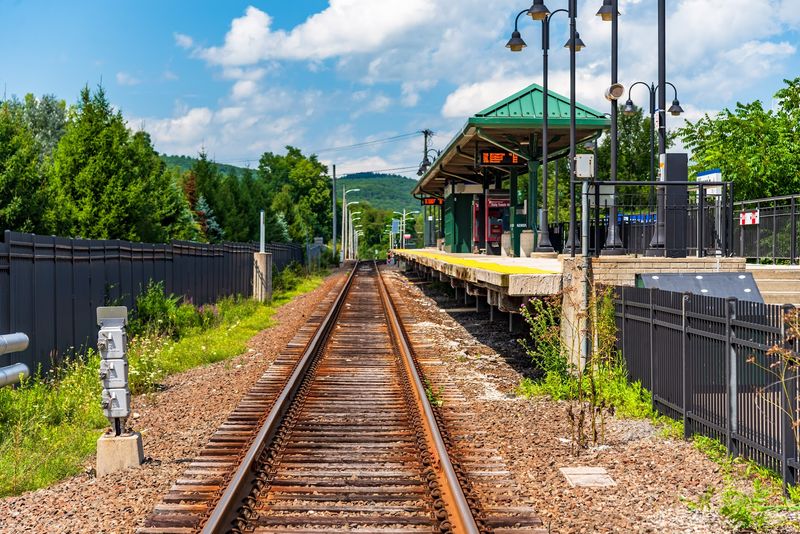
The Harlem Valley Rail Trail does not close when summer ends. The trail remains open throughout the year, and each season brings its own version of the experience.
Winter visitors who arrive after a snowfall can use the trail for cross-country skiing, which turns the flat corridor into a surprisingly efficient and scenic ski route through the valley landscape.
Spring brings a different kind of energy as the trees leaf out and the wetland areas fill with bird activity. Hikers and cyclists return in numbers as the weather warms, and the trail surface emerges from winter in reliably good condition thanks to ongoing maintenance by the Harlem Valley Rail Trail Association.
The organization works consistently with state and local agencies to keep the path in the kind of shape that earns enthusiastic praise from first-time visitors.
Summer offers the most extended hours of daylight for longer rides, and the tree canopy provides natural cooling in the woodland sections. Dogs are welcome on the trail and appear frequently, often trotting alongside cyclists or exploring the edges of the path with evident enthusiasm.
The trail accommodates all these different users across all four seasons without feeling crowded or compromised in its purpose.
Copake Falls And The Northern Stretch Where Quiet Reaches Its Fullest Expression
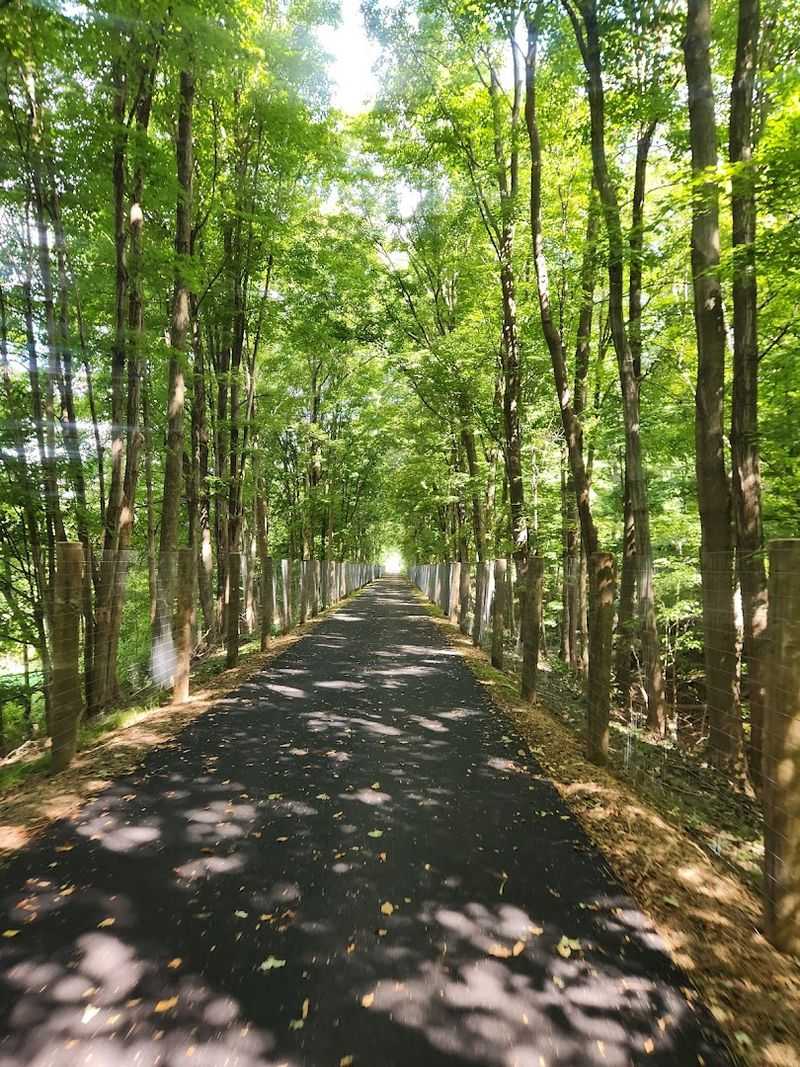
As the trail moves northward from Millerton toward Copake Falls and eventually the outskirts of Hillsdale, the character of the surroundings shifts toward something quieter and more remote. Road crossings become less frequent, and the sounds of traffic fade almost entirely.
Riders in this section often describe a particular kind of stillness that is difficult to find anywhere near a major metropolitan area.
Copake Falls sits near the northern end of the trail corridor and provides access to Taconic State Park, a separate destination that complements a rail trail visit nicely.
The park contains Bash Bish Falls, one of the most dramatic waterfalls in Massachusetts just across the state line, making it a natural extension of a day spent exploring the region.
Combining the trail with a short drive to the falls creates a full outdoor day without requiring extensive planning.
The northern stretch of the Harlem Valley Rail Trail is part of the broader Empire State Trail network, which connects various regions of New York through a continuous trail system. That larger context gives the HVRT a sense of belonging to something significant without diminishing its own identity.
For anyone who values genuine solitude on a well-maintained trail, the northern miles deliver exactly that, consistently and without fanfare.