
This Beautiful New Hampshire Mountain Route Is Underrated And Free
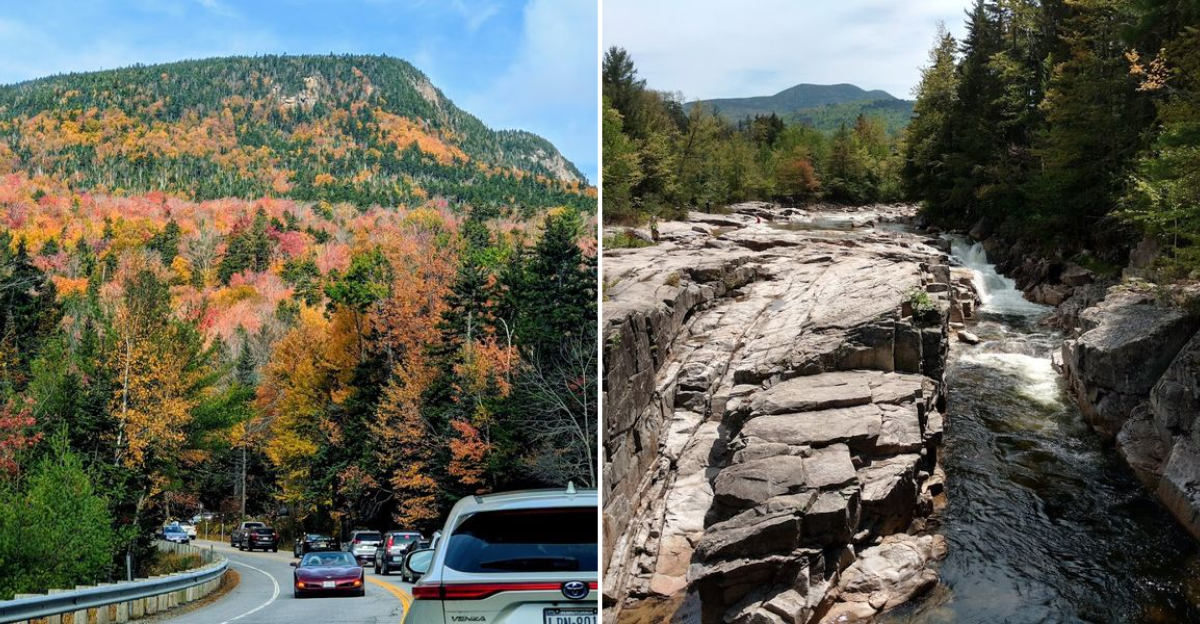
Sometimes I just want to get in the car and drive, letting the landscape unfold at its own pace. New Hampshire has routes that make you want to take the same journey again and again.
The roads wind through forests, alongside rivers, and past charming small towns that seem frozen in time. These drives are perfect for families or solo travelers.
You can stop whenever something catches your eye, from a hidden waterfall to a local bakery. The scenery changes with every turn, offering a mix of mountains, lakes, and rolling hills.
There is a quiet magic in moving slowly and seeing it all. If you are seeking adventure or a peaceful escape, New Hampshire’s scenic drives promise unforgettable views and moments that linger long after the journey ends.
Scenic Views Along The Mountain Road
This route does not ease you into its beauty. It hits you all at once.
One minute you are driving through trees, and the next you are staring at a mountain view so wide it almost feels fake.
The Kancamagus Scenic Byway runs through the heart of White Mountain National Forest, and every mile brings something new to look at.
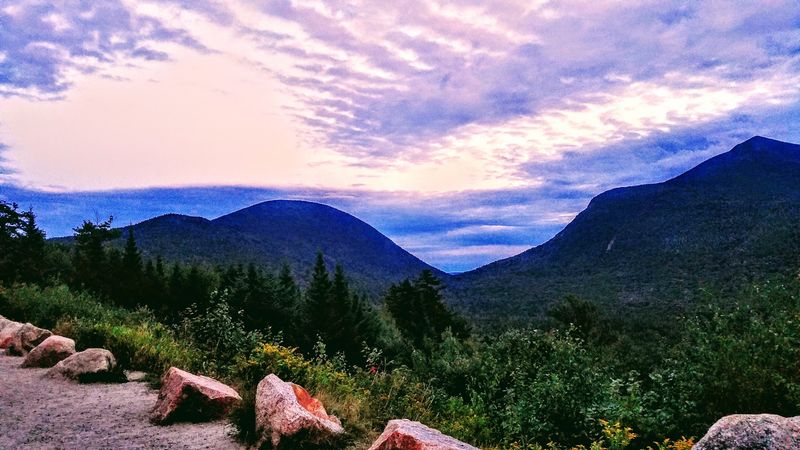
The overlooks along this road are genuinely stunning. Kancamagus Pass sits at around 2,855 feet in elevation, giving you sweeping views of the surrounding peaks.
Pull over at the overlooks near the pass and just stand there for a minute. You will not regret it.
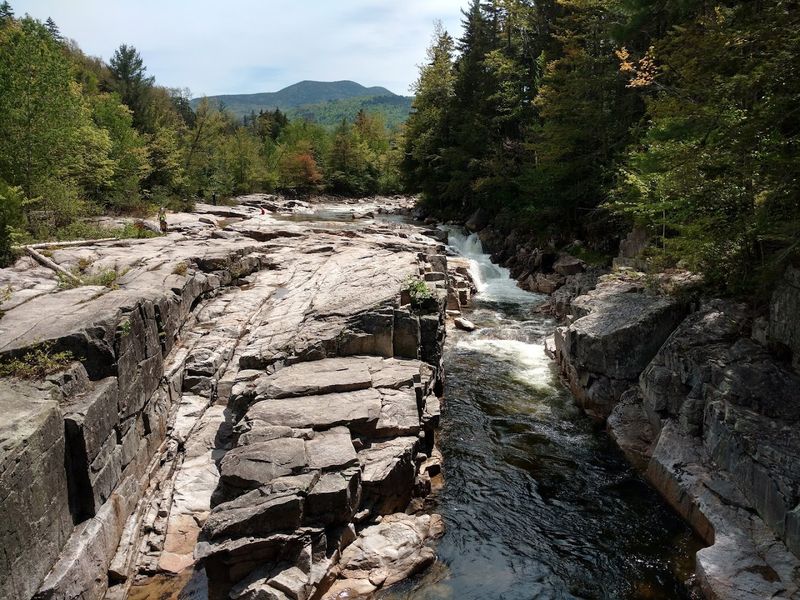
The Swift River runs alongside parts of the route, adding a sparkling blue-green ribbon to the already gorgeous landscape. Rocky Gorge Scenic Area is a must-stop, where the river squeezes through narrow granite walls with serious drama.
Lower Falls nearby has smooth granite slabs perfect for sitting and watching the water rush past. Located along NH-112, New Hampshire, this route is completely free and open year-round.
Wildlife Encounters In The Mountain Region
White Mountain National Forest is not just trees and rocks. It is a full wildlife neighborhood, and the animals are not shy about showing up.
Moose sightings along NH-112 are surprisingly common, especially near wetland areas in the early morning or evening hours. Seeing a moose up close is one of those moments that never gets old.
Black bears also roam this region. You probably will not see one mid-drive, but they are out there.
Keep your food stored properly if you stop to hike or picnic. The forest takes wildlife seriously, and so should you.
White-tailed deer are frequent visitors near the road edges, especially at dusk. Red foxes, wild turkeys, and various hawk species also make regular appearances.
Birdwatchers absolutely love this corridor. Bring binoculars if you have them.
The diversity of species here is genuinely impressive for a free public road. Keep your camera ready because wildlife around The Kanc does not always give you a second chance.
Slow down when you spot animals, and never feed them. Respecting their space keeps both you and them safe.
Seasonal Changes And Their Impact On The Route
Every season completely transforms NH-112, and each version is worth experiencing. Fall is the celebrity season here.
From late September through mid-October, the mountains explode with red, orange, and gold foliage. Leaf-peepers from across the country make the drive specifically for this show.
It is one of the best fall foliage displays in the entire country.
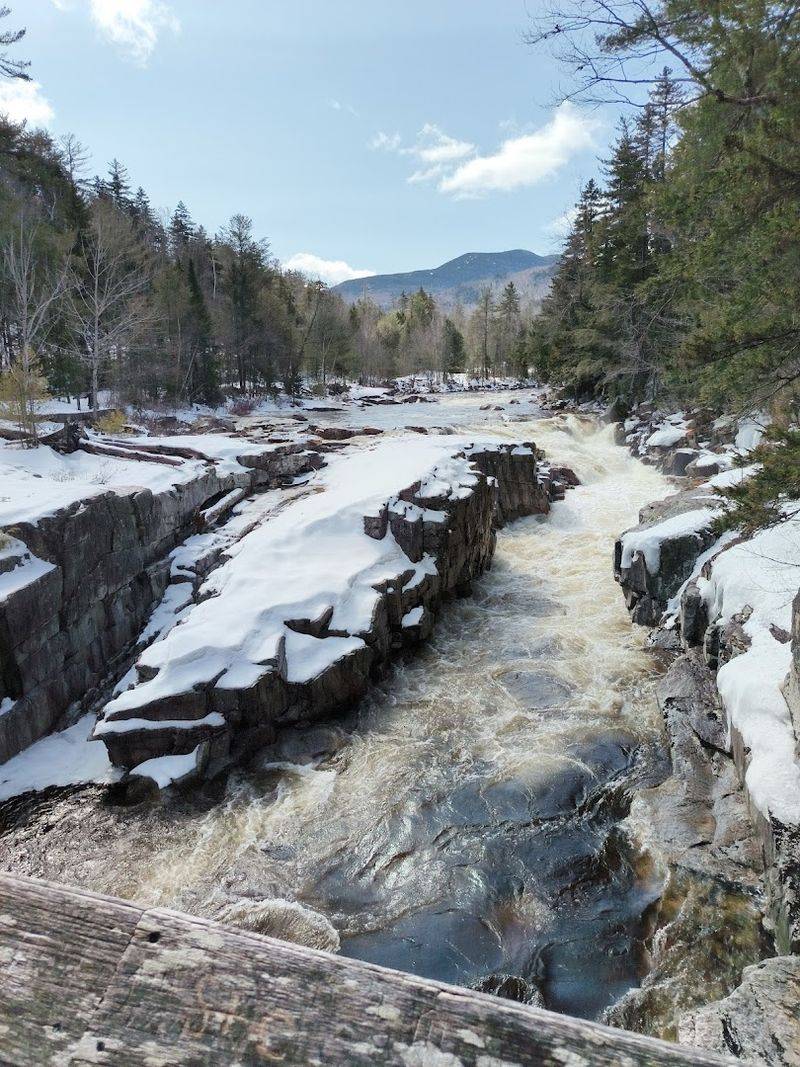
Winter turns the route into a quiet, snow-covered world. The road stays open but requires caution.
Snow-capped peaks and frozen waterfalls make for breathtaking scenery. Cross-country skiers and snowshoers love accessing the trails during this time.
Spring brings rushing snowmelt that turns the Swift River into a roaring spectacle. Waterfalls are at their most powerful, and the forest starts waking up with fresh green growth.
Summer is peak hiking season, with wildflowers blooming along the trailheads and swimming holes filling up with happy visitors. Each season brings a completely different crowd and a completely different mood.
Planning your visit around the season you want to experience makes the trip feel tailor-made. No season disappoints on The Kanc.
Historical Landmarks Near The Mountain Path
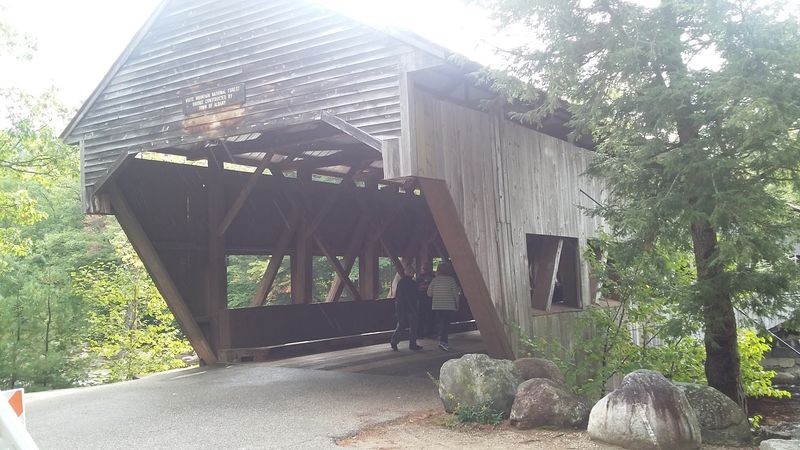
History runs deep along this mountain road, and most people drive right past it without knowing. The Russell-Colbath House is one of the most interesting stops along NH-112.
Built in the 1830s, this preserved homestead sits right along the byway inside the national forest. It tells the story of the families who actually lived and farmed in this wilderness before it became protected land.
The house is maintained by the U.S. Forest Service and is open seasonally for tours.
There is a local legend attached to it too. Ruth Colbath reportedly kept a lantern burning in the window for years, waiting for her husband Thomas who had walked into the woods one day and never returned.
He reportedly showed up decades later, said nothing, and left again. Nobody knows the full story.
That alone makes this stop fascinating.
Native Abenaki people also have a deep historical connection to this region long before European settlers arrived. The name Kancamagus itself honors a Penacook leader.
Learning this history adds real depth to what might otherwise feel like just a pretty drive. Stop, read the signs, and absorb the layers of this place.
Best Spots For Photography On The Mountain Drive
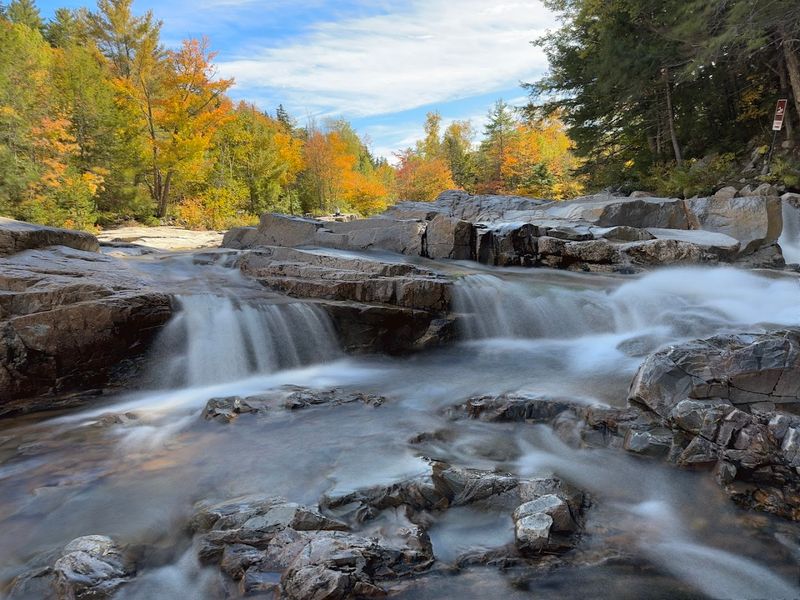
NH-112 is basically a 34.5-mile photography studio, and you do not need to be a professional to get incredible shots here. Lower Falls is consistently one of the most photographed spots on the entire byway.
The Swift River tumbles over smooth granite slabs with dramatic energy, and the surrounding trees frame every shot perfectly.
The Kancamagus Pass overlook is the go-to spot for wide landscape shots. Arrive before sunrise for golden hour light that paints the mountain ridges in warm tones.
The mist that sometimes hangs in the valleys early in the morning looks absolutely cinematic. Pack a tripod if you have one.
Rocky Gorge gives you tight, dramatic compositions with rushing water in a narrow granite channel. Sabbaday Falls is another favorite, a three-tiered waterfall tucked into the forest that photographs beautifully in any season.
Autumn obviously turns every single spot into a winner. Even your phone camera will produce images worth framing during peak foliage.
The key is stopping often and not rushing the drive. The best shots along The Kanc usually come from the spontaneous pull-offs, not the planned ones.
Popular Hiking Trails Connected To The Route
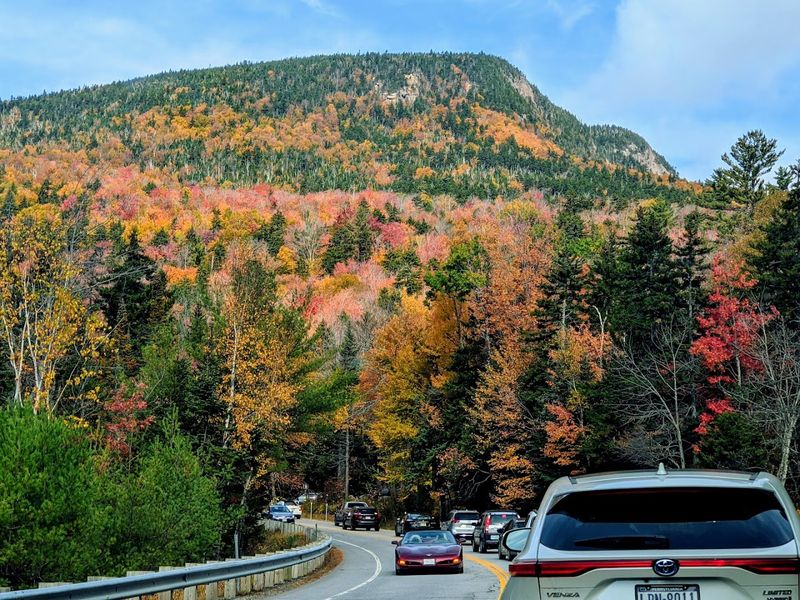
NH-112 is essentially a launching pad for some of the best hiking in New England. Dozens of trailheads branch off directly from the byway, giving you access to everything from casual walks to serious summit climbs.
You do not have to drive anywhere else. Just park and go.
The Champney Falls Trail is a crowd favorite for good reason. It is about 3.5 miles round trip and leads to a gorgeous waterfall.
Families with kids handle it well, and the payoff at the falls is real. Mount Chocorua is another popular destination accessible near the eastern end of the route.
The rocky summit views from Chocorua are iconic in New Hampshire hiking culture.
For something more challenging, the Lincoln Woods Trail connects to the Wilderness Trail and takes you deep into the Pemigewasset Wilderness. Serious backpackers love this corridor for multi-day trips.
Sabbaday Brook Trail is shorter and leads to the beautiful Sabbaday Falls. Almost every trail off NH-112 is well-marked and maintained by the U.S.
Forest Service. Always check trail conditions before heading out, especially after heavy rain or during early spring when snowmelt makes paths slippery.
Safety Tips For Driving Mountain Roads
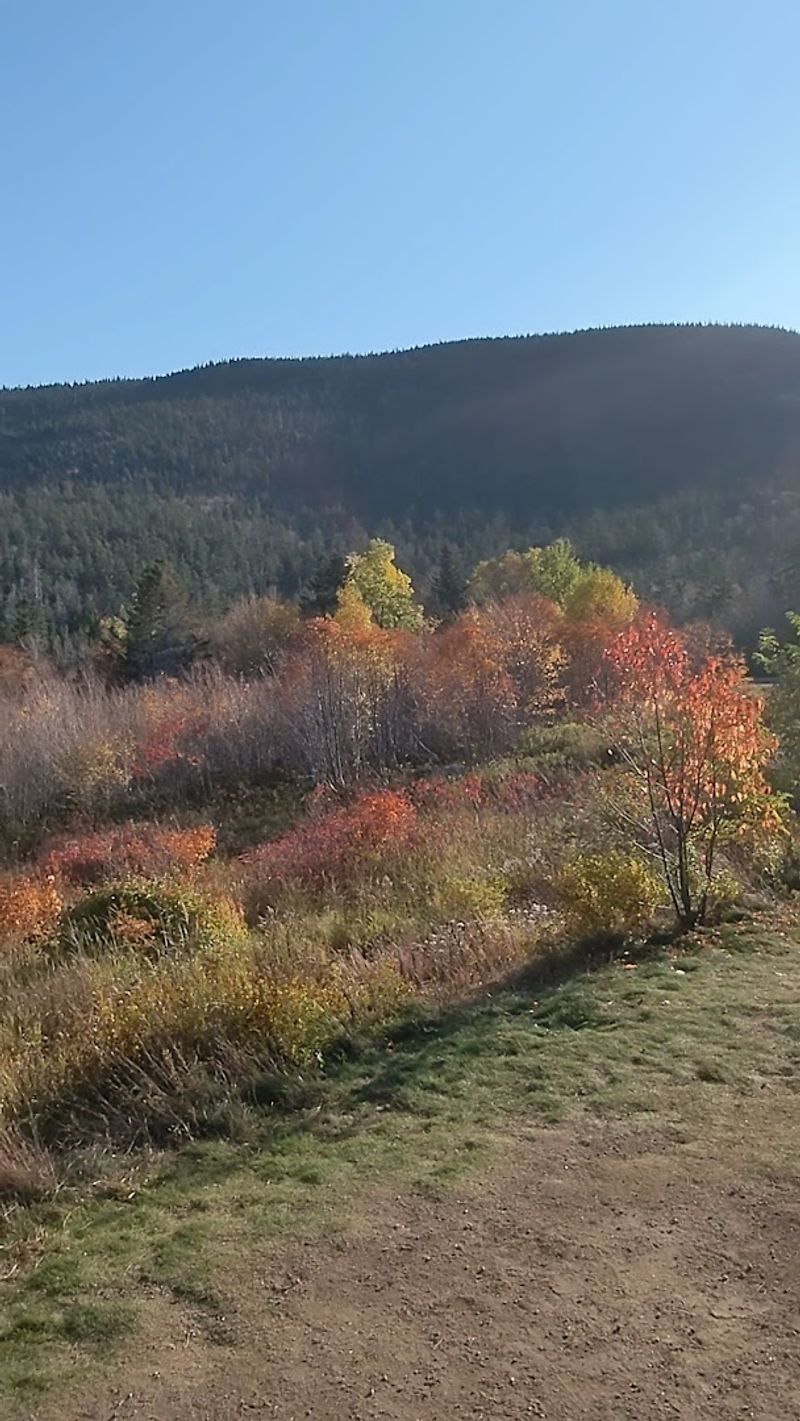
NH-112 is a beautiful road, but mountain driving deserves respect. The Kancamagus Highway has no gas stations, no cell service in many stretches, and no guardrails in several sections.
Knowing this before you leave saves a lot of stress. Fill your gas tank before entering from either Lincoln or Conway.
Speed limits along the byway are low for good reason. The curves are sharp in places, and wildlife can appear on the road without warning.
Moose, especially, are a serious hazard at night. Driving the Kanc after dark is not recommended unless you are experienced with mountain roads and have your high beams ready.
During winter and early spring, ice and snow can make the road treacherous. Check road conditions through the New Hampshire Department of Transportation before heading out in cold months.
Carry water, snacks, and a basic emergency kit just in case. Download offline maps before entering the forest since cell service drops out frequently.
Parking areas fill up fast on weekends during the fall foliage season, so arriving early avoids the frustration. Treat this road with the same respect you would give any serious mountain terrain, and your trip will go smoothly.
Local Flora And Fauna To Observe
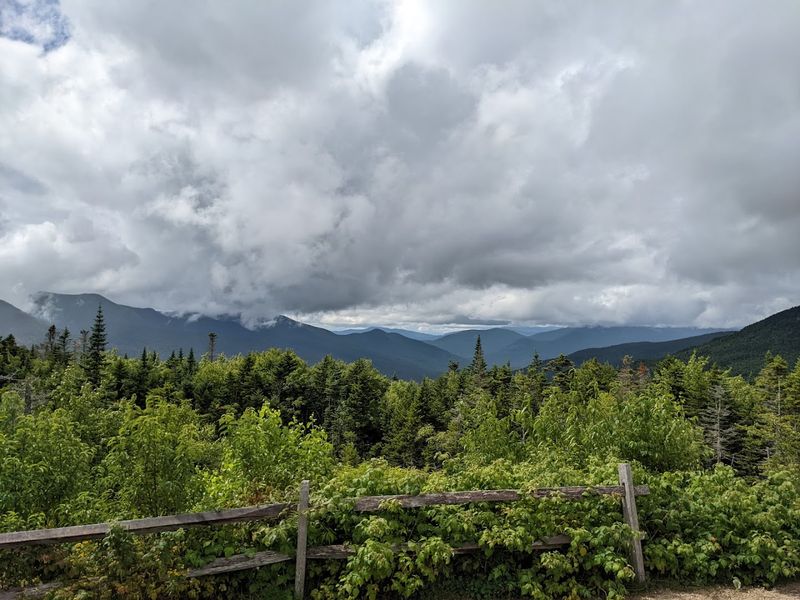
The biodiversity along NH-112 is genuinely worth slowing down for. White Mountain National Forest supports an enormous variety of plant and animal life, and much of it is visible right from the road or just a short walk into the trees.
Sugar maples, yellow birches, and American beeches dominate the forest canopy and are the stars of the fall color season.
Along the Swift River corridor, you will find lush fern beds, mossy boulders, and wildflowers like trillium and trout lily popping up in spring. The forest floor is dense and layered.
It rewards people who actually look down while walking, not just up at the peaks.
American beavers are active in the wetland areas near the forest, and their dams are easy to spot if you know where to look. Spotted salamanders, brook trout, and painted turtles all live in and around the Swift River.
Overhead, peregrine falcons and broad-winged hawks ride the thermals above the ridgelines. The White Mountains also sit within the Atlantic Flyway, making this a productive birding zone during migration seasons.
Every visit reveals something new if you pay attention to the details.