
This Hidden Mexican Restaurant In Arizona Has Been A Local Secret For More Than 100 Years
Imagine a place that has been feeding people for more than 100 years. That number is hard to truly grasp.
It is even harder to imagine what it takes to keep a restaurant alive through so many seasons of change.
In Arizona, Mexican communities have shown a deep sense of soul in their cooking. They also have a gift for storytelling that lives far beyond the plate.
This is not just about food. It is about memory, tradition, and the quiet passing of time from one generation to the next.
This story has been unfolding for decades. It has been shaped by families, travelers, and locals who return again and again.
Each visit adds another layer to its history.
In a world that moves faster every day, this place stands still in the best possible way. It holds onto flavors, faces, and moments that refuse to fade.
Exploring Authentic Mexican Flavors And Ingredients
This spot has been serving real-deal Mexican food since 1922! That is not a typo.
Over 100 years of feeding Tucson, and the flavors still hit like it is day one.
The menu leans hard into Sonoran-style cooking, which means bold spices, slow-cooked meats, and ingredients that actually come from the region. Nothing here tastes as it came out of a freezer bag.
The carne seca alone is worth the trip. It is beef that gets sun-dried right on the roof of the building, which sounds wild but tastes absolutely incredible.
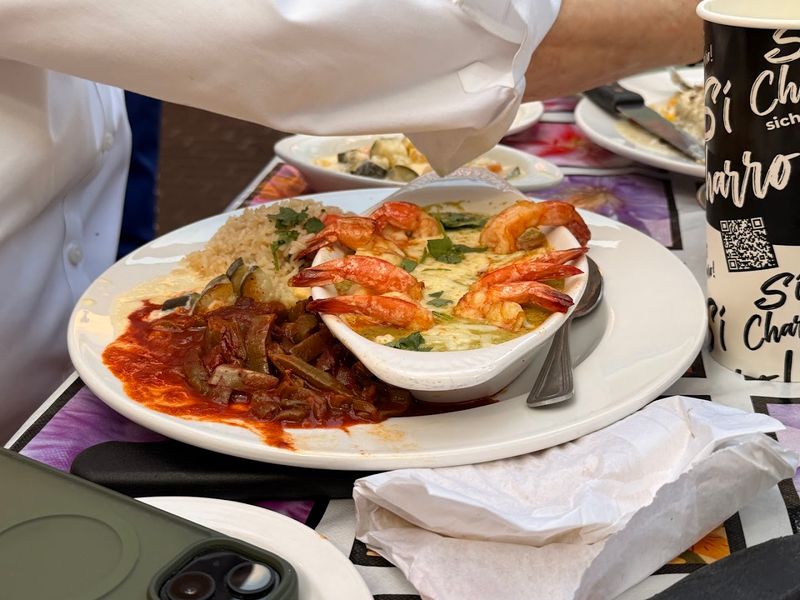
Fresh chiles, hand-ground spices, and locally sourced produce show up in almost every dish. You can taste the care in each bite.
The kitchen does not cut corners, and regulars notice. First-timers notice too, usually after their second helping.
The ingredient quality at El Charro is what separates it from any chain restaurant trying to pass off Tex-Mex as the real thing. This place is the real thing, full stop.
Find this restaurant at 311 N Court Ave, Tucson, AZ 85701
Understanding The History Behind Signature Dishes
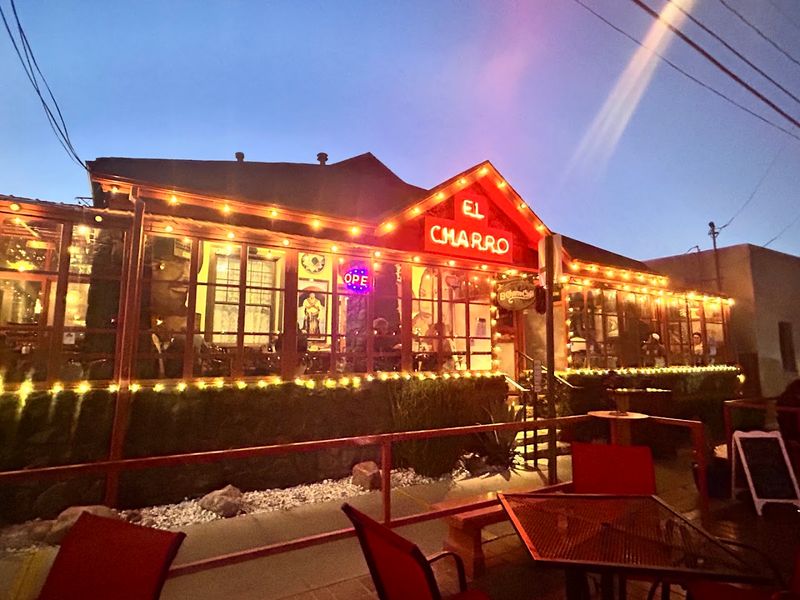
El Charro Cafe did not just show up with a menu. The dishes here have backstories that go back generations.
The restaurant was founded in 1922 by Monica Flin, making it the oldest Mexican restaurant in the United States continuously operated by the same family.
That chimichanga on your plate? El Charro has a strong claim to inventing it.
Legend has it that Monica accidentally dropped a burrito into the fryer and swapped out a certain word for a family-friendly version. The result became one of the most beloved items in Arizona food history.
You cannot make that story up.
Every dish on the menu carries a piece of that legacy. The recipes have been passed down through the Flores family, who have kept the traditions alive while the city around them changed completely.
Tucson grew, chain restaurants multiplied, and food trends came and went. El Charro stayed the course.
Knowing the history behind what you are eating makes every bite feel more meaningful. It is not just dinner.
It is a living piece of American culinary heritage sitting right on your plate.
Crafting Handmade Corn Tortillas With Care
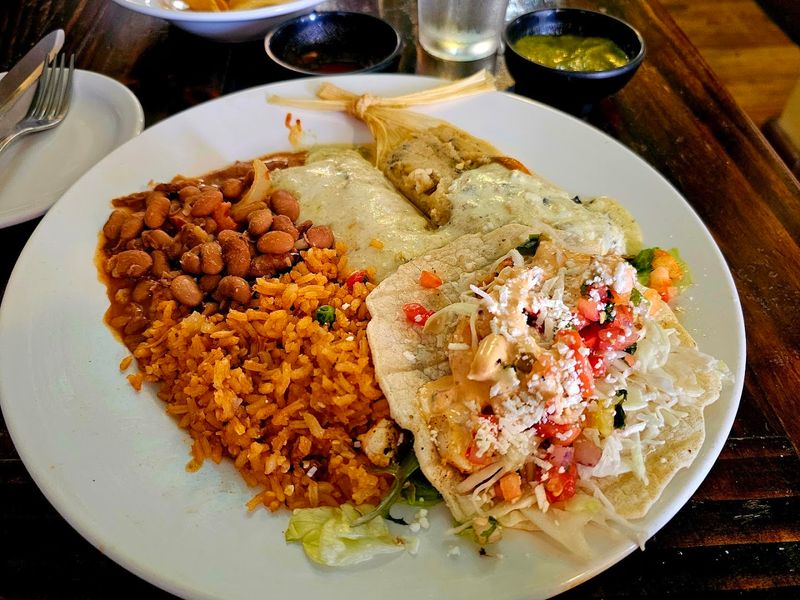
Handmade corn tortillas are one of those things that sound simple until you taste one and realize you have been eating the wrong thing your whole life.
At El Charro, the tortillas are made by hand the old-fashioned way, and the difference is immediately obvious.
Store-bought tortillas are fine. Handmade ones from a kitchen that has been perfecting the process for over a century are on a completely different level.
The texture is softer, the corn flavor is more pronounced, and they hold up to sauces and fillings without falling apart. That matters more than people realize until it happens to them mid-bite.
The process starts with masa prepared fresh each day. Cooks press each tortilla by hand and cook them on a hot comal until they puff up just right.
It takes skill and repetition. The team at El Charro has that skill in abundance.
When you wrap a piece of carne seca in one of these tortillas and take a bite, everything makes sense. Some things just cannot be rushed or outsourced, and the tortillas here prove that point every single service.
Highlighting Unique Regional Culinary Techniques
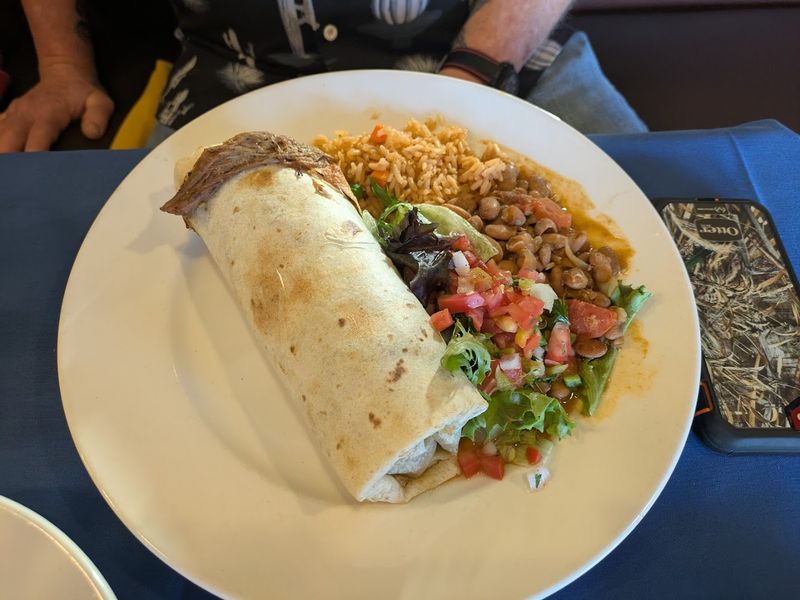
Sonoran cuisine has techniques that you will not find anywhere else in the world, and El Charro showcases them proudly. The most famous one is the rooftop sun-drying of beef to make carne seca.
Yes, the roof. Yes, the actual sun.
It works because Tucson’s desert heat is basically a natural dehydrator.
The beef gets seasoned, spread out on trays, and left to dry under the Arizona sky for days. The result is a deeply flavored, slightly chewy meat that gets shredded and used in tacos, burritos, and other dishes.
It is a technique that predates refrigeration and has survived because nothing replicates the flavor it produces.
Beyond carne seca, the kitchen uses traditional Sonoran methods like slow braising with dried chiles, using lard in specific preparations for authentic texture, and cooking beans from scratch every day. These are not shortcuts.
They are commitments to doing things right. Regional techniques like these take more time and effort than modern shortcuts, but the payoff shows up on every plate.
El Charro treats these methods as non-negotiable, which is why the food tastes the way it does.
Creating Memorable Dining Experiences Through Atmosphere
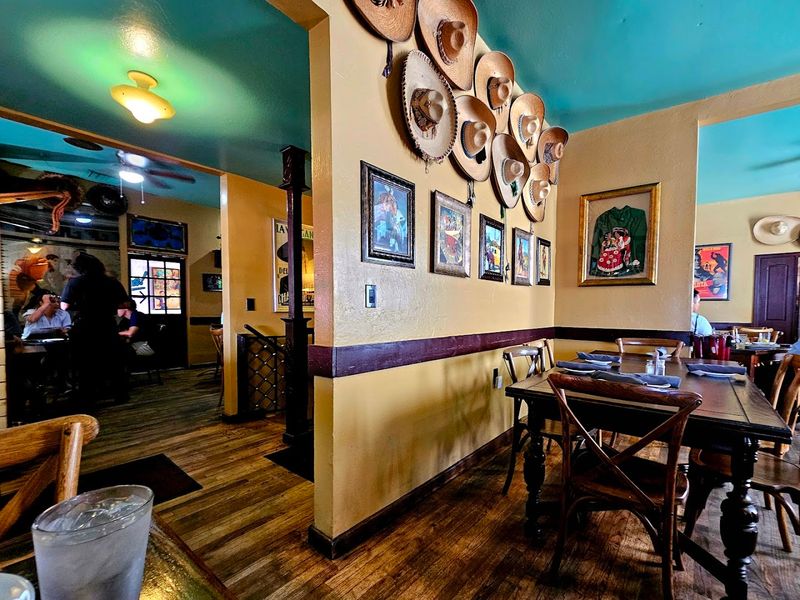
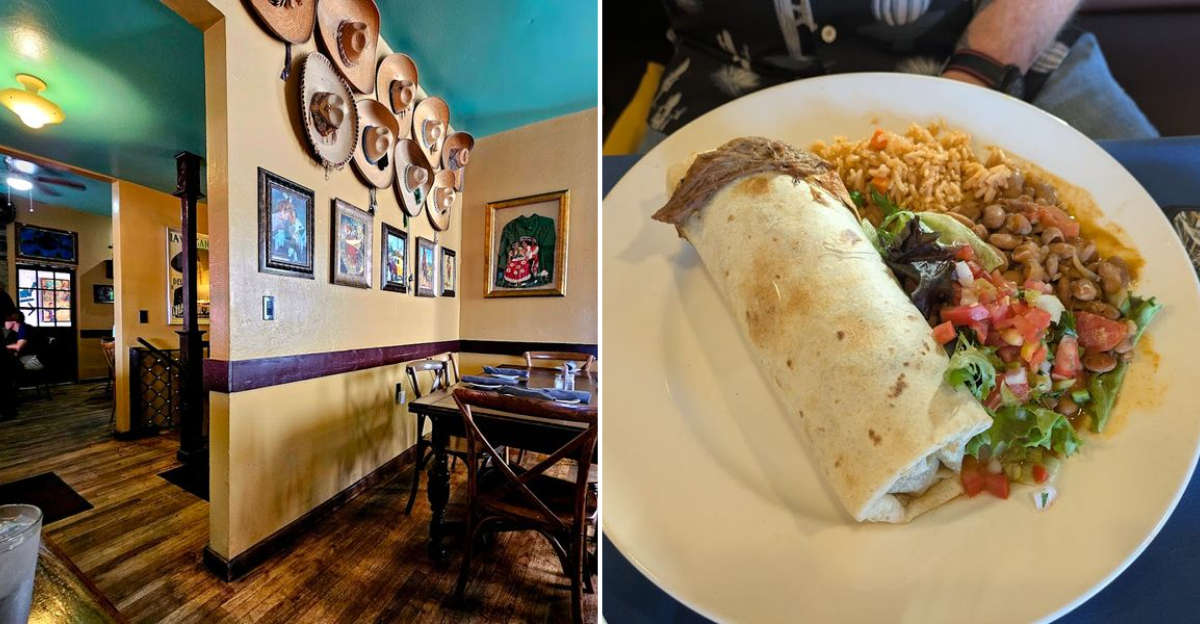
Entering the El Charro feels like entering a place that has absorbed a century of good meals and great conversations. The walls are decorated with historic photos, vibrant colors, and artwork that tells the story of the restaurant and the city around it.
It does not feel staged. It feels lived-in.
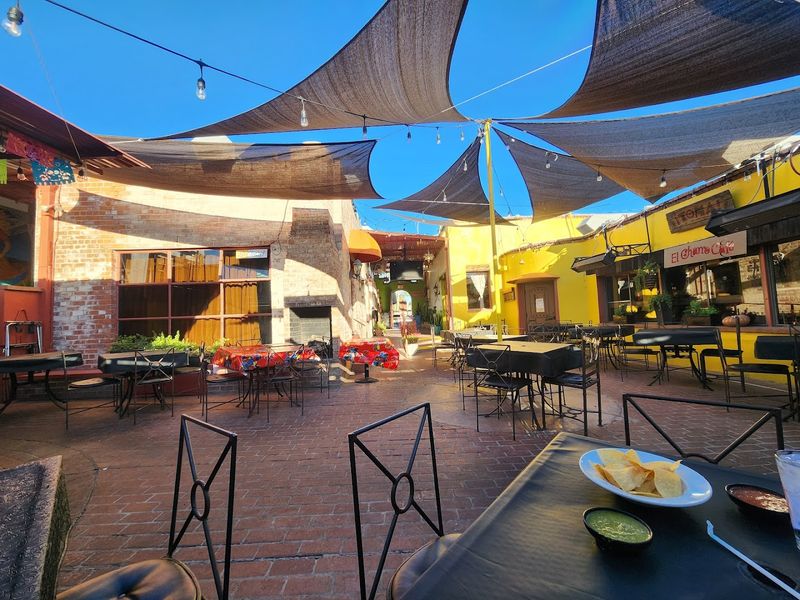
The courtyard seating is especially popular on nice Tucson evenings. Guests sit under the open sky, surrounded by the sounds of the kitchen and the buzz of other diners who clearly know what they are doing by being there.
The energy is relaxed but lively, which is a balance not every restaurant manages to pull off.
Families celebrating birthdays, couples on date night, tourists who followed a tip from a local, and regulars who have been coming for decades all share the same space. That mix of people creates an atmosphere that no interior designer can manufacture.
It happens organically when a place is genuinely good over a long period of time. El Charro has earned every bit of its warm, welcoming reputation through consistency and heart.
The food brings you in. The atmosphere is why you come back.
Preserving Traditional Recipes In A Modern Kitchen
Keeping a 100-year-old recipe alive in a modern kitchen is harder than it sounds. Ingredients change, equipment evolves, and customer expectations shift.
El Charro has managed to honor its original recipes while running a fully functioning contemporary kitchen. That balance takes serious dedication.
The Flores family has documented and protected the original recipes across multiple generations. When an ingredient becomes hard to source, the kitchen finds the closest authentic substitute rather than defaulting to something easier.
The goal is always to match what the dish tasted like when it was first created. That kind of commitment is rare in any industry.
Modern equipment helps with consistency and speed, but the foundational techniques remain unchanged. Sauces are still made from scratch.
Dried chiles are still toasted and rehydrated by hand. Beans are still cooked low and slow.
The kitchen uses modern tools to support traditional methods, not replace them. El Charro proves that a restaurant can grow and adapt without losing its soul.
The recipes that made people fall in love with this place in 1922 are still the same ones bringing new fans through the door today.
Pairing Meals With Traditional Mexican Beverages
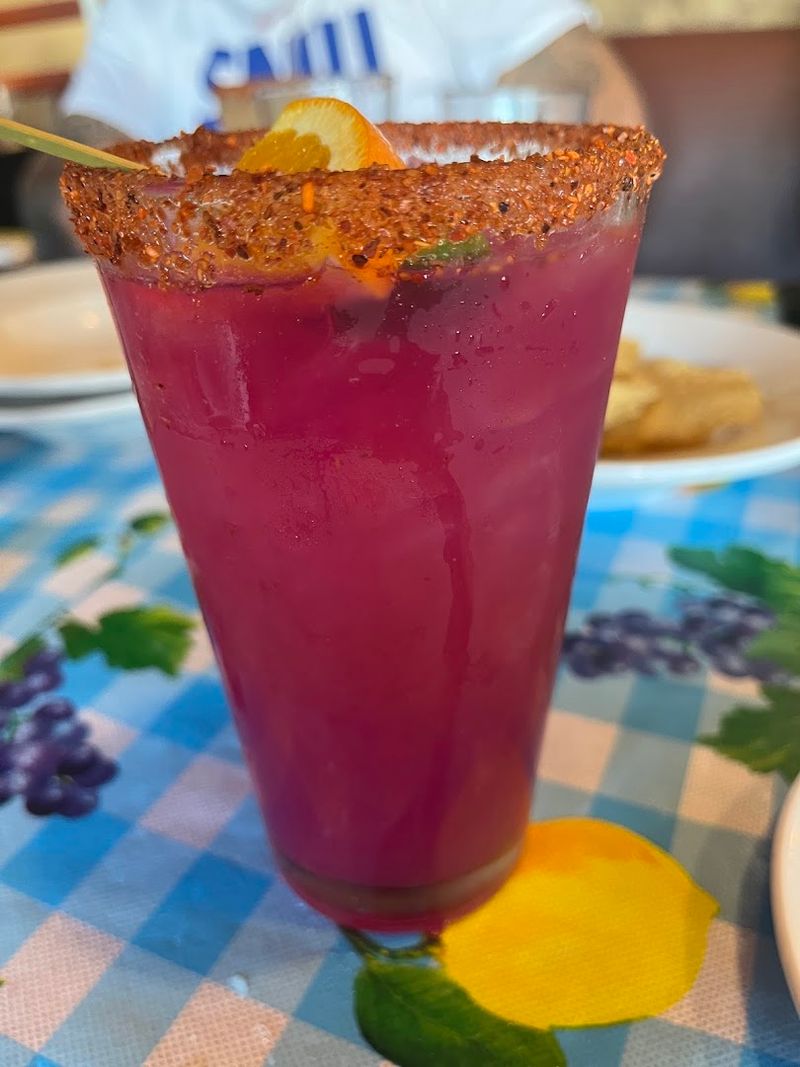
The right drink can completely change a meal, and El Charro takes its beverage program seriously on the non-alcoholic side. Traditional Mexican drinks pair beautifully with the bold, spiced flavors coming out of the kitchen.
The restaurant offers several options that complement the food perfectly.
Agua fresca is a standout choice. Made with fresh fruit, water, and a little sugar, it is refreshing without being overly sweet.
Hibiscus agua fresca, known as jamaica, is especially popular. The tartness cuts right through rich dishes like enchiladas or carne seca.
Horchata, a creamy rice-based drink flavored with cinnamon, is another crowd favorite that pairs well with spicier menu items.
Tamarind-based drinks bring a tangy sweetness that works surprisingly well alongside savory preparations. Fresh-squeezed limeade is simple but hits differently when the food is this flavorful.
These beverages are not afterthoughts. They are part of the full dining experience and reflect the same regional authenticity found in the food.
Choosing the right drink at El Charro is half the fun of the meal. Ask your server for a recommendation, and you will not be disappointed with what arrives at the table.
Celebrating Local Culinary Heritage And Community
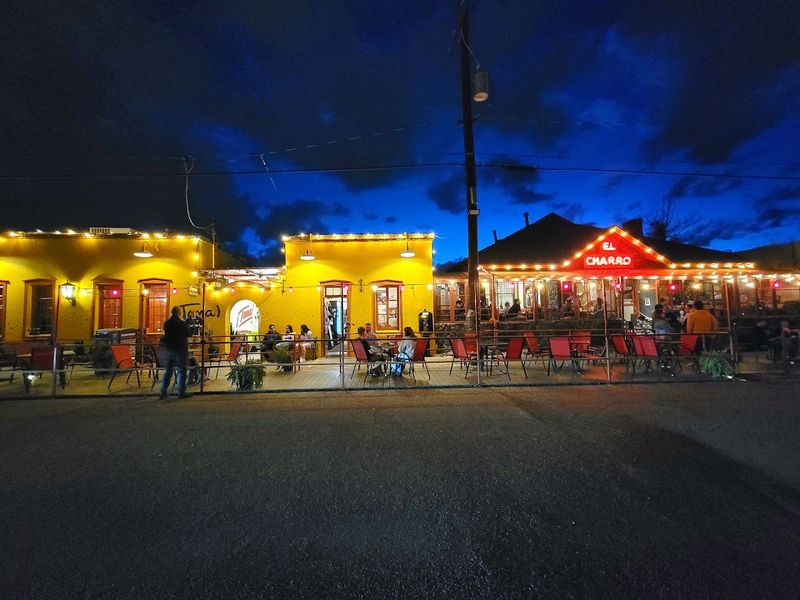
El Charro is not just a restaurant. It is a community institution that Tucson has rallied around for over a century.
The restaurant has survived economic downturns, changing food trends, and everything else the decades have thrown at it because the community chose to keep showing up.
Local schools bring students for field trips to learn about Tucson’s culinary history. Food writers and historians regularly cite El Charro as a defining piece of Arizona’s cultural identity.
The restaurant has been featured in national publications and television programs, yet it has never lost its neighborhood feel. That is a real achievement.
The Flores family has also been active in supporting local causes and celebrating Mexican heritage beyond the walls of the restaurant.
Events, cultural celebrations, and community partnerships have kept El Charro connected to the people who matter most. The restaurant reflects the soul of Tucson in a way that few businesses ever manage to do.
When you eat here, you are participating in something bigger than a meal. You are supporting a tradition that has fed, welcomed, and brought together generations of Arizonans.
That is worth celebrating every single time you visit.