
This Might Just Be The Single Most Breathtaking 2026 Roadside View In All Of New York
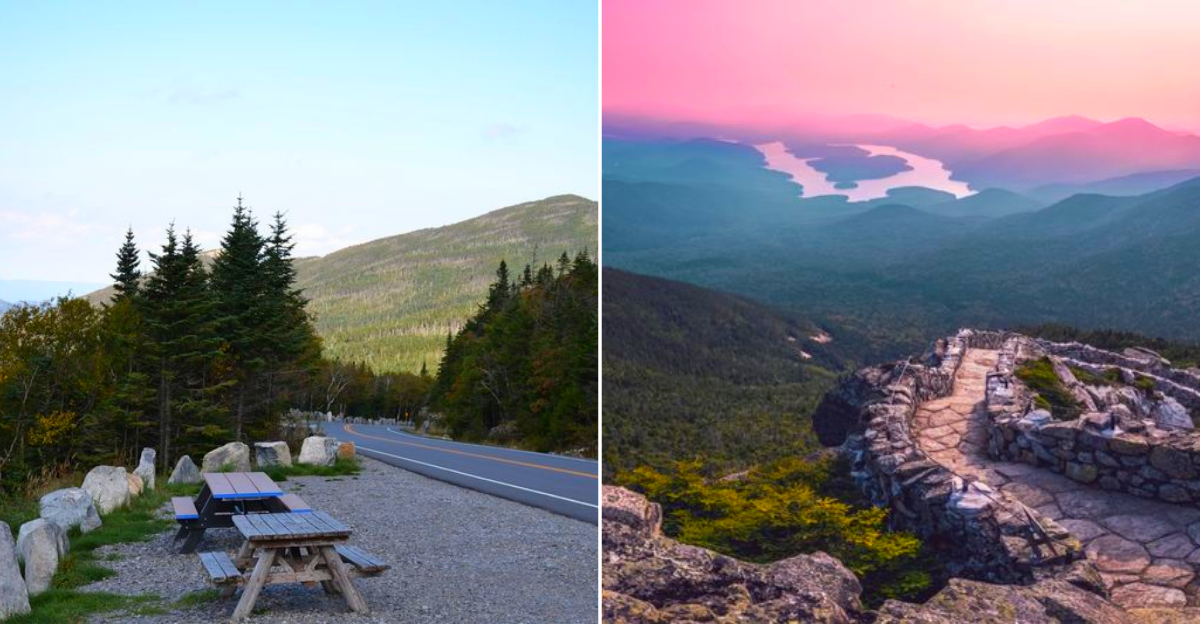
The road curves, the skyline opens up, and just like that, you’re reaching for the brakes. It’s the kind of view that doesn’t announce itself with signs or crowds, yet it quietly steals the moment.
New York has plenty of scenic drives, but every now and then, one stop feels different, like the landscape decided to show off at exactly the right second.
What makes this spot stand out isn’t just the scenery, it’s the timing. You don’t plan for it, and that’s what makes it stick.
One glance turns into a longer pause, then a full stop, just to take it all in. Keep going, and you’ll miss it.
Catch it at the right moment, and it might end up being the highlight of the entire trip.
A Road That Earns Every Foot Of Its Elevation
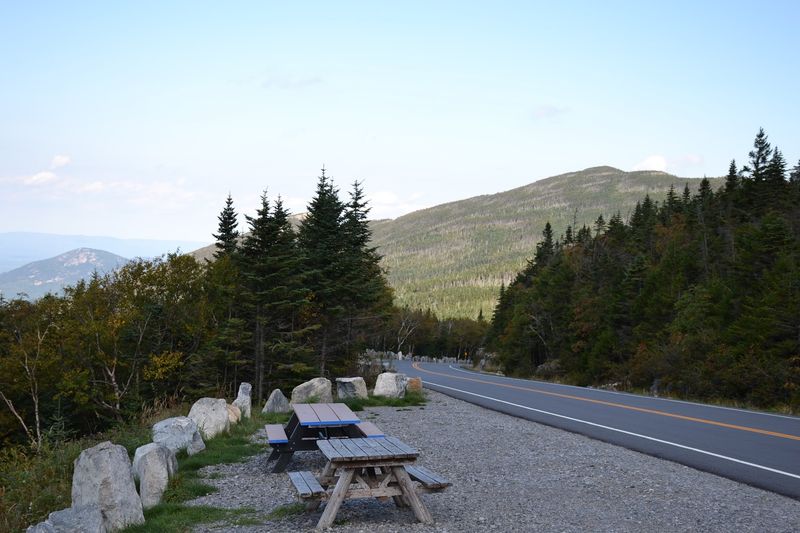
Most mountain roads tease you with a good view here and there before leveling off into disappointment. Whiteface Veterans Memorial Highway does the opposite, building anticipation with every curve until the summit reveals something genuinely extraordinary.
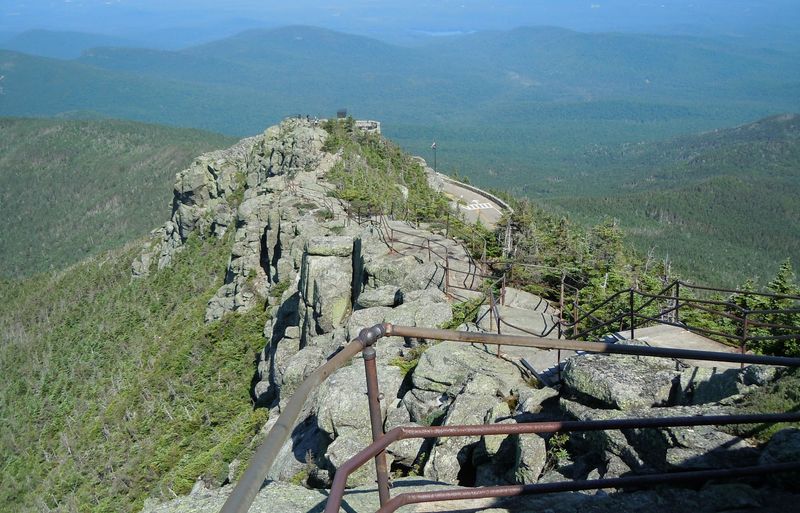
The road ascends through layers of boreal forest, open granite slopes, and wind-sculpted terrain that shifts in character as the elevation rises.
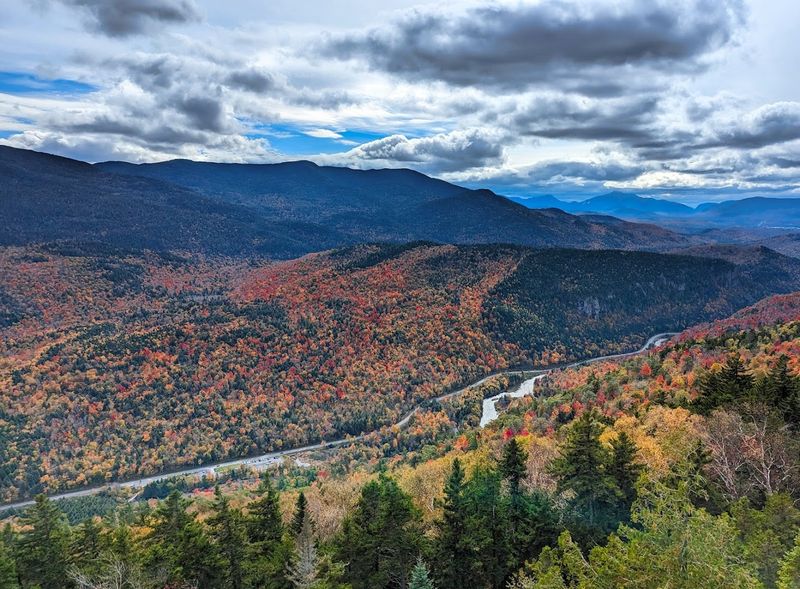
At the top, you are standing at the fifth-highest peak in New York State, and the panorama stretches across Vermont, Quebec, and the full sweep of the Adirondack High Peaks. On a clear day, you can see Lake Placid below like a polished mirror set into the valley.
The highway itself is a feat of engineering, constructed in the 1930s and stretching roughly five miles from its base to the summit parking area.
Few roads in the entire country can claim that kind of altitude gain in such a short distance. The journey rewards patience, and every bend in the road offers a slightly better reason to keep going.
Arriving at the top feels less like completing a drive and more like earning a front-row seat to one of nature’s finest performances.
Whiteface Veterans Memorial Highway And Its Remarkable Origin Story
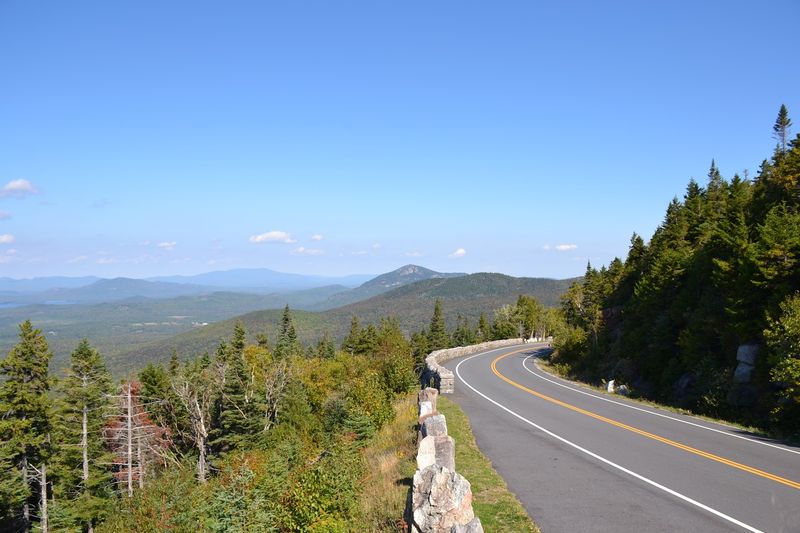
Completed in 1935, Whiteface Veterans Memorial Highway was built as a tribute to the veterans of World War I, commissioned by Governor Franklin D. Roosevelt before he became president.
The road was a Depression-era public works project that employed hundreds of workers and took years of careful planning to complete. It remains the only road in the northeastern United States to reach such a commanding summit elevation.
The highway is officially part of NY-431 and is located in Wilmington, NY 12997, nestled in the heart of the Adirondack Park. The dedication to veterans gives the road a quiet dignity that goes beyond its physical grandeur.
Plaques and historical markers along the route remind visitors that this place was built with purpose and human effort, not just machinery.
Understanding that history makes the drive feel richer. You are not just passing through a beautiful landscape but traveling a road that was deliberately carved out of a mountain as an act of national gratitude.
That kind of origin story adds a layer of meaning that most scenic byways simply cannot match, and it makes stopping at each overlook feel like a small act of appreciation.
Four Seasons Of Unmatched Visual Drama
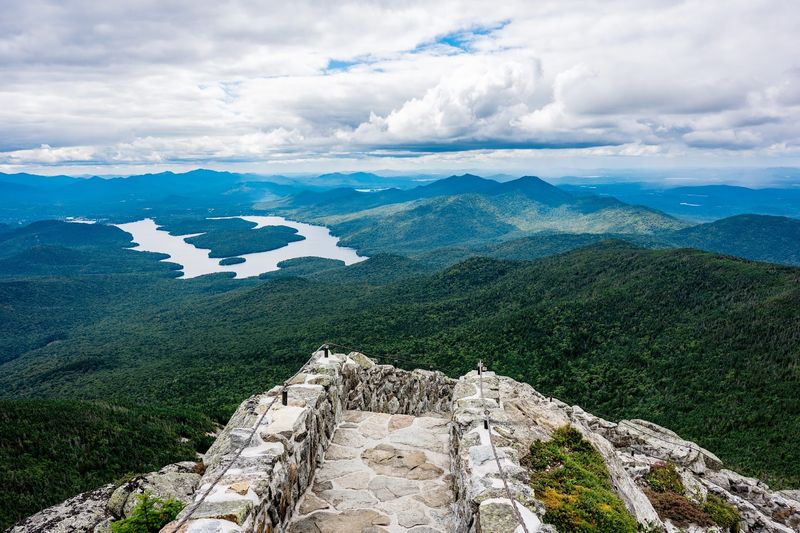
Spring brings a softness to the lower elevations of the highway, with wildflowers pushing through rocky soil and snowmelt rushing down the mountain’s flanks. By summer, the forest canopy thickens into a deep, saturated green that makes the drive feel almost tunnel-like in the lower sections before opening up spectacularly near the summit.
Each season announces itself loudly along this road.
Autumn is arguably the peak season for the highway, drawing visitors from across the region who come specifically to watch the Adirondack foliage ignite in shades of amber, crimson, and gold. From the summit during peak fall color, the valleys below look like a patchwork quilt stitched together by centuries of forest growth.
Winter closes the road to vehicles, but even the approach in snow is a sight worth planning around.
The highway typically opens in late May and closes in late October, depending on weather conditions. Checking ahead before your visit is always a smart move.
Each season offers a genuinely different visual experience, meaning repeat visitors never feel like they are retracing the same ground. The road manages to feel both familiar and entirely new depending on when you arrive.
The Summit Experience That Goes Beyond The Windshield
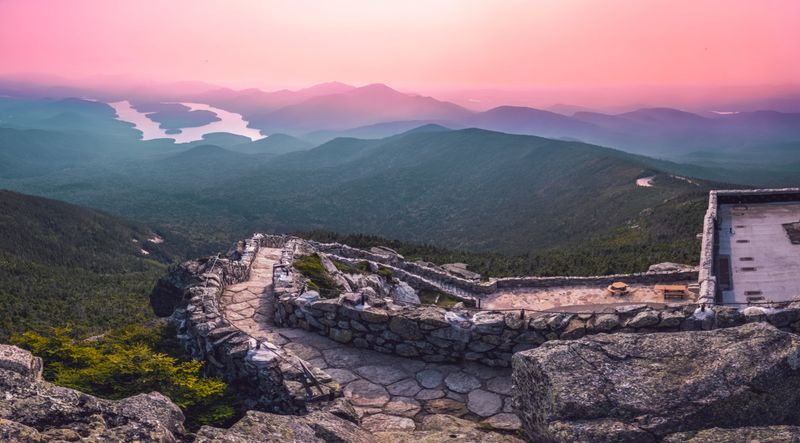
Reaching the summit parking area is only the beginning of what the highway has to offer. From there, a short tunnel carved directly through the granite leads to an elevator that lifts visitors to the true peak at 4,867 feet above sea level.
The castle-like summit building, constructed from local stone in the 1930s, gives the entire experience a slightly medieval atmosphere that feels perfectly out of place and completely charming.
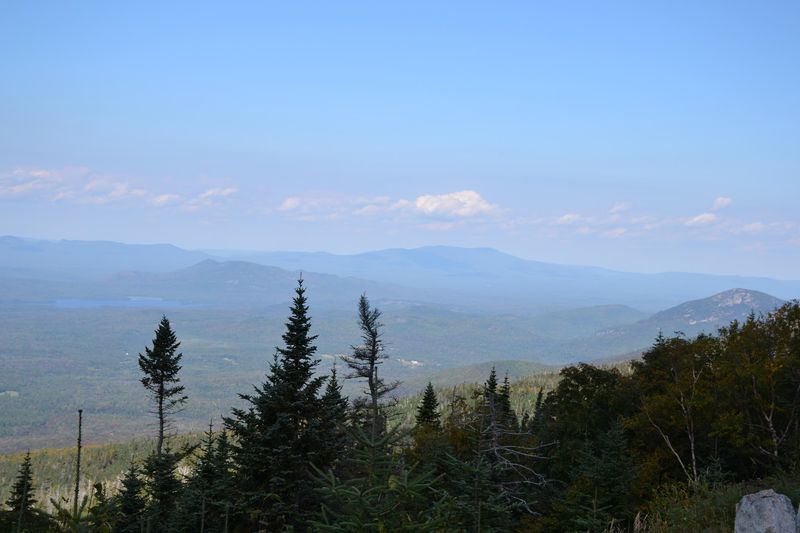
Standing on the summit observation deck, the wind arrives with a seriousness that reminds you exactly how high up you are. The view on a clear day extends over 100 miles in every direction, taking in the Green Mountains of Vermont, the St. Lawrence River valley, and the rolling ridgelines of the High Peaks Wilderness.
Bring a jacket regardless of the temperature at the base, because the summit operates by its own rules.
The summit building also includes a small weather station that has been recording data for decades, contributing to long-term climate research. Visitors can peek into this operation during the open season.
The combination of accessible infrastructure, raw mountain exposure, and sweeping vistas makes the summit stop a genuinely multi-layered experience rather than just a turnaround point.
Wildlife And Wilderness Framing Every Mile
The lower sections of the highway pass through dense Adirondack forest where white-tailed deer, red foxes, and various bird species are regular roadside companions. The transition zone between the lower forest and the alpine terrain above the tree line supports a surprisingly diverse range of plant and animal life.
Slowing down on the lower curves of the road often rewards patient drivers with genuine wildlife encounters.
Above the tree line, the landscape shifts to a more austere character dominated by low-growing sedges, mosses, and hardy alpine plants that cling to the rocky surface. This zone is ecologically sensitive, and the highway was designed to minimize impact on these rare communities.
Staying on the road and designated areas protects vegetation that can take decades to recover from foot traffic.
Birders particularly enjoy the highway for the chance to spot boreal species that are otherwise difficult to find at lower elevations. Gray jays, Bicknell’s thrush, and various raptors use the mountain regularly.
The combination of accessible altitude and undisturbed habitat makes Whiteface a valuable corridor for wildlife that most visitors never fully appreciate. Paying attention to the edges of the road rather than just the horizon opens up an entirely different dimension of the experience.
Planning Your Visit For Maximum Impact In 2026
The highway charges a modest toll per vehicle, which covers access to the road, the summit tunnel, and the elevator to the peak. The fee is reasonable given the scope of what it delivers, and the revenue supports ongoing maintenance of the infrastructure.
Arriving early in the morning on a weekday significantly reduces the chance of congestion at the summit parking area, which can fill quickly during peak summer and fall weekends.
The drive from Lake Placid to the highway entrance takes roughly fifteen minutes, making it an easy addition to any Adirondack itinerary. The base of the highway sits near Wilmington, and the surrounding village offers dining, lodging, and access to other outdoor activities including the Flume Trail and the Ausable River.
Combining the highway with a morning hike or an afternoon on the river makes for a full and satisfying day.
Weather changes rapidly at this elevation, so checking the summit forecast before departure is genuinely useful rather than just precautionary. The highway management often posts current conditions on their official website.
Fog and cloud cover can dramatically reduce visibility at the top, so timing your visit around a clear forecast turns a good trip into a truly memorable one. Flexibility in your schedule pays off considerably here.
Why This Road Belongs On Every New York Bucket List
New York has no shortage of compelling drives, from the Hudson Valley’s river roads to the Finger Lakes wine trail and the dramatic shores of Lake Ontario. Each of them has genuine merit and devoted followers.
Still, very few can place a driver at nearly 4,900 feet of elevation with a 360-degree panorama and the kind of historical weight that Whiteface Veterans Memorial Highway carries so effortlessly.
The road manages to be accessible enough for most vehicles while still feeling like an achievement when you reach the top. It does not require a high-clearance truck or specialized gear, just a reliable car and the willingness to make the drive.
That accessibility is part of what makes it so special, because the view at the summit belongs to anyone who decides to show up.
In 2026, with renewed interest in domestic road travel and a growing appreciation for destinations that offer both natural beauty and cultural depth, Whiteface Veterans Memorial Highway is positioned to be one of the most talked-about drives in the entire Northeast.
The mountain has been there for millions of years, but the road built in its honor keeps finding new audiences.
Arriving here for the first time feels less like a discovery and more like finally keeping a long-overdue appointment.