
One Of The Rockies Best-Kept Secrets Lies In This Stunning Colorado Meadow
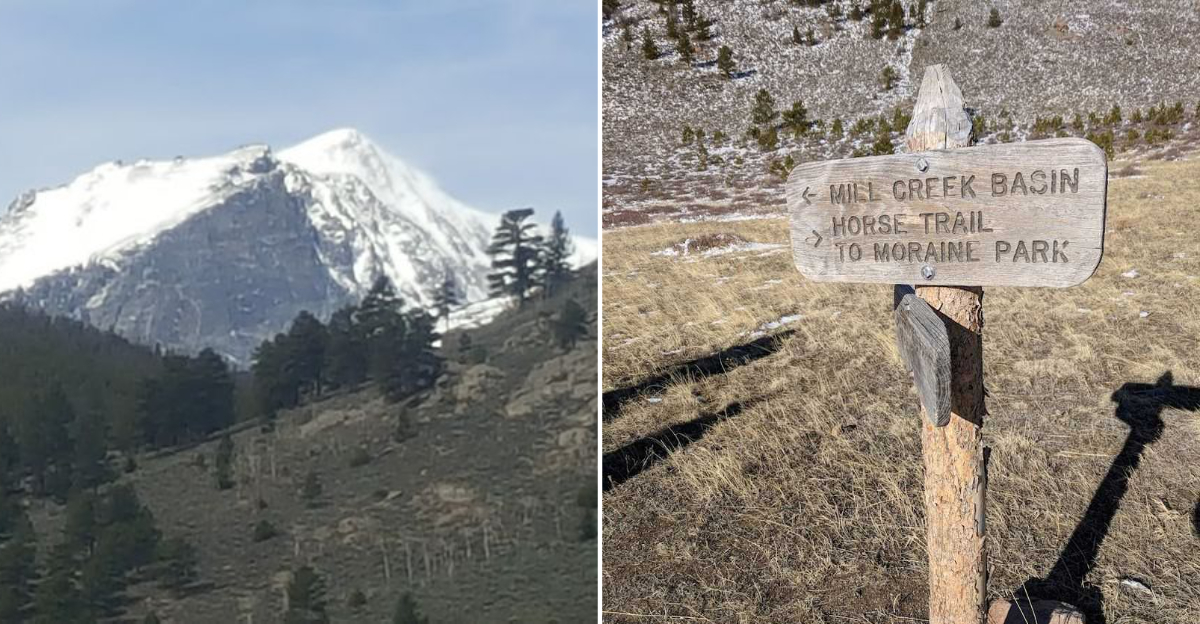
If you are tired of city smog and smoke, time spent in a place like this in nature might feel like a kind of reset.
It offers a rare chance to forget, even for a moment, where you are and what you actually do for a living, as if the weight of routine quietly loosens its grip.
Here, the pace is slower, almost deliberate, inviting you to simply exist without urgency.
You can take a few unhurried steps and notice how the air feels different.
You can let your thoughts drift without direction.
Even something as simple as morning coffee becomes an experience when it is shared with fresh air and open space instead of concrete walls.
In the state of Colorado, this kind of quiet escape feels less like a getaway and more like a return to something you did not realize you had been missing.
Flora Diversity In Rocky Mountain Meadows
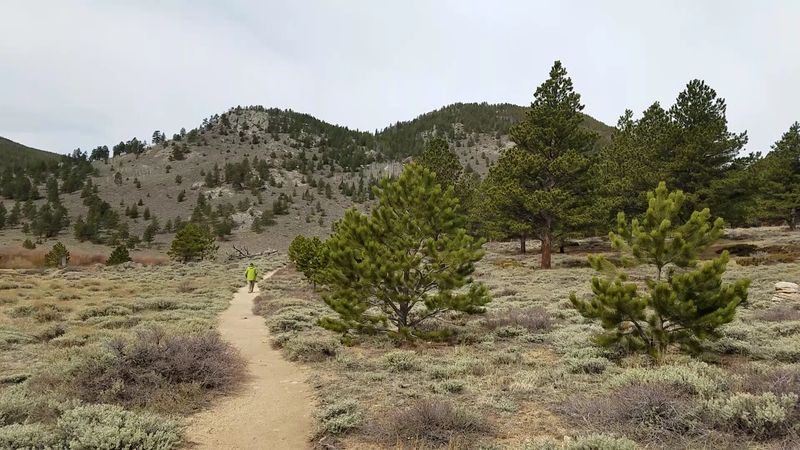
A spot like this is basically a wildflower party that nobody RSVPed to. The meadow stretches wide and open, filled with species that bloom in waves from late spring through early fall.
You’ll spot blue harebells, yellow sneezeweed, and patches of fireweed blazing like tiny torches across the grass. The diversity here isn’t random.
It’s the result of rich, moist soils fed by a high water table that keeps things green longer than most spots at this elevation.
Rocky Mountain meadows like this one sit at the crossroads of multiple plant communities. Ponderosa pine and spruce forests border the open grassland, creating edge zones where dozens of plant species compete for sunlight.
That competition produces a layered, textured landscape that looks painted rather than natural. Grasses like blue grama and tufted hairgrass hold the soil together while flowering plants push through above them.
The address is Bear Lake Rd, Estes Park, CO 80517. Visiting in July gives you peak bloom, but even August shows impressive color.
Bring a wildflower field guide, and you’ll feel like a botanist by lunchtime. The flora here rewards anyone who slows down enough to look closely.
Wildlife Species Commonly Seen In Colorado Meadows
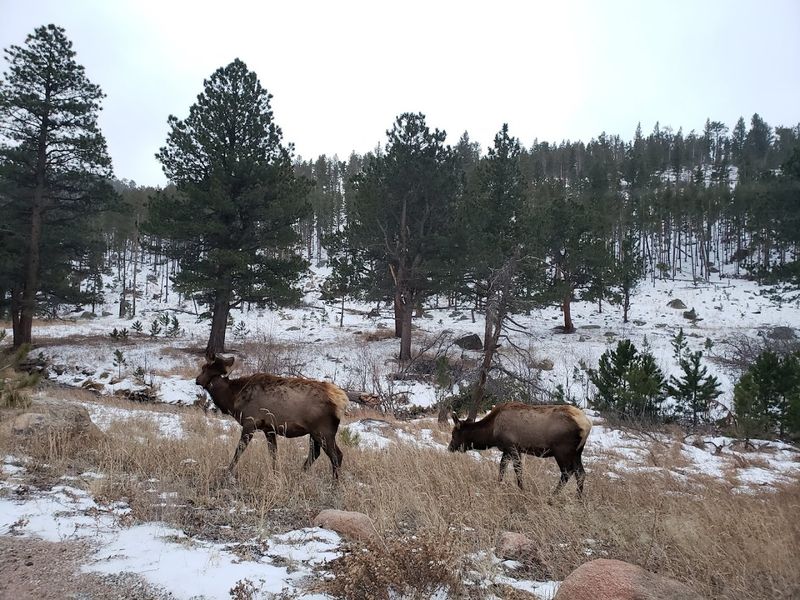
Pull up a rock and stay a while, because the wildlife at Hollowell Park puts on a real show. Elk are the headliners here.
Large herds graze the meadow in the early morning and near dusk, moving slowly and unbothered, as if they own the place. Honestly, they kind of do.
During the fall rut, bull elk bugle across the meadow in a sound that is equal parts majestic and unsettling.
Mule deer are regular visitors too, often spotted near the forest edge where they feel safer. Red foxes occasionally trot through the grass hunting for voles and mice hiding beneath the surface.
Bird watchers get their money’s worth here as well. Mountain bluebirds flash electric color across the meadow, while red-tailed hawks circle overhead scanning for their next meal below.
Black bears pass through the area seasonally, so keeping food stored properly is non-negotiable. The meadow’s open layout makes wildlife watching easier than in forested areas.
You can see animals from a distance without startling them. Binoculars are your best friend here.
Give animals space, stay quiet, and you’ll witness moments that feel too good to be real.
Seasonal Variations And Their Impact On The Landscape
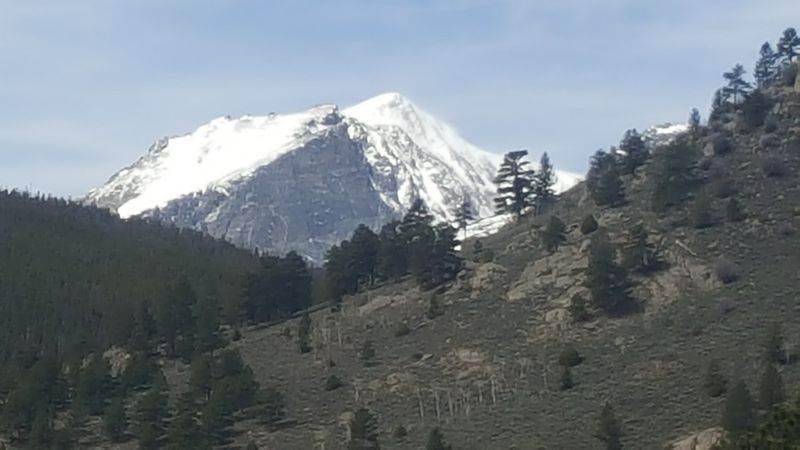
Hollowell Park is basically a different place every time you visit, and that’s not an exaggeration. Spring arrives slowly here, usually in May, when snowmelt soaks the meadow and green shoots push up through the last patches of ice.
The whole landscape smells like fresh mud and possibility. Wildflowers start popping in June, and by July, the meadow is at full visual volume.
Summer brings warm days and dramatic afternoon thunderstorms that roll in fast over the peaks. The storms pass quickly, and the light afterward turns everything golden.
Fall is when Hollowell Park truly steals the show. Aspen groves surrounding the meadow turn brilliant yellow and orange, creating a color contrast against the blue sky that photographers chase from miles away.
Winter transforms the meadow into something quieter and more serious. Snow covers the grass completely, and the only sounds are the wind and the crunch of your boots.
Snowshoers and cross-country skiers have the whole place nearly to themselves during the winter months. Each season shifts the mood dramatically, which means one visit here is never really enough.
Plan to return in a different season, and you’ll feel like you discovered a completely new place.
Ideal Hiking Trails And Routes To Experience
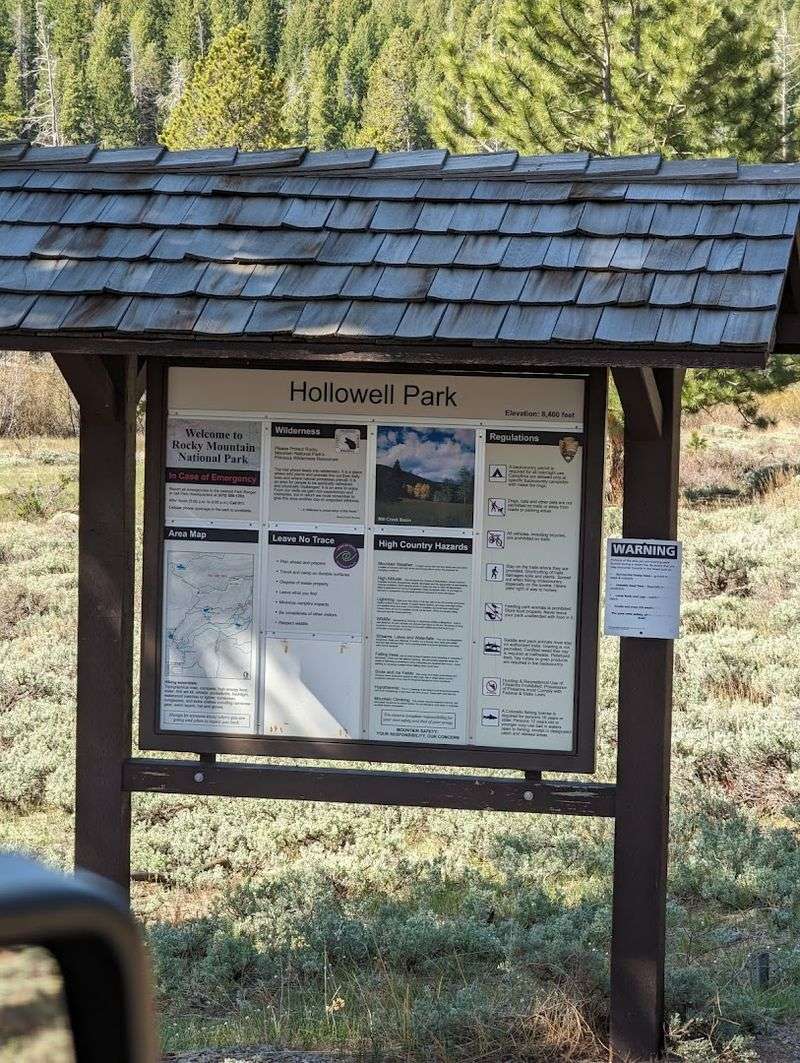
The trails at Hollowell Park are genuinely approachable, which makes this place perfect for hikers who want scenery without a brutal elevation gain.
The main Hollowell Park Trail is a roughly 3.5-mile round trip that loops through the meadow and into the surrounding forest. The terrain is relatively flat through the meadow section, making it accessible for families with younger kids.
It’s also ideal for anyone who doesn’t want to feel like they’re auditioning for a mountain rescue team.
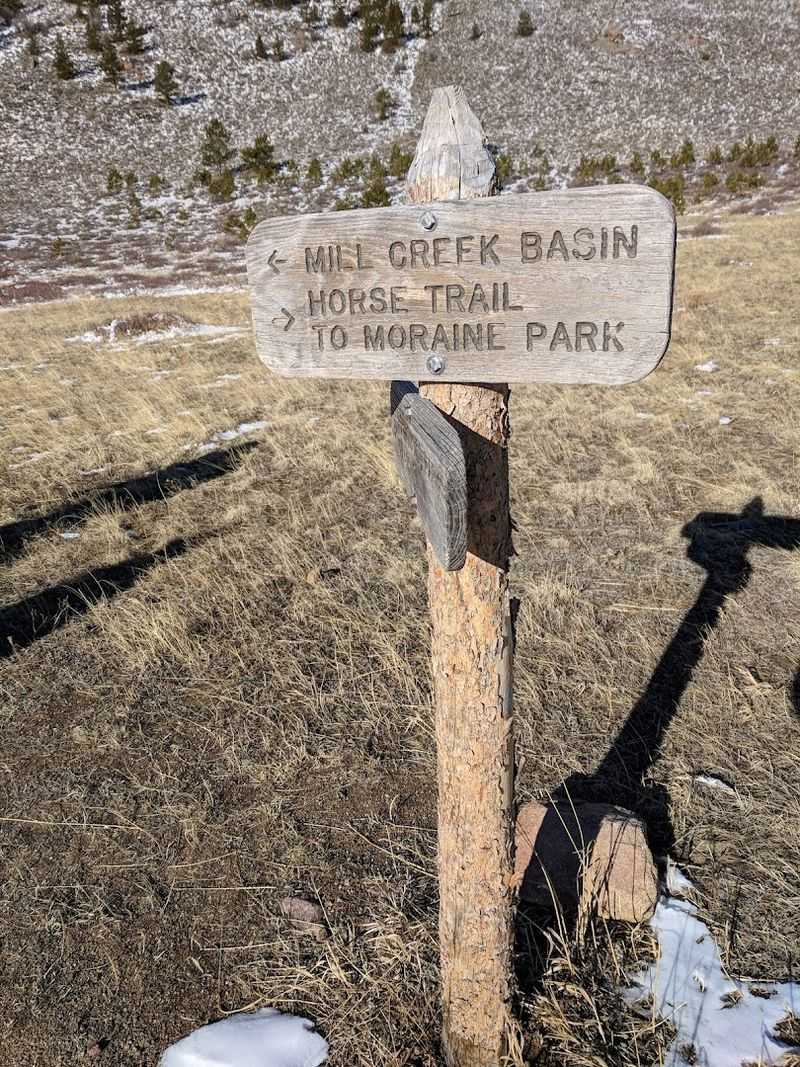
From the trailhead, you can connect to Mill Creek Basin for a longer adventure that pushes deeper into the backcountry. That route adds elevation and rewards you with views that feel completely earned.
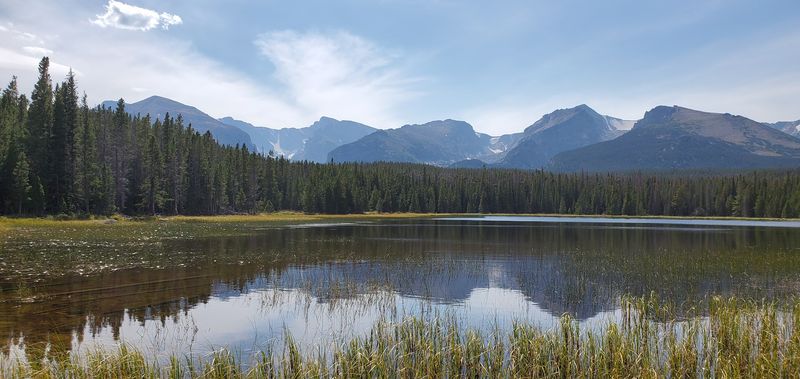
Bierstadt Lake Trail is also accessible from nearby along Bear Lake Road and offers a more moderate challenge with stunning lake views at the top.
Trail conditions change with the seasons, so checking the Rocky Mountain National Park website before heading out is smart. Timed entry permits are required to drive Bear Lake Road during peak season.
Arrive early to snag parking before the lots fill. The Hollowell Park trailhead has limited spots, so an early start is less about being ambitious and more about actually getting in the door.
Conservation Efforts Protecting Meadow Ecosystems
Hollowell Park exists in its current form because people actively fought to protect it. Rocky Mountain National Park has ongoing restoration programs focused specifically on meadow ecosystems like this one.
Meadows are surprisingly vulnerable. Foot traffic, invasive plant species, and climate shifts all threaten the delicate balance that keeps a place like Hollowell Park functioning as a healthy habitat.
The National Park Service monitors soil moisture levels, plant diversity, and wildlife movement patterns throughout the meadow. Restoration crews remove invasive species like Canada thistle by hand to avoid disrupting native plants nearby.
Roped-off sections of the meadow allow trampled areas to recover naturally without ongoing human pressure. These efforts are quiet and unglamorous, but they make a real difference over time.
Visitors play a role in conservation, too, whether they realize it or not. Staying on designated trails prevents soil compaction that kills plant roots below the surface.
Packing out all trash keeps the meadow clean for wildlife that could be harmed by litter. Reporting invasive species or damaged trail markers to park staff helps rangers respond faster.
Conservation at Hollowell Park isn’t just a park responsibility. Every person who walks through here is either helping or hurting, and the choice is pretty obvious.
Suitable Outdoor Activities For Visitors Of All Ages
Hollowell Park is one of those rare outdoor spots where a six-year-old and a sixty-year-old can both have a genuinely great time. The flat meadow terrain makes it easy for young kids to run around without parents holding their breath at every step.
Picnicking in the meadow with mountain views as your backdrop is an experience that beats any restaurant patio, no contest.
Bird watching is a low-effort, high-reward activity here. Bring a pair of binoculars and a basic bird identification app, and you’ll be entertained for hours.
Sketching and nature journaling have become popular at Hollowell Park, especially among visitors looking to slow down. They want to actually absorb the environment rather than just photograph it and leave.
Snowshoeing in winter turns the same meadow into a completely different kind of adventure.
Photography walks, guided ranger programs, and self-guided nature exploration all work beautifully in this setting. The park offers junior ranger programs for kids that include activities specifically designed for meadow environments.
Teenagers who think nature is boring tend to change their minds fast when a bull elk appears twenty yards away. Hollowell Park has a way of making outdoor enthusiasm feel effortless and unforced for everyone who shows up.
Photographic Techniques To Capture Natural Beauty
Hollowell Park is basically a natural photography studio that charges no admission. The wide-open meadow gives you unobstructed sightlines in every direction, which means you control your composition without trees blocking your shot.
Sunrise is the magic hour here. Soft golden light hits the grass and wildflowers from a low angle, creating depth and warmth that midday light simply cannot replicate.
Set your alarm early. It’s worth it.
For wildlife photography, a telephoto lens of at least 300mm lets you capture elk and deer without crowding them. Getting low to the ground changes everything.
Shooting from knee height or lower puts wildflowers in the foreground and mountains in the background.
This creates layered images that look far more dynamic than eye-level shots. Use a wide aperture to blur the background and isolate a single flower or blade of grass.
Overcast days are underrated for meadow photography. Clouds act as a natural diffuser, eliminating harsh shadows and making colors appear richer and more saturated.
Stormy skies behind the peaks add drama that clear blue skies can’t match. Shoot in RAW format to preserve detail in highlights and shadows.
Patience is your most important piece of equipment at Hollowell Park. Wait for the light, and the meadow rewards you generously.
Historical Significance Of Mountain Meadow Regions
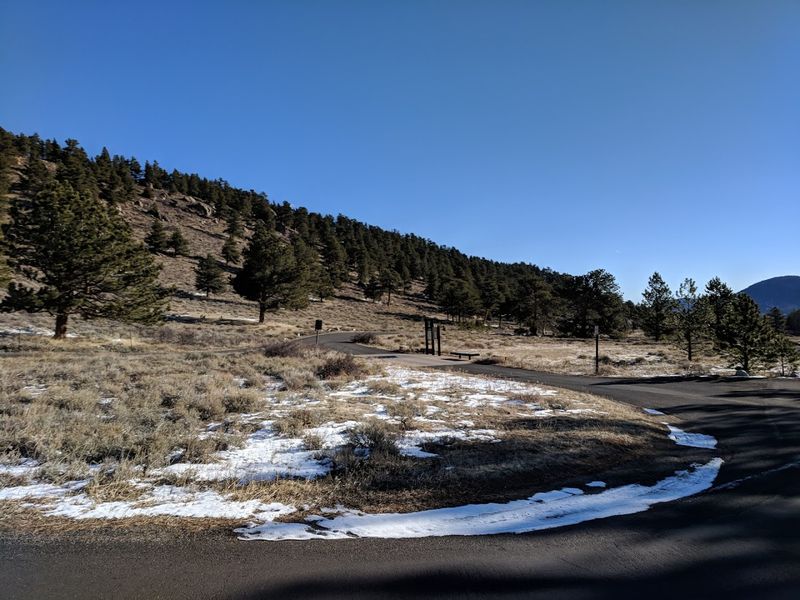
Hollowell Park carries history in its soil. Before it became part of Rocky Mountain National Park in 1915, this meadow was part of the homesteading era that swept through the Colorado Rockies in the late 1800s.
Mountain meadows like this one were sought out by settlers who ran cattle and built small operations in the valleys. The meadow’s name likely traces back to that period of settlement.
At the time, high mountain grasslands were seen primarily as productive grazing land rather than protected wilderness.
Indigenous peoples used these high meadows long before European settlers arrived. The Ute and Arapaho peoples traveled through the mountains seasonally, following game and plant resources across elevations.
Mountain meadows served as natural gathering points because they concentrated both wildlife and edible plants in one accessible location.
That same dynamic is still visible today when you watch elk herds move through Hollowell Park with obvious familiarity.
The creation of Rocky Mountain National Park shifted the meadow’s identity from working land to preserved landscape. The area also holds a notable piece of New Deal history.
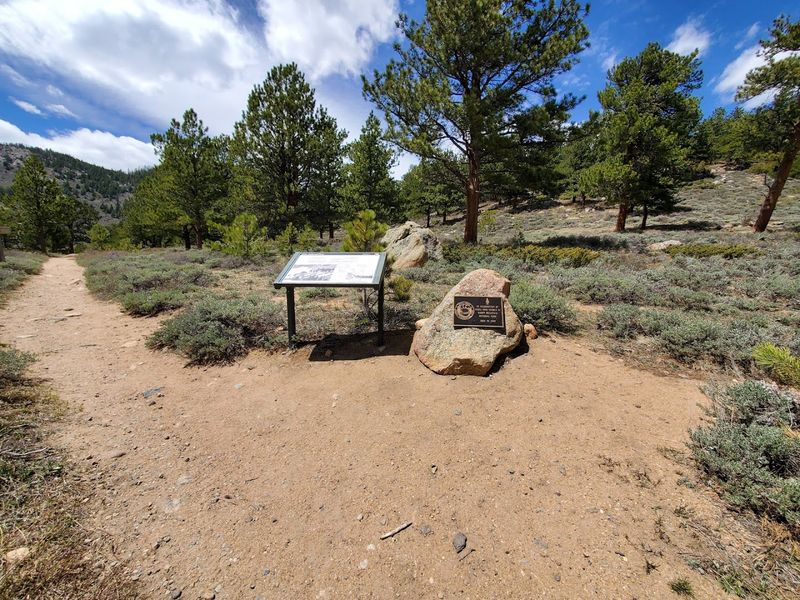
Camp NP-4-C, the park’s first permanent Civilian Conservation Corps camp, was established here in 1934. Remnants of the homestead era are still visible to observant visitors, including old fence lines and subtle earthwork patterns in the grass.
History here isn’t behind glass in a museum. It’s under your boots and in the tree lines, quietly waiting for someone curious enough to notice it and ask the right questions.