
The Toughest Table To Get In Minnesota Right Now Is Totally Worth It
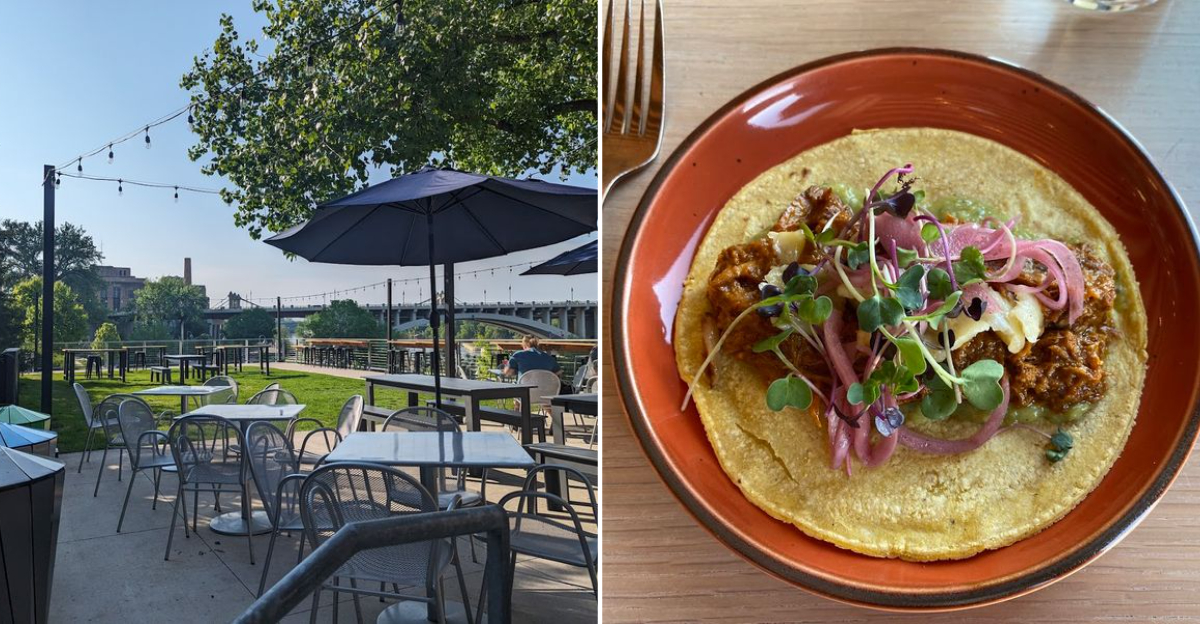
Do you know those restaurants where people say it is hard to get a reservation? These places aren’t imaginary.
If you are planning to book a table for tomorrow, do not be surprised if they tell you everything is already full. In Minnesota, certain dining spots have built a reputation that keeps demand constantly high.
People plan weeks just to secure a seat. The atmosphere, food, and consistency make them worth the wait.
Even last-minute attempts often end in disappointment, but that is part of the appeal. Scarcity adds to the experience and keeps interest alive.
It becomes less about convenience and more about anticipation and timing. It leaves guests planning their return long before they leave.
Exclusive Locally Inspired Menu Highlights
This place serves food that tells a real story. The menu is built around Indigenous North American ingredients, and almost every dish feels like a history lesson you actually want to sit through.
You will find wild rice, bison, cedar, and sumac doing things on a plate you never expected.
Chef Sean Sherman created this menu to celebrate pre-colonial Indigenous foods. That means no wheat, dairy, or cane sugar.
Seriously, the kitchen works without those staples and still produces food that leaves people speechless at the table.
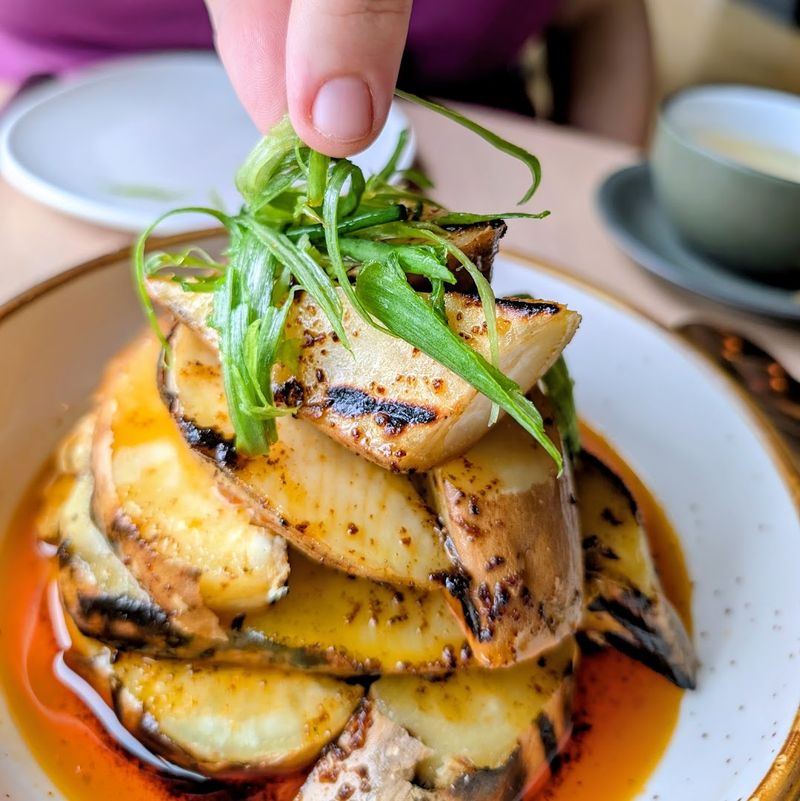
Dishes rotate with the seasons at Owamni by The Sioux Chef, so returning guests always find something new. Popular plates include cedar-braised bison, hand-harvested wild rice bowls, and smoked whitefish prepared with deep intention.
Every bite carries weight and flavor in equal measure.
The restaurant is located at 420 S 1st St, Minneapolis, MN 55401, right along the beautiful Mississippi riverfront. Reservations fill up fast, so booking weeks ahead is strongly recommended if you want a seat at this remarkable table.
Unique Cooking Techniques That Define Cuisine
The cooking here is not just about flavor. It is about method, memory, and meaning.
The kitchen team uses techniques rooted in Indigenous culinary traditions, including open-fire cooking, smoking, and fermentation, passed down through generations of Native American food culture.
Stone grinding plays a big role in how grains and seeds are prepared. This is not something you see at most restaurants in Minneapolis.
It adds texture and depth that a blender simply cannot replicate.
Smoking is another major technique used throughout the menu. Cedar, juniper, and other native woods bring an earthy complexity to proteins and vegetables.
The result is a smokiness that feels ancient and completely fresh at the same time.
Fermentation shows up in unexpected places, too. Tangy, bright flavors pop up in sauces and sides, adding balance to the richer components of each dish.
These are not trendy techniques borrowed from food magazines. They are living practices brought back to life with great skill and cultural respect by a team that knows what they are doing.
Seasonal Ingredients Sourced From Regional Farms
Freshness is not a buzzword here. It is the entire operating system.
Owamni works closely with Indigenous farmers, foragers, and regional producers across the Midwest to source ingredients that reflect what the land actually grows and offers each season.
Wild rice is harvested by hand from Minnesota lakes by Anishinaabe harvesters. That process alone is worth knowing about.
Hand-harvesting wild rice is an ancient tradition, and the flavor difference compared to commercially grown varieties is noticeable immediately.
Seasonal vegetables like squash, corn, and beans rotate through the menu depending on what is available. The kitchen does not force out-of-season ingredients onto plates just to keep a dish consistent.
If something is not ready, it does not show up. That discipline is rare and refreshing.
Foraged ingredients, including berries, mushrooms, and herbs, also make appearances throughout the year. Some of these items are gathered from the Great Lakes region by people who have been doing it for generations.
Eating here means eating in sync with Minnesota’s natural calendar, and that connection to place makes every meal feel grounded and real.
Artistic Presentation That Elevates Dining Experience
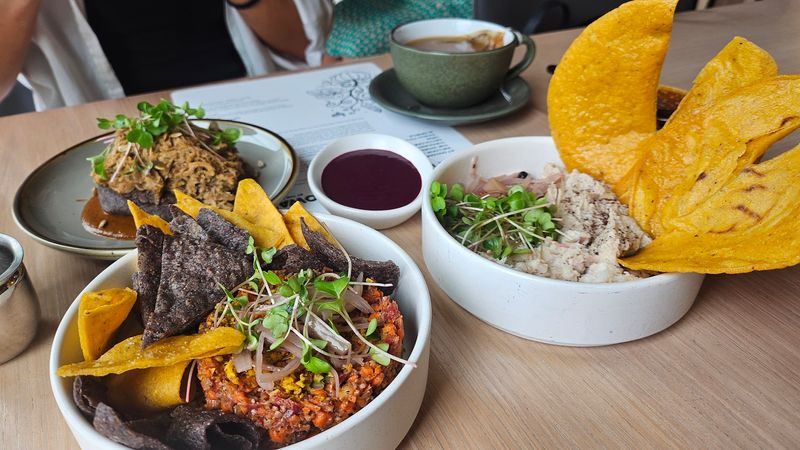
Plates at Owamni look like they belong in a gallery. The presentation is intentional, minimal, and stunning.
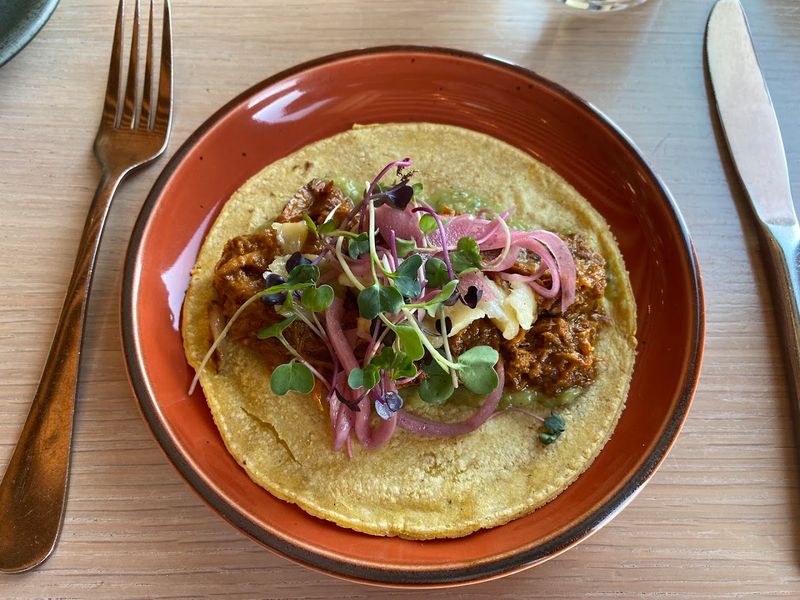
Colors from natural ingredients pop against handcrafted ceramic dishes, and every component is placed with real purpose rather than just decoration.
The ceramics used at the restaurant are made by Indigenous artists. So even before you take a bite, you are already holding something meaningful in your hands.
That attention to detail extends from the food itself all the way to what carries it to your table.
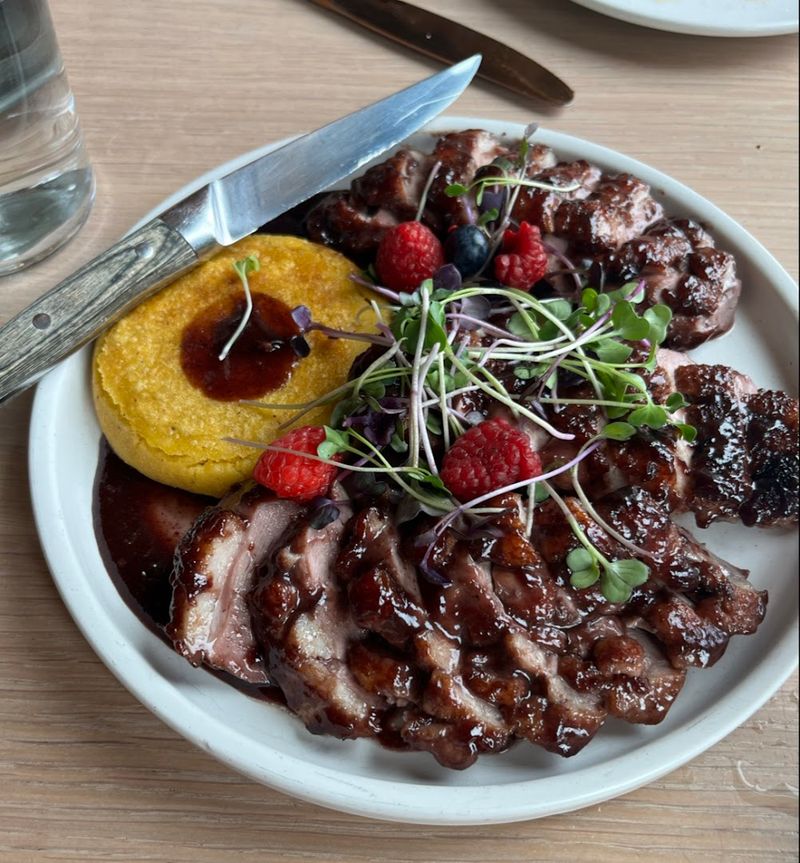
Sauces are drizzled with precision, herbs are placed thoughtfully, and proteins are carved in ways that show off their texture and color. Nothing feels accidental.
The kitchen treats plating as part of the storytelling process, not an afterthought tacked on at the end of cooking.
Guests regularly pause to photograph their dishes before eating, and honestly, who could blame them? The food is photogenic in a way that feels earned rather than staged.
Beauty here comes from authentic ingredients and skilled hands working together, not from foam towers or edible glitter trends borrowed from elsewhere.
Cultural Significance Behind Dishes Served
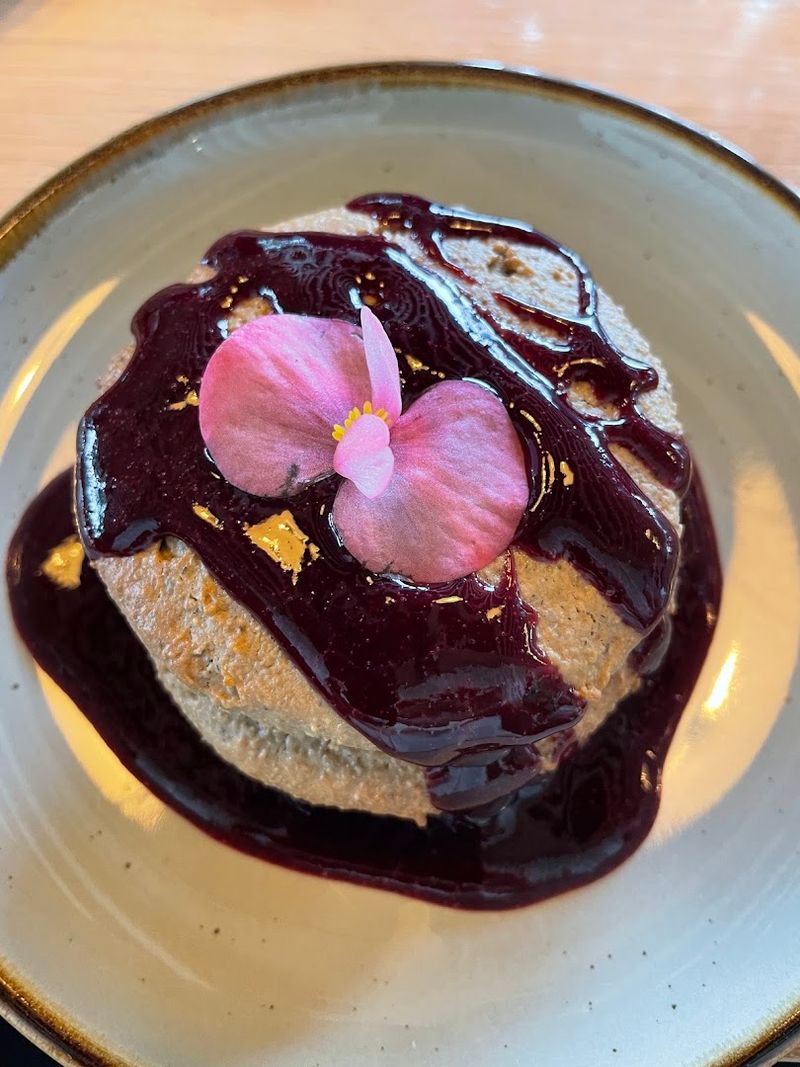
Every dish at Owamni carries a story that stretches back centuries. Chef Sean Sherman built this restaurant as a way to reclaim and celebrate Indigenous food sovereignty.
That mission is not just a marketing line. It shows up on every single plate that leaves the kitchen.
Foods like wojapi, a traditional berry sauce, and hominy corn connect diners to Native American traditions that existed long before European settlers arrived in North America. Eating these dishes is a way of acknowledging that history directly.
It is a powerful experience that goes way beyond just having a good meal.
The menu descriptions explain the cultural origins of each ingredient and preparation. Diners walk away knowing more than they did when they arrived, and that education feels completely natural rather than forced or preachy.
It is knowledge shared through flavor, which is honestly the best way to learn anything.
Sherman has been recognized with a James Beard Award for his work at Owamni, and the recognition makes complete sense. He is not just cooking food.
He is rebuilding a culinary tradition that was nearly lost, and he is doing it with joy, precision, and deep respect for those who came before him.
Innovative Beverage Pairings To Complement Meal
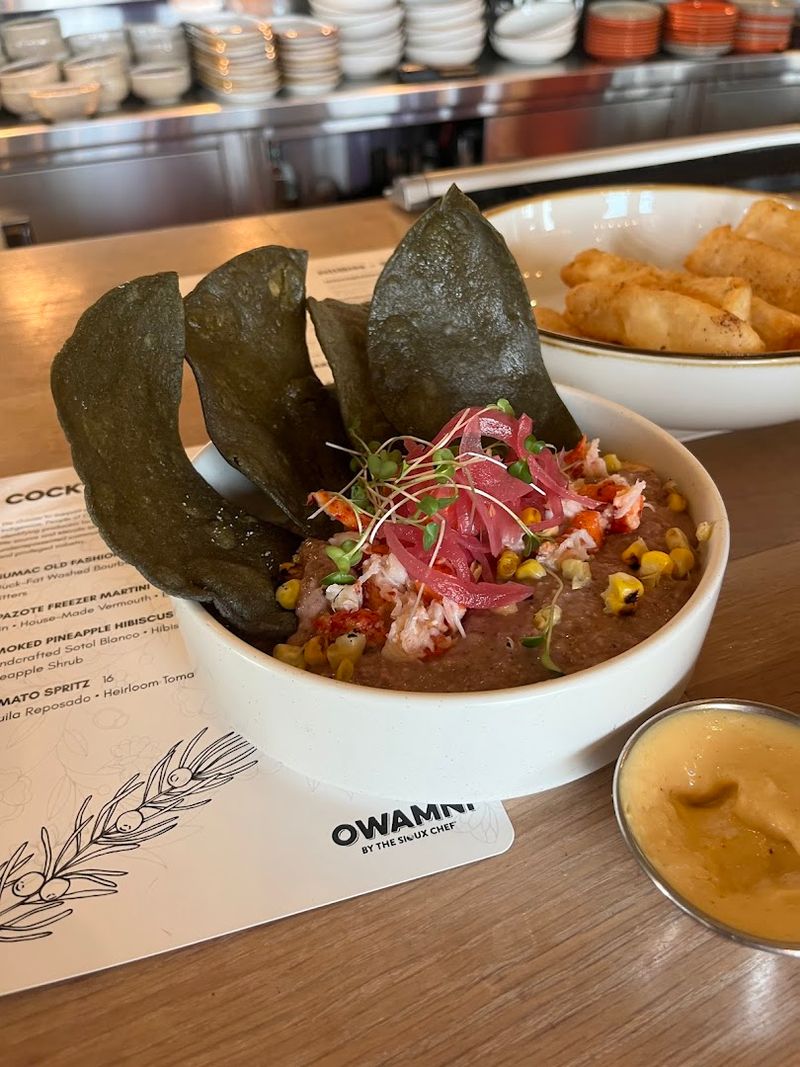
The beverage program at Owamni is just as thoughtful as the food. The drinks menu leans into Indigenous botanical ingredients, creating a lineup that feels creative, flavorful, and genuinely worth exploring.
Cedar tea, sumac-based drinks, and berry shrubs help show how much care goes into every pour. These are not afterthoughts.
They are carefully developed beverages designed to complement the flavors on the plate and add something memorable to the meal.
Bright, tart, and earthy flavors appear throughout the menu, giving guests something distinctive with every course. A cold sumac drink alongside bison may sound unexpected at first, but the pairing works beautifully.
That balance of contrast and harmony makes the whole experience feel more complete.
The beverage team works closely with the kitchen to make sure each drink enhances what is being served rather than competing with it. Guests who do not usually think much about pairings often leave impressed by how much these drinks add to the meal.
It is one more way Owamni turns dinner into a thoughtful, fully connected experience from beginning to end.
Sustainability Practices Adopted By Kitchen
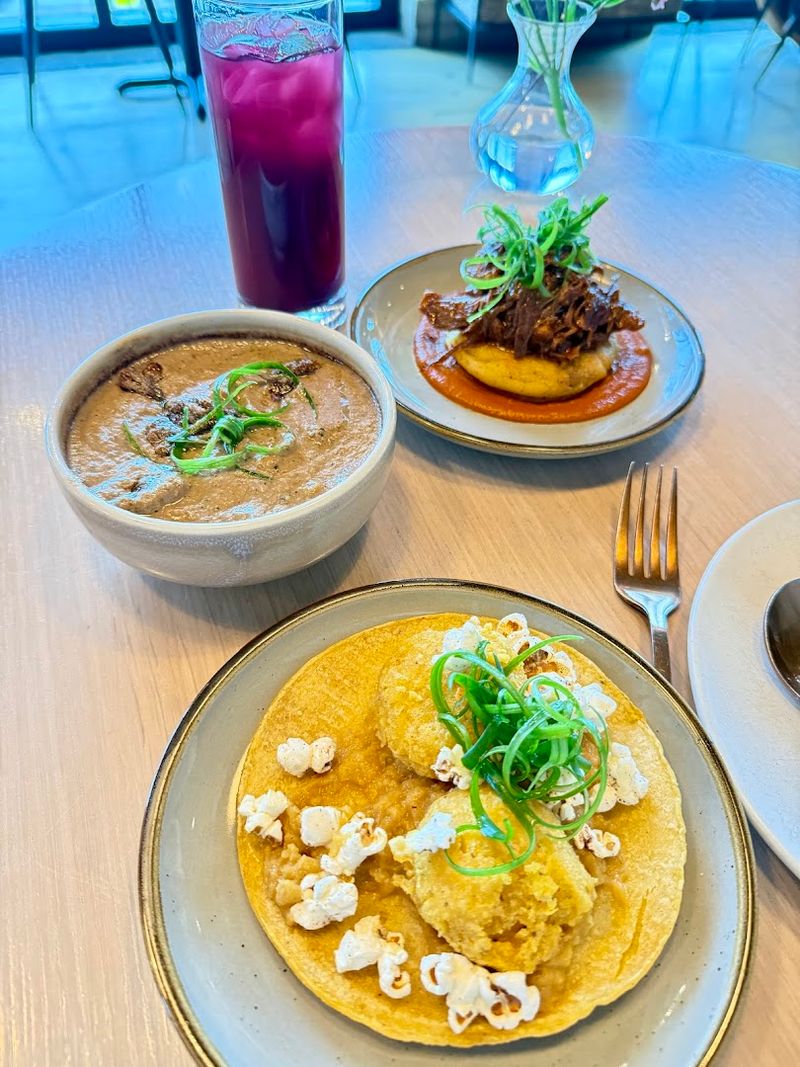
Sustainability at Owamni is not a trend. It is baked into the entire philosophy of how the restaurant operates.
The kitchen works to minimize waste by using whole ingredients and finding purpose for every part of a plant or animal that comes through the door.
Sourcing from Indigenous farmers and regional producers cuts down on long supply chains and supports communities that have historically been overlooked by the mainstream food industry.
That dual impact, environmental and economic, makes every meal feel like it contributes to something larger than a single dining experience.
Composting and responsible water use are standard practices in the kitchen. The team is conscious about energy consumption and works to keep the restaurant’s footprint as small as possible without compromising the quality of the food.
That balance is harder to maintain than it sounds.
The restaurant also supports Indigenous food sovereignty organizations through partnerships and community programs. Eating at Owamni means indirectly supporting efforts to restore native food systems across the country.
That impact is rare for a single meal. It is the sort of thing that makes you feel good about where you chose to spend your dinner money on a Friday night.
Ambiance Design That Enhances Overall Atmosphere
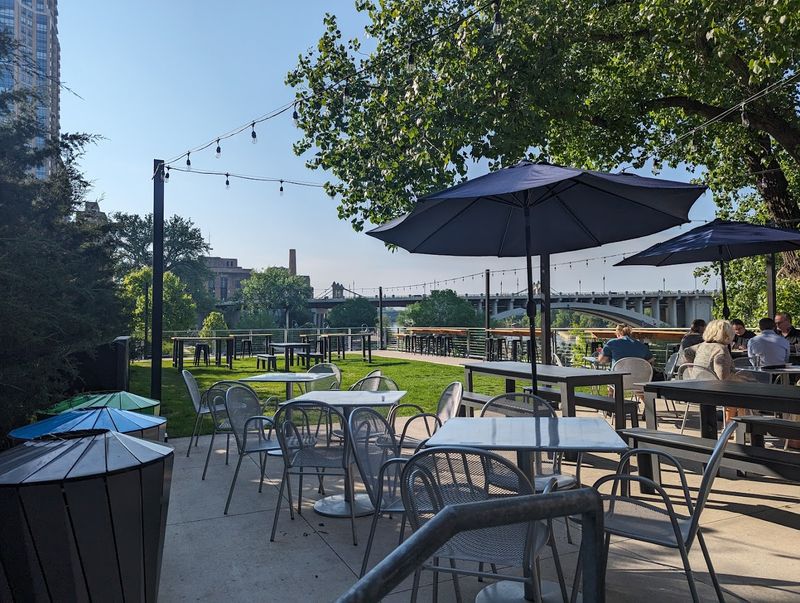
Owamni sits right on the edge of the Mississippi River, and the location alone is enough to stop you mid-conversation. The dining room opens toward the water, and the views are genuinely beautiful no matter what time of year you visit.
Sunsets from this spot are unfair.
The interior design draws from Indigenous artistic traditions without being heavy-handed about it. Natural wood, warm lighting, and handcrafted details create a space that feels grounded and calm.
It is the kind of room that makes you slow down and actually pay attention to where you are.
Artwork from Indigenous creators hangs throughout the space. Each piece connects to the broader mission of the restaurant and gives guests something meaningful to look at between bites.
The art is not decorative filler. It is part of the story being told throughout the entire experience.
The noise level is comfortable enough for real conversation, which is not something every popular restaurant can claim. Tables are spaced thoughtfully, service is attentive without hovering, and the overall energy is warm and welcoming.
Owamni manages to feel both special-occasion worthy and genuinely relaxed at the same time, which is a balance very few restaurants ever figure out.