
This Texas Diner Runs Out Of Brisket Before Noon Every Single Day
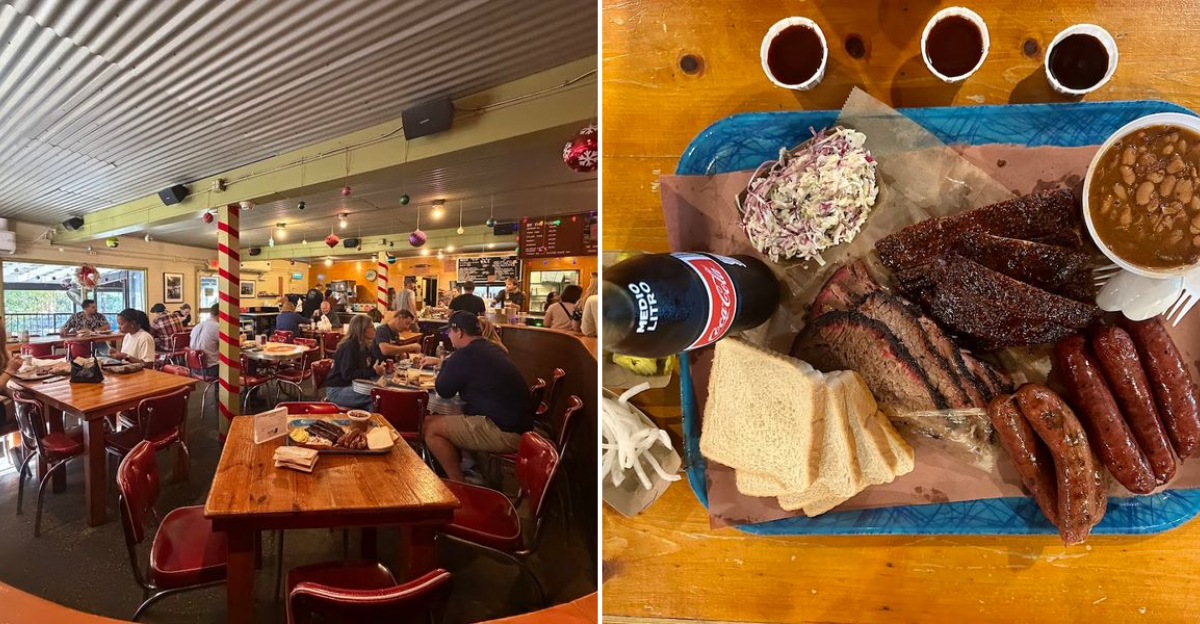
Restaurants that serve great food are always well-known. In the state of Texas, where good meat is almost a point of pride, there is a place that has built its reputation on doing one thing exceptionally well.
It is the kind of spot where the brisket is so popular that it often sells out before closing time. There is something almost certain about that, as if the outcome was decided long before you even arrive.
A place like this has competition that is truly intense; this location still manages to make a difference. It does not rely on noise or trends.
Instead, it relies on consistency, patience, and smoke that tells its own slow story. People come early, not out of habit, but out of respect for the food itself.
Reasons Behind Early Brisket Sellouts
This barbecue sells out of brisket almost every day before noon, and there is a very clear reason why. Each morning, the team only cooks what the pits can handle overnight.
There is no freezer full of backup brisket hiding in the back.
Aaron Franklin, the pitmaster behind the magic, has always believed in cooking a set amount of meat with full attention. Rushing or scaling up carelessly would kill the quality.
So the daily batch stays controlled and intentional.
Word spread fast after Texas Monthly called it the best barbecue in the state. Then, the national food media piled on.
Lines that used to form at 8 AM now start closer to 6 AM on weekends.
The math is simple. Hundreds of people want brisket.
The pit produces a limited amount. Demand crushes supply before lunchtime hits.
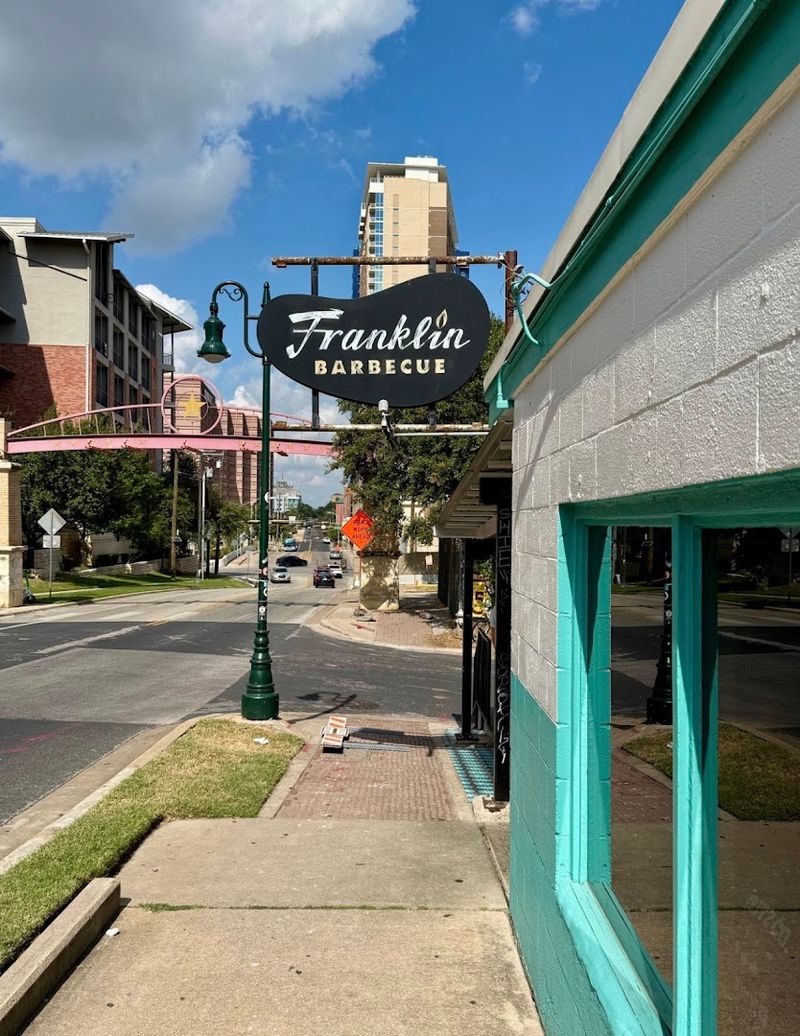
You can find Franklin Barbecue at 900 E 11th St, Austin, TX 78702. Get there early or go home hungry.
That is the truth about this Austin legend.
Traditional Smoking Methods For Flavor
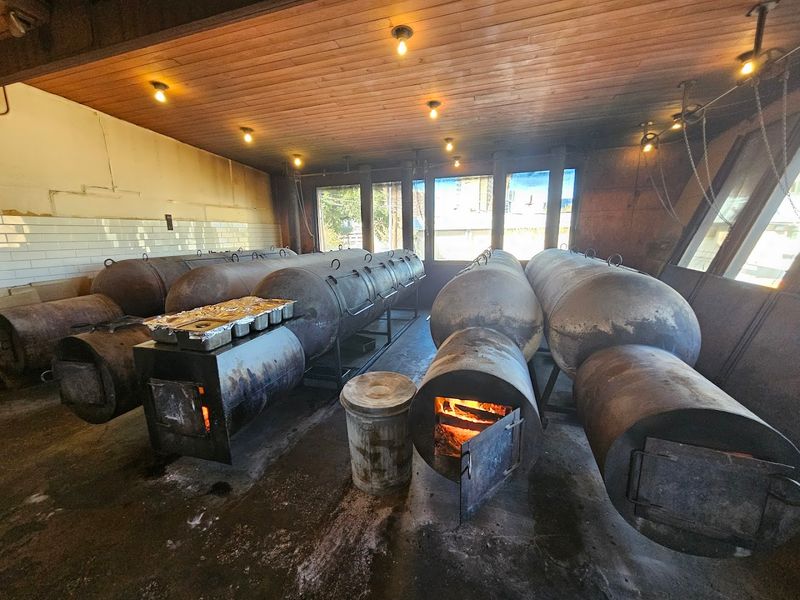
Franklin Barbecue uses offset smokers, which are the classic, old-school pits that serious Texas pitmasters swear by. The fire burns in a separate firebox attached to one side.
Smoke and heat travel across the meat slowly and steadily.
This indirect heat method is what separates real Texas barbecue from everything else. The brisket never sits directly over flames.
Instead, it bathes in warm, flavored smoke for many hours at a controlled pace.
Aaron Franklin tends his pits through the night. He checks temperatures, adjusts airflow, and adds wood at specific intervals.
It is not automated. It is hands-on craft work done in the dark while most of Austin sleeps.
The result of this old-school method is a brisket with a deep mahogany bark on the outside and a pink smoke ring running through every slice. That smoke ring is not just pretty to look at.
It is proof that the meat absorbed smoke properly over a long, patient cook. Traditional methods take time, but the payoff is obvious in every single bite.
Selection Criteria For Quality Beef Cuts
Not every brisket is created equal, and Franklin Barbecue takes beef selection seriously. The team sources USDA Prime or high-end Choice grade briskets.
Marbling is the first thing they look for.
Marbling means the thin white streaks of fat running through the muscle. During a long smoke, that fat slowly melts into the meat.
It keeps the brisket moist and adds a richness that leaner cuts simply cannot match.
A full packer brisket includes two muscles: the flat and the point. The flat is lean and slices neatly.
The point has more fat and connective tissue, which makes it incredibly tender after hours on the pit.
Franklin also pays attention to the thickness and overall shape of each cut. A brisket that is uneven in thickness will cook unevenly.
One side dries out while the other stays underdone. Choosing a cut with consistent thickness helps the whole brisket cook at the same rate.
Quality beef going into the smoker is the foundation on which everything else is built. No rub or wood can save a bad cut of meat.
Wood Types Used In Smoking
Post oak is the wood of choice at Franklin Barbecue, and Aaron Franklin has talked about this publicly many times. Post oak burns clean and long.
It produces a mild, slightly sweet smoke that complements beef without overwhelming it.
Some pitmasters experiment with hickory or mesquite, but those woods burn hotter and produce stronger smoke. Mesquite in particular can turn bitter if used too heavily.
Post oak stays balanced no matter how long the cook runs.
The wood also needs to be properly seasoned, meaning it has dried out over time. Green or freshly cut wood holds too much moisture.
It creates thick, acrid smoke that makes meat taste harsh instead of rich.
Franklin sources local post oak from Central Texas suppliers. The region has an abundance of it, which is one reason Central Texas barbecue developed its own distinct style compared to East or West Texas traditions.
The wood is split into consistent sizes so each piece burns predictably. When you add an inconsistent log to a fire, the temperature spikes or drops.
Consistent wood means consistent heat, and consistent heat means consistently great brisket every single morning.
Signature Dry Rub Ingredients And Effects
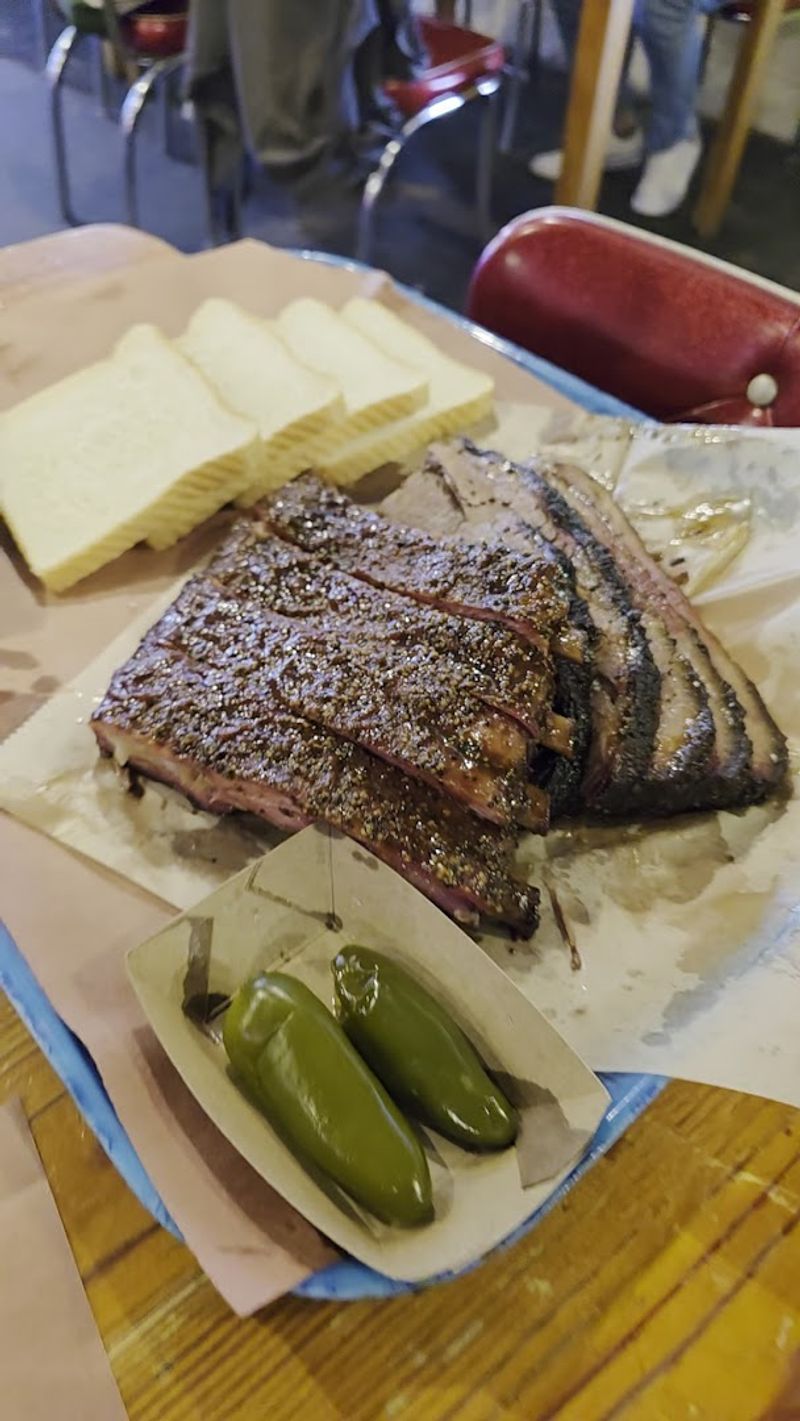
Franklin Barbecue keeps the rub famously simple. Salt and black pepper.
That is basically it. No garlic powder, no paprika, no sugar blends.
Just coarse kosher salt and coarsely cracked black pepper in roughly equal parts.
This minimalist approach is intentional. A heavy, complex spice blend would compete with the natural beef flavor and the smoke.
Salt and pepper enhance what is already there without masking it.
The salt does more than add flavor. It draws moisture to the surface of the brisket during the early stages of cooking.
That moisture mixes with the pepper and the smoke to eventually form the bark, which is the dark, flavorful crust on the outside of the finished brisket.
Black pepper adds a mild heat and a slightly earthy bite. When it cooks for twelve or more hours, the sharpness mellows out completely.
What you taste in the bark is a deep, almost savory bitterness that contrasts beautifully with the rich fat underneath. The rub sounds too simple to matter, but it is one of the smartest decisions Franklin ever made.
Sometimes, restraint produces the best results in cooking.
Smoking Time And Temperature Balancing
Franklin briskets spend between twelve and eighteen hours on the smoker. The exact time depends on the size of the cut and how the cook is progressing.
There is no strict timer that goes off and says the brisket is done.
The target smoking temperature hovers around 250 to 275 degrees Fahrenheit. Too low, and the collagen in the meat never fully breaks down.
Too high and the outside burns before the inside reaches tenderness.
Aaron Franklin watches for something called the stall. Around 150 to 170 degrees internal temperature, the brisket stops rising in temp for hours.
Moisture evaporates from the surface and cools the meat. Experienced pitmasters know to wait it out rather than panic and crank the heat.
After the stall passes, the internal temperature climbs again toward 200 to 205 degrees. At that point, the collagen has turned into gelatin, and the meat becomes incredibly tender.
Franklin wraps briskets in butcher paper during the final stretch to hold moisture without softening the bark. Timing and temperature are not about rigid rules.
They are about reading the meat and responding to what it needs.
Demand Waiting Lines And Popularity Factors
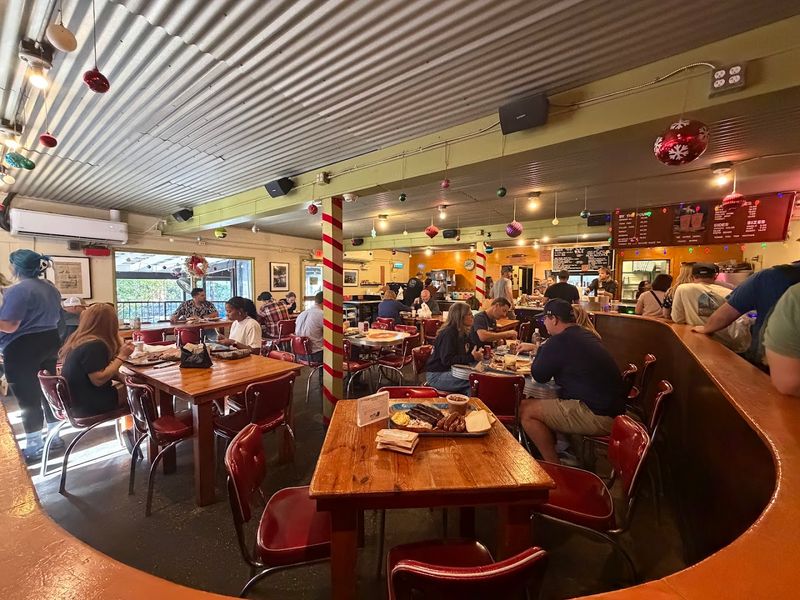
The line at Franklin Barbecue is legendary. On weekends, people show up with lawn chairs, coolers, and podcasts loaded up because they know the wait can stretch two to three hours easily.
It has become part of the experience.
The popularity exploded after Aaron Franklin won a James Beard Award for Outstanding Chef in 2015. That was the first time a barbecue pitmaster had ever won that award.
Food tourists from across the country started adding Austin to their travel lists specifically for this meal.
Social media kept the momentum going. Photos of perfectly sliced brisket are constantly spread across Instagram and food blogs.
Every glowing review brought in a new wave of curious eaters who had to see for themselves.
Locals and tourists share the same line, which creates a surprisingly fun social atmosphere. Strangers talk about their favorite Texas barbecue spots, swap travel tips, and bond over the shared mission of getting brisket before it runs out.
The wait also builds anticipation. By the time you reach the counter, you have been smelling smoke for an hour.
That first bite after all that waiting hits differently than any meal you just walked in and ordered.
Pairing Sides And Drinks With Brisket
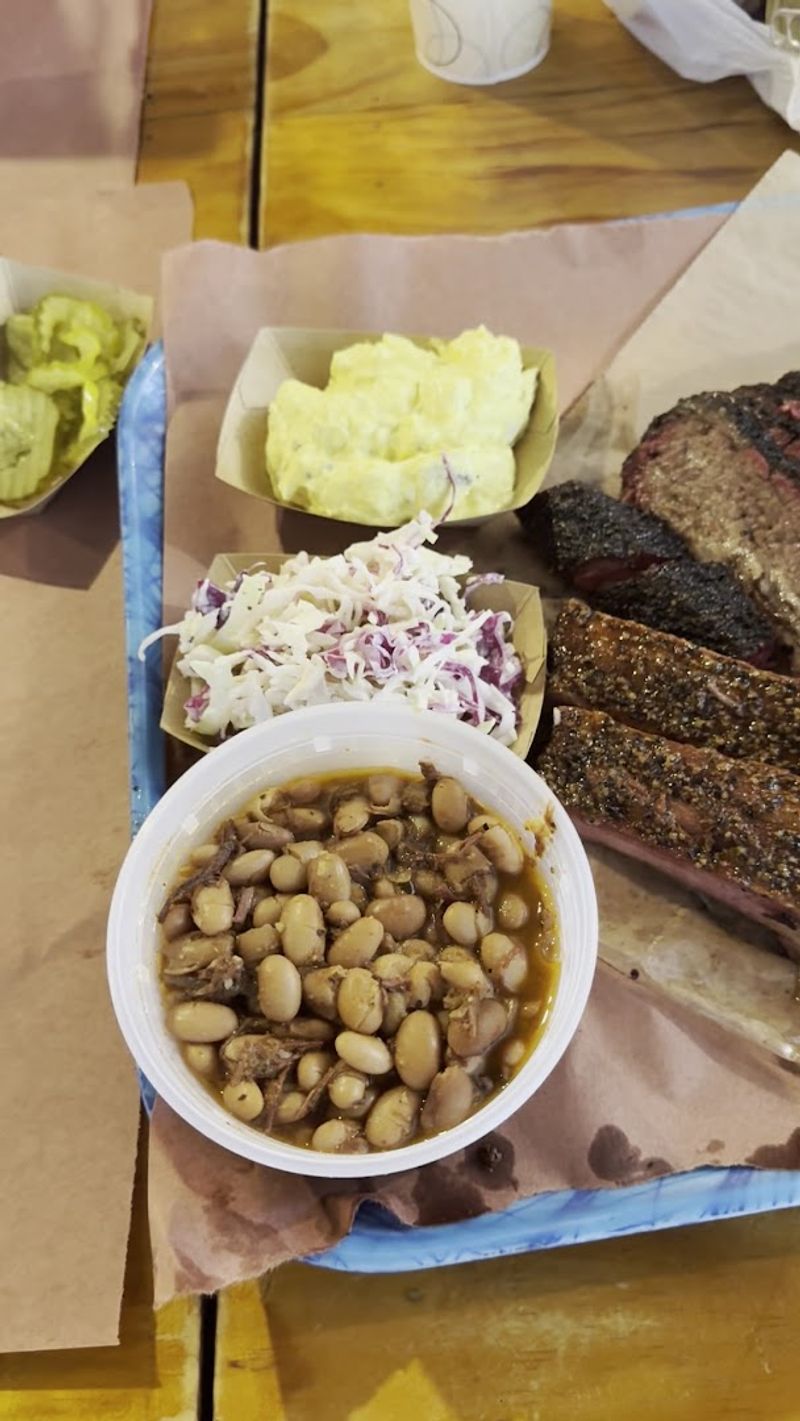
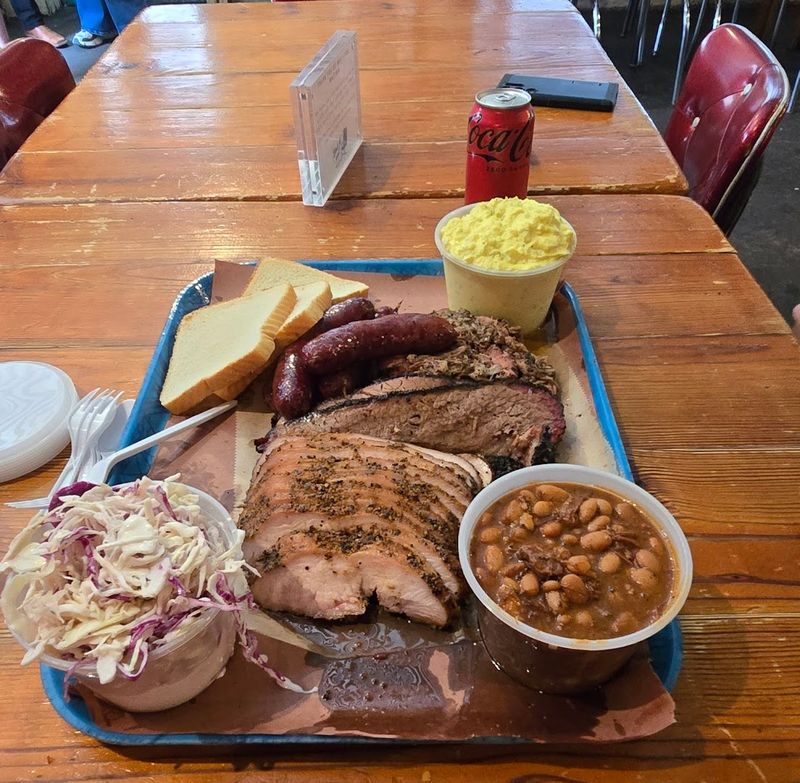
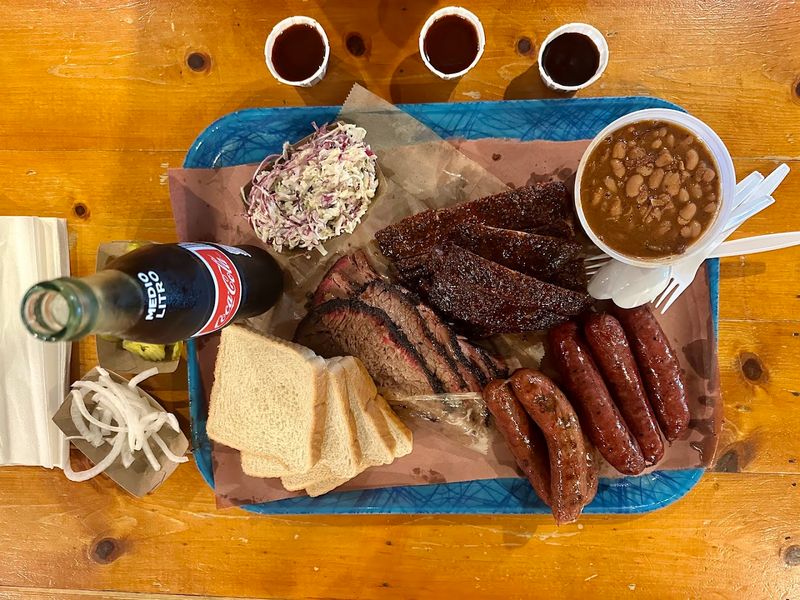
The sides at Franklin Barbecue are classic Texas barbecue staples, and they exist to complement the brisket without stealing the spotlight. Pinto beans, coleslaw, and potato salad show up consistently on the menu.
Each one serves a purpose.
The beans are savory and slightly smoky, which echoes the flavor profile of the meat. Coleslaw brings a cool, creamy contrast to the warm, fatty brisket.
Potato salad adds a starchy balance that keeps the meal from feeling too heavy.
White bread is always on the tray. It sounds plain, but it soaks up the juices and fat that run off each slice.
Pickles and raw onions cut through the richness with acidity and crunch. These are not afterthoughts.
They are calculated flavor partners.
For drinks, sweet tea and cold sodas are the go-to choices at most Texas barbecue spots. The sweetness helps offset the salt and smoke in the meat.
Some guests bring their own drinks to enjoy while waiting in line. Franklin keeps the drink selection straightforward because the food is doing all the talking.
Every element on that tray was chosen to make the brisket taste even better than it already does.