
This Enormous New York Aquarium Has Sharks, Sea Lions, And Exhibits You Won’t Ever Forget
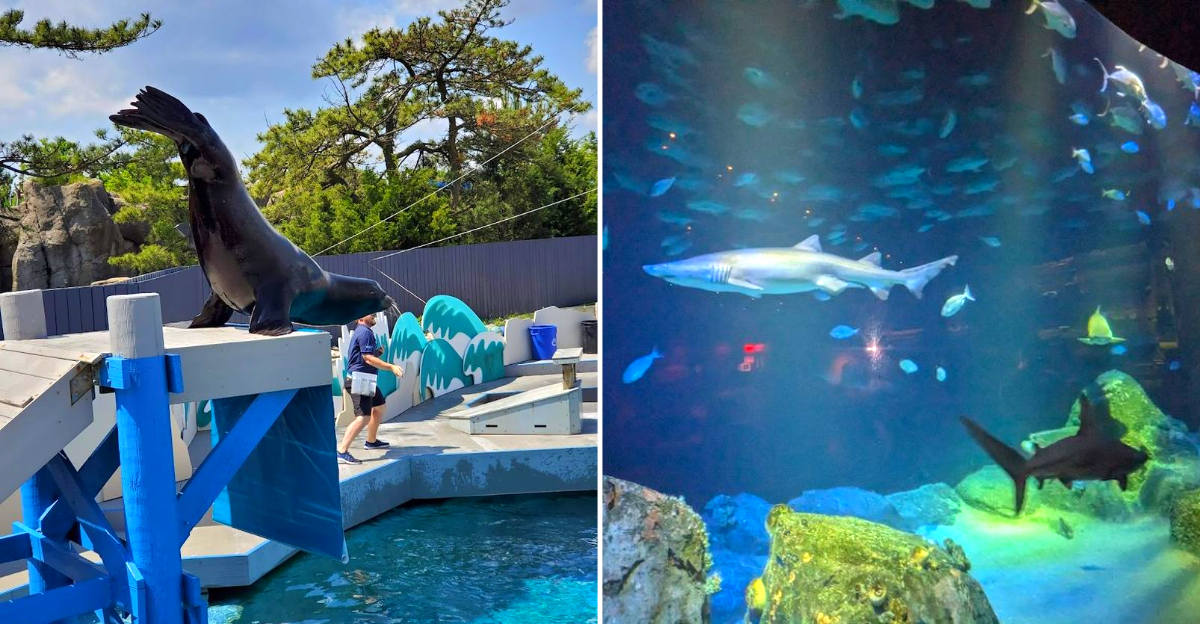
The lights dim, the glass stretches wide, and suddenly you’re face to face with something moving just inches away. A slow glide, a flick of a fin, and the whole space pulls you in without saying a word.
This New York aquarium doesn’t rush the experience. It lets each moment build on its own.
Turn a corner and something new takes over. Sharks drift past with quiet precision, sea lions bring bursts of energy, and each exhibit shifts the mood just enough to keep you curious.
The layout keeps you moving, but never hurrying. You pause, you watch, and you lose track of time in the process.
It’s not just a visit. It’s the kind of place that stays with you long after you’ve walked out.
A Place Where The Ocean Comes To Life
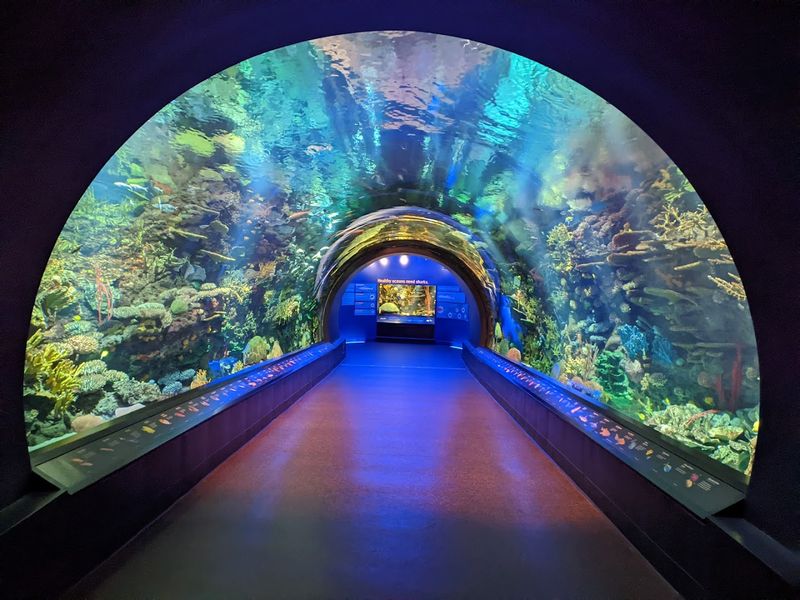
Few places in New York manage to transport you so completely away from the noise of the city. The moment you step inside the New York Aquarium, the atmosphere shifts in a way that feels almost physical.
The lighting softens, the sounds change, and the glow of enormous tanks fills every corner with a steady, calming blue light.
Located at 602 Surf Ave, Brooklyn, NY 11224, the aquarium sits right on the Coney Island boardwalk, which gives it a coastal character that most urban attractions simply cannot replicate. The salt air outside and the marine world inside create a seamless sense of place that anchors the entire experience.
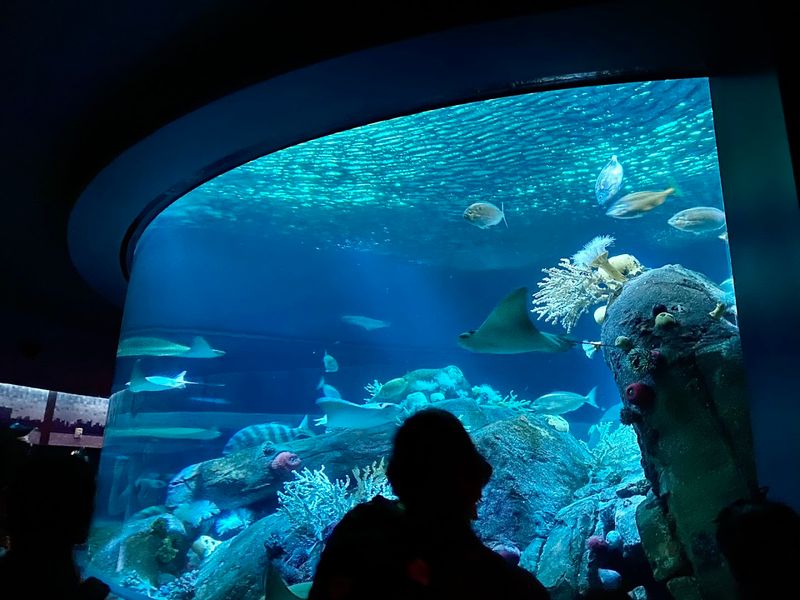
Tanks of every size line the corridors, each one presenting a carefully curated slice of ocean life. Schools of fish drift in synchronized formations, corals pulse with quiet color, and creatures you might never encounter in the wild suddenly feel close enough to study in detail.
The aquarium holds over 115 marine species across its exhibits, making every turn through its halls a genuinely new discovery. For anyone who has ever felt curious about what lies beneath the ocean surface, this is a deeply satisfying place to spend a few hours.
The Shark Exhibit That Changes How You See These Animals
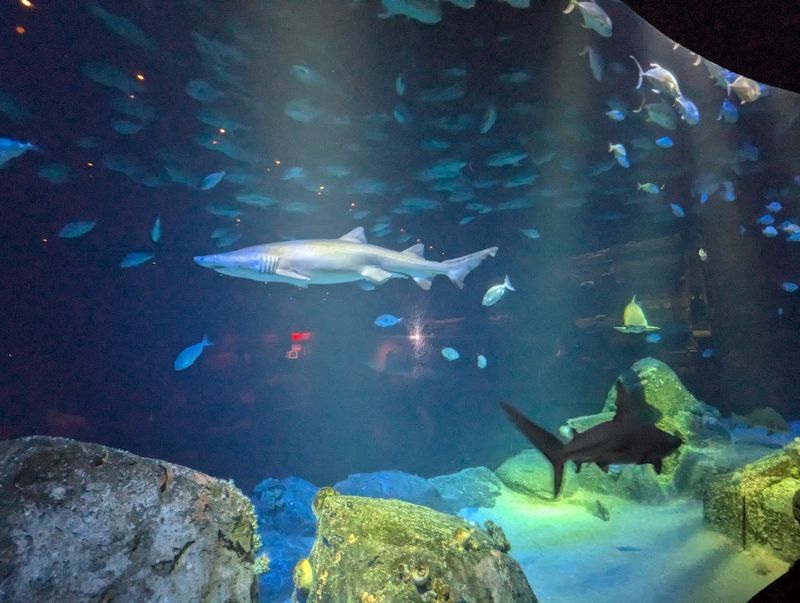
Sharks have carried an unfair reputation for generations, and the Ocean Wonders: Sharks! exhibit at the New York Aquarium makes a compelling case for reconsidering that view.
Opened on June 30, 2018, this 57,500-square-foot facility is one of the largest shark-focused exhibits anywhere on the East Coast, and it earns that distinction with genuine substance.
Eighteen different species of sharks and rays inhabit the tanks here, each one representing a different corner of the ocean world. The exhibit is designed not just to impress but to educate, with clear signage and immersive displays explaining the ecological role sharks play in maintaining healthy ocean ecosystems.
The message that healthy oceans need sharks comes through at every turn, and it lands with real weight.
The tunnel section of the exhibit is particularly memorable. Black-tipped reef sharks glide overhead through curved glass, and the emerald shimmer of the water creates a cinematic quality that is hard to describe without sounding theatrical.
A rare albino shark has also drawn considerable attention from visitors who spot it moving through the larger tanks. Conservation messaging is woven throughout the space without feeling heavy-handed, and by the time you exit, the word shark carries a noticeably different meaning than when you arrived.
Sea Change: Where Sea Lions, Penguins, And Seals Share The Stage
The Sea Change exhibit carries one of the more thoughtful names in the aquarium because it works on two levels at once. On the surface, it refers to the remarkable animals on display.
Beneath that, it speaks directly to the shifting conditions facing marine ecosystems around the world, and the aquarium uses this space to address both with equal care.
Sea lions, penguins, harbor seals, and sea otters share this area, each species given enough room to behave naturally and enough visibility for visitors to observe them from multiple angles.
Underwater viewing windows place you at eye level with animals that are genuinely curious about the people watching them, and that mutual observation creates a connection that photographs simply cannot replicate.
The exhibit reopened in 2022 as the final section of the aquarium to be fully restored following the extensive damage caused by Superstorm Sandy in 2012. That decade-long restoration effort speaks to the institution’s commitment to getting things right rather than simply getting them open.
The penguins in particular tend to draw extended crowds, partly because they seem entirely unbothered by human attention and partly because they move with a confident, almost theatrical energy that makes them genuinely fun to watch for extended stretches of time.
Sea Lion Shows That Entertain And Educate
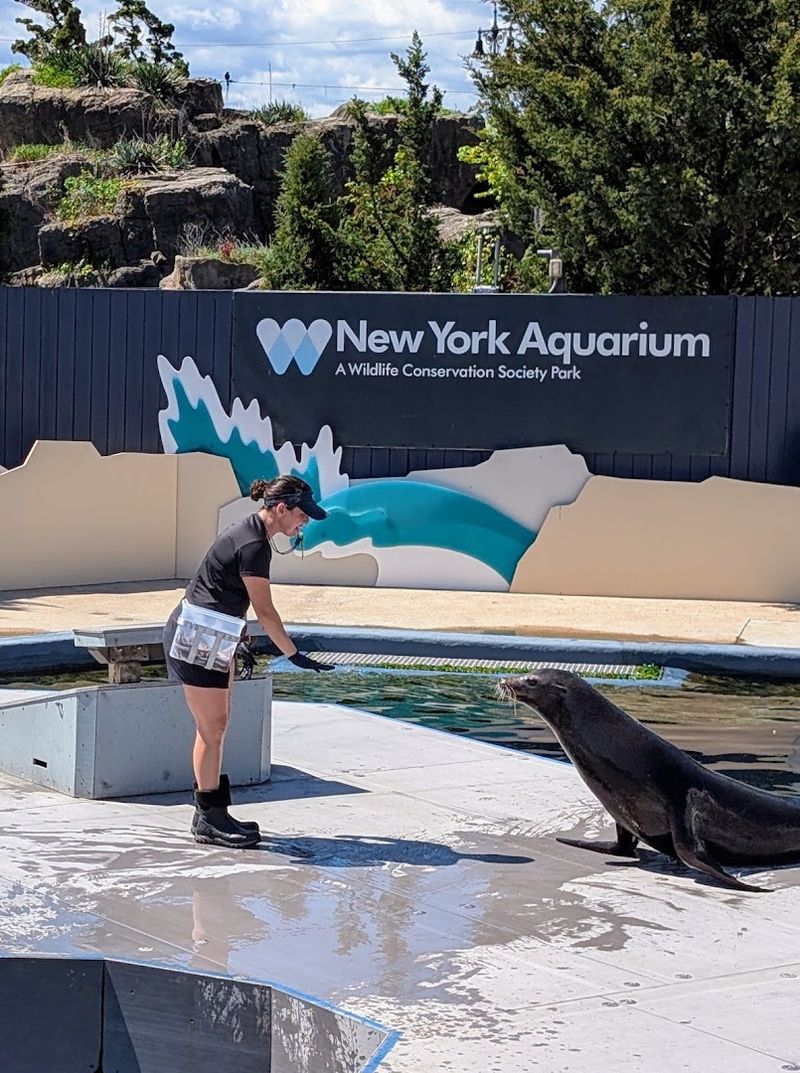
There is a particular kind of delight that comes from watching a sea lion interact with a trainer who clearly enjoys the work.
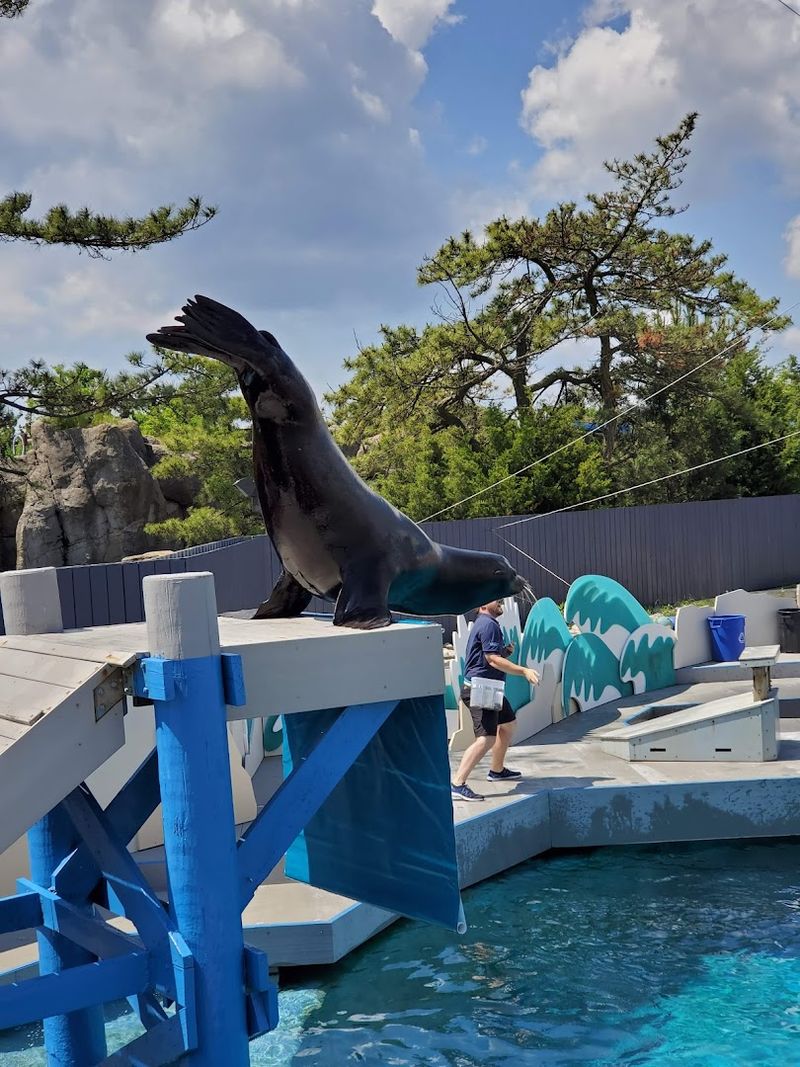
The Aquatheater at the New York Aquarium hosts live demonstrations that showcase the natural behaviors and instincts of these animals, and the shows manage to be both genuinely entertaining and meaningfully informative without leaning too hard on either quality.
Trainers guide the sea lions through sequences that highlight their agility, intelligence, and responsiveness, and the narration throughout each show explains the science behind what visitors are watching.
The relationship between the animals and their caretakers is evident in every exchange, and that visible bond adds a layer of warmth to the experience that a static exhibit simply cannot provide.
The outdoor setting of the Aquatheater gives the shows a relaxed, open-air quality that pairs well with the coastal atmosphere of the surrounding boardwalk. Seating fills up quickly on weekends, so arriving a few minutes early is a practical habit worth developing.
Children tend to respond with particular enthusiasm to the sea lion demonstrations, but adults consistently find themselves laughing and leaning forward in equal measure. Fun fact: sea lions can rotate their rear flippers forward, allowing them to walk on all fours, which is something their seal cousins cannot actually do.
Invertebrates Worth Every Minute Of Your Attention
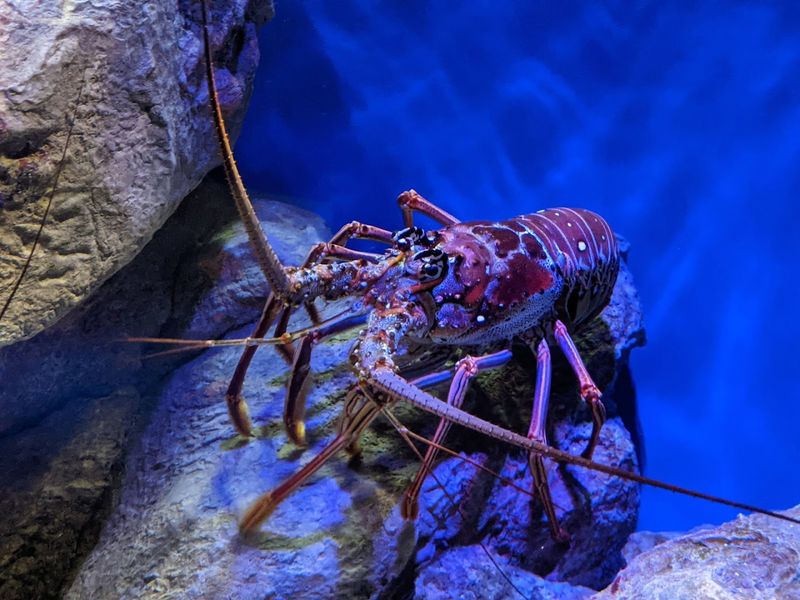
Not every impressive creature in the ocean has a backbone, and the Spineless building at the New York Aquarium makes that point with considerable style. Dedicated to invertebrates, this exhibit covers a range of animals that most visitors walk past in other aquariums without giving them a second glance.
Here, they become the main attraction, and they hold up remarkably well under that scrutiny.
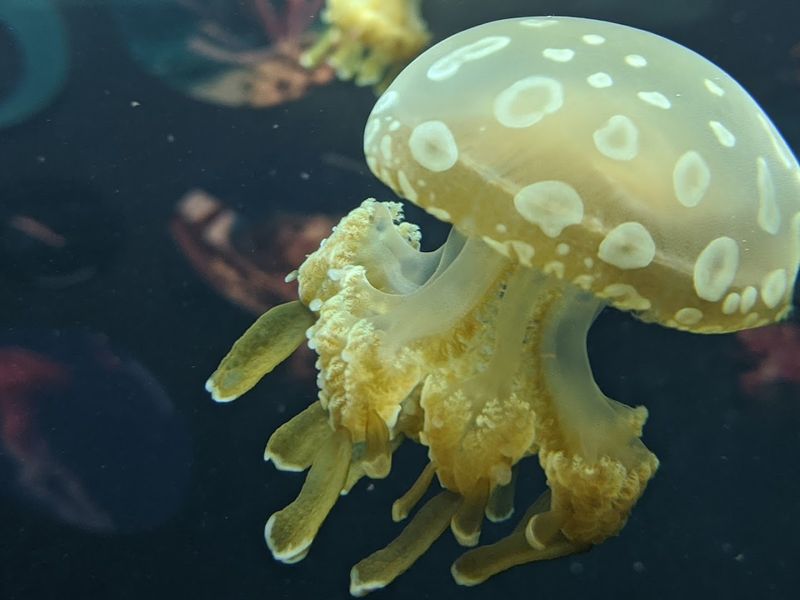
Jellyfish tanks dominate the visual experience in this building. Soft lighting in shades of violet and blue illuminates the tanks from behind, and the jellyfish drift through the water with a fluid, unhurried grace that is unexpectedly calming to observe.
The displays are designed to encourage extended looking rather than a quick glance and move on, and most visitors oblige without much prompting.
Beyond the jellyfish, the exhibit features Japanese spider crabs, which are genuinely startling in their proportions, along with a rare orange lobster that tends to stop people mid-stride.
Live coral tanks fill out the space with vivid color and biological complexity, and the care taken in maintaining them is apparent in their condition.
Crabs, sea urchins, and octopuses round out the collection, each one representing a form of ocean intelligence that operates by entirely different rules than the vertebrates found elsewhere in the aquarium.
A Setting That Elevates The Entire Visit

An aquarium’s surroundings matter more than most people consider before arriving. The New York Aquarium benefits enormously from its position on the Coney Island boardwalk, where the Atlantic Ocean is visible from the outdoor exhibits and the salt air follows you from the parking lot to the entrance and back again.
That geographic context makes the conservation messaging inside feel less abstract and considerably more urgent.
Visitors who arrive early enough can take a walk along the boardwalk before heading inside, which sets a relaxed and curious tone for the hours that follow.
The aquarium is accessible by subway on the D, F, and N lines to the Stillwell Avenue station, and a reasonably priced parking lot is available for those arriving by car.
The combination of transit access and a well-managed lot means the logistics of getting there rarely become a source of frustration.
Luna Park and the broader Coney Island entertainment district sit nearby, which makes the aquarium an easy anchor for a full day out rather than a standalone afternoon activity. The outdoor exhibits connect the indoor experience to the actual ocean in a way that feels organic rather than engineered.
On clear days, the light off the water carries a particular quality that makes the whole visit feel more expansive than the square footage alone would suggest.
The Mission Running Through Every Exhibit
The New York Aquarium is operated by the Wildlife Conservation Society, and that affiliation shapes the character of the institution in ways that go well beyond branding. Conservation is not a theme added on top of the exhibits here.
It is the organizing principle behind them, and the distinction is noticeable from the first room to the last.
Every major exhibit incorporates information about the threats facing the species on display, the research efforts underway to understand them better, and the practical steps that visitors can take to reduce their own impact on marine environments.
The messaging is consistent without becoming repetitive, and the framing tends toward empowerment rather than alarm, which makes it easier to absorb and retain.
Interactive displays throughout the aquarium invite visitors to engage with the material rather than simply read past it, and while some of the interactive features require periodic maintenance, the overall educational infrastructure is genuinely impressive.
The aquarium also maintains membership affiliations with the Bronx Zoo, Central Park Zoo, and Prospect Park Zoo, which extends the reach of its conservation work considerably.
For families visiting with children, the layered educational content provides natural conversation starters that tend to continue well beyond the parking lot and into the drive home.
Planning Your Visit: What To Know Before You Go
A well-planned visit to the New York Aquarium tends to be a noticeably better experience than an improvised one. Purchasing tickets in advance online is strongly recommended, particularly for weekend visits, as it eliminates queuing at the entrance and allows you to move directly into the exhibits at your own pace.
The aquarium is open most days from 10 AM to 5 PM, with slightly reduced hours on Wednesdays, so checking the current schedule before you go is a sensible habit.
The aquarium is manageable in size, and most visitors cover the major exhibits comfortably within one and a half to two and a half hours. Families with young children will find stroller parking available near the exhibits, and the layout is navigable without requiring a map at every junction.
A gift shop offers souvenirs ranging from plush sea creatures to educational materials, and a cafe is available on site for light refreshments during your visit.
NYC ID holders may be eligible for free admission, which is worth investigating before purchasing tickets. Members of the Wildlife Conservation Society receive discounts across affiliated institutions, making membership a genuinely worthwhile consideration for families who plan to visit more than once.
The aquarium can be reached by phone at +1 718-265-3474 or online at nyaquarium.com for the most current ticketing and programming information.