
Walk Through History At This Impressive Presidential Museum In Tennessee
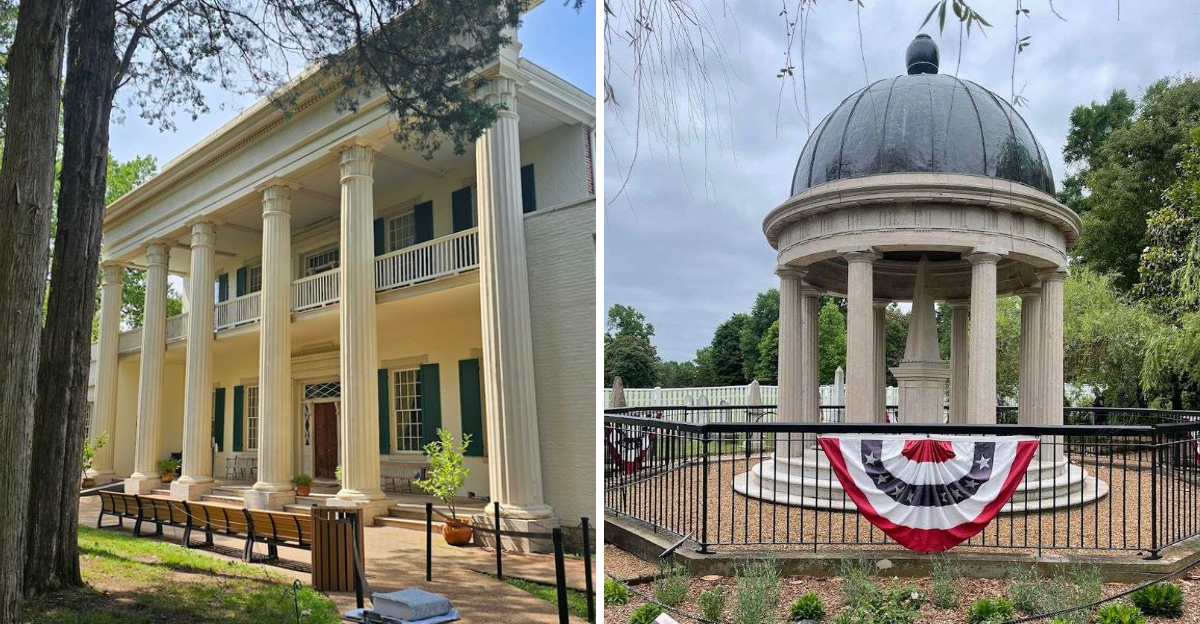
History doesn’t always sit quietly behind glass. Sometimes, it feels alive the moment you arrive, pulling you into stories that shaped an entire nation.
That’s exactly the experience waiting here, where carefully preserved spaces and powerful exhibits turn the past into something you can actually picture, not just read about. Rooms, artefacts, and wide-open surroundings all work together to tell a story that still sparks curiosity today.
In Tennessee, this presidential museum offers a rare chance to see history up close, giving every visit a sense of depth that stays with you long after you leave.
The Greek Revival Mansion And What It Reveals About Jackson’s World
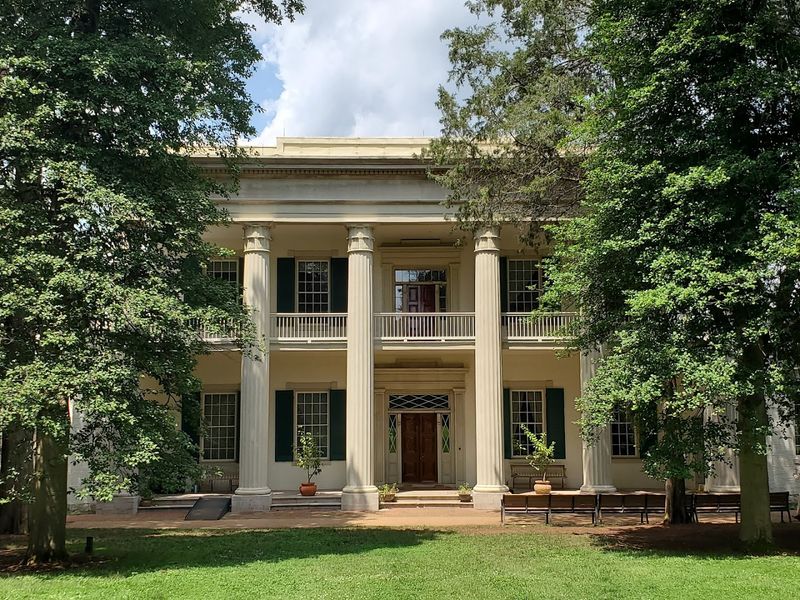
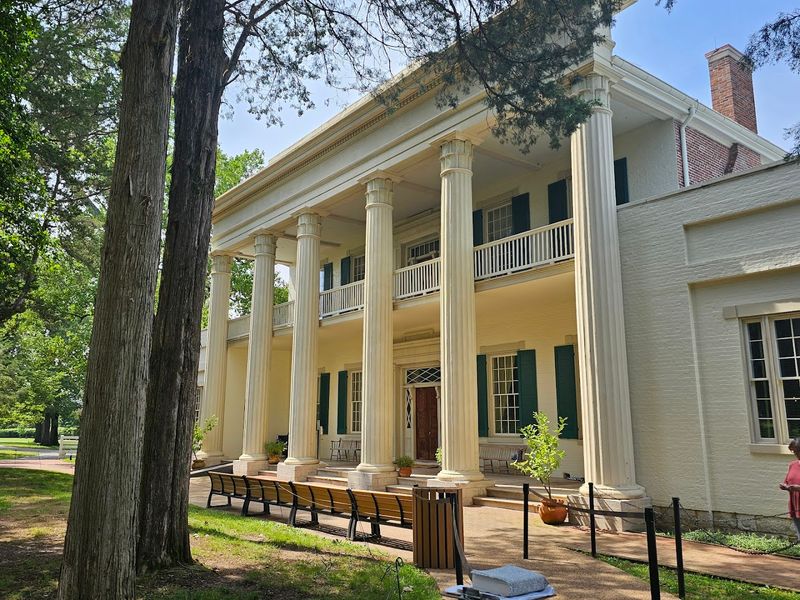
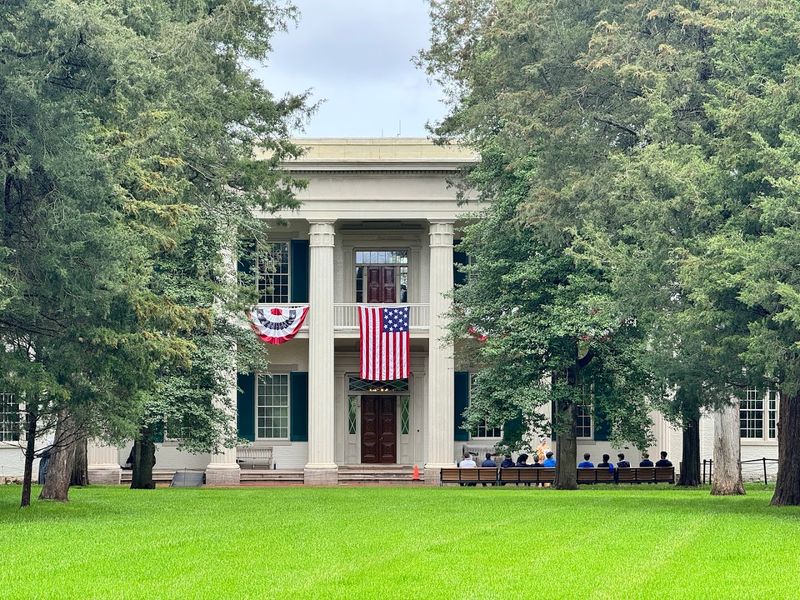
Few buildings in American history carry as much personality as this main mansion. The white-columned Greek revival structure looks exactly like what you would imagine a powerful 19th-century president calling home.
Built originally in 1821 and later expanded, the mansion has gone through several phases of construction, yet it retains a coherent and impressive character throughout.
You are greeted by original furnishings, period wallpaper that is over 200 years old, and flooring that has held its ground through decades of foot traffic and history. Photography is not permitted inside the home, so visitors are encouraged to absorb every detail with their own eyes rather than through a lens.
That rule actually works in your favor, because it forces a slower, more attentive kind of looking.
Tour guides lead groups through each room with confidence and care, explaining the significance of individual objects and the daily rhythms of life in the 1830s and 1840s. The mansion is the centerpiece of a site that earned a 4.7-star rating from over 5,800 visitors.
It is the kind of place where history stops feeling like a subject and starts feeling like a story.
Over 30 Historic Buildings Spread Across 1,120 Acres
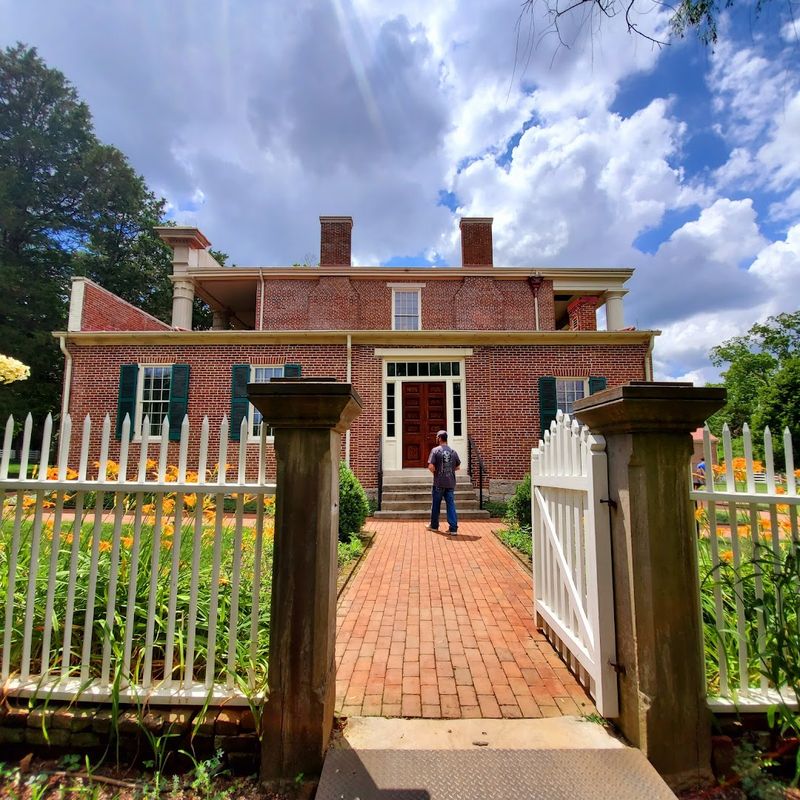
Most people arrive expecting a single impressive house. What they find instead is an entire world spread across more than a thousand acres of Tennessee land.
The Hermitage estate contains over 30 historic structures, each one telling a different part of the same long story. From carriage houses to garden outbuildings, every structure has a purpose and a past.
Walking the grounds takes real time, and that is actually a good thing. The self-guided audio tour allows visitors to move at their own pace, stopping where curiosity leads them.
There are benches along the walking paths for those who want to rest and take in the scenery, which shifts from formal garden areas to open fields with surprising ease.
The sheer scale of the property gives visitors a genuine sense of what plantation life looked like in the early 19th century. It was not simply a home.
It was a working operation involving dozens of people and complex daily logistics. Staff members stationed throughout the grounds are consistently described in visitor reviews as friendly and knowledgeable, ready to answer questions and point out details that might otherwise go unnoticed.
Budget at least three hours, though a full day is easy to fill here.
Andrew Jackson’s Tomb And The Family Cemetery On The Grounds
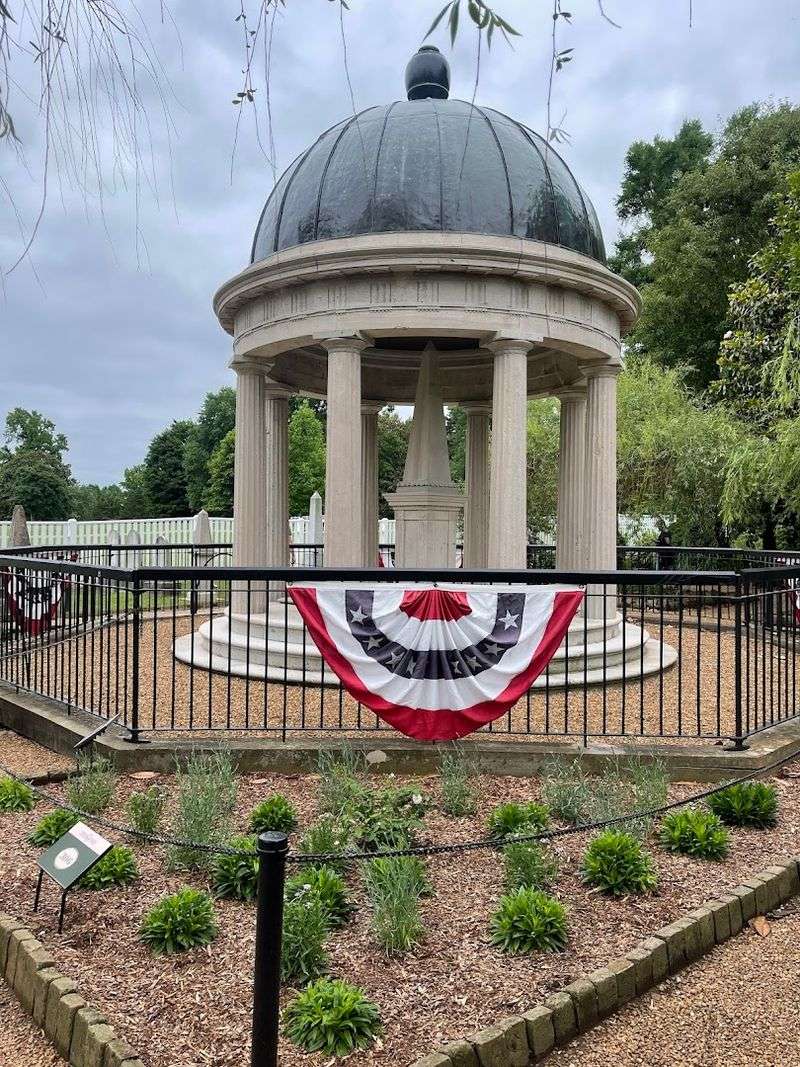
Andrew Jackson and his beloved wife Rachel are buried in a garden tomb on the grounds of The Hermitage, and the site carries a quiet dignity that visitors consistently mention in reviews. The tomb is set within a formal garden area that Rachel herself helped design before her death in 1828, just weeks after her husband won the presidency.
Jackson was reportedly devastated by her passing and ensured she was honored in a place of beauty.
The family cemetery nearby holds the remains of several other individuals connected to the estate, giving visitors a fuller sense of the generations that passed through this land. The grave markers vary in elaborateness, reflecting the social hierarchies of the era with uncomfortable clarity.
Some visitors have requested more guided interpretation of the cemetery, and it remains largely self-guided as of recent visits.
Standing at Jackson’s tomb, knowing that this man shaped the American presidency in ways still debated today, is a genuinely reflective experience. He was complex, contradictory, and deeply influential.
The garden setting around the tomb is well maintained, and many visitors describe the moment as one of the highlights of their entire visit. It is peaceful, historically charged, and worth every step of the walk to reach it.
Rachel’s Garden And The Landscape Design Of The Estate
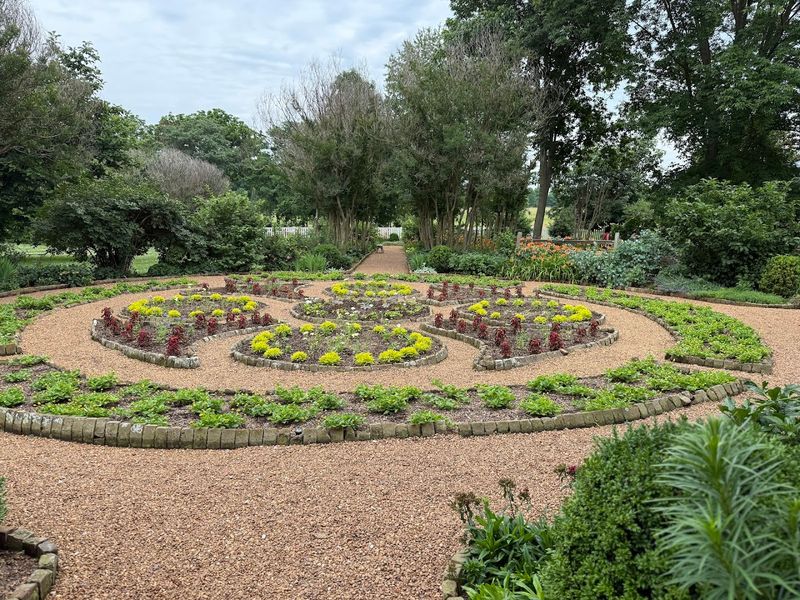
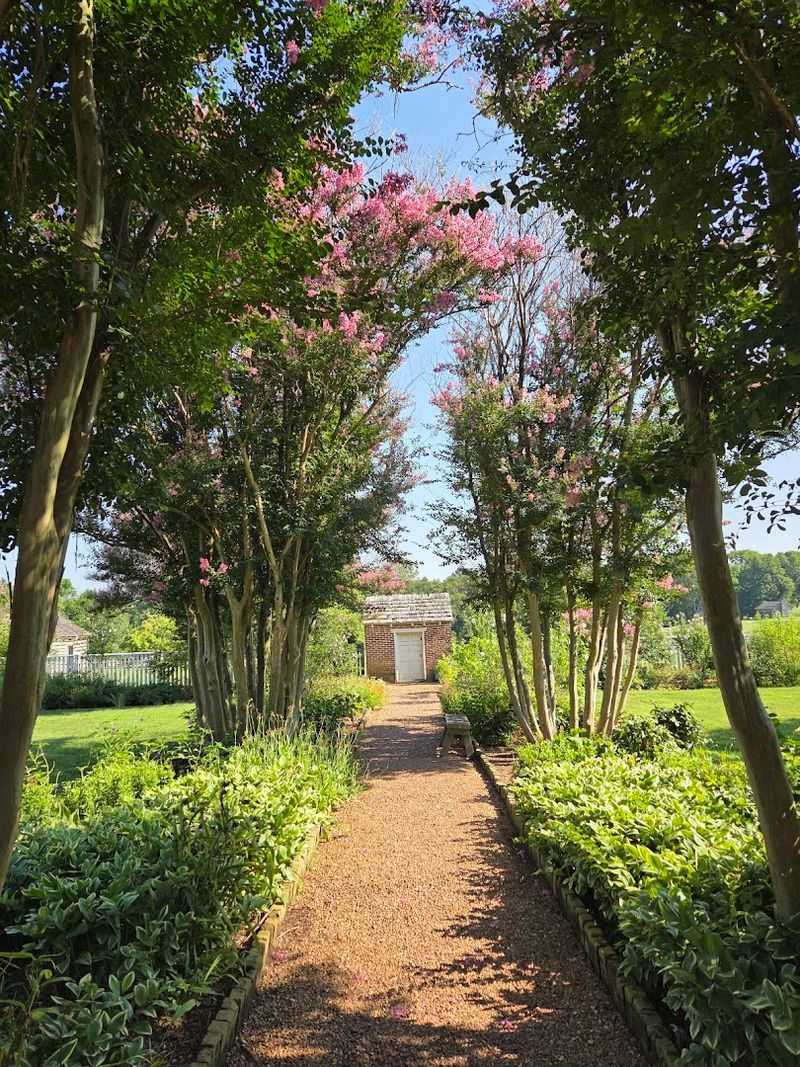
Rachel Jackson had a significant hand in shaping the aesthetic of Andrew Jackson’s Hermitage at 4580 Rachels Ln in Hermitage and her garden remains one of the most visited and photographed areas of the entire estate. The formal garden design reflects the horticultural tastes of the early 19th century, with structured plantings, walking paths, and a sense of deliberate beauty that contrasts with the wildness of the surrounding acreage.
The garden sits adjacent to the family tomb, which gives the space a layered meaning. It is both a place of living beauty and a place of remembrance.
In autumn, the surrounding trees provide a canopy of color that visitors in fall season reviews describe as breathtaking. Spring visits offer blooms that bring the garden’s original vision closer to life.
For visitors with an interest in landscape history or 19th-century domestic life, Rachel’s garden offers a perspective on the estate that goes beyond politics and power. It speaks to personal taste, to grief, and to the quieter rhythms of a life lived on this land.
The Hermitage grounds as a whole benefit from this kind of layered storytelling, and the garden is one of its most eloquent chapters. It is a place worth spending unhurried time.
The Museum Exhibits And What They Cover About Jackson’s Presidency
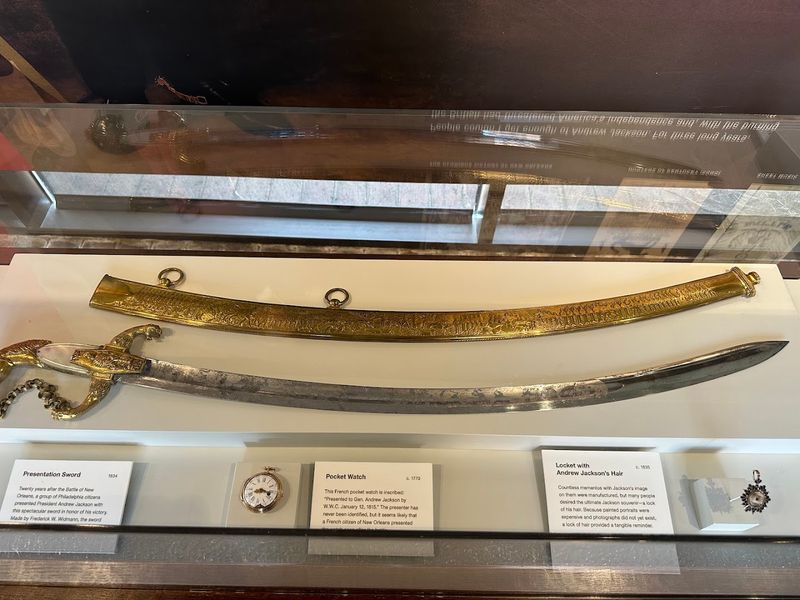
Beyond the mansion tour, The Hermitage operates a full museum that covers Andrew Jackson’s life, military career, and two-term presidency in considerable detail. The exhibits move chronologically, tracing his origins in the Carolina backcountry, his rise as a military hero at the Battle of New Orleans, and his eventual election as the seventh president of the United States in 1828.
The collection of personal artifacts is one of the strongest draws for history enthusiasts.
A short film about Jackson runs approximately 17 minutes and provides a broad introduction to his life and legacy. Some visitor reviews note that the film leans toward the biographical rather than the analytical, so those seeking a more critical examination of his policies, particularly regarding Native American removal, may want to supplement their visit with additional reading.
The museum itself, however, does address multiple perspectives on his legacy.
The Lafayette exhibit, mentioned in recent visitor feedback, adds an international dimension to the storytelling and highlights the connections between American and European political history during the early republic era. Museum staff are available throughout to answer questions, and the space is large enough to explore at a comfortable pace.
For first-time visitors, arriving early ensures a quieter experience before the crowds build through the late morning hours.
The Self-Guided Audio Tour And How To Make The Most Of It
One of the more practical and enjoyable features of a visit to The Hermitage is the self-guided audio tour available for the exterior grounds. The audio program walks visitors through the various structures, landscapes, and historical markers at their own pace, which is a significant advantage for families with young children or anyone who prefers not to move at a group’s speed.
The tour covers a wide range of topics, from agricultural history to personal anecdotes about Jackson’s daily life.
A few visitor reviews have mentioned that the volume on the provided headsets can be difficult to hear at maximum settings, so it is worth asking staff for a well-functioning unit before heading out. That small inconvenience aside, the format is well suited to the property’s sprawling layout.
There is simply too much ground to cover in a single guided group tour, and the audio option fills that gap effectively.
The walking paths are generally level and accessible, with benches placed at intervals for those who need a rest. The hermitage is open daily from 8:30 AM to 4:00 PM, and arriving at opening time gives visitors the best chance of exploring the grounds without crowds.
The combination of guided mansion tour and self-guided audio walk creates a well-rounded experience that covers the estate from multiple angles.
The Horse-Drawn Wagon Ride And Other On-Site Experiences
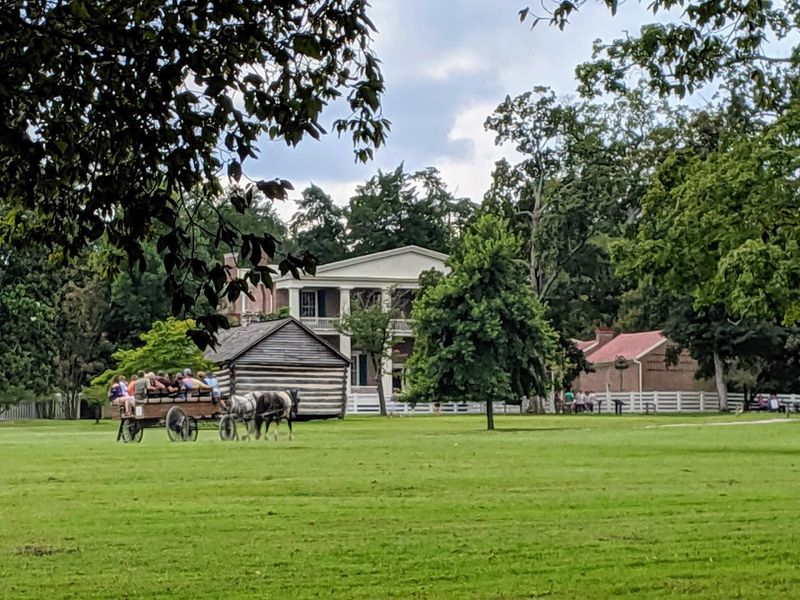
Not every museum offers a horse-drawn wagon ride around a presidential estate, but The Hermitage does. For around twenty dollars, visitors can climb aboard and see the property from a different vantage point, covering more ground with less effort and getting a feel for the scale of the estate in a way that walking alone does not always convey.
The ride is popular with families and tends to operate from the rear of the mansion, so checking the schedule on arrival is a smart first move.
Beyond the wagon ride, the site offers a gift shop that visitors consistently describe as well-stocked and generously sized. A small cafe provides snacks and light refreshments, which is a welcome option on warmer days when the grounds demand more energy than expected.
These amenities help make The Hermitage a full-day destination rather than a quick stop.
The overall atmosphere on the grounds is relaxed and educational without ever feeling like a theme park. The experiences on offer, from guided tours to solo exploration to wagon rides, give visitors the flexibility to shape their own version of the day.
Groups with varied interests can split up and reconnect, making the site unusually accommodating for mixed-age visits.
Planning Your Visit, Tickets, Hours, And Practical Tips
Getting the logistics right before visiting The Hermitage makes a noticeable difference in how the day unfolds. The site is open every day of the week from 8:30 AM to 4:00 PM, which gives visitors a solid window of time to work with.
One practical note from regular visitors: buying tickets at the counter on arrival avoids the service charge that applies to online purchases, so it is worth skipping the digital queue if you can.
The site is easily accessible from Nashville, making it a natural addition to any trip to the city. The phone number for general inquiries is +1 615-889-2941, and the official website at thehermitage.com carries event calendars and seasonal programming information.
The Hermitage hosts special events throughout the year, including the annual Jacksonian Christmas Festival in December, which draws significant crowds.
Adult admission runs around $28, which covers the mansion tour and grounds access. Some visitors feel the mansion tour itself is on the shorter side, so pairing it with the museum and audio walk ensures full value for the ticket price.
Dogs are welcome on the grounds but not inside the buildings, which is useful to know for those traveling with pets. comfortable shoes and a water bottle are the two most practical things to bring.
Why The Hermitage Stands Out Among Presidential Sites In America
Presidential museums exist across the country, but few combine the physical scale, historical complexity, and emotional range of The Hermitage. The site does not present a sanitized version of Andrew Jackson.
It presents a full and often uncomfortable portrait of a man who was simultaneously celebrated as a champion of ordinary Americans and responsible for policies that caused immense suffering, particularly through the forced removal of Native American nations.
That willingness to hold multiple truths at once is what elevates The hermitage above more straightforward commemorative sites. The inclusion of slavery history, the acknowledgment of the newly discovered burial grounds, and the ongoing interpretive work around previously overlooked figures all point to a site that takes its responsibility seriously.
A 4.7-star rating from over 5,800 reviewers reflects a visitor experience that consistently delivers on its promises.
For anyone traveling through Tennessee with even a passing interest in American history, The Hermitage is not optional. It is essential.
The combination of preserved architecture, honest storytelling, natural beauty, and knowledgeable staff creates the kind of visit that stays with you long after you have driven back down Rachels Lane and returned to the present. History rarely feels this immediate, this personal, or this worth the trip.