
This Tiny Town In Massachusetts Is One Of The Most Peaceful, Stress-Free Places In America
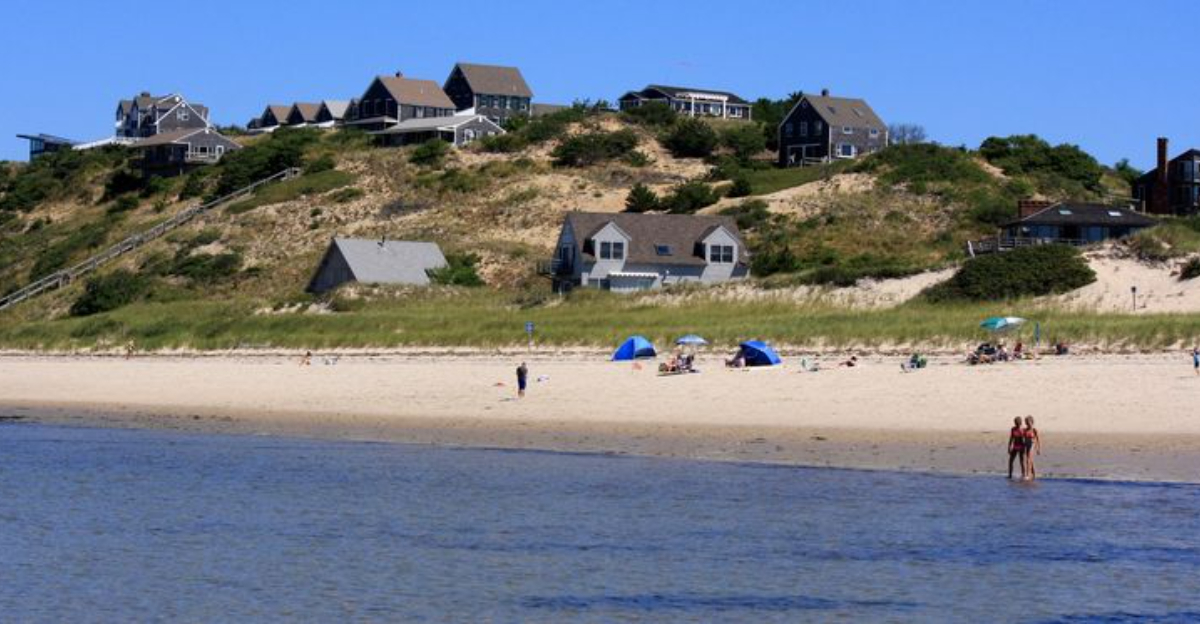
Silence feels different here. Not empty, just calm in a way that’s hard to find once life speeds up.
The kind of place where long walks stretch out without a plan and the sound of the ocean seems to slow everything down. Days move gently, with quiet roads, open landscapes, and plenty of space to breathe.
You don’t need a packed schedule or a list of things to do. In Massachusetts, this tiny town offers a peaceful rhythm that makes it easy to switch off, settle in, and enjoy a slower pace that lingers long after you leave.
The Outer Cape Setting That Changes How You Breathe
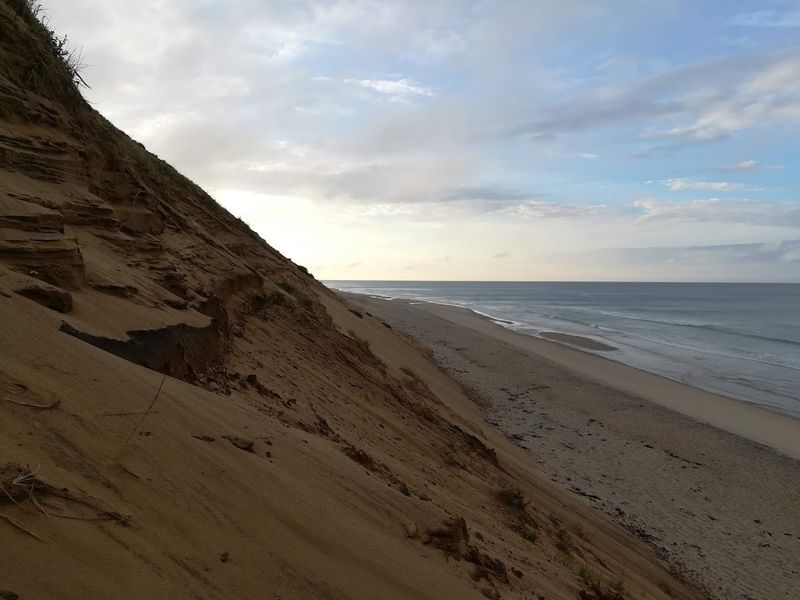
Standing on the high ground of this place, with wind moving steadily off the Atlantic, the body does something involuntary: it relaxes. The town sits at the narrow upper arm of Cape Cod, roughly 100 miles by road from Boston, where the peninsula tapers to a thin strip of land barely a mile wide in some places.
That geography creates a landscape unlike anywhere else in New England. To the east, the Atlantic rolls in with unhurried authority.
To the west, Cape Cod Bay stretches calm and glassy at low tide. The light here shifts constantly, painting the dunes in shades of amber, gold, and pale silver depending on the hour.
The town covers about 42 square miles, most of it protected land within the Cape Cod National Seashore. That federal designation, established in 1961, has kept the town free from the overdevelopment that swallowed neighboring communities.
Roads remain narrow, buildings stay low, and the horizon stays open. For anyone arriving from a crowded city, the visual spaciousness alone feels like a long exhale after months of holding your breath.
Cape Cod National Seashore Protects The Land Around You
Few towns in America can claim that the federal government essentially preserved their backyard for future generations. Truro can.
A significant portion of the town falls within the boundaries of the Cape Cod National Seashore, a protected area spanning 43,607 acres across six Cape Cod towns.
President John F. Kennedy, who had deep personal ties to Cape Cod, signed the legislation creating the seashore in 1961.
The result is a continuous stretch of protected beaches, forests, ponds, and marshlands that will never be sold to developers or converted into shopping centers. Visitors walk trails knowing the land has been deliberately kept in its natural state.
The Pamet Area in Truro offers several short hiking trails through cranberry bogs and red maple swamps. The landscape feels ancient and undisturbed, which is precisely the point.
Rangers lead seasonal programs that teach visitors about local ecology, maritime history, and the geology of the Cape itself.
For those seeking peaceful outdoor time without crowds or commercial noise, the National Seashore provides a reliable sanctuary. The absence of vendors, loud music, and parking lot sprawl makes the experience feel genuinely restorative rather than performatively recreational.
A Population So Small Every Face Becomes Familiar
Truro has a year-round population of fewer than 2,000 people, making it one of the smallest towns by population on all of Cape Cod. That number alone says something meaningful about what daily life feels like here.
There are no traffic jams, no anonymous crowds, and no sense of being invisible in a sea of strangers.
In a small community like this, people tend to know their neighbors. Local business owners recognize returning visitors.
The post office doubles as an informal social hub. The pace of interaction slows to something that feels almost old-fashioned by contemporary standards, and most people who experience it find that deeply appealing.
The summer population swells considerably as vacationers arrive from Boston, New York, and beyond. Even at peak season, though, Truro never reaches the density of Provincetown just to the north or Chatham to the south.
The town simply does not have the infrastructure for mass tourism, and that limitation turns out to be one of its greatest assets.
Living or visiting among a small, familiar community reduces the low-level social anxiety that comes with urban anonymity. Research consistently links strong community bonds to lower stress levels, and Truro delivers that connection without requiring any effort at all.
Highland Light Stands As A Beacon Of Calm History
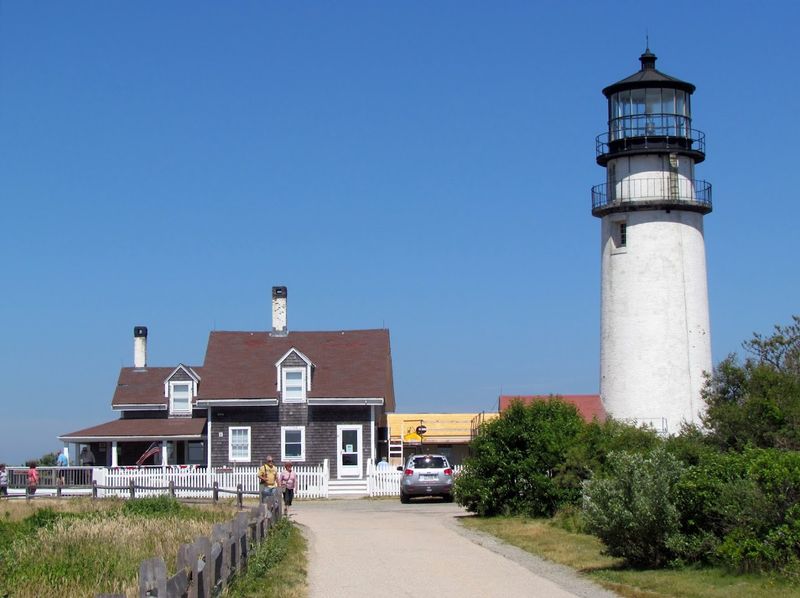
There is something grounding about standing near a lighthouse that has guided ships safely for centuries. Highland Light, located on a bluff above the Atlantic in Truro, holds the distinction of being the oldest lighthouse on Cape Cod.
The original structure dates to 1797, making it older than most American institutions people encounter daily.
The current tower, built in 1857, rises 66 feet and once cast a light visible for 23 miles at sea. Henry David Thoreau visited this exact spot during his famous walks across Cape Cod in the 1840s and wrote about the dramatic view with characteristic directness.
Standing where Thoreau stood, looking out at the same Atlantic, creates a quiet sense of continuity that few modern experiences can replicate.
By 1996, erosion had moved the cliff edge dangerously close to the lighthouse foundation. In a remarkable community effort, the entire structure was moved 450 feet inland to preserve it.
That story of careful stewardship reflects something essential about how Truro approaches its own character: slowly, deliberately, and with genuine respect for what already exists.
The lighthouse is located at 27 Highland Light Road, and tours are available seasonally through the Truro Historical Society, offering visitors an intimate look at its working mechanism.
Corn Hill Beach Offers A Different Kind Of Shoreline
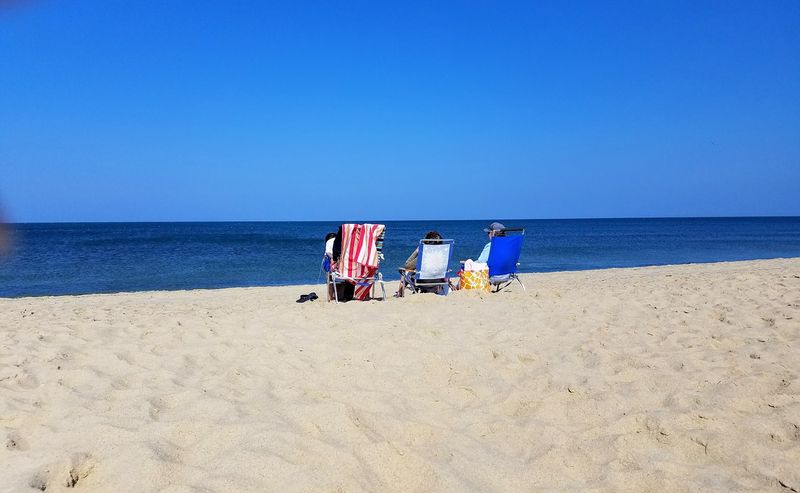
Most people picture the Atlantic side when they think of Cape Cod beaches. Corn Hill Beach, on the Cape Cod Bay side of Truro, offers something genuinely different and, for many visitors, more memorable.
The bay water here is significantly calmer and warmer than the ocean side, making it ideal for swimming, kayaking, and long wading walks at low tide.
The beach takes its name from a historically significant event. In 1620, the Pilgrims stopped here during their initial exploration of the Cape and discovered a cache of corn stored by the Nauset people.
That discovery helped the struggling settlers survive their first winter. Few beaches in America carry that kind of weight in their name, and knowing the history adds a quiet dimension to an afternoon spent there.
At low tide, the bay retreats dramatically, exposing a wide, flat expanse of sand and shallow pools. Children explore tidal creatures while adults walk the exposed flats in meditative silence.
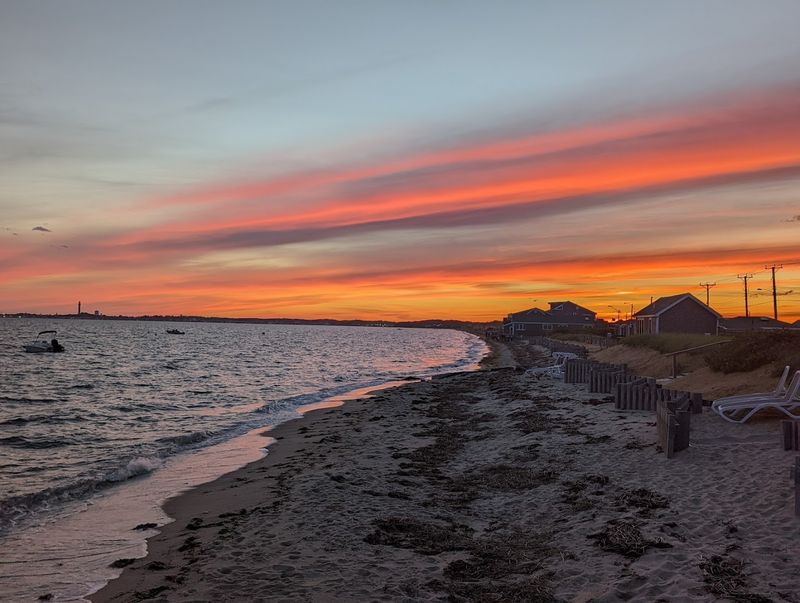
The sunsets from Corn Hill are particularly striking, with the western sky turning deep orange and pink over the bay water.
The atmosphere here runs distinctly unhurried. No vendors, no amplified music, no organized activities.
Just water, sky, and the reliable rhythm of tides doing what tides have always done.
Ballston Beach And The Atlantic Side Call To The Adventurous
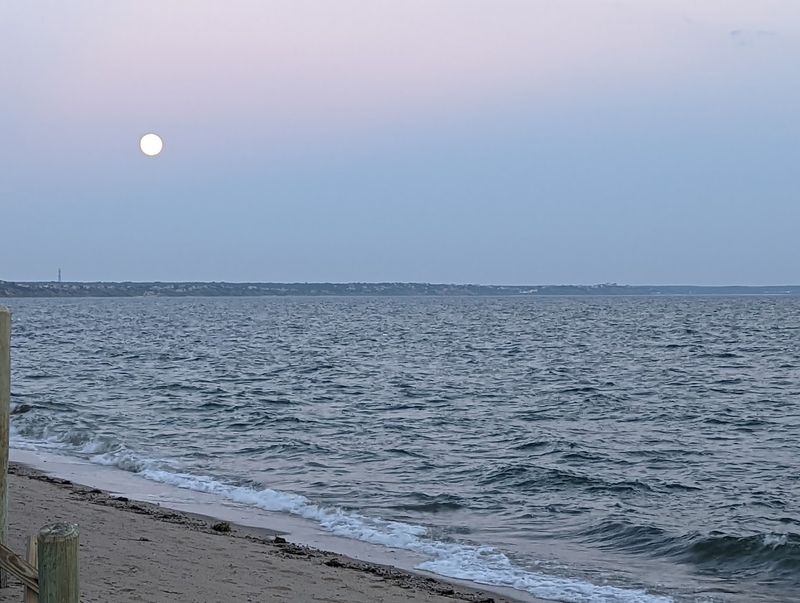
If Corn Hill Beach represents the gentle, contemplative side of Truro, Ballston Beach offers something rawer and more energetic. Facing the open Atlantic, this barrier beach sits at the end of Pamet Road and delivers the full force of the ocean without apology.
Waves here break with real authority, and the dunes behind the beach rise to impressive heights.
Ballston Beach is not a place for passive observation. The surf invites body surfing and wave watching.
The dune landscape behind it rewards exploration on foot, with trails cutting through beach grass and scrub vegetation. The isolation is part of the appeal.
On most weekdays, even in summer, the crowd is thin enough that stretches of beach feel privately yours.
The Pamet River meets the ocean near this beach, creating an interesting ecological transition zone where freshwater and saltwater habitats overlap. Birders find this area particularly rewarding, as shorebirds, terns, and occasionally larger seabirds congregate along the shoreline and river mouth.
There is a particular kind of mental clarity that comes from sitting on a windswept beach with nothing man-made visible on the horizon. Ballston Beach provides that experience reliably, and visitors who make the effort to reach it consistently describe the sensation as the closest thing to genuine mental reset they have found anywhere on the Cape.
The Pamet River Valley Rewards Those Who Walk Slowly
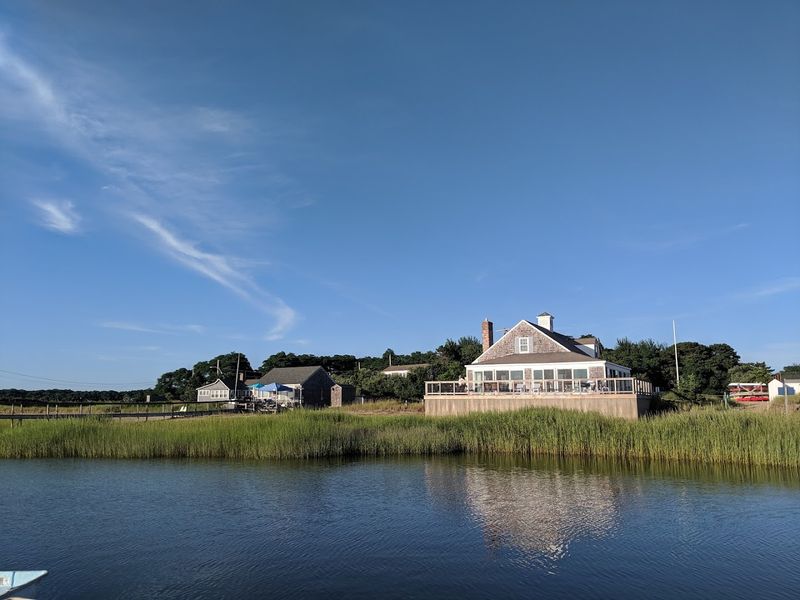
Truro is not a town that announces itself loudly. The Pamet River Valley is the perfect illustration of that quality.
This quiet inland area runs east to west through the heart of town, carrying a tidal river through cranberry bogs, red maple swamps, and open marshland. The valley is accessible via trails maintained within the Cape Cod National Seashore.
Walking the Pamet trails in the early morning, when mist sits low over the bogs and the only sounds come from birds and wind, produces a kind of sensory calm that is difficult to manufacture artificially. The landscape looks much as it did a hundred years ago, and that visual continuity has a measurable effect on the nervous system.
Cranberry cultivation has a long history in this valley. Some of the bogs still produce fruit in the fall, turning vivid red against the surrounding green in a display that stops hikers mid-stride.
The seasonal color change here rivals anything found in the more celebrated foliage regions of New England.
The trail system is modest in length, making it accessible to casual walkers rather than dedicated hikers. That accessibility matters.
The valley does not require athletic preparation or special equipment. It simply asks that you arrive with enough patience to walk without a destination in mind and enough quiet to notice what surrounds you.
Truro’s Art Scene Runs Deep Without Running Loud
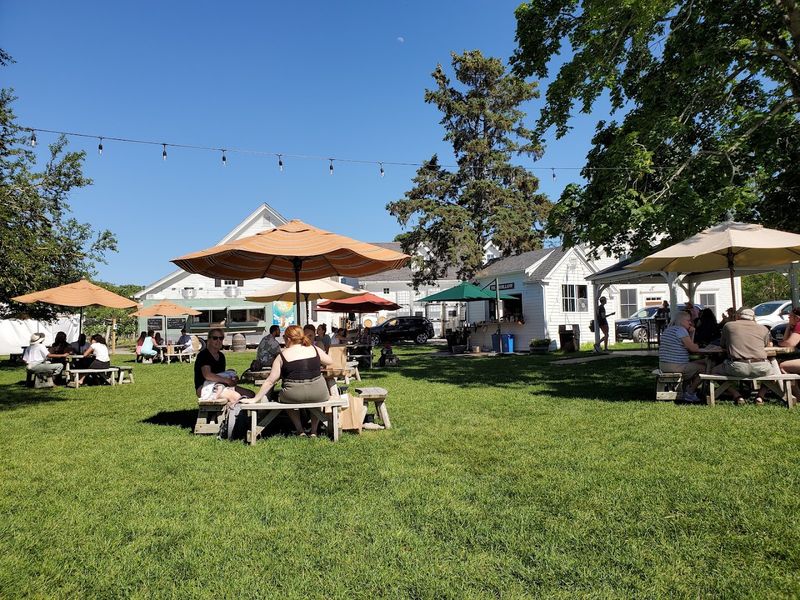
Long before Provincetown became famous as an arts community, the surrounding Outer Cape was drawing painters, writers, and photographers who came for the light. Truro has quietly hosted a remarkable number of significant artists over the decades without ever turning that history into a marketing campaign.
Edward Hopper, one of the most important American painters of the 20th century, spent summers in Truro for over three decades. His South Truro studio still stands, and the landscapes he painted here, spare, luminous, and emotionally precise, are recognizable to anyone who has studied American art.
The quality of light in Truro that attracted Hopper remains unchanged: clear, directional, and somehow more honest than light in other places.
The town continues to attract working artists who value solitude over scene. Small galleries operate seasonally, and the Truro Center for the Arts at Castle Hill offers workshops, residencies, and exhibitions that bring creative energy to the community without overwhelming its quiet character.
Castle Hill is located on Castle Road and has been a working arts center since 1972.
For visitors who appreciate art but find crowded gallery openings exhausting, Truro offers a more intimate version of the creative experience. The connection between landscape and artistic output feels direct and unmediated here, which gives even casual observers a clearer sense of where good work actually comes from.
Quiet Roads And Low Traffic Make Every Drive A Pleasure
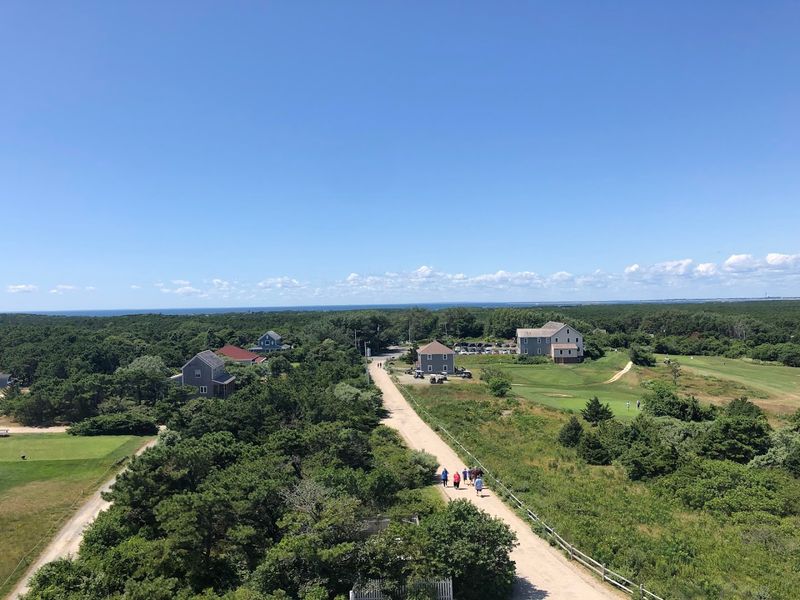
One of the small but consistent pleasures of spending time in Truro is the experience of driving its roads. Route 6, the main artery through Cape Cod, passes through town, but the side roads that branch off into the interior and toward the water are narrow, unhurried, and often canopied by scrub oak and pitch pine.
Driving Shore Road along the bay, or winding down Depot Road toward the old railroad right-of-way, produces the kind of calm that comes from moving through a landscape that has not been optimized for speed or efficiency. The roads were built when horses set the pace, and they still feel that way.
Nobody is in a hurry, and the roads themselves seem to discourage it.
Cycling is equally rewarding. The Cape Cod Rail Trail passes near Truro, and local roads see enough bike traffic that drivers move with patience.
The combination of flat terrain, ocean breezes, and minimal car traffic makes cycling through Truro one of the more pleasant physical activities available on the entire Cape.
For those who simply want to ride without a destination, the back roads of Truro deliver that experience cleanly. There is genuine pleasure in driving or cycling a road that has not been widened, straightened, or otherwise improved into blandness.
Truro has several of them, and they remain genuinely worth taking.
Why Returning Visitors Come Back Year After Year
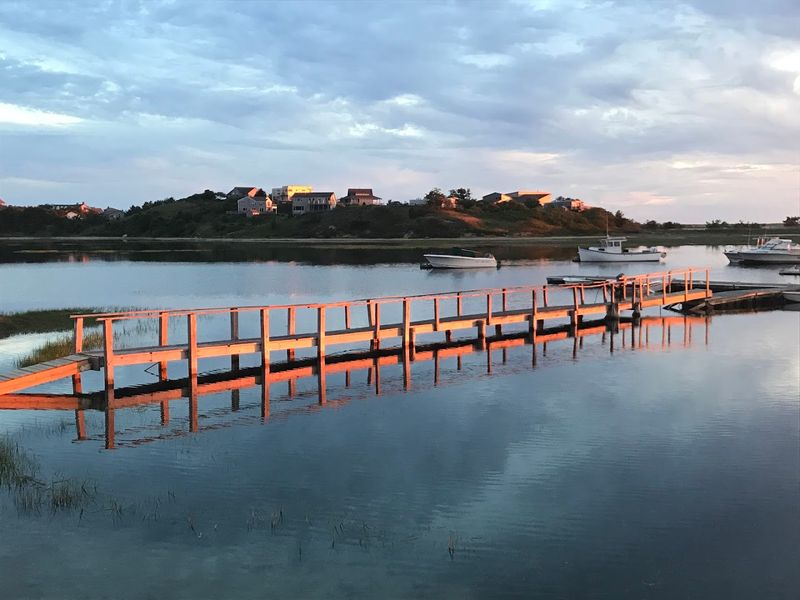
There is a particular category of travel destination that people do not simply visit once. They return, often annually, sometimes for decades.
Truro belongs firmly in that category. The town has a repeat visitor culture that runs unusually deep, with families who have been coming back for three and four generations.
The reasons vary by person but converge on a few consistent themes. The absence of commercial noise.
The reliability of the natural landscape. The sense that the town has not sold itself to tourism but simply remained what it always was.
These qualities are increasingly rare, and people who find them tend to protect the discovery carefully.
Seasonal rentals in Truro book months in advance, with many properties reserved by the same families year after year through informal agreements with owners. That pattern reflects something genuine: people are not just returning to a beach.
They are returning to a specific feeling that they cannot reliably find anywhere else.
The off-season holds its own appeal. Autumn in Truro brings cooler air, emptied roads, and a quality of light that local painters have described as the best of the year.
Winter visits are spare and bracing, with storms that arrive with full Atlantic force and mornings so clear and cold they feel almost medicinal. Every season offers a different but equally valid reason to return.