
The Captivating Boardwalk At This Tennessee State Park Will Take Your Breath Away
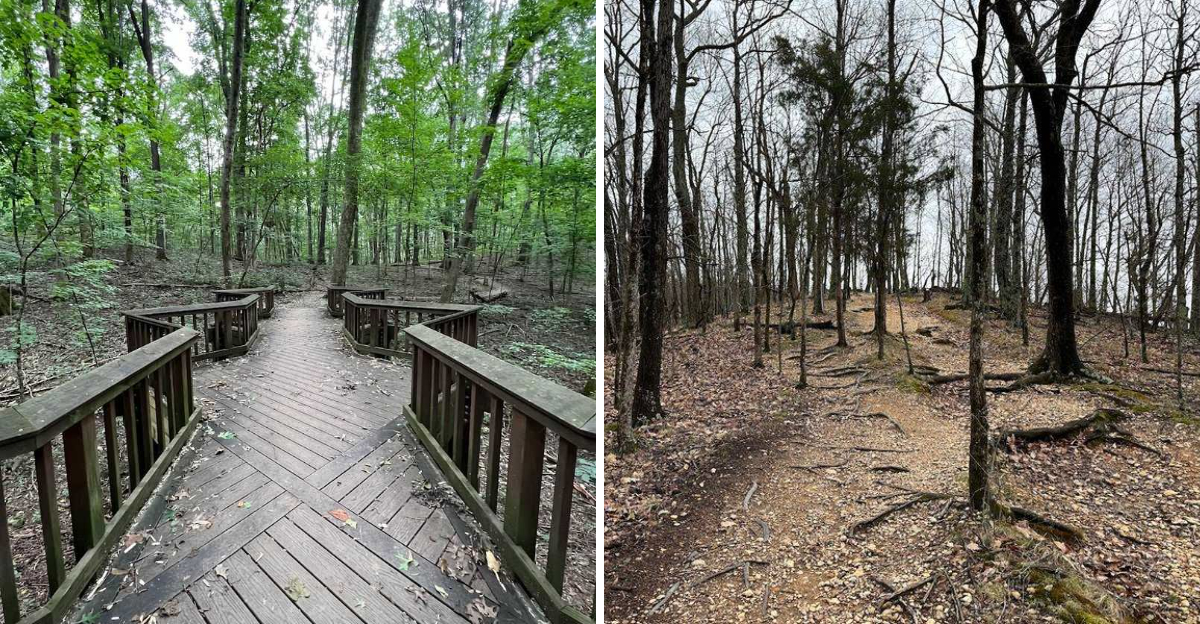
You hear the water before you see it, then the trees part just enough to reveal a stretch of boardwalk that seems to glide across the landscape. Each step draws your attention to something new.
Light filtering through the leaves, reflections shifting across the surface, and the quiet rhythm of nature all around you. In Tennessee, this setting stands out for how calm and immersive it feels the moment you arrive.
The path invites you to slow down, look closer, and take it all in at your own pace. In 2026, it remains one of those walks that stays with you long after you leave.
The Boardwalk That Follows The Lake’s Edge
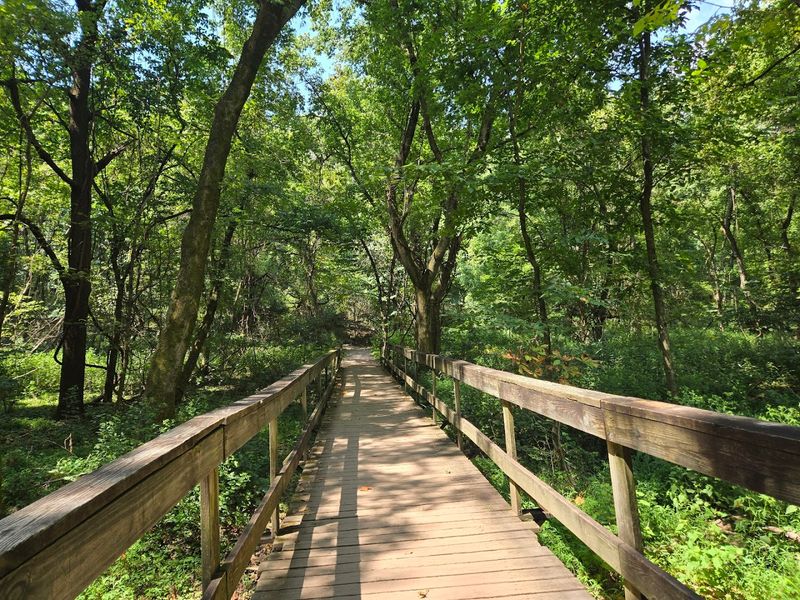
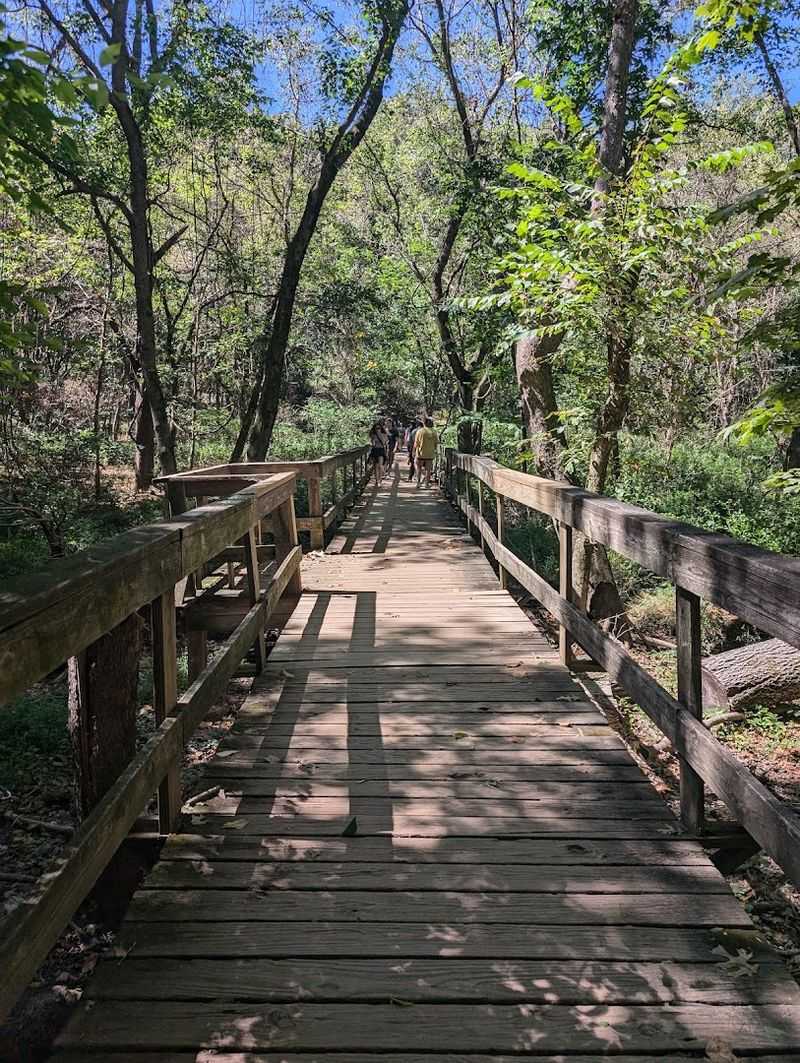
Walking the boardwalk at this park feels less like exercise and more like a slow conversation with the landscape. The path hugs the southern edge of the lake, offering uninterrupted views of still water that mirrors the treeline above.
It is the kind of trail that makes people stop mid-stride to pull out a phone or simply stand quietly for a moment.
The boardwalk section connects smoothly with the paved Lake Trail, which circles the entire lake at about 1.35 miles one way. Together, they create a route that is accessible to almost everyone, from young children in strollers to older adults looking for a comfortable afternoon walk.
The surface is well-maintained and clearly marked.
What sets this stretch apart is the closeness to the water. You are not viewing the lake from a hill or through a fence.
You are right at its edge, close enough to spot painted turtles on submerged logs and great blue herons standing motionless in the shallows.
Wildlife Sightings That Will Genuinely Surprise You
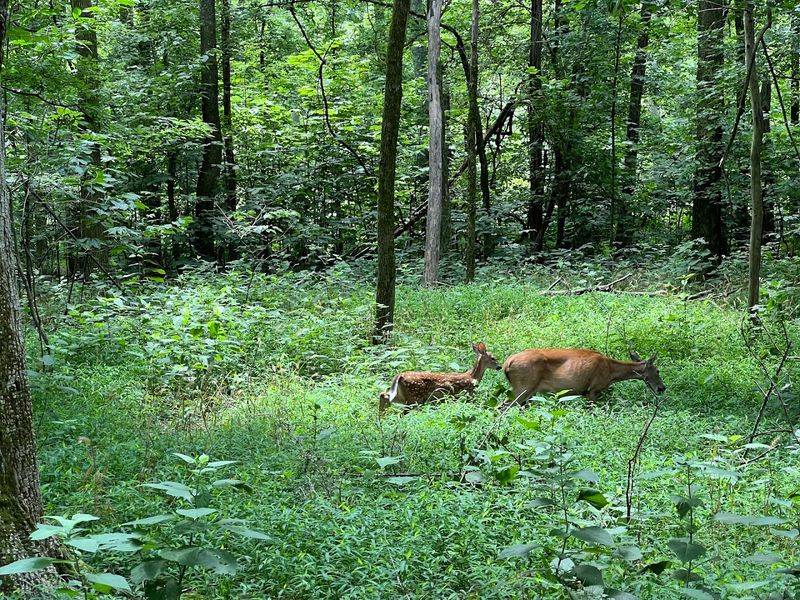
Visitors consistently report that the wildlife at Radnor Lake behaves with an unusual confidence around people. Deer approach the trail with calm curiosity, sometimes close enough that you could count the spots on a fawn.
It is not performance or luck. It is the result of a protected environment where animals have learned that humans here mean no harm.
The lake and its surrounding forest support an impressive variety of species. Regular sightings include great blue herons, pileated woodpeckers, red-shouldered hawks, painted turtles, river otters, wild turkeys, and bald eagles.
One visitor even reported spotting an armadillo, which is apparently more common in Tennessee than most people realize.
Bald eagles are drawn to the lake particularly in winter and early spring, when they hunt along the water’s surface. The park maintains a designated bald eagle conservation area, and rangers are often happy to share current sighting information.
Bring binoculars if you have them. The canopy overhead is thick enough to muffle outside noise, which means animals move freely and frequently throughout the day without being startled by passing traffic or crowds.
The Paved Lake Trail And What Makes It Special
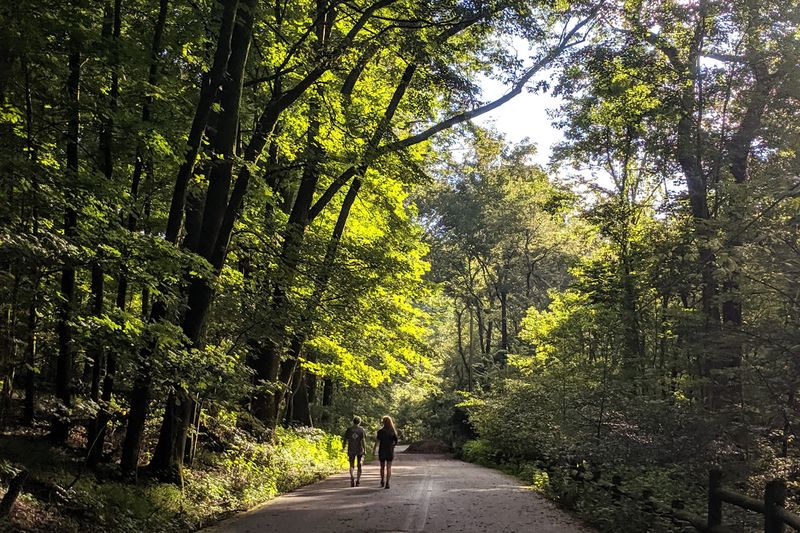
Not every great trail has to challenge your knees or test your endurance. The paved Lake Trail at Radnor Lake at 1160 Otter Creek Rd in Nashville is proof that accessibility and beauty are not mutually exclusive.
Stretching about 1.35 miles along one side of the lake, the paved route is flat, shaded, and genuinely pleasant at any pace.
Strollers are welcome on this trail, making it a practical option for families with small children. Dogs are permitted on this paved section as well, which is notable because the natural surface trails in the park are dog-free zones.
The canopy overhead is dense enough that even on rainy days, the trail stays relatively dry, as several visitors have noted with appreciation.
The paved trail also serves as the primary connector to the boardwalk section, so most visitors experience both in a single outing. Evening strolls are particularly popular here, especially in the warmer months when the light falls at a low angle through the trees and catches the surface of the lake.
The total out-and-back distance runs about 2.7 miles, which is enough to feel satisfying without demanding a full day of recovery afterward.
Garnier Ridge Trail For Those Who Want A Real Climb
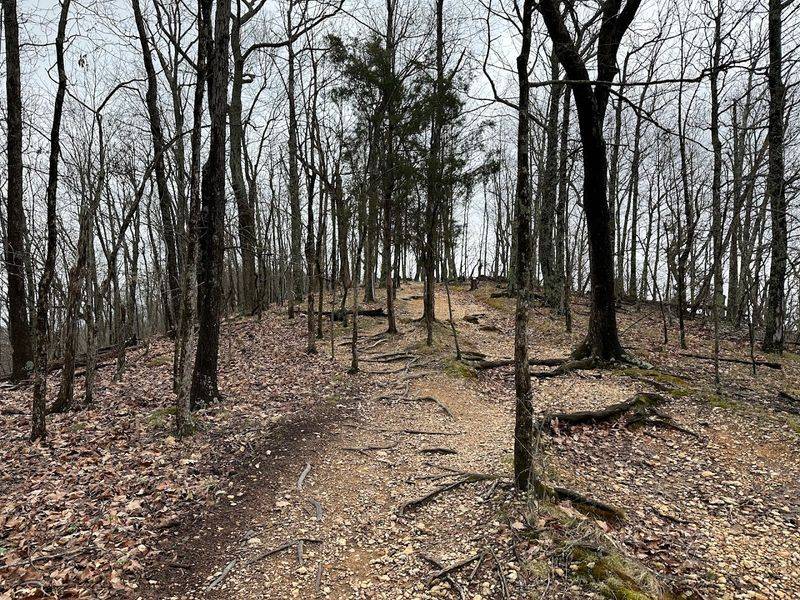
For visitors who find flat trails a little too comfortable, Garnier Ridge Trail offers something with a bit more resistance. This route climbs above the lake and rewards the effort with elevated views of the surrounding forest and occasional glimpses of the water below.
It is a different relationship with the park entirely, one measured in elevation rather than lakeside reflection.
The trail connects with other routes in the park, allowing hikers to build longer loops depending on energy and available time. One visitor completed a nine-mile day by combining Garnier Ridge with the South Cove Trail and the full lake loop.
That is a meaningful distance for a state park located inside a major metropolitan area.
The terrain here is genuine woodland hiking, with uneven ground, exposed roots, and sections where the path narrows under dense canopy. Proper footwear matters on this one.
Elevation gain is moderate, around 500 feet for a combined loop, which is enough to feel like real exercise without requiring technical gear. The trail is well-marked and maintained, but it rewards those who take their time and pay attention to the forest rather than rushing toward a finish.
The Visitor Center And What You Will Find Inside
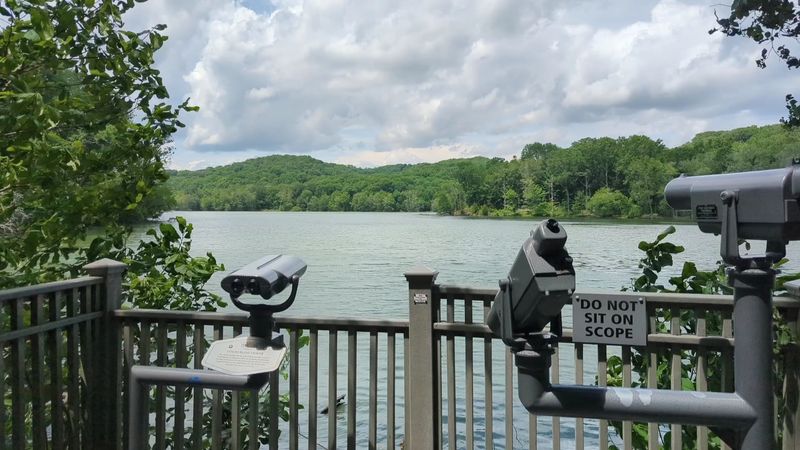
A good visitor center does more than hand out maps. At Radnor Lake, the visitor center serves as a genuine introduction to the park’s ecology, history, and the species that call it home.
Rangers here are known for being approachable and knowledgeable, often sharing detailed background on the animals currently active in the park.
One of the most memorable features is the rescued bird exhibit, where visitors can see eagles and vultures up close. These are birds that cannot be returned to the wild due to injury, and rangers take time to explain the individual story of each bird.
It is the kind of hands-on education that children remember long after the visit ends.
The facility also provides clean restrooms, water fountains, and printed trail maps, all of which are available at no cost since the park charges no admission fee. Informational plaques are distributed throughout the grounds and trails, covering the history of structures, local plant species, and conservation efforts.
The visitor center is a practical first stop before heading onto any trail, particularly for first-time visitors who want to understand what they are about to walk through rather than simply walking through it.
Fall Colors That Transform Every Trail
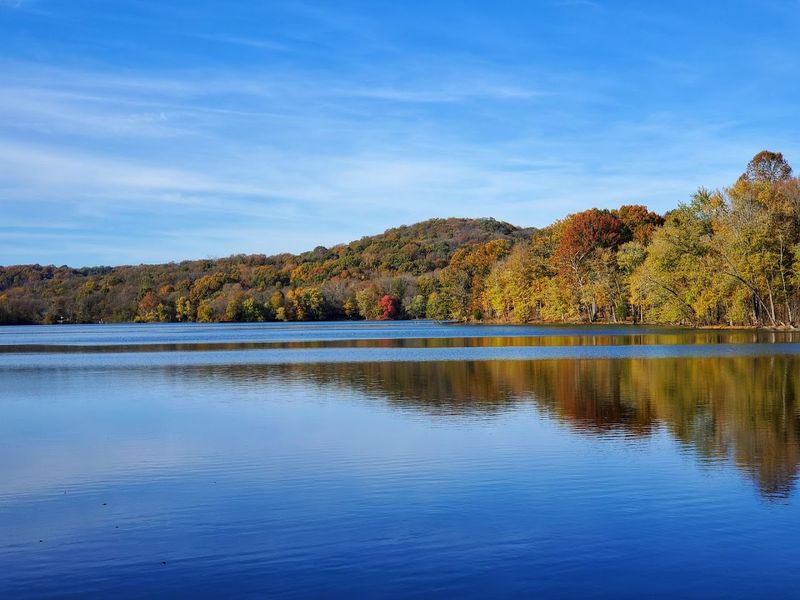
Autumn at Radnor Lake is the kind of seasonal change that makes people rearrange their schedules. The hardwood forest that surrounds the lake shifts gradually from green to a layered mix of amber, rust, crimson, and gold across October and into November.
The reflection of those colors on the lake’s surface doubles the visual impact in a way that photographs rarely capture fully.
Visitors who have come in multiple seasons consistently describe fall as their preferred time. The cooler temperatures make longer hikes more comfortable, and the lower sun angle creates warm, directional light that photographers actively seek out.
Trail traffic remains high during peak color weeks, so early morning visits are strongly recommended.
The paved lake trail and boardwalk offer the most direct views of fall color reflected on water, while the ridge trails provide elevated perspectives across the canopy. Both experiences are worth pursuing if time allows.
The park operates from 6 AM to 6 PM every day of the week, so there is a reasonable window to catch golden hour light before closing. Fall is also an excellent season for bald eagle sightings, which adds another layer of interest to an already rewarding visit.
Parking Realities And How To Navigate Them
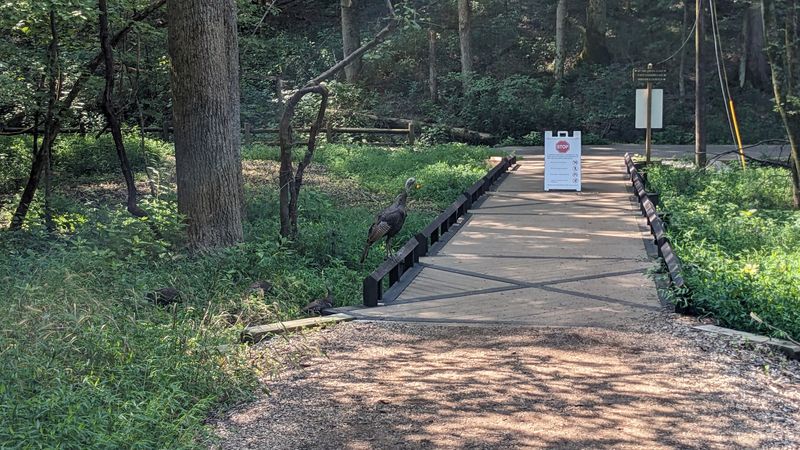
Parking at Radnor Lake is the one friction point that nearly every visitor mentions, and it is worth understanding before you arrive. The park has two primary lots, a west lot and a smaller additional area, and both fill quickly on weekends and holidays.
Arriving after 9 AM on a Saturday is genuinely risky if you are counting on a spot.
Weekday visits during mid-morning hours tend to offer more breathing room, and the experience feels noticeably quieter overall. One practical suggestion that has circulated among regular visitors is to use a rideshare service if you live within reasonable distance.
It eliminates the parking stress entirely and lets you focus on the trail rather than watching the clock for when a spot might open.
If you do drive, plan to arrive at or before 8 AM on weekends. The park opens at 6 AM daily, and early arrivals are often rewarded with near-empty trails and the best wildlife activity of the day.
Animals tend to be most active in the early hours, so the early visit pays off in more ways than one. Patience is the other ingredient.
Spots do open up as visitors complete shorter loops and return to their cars.
The South Cove Trail And Its Quieter Character
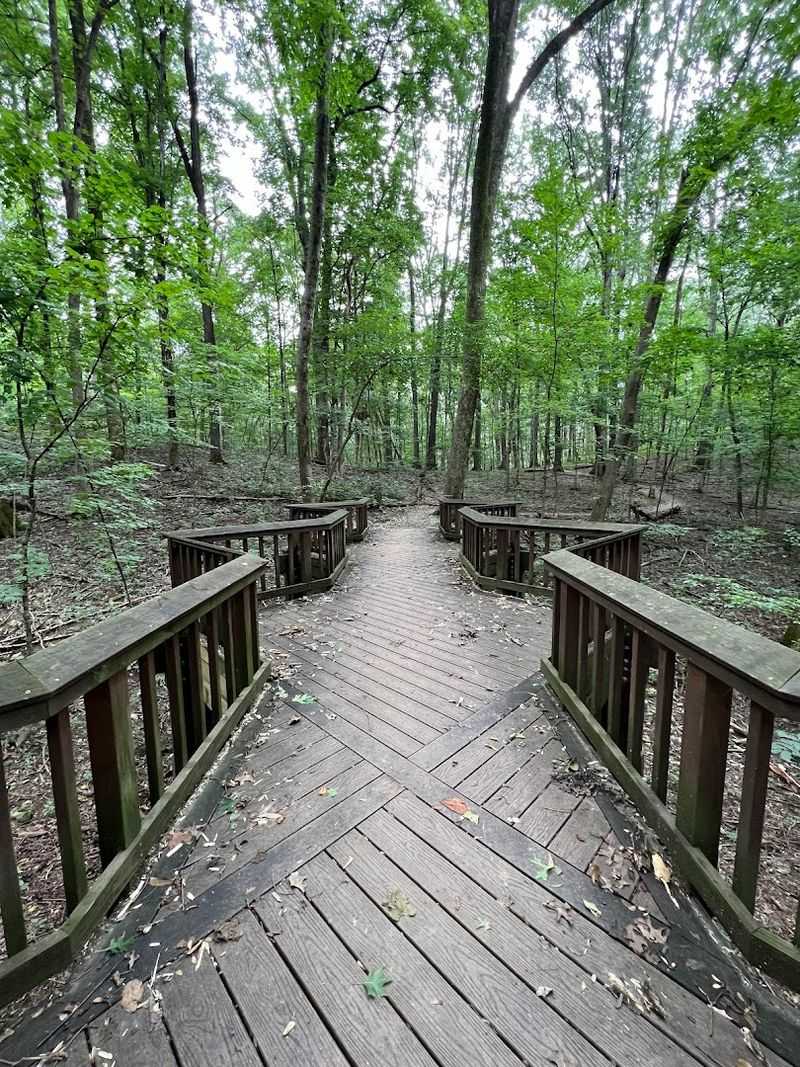
South Cove Trail carries a different atmosphere than the main lake loop. It is quieter, less trafficked, and runs through a section of the park that feels more genuinely removed from the surrounding city.
The trail winds through mature forest, crosses small terrain variations, and connects to other routes that allow for extended outings.
Hikers who combine South Cove with Garnier Ridge and the lake loop can log a full nine miles within the park boundaries, which is a substantial day by any measure. The South Cove section itself contributes meaningful mileage and elevation change to that combination, making it the part of the route where the legs start to notice the effort.
The forest along South Cove is dense and well-canopied, which means it stays relatively cool even during summer months. Wildlife is present here as well, though sightings tend to be more incidental than the reliable encounters along the lake edge.
Deer, woodpeckers, and various songbirds appear regularly. The trail surface is natural, unpaved, and requires appropriate footwear.
For visitors seeking a less social experience in the park, South Cove delivers a more solitary and contemplative version of what Radnor Lake has to offer.
A Free Park In The Heart Of Nashville’s Residential South
One of the more remarkable facts about Radnor Lake State Park is that it exists at all. The 1,368-acre park sits within one of Nashville’s most densely developed residential corridors, bordered by neighborhoods and commercial areas on nearly every side.
The fact that this land was preserved rather than developed represents a meaningful civic decision that continues to benefit the city decades later.
Admission is completely free, which makes the park accessible to everyone regardless of budget. There are no day-use fees, no trail passes, and no reservation systems required for general access.
You show up, find a parking spot, and walk. That simplicity is part of why the park draws such a broad cross-section of Nashville residents and visitors.
The address places the park just minutes from the Green Hills area, making it reachable from most parts of the city without a long drive. Regular visitors describe it as the kind of place that becomes part of a weekly routine rather than an occasional destination.
The park holds a 4.7-star rating across nearly 4,000 reviews, which reflects not novelty but sustained, repeated satisfaction from people who return again and again.
What To Bring And How To Make The Most Of Your Visit
A visit to Radnor Lake does not require much preparation, but a few simple choices will noticeably improve the experience. Comfortable walking shoes or light hiking boots work well for the natural surface trails, while the paved lake trail is manageable in almost any footwear.
Water is essential, especially from late spring through early fall when temperatures climb and humidity adds weight to the air.
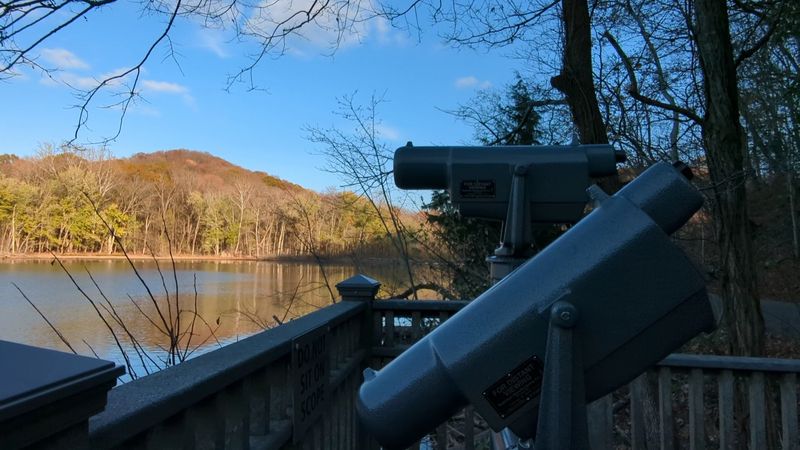
Binoculars are worth packing if you have them. The wildlife here is abundant and often close, but a pair of binoculars lets you observe without disturbing.
A small field guide to birds or a phone-based identification app adds another layer of engagement, particularly for families with curious children who want to name what they are seeing.
Dogs are welcome on the paved Otter Creek Road trail only, so plan accordingly if you are bringing a pet. Jogging is restricted on some trails, so check current rules at the visitor center before you head out.
The park closes at 6 PM every day, so afternoon visitors should keep an eye on the time. Picking up a printed map at the visitor center is a reliable habit, as cell service can be inconsistent in the deeper sections of the park’s trail network.