
These Are The Best Places In New York Where You Can Find Agates, Crystals, And Hidden Gems
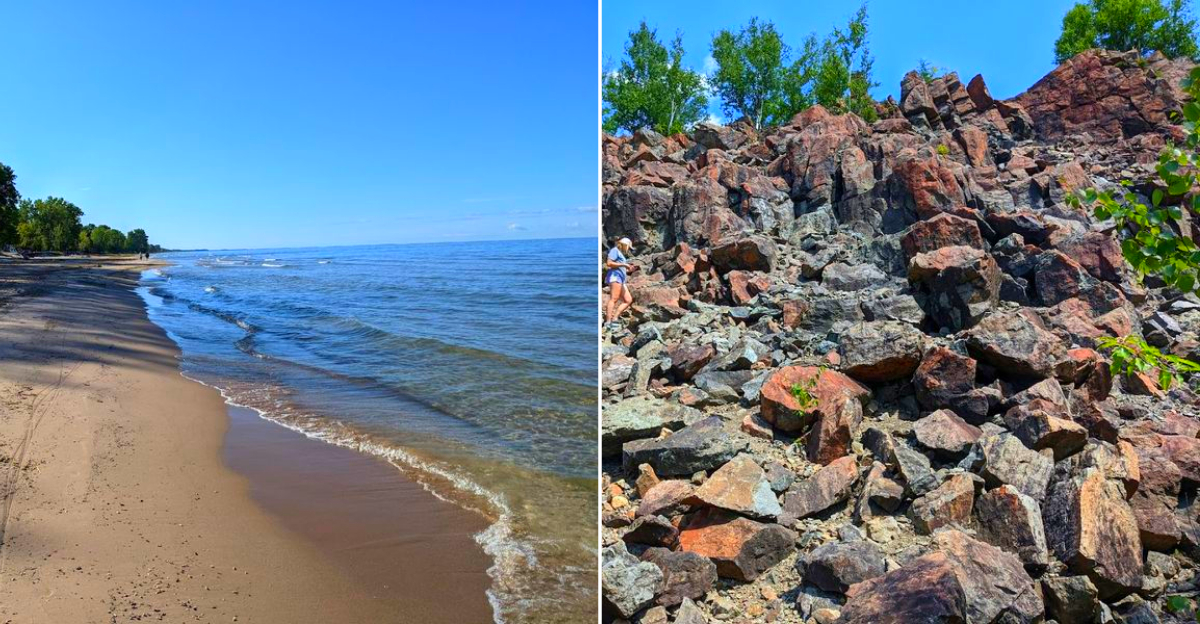
The ground doesn’t look like much at first. Then something catches the light, and suddenly you’re on your hands and knees like you’re searching for a lost earring on the subway floor.
Only this time, you actually find something worth keeping. New York is quietly one of the best rockhounding states in the country, and most people have absolutely no idea.
You can find genuine garnets, agates, and quartz crystals across the state if you know where to point your boots. The experience is simple but surprisingly gripping.
You search, you sift, you tell yourself you’ll leave in ten minutes, and then two hours disappear without a trace. A quick heads-up before you pack the car.
Always check local rules and site policies, because collecting is only permitted in certain areas and some spots require permits or fees. All information here is provided for general interest.
Availability, access, and regulations may change, so verify before you go.
1. Crystal Grove Diamond Mine
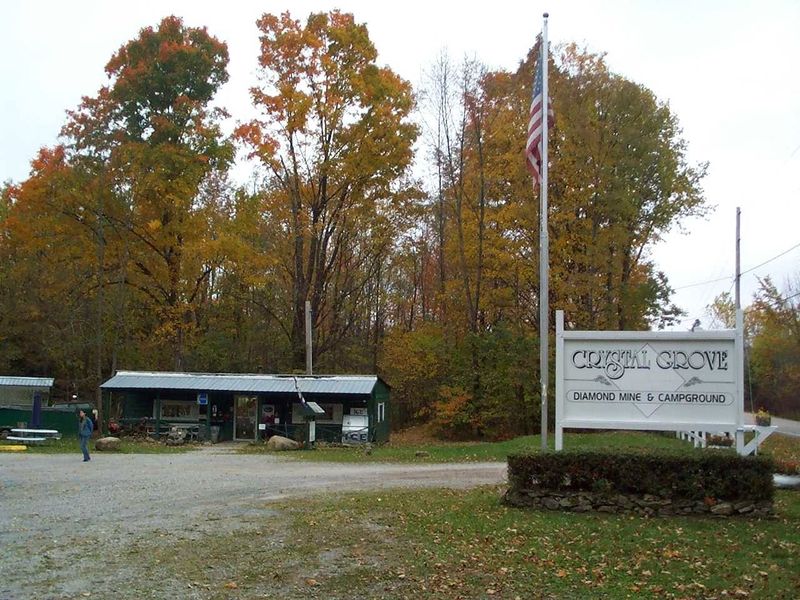
Few places in New York deliver the full experience quite like Crystal Grove Diamond Mine. Sitting at 161 County Highway 114 in St. Johnsville, Montgomery County, the site draws visitors from across the Northeast every single season and earns every ounce of that reputation.
What sets Crystal Grove apart is the range of ways you can dig. Hard-rock mining lets you crack open dolostone with a hammer and chisel like you mean business.
Sluicing lets water do the heavy lifting, washing away sediment to reveal crystals that have been waiting patiently for exactly this moment. Both methods work, and both are genuinely fun.
The family setup here is as good as it gets. Younger kids can sluice without breaking a sweat while adults get a proper workout splitting solid rock.
Everyone walks away with something and that is a rare thing to pull off.
A campground sits on the property, which means you can set up a tent and dig for multiple days straight. Bring sunscreen, a serious appetite for discovery, and the honest understanding that one afternoon here will never feel like enough.
Admission is charged per person and tool rentals are available on site. The season runs late spring through early fall, but always confirm current hours and pricing before heading out.
2. Garnet Mine Tours
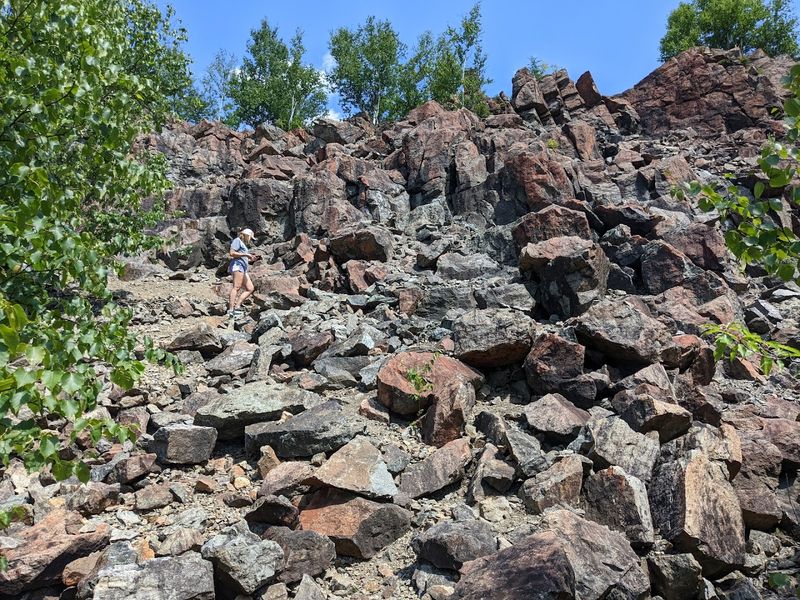
Some places earn their legends honestly, and the Barton Garnet Mine at North Creek is exactly that kind of place. Located near 1119 Barton Mines Road in North Creek, the mine sits deep in the Adirondack Mountains and has been producing almandine garnets since the Barton family first started operations back in 1878.
That is not a fun fact, that is a whole legacy.
The garnets found here are extraordinary in scale. Several specimens pulled from this site rank among the largest garnet crystals ever recorded anywhere in the world.
That is the geology of the Adirondacks doing what it has always done, quietly outdoing every expectation.
Guided tours run seasonally during summer and walk you through an open-pit mine while knowledgeable guides explain the formation history and the story of the site. You can collect garnet specimens from the mine dumps, which are piles of already-excavated rock that still hold impressive material.
Think of it as the mine’s gift shop, except everything is buried and you have to find it yourself.
Reservations are strongly recommended since tour slots fill up fast in peak season. Check the Barton Mines website for current schedules, pricing, and access policies before you go.
Wear sturdy footwear because the terrain is uneven throughout the mine property, and stay within designated collecting areas at all times.
3. Mohawk Valley Mineral Mining
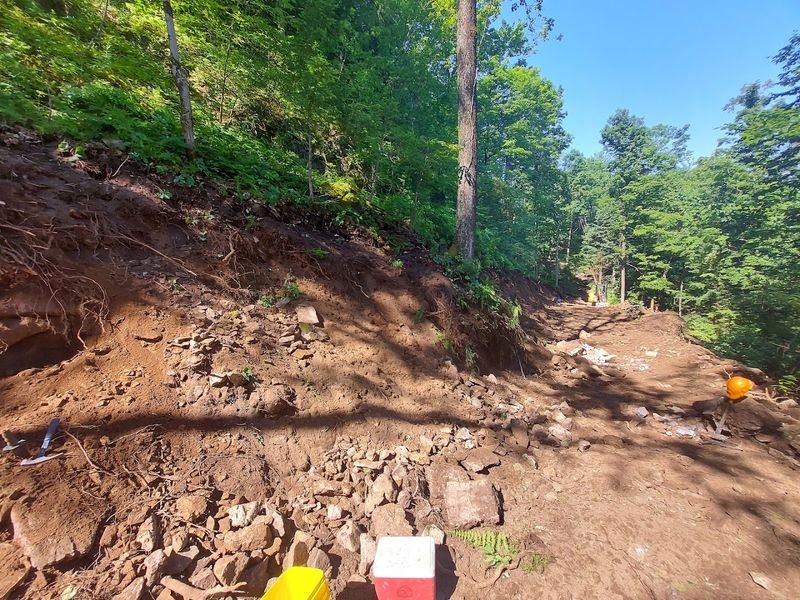
Geography does a lot of talking in central New York, and the Mohawk Valley has one of the loudest geological voices in the state. Mohawk Valley Mineral Mining, situated in the broader Herkimer County region, draws collectors who appreciate a mineral haul with real variety and real depth.
Beyond Herkimer diamonds, the local geology has a habit of producing pleasant surprises for anyone willing to put in the work. Splitting rock out here carries more history than most people realize.
Indigenous peoples recognized the value of these crystals long before European settlers arrived, and the Mohawk Nation’s connection to this land adds a layer of meaning that changes how a good find feels in your hand.
The site demands some physical effort. Splitting rock is not a passive activity, but the payoff is immediate and completely satisfying.
Finding your first Herkimer diamond in the Mohawk Valley is the kind of moment you feel in your chest before you feel it in your hand.
Contact the site directly before visiting to confirm operating hours, admission costs, and tool rental availability. Smaller operations like this one can shift policies between seasons, so a quick call beats a wasted drive.
Eye protection is mandatory when hammering rock, and you should follow all posted collecting guidelines carefully.
4. Genesee River
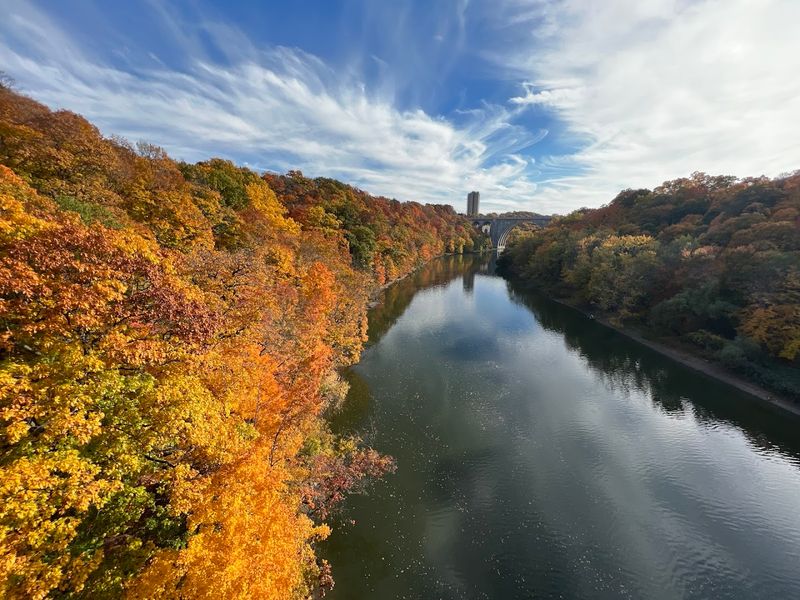
No ticket booth, no admission fee, no guided tour. The Genesee River cuts through western New York with quiet authority, and along its banks near Rochester, patient rockhounds find some of the most satisfying agate hunting in the state.
You just show up, walk the gravel bars, and start paying attention.
The real action happens near where the river meets Lake Ontario. Over centuries, the current tumbles stones smooth and deposits them in shifting gravel beds that refresh with every flood and every season.
What turns up covers the full agate range, moss agates with their fern-like interior patterns, jasper agates in warm reds and yellows, and occasionally something that looks like it hitched a ride down from Lake Superior.
Agates reveal themselves best when wet, so hunting after rain or right at the waterline is a consistently reliable approach. No tools are required beyond attentive eyes and genuine patience.
Waterproof boots are worth wearing since the best stretches of gravel often require wading to reach.
Spring brings fresh deposits stirred up by snowmelt while fall lowers the water level and exposes more riverbed. Both seasons are excellent and both offer something slightly different to the careful observer.
5. Lake Ontario Shoreline
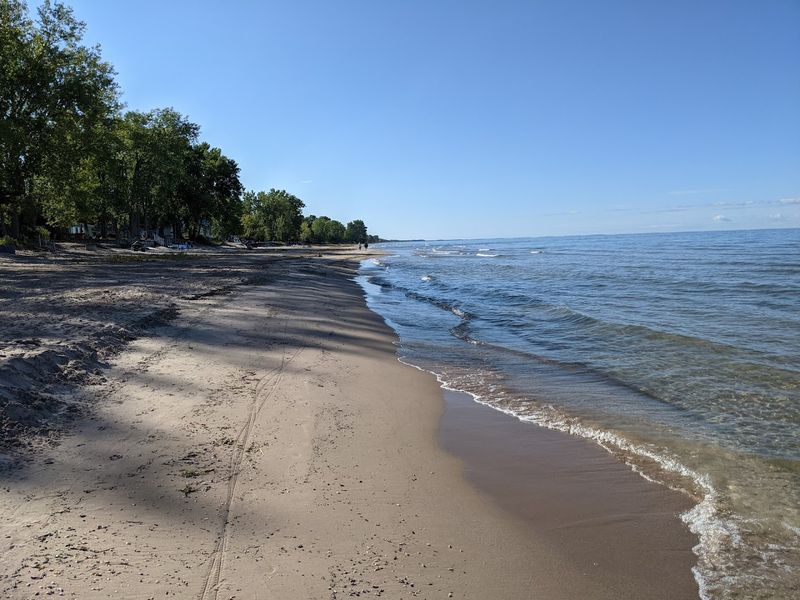
Walking the eastern shores of Lake Ontario in Orleans County with your eyes fixed on the ground is one of those activities that sounds odd until you try it and then you cannot stop. The lake has been cycling stones through its waters for thousands of years, depositing them in arrangements that shift constantly with weather and season.
Among those ordinary-looking stones are some of the most colorful agates in New York.
Lake Ontario agates punch above their weight when it comes to color. Red, yellow, blue, and green specimens have all been found along this shoreline, and the banding patterns here tend to be more intricate than what you typically find further south at Lake Erie.
Picking up a freshly wave-washed stone and watching those translucent layers catch the light is one of rockhounding’s genuinely great small moments.
Fair Haven State Park makes an excellent base for an agate day. The beach is accessible and well-maintained, the surroundings are beautiful, and the walk along the shoreline can stretch as long as you want it to.
Early morning is the best time to go since low-angle light makes stones pop against the gravel in a way that midday light simply does not.
One caveat worth taking seriously: collecting regulations vary along Lake Ontario’s shoreline and certain areas prohibit removing rocks entirely. Research the specific stretch you plan to visit before your pockets get too full.
6. Lake Erie / Eighteenmile Creek
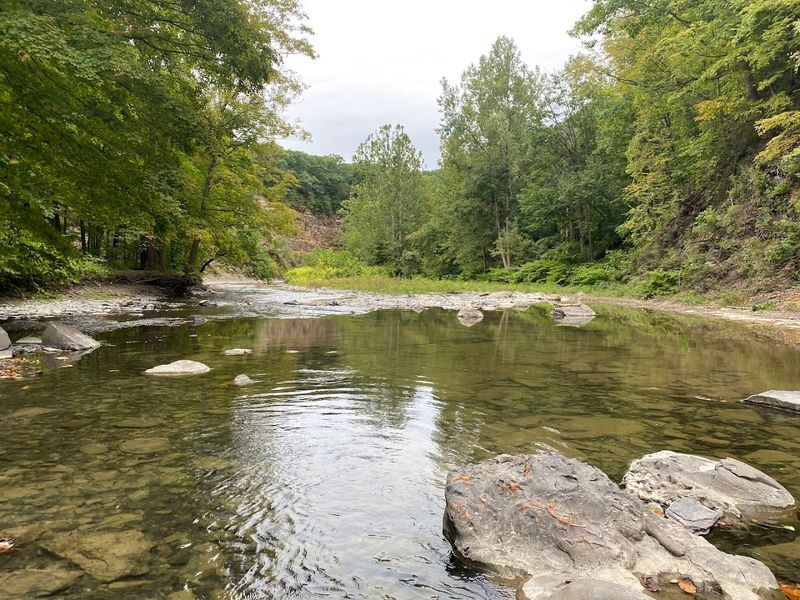
Mention Eighteenmile Creek to a western New York rockhound and watch the reaction. The creek-cut state park a few miles south of Lake Erie has built a genuine reputation among collectors, not through marketing but through results.
The hunting here is unhurried, outdoor, and consistently productive, which is a combination that speaks for itself.
The creek is the main event. Its banks expose sedimentary layers that have been slowly releasing fossils, agates, fluorite, and labradorite to anyone willing to walk slowly and look with intention.
The water erodes the softer rock and leaves the harder minerals in the gravel bars, effectively sorting the interesting material right to the surface for you.
Agates at Eighteenmile tend toward earthy tones, browns, grays, and creams with white banding, but the variation is real and finding a well-patterned specimen in the streambed is a legitimate thrill. Fossils are arguably even more abundant here, so a day without a crystal is still almost certainly a day with something worth keeping.
The state park setting keeps the area accessible and maintained, which makes it a solid option for families who want a proper outdoor day without extreme terrain. Water shoes or waterproof boots are essential because the best gravel bars require crossing shallow stretches to reach them.
7. Hudson River Banks (Kingston, Newburgh, Poughkeepsie)
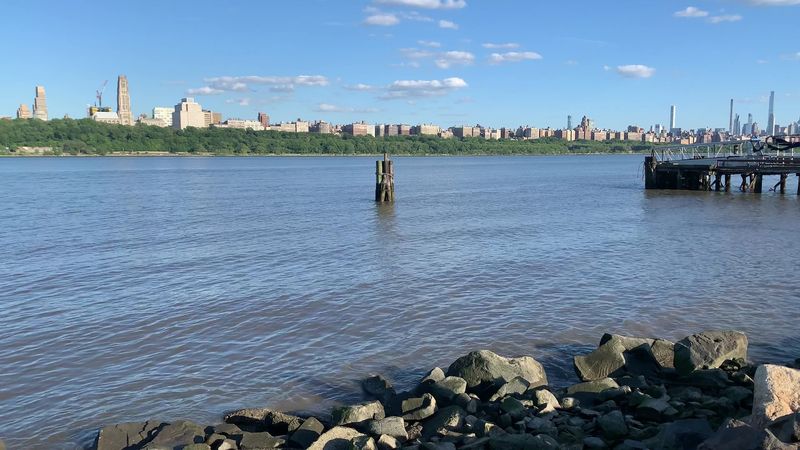
History runs deep in the Hudson River Valley, and so does the geology. The banks near Kingston, Newburgh, and Poughkeepsie have drawn enough consistent attention from collectors that the Hudson has quietly built a reputation as a genuinely worthwhile agate hunting destination, one that most visitors drive straight past without a second look.
The Hudson’s geological variety is its strongest argument. The river passes through dramatically different rock formations on its way south, picking up and depositing minerals as it goes.
Exposed sedimentary layers near the banks hold agate pockets, and the mix of glacial debris and river-worn gravel means the surface material is always worth a careful scan.
Hunting the Hudson takes a bit more navigation than open beach or upstate streambed spots. Access points vary, private land lines much of the riverbank, and knowing exactly where you are permitted to be matters.
Public boat launches, state parks, and designated access areas along the Hudson give you legitimate entry points with no complications.
The Hudson Valley in autumn is one of the genuinely great landscape experiences in the northeastern United States, and combining a riverside walk with some casual agate hunting makes for an afternoon that is hard to improve on. Wet stones show their truest colors, so scan close to the waterline and bring a small spray bottle to reveal the internal patterns of anything that catches your eye before it earns a spot in your bag.
8. Herkimer Diamond Mines
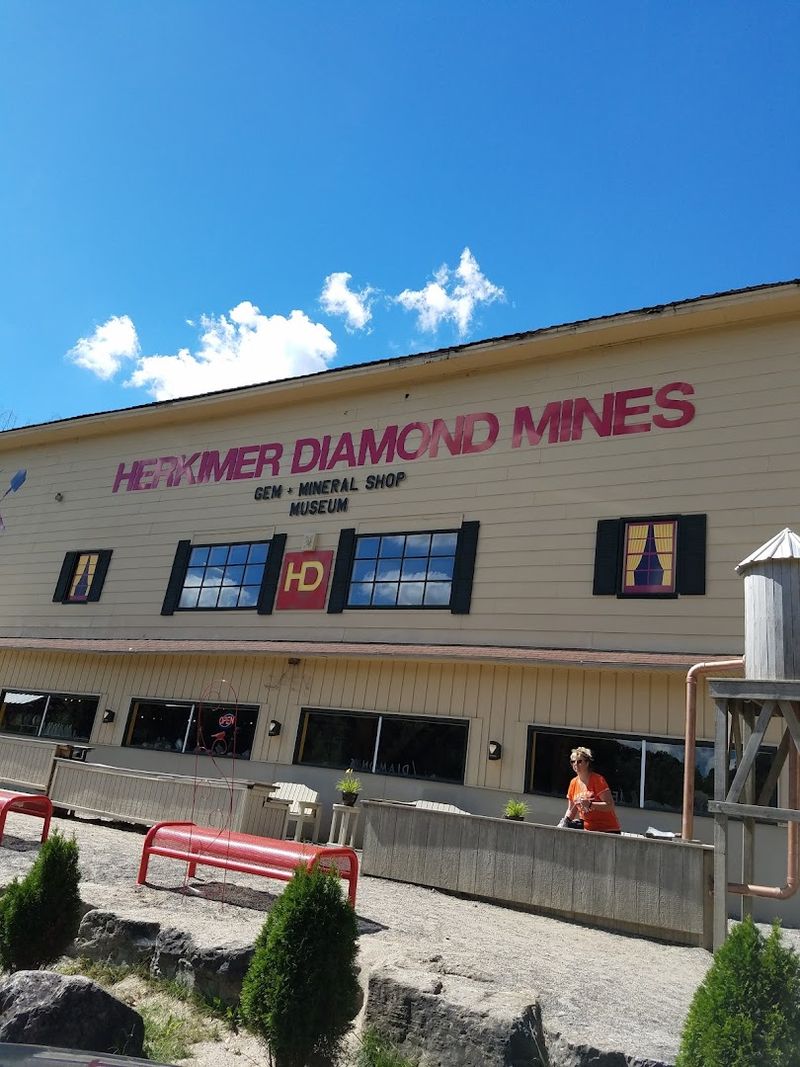
Every serious rockhound in New York eventually ends up at Herkimer Diamond Mines in Middleville, and the place earns that pilgrimage completely. Located at 4601 NY-28, the site sits on ancient dolostone that formed over 500 million years ago, and the crystals waiting inside that rock are genuinely extraordinary.
Herkimer diamonds are not diamonds. They are double-terminated quartz crystals with natural points on both ends, which is rare in the crystal world, and some specimens are so clear they genuinely sparkle like cut gemstones.
The name is misleading but the beauty is entirely accurate.
Tool rentals are available right on site, so showing up without a full excavation kit is no obstacle. Hammers, chisels, and safety goggles are all provided, which makes the experience accessible for first-timers who have never split a rock in their lives.
The staff knows the site well and will point you toward productive areas.
The mine runs seasonally from around mid-April through October, and campground options are available on the property if you want to make a full weekend out of it. Admission fees apply per person.
Closed-toe shoes are required and collecting limits may apply, so check the official website for current rules before you arrive. Kids love it here, and it remains one of the few genuinely age-neutral outdoor activities the state has to offer.
9. Canadice Lake
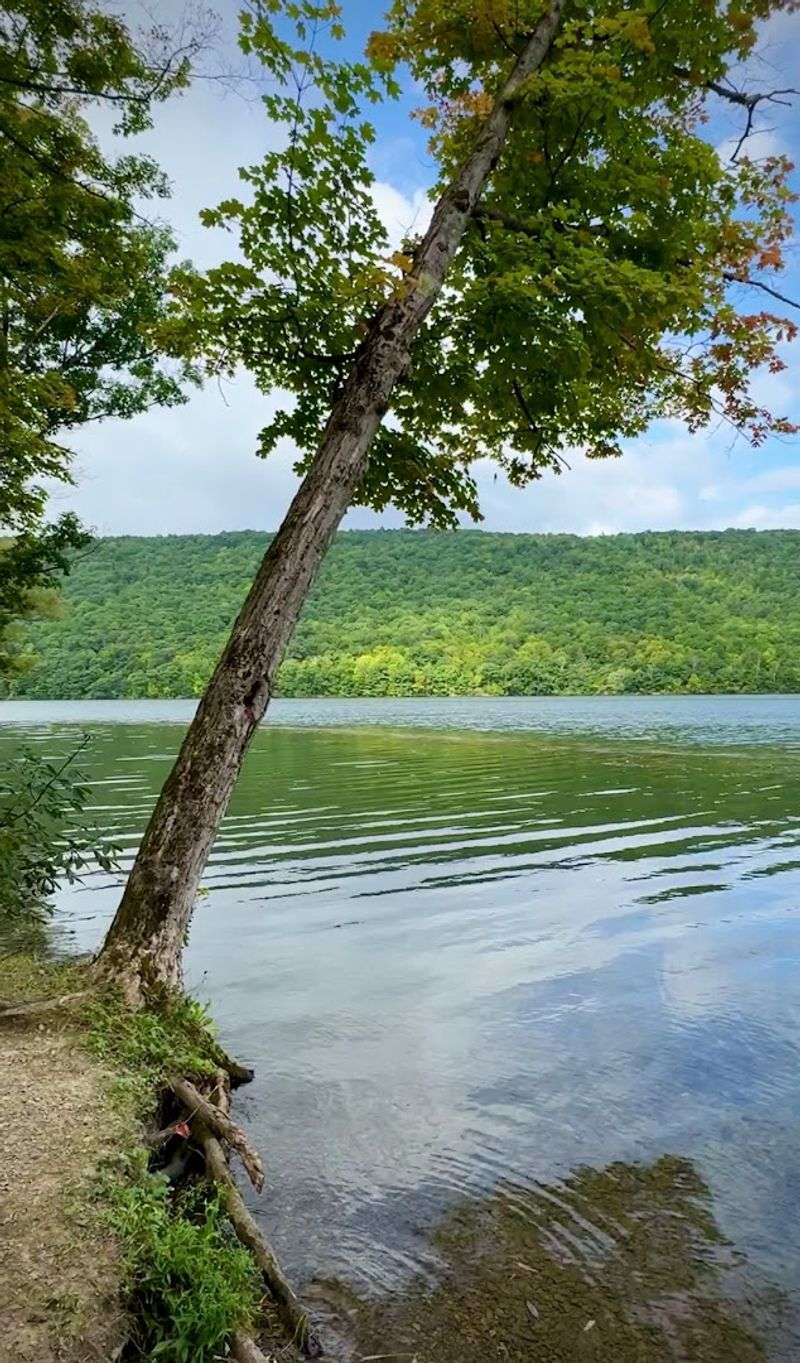
Nobody talks about Canadice Lake and that is exactly the point. The smallest and least visited of the Finger Lakes, it sits in Livingston County with almost no commercial development on its shores, protected as part of the Hemlock-Canadice State Forest while its flashier neighbors to the east deal with the boat traffic and the summer crowds.
That protection is genuinely good news for collectors. The shoreline has not been picked over the way more accessible spots tend to be, and the terrain still feels wild in a way that is increasingly hard to find anywhere in the state.
The eastern shore draws rockhounds after labradorite and pyrite, two minerals with completely different personalities.
Patient lakeshore walking is the move here. The shoreline at Canadice is narrower and more wooded than the broad beaches of Lake Ontario or the open gravel bars further west, so the hunting is slower and more deliberate.
You are not covering ground quickly. You are covering it carefully.
The atmosphere more than compensates. Early autumn on a quiet weekday, with the hardwood forest turning color around you and practically nobody else in sight, is the kind of upstate New York experience that feels genuinely earned.
Before you go, check the current access and collecting rules for Hemlock-Canadice State Forest, since regulations on state forest land can be more specific than you might expect.