
This Tiny Tennessee Town Has The Charm Of A European Village
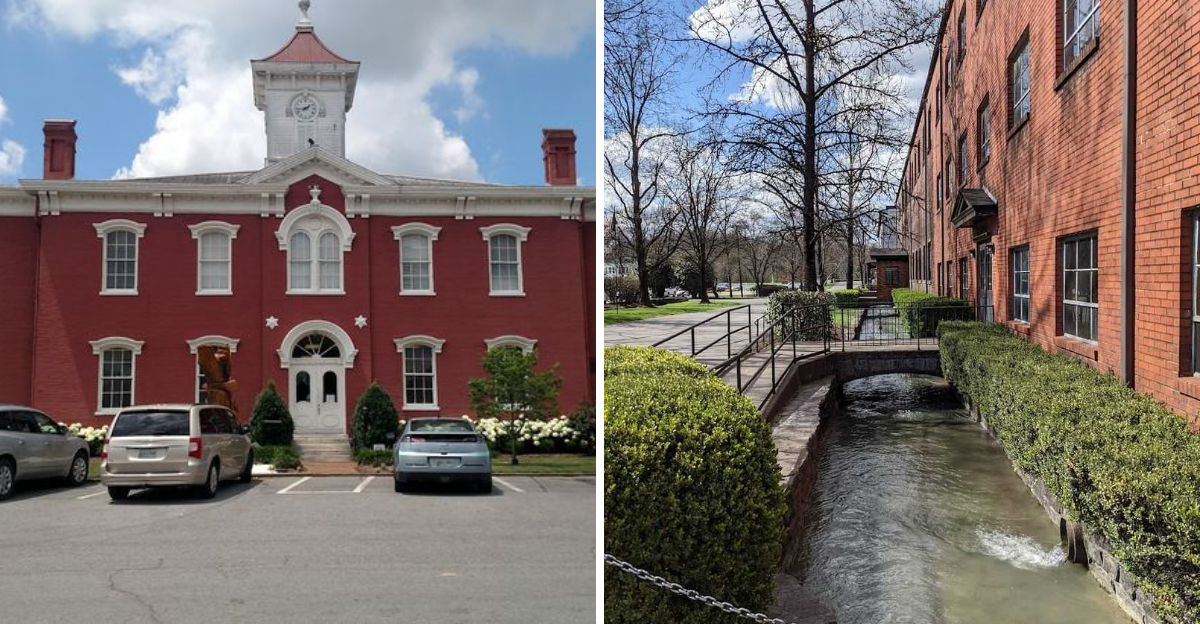
You do not need a passport for this one. Somewhere in the rolling hills of middle Tennessee, there is a small town that captures visitors’ attention the moment they see it.
Brick streets. A stunning courthouse square.
Storefronts that look like they belong somewhere along the French or Italian countryside. The pace is slow, the people are warm, and the whole place carries an elegance that feels almost too good for a town this size. pend an afternoon here, and you might forget where you are for a moment – in the best possible way.
The Historic Town Square That Feels Frozen In Time
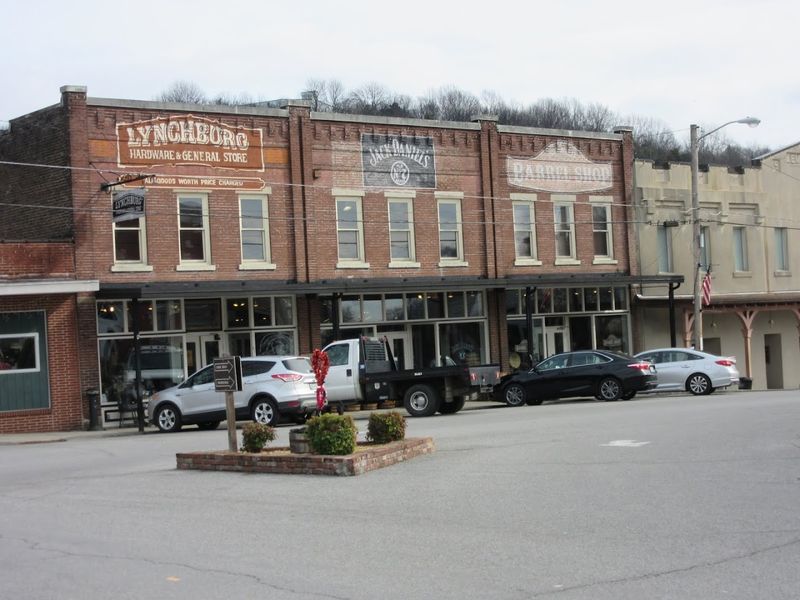
The town square anchors everything here, both physically and emotionally, radiating a calm that most American towns have long since traded away for strip malls and chain restaurants.
The 1885 Moore County Courthouse stands at the heart of it all, its Italianate architecture still commanding attention after nearly a hundred and forty years. The surrounding buildings are original historic brick structures with white trim storefronts that have changed very little over the decades.
That consistency is not accidental. The community has made a deliberate choice to preserve rather than renovate for convenience.
Visitors frequently remark that the square reminds them of small market towns in France or northern Italy, where the central plaza serves as both meeting point and daily ritual. This town delivers something similar without the transatlantic airfare.
The square sits at the heart of downtown and remains fully walkable from most local accommodations. Spend a morning here, and the outside world starts to feel genuinely optional.
Moore County Courthouse And Its Architectural Story
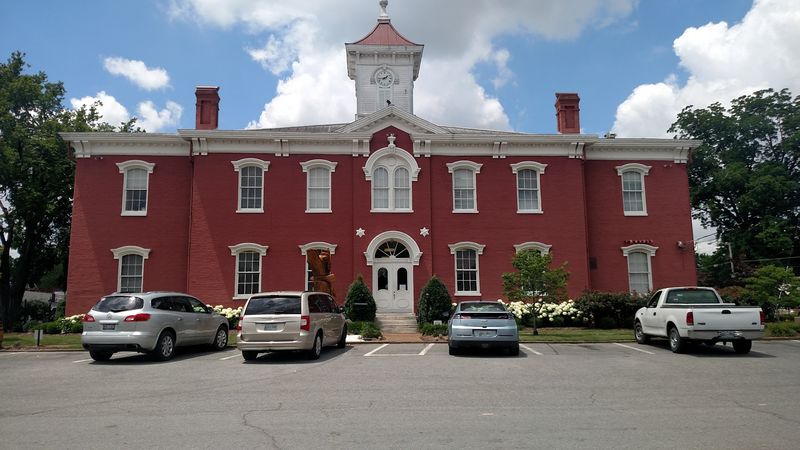
Built in 1885, the Moore County Courthouse is the kind of building that makes architecture students stop mid-sentence. Its Italianate design brings a European sensibility to the Tennessee hills, with arched windows, decorative cornices, and a brick exterior that has aged into something approaching perfection.
Very few courthouses of this era survive in such original condition.
Moore County itself is one of the smallest counties in Tennessee, covering just over 129 square miles, which makes the courthouse feel proportionally grand. The building has witnessed more than a century of local governance, community gatherings, and ordinary Tuesday mornings that quietly accumulated into history.
That weight is visible in the stonework.
Architectural historians classify the courthouse as a notable example of rural Southern civic design from the post-Civil War period. The style reflects both the ambitions of a recovering agricultural community and the craftsmen who built with care rather than speed.
For visitors exploring the Lynchburg Historic District, the courthouse serves as the natural starting point. It anchors the square at the center of town and tells you everything you need to know about what this community values most: continuity, craftsmanship, and a certain unhurried dignity.
Jack Daniel’s Distillery And Its Village-Like Grounds
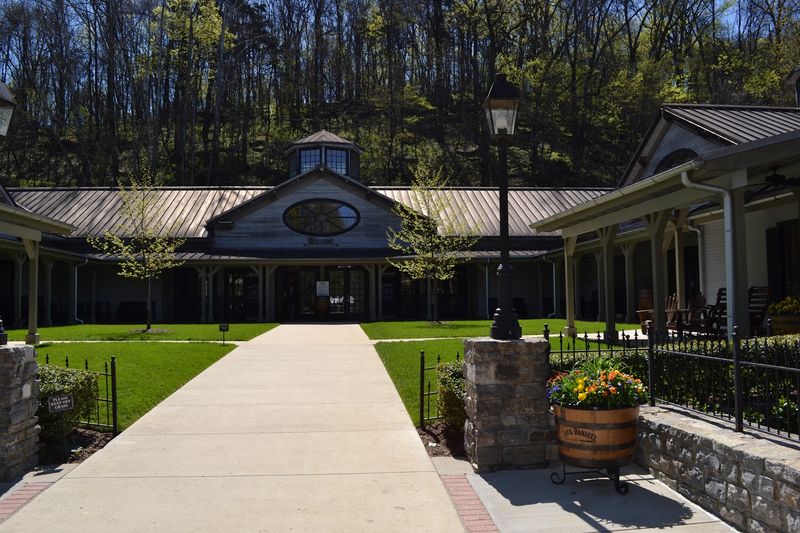
The oldest registered distillery in the United States sits just outside the Lynchburg town square, and its grounds read more like a well-maintained hamlet than an industrial operation. Stone buildings, iron gates, mature hardwood trees, and a natural limestone cave spring create an atmosphere that genuinely surprises first-time visitors expecting something more commercial.
Jasper Newton Daniel registered his distillery in 1866, making it a fixture of this landscape for well over a century and a half. The cave spring, which provides the iron-free water essential to the whiskey-making process, adds a geological dimension to the tour that few distilleries anywhere in the world can match.
Water emerging at a constant 56 degrees Fahrenheit, year-round, is not a marketing detail. It is a genuine natural phenomenon.
Here is the local paradox that visitors find endlessly amusing: Moore County has been a dry county since 1909, yet the distillery operates legally within its boundaries, offering tastings and bottle sales on the premises. You can purchase Jack Daniel’s whiskey at the distillery itself but not at the grocery store down the road.
The distillery is located at 182 Lynchburg Highway, Lynchburg, Tennessee, and tours run throughout the week.
The Lynchburg Historic District And Its Preserved Architecture
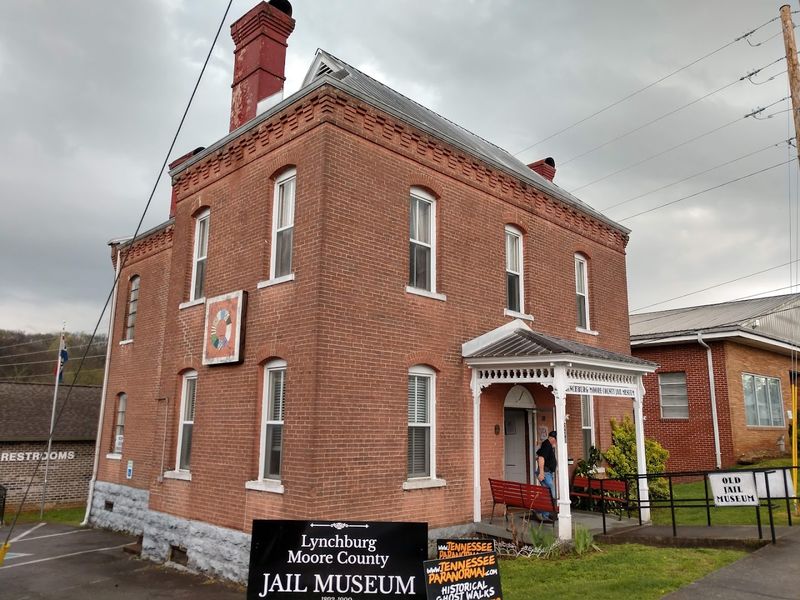
Few towns of Lynchburg’s size can claim a historic district listed on the National Register of Historic Places, but the designation here feels entirely earned. The district showcases architectural styles spanning the mid-to-late nineteenth century and early-to-mid twentieth century, presenting a visual timeline of how a small Southern agricultural community grew, adapted, and ultimately endured.
Greek Revival, Italianate, and Folk Victorian structures appear throughout the district, each reflecting a different moment in the town’s development. The Folk Victorian buildings in particular carry a domestic warmth that larger historic districts often lack.
These were homes and businesses built by people with practical intentions and modest means, and their unpretentious character gives the streetscape an authenticity that restoration projects frequently struggle to replicate.
Walking through the district offers a genuinely educational experience without requiring a guidebook. The architectural variety tells its own story about post-Civil War recovery, rural prosperity, and the particular aesthetic sensibilities of craftsmen working in southern Tennessee during that period.
The Old Jail Museum, built in 1893, adds a compelling footnote to the architectural narrative. It now serves as a local history museum, preserving records and artifacts from Moore County’s past with the kind of careful attention that small-town historical societies do remarkably well.
Miss Mary Bobo’s Boarding House And Southern Cuisine
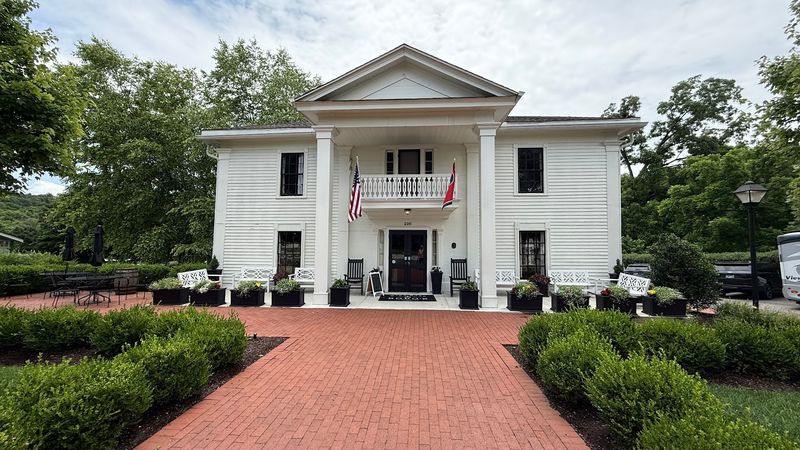
Since 1867, Miss Mary Bobo’s Boarding House has been feeding people with the kind of commitment to Southern cooking that inspires genuine loyalty. The building itself predates the end of Reconstruction, which means it has served more generations of diners than most restaurants ever get the chance to imagine.
That history flavors every meal served here.
The format is deliberately communal. Guests sit together at long tables, family-style, and dishes are passed around with the casual generosity of a Sunday dinner at someone’s grandmother’s house.
The menu rotates, but expect fried chicken, slow-cooked vegetables, cornbread, and desserts that demonstrate a firm philosophical commitment to butter. This is not cuisine designed for restraint.
Mary Bobo herself ran the boarding house for decades, becoming something of a local institution before her passing in 1983 at the age of 101. The operation has continued in her spirit, maintaining the tradition of hospitality that made the place legendary far beyond Moore County.
Reservations are strongly recommended, as seating fills quickly, particularly during peak tourist seasons. Miss Mary Bobo’s Boarding House is located at 295 Main Street, Lynchburg, Tennessee, and lunch seatings are offered on weekdays.
It is one of those meals that people describe for years afterward.
The Walkable Downtown That Rewards Slow Exploration
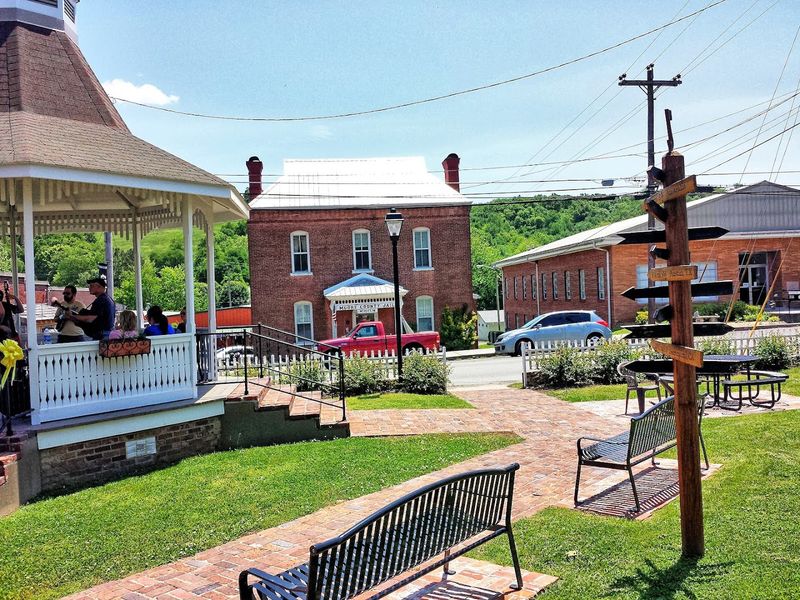
Lynchburg operates at a scale that feels almost deliberately human. Every major attraction, shop, and restaurant in the downtown area sits within easy walking distance of the town square, creating a pedestrian experience that larger cities spend enormous resources trying to engineer.
Here, it simply exists as a function of the town’s natural size and layout.
Slow walking is actually the correct speed for this place. The details reveal themselves gradually: a hand-painted sign above a hardware store, a window display that has not changed in twenty years, the particular way afternoon light falls across old brick on a clear October day.
Rushing through Lynchburg would be a genuine waste of the experience.
The walkability also encourages spontaneous discovery. You might pass a candy shop and find yourself inside for forty minutes longer than planned.
You might stop to read a historical marker and end up in a conversation with a local who knows every story attached to every building on the block. That kind of encounter is increasingly rare in modern travel, and Lynchburg offers it without fanfare or orchestration.
The town simply invites attention, and the attention is always rewarded with something worth remembering long after the trip has ended.
Unique Local Shops Around The Town Square
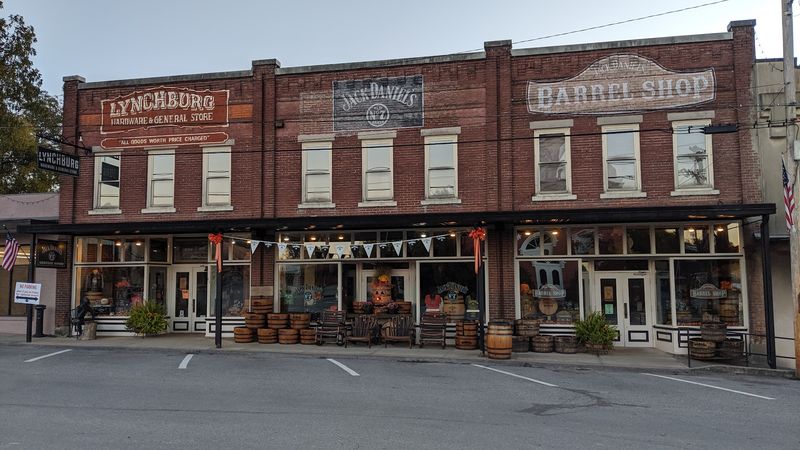
The shops surrounding Lynchburg’s town square operate with a refreshing independence from the homogenized retail landscape found almost everywhere else in America. These are businesses with personality, stocked with things you did not know you wanted until you saw them displayed in a century-old storefront with creaking floorboards and actual customer service.
The Lynchburg Hardware and General Store is perhaps the most distinctive stop on the square. Since the distillery itself does not sell Jack Daniel’s merchandise directly on its grounds, this shop has become the primary source for an extraordinary range of whiskey-related memorabilia, collectibles, and branded goods.
The selection is genuinely impressive and draws collectors from considerable distances.
The Lynchburg Cake and Candy Company offers handmade confections that reflect the same slow, deliberate approach the town applies to most things. And the MoonPie General Store celebrates a regional snack food with the kind of earnest enthusiasm that turns a simple chocolate-covered marshmallow treat into a cultural artifact.
Shopping in Lynchburg is not a transaction. It is a conversation, a small education in local character, and occasionally the beginning of a tradition.
Visitors routinely return each year specifically to revisit these shops, which says more about their quality than any review could.
The Rolling Hills And Scenic Countryside Setting
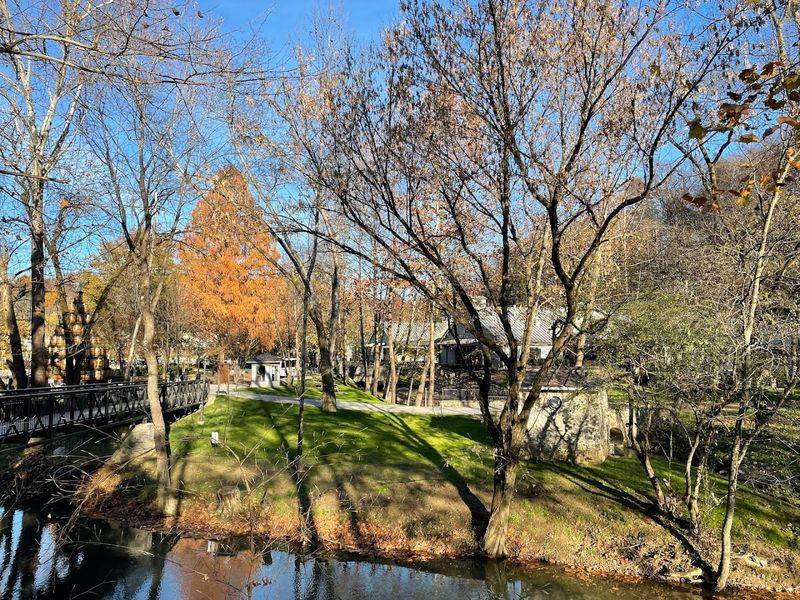
The landscape surrounding Lynchburg belongs to the kind of countryside that painters return to repeatedly without ever fully resolving. South-central Tennessee rolls in long, unhurried waves of green, broken by clear streams, old fence lines, and the occasional red barn standing at a slight angle to the horizon.
The scenery is not dramatic in the way that mountain ranges are dramatic. It is something quieter and more persistent.
This pastoral setting contributes directly to the European village feeling that many visitors describe upon arriving. The combination of historic architecture, a central square, and surrounding agricultural land mirrors the geography of small towns in Burgundy or the English Midlands more closely than most American destinations manage.
Geography and history have conspired here to produce something genuinely distinctive.
The countryside also rewards those who venture beyond the town center. Country roads around Lynchburg pass through farmland, cross small bridges over clear creeks, and occasionally open onto views that stop conversation entirely.
The terrain is gentle enough for cycling and varied enough to maintain interest over longer distances. Autumn is particularly rewarding, when the hardwood forests surrounding the town turn through their full range of color with the methodical intensity that the Tennessee hills do better than almost anywhere in the eastern United States.
The Small-Town Pace And Atmosphere That Defines Lynchburg
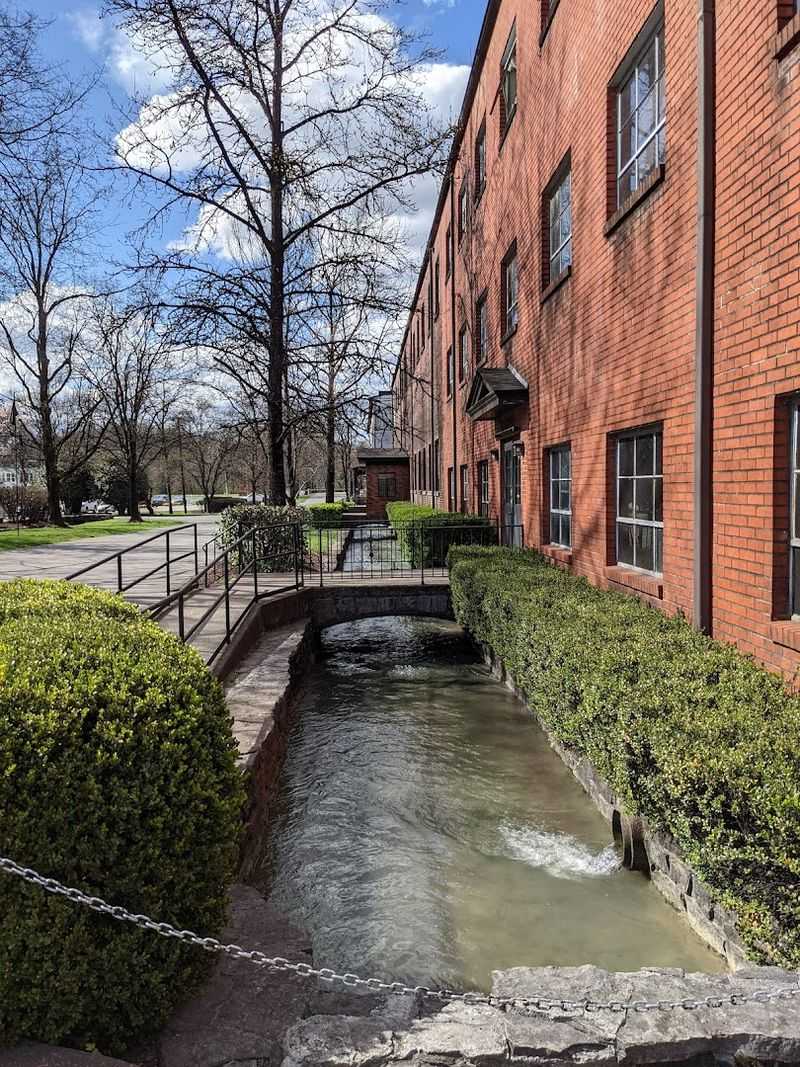
Lynchburg has exactly one traffic light. That single detail communicates more about the character of this town than any promotional brochure ever could.
The 2020 census recorded a population of 6,461 people, making it a community where anonymity is essentially impossible and where the pace of daily life is set by the rhythms of agriculture, tradition, and genuine neighborliness rather than commercial urgency.
That slower tempo is not a symptom of stagnation. It is a deliberate and carefully maintained quality of life that residents appear to value with some conviction.
Conversations here take their time. Transactions involve pleasantries.
The courthouse square on a weekday afternoon hums with a particular frequency of ordinary human activity that feels increasingly rare in contemporary American life.
Visitors from larger cities often describe a mild disorientation upon arriving, followed quickly by something resembling relief. The absence of traffic, noise, and the general velocity of urban existence creates a perceptual shift that takes a few hours to fully absorb.
By the second day, most people have adjusted their internal clock to Lynchburg time, and the adjustment proves difficult to reverse. That quality, the ability of a place to genuinely alter your sense of what normal feels like, is the most European thing about this small Tennessee town.