
A Paddling Paradise In West Virginia Surrounded By Quiet Forest And Waterways
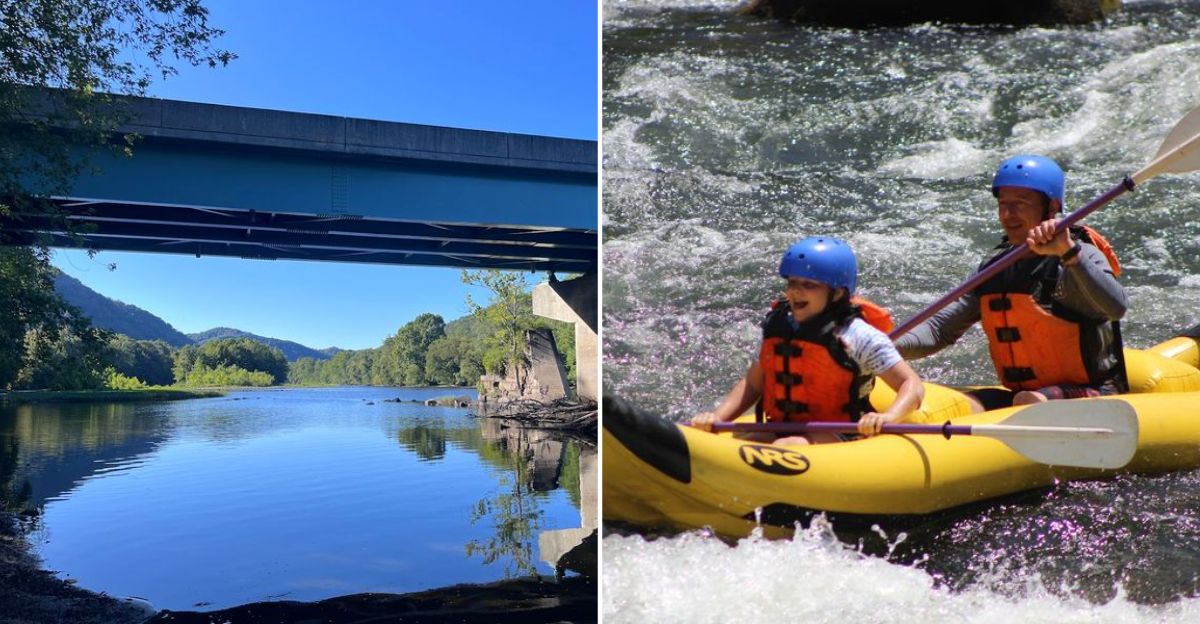
The wave hits your face before you even have time to prepare for it. Your arms are already pulling, the current is already deciding where you go, and somewhere in that chaos your mind goes completely quiet.
West Virginia has a place that does this to people. They call it a Paddling Paradise, and for once, the name actually earns itself.
The water here is not a backdrop. It is the whole experience.
But the river is only half the story. Once you pull yourself out and catch your breath, the forest is waiting.
Tall trees, quiet trails, the kind of air that feels different from anything you breathe in a city. Your body worked hard on the water.
The forest gives it something back. There are not many places that can shift you from full adrenaline to complete stillness within the same afternoon.
This one does it without even trying.
Paddling In Natural Waterways
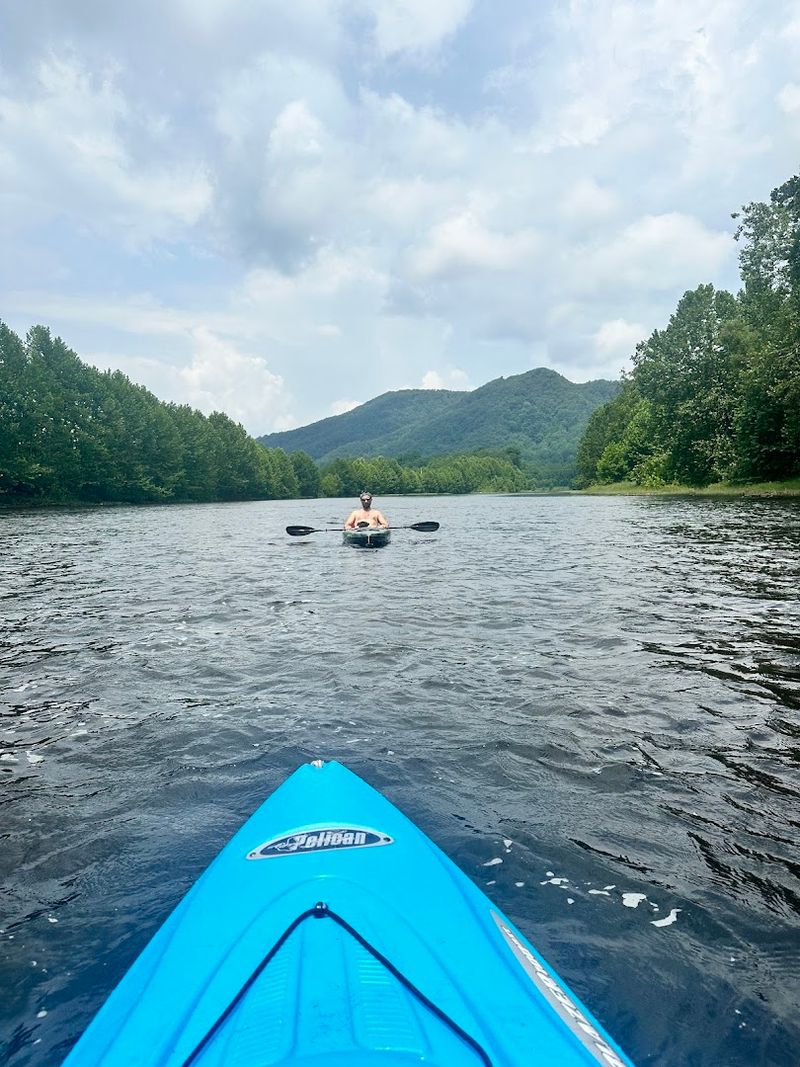
The Cheat River at Parsons is part of the longest free-flowing river system in the eastern United States, and paddling it feels like a genuine privilege.
You can choose a 4-mile float that wraps up in about an hour or go big with an 11-mile journey that takes most of the day. No prior experience is needed for the calm flatwater stretches, which makes this accessible for just about everyone.
Single kayaks, double kayaks, canoes, tubes, and stand-up paddleboards are all available for rental. Each rental comes with a paddle, a personal flotation device, and shuttle service to your chosen put-in location.
Take-out is back at the river outpost, so logistics are handled for you.
Overnight rentals are also an option for those who want to spend more time on the water. The upper Cheat moves at an easy, relaxed pace that lets you look around and actually enjoy the scenery.
You can find all of this at 60 Location Rd, Parsons, WV 26287.
Views Around Forest Waterways
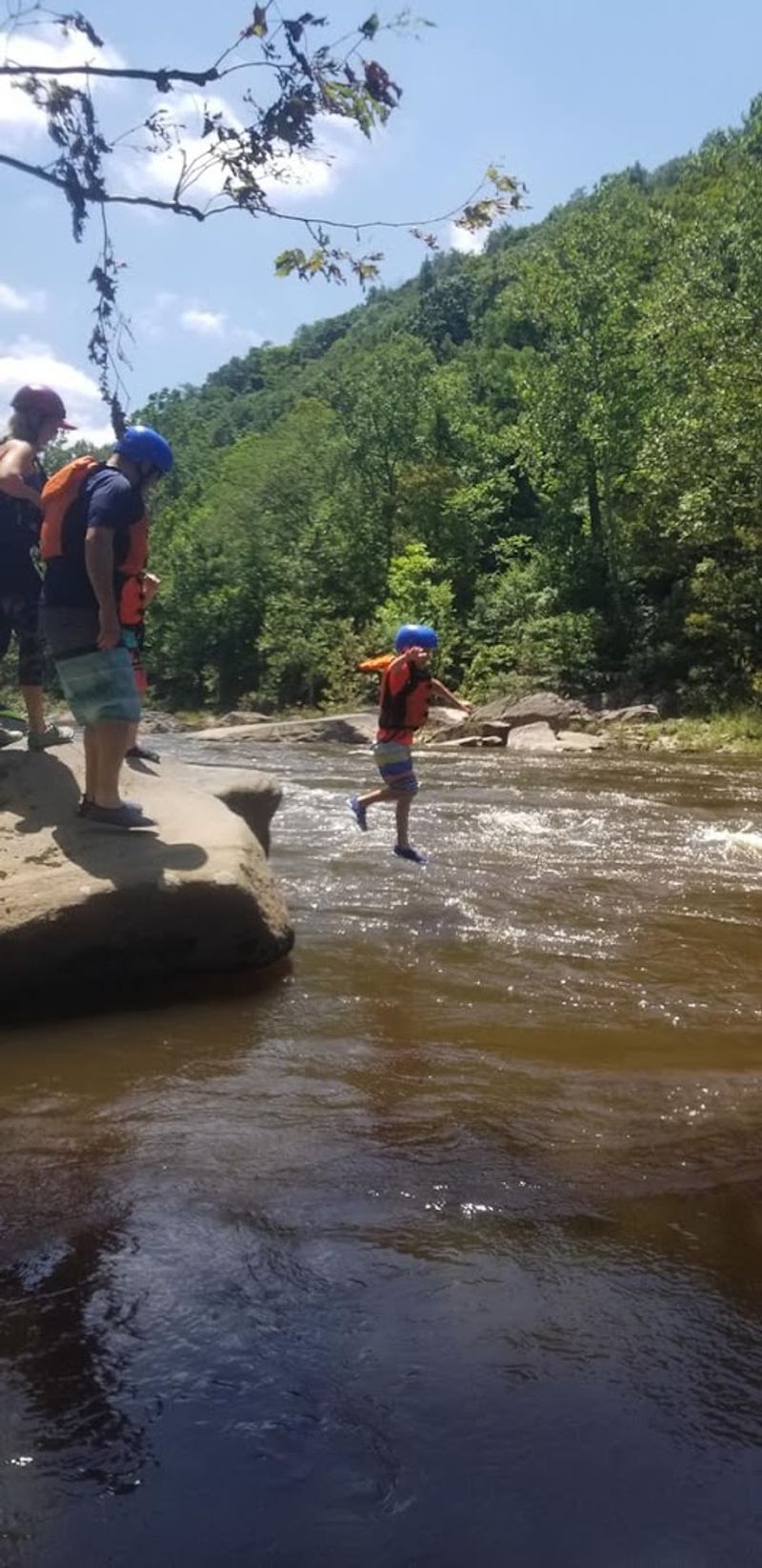
Paddling the Cheat River corridor in West Virginia means you are surrounded by forest on both sides for most of your trip.
The hills rise steeply from the banks, and the tree canopy creates a natural tunnel of green that blocks out almost everything except birdsong and moving water. It is the kind of scenery that makes you forget your phone exists.
The water itself has a beautiful bronze tint from the natural tannins in the soil. That color against the green forest and blue sky creates views that honestly look better in person than in any photo.
Bald eagles have been spotted along this stretch, which is not something you expect on a regular Tuesday afternoon.
The Cheat River Water Trail features multiple public access points, so you get varied perspectives of the landscape throughout your float. Nearby Monongahela National Forest adds even more forest depth to what you see from the water.
Canaan Valley and Blackwater Falls State Park are also close by, making the entire region feel like one big natural highlight reel.
Essential Gear For A Safe Paddling Experience
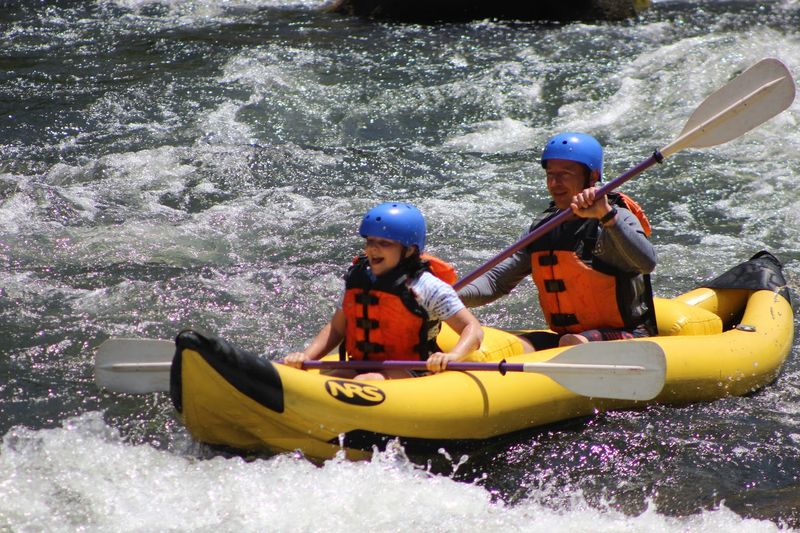
Safety on the water starts before you ever get your feet wet. A personal flotation device is non-negotiable, and rentals at the outpost already include one with every booking.
That removes a big barrier for beginners who do not own gear yet.
Footwear matters more than most people expect. Water shoes or sandals with a secure strap keep your feet protected on rocky put-in and take-out spots.
Flip-flops have a habit of disappearing mid-river, and bare feet on gravel are not fun.
Sun protection is easy to overlook when you are excited to get on the water. A hat, polarized sunglasses, and reef-safe sunscreen are worth packing every single time.
Polarized lenses also help you read the water better, which is useful even on calm stretches.
A dry bag is a smart investment for your phone, keys, and snacks. Even on flatwater, splashing happens.
Bringing a small first aid kit and a whistle rounds out a solid basic kit. The outpost shop carries several essentials in case you show up slightly underprepared, so there is always a backup plan.
Best Techniques For Navigating Calm Forest Waters
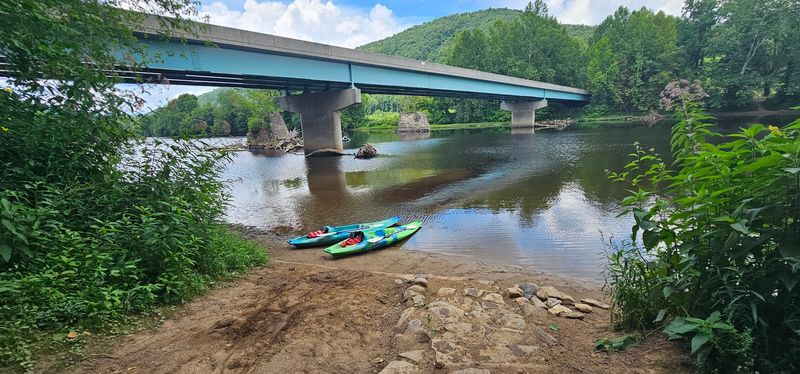
Calm water might look simple, but good technique makes the whole experience more enjoyable and a lot less tiring. The forward stroke is the foundation of everything.
Plant your paddle blade fully in the water near your feet, rotate your torso rather than just pulling with your arms, and exit the blade before it passes your hip.
Steering on flatwater comes down to the sweep stroke. A wide, arcing motion on one side turns your bow away from that side.
Pair two sweep strokes together, and you can spin in place, which is handy when you want to stop and watch a heron without drifting into the bank.
Reading the current is a skill that develops quickly once you are on the water. Even on calm stretches, the river has faster and slower lanes.
Staying in the main current keeps your speed up and saves energy over a long float.
Bracing strokes help you stay stable if a powerboat wake or wind gust catches you off guard. A low brace, where you slap the flat of your blade on the water surface, is easy to learn and genuinely useful.
Practice it before you need it.
How To Prepare For Extended Paddling Trips
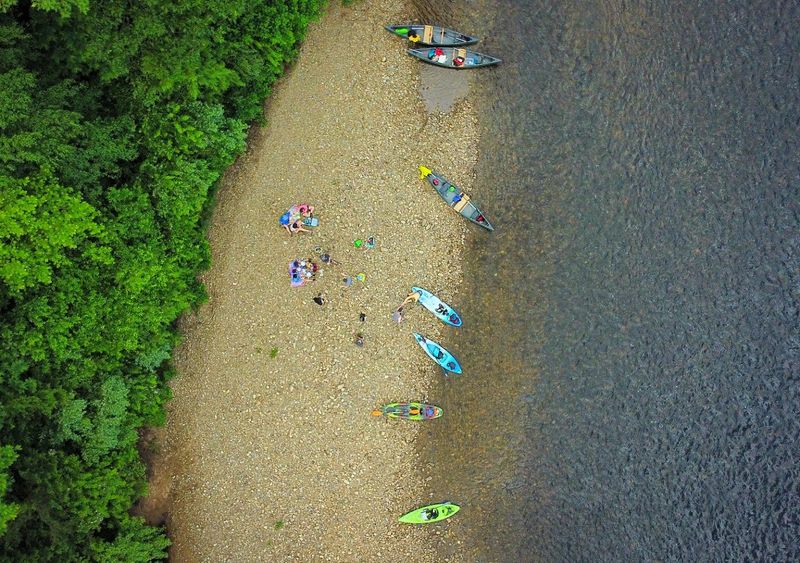
The 11-mile trip on the upper Cheat typically takes five to six hours on the water. That is a full day, and your body will feel it if you are not ready.
Building some basic endurance before a long paddle makes a real difference in how much fun you have at mile nine.
Hydration is the most common thing people underestimate. Bring more water than you think you need.
The river air and sun pull moisture out of you even when it does not feel hot, and paddling is more physical than it looks from shore.
Food planning matters on extended trips. High-energy snacks like trail mix, granola bars, and fruit travel well in a dry bag and give you steady fuel without weighing you down.
Guided whitewater tours include catered lunches, which takes the planning off your plate entirely.
Overnight rental options mean some paddlers stay out even longer. If that is your plan, a dry bag with a change of clothes, a headlamp, and a basic camping kit becomes essential.
The on-site camping facilities at the outpost include a bath and shower house, which is a welcome sight after a full day on the river.
Environmental Impact And Conservation Efforts
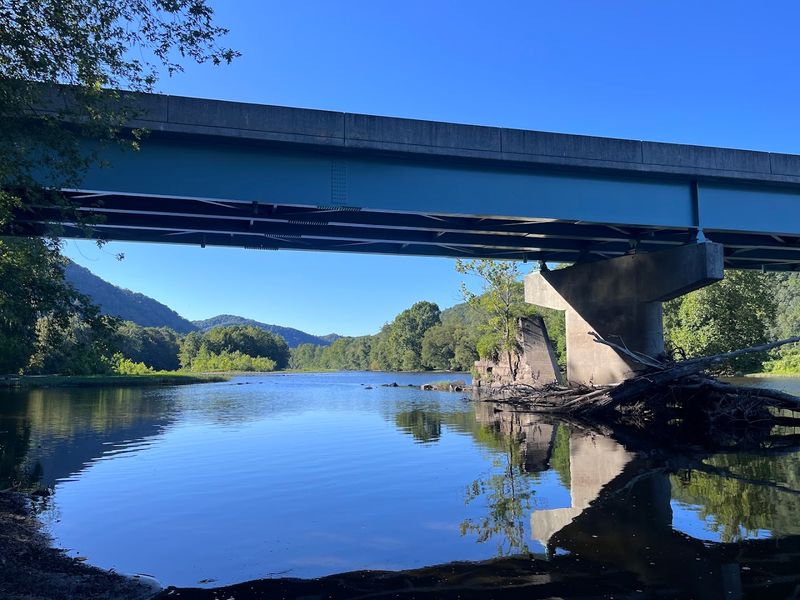
The Cheat River holds a special status as part of the longest free-flowing river system in the eastern United States. That designation means it has not been dammed or heavily diverted, which is increasingly rare.
Keeping it that way requires active effort from everyone who uses it.
Leave No Trace principles apply directly to river paddling. Pack out everything you bring in, including food wrappers, fishing line, and any gear that falls overboard.
Even small items accumulate fast in a waterway and affect the ecosystem, which makes the place worth visiting.
Sunscreen and insect repellents that contain certain chemicals can harm aquatic life. Choosing reef-safe or biodegradable options reduces your chemical footprint on the water.
It is a small swap with a meaningful impact.
The Monongahela National Forest surrounds much of this corridor, and land conservation in that zone directly supports water quality downstream.
Supporting local outfitters who operate responsibly keeps money in the region and incentivizes sustainable practices.
Respecting wildlife viewing distances, staying on designated access points, and not disturbing nesting areas along the banks are all ways paddlers can contribute to keeping this river corridor intact for future visitors.
Wildlife Spotting Tips During Waterway Excursions
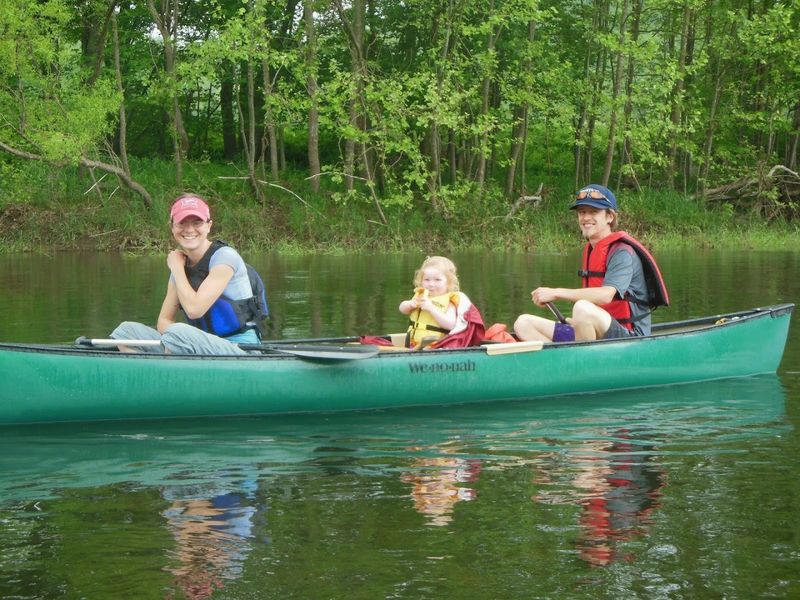
Bald eagles show up along the Cheat River corridor, and spotting one mid-float is the kind of moment that makes the whole trip unforgettable. They tend to perch in tall dead trees near the water, scanning the surface for fish.
Keep your eyes on the upper branches of riverside trees, especially in the early morning.
Kingfishers are a common sight and easy to identify by their rattling call before you even see them. Great blue herons often stand completely still in the shallows, which means you can drift surprisingly close before they take off.
Bass and suckers are visible in the clear, bronze-tinted water on calm stretches.
Moving quietly is the single best wildlife spotting technique. Loud conversations and splashing carry far on the water and push animals back into cover before you reach them.
Paddle in short, smooth strokes when you want to get closer to something interesting.
Binoculars fit easily in a dry bag and are worth bringing for a longer trip. Dawn and dusk are peak activity windows for most wildlife, so early morning starts give you a real advantage.
The forest along the banks also shelters deer, osprey, and various songbirds that add to the overall experience.
Seasonal Changes Affecting Water And Forest Scenery
Spring is when the Cheat River runs highest and fastest. Snowmelt from the surrounding mountains feeds the flow, and the whitewater sections on the Cheat Narrows and Dry Fork become exciting.
The forest is electric green, and everything smells like wet soil and new growth.
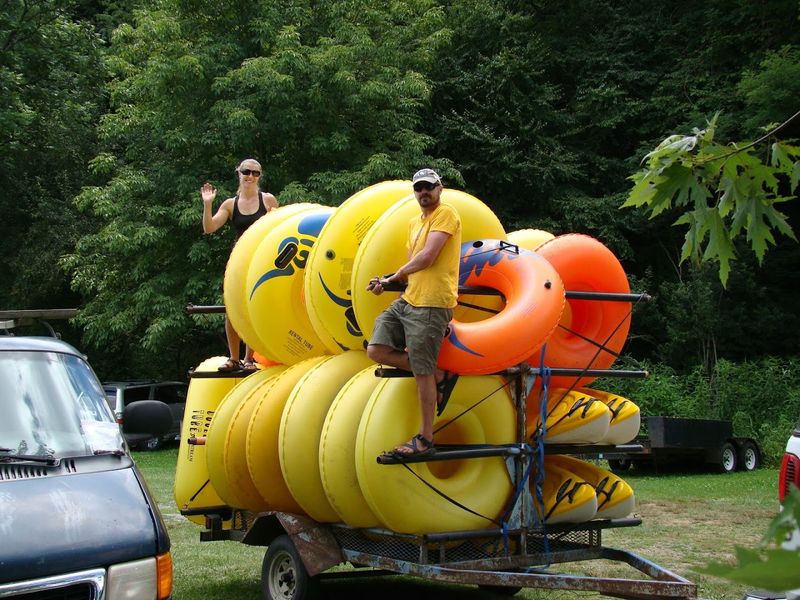
Summer brings lower, calmer water levels that are ideal for flatwater rentals and family trips. The forest canopy fills in completely and creates shade over much of the river, which keeps the water temperature refreshingly cool even on hot days.
This is peak season for guided tours and tube floats.
Fall transforms the entire corridor into something almost unreasonably beautiful. The hardwoods along the Cheat River banks turn orange, red, and gold, and those colors reflect off the water in a way that makes every bend look like a painting.
Water levels can drop significantly by late fall, which affects trip length options.
Winter brings a quiet that is hard to describe. The bare trees open up long sightlines through the forest, and occasional snow on the banks creates a stark, dramatic look.
Paddling in winter requires proper cold-water gear, but for those prepared for it, the solitude and scenery are completely worth the extra effort.