
Missouri Has An Amish Grocery Store Where Homemade Jams And Butters Sell Out Fast
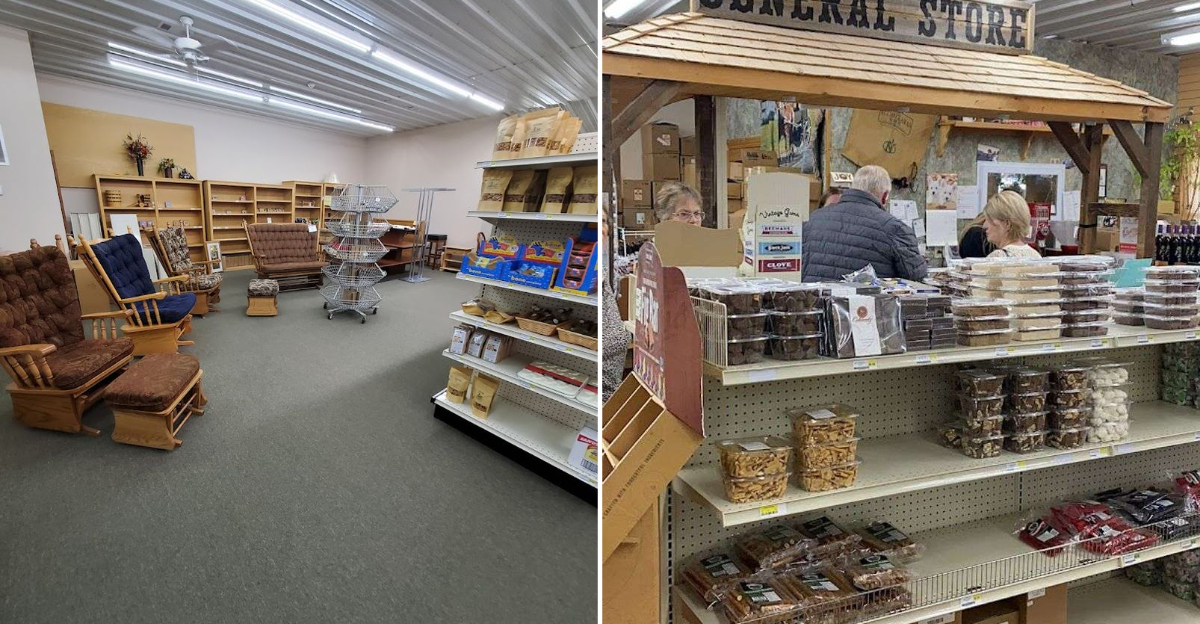
Homemade products will always beat store-bought ones. That is just a fact.
There is something in the care, the process, and the tradition that no factory can replicate. No wonder those products are always the first to disappear from the shelves.
Finding a place that actually sells real homemade goods is rare. Most stores just label things “artisan” and hope you do not look too closely.
But this Amish grocery store in Missouri does it the right way. Everything here is the real deal.
And if you are after their jams and butters, you better come early. They sell out fast, every single time.
People know quality when they taste it. This is not just a shopping trip.
It is a reminder of what food is supposed to taste like.
Varieties Of Handcrafted Jams And Preserves
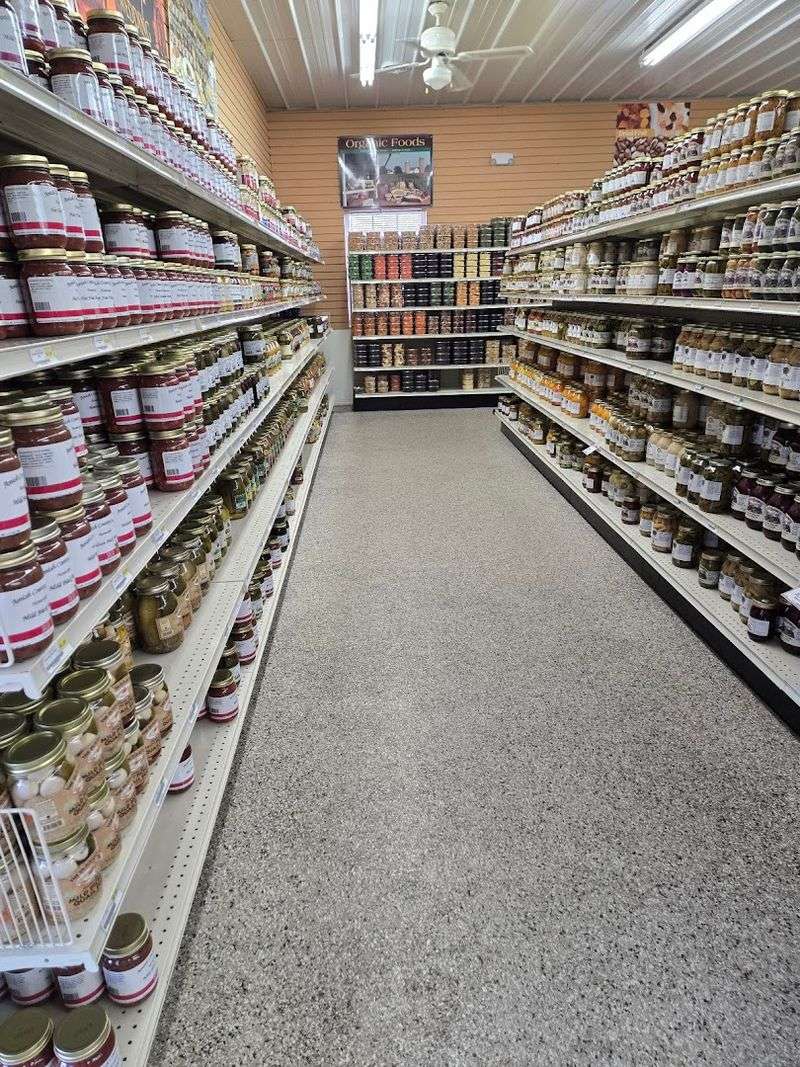
Enter the jam section at this spot, and you might freeze for a moment. There are so many jars, so many flavors, and every single one looks like it belongs on a biscuit right now.
The selection here is not your average grocery store lineup.
The store carries handcrafted jams made in small batches using time-honored Amish recipes.
You will find Homemade Black Raspberry Jam, Old-Fashioned Strawberry Rhubarb Preserves, Old-Fashioned Blackberry Preserves, plum jam, and muscadine jam. There is even a No Sugar Added Strawberry Jam for those watching their sugar intake.
Each jar is packed with real fruit flavor that you can actually taste. Nothing artificial, nothing watered down.
People regularly grab multiple jars per visit because one is never enough. Visitors from across the country make it a point to stop at Amish Country Store.
These jams have been earning fans since the store opened in 1999.
The store is located at 3100 Gretna Rd, Branson, MO 65616
Traditional Butter Making Techniques Explored
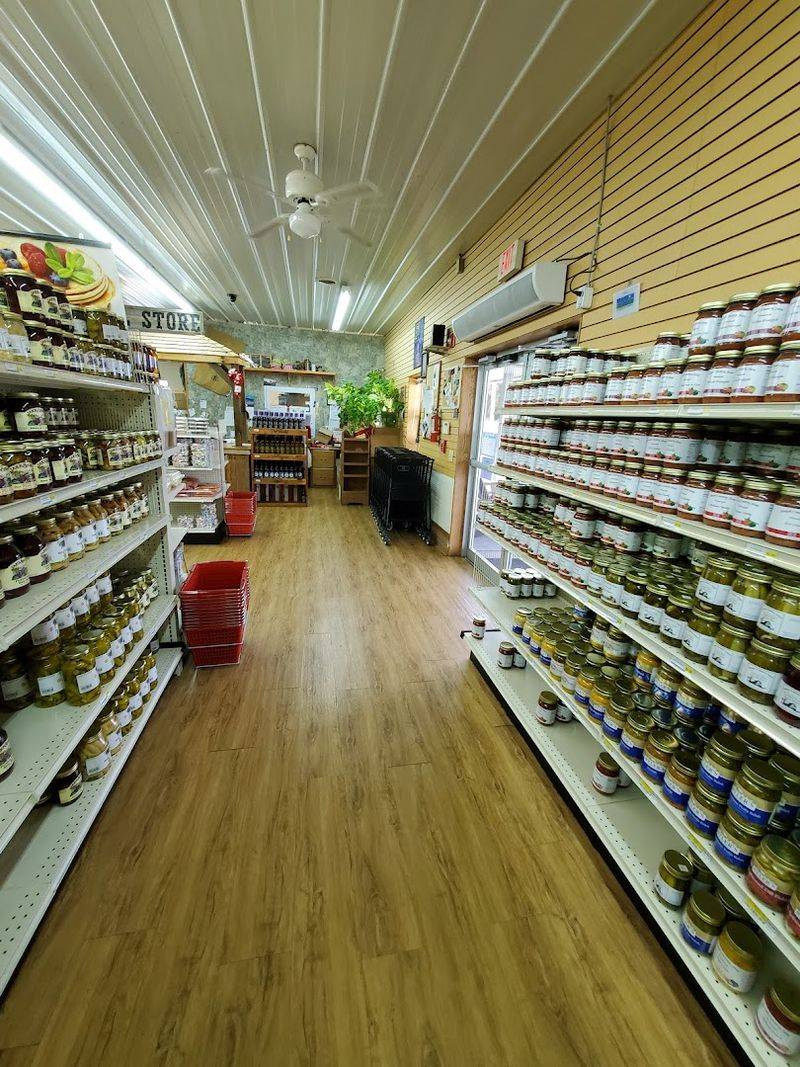
Butter at the Amish Country Store is not what you find in a stick at the supermarket. Fruit butters here are slow-cooked, richly flavored spreads made the old way, with patience and quality ingredients.
The process matters just as much as the product.
The store offers Strawberry Butter, Home Recipe Apple Butter, and Pumpkin Butter. Each one is made using traditional Amish methods that have been passed down through generations.
Low, slow cooking brings out natural sweetness without relying on artificial flavors or shortcuts.
Apple butter, for example, is made by cooking apples down until they reach a deep, caramel-brown consistency with a smooth, spreadable texture. It takes time.
Real-time. That is exactly why it tastes the way it does.
Pumpkin Butter brings a warm, spiced flavor that feels like fall in a jar. Strawberry Butter is bright, fruity, and perfect on warm bread.
These butters sell out regularly, which tells you everything you need to know. If you show up and your favorite is gone, grab the next one on the shelf.
You will not be disappointed. Every variety is worth trying at least once.
Seasonal Produce And Ingredients Availability
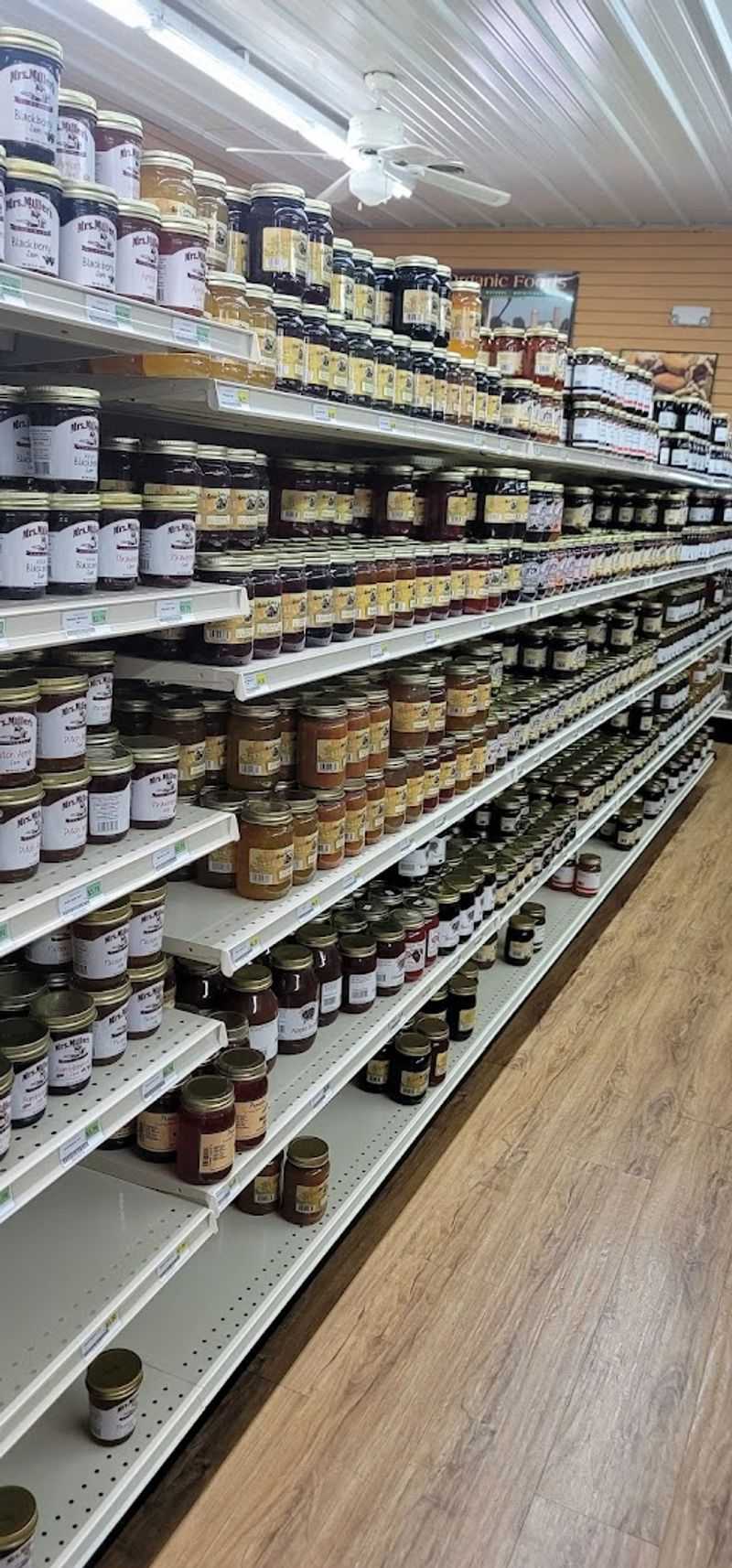
Seasons drive everything at the Amish Country Store. What is available changes throughout the year because the products are tied to what is actually growing and being harvested.
That is part of what makes shopping here feel exciting and unpredictable in the best way.
Spring brings strawberry-forward products. Summer opens up a wider range of berry-based jams.
Fall is when pumpkin butter and apple butter take center stage. The rotation keeps things fresh and gives regular visitors a reason to come back every season to see what is new on the shelves.
Ingredients used in these products come from real sources, not industrial supply chains. The Amish approach to food production prioritizes quality over convenience.
Small batches mean better control over what goes in. You are not getting a product that sat in a warehouse for months.
Freshness is baked into the business model. The store also stocks local honey and other locally sourced goods that shift with the seasons.
Paying attention to what is in stock at different times of year is part of the fun. Regulars know to act fast when their seasonal favorite shows up because it will not last long on the shelf.
Authentic Cooking Methods And Recipes
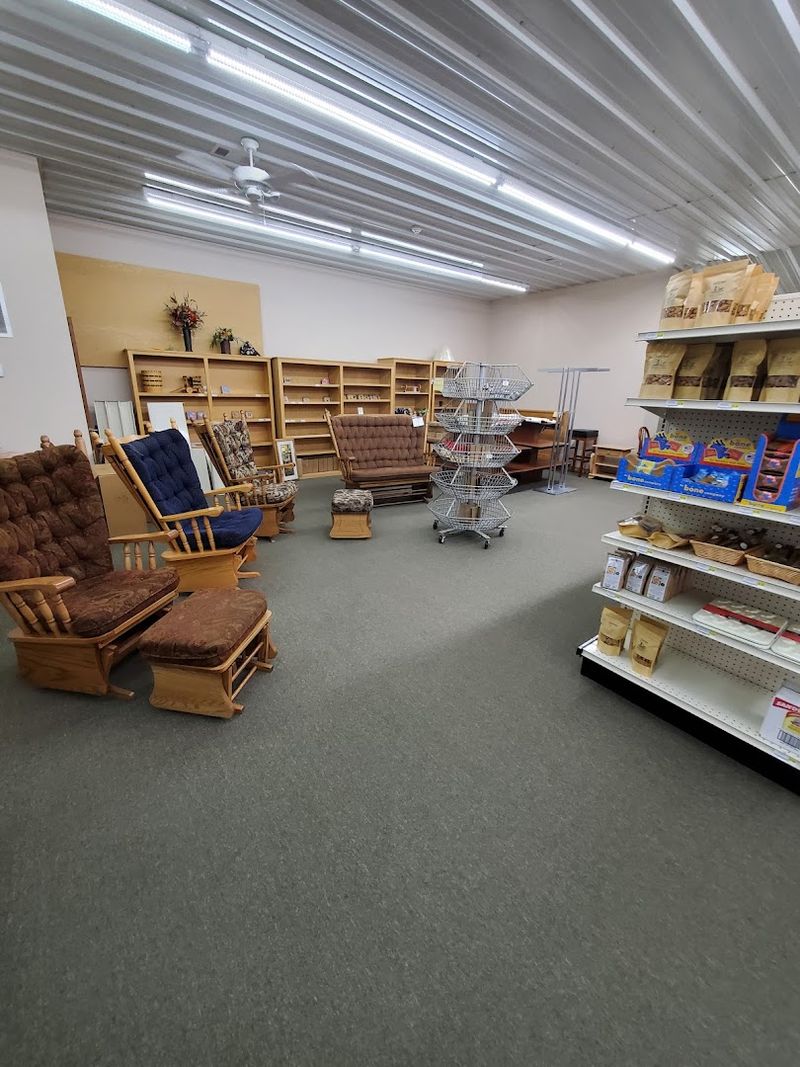
Amish cooking is not about speed. It never has been.
The methods used to create the products at the Amish Country Store reflect a philosophy built around doing things right rather than doing them fast. That mindset shows up in every jar you open.
Traditional techniques like open-kettle canning, slow simmering, and hand-stirring are part of what sets these products apart. No automated conveyor belts.
No mass production shortcuts. The store also carries baking mixes, soup mixes, and pancake mixes that bring the same traditional approach into your own kitchen.
You get to cook the way people cooked before everything became instant.
The spice selection at the store is impressive. Bulk spices let you build recipes from scratch with real, quality ingredients.
Whoopie pies, cinnamon rolls, and apple fried pies show up as freshly baked goods that reflect the same cooking traditions. Every product in the store connects back to a real recipe with real history.
Bringing these methods into your home kitchen is easier than you think when you have the right ingredients. The store makes that possible without any fuss.
Authentic flavor starts with an authentic process, and this place delivers both.
Community Impact Of Local Food Markets
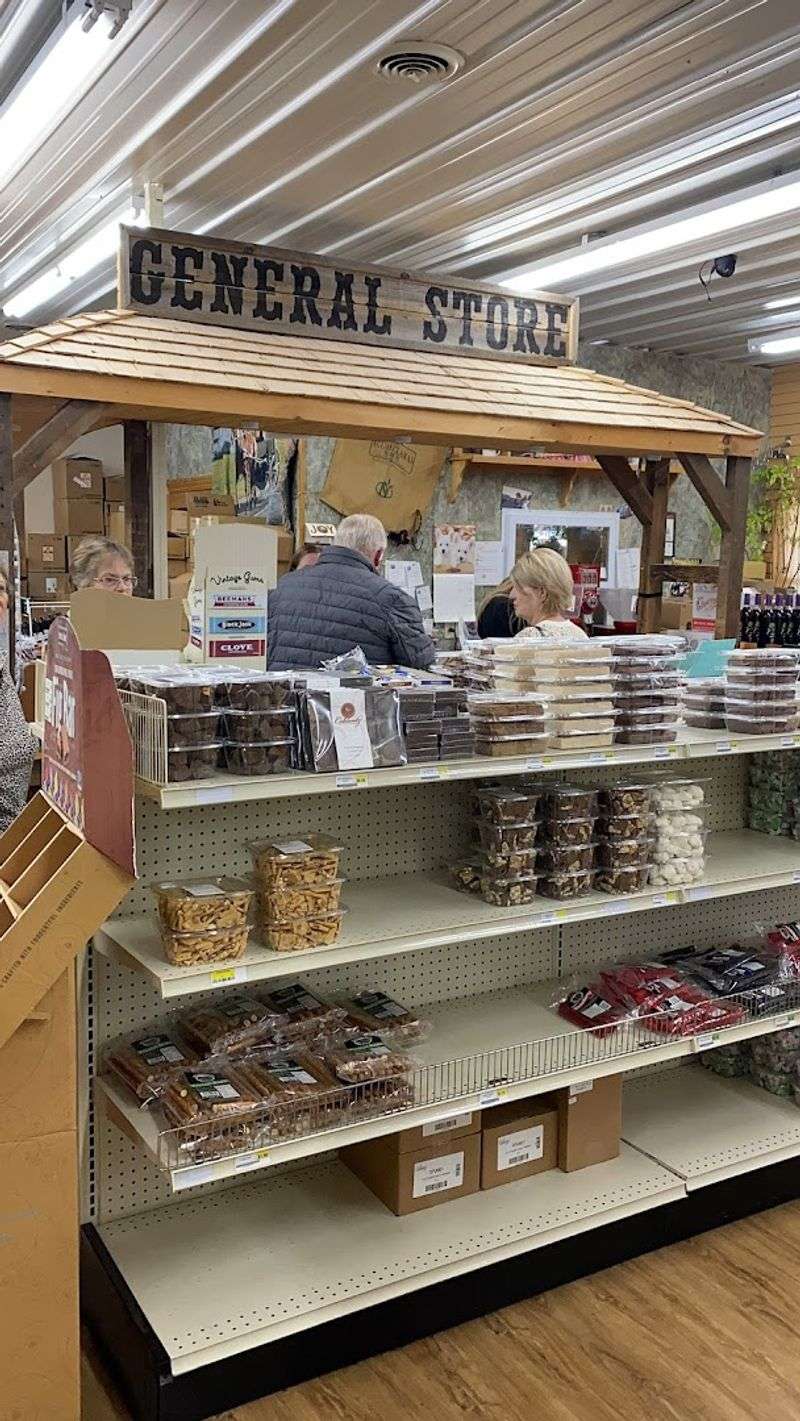
Local food markets do more than sell groceries. They build connections between people and the places that feed them.
The Amish Country Store has been doing exactly that in Branson since 1999, when Terry and Darlene Whalen opened the doors and started bringing Amish-made products to Missouri customers.
Over the years, the store has developed a loyal following. People return trip after trip, season after season, not just for the jams but for the experience of shopping somewhere that feels rooted in something real.
That kind of loyalty does not happen by accident. It is built through consistency and quality.
When shoppers buy from a store like this, they support a supply chain that values small-batch production and traditional craftsmanship. Money spent here goes toward sustaining a way of life that prioritizes care over mass output.
The store has earned a great rating from many reviews, which reflects years of community trust. It also draws visitors from Texas, Pennsylvania, and beyond, turning a Branson stop into something people plan their trips around.
A store this embedded in its community is rare. It proves that local markets can thrive when the product is worth coming back for.
Consuming Natural Homemade Products
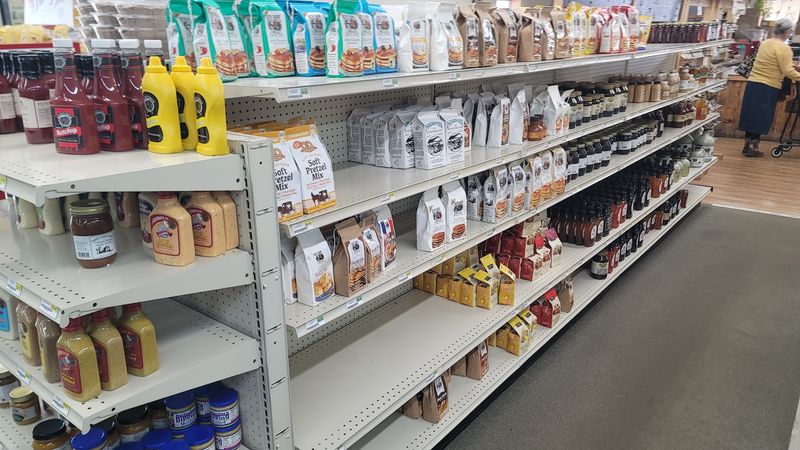
Real ingredients make a real difference. Products at the Amish Country Store skip the artificial preservatives, synthetic dyes, and mystery additives that fill most grocery store shelves.
What you get instead is food made the way it was always meant to be made.
Natural homemade jams use actual fruit, not fruit-flavored syrup. Fruit butters are cooked down from whole produce, keeping nutrients and natural sugars intact.
The store even carries No Sugar Added options for those who want the flavor without the extra sweetness. Having choices like that is genuinely useful for people managing their diet without giving up good food.
Eating food with fewer processed ingredients can support better digestion, more stable energy levels, and a cleaner overall diet. It also just tastes better.
There is a noticeable difference between a jam made in a small batch from real black raspberries and one that came out of an industrial facility. Your taste buds will tell you immediately.
The Amish Country Store also stocks local honey, which comes with its own set of natural benefits. Shopping here is not just a fun experience.
It is a practical choice for anyone who cares about what goes into their food.
Tips For Storing Jams And Butters Correctly
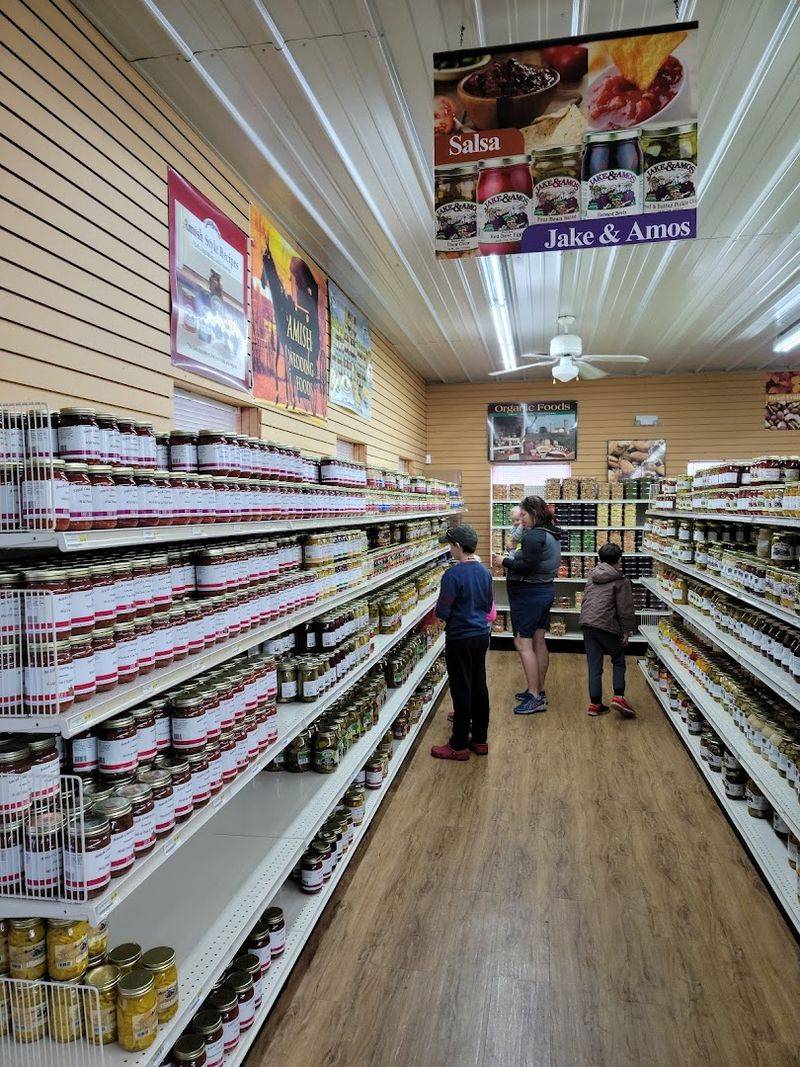
You finally scored a jar of Old-Fashioned Blackberry Preserves, and you want it to last. Good news: storing handmade jams and butters correctly is straightforward once you know the basics.
A little attention here goes a long way toward keeping your purchase in perfect condition.
Unopened jars should be stored in a cool, dark place like a pantry or cupboard away from direct sunlight and heat. Proper storage keeps the seal intact and the flavor fresh for an extended period.
Once you open a jar, it goes straight into the refrigerator. Use a clean spoon every time to avoid introducing bacteria that can shorten shelf life.
Fruit butters like apple butter and pumpkin butter follow the same rules. Refrigerate after opening and use within a few weeks for the best flavor.
If you buy multiple jars, rotate them so the oldest ones get used first. Avoid leaving jars on the counter for long periods, especially in warm kitchens.
Handmade products without artificial preservatives are more sensitive to temperature changes than commercial versions. Treat them with a little care, and they will reward you with great flavor all the way to the last spoonful.
That last bite is always worth protecting.
Historical Roots Of Food Production
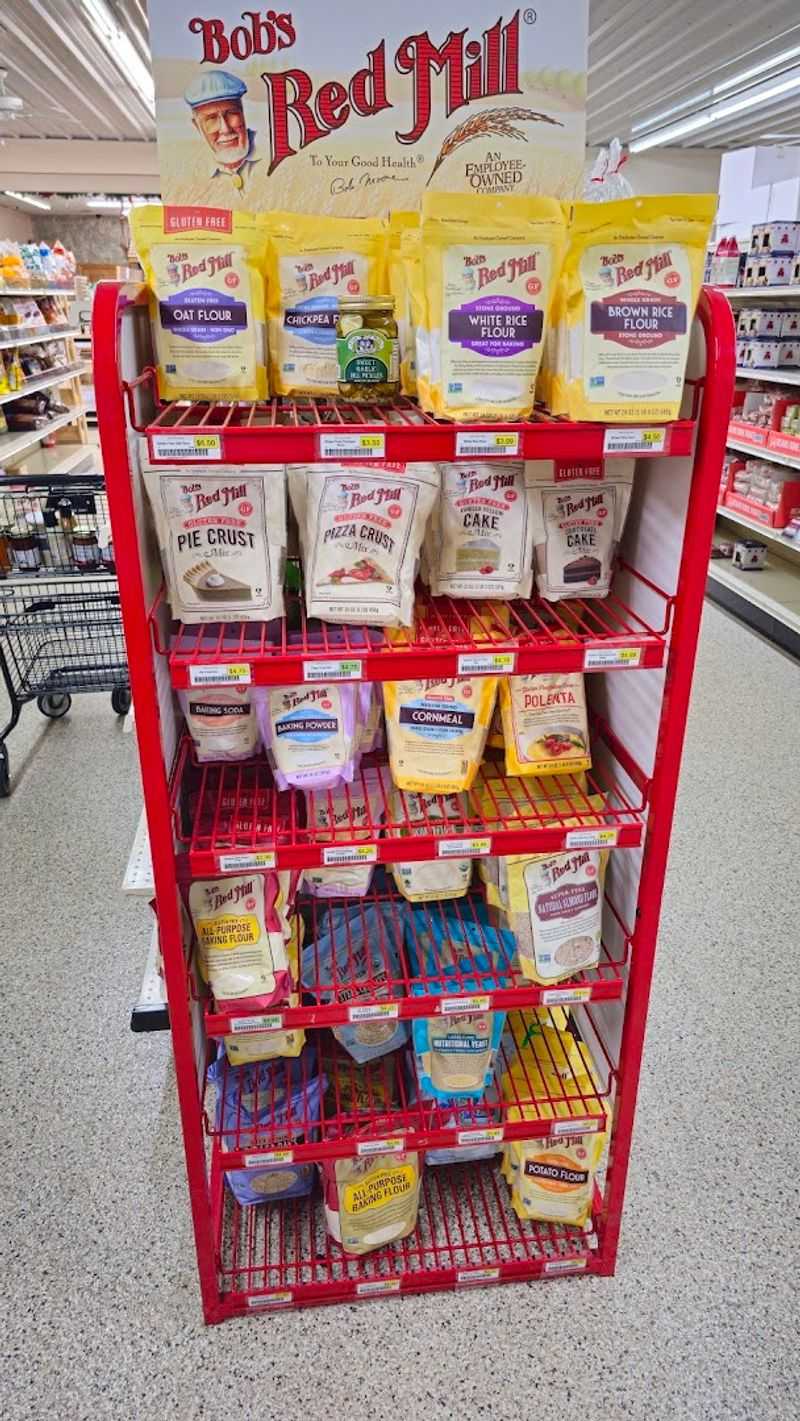
Amish food traditions stretch back centuries, rooted in a way of life that has always prioritized self-sufficiency and community.
Long before grocery stores existed, families preserved food through canning, fermenting, and drying to survive the winter months. Those methods did not disappear.
They were passed down and kept alive.
The Amish communities that produce goods for stores like the Amish Country Store in Branson continue practicing techniques developed in 18th and 19th-century rural America. Canning jams and making fruit butters were essential survival skills.
Today, they represent a living food culture that most of the modern world has moved away from.
Understanding where these foods come from adds a layer of meaning to every jar you buy. You are not just purchasing a condiment.
You are holding a product made using knowledge that survived industrialization, convenience culture, and the rise of processed food. That is actually remarkable when you stop to think about it.
The Amish Country Store connects Branson visitors to that history in a tangible way. Every jar on the shelf is a small piece of a much larger story about how American communities once fed themselves.
That story is still being written, one batch at a time.