
The Oldest Fort In New York Is Right Here And Many People Still Haven’t Had The Opportunity To See It
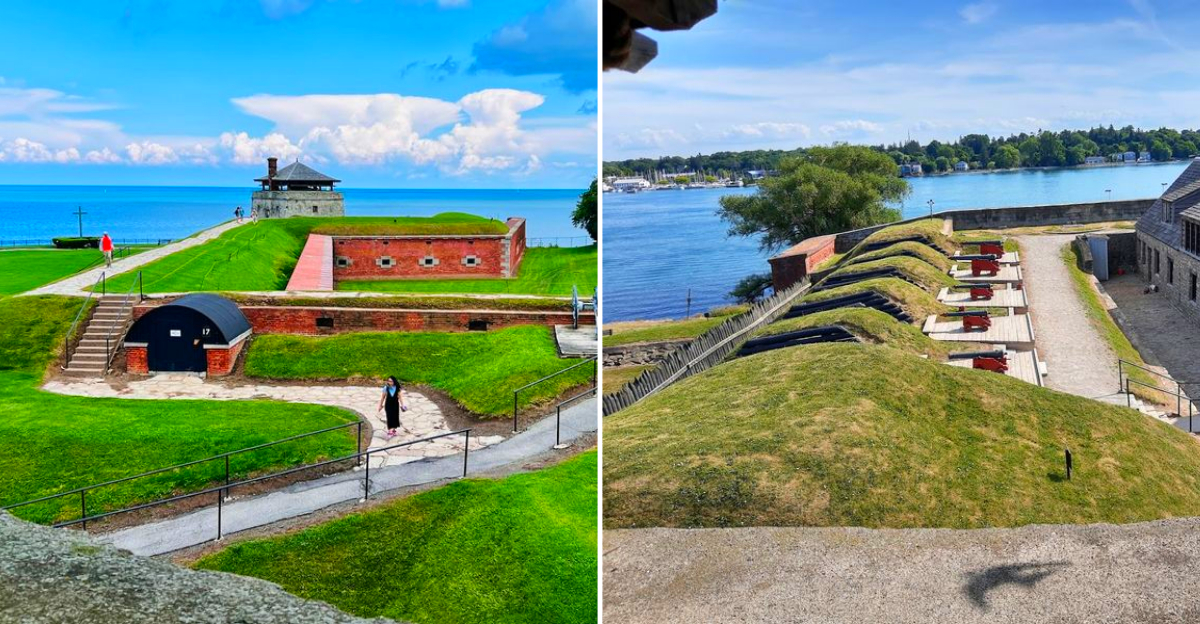
The walls don’t need explaining. Stone, space, and a layout that still makes sense the moment you see it.
This is where New York shows its age in the best way, one of its oldest forts still standing, still overlooked, and still far less visited than you’d expect.
Walk through and it starts to come together. Open grounds, sturdy structures, and details that haven’t been smoothed over for modern comfort.
Nothing feels staged or overly restored. You move at your own pace, take in the scale, and realise how much has been left intact.
It’s not a crowded stop or a rushed visit. It’s a place that rewards taking your time, especially if you haven’t seen it yet.
A Place Where Three Nations Left Their Mark
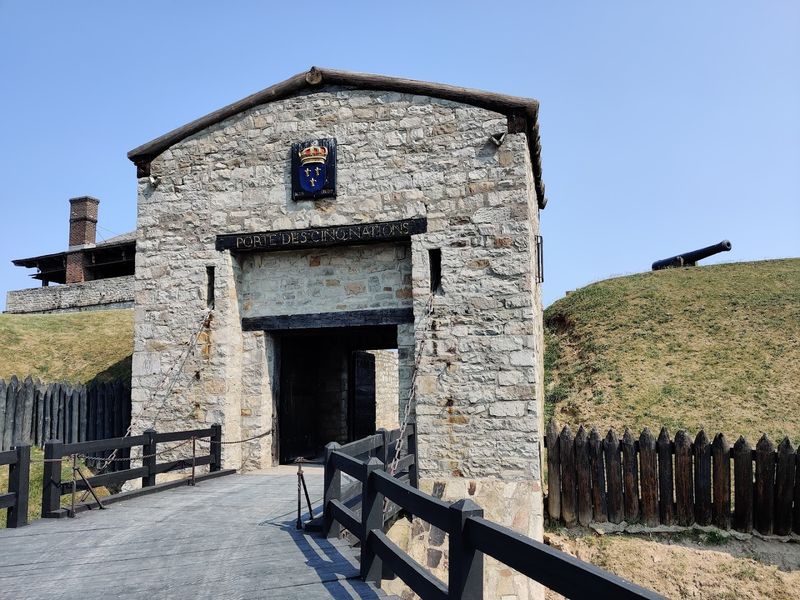
Few places in North America carry the layered weight of three separate national identities within the same set of walls. This old fort was first claimed by France, then seized by Britain, and eventually handed to the United States, each transition arriving through conflict, negotiation, or sheer persistence.
The fort sits at the mouth of the Niagara River where it meets Lake Ontario, a geographic position that made it one of the most strategically coveted outposts on the continent.
France established the first post here in 1679, naming it Fort Conti. The location gave whoever held it enormous leverage over trade routes stretching westward into the Great Lakes.
Controlling this narrow corridor meant controlling movement, commerce, and military advantage across a vast interior.
Britain took the fort from France in 1759 after a 19-day siege during the French and Indian War. Even after the American Revolutionary War officially transferred sovereignty to the United States, British forces held onto it until 1796.
The British recaptured it again in 1813 during the War of 1812 before returning it by treaty in 1815. That kind of tug-of-war between powerful nations gives Old Fort Niagara a depth of character that very few historic sites anywhere can match.
The French Castle And Why It Was Built In Disguise
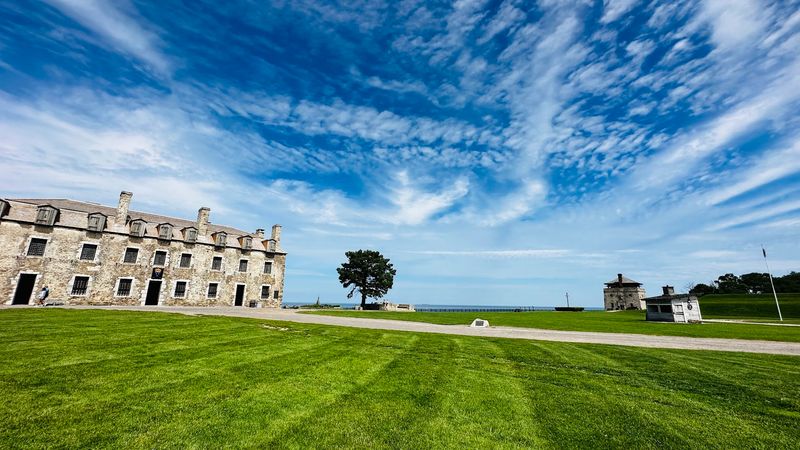
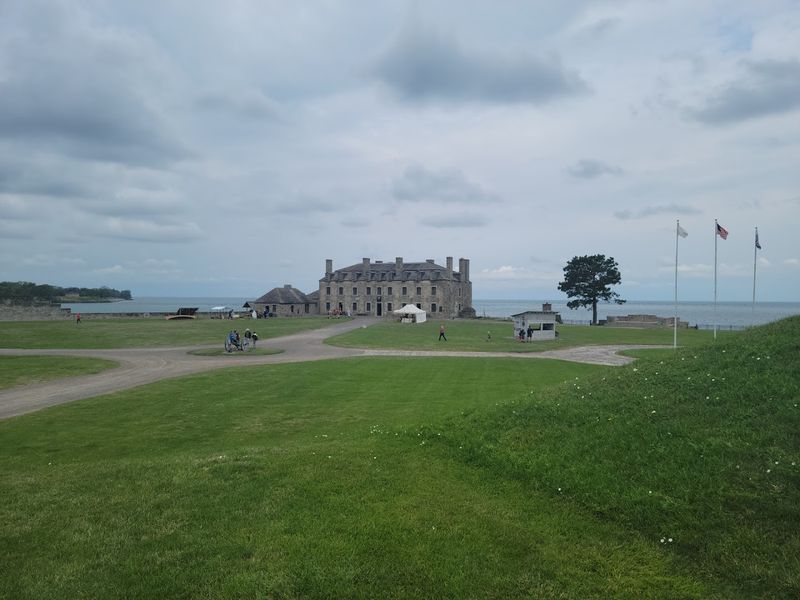
Built in 1726, the French Castle is the crown jewel of Old Fort Niagara and the oldest building in the entire Great Lakes region. French soldiers and workmen constructed it from stone, giving it a durability that has allowed it to outlast nearly every other structure from its era in this part of North America.
Standing before it today, the sheer mass of the building commands attention in a way that photographs simply cannot replicate.
Here is the fascinating detail that most visitors do not expect: the French deliberately designed the castle to look like a trading house. The Iroquois Confederacy, whose cooperation France depended on, would have viewed an obvious military fortress with deep suspicion.
By disguising the structure as a commercial building, the French maintained diplomatic cover while constructing what was actually a formidable military citadel.
The building served as barracks, storage, and command center all at once. Its thick stone walls provided protection against both harsh winters and enemy assault.
Visitors can walk through the rooms today and get a genuine sense of what life inside looked like for soldiers stationed far from home. The French Castle alone is worth the entire trip to Youngstown.
Over Three Hundred Years Of Continuous Military History
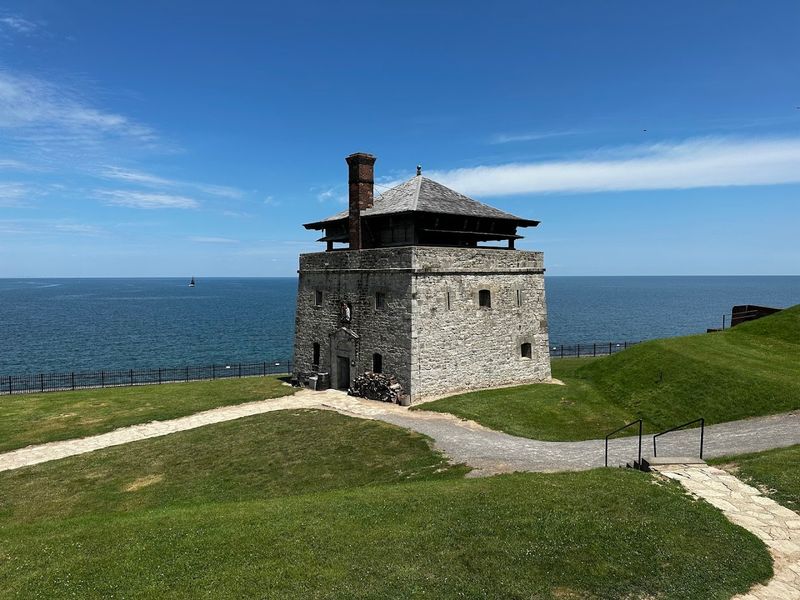
The military history at Old Fort Niagara does not stop with colonial powers competing for a river crossing. The fort remained an active military installation through the Civil War, the Spanish-American War, World War I, and World War II, when it served as both an induction center and a prisoner-of-war camp.
The U.S. Army officially deactivated the site in 1963, though the U.S.
Coast Guard still maintains a presence on a portion of the grounds today.
That unbroken span of more than 300 years of military use makes Old Fort Niagara one of the longest continuously occupied military sites in North America. Most historic forts in the United States were abandoned within decades of their construction.
This one kept going, adapting its purpose to each new era while retaining the bones of its original design.
The exhibits inside the fort trace this entire arc with clarity and care. Visitors move through periods of history in a logical progression, connecting the dots between French ambition, British pragmatism, and American expansion.
The collection of artifacts, photographs, and period furnishings gives each chapter of the story a tangible quality that engages visitors of every age. Budget at least two hours to absorb it all properly.
Living History Programs That Actually Bring The Past To Life
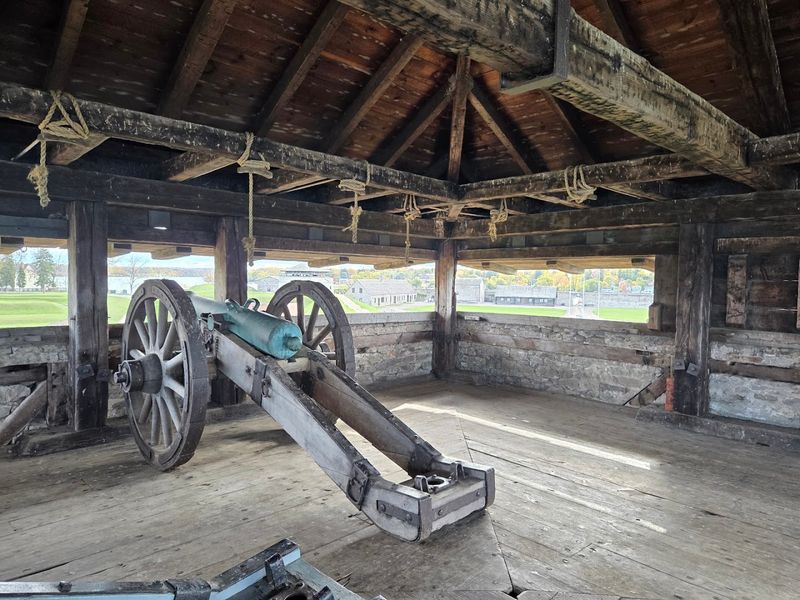
Musket demonstrations happen on a regular schedule at Old Fort Niagara, and they draw a crowd every single time. There is something genuinely arresting about watching a trained demonstrator load, aim, and fire a flintlock musket the way soldiers did centuries ago.
The sound alone snaps everyone to attention, and the smoke that follows hangs in the air just long enough to make the moment feel real.
The fort also features drum demonstrations and cannon firing events depending on the season. Each one is performed by staff and volunteers who clearly know their material and take pride in presenting it accurately.
Rather than feeling like a theme park performance, the demonstrations carry an educational weight that sticks with visitors long after they leave.
Guided tours run throughout the day, typically beginning with an orientation film that provides helpful context before guests explore the grounds on their own. The guides are known for sharing details that go well beyond the standard narrative, including lesser-known facts about daily life inside the fort during each period of occupation.
For families with children, the combination of hands-on demonstrations and knowledgeable guides creates an experience that feels genuinely immersive rather than merely informational. Plan to stay longer than you think you will need.
The War Of 1812 Flag And Artifacts Worth Seeing Up Close
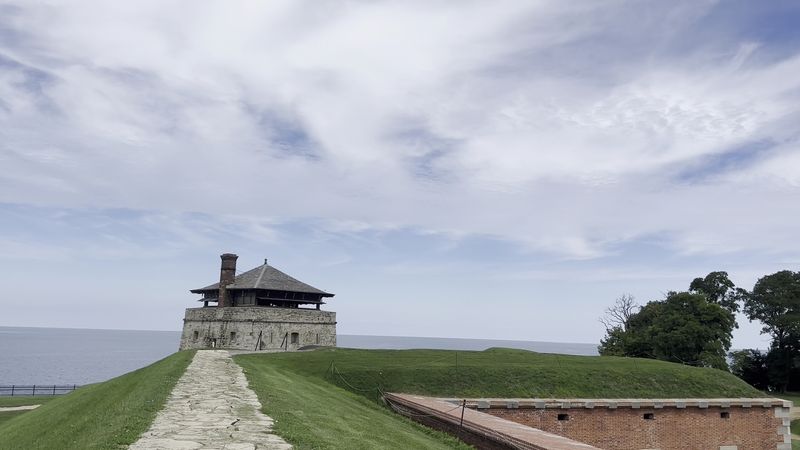
Among the most remarkable objects on display at Old Fort Niagara is a flag that dates to the War of 1812, making it one of the oldest American flags still in existence. Seeing it in person produces a different kind of reaction than viewing it in a photograph.
The age of the fabric, the faded colors, and the sheer fact of its survival across two centuries give it a gravity that is hard to articulate but easy to feel.
The museum’s broader collection includes period weapons, uniforms, military equipment, and documents that span the full range of the fort’s history from French colonial times through the twentieth century. Each artifact is presented with enough context to make it meaningful rather than simply decorative.
Visitors regularly pause longer than expected at individual cases because the items prompt genuine questions about the people who used them.
The gift shop near the entrance carries a solid selection of books, replicas, and educational materials for those who want to continue exploring the history after their visit.
Staff members throughout the site are consistently described as knowledgeable and approachable, always willing to answer questions or point visitors toward something they might otherwise overlook.
Old Fort Niagara earns its 4.8-star rating honestly.
The Views From The Fort That No One Talks About
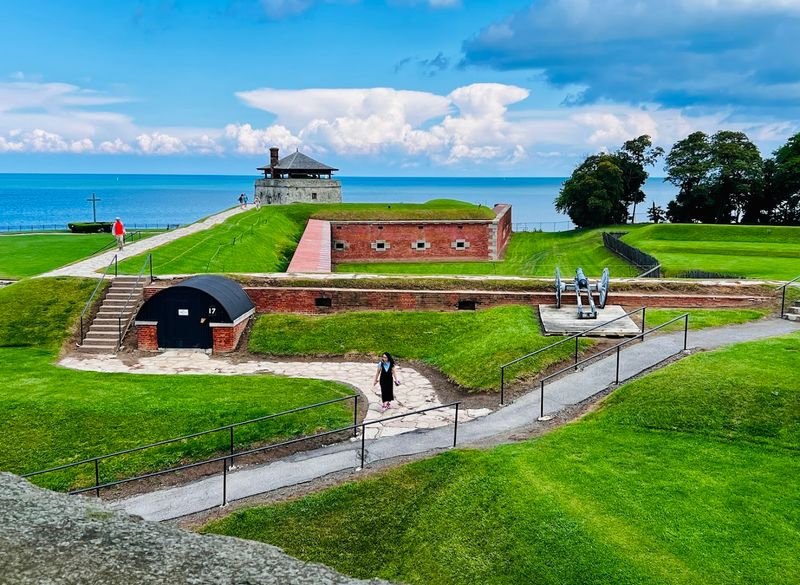
Standing on the ramparts of Old Fort Niagara and looking out over the meeting point of the Niagara River and Lake Ontario is one of those quietly spectacular moments that western New York tends to keep to itself.
The water stretches out in both directions with a clarity and expanse that feels almost surprising given how understated the approach to the fort can be.
On a clear day, the Canadian shoreline across the river is plainly visible.
A coin-operated viewing finder near the grounds offers a closer look at the Toronto skyline on days when visibility allows, and even without it, the vantage point from the fort walls is genuinely rewarding.
The park surrounding the fort adds to the experience with mature trees and open green space that invite visitors to slow down and take in the setting rather than rush through it.
The combination of natural scenery and historic architecture creates a layered visual experience that photographers tend to appreciate immediately. Early morning visits on weekend days offer calmer conditions and softer light along the waterfront.
The fort is located within Fort Niagara State Park, and the natural surroundings complement the historic structures in a way that feels entirely unforced. The location alone justifies the drive from Niagara Falls or Buffalo.
What Visiting Old Fort Niagara Actually Looks Like
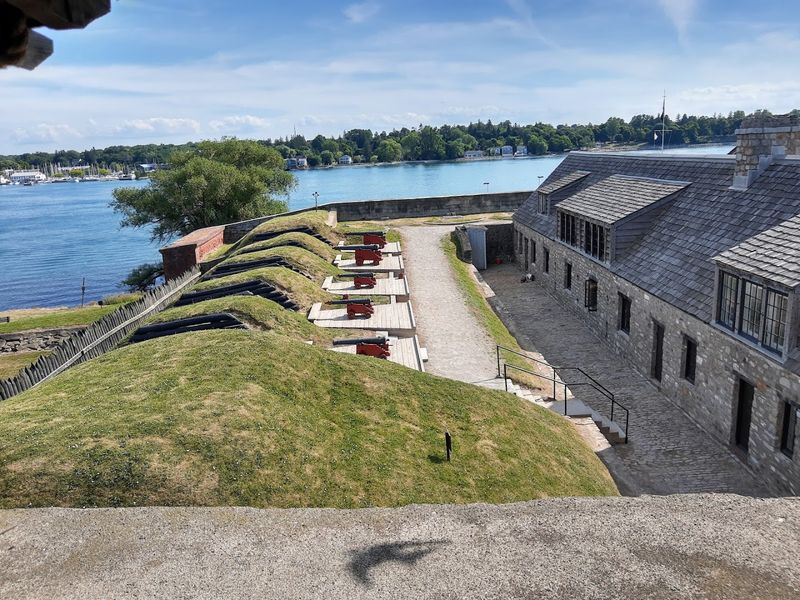
Old Fort Niagara is located at 102 Morrow Plaza in Youngstown, New York, a small village about 14 miles north of Niagara Falls that most travelers pass through without stopping.
The fort sits within Fort Niagara State Park, and visitors pay a modest parking fee upon entry to the park, which is deducted from the fort admission cost when a receipt is shown.
The process is straightforward, and staff at the entrance are helpful in directing first-time visitors.
The site is open Thursday through Sunday and Wednesday from 10 AM to 4 PM, and closed Monday and Tuesday. Visitors can reach the fort by phone at (716) 745-7611 or find additional information at oldfortniagara.org.
AAA members receive a discount at the gate, and the fort regularly hosts special seasonal events including evening programs that take on a completely different character from daytime visits.
Most visitors find that two hours covers the main buildings, demonstrations, and museum exhibits comfortably, though those who want to linger over the grounds and the waterfront views often stay closer to three.
The site is accessible for most mobility levels across the main pathways, though some areas involve uneven terrain typical of a historic outdoor site.
Wear comfortable shoes and bring a layer if visiting in the shoulder seasons.
The Iroquois Connection And The Diplomacy Behind The Stone Walls
The story of Old Fort Niagara cannot be fully told without acknowledging the Iroquois Confederacy, whose presence and political power shaped every decision the French made during the fort’s early construction. The Iroquois were not passive observers of European expansion in this region.
They were active negotiators, military allies, and at times formidable opponents whose cooperation determined whether a European power could sustain any presence in the interior at all.
France’s decision to disguise the French Castle as a trading house was a direct response to Iroquois political intelligence. Building an obvious fortress would have signaled aggression and potentially collapsed the fragile alliances France depended on for access to the fur trade.
The architectural deception was a calculated diplomatic move, not simply a clever construction trick.
The museum’s exhibits address this relationship with appropriate complexity, presenting the Iroquois not as background figures but as central actors in the events that shaped the region. A Native American education fund associated with the site supports ongoing preservation and educational efforts connected to this history.
Visitors who take the time to engage with this dimension of the fort’s story come away with a significantly richer understanding of what the site actually represents and why its history matters beyond a simple tale of European military competition.
Why This Fort Deserves A Spot On Every New Yorker’s List
Old Fort Niagara holds the status of both a National Historic Landmark and a New York State Historic Site, designations that reflect genuine significance rather than regional boosterism. Over 100,000 visitors pass through its gates each year, yet it remains one of those places that feels perpetually underrated in conversations about what to do in New York.
Most of the state’s residents have never been, and that is a gap worth closing.
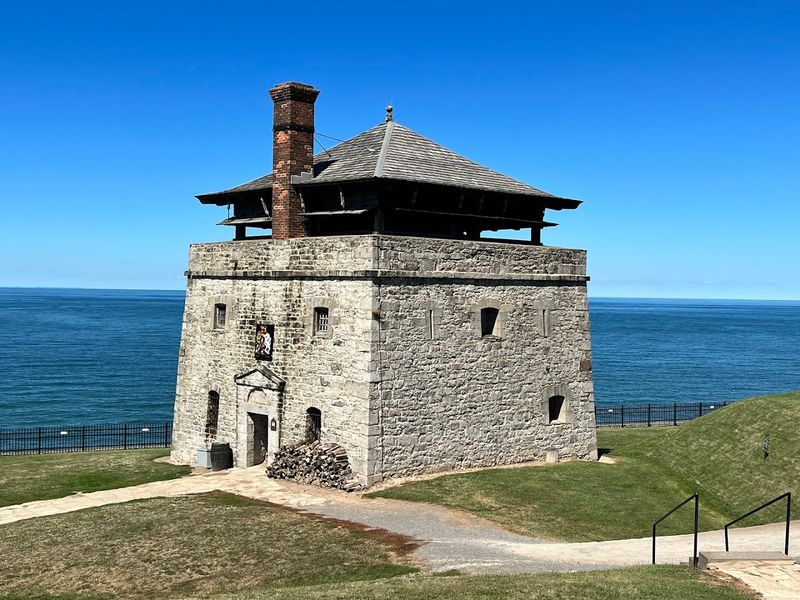
The fort offers something that is increasingly rare in a landscape crowded with manufactured experiences: authentic contact with the physical evidence of history. The stone walls are original.
The French Castle has stood for nearly 300 years. The artifacts inside were used by real people navigating real crises.
That combination of genuine age and careful preservation is not something that can be replicated or recreated.
For families, history enthusiasts, and curious travelers who want more than a scenic overlook, Old Fort Niagara delivers a full and satisfying experience at a reasonable cost. The staff is consistently praised for their warmth and depth of knowledge.
The grounds are well maintained and genuinely beautiful. Any visit to the Niagara Falls region that skips this site is leaving the best chapter unread, and that is a straightforward fact worth sharing with anyone planning a trip.