
The Arkansas River So Crystal Clear And Beautiful That Locals Have Been Quietly Keeping It To Themselves
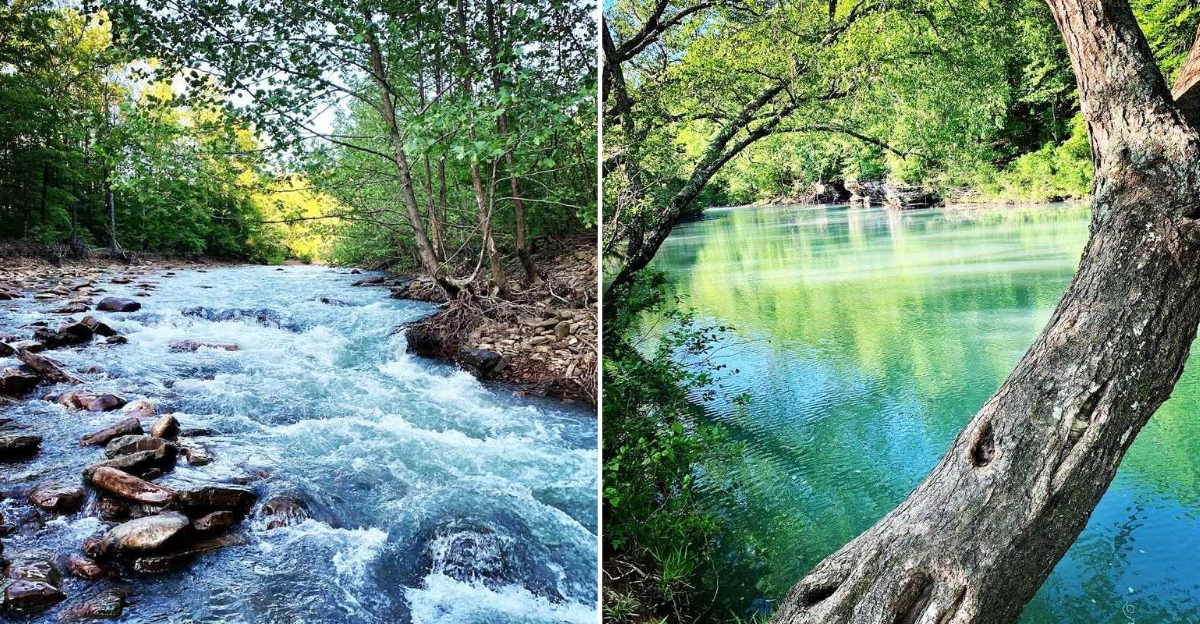
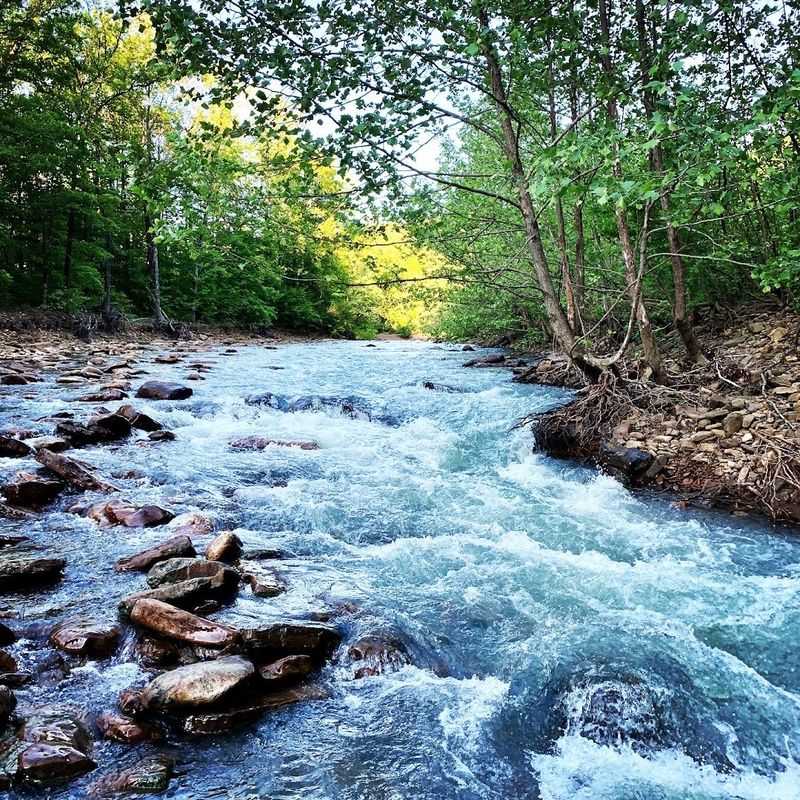
Most rivers run brown after a rainfall. This one runs clear enough to count the stones on the bottom, on any given day, in any given season.
It has been hiding in plain sight for years, known mostly to the locals who have quietly claimed it as their own. And it is not hard to understand why they never rushed to share it.
The water is the kind of clear that does not look real at first. The kind that makes you stop at the bank and just stare for a moment before you even think about getting in.
No filter needed. No perfect lighting required.
Just a river doing what this river has always done, running cold and clean through some of the most underrated landscape in Arkansas. The locals kept the secret as long as they could.
It is out now.
Crystal Clear Water Qualities And Origins
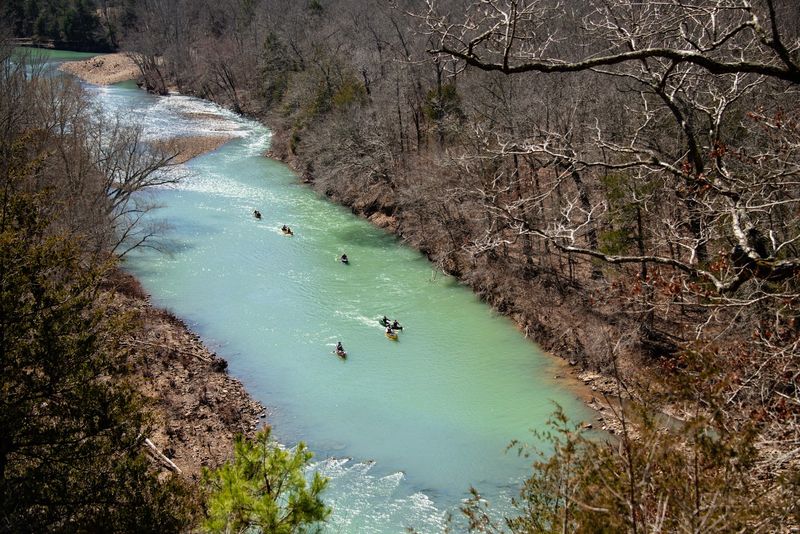
This river starts its journey high in the Boston Mountains, part of the larger Ozark range in Arkansas. That elevation matters.
Cold, clean water filters down through limestone and sandstone layers before feeding into the river, which is why the water looks almost unnaturally clear. You can see straight to the rocky bottom in most stretches, even in pools that look deep enough to swallow you whole.
The color shifts depending on the season and light. On a sunny afternoon, the water glows blue-green.
After a rain, it takes on a deeper emerald tone. The Mulberry River runs approximately 56 to 70 miles before it meets the Arkansas River south of the town of Mulberry.
Along the way, it passes through narrow canyons and tree-lined bluffs that shade the water and help keep temperatures cool even in summer.
The river was declared a state scenic river by the Arkansas General Assembly in 1985. It was later included in the National Wild and Scenic Rivers program in 1992.
That level of protection says everything about how special this water really is. You can find access points along Highways 23, 103, and 215 inside the Ozark National Forest.
Unique Flora Surrounding The Banks
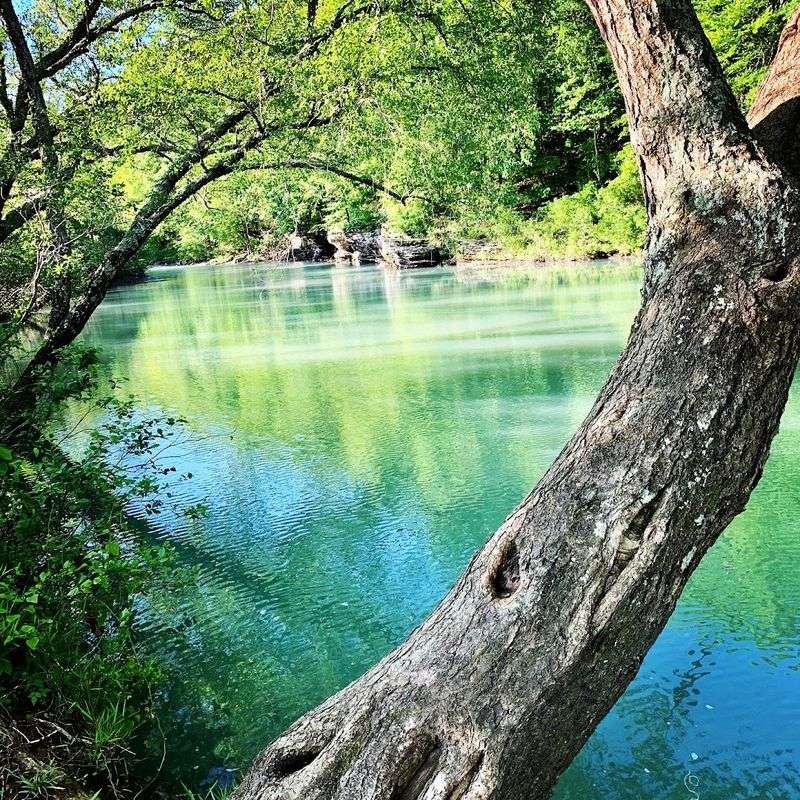
The forest along the Mulberry River feels almost theatrical. Tall hardwoods crowd the banks so tightly that they form a green canopy overhead, blocking out the sky in long, shaded stretches.
Sycamore trees are everywhere, their pale trunks leaning over the water like they are trying to get a better look at their own reflection.
Beneath the canopy, ferns carpet the ground in thick patches. Wildflowers pop up along the rocky edges in spring, splashing color against all that green.
Mossy boulders line the shallows, and river cane grows in dense clusters near slower-moving sections. The plant life here is not manicured or managed.
It is wild, layered, and constantly changing with the seasons.
The Ozark National Forest surrounds much of the river corridor, which protects this plant diversity from development. Old-growth trees appear in some stretches, their massive root systems gripping the bluffs above the waterline.
River birch, oak, and hickory are common throughout. In the fall, the color display along the banks is genuinely jaw-dropping.
The combination of clear water and vibrant foliage creates a scene that looks more like a painting than a real place you can actually visit.
Springtime Wildlife Sightings Along The River
Spring along the Mulberry River is basically a wildlife parade, and you get front-row seats for free. The area around the river supports one of the largest concentrations of black bears in Arkansas.
Spotting one crossing the river at dawn is the kind of moment that makes you forget you were ever tired from the drive out there.
Eagles pass through during migration, and watching one drop toward the water to snag a fish is genuinely one of the best free shows in the state. White-tailed deer are almost guaranteed sightings, especially in the early morning hours near the banks.
Wild turkey, great blue herons, and wood ducks also make regular appearances along the quieter stretches.
The river itself draws wildlife because of the food it provides. Smallmouth and spotted bass thrive here, which keeps the birds of prey well-fed and active.
Bring binoculars if you have them. The dense forest makes spotting animals easier than you might expect because the river creates a natural open corridor through all that thick vegetation.
Mornings between late March and early May offer the most consistent action. Patience is your best tool out here, and the reward is absolutely worth it.
Conservation Efforts Protecting The Waterways
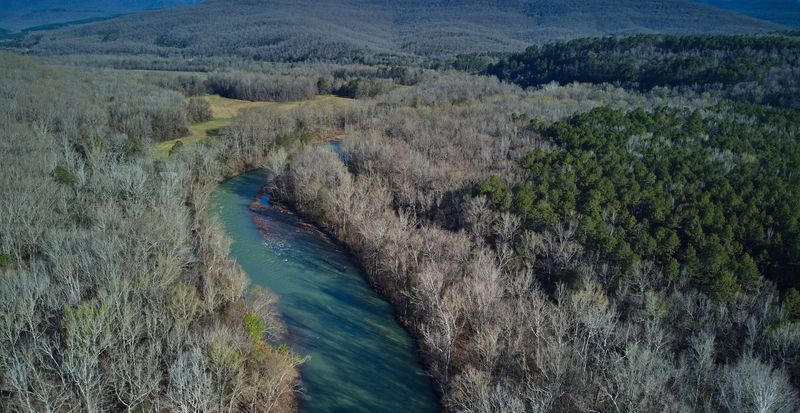
The Mulberry River did not end up this clean and healthy by accident. Decades of intentional protection have kept it in remarkable shape.
The Arkansas General Assembly stepped up first in 1985, officially designating it a state scenic river. That move placed legal protections on the corridor and limited the kind of development that has ruined other waterways in the region.
The federal government followed with inclusion in the National Wild and Scenic Rivers program in 1992. That designation restricts dams, channelization, and other alterations that would change the river’s natural character.
The Ozark National Forest, which surrounds large sections of the river, adds another layer of protection by managing the surrounding land for conservation rather than commercial use.
Local outfitters and paddling communities also play a real role. Groups that use the river regularly have a strong incentive to keep it healthy, and many participate in cleanup events and public education efforts.
The Arkansas Game and Fish Commission monitors fish populations and water quality on an ongoing basis. The result of all these overlapping efforts is a river that still looks and functions the way it did long before most of us were born.
That is genuinely rare and worth appreciating every time you visit.
Popular Non-Motorized Water Sports Opportunities
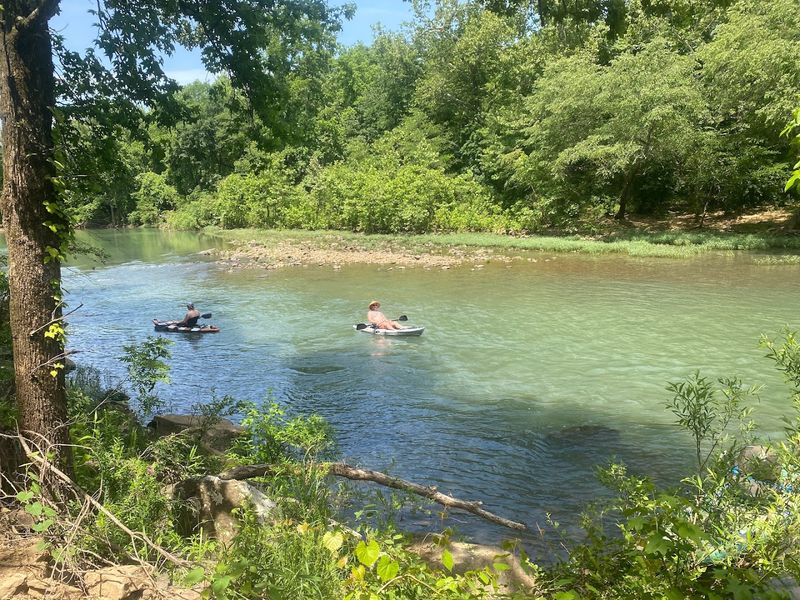
The Mulberry River is one of Arkansas’s most celebrated whitewater destinations, and it earns that reputation every single float season. Rapids range from Class I to Class III, which means beginners can enjoy the gentler sections while more experienced paddlers get their adrenaline fix on the tougher runs.
The floating season runs from late fall through June, when water levels are high enough to make the trip worthwhile.
Canoeing and kayaking are the most popular ways to experience the river. Rafting trips are also common, especially for groups who want a more relaxed ride through the canyon scenery.
Multiple access points along Highways 23, 103, and 215 let you customize the length of your float. Outfitters operate along the river and can set you up with equipment and shuttle services if you need them.
Swimming and wading are equally popular during warmer months. The clear, cool water makes swimming feel refreshing in a way that heated pools simply cannot replicate.
Rock skipping is practically a competitive sport out here. The riverbed is loaded with flat, smooth stones that seem purpose-built for it.
Whether you are paddling hard through rapids or lazily floating a calm pool, the Mulberry delivers an experience that is hard to find anywhere else in the state.
Best Seasons For Scenic Photography
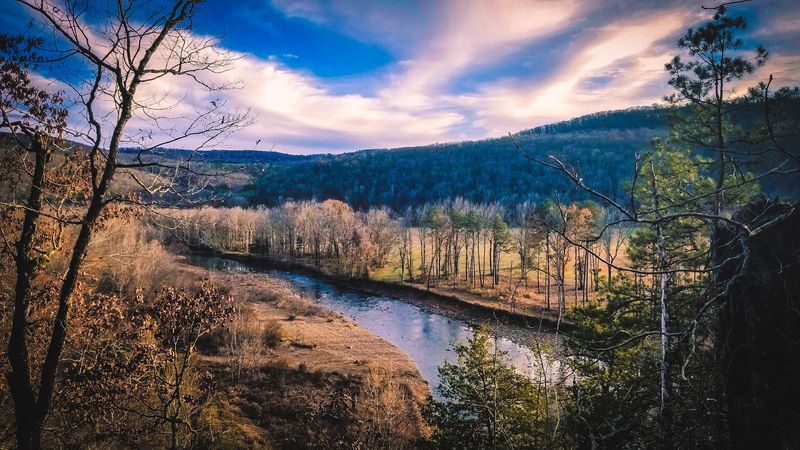
Fall is the undisputed champion for photography along the Mulberry River. October and early November bring a full explosion of color to the surrounding forest.
Red, orange, and gold leaves reflect off the clear water in a way that makes every shot look professionally edited. The light during this time of year is softer and more golden, especially in the early morning and late afternoon hours.
Spring runs a close second. The fresh green growth emerging along the banks contrasts beautifully with the pale limestone bluffs and the blue-green water below.
Wildflowers add bursts of color to the foreground. Morning fog sometimes sits in the canyon, which creates a moody, atmospheric quality that is genuinely hard to recreate anywhere else.
Summer has its own appeal for photographers who want dramatic water shots. Higher sun angles create bright reflections on the surface, and the dense green canopy frames the river in lush, deep color.
Winter is underrated for its stark, minimalist compositions. Bare trees reveal the bluff structure more clearly, and low water levels expose interesting rock formations.
No matter when you visit, the Mulberry River offers compelling subject matter from nearly every angle you point a camera. Bring extra memory cards.
You will use them.
Local Legends And Cultural Stories Connected To The River
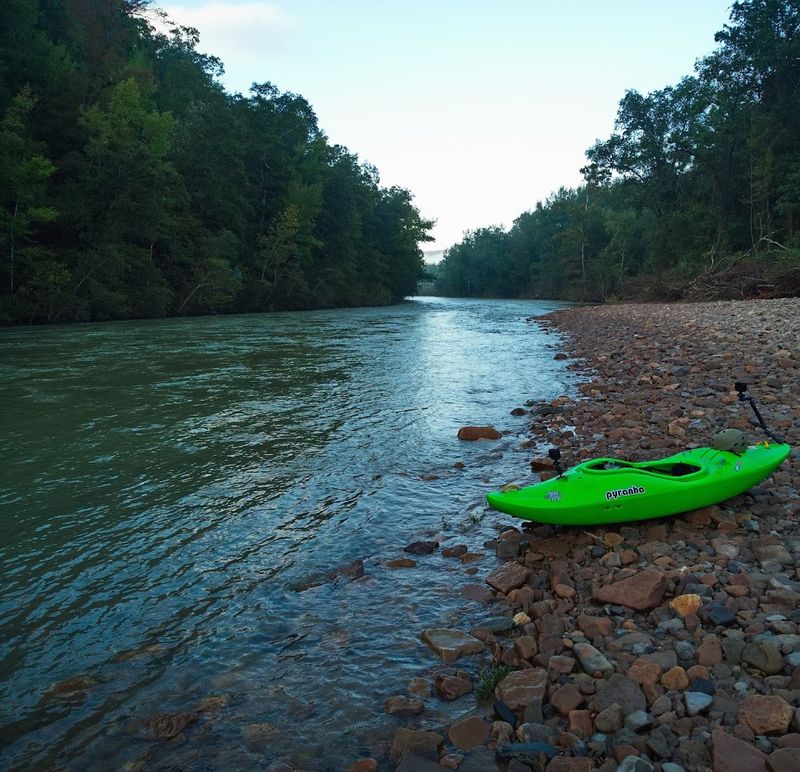
The Mulberry River has been part of Ozark life for generations, and that history runs deep in the surrounding communities. Native American groups traveled and lived along these waterways long before European settlers arrived.
The river was a practical resource for food, transportation, and trade, and that relationship between people and water shaped the culture of this entire region.
Ozark folklore has always had a strong connection to rivers and mountains. Stories about mysterious lights in the hollows, unusual creatures in the deep pools, and unexplained sounds echoing through the canyons have circulated in these communities for well over a century.
Whether you believe any of it or not, sitting beside the Mulberry River at dusk makes those old stories feel a lot more plausible than they did at noon.
The river also carries stories of early settlers who built homesteads along its banks and relied on it for survival through brutal winters. Remnants of old mills and crossing points still exist in some areas, connecting the present landscape to a much older way of life.
The Pig Trail, officially Highway 23, follows the river corridor and has its own legendary status among motorcyclists and road travelers across the region. History and landscape are genuinely inseparable out here.
Benefits Of Spending Time Near Fresh Water
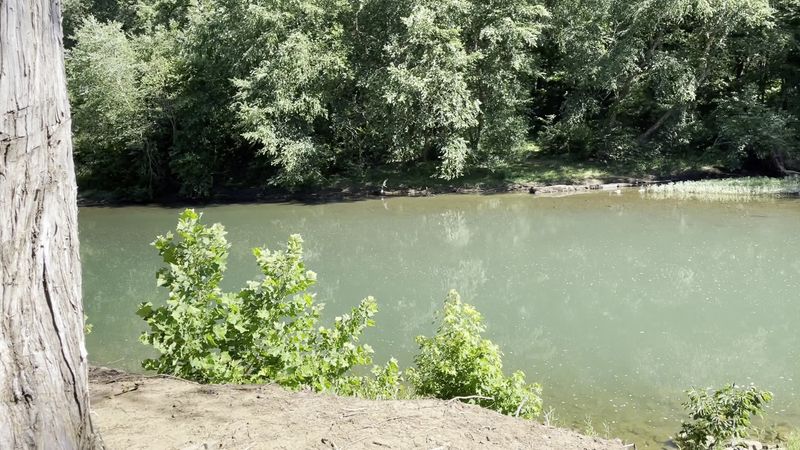
Fresh water has a way of resetting your brain, and the Mulberry River is particularly good at it. Research consistently shows that spending time near moving water reduces stress hormones and lowers blood pressure.
The sound of the current alone is enough to slow your breathing down within minutes of arriving. Out here, that effect is almost immediate.
The air near the river feels noticeably cleaner and cooler than in the surrounding areas. The dense forest canopy filters out heat and adds moisture to the air, which makes everything feel more comfortable.
Physical activity is almost unavoidable. Wading, paddling, hiking the nearby trails, and scrambling over rocks all add up to a solid workout without feeling like exercise at all.
Disconnecting from screens and city noise is one of the biggest benefits people report after a trip to the Mulberry. Cell service is limited in many stretches of the river corridor, which forces a kind of digital detox, whether you planned for one or not.
Kids especially benefit from unstructured time in natural environments. Catching crawdads, skipping rocks, and exploring the shallow pools builds a kind of curiosity and confidence that is hard to develop anywhere else.
A single afternoon here does more for your mental reset than most weekend trips ever will.