
11 Peaceful Spots In Massachusetts Where You Can Unwind And Enjoy Nature’s Beauty
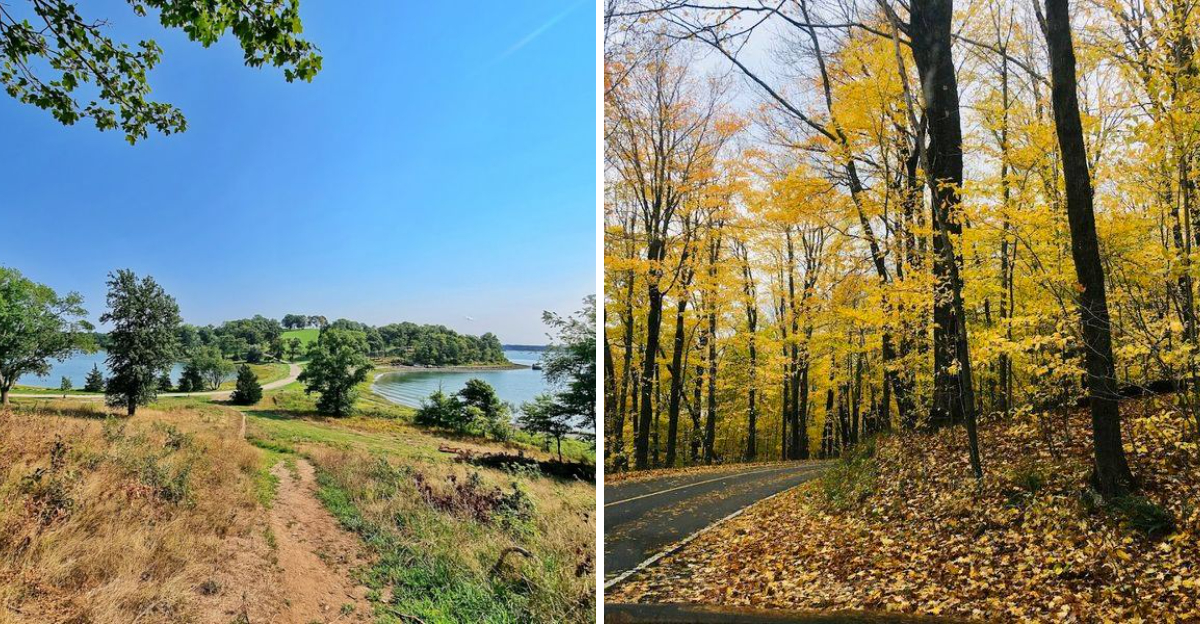
Some days call for fresh air, quiet paths, and a view that makes your shoulders drop a little. Massachusetts has plenty of peaceful places where nature does the heavy lifting, with leafy trails, calm ponds, ocean breezes, gardens, and wide-open scenery that feel made for slowing down.
You don’t need a packed itinerary or a long holiday to reset your mood. Just pick a spot, bring comfortable shoes, and let the surroundings do their thing.
For anyone craving a softer kind of outing this year, these Massachusetts escapes offer the perfect excuse to pause, breathe, and enjoy the view.
1. Halibut Point State Park, Rockport
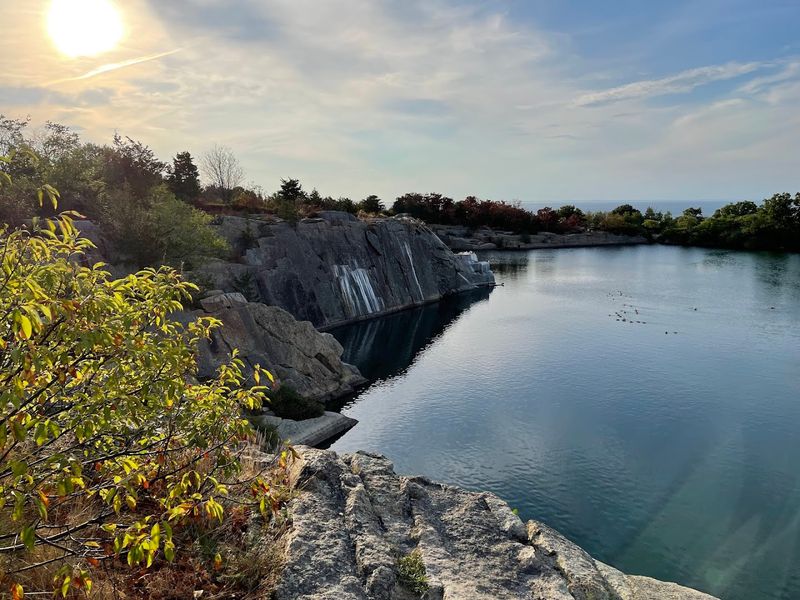
Standing at the edge of Halibut Point State Park in Rockport, you get the distinct feeling that the ocean has been trying to reclaim this land for centuries. The park sits on the northeastern tip of Cape Ann, where massive slabs of pink granite drop straight into the Atlantic, and the views on a clear day stretch all the way to Maine.
The centerpiece of the park is a flooded granite quarry, active from the late 1800s until the mid-twentieth century. Today it sits quietly beside the coastal trail, its still water reflecting the sky in a way that feels almost cinematic.
The 1.6-mile Halibut Point Trail circles the quarry and winds along the rocky shoreline, where tidal pools bubble with life at low tide. Crabs, periwinkles, and sea anemones make their homes in the crevices, turning the walk into an impromptu nature lesson.
Early morning visits are especially rewarding, when the light hits the granite at a low angle and the only sounds are waves and seabirds. Pack a lunch, find a flat rock, and let the Atlantic do the rest.
2. Bash Bish Falls, Mount Washington
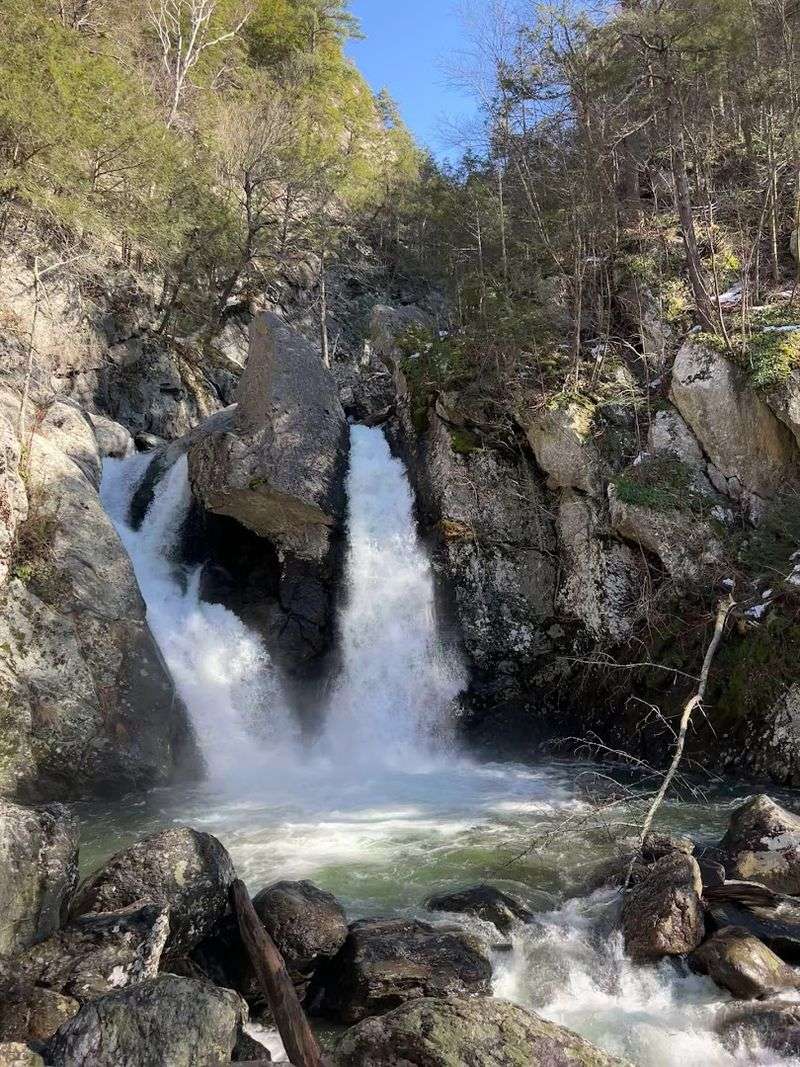
There is something almost theatrical about Bash Bish Falls. The water splits around a rock at the top, drops more than sixty feet into a deep glacial pool, and fills the surrounding gorge with a sound that you feel as much as hear.
It is the tallest single-drop waterfall in Massachusetts, and it earns that title dramatically.
Located in Mount Washington State Forest in the far southwestern corner of the state, the falls sit just steps from the New York border in a region that most Massachusetts residents have never visited. Getting there is half the experience: the drive through the Berkshire hills passes through small villages, farmland, and stretches of forest that feel genuinely remote.
The trail from the main parking area is about a mile each way and moderately steep in sections, but the payoff is absolutely worth the effort. A shorter, easier path exists from the New York side for those who prefer a gentler approach.
Spring and early summer bring the highest water flow, making the falls roar with extra intensity. Come on a weekday if you can, because this spot has quietly earned a devoted following among hikers who know what they are looking for.
3. Great Island Trail, Wellfleet
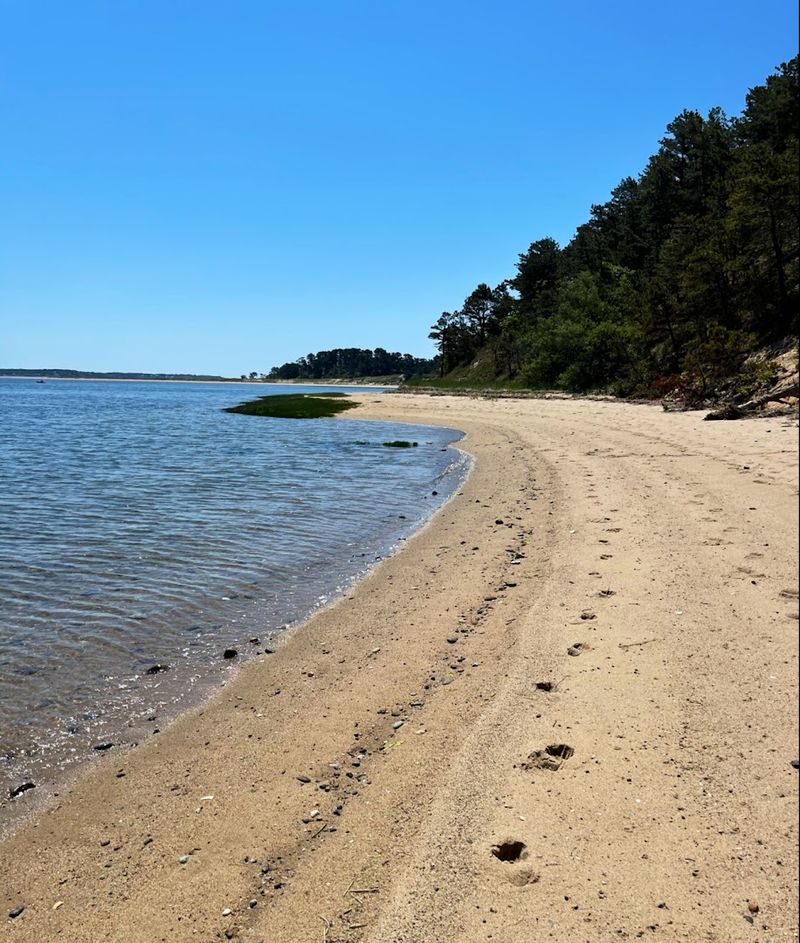
Cape Cod has a reputation for summer crowds, but Great Island Trail in Wellfleet operates on a completely different frequency. This remote out-and-back trail stretches across a narrow peninsula that juts into Cape Cod Bay, passing through salt marshes, pitch pine forest, and open beach in a way that feels more like the 1700s than the present day.
The full trail runs about eight miles round trip, which is enough to leave most casual visitors behind after the first mile. The solitude increases with every step, and by the time you reach the southern tip of the peninsula, you may find yourself entirely alone with the wind and the water.
Views across the bay are wide and unobstructed, and at low tide the exposed flats shimmer with an almost metallic light. Shorebirds probe the sand in quiet concentration, and harbor seals are sometimes spotted offshore in the cooler months.
Bring plenty of water and sunscreen because there is almost no shade on the outer sections of the trail. The Cape Cod National Seashore manages the area, keeping it beautifully preserved and refreshingly undeveloped year-round.
4. Notchview Reservation, Windsor
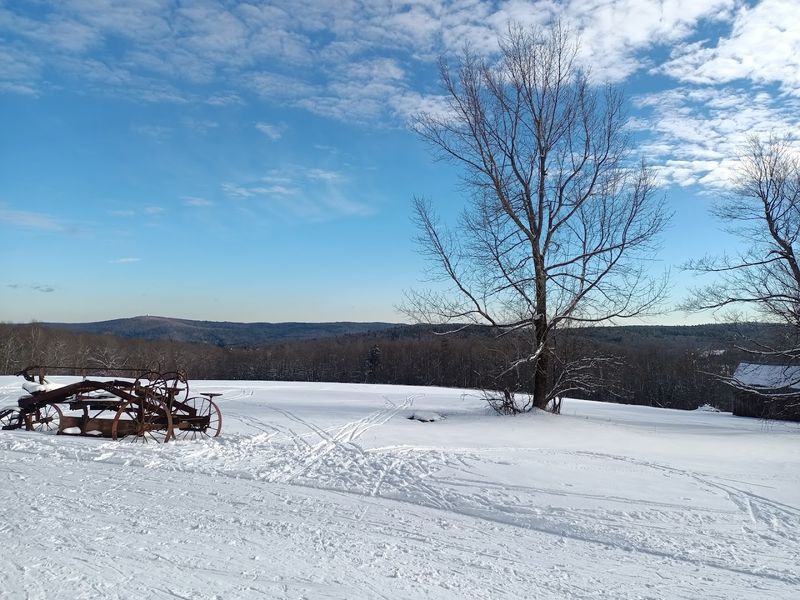
At 2,297 feet above sea level, Notchview Reservation in Windsor feels like a place that belongs to a different, quieter world. Managed by The Trustees of Reservations, this 3,000-acre high-elevation plateau in the Berkshires sits higher than almost anywhere else in Massachusetts, and the landscape reflects that altitude in every season.
Winter brings deep, reliable snow that makes Notchview one of the best cross-country skiing destinations in New England, with groomed trails winding through birch and spruce forest. Spring arrives later here than in the valleys below, but when it does, the open meadows fill with wildflowers in a way that genuinely stops you mid-stride.
The sweeping views from the upper trails look more like Vermont than anything you might expect from Massachusetts, with rolling open farmland and forested ridgelines stretching in every direction. The Judge’s Hill Trail offers some of the best panoramic perspectives on the reservation.
Crowds are rare here even on weekends, partly because Notchview sits off the main tourist routes and partly because the elevation keeps casual visitors guessing. Those who make the trip tend to come back every single season.
5. Quabbin Reservoir, Belchertown
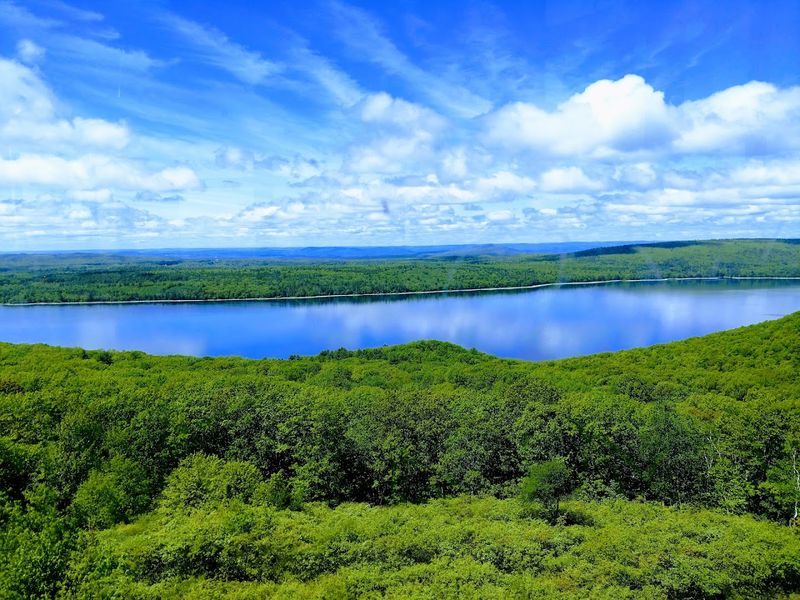
Few places in Massachusetts carry as much quiet weight as Quabbin Reservoir. Created in the 1930s by flooding four towns, including Dana, Enfield, Greenwich, and Prescott, this massive body of water now covers nearly 39 square miles and supplies drinking water to much of eastern Massachusetts.
The history alone gives the landscape a certain stillness that is hard to describe.
Miles of completely undeveloped shoreline wind around the reservoir, and the forest that grows right to the water’s edge is some of the most pristine in the state. Old stone walls from the former towns occasionally appear through the trees, a quiet reminder of what lies beneath the surface.
Bald eagles nest here in numbers rarely seen elsewhere in New England, and spotting one gliding over the water on a clear morning is the kind of experience that stays with you. The Quabbin Park area near Belchertown offers accessible trails, a visitor center, and lookout towers with sweeping reservoir views.
Fishing is permitted in designated areas, and the roads around the reservoir make for exceptional cycling. Whether you come for the history, the birds, or simply the silence, Quabbin has a way of resetting your entire perspective.
6. Peaked Mountain, Monson
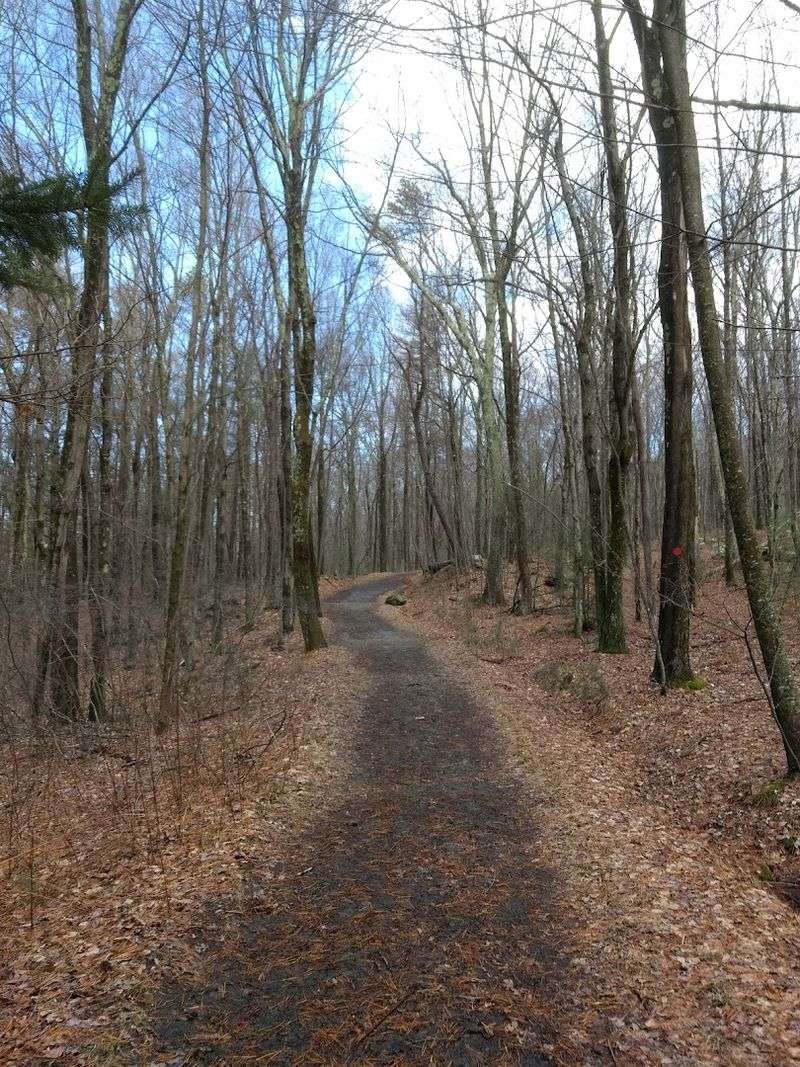
Ask most people about hiking in Massachusetts and they will mention the Berkshires or the Cape, but Peaked Mountain in Monson quietly delivers one of the most rewarding summit experiences in the entire state. The hike is short, under two miles round trip, but the rocky open summit rewards every step with 360-degree views that stretch across Central Massachusetts in all directions.
The trail begins at Peaked Mountain Town Forest and climbs steadily through a peaceful mixed forest of oak, maple, and pine. The forest floor is particularly beautiful in autumn, when the leaf color builds up in layers along the trail and the air takes on that crisp, unmistakable October quality.
At the top, large flat boulders make perfect perches for a snack or a long, unhurried look at the landscape below. On clear days you can see Mount Monadnock in New Hampshire to the north and the Berkshire ridgelines to the west.
Because Peaked Mountain sits outside the typical tourist circuits, it draws mostly local hikers and the occasional visitor who discovered it through word of mouth. That low profile is precisely what makes it special, and hopefully keeps it that way for a long time to come.
7. Bartholomew’s Cobble, Ashley Falls
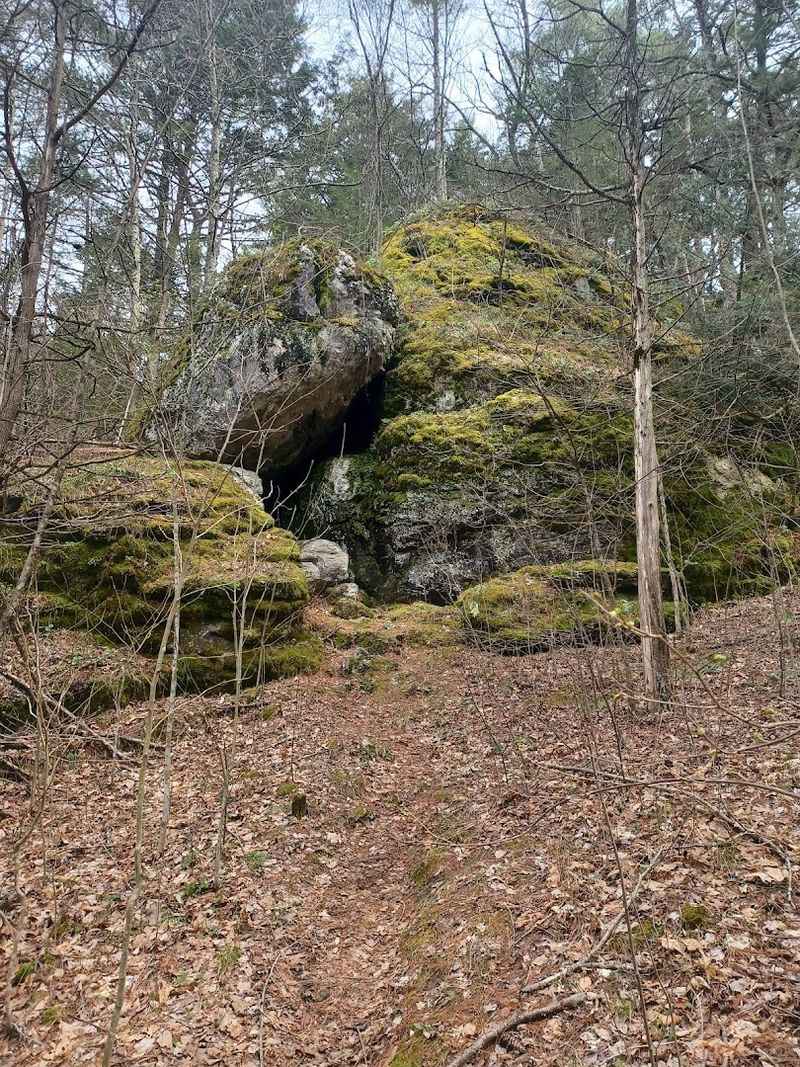
Botanists have been making pilgrimages to Bartholomew’s Cobble in Ashley Falls for well over a century, and once you see the place, the devotion makes complete sense. This National Natural Landmark in the far southwestern corner of Massachusetts contains the most diverse collection of native ferns in North America, more than 500 species of wildflowers, and ancient limestone and marble outcroppings that rise dramatically from the Housatonic River floodplain.
The Cobble itself refers to the rocky knolls of resistant rock that resisted erosion while the surrounding land wore away over thousands of years.
The Ledges Trail climbs to a high overlook with views of the river valley and the surrounding Berkshire hills that are genuinely breathtaking in every season. Spring brings an extraordinary wildflower display, while autumn turns the meadows and forests into something resembling a painting.
Managed by The Trustees of Reservations, the property covers about 330 acres and includes several well-maintained trails of varying difficulty. It is the kind of place that nature lovers remember for years after a single visit.
8. Parker River National Wildlife Refuge, Newburyport
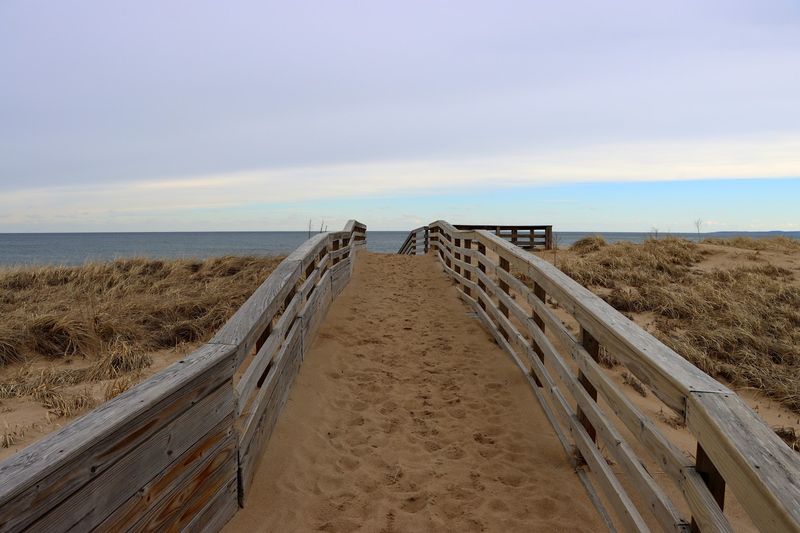
Plum Island has a way of making the modern world feel very far away. Parker River National Wildlife Refuge stretches across most of this barrier island off the coast of Newburyport in northeastern Massachusetts, protecting more than 4,700 acres of beach, dune, salt marsh, and freshwater pond from development and human noise.
Over 300 species of birds have been recorded at the refuge, making it one of the top birdwatching destinations on the entire East Coast. During spring and fall migration, the skies above the marsh can fill with shorebirds, raptors, and waterfowl in numbers that feel almost impossible for a place this close to a major city.
Beach sections close seasonally to protect nesting piping plovers and least terns, which actually works in the visitor’s favor by keeping the refuge quieter and wilder than most coastal areas in the region. Boardwalk trails wind through the marsh and offer elevated views across the tidal channels.
Parking is limited by design, which means early arrivals get the best experience. Sunrise on the beach here, with the marsh glowing pink behind you and the ocean going silver ahead, is the kind of morning that needs no filter and no caption.
9. Walden Pond, Concord
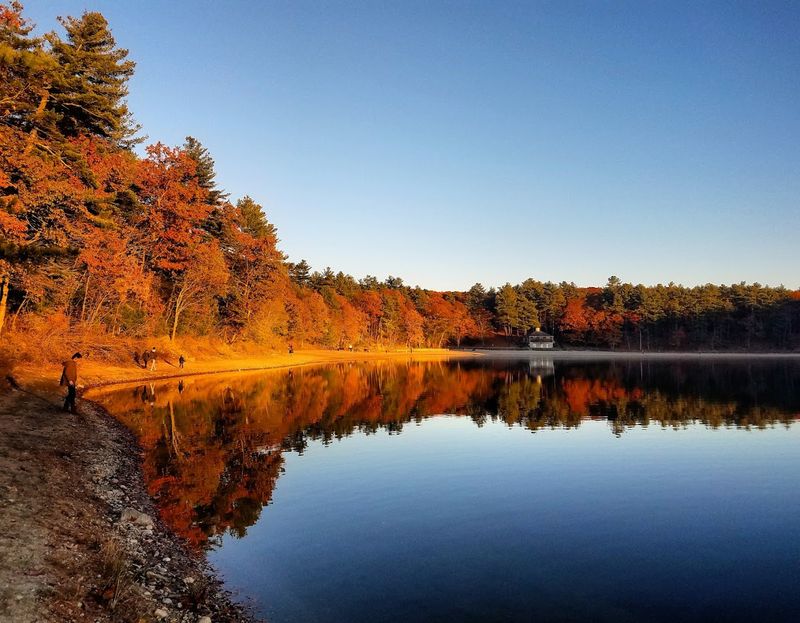
Henry David Thoreau spent two years, two months, and two days living in a small cabin beside this pond in the 1840s, and the experience produced one of the most influential books in American literature. Nearly two centuries later, Walden Pond in Concord still carries that same quality of deliberate stillness that drew Thoreau here in the first place.
The pond itself is a glacial kettle hole, formed roughly 10,000 years ago when a massive chunk of glacial ice melted into the earth. The water is exceptionally clear, with visibility reaching several feet below the surface, and the surrounding forest of pine, oak, and beech has been protected as a state reservation since 1922.
A 1.7-mile walking path circles the entire shoreline, passing the site of Thoreau’s original cabin, marked today by a cairn of stones left by visitors over the years. The path is level and easy, making it accessible for almost everyone.
Swimming is allowed from a designated beach area during summer months, and the combination of clear water, quiet forest, and literary history creates an atmosphere unlike anywhere else in New England. Come early on a weekday morning and the pond is yours to think in.
10. October Mountain State Forest, Lee
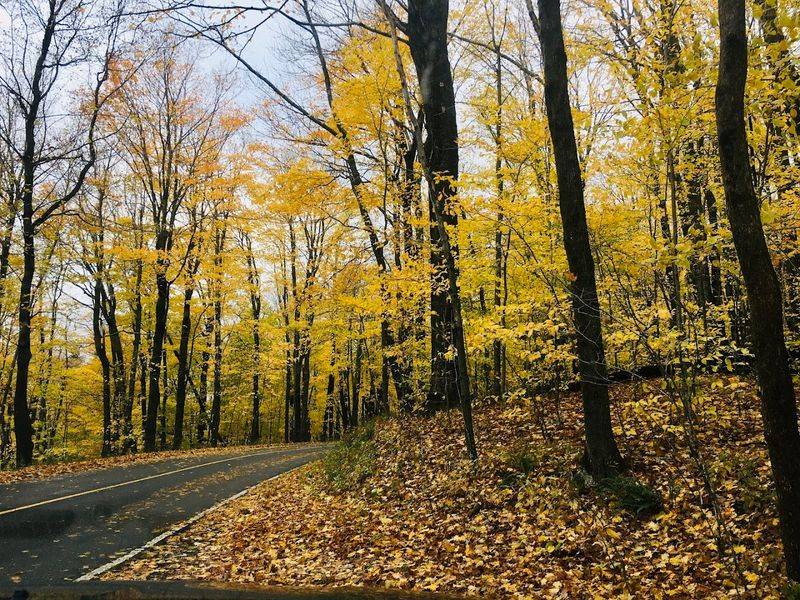
With more than 16,500 acres of protected land, October Mountain State Forest near Lee is the largest state forest in Massachusetts, and it wears that distinction with admirable modesty. There are no grand visitor centers or heavily marketed attractions here, just miles of deep forest trails, beaver ponds, cascading streams, and a campground so quiet that first-time visitors sometimes double-check their maps to make sure they are still in New England.
The forest sits squarely in the heart of the Berkshires, and the terrain reflects that geography with rolling ridges, rocky outcroppings, and dense mixed forest that turns extraordinary colors in early October. The timing of the fall foliage here tends to run slightly ahead of the lower valleys, making it a reliable destination for leaf-peeping a week or two before the crowds arrive.
Beaver ponds are scattered throughout the interior of the forest, and the dams and lodges are easy to spot from several trail sections. Herons, wood ducks, and river otters use these ponds regularly, rewarding patient and quiet visitors.
The forest also connects to the Appalachian Trail, which passes through the eastern section and opens up longer hiking options for those looking to extend their adventure well beyond a single afternoon.
11. World’s End, Hingham
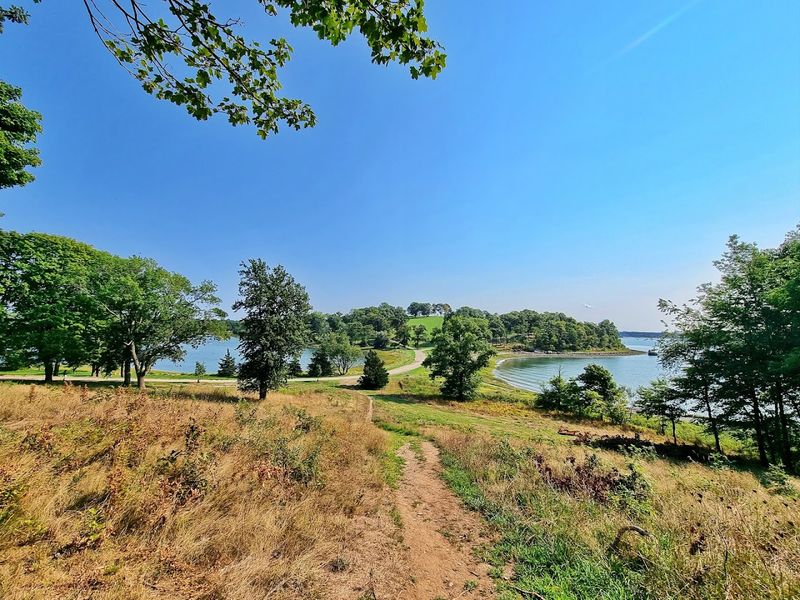
Frederick Law Olmsted, the landscape architect behind New York’s Central Park, designed the carriage roads and tree plantings at World’s End in the 1880s, and his vision has aged beautifully. This 251-acre peninsula in Hingham juts into Boston Harbor in a way that makes the nearby city feel like a rumor rather than a reality just a few miles away.
The landscape moves between open rolling meadows, hardwood forest, and rocky shoreline, with the carriage roads providing easy, flat walking in almost every direction. Views shift constantly as you move around the peninsula: Boston’s skyline appears to the north, the harbor islands spread out to the east, and the South Shore coastline curves away in both directions.
World’s End was actually proposed as a nuclear power plant site in the 1960s and later considered as a location for the United Nations headquarters. Fortunately for everyone who has walked here since, neither plan moved forward.
The Trustees of Reservations manages the property, and a modest entrance fee helps fund its upkeep. Weekday mornings in spring and autumn are the finest times to visit, when the light is low, the air is cool, and the only sounds are wind through the old trees and the soft lap of harbor water on the rocks below.