
Underrated Amish Town In Iowa That Feels Authentic And Timeless
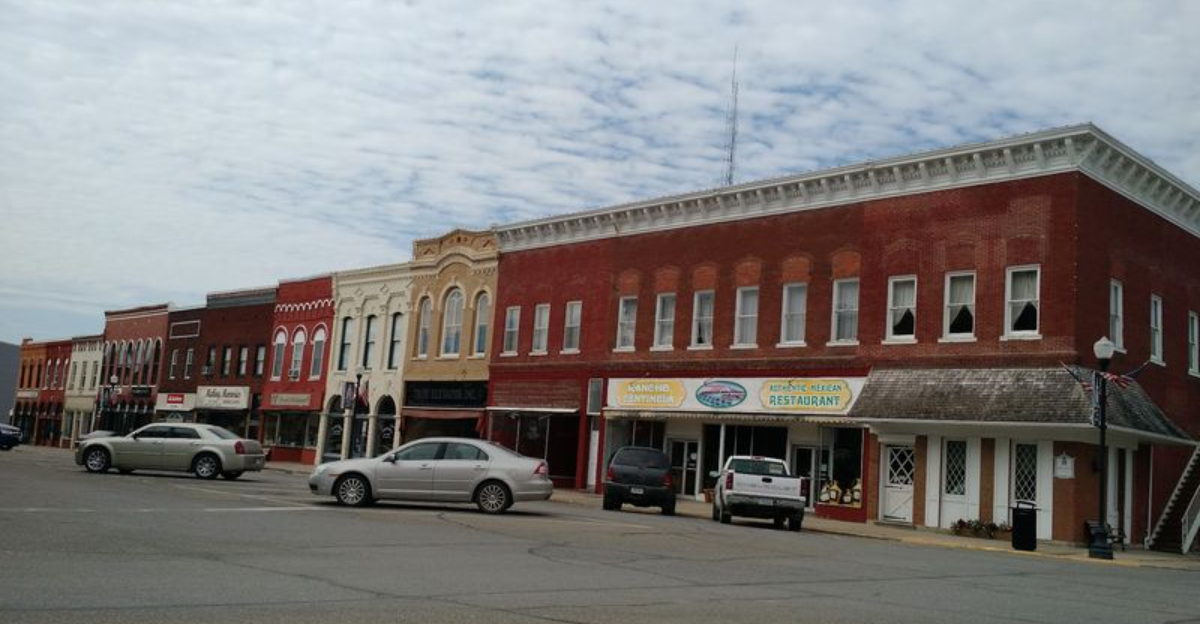
This town has a gas station, a grain elevator, and enough horse hitching posts to make you wonder if you missed a turn somewhere around 1887. You did not miss a turn.
This is exactly where you are supposed to be. Bloomfield, Iowa sits quietly in the southeastern corner of the state, doing what it has always done, at exactly the pace it has always done it.
One of the largest Amish communities in Iowa calls this place home, and their presence is not a tourist attraction. It is just life, unhurried and completely unbothered by the century happening everywhere else.
Buggies share the road with pickup trucks. Handmade quilts hang outside shops next to hardware store signs.
Nobody is performing tradition here. They are just living it, which turns out to be far more interesting to watch.
Traditional Handcrafted Furniture Styles
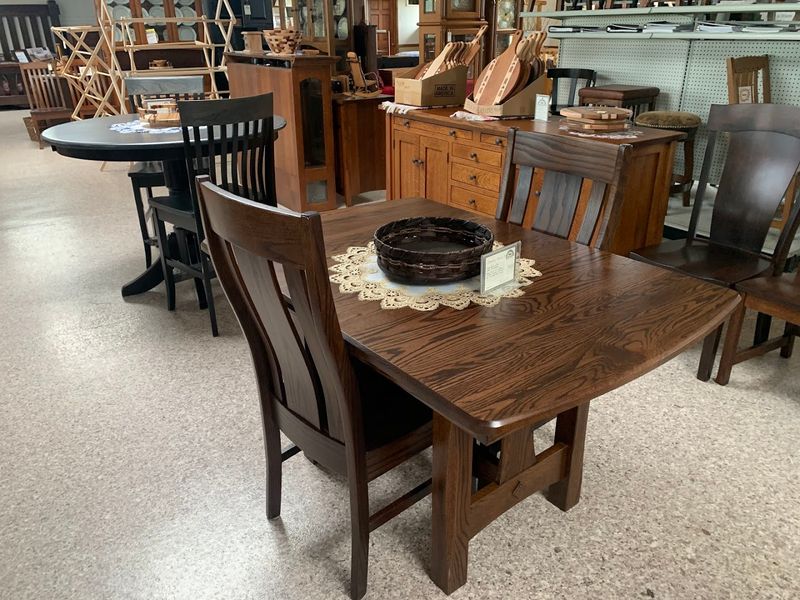
Enter any Amish furniture shop near Bloomfield, and you will immediately notice the difference between mass-produced pieces and something built with real intention. Every joint is cut by hand.
Every surface is sanded smooth without a power tool in sight. The craftsmanship is genuinely jaw-dropping.
The Amish community here specializes in solid hardwood furniture, particularly oak, cherry, and walnut. Rocking chairs, dining tables, and bedroom sets are popular items.
These are not flat-pack furniture pieces you struggle to assemble on a Saturday afternoon. These are heirlooms built to outlast you.
Shops like Yoder’s Country Korner carry a wide selection of locally made goods. You can find the Davis County Welcome Center in Bloomfield, Iowa, 52537 USA, to grab a business map before visiting.
Most shops do not keep strict hours, so calling ahead is smart. Plan your visit on any day except Sunday, because Amish businesses are firmly closed that day.
Buying directly from the maker means your money supports a family, not a factory. That alone makes every purchase feel more meaningful.
Amish Culinary Specialties And Recipes

Forget trendy brunch spots. The food scene in Bloomfield’s Amish community is built on recipes passed down through generations, and every bite proves why old-fashioned cooking still wins.
Cinnamon rolls the size of your fist are a real thing here, and they are absolutely worth the drive.
The Bakery Barn is a local favorite for homemade cookies, pies, and those legendary cinnamon rolls. Hershberger’s Bulk Food and Grocery is the place to stock up on baking supplies, dried goods, and locally made pantry staples.
Shopping there feels like finding a treasure chest full of things your grandmother used to keep in her kitchen.
Amish cooking leans heavily on garden-fresh vegetables, home-canned goods, and scratch-made everything. There are no shortcuts and no preservatives.
Meals are hearty, simple, and deeply satisfying. Seasonal produce is a big deal here, with the Southern Iowa Produce Auction running on Tuesdays and Fridays at 10 a.m. for anyone who wants the freshest local ingredients.
Visiting during harvest season means you will find an incredible variety of vegetables, fruits, and preserves straight from Amish farms. Bring a cooler.
Seriously.
Transportation Methods Beyond Automobiles
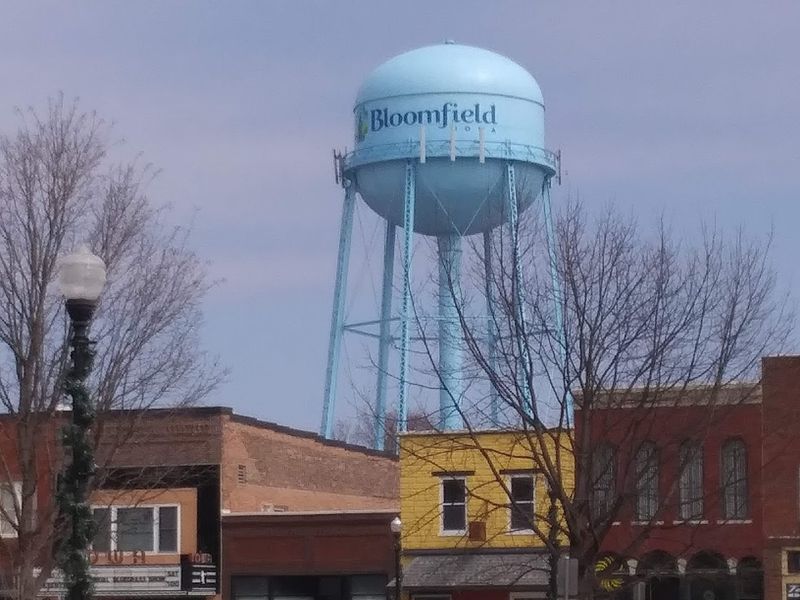
Seeing a horse-drawn buggy clip-clop down a Davis County road never gets old. For the Bloomfield Amish community, this is not a novelty or a tourist attraction.
It is simply Tuesday. Horses are the primary mode of transportation, and the community has been doing it this way since 1971.
Old Order Amish traditions strictly limit the use of modern technology, and that includes automobiles. Buggies are built to be functional and durable, not flashy.
They come in enclosed styles for winter travel and open styles for warmer months. The roads around Bloomfield are shared respectfully between buggies and cars, and locals know to slow down and give them space.
Beyond buggies, many community members travel on foot or by bicycle for shorter distances. Horses are also used for farm work, pulling plows and equipment across fields.
This keeps fuel costs nonexistent and the air noticeably cleaner. If you are driving through Davis County and spot fresh hoof prints on a gravel road, you are definitely in the right area.
The sight of a family riding together in a buggy, heading to church or the market, is one of those genuinely unforgettable moments Bloomfield offers every visitor.
Community Events Celebrating Heritage
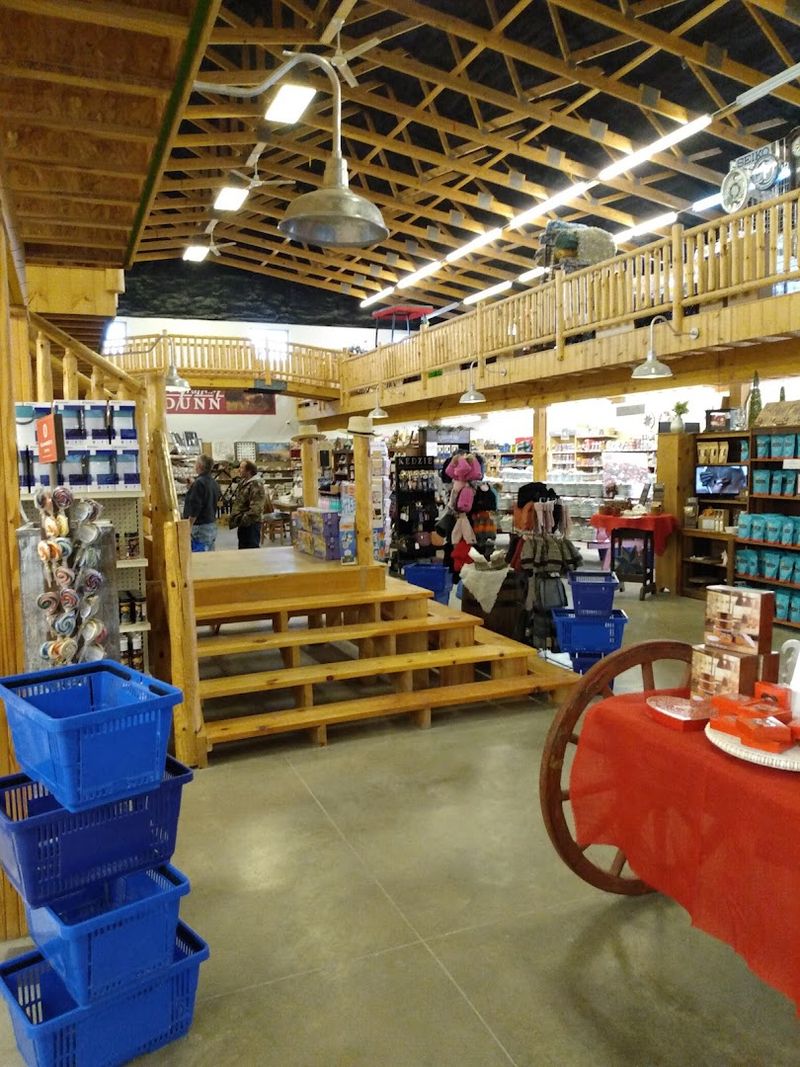
Community life in Bloomfield is not something that happens behind closed doors. The Amish here actively create spaces where outsiders can observe and participate in the rhythm of their heritage.
The Southern Iowa Produce Auction is one of the best examples of this openness in action.
Every Tuesday and Friday at 10 a.m. during the growing season, the produce auction draws Amish growers and curious visitors alike. Crates of fresh vegetables, flowers, and seasonal goods are auctioned off to the highest bidder.
The energy is lively, the prices are fair, and the produce is as fresh as it gets anywhere in Iowa.
Beyond the auction, quilting bees and craft fairs pop up throughout the year, giving visitors a chance to see traditional skills in action. These events are not staged for cameras.
They are real community gatherings where neighbors connect, and traditions stay alive. The Davis County Welcome Center in Bloomfield keeps updated information on local events and can point you toward upcoming activities.
Visiting during a community event gives you a completely different experience than just browsing shops. You get to feel the heartbeat of a culture that has stayed intentional and purposeful for over five decades.
Agricultural Practices Sustaining Livelihood
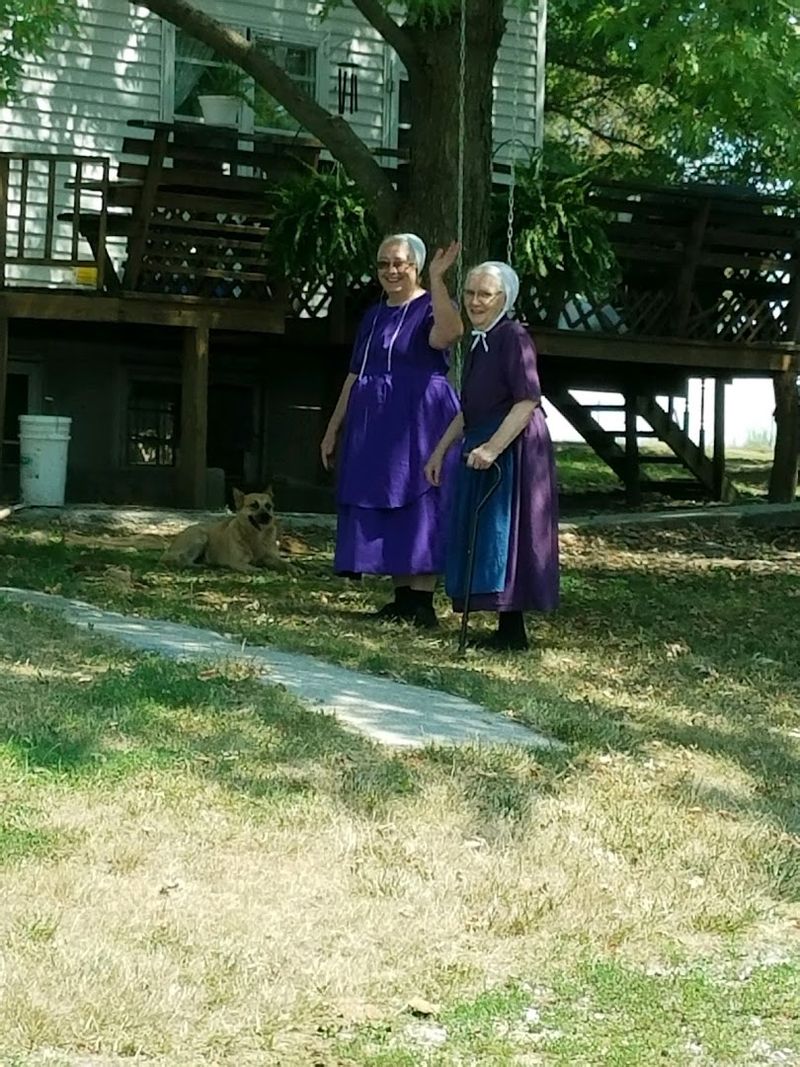
Farming is not a hobby in the Bloomfield Amish community. It is the foundation of everything.
Families work the land using horse-drawn equipment, avoiding the mechanized farming that dominates most of modern agriculture. The fields around Davis County reflect this commitment to traditional methods every single season.
Draft horses do the heavy lifting, literally. They pull plows, harrows, and cultivators across fields that yield corn, soybeans, vegetables, and more.
This style of farming is slower, yes, but it is also gentler on the soil. Crop rotation and natural composting are standard practices that keep the land productive year after year without chemical shortcuts.
Gardens attached to Amish homes are impressively productive. Families grow much of their own food and preserve what they cannot eat fresh through canning and drying.
The Southern Iowa Produce Auction connects these farm families directly with buyers, cutting out middlemen and keeping more money in the community.
Watching an Amish farmer guide a team of horses across a freshly turned field is one of those quiet, powerful images that sticks with you long after you leave Bloomfield. Agriculture here is not just a livelihood.
It is a statement of values lived out daily in the soil.
Amish Clothing And Textile Techniques
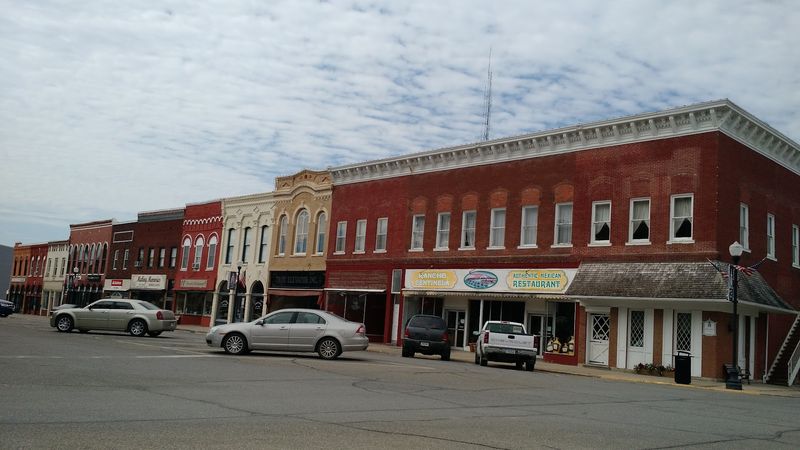
Amish clothing is instantly recognizable, and in Bloomfield, it tells a story about identity, faith, and community belonging. Plain dress is not about fashion.
It is a daily reminder that the community values humility and unity over individual expression. Every stitch carries meaning.
Women wear modest dresses in solid colors with aprons and prayer coverings. Men wear dark trousers, suspenders, and broad-brimmed hats.
Clothing is sewn by hand at home, using patterns passed down through generations. No zippers, no buttons in most cases, just straight pins and hooks.
It is a level of sewing skill that most modern crafters would find genuinely impressive.
Quilting is where Amish textile artistry really shines. The geometric patterns and vibrant color combinations found in Bloomfield quilts are striking.
Quilt shops in the area sell finished pieces and supplies, and watching an experienced quilter work is mesmerizing. These quilts are not mass-produced.
Each one can take weeks or months to complete. Buying one means owning a piece of functional art made entirely by hand.
The textile traditions here connect every generation to the ones before, keeping skills alive that would otherwise disappear in a world of fast fashion and disposable goods.
Religious Beliefs Influencing Daily Life
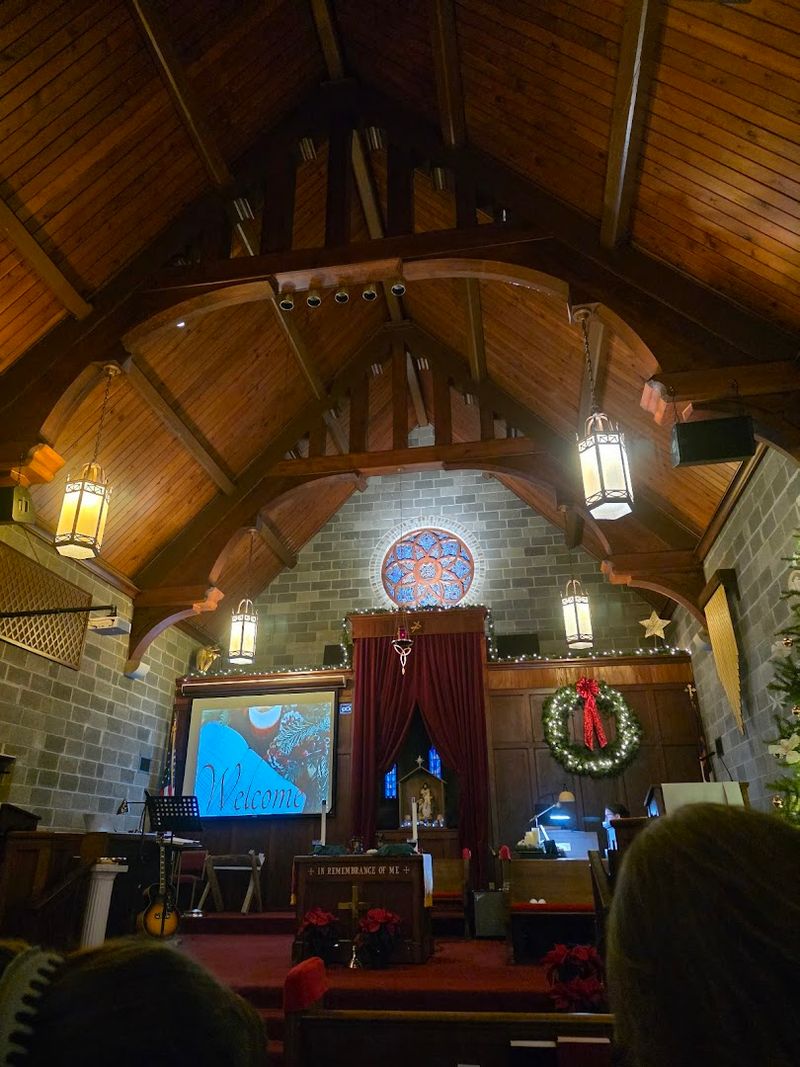
Faith is not a weekend activity for the Bloomfield Amish community. It is woven into every decision made from morning to night.
The Old Order Amish tradition here is one of the most conservative in Iowa, and that seriousness of belief shapes every aspect of daily life in visible and invisible ways.
Church services are held in homes and barns rather than dedicated buildings. Congregations rotate between member households, keeping worship intimate and community-centered.
Services are conducted in Pennsylvania Dutch, a German dialect that the community actively preserves.
This linguistic tradition is one of the most fascinating parts of visiting Bloomfield, where you might overhear a language that sounds like it belongs in another century.
The rejection of electricity, modern appliances, and many technologies is rooted directly in religious conviction. Keeping life simple reduces pride and keeps the community from drifting toward individualism.
Sunday is a non-negotiable day of rest and worship. Every Amish business in Bloomfield is closed, and the roads grow noticeably quieter.
Visitors who arrive on a Sunday quickly understand just how seriously this community takes its faith. Bloomfield’s Amish population does not just talk about their beliefs.
They live them out in a way that is impossible to miss and genuinely hard to forget.
Architecture Reflecting Historical Roots
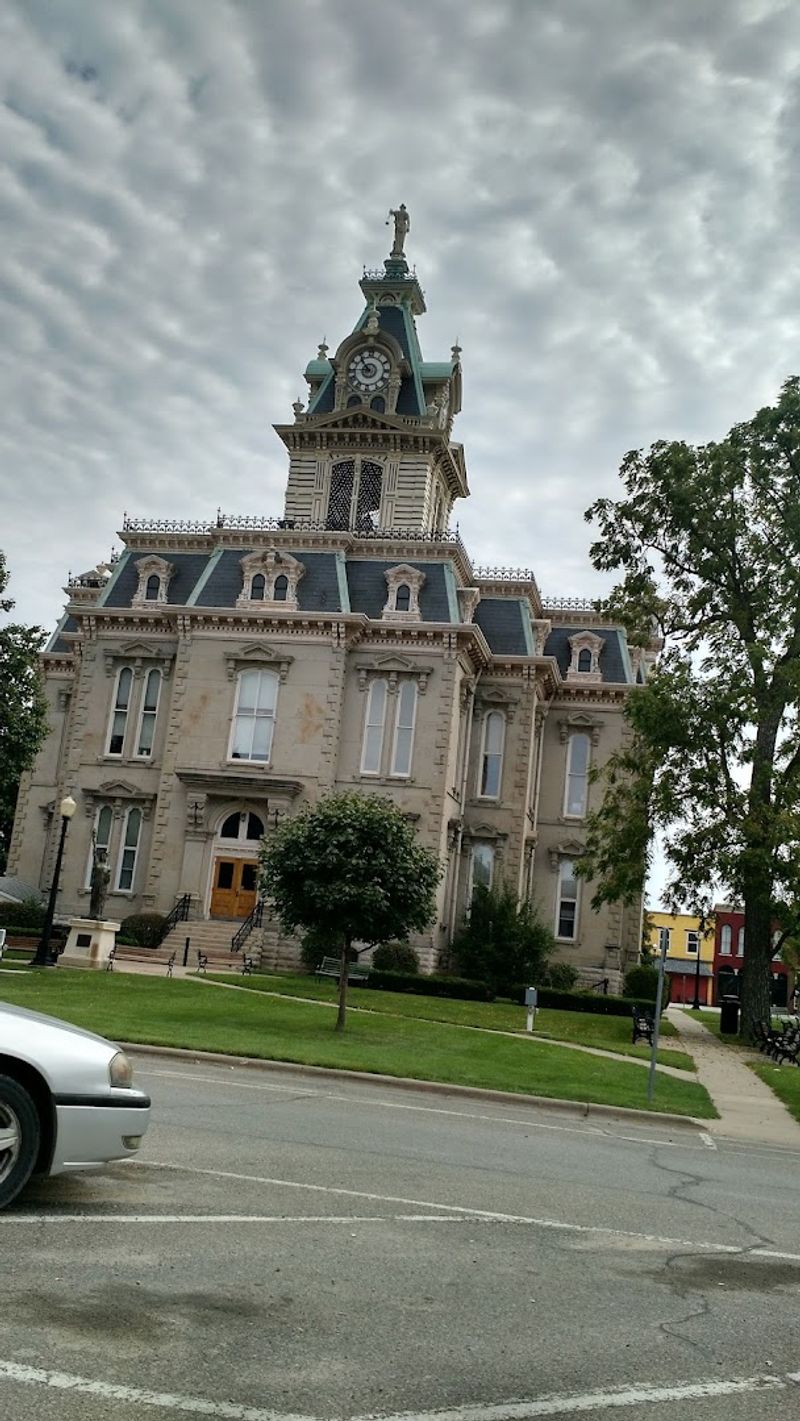
The buildings around Bloomfield’s Amish community look like they belong to a different era, and that is entirely intentional.
Plain white farmhouses, large wooden barns, and simple outbuildings dot the Davis County landscape in a way that feels genuinely historic rather than staged for aesthetics.
Amish homes are built without electricity, which means no wiring, no outlets, and no light switches. Natural light is maximized through strategic window placement.
Propane and kerosene handle cooking and heating needs. The construction itself is often done by the community, with neighbors gathering to raise barns and frame houses together.
Community labor is not just efficient. It is an expression of shared values.
Barns here are particularly impressive. Built to last generations, they use traditional joinery techniques and locally sourced lumber wherever possible.
The craftsmanship mirrors what you find in the furniture shops: precise, durable, and built without cutting corners. Driving through the countryside surrounding Bloomfield gives you a continuous panorama of this architectural style.
No neon signs, no strip malls, no power lines cutting through the skyline. The visual simplicity is almost jarring at first, and then it becomes deeply refreshing.
This is what a landscape looks like when a community agrees on what truly matters.