
This Wild Zombie Museum In Michigan Is A Must-See For Horror Lovers
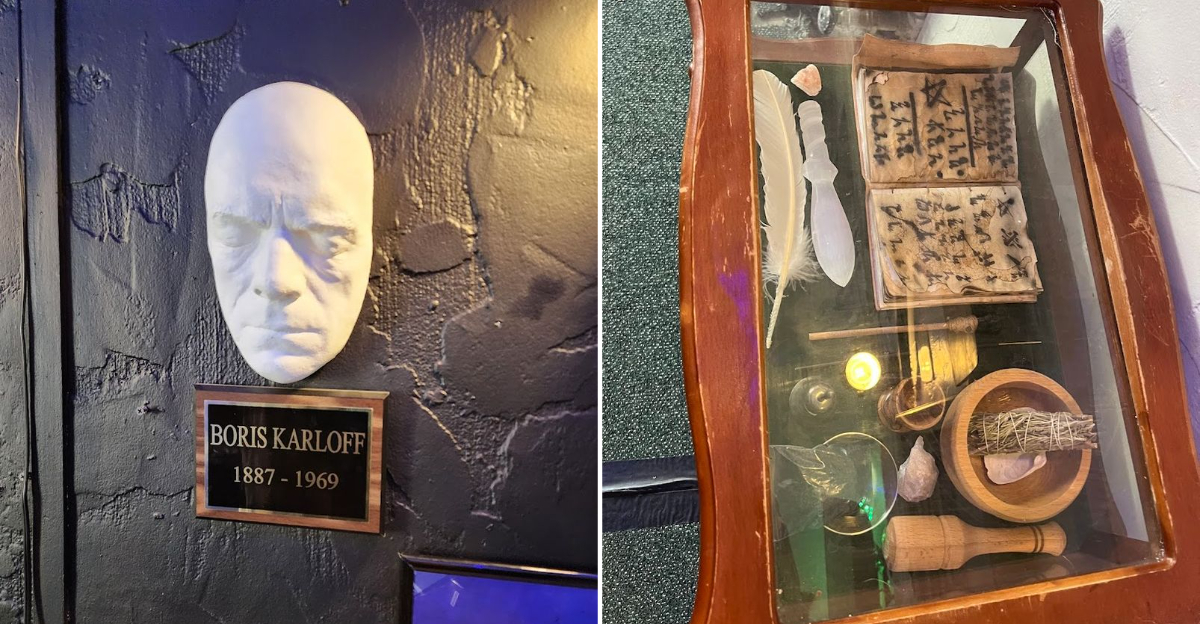
You will walk in curious. You will walk out checking the backseat of your car.
Michigan is not a state that tries to scare you. It has lakes, forests, and small towns that smell like pine and gasoline.
It is quiet in the way that makes you relax. The Wild Zombie Museum does not care about any of that.
There is a room with no lights. There is a corridor that gets narrower the further you go.
There is something at the end of it that you will not see coming. The staff will smile when you walk in.
That smile should have been your first warning. This is not a haunted house with a gift shop attached.
It is something harder to explain. The kind of place that gets under your skin before you even realize what happened.
People drive across Michigan to get here. They come back and bring someone new.
Not because they want to relive it. Because they want to watch someone else’s face when the lights go out.
Origins Of Zombie Mythology
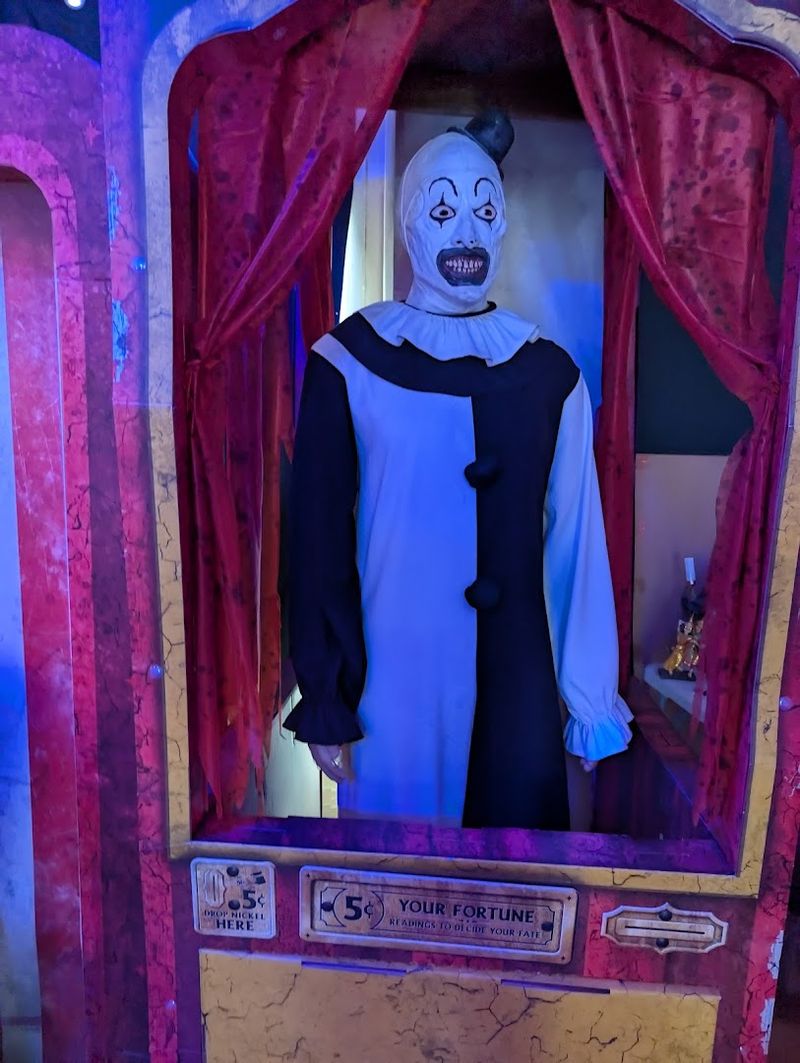
Long before zombies took over movie screens, they were rooted in real folklore and cultural tradition. The Michigan Museum of Horror explores how zombie mythology began in Haitian Vodou practices centuries ago.
The concept of a reanimated body under a sorcerer’s control was a genuine belief, not a Hollywood invention.
What makes this section so fascinating is how it connects ancient storytelling to modern pop culture. Visitors can trace how zombie legends traveled from the Caribbean to American literature, then straight into cinema.
The museum does a brilliant job of showing how fear evolves across generations.
Understanding where zombie mythology started completely changes how you watch modern horror films. You realize these stories were never just entertainment.
They were warnings, cultural expressions, and reflections of real human anxieties about control, identity, and mortality. The exhibits here give you enough historical context to feel genuinely educated rather than just spooked.
It is a surprisingly thoughtful experience wrapped inside a thrillingly unsettling atmosphere. Horror fans who love the “why” behind the scare will absolutely appreciate this deep historical foundation.
This museum is located at 44 S Monroe St, Monroe, MI 48161.
Famous Movie Props
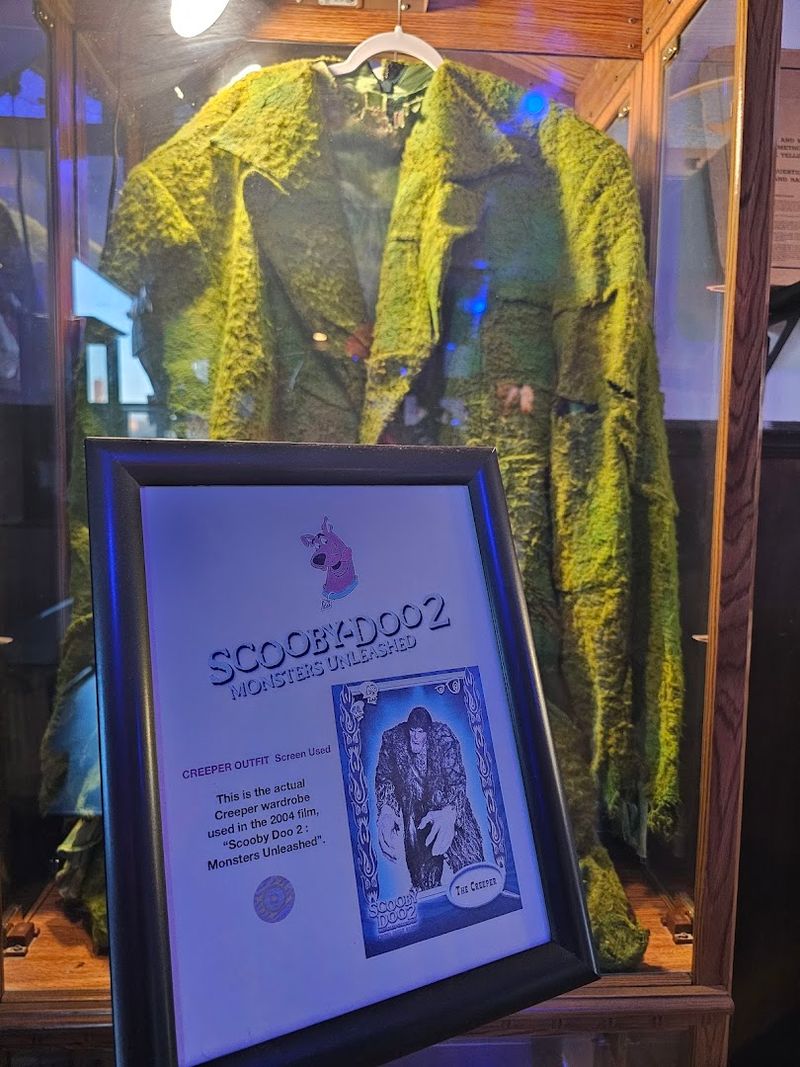
Horror movie props have a magnetic pull that photographs simply cannot replicate. Standing inches away from the actual Creeper Jacket from Scooby Doo 2: Monsters Unleashed is a genuinely surreal experience.
The Michigan Museum of Horror has assembled a remarkable collection of physical artifacts from films that defined generations of horror fans.
Memorabilia connected to Michael Myers, Ghostface from Scream, and Jason Voorhees fills the upper floor with an energy that is hard to describe. These are not cheap replicas.
These are real pieces of film history, carefully preserved and displayed with clear context so you understand exactly what you are looking at.
One unexpected highlight is the stage where Dimebag Darrell last performed. It sits among the collection as a sobering and powerful piece of music and cultural history.
The museum blends horror film fandom with genuine historical preservation in a way that feels respectful and intentional. Photography is fully welcome here, so bring your camera.
Every corner offers something worth capturing. For fans who grew up watching these films, standing in front of these props feels less like visiting a museum and more like finally meeting an old friend face to face.
Spooky Interactive Exhibits
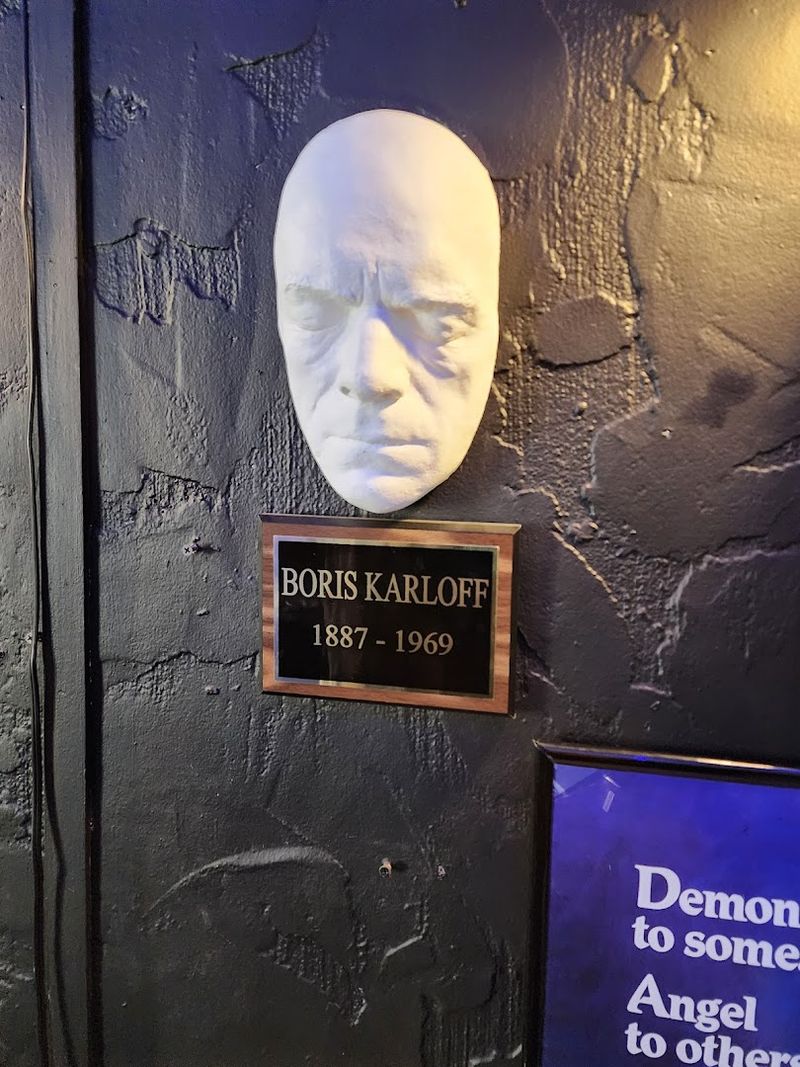
Interactive exhibits are what separate a forgettable museum visit from one you talk about for years. The Michigan Museum of Horror leans hard into modern technology to make sure every visitor feels genuinely involved.
Touchscreens, soundscapes, holographic projections, and mini escape room puzzles are woven throughout the space to keep you engaged at every turn.
One of the most memorable interactive moments is signing your own death certificate. It sounds morbid, and honestly, it is a little bit.
But it is also hilarious and weirdly fun in a way that only a horror museum could pull off without anyone feeling too uncomfortable about it.
The soundscapes deserve special mention. Ambient audio fills each section of the museum, shifting the mood as you move through different exhibits.
If you are sensitive to loud sounds, bringing earplugs is genuinely good advice. The museum is intentionally immersive, which means the volume is part of the experience.
For most visitors, it adds tremendous atmosphere. The interactive elements make the whole visit feel participatory rather than passive.
You are not just looking at things behind glass. You are actively part of the story the museum is telling, which makes the whole experience feel alive in a fascinating way.
Haunted Art Installations
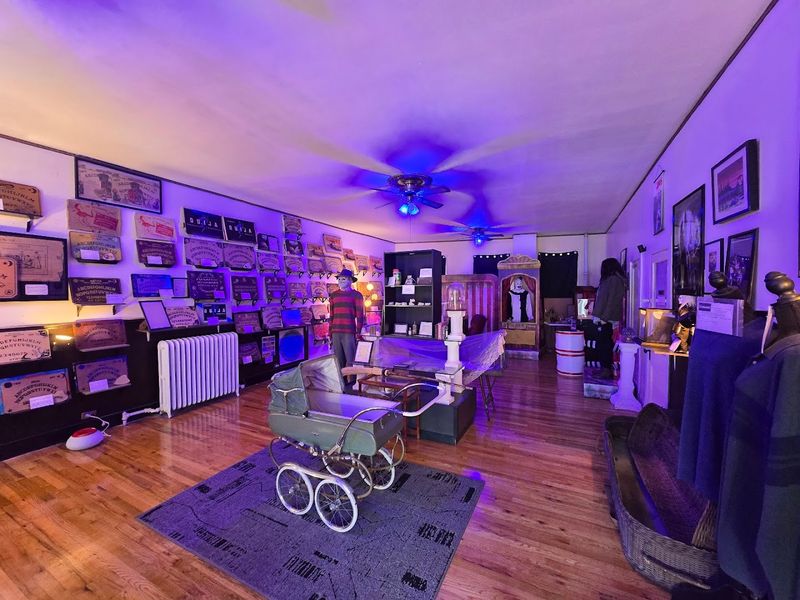
Cursed objects have a reputation that walks into a room before you do. The Michigan Museum of Horror houses a genuinely impressive collection of items with alleged supernatural histories.
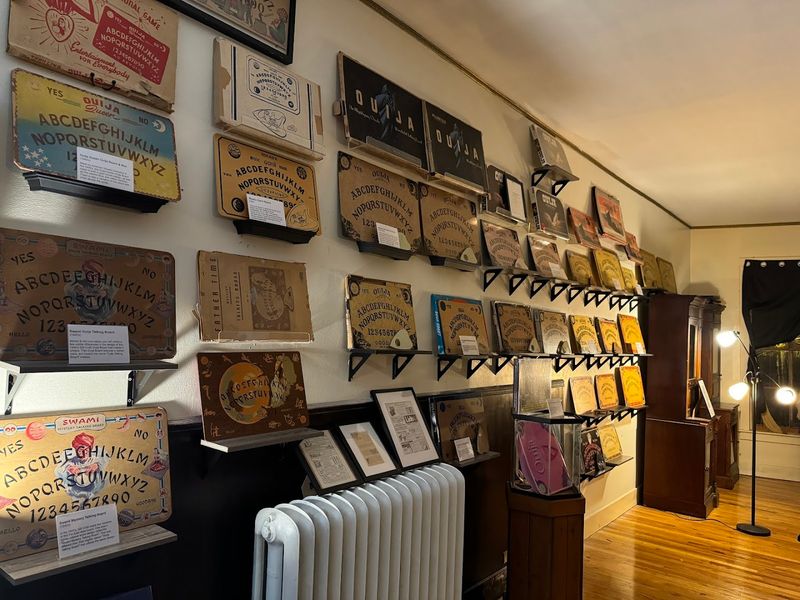
A weathered rocking chair, a vintage doll with unsettling eyes, and a haunted Ouija board dating back to 1891 are among the highlights that draw the most lingering stares from visitors.
These are not random flea market finds tossed onto shelves. Each object comes with documented history, and many have certificates of authenticity that trace their origins through decades of ownership.
The museum treats these pieces with the same seriousness a fine art gallery would give a priceless painting.
Paranormal enthusiasts who have visited report genuinely unexpected activity during their time here. Shadow movement on the upper floors and unexplained sounds have been noted by more than a few experienced investigators.
Whether you believe in the supernatural or approach it with healthy skepticism, the installations create an atmosphere that makes rational thought feel slightly less reliable than usual.
The art installations blend visual storytelling with genuine historical mystery. They invite you to form your own conclusions rather than telling you what to think, which is what great museum curation should do.
History Through The Decades
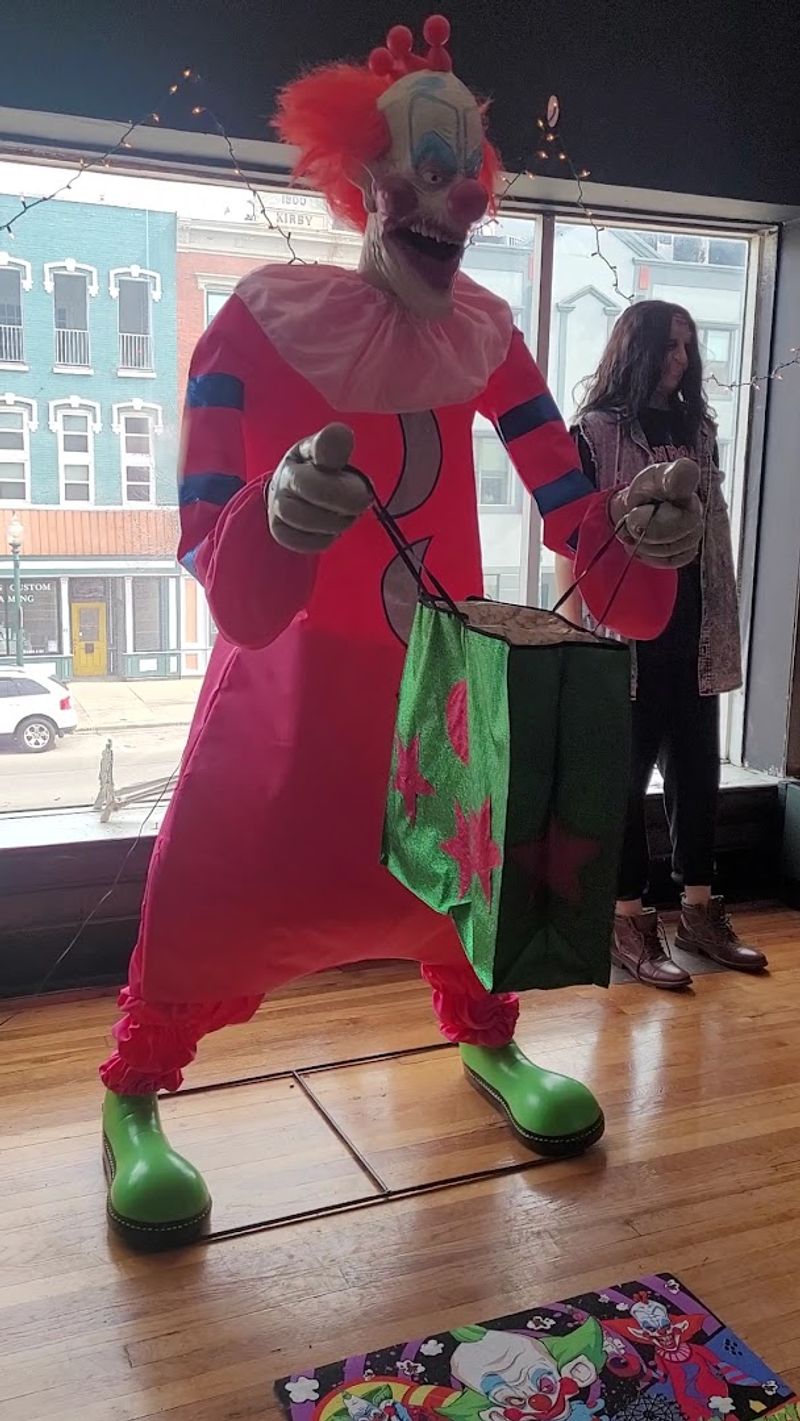
Horror did not appear overnight. It grew slowly across centuries, shaped by real events, cultural shifts, and evolving human fears.
The Michigan Museum of Horror traces this progression beautifully, with artifacts spanning from the early 1800s all the way through modern times.
Victorian-era violins, embalming degree certificates, and coffins sit alongside more contemporary pieces in a timeline that genuinely educates.
The true crime section adds another layer of historical weight. Walls lined with crime snippets, books of lore, and true crime artifacts connect real historical events to the broader story of how fear has shaped society.
It is sobering and fascinating in equal measure.
Real human remains form one of the most historically significant parts of the collection.
Skulls, full skeletons, human spines, and other specimens are ethically sourced, many from retired medical practitioners, and come with certificates of authenticity.
Some of these items date back nearly two hundred years. Visitors can actually hold certain skulls, which is either thrilling or deeply uncomfortable, depending on your personality.
Either reaction is completely valid. The museum presents this history without sensationalizing it, which earns genuine respect.
Walking through these exhibits feels like reading a very honest, very unfiltered history book about humanity’s darkest chapters.
Special Effects And Makeup Techniques
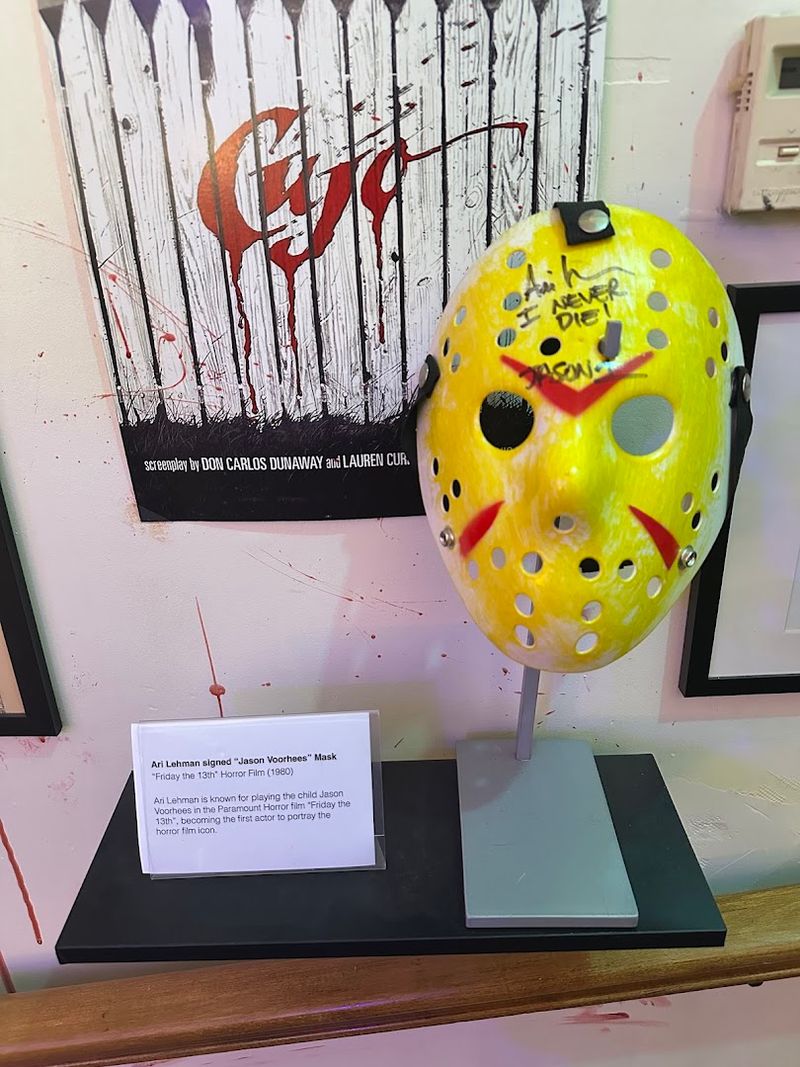
Horror movies would be nothing without the artists who make the impossible look terrifyingly real. The Michigan Museum of Horror gives genuine recognition to the craft behind the scares.
It highlights how special effects and makeup transformed the genre from simple ghost stories into full cinematic nightmares.The artistry involved is extraordinary and deeply underappreciated by casual fans.
Prosthetics, latex applications, and practical effects defined horror for decades before digital technology entered the picture.
The museum helps visitors understand why so many fans still prefer the tactile, handmade quality of practical effects over computer-generated imagery. There is a texture and weight to practical makeup work that screens can barely contain.
Filmmaker Nate Thompson, who owns and curates the collection, brings a professional lens to this section of the museum.
His background in film gives the special effects exhibits an insider credibility that most horror collections simply cannot match.
You get the sense that these pieces were selected by someone who genuinely understands their significance, not just their shock value.
For aspiring filmmakers or anyone curious about the craft of cinema, this section offers real insight into how horror movies actually get made. It is part film school, part fan celebration, and completely worth your time.
Zombie Survival Tips And Tricks
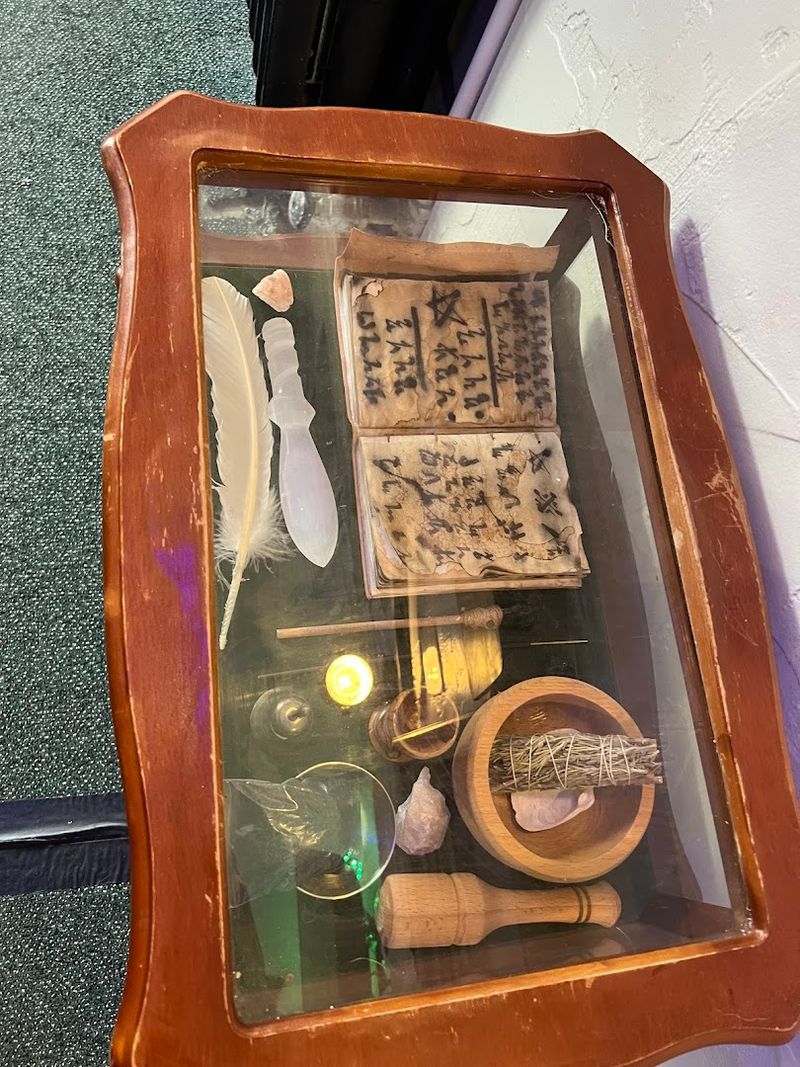
Survival planning sounds ridiculous until you are standing in a museum surrounded by zombie lore and suddenly start wondering if you have thought this through.
The Michigan Museum of Horror approaches zombie survival with a playful but surprisingly practical energy. The exhibits draw from decades of film, folklore, and cultural storytelling to outline what fictional survivors consistently get right and wrong.
Location awareness is the first lesson. Survivors in zombie narratives who understand their environment last significantly longer than those who panic and run without direction.
The museum connects these fictional survival principles back to real emergency preparedness concepts in a way that feels clever rather than preachy.
Community and resourcefulness come up repeatedly as survival themes across zombie mythology. The most resilient characters in horror fiction are rarely the strongest.
They are the most adaptable. The museum celebrates this idea through its exhibits, encouraging visitors to think critically about problem-solving under pressure.
There is genuine humor woven into this section too, which keeps it from feeling heavy. Zombie survival tips work best when they make you laugh and think at the same time.
This part of the museum absolutely delivers on both. You will leave with a smile and a slightly revised opinion about the importance of knowing your nearest exit.
Cultural Impact Of Films
Horror films have shaped culture in ways that go far beyond entertainment. They have influenced fashion, music, literature, psychology, and even political discourse.
The Michigan Museum of Horror acknowledges this broader cultural footprint by presenting horror not as a niche obsession but as a legitimate and powerful artistic movement that has defined how entire generations process fear.
Films featuring Michael Myers, Jason Voorhees, and Ghostface did not just frighten audiences. They created a shared cultural language.
Phrases, images, and sounds from these films became embedded in mainstream consciousness in a way that few other art forms have achieved. The museum celebrates this influence with genuine enthusiasm and scholarly respect.
The collection also honors music’s intersection with horror culture, most notably through artifacts connected to Dimebag Darrell.
His presence in the museum acknowledges that horror as a cultural force extends well beyond cinema into music, art, and community identity. Curator Nate Thompson clearly understands that horror fans are not just thrill-seekers.
They are people who use dark art to process real emotions and connect with something larger than themselves. This museum honors that truth at every turn.
Visiting feels like receiving long-overdue validation for a passion that mainstream culture has spent decades dismissing without understanding.